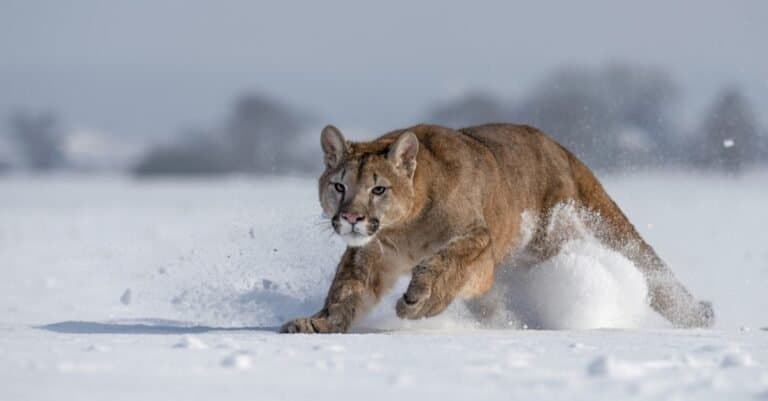
Cougar
One cat. Two continents.

One cat. Two continents.
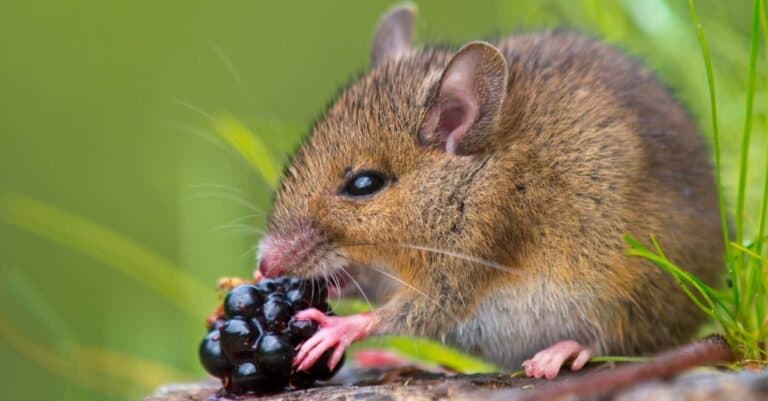
Small gnawers, huge impact.
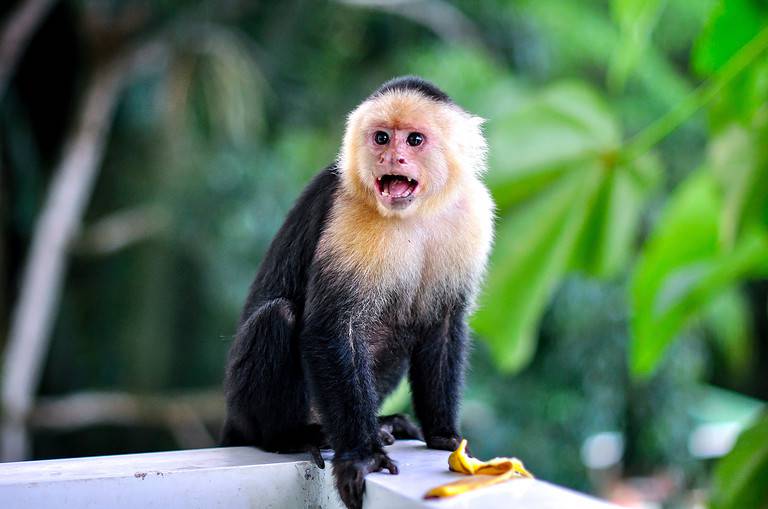
Hands, minds, and social lives
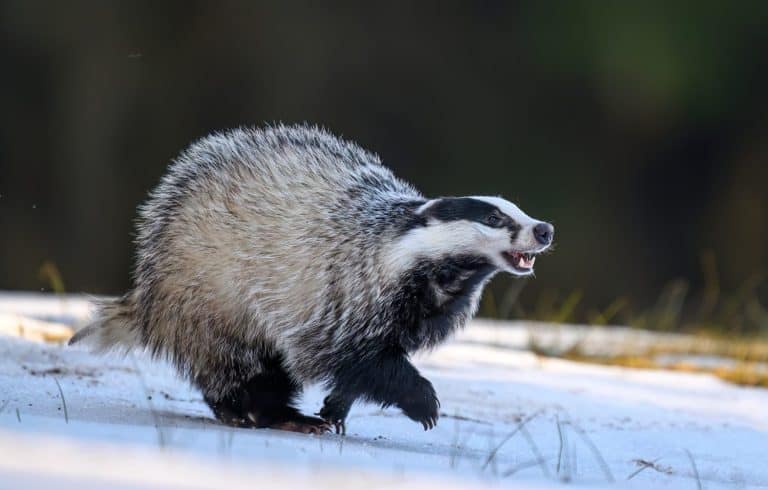
Built to dig. Born to endure.
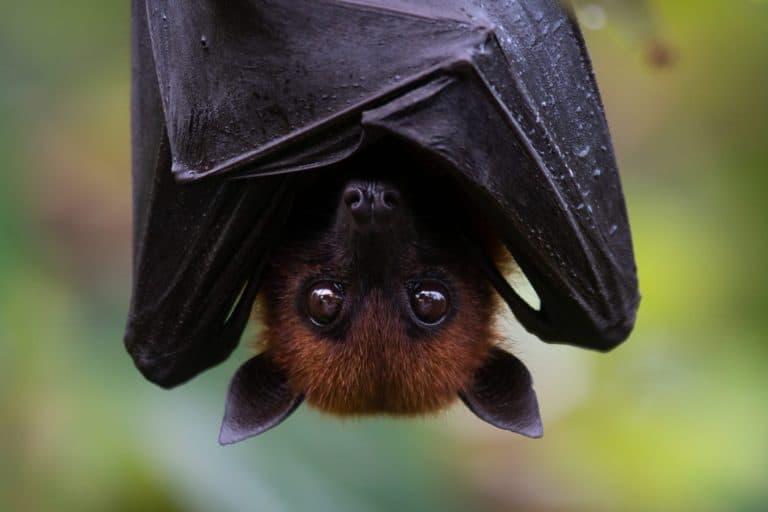
Night pilots of the mammal world
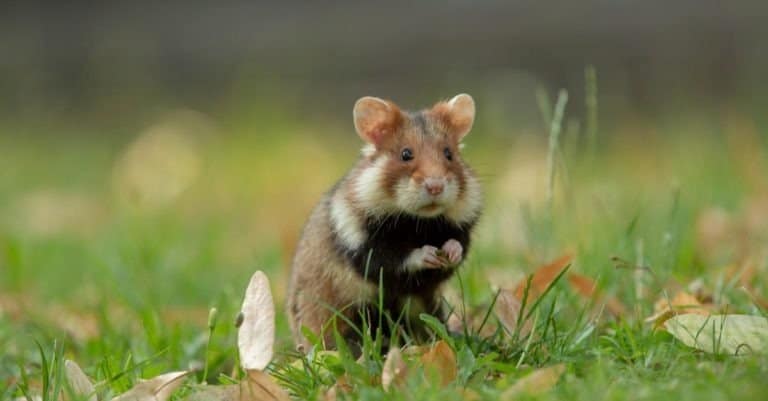
Pouches, burrows, and big impacts
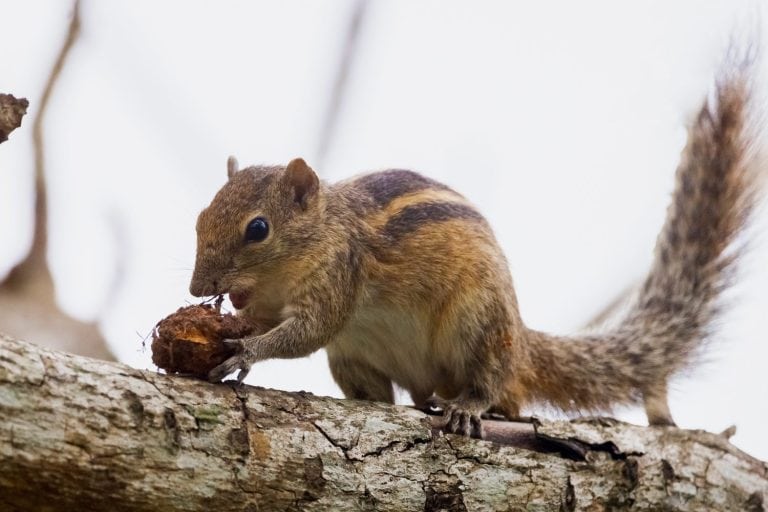
Three stripes. Big city attitude.
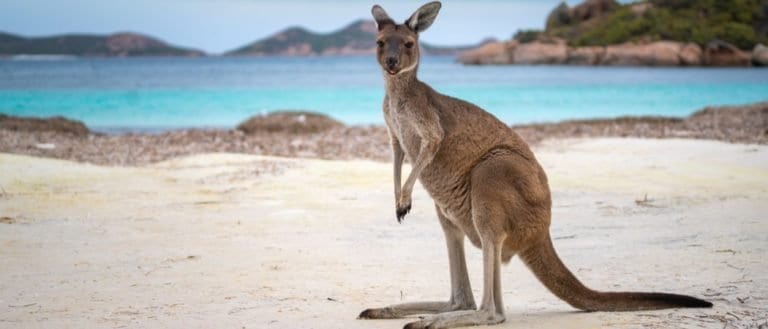
Big hops, big pouches, big variety
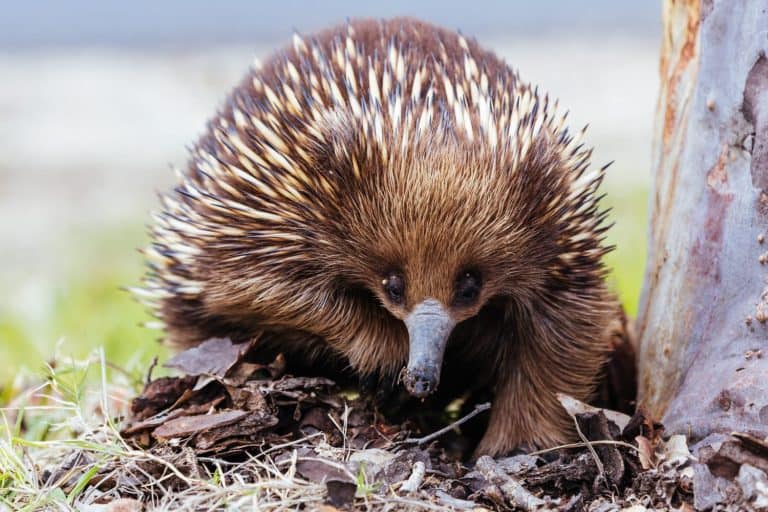
Spines, eggs, and ant-eating mastery
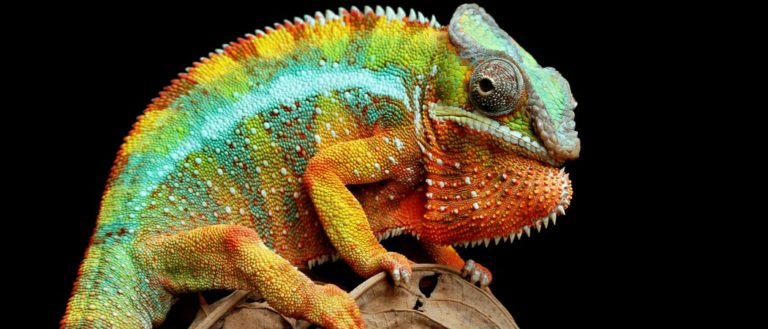
From geckos to dragons-lizard power
Climbing is a mode of locomotion in which an organism moves upward, downward, or laterally on steeply inclined to vertical substrates by generating traction against gravity through gripping, adhesion, friction, or hooking. It requires coordinated limb (or body) placement and force production to maintain stability while minimizing slip and fall risk.
Climbing is moving on sloped to vertical surfaces like tree trunks or rock faces where gravity makes holding on and traction hard. Climbers must support their weight and prevent sliding, often spreading load over limbs or body parts to keep balance. Animals use frictional gripping (grasping hands or feet, claws), adhesion (sticky pads or setae in geckos and insects), or hooking into bumps (talons, spines). Good climbing needs careful limb placement, pushing into the surface to increase friction, and keeping the body close to avoid tipping. Climbing evolved many times, can be specialized (arboreal or saxicolous), and depends on surface features like roughness, wetness, and slope, leading to adaptations such as opposable digits, curved claws, long limbs, or adhesive pads.
Etymology: From an Old English verb meaning "to climb," ultimately from a Proto-Germanic root meaning "to ascend" or "to clamber upward."
Climbing is just walking on a steep surface; in reality it requires different force balance (weight support and shear/normal force management) and often distinct kinematics
All climbers rely on claws; many species primarily use adhesion (pads/setae) or frictional gripping without penetrating the substrate
Climbing is always upward; it also includes controlled descent and lateral movement on vertical/inclined surfaces, often with different mechanical demands
Climbing is locomotion against gravity where the body maintains continuous or near-continuous contact with a surface while shifting support from one set of contact points to another. The key physics problem is managing the balance of forces at each contact: the normal force (perpendicular to the surface) and the tangential/shear force (parallel to the surface). To avoid slipping, the climber must keep required shear forces below what friction, adhesion, or mechanical interlock (hooks/claws) can provide. Stability is maintained by keeping the body's center of mass within the "support polygon" formed by active contacts, or by generating counter-torques (e.g., pulling in with arms while pushing with feet) to keep the body close to the wall and reduce rotational peel.
Body mechanics typically alternate between reaching/repositioning and loading/pulling/pushing. Limbs act as both anchors and motors: hands/forelimbs commonly provide secure holds and controlled lowering/raising of the torso, while feet/hindlimbs often supply efficient upward drive via extension at the hips/knees/ankles. On steep or overhanging terrain, pulling dominates and the climber increases inward force to prevent peel; on slabby or inclined surfaces, pushing and frictional foot placement dominate. The trunk and scapular/pelvic girdles transmit loads between limbs, and grip/attachment structures (pads, claws, spines, toes) modulate contact area and pressure to maximize traction while minimizing energy loss and fatigue.
Propulsion comes from muscular work that creates upward (and inward) forces through the contact points: limb flexors/extensors pull the body toward holds and push the body upward, while grip/adhesion/hooking converts those forces into usable traction. Energy is transmitted through the trunk to coordinate multi-limb force sharing, often emphasizing hindlimb extension for efficient vertical gain and forelimb pulling for control on steep sections.
Direction is controlled by selecting and sequencing holds to bias force vectors: reaching to the left/right, shifting the center of mass laterally, and differentially loading contacts to generate controlled yaw/roll. Fine steering uses micro-adjustments in wrist/ankle angles, toe/finger splay, claw orientation, and inward "hugging" pressure to prevent peel while traversing or changing pitch.
A cyclic sequence where some contacts remain loaded to support weight while others move to new holds. The cycle aims to preserve at least three points of contact (for many quadrupeds/humans) during transitions, then transfers load to advance the body upward or sideways.
Relies primarily on friction from pads/skin/soles against rough or inclined surfaces; requires high normal force and precise foot placement, common on slabs and tree trunks with bark texture.
Uses claws, spines, or curved digits to mechanically interlock with asperities, cracks, or bark; reduces dependence on friction and supports steeper/rougher terrain.
Uses wet adhesion (capillary forces), van der Waals adhesion, or sticky secretions to generate shear resistance on smoother surfaces; emphasizes maintaining pad contact area and controlling peel angles.
Generates stability by wedging limbs, hands, feet, or body parts into cracks/chimneys; propulsion comes from opposing pressures between surfaces rather than discrete holds.
Progresses by alternating forelimb suspensions and swings; propulsion uses pendular dynamics plus shoulder/elbow flexion, with minimal lower-limb loading.
On moderate inclines, gait resembles walking with increased forelimb contribution and more frequent contact transitions; propulsion primarily from hindlimb extension with intermittent hand support.
Generate secure grips on branches, ledges, or holds; allow precise placement and controlled pulling against gravity
Provide secondary anchoring and propulsion; stabilize the body while the forelimbs reposition
Hook into bark, cracks, or micro-edges to prevent backward slip and support body weight
Create attachment on smooth or low-feature surfaces where gripping is limited
Increase reach and allow multi-directional loading during pull-ups, bridging, and overhang climbing
Provide an additional grasping point or stabilize center of mass during vertical ascent/descent
Hypertrophied digital and wrist/ankle flexors (for gripping), strong forearm flexor compartments and intrinsic hand/foot muscles (thenar/hypothenar/interossei), powerful shoulder adductors and retractors (latissimus dorsi, pectorals, teres major) for vertical pulling, scapular stabilizers (trapezius, rhomboids, serratus anterior) to maintain shoulder integrity under load, robust hip extensors and abductors (gluteal group) plus hamstrings and calf complex (gastrocnemius/soleus) for step-up propulsion and stance control, and enhanced core musculature (obliques, transversus abdominis, erector spinae) for anti-rotation and maintaining close-to-surface posture.
Mobile, robust shoulder and hip joints with enlarged articular surfaces to tolerate multi-axial loading; reinforced clavicle/scapula and strong humeral head/neck for overhead traction; radius/ulna and associated radioulnar joints enabling substantial pronation-supination and hand orientation changes; elongated or highly articulated digits with reinforced distal phalanges/ungual processes to support claws or pads; carpal/tarsal architecture permitting high flexion and ulnar/radial deviation for wrapping around holds; ankle and subtalar joints with increased inversion/eversion for edge conformity; strengthened pelvis and vertebral column with adaptations for flexion/extension and torsional stability; in prehensile-tailed climbers, specialized caudal vertebrae with enhanced flexibility and muscle attachment sites.
Vertical ascent: ~0.1-0.6 m/s on sustained climbs (≈6-36 m/min). Short bursts on very climbable terrain can reach ~0.8-1.2 m/s (≈48-72 m/min). Inclined scrambling (hands occasionally used): ~0.5-1.5 m/s depending on grade and holds.
vs Humans: Comparable to or slower than a fit human on easy ladders/stairs (humans often ~0.3-0.8 m/s vertical equivalent), but slower than human hiking speeds on moderate inclines. On steep, technical routes, humans typically drop to ~0.05-0.3 m/s; specialized climbers (e.g., animals with claws/adhesion) can match or exceed human speed on rough/vertical natural surfaces.
Sustainable continuous climbing is usually limited by forelimb/hand/foot grip fatigue and local muscular endurance: ~2-10 minutes for near-maximal efforts; ~20-60+ minutes at moderate intensity with rests. Long ascents are typically performed intermittently (climb-pause cycles) rather than continuously, with total activity spanning hours if pauses are available.
Lower mechanical efficiency than level walking/running because positive work against gravity dominates and stabilizing/gripping requires high isometric force. Efficiency varies widely with technique and surface: generally moderate-to-low compared with terrestrial locomotion, with substantial additional cost from maintaining contact forces and body tension.
High relative cost per meter compared to walking/running on level ground. Cost increases steeply with grade because each meter climbed requires m-g-h of work plus stabilizing losses; per horizontal meter, steep climbing can be several-fold more costly than walking. Compared to other modes: typically > walking/running on level, often > swimming/gliding over distance, and can approach or exceed short-burst flight costs on a per-distance basis when vertical gain is large.
Maximum toe-pad adhesive shear strength (biological adhesive benchmark)
~20 N per foot (order of magnitude; varies by study/conditions)
Steepest sustained cliff/near-vertical terrain routinely climbed among large mammals
Near-vertical rock faces; documented climbing on slopes approaching ~60-90° in the wild
Gecko toe pads adhere using dense arrays of microscopic hairs (setae and spatulae) that create strong dry adhesion largely through intermolecular (van der Waals) forces; engineered gecko-inspired adhesives mimic this microstructured hair-array mechanism rather than relying on high-friction rubber alone.
Gecko and anole setae-based adhesion (large real contact area across microscopic structures) enabling attachment on smooth or slightly rough vertical surfaces.
Clawed mammals and birds that hook into bark/rock; analogous to mechanical "penetration + purchase" for high shear resistance on low-friction substrates (ice, firm snow, frozen rock).
Ratchet-like "one-way grip" seen in climbing/anchoring behaviors (e.g., insects and small vertebrates maintaining position against gravity by alternating hold-and-advance cycles).
Suction-capable climbers (e.g., octopus) and adhesion strategies that create pressure differentials to stick to smooth surfaces, translated into engineered suction and aerodynamic adhesion.
Primate-style three-point contact and load distribution principles-maintaining stability by keeping multiple secure contacts while moving one limb at a time.
Natural rock features and arboreal substrates that offer edges, pockets, and friction zones; designed routes mimic the affordances animals exploit (ledges, cracks, bark furrows).
Force-sharing and tendon-driven grasping in arboreal mammals; leveraging distributed grip, passive compliance, and fatigue reduction for sustained holds.
Found across: Primates (apes, many monkeys), Rodents (squirrels, tree rats), Carnivorans with scansorial habits (e.g., leopards, martens, raccoons), Caprines and related ungulates on rocky terrain (goats, ibex, sheep), Lizards (geckos, anoles, other arboreal lizards), Amphibians (tree frogs with toe pads), Arthropods-especially insects and spiders (claws, adhesive pads), Crustaceans (some crabs, including arboreal/rock-climbing species), Mollusks (octopuses; also some snails on vertical surfaces)
Many climbing animals don't "pull" themselves up as much as they "push" with the hind limbs-keeping the body close to the surface reduces the torque that would peel them off the wall.
Gecko-like adhesion can be effectively self-cleaning: the same tiny hair-like structures (setae) that stick via van der Waals forces can shed dust as the foot peels at a specific angle.
Climbers often tune their grip by changing contact angle rather than squeezing harder-small shifts in wrist/ankle orientation can dramatically alter friction and attachment strength.
Some climbers improve safety by spreading load across more contact points than needed for support; distributing forces lowers the chance that any single hand/foot exceeds the slip threshold.
Climbing can demand very different muscle behavior than running: prolonged isometric contractions (holding position) can be more important than rapid power bursts, and fatigue can arrive suddenly when blood flow is restricted during sustained grips.
Scale: A gecko can generate adhesion forces several times its body weight-like a human being able to hang from a wall with the equivalent of multiple extra people pulling downward.
Efficiency: Compared with level walking, steep climbing can require multiple times the metabolic energy per meter traveled because every meter gained adds gravitational potential energy (you can't "coast" that cost away).
Speed: Even fast climbers are typically much slower than runners-roughly like swapping a sprint on flat ground for carefully stepping up a ladder: movement is limited by grip placement and stability rather than leg turnover alone.
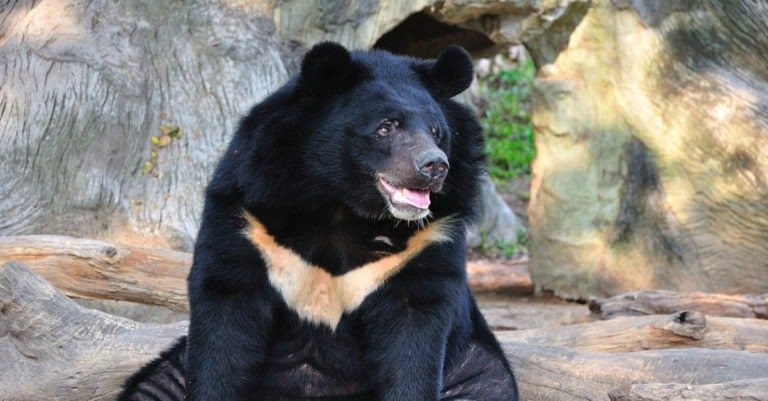
Moon-marked climber of Asian forests
Built to dig. Born to endure.
Night pilots of the mammal world
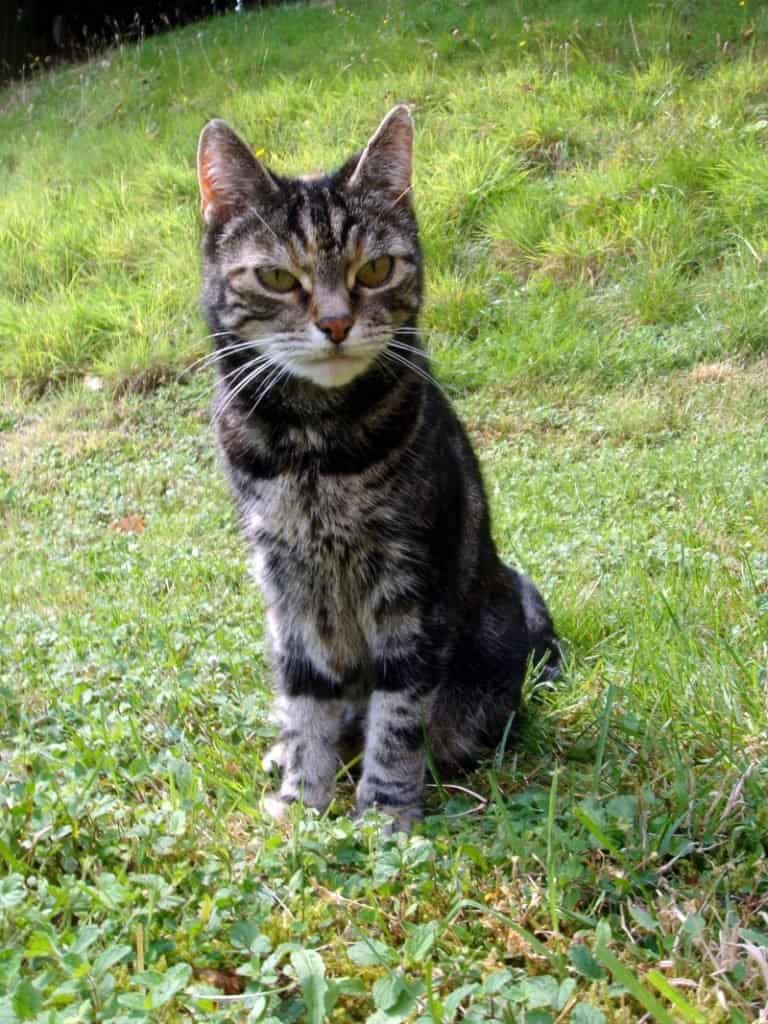
Small hunter, big household legend
One cat. Two continents.
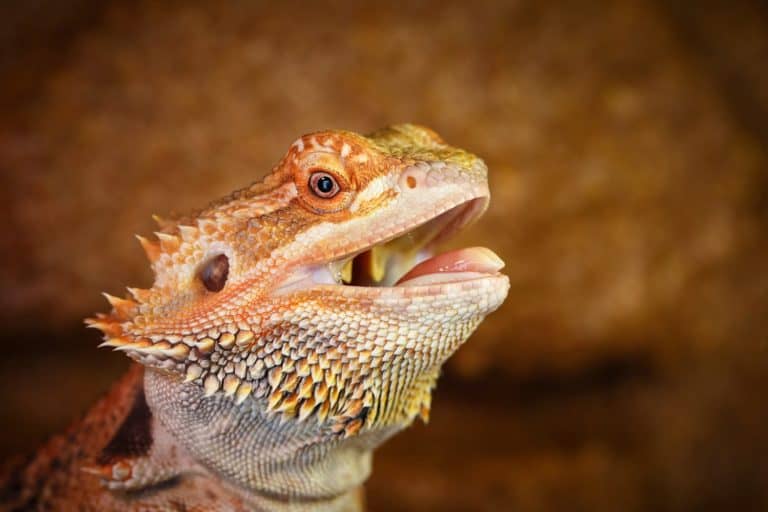
Big beard, bright sun, bold attitude.
Spines, eggs, and ant-eating mastery
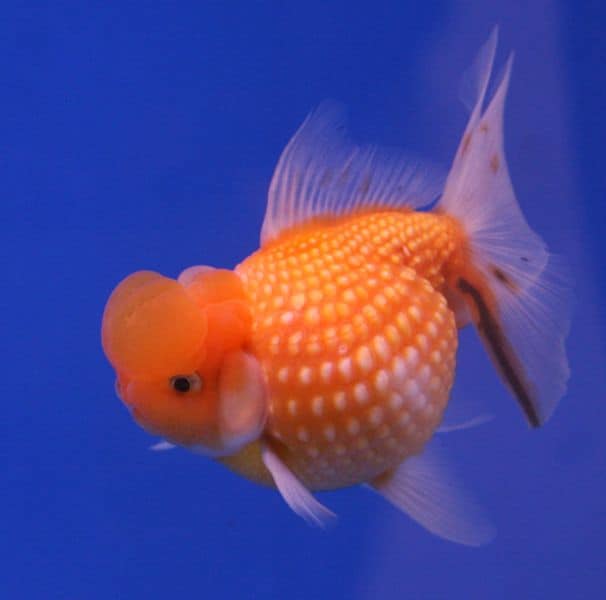
Bony rays, endless ways.
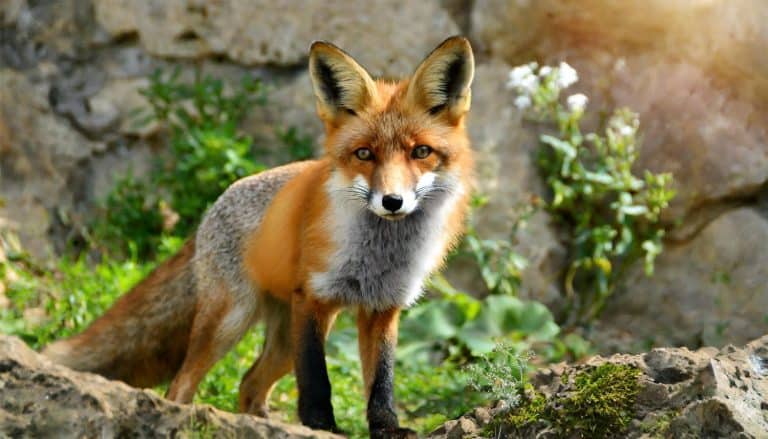
From dunes to tundra-fox smart.
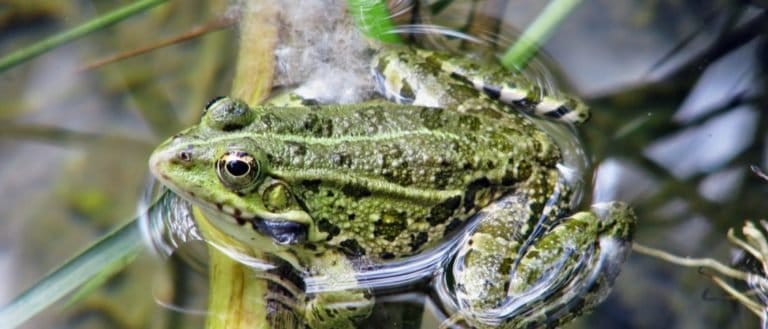
Tailless jumpers, masters of change
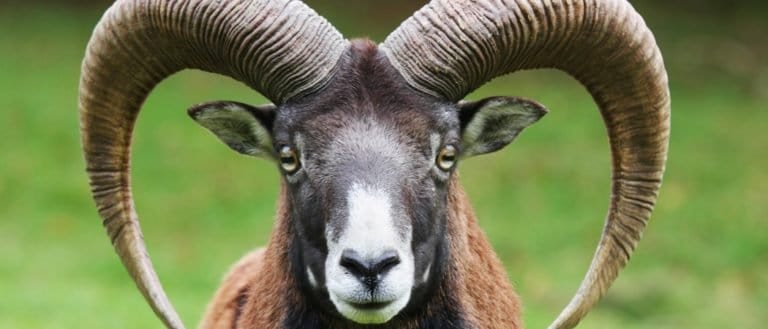
Sure-footed masters of rock and range
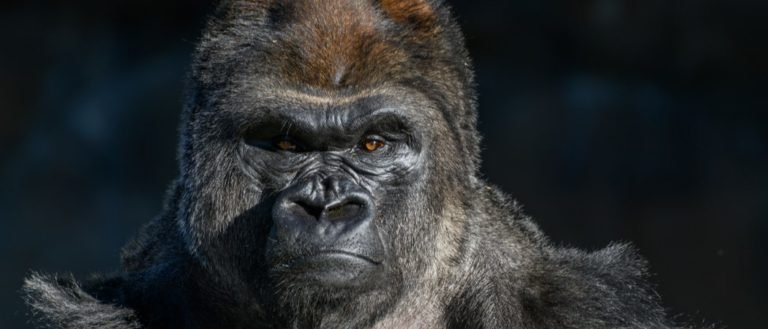
Gentle giants of the African forests
Pouches, burrows, and big impacts
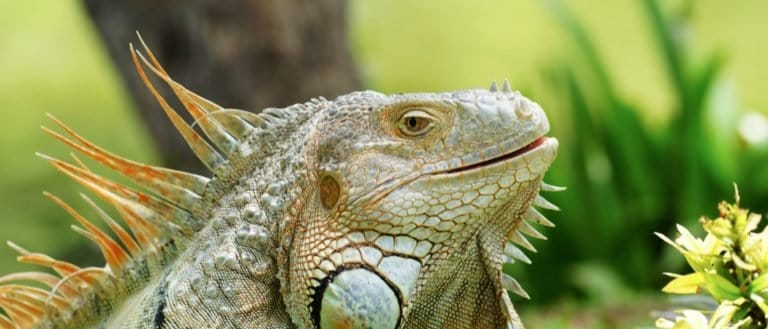
Sun-powered lizards of the Americas
Three stripes. Big city attitude.
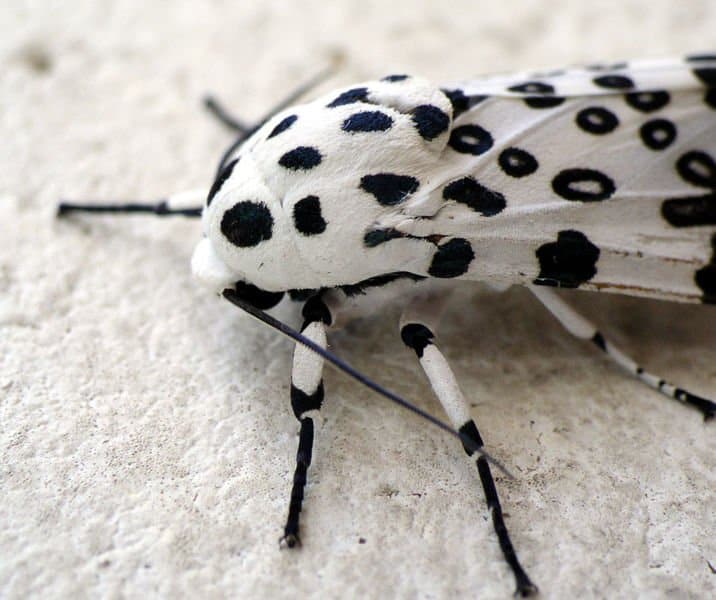
Six legs, endless lives.
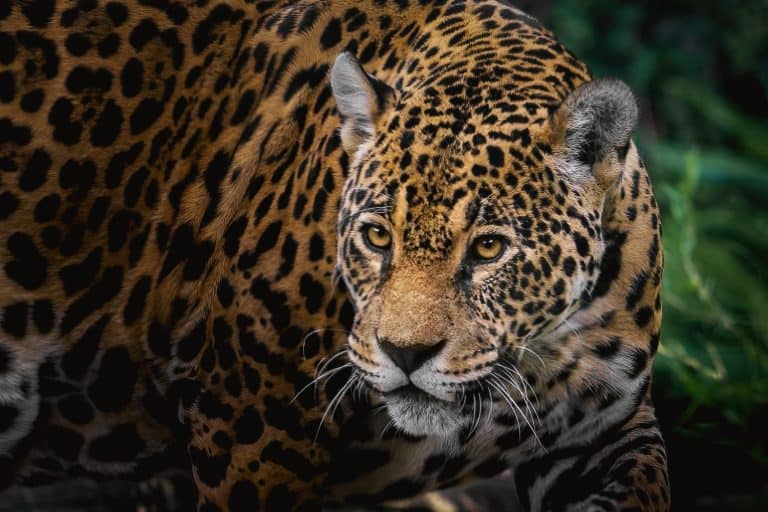
Power of the Americas' apex cat
Big hops, big pouches, big variety
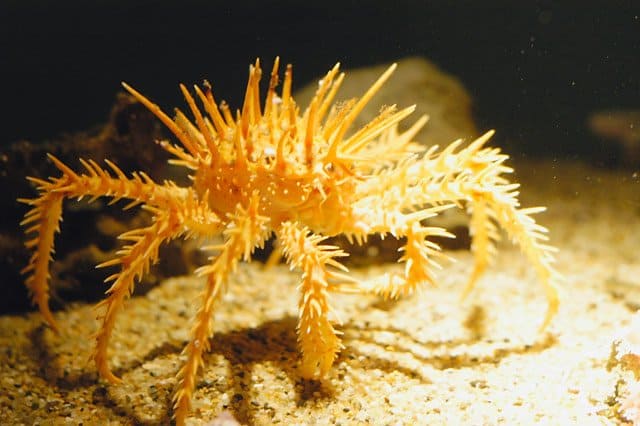
Cold-water royalty of the seafloor
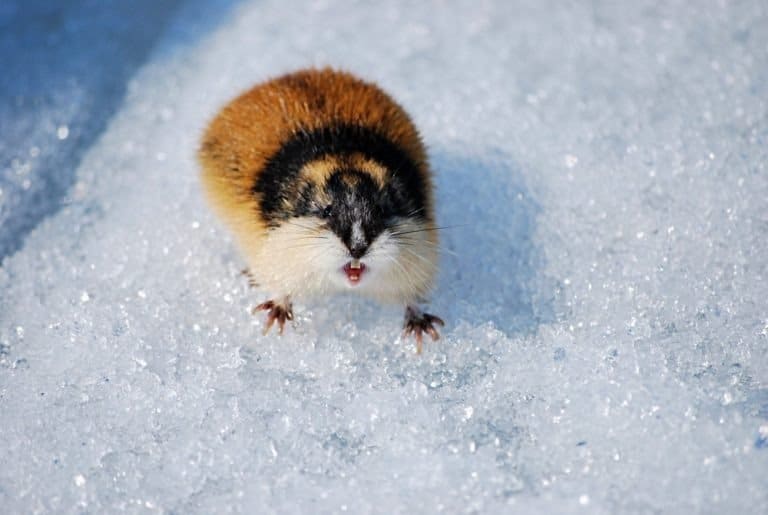
Small rodents, huge tundra impact
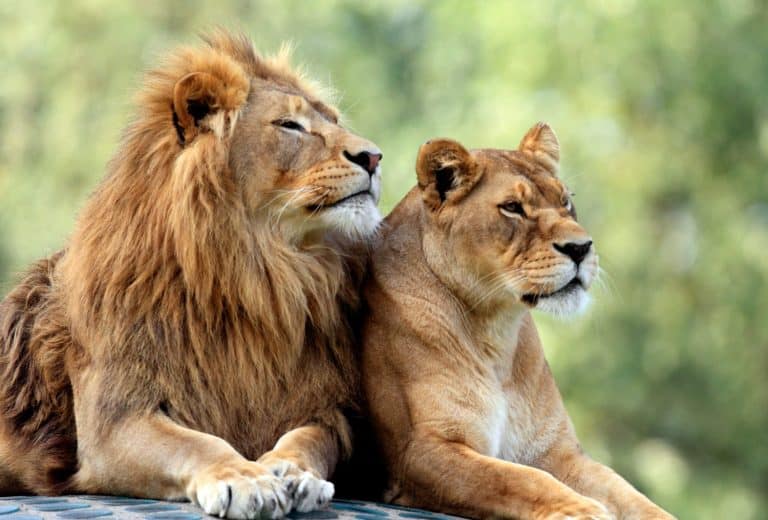
Built for prides, born for the hunt
From geckos to dragons-lizard power
Small gnawers, huge impact.
Hands, minds, and social lives
Thank you for reading! Have some feedback for us?
We appreciate your help in improving our content.
Our editorial team will review your suggestions and make any necessary updates.
There was an error submitting your feedback. Please try again.