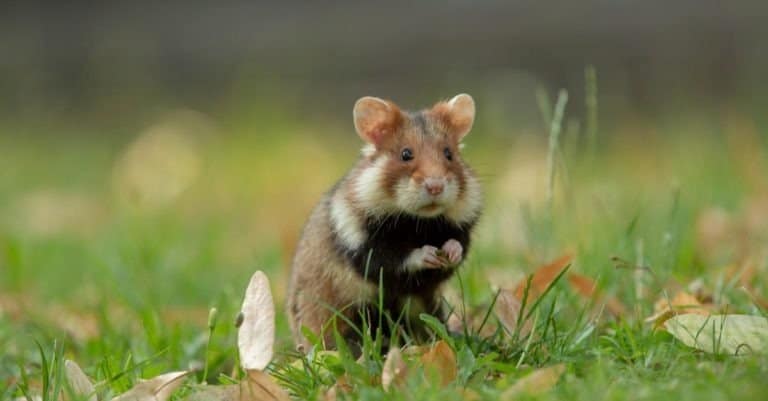
Hamster
Pouches, burrows, and big impacts

Pouches, burrows, and big impacts
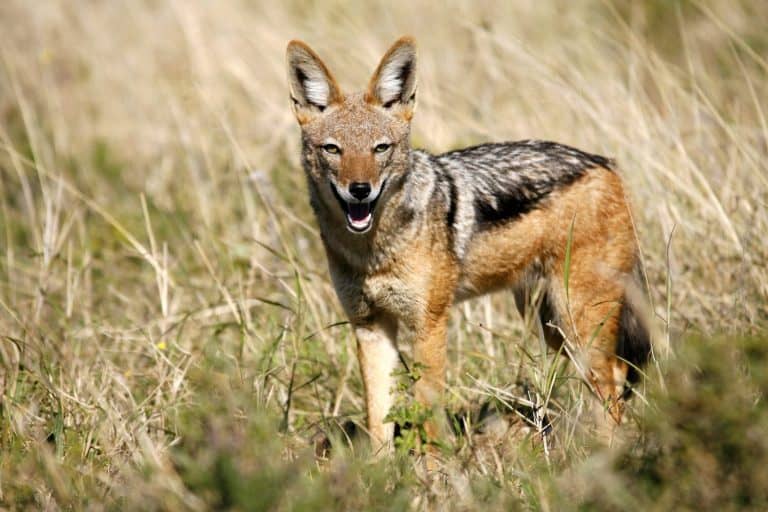
Small canids, big survival skills
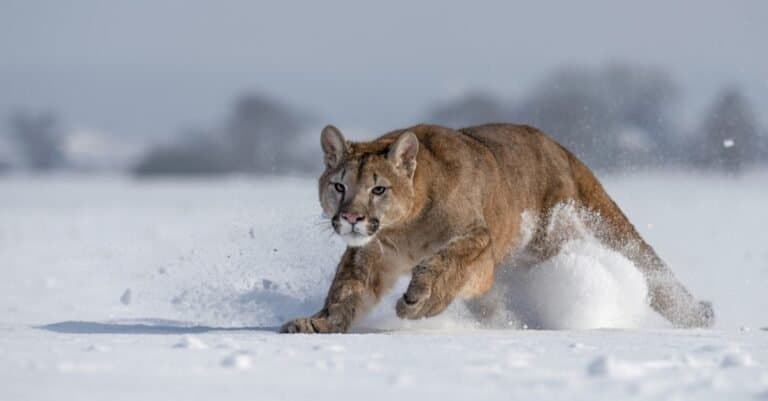
One cat. Two continents.
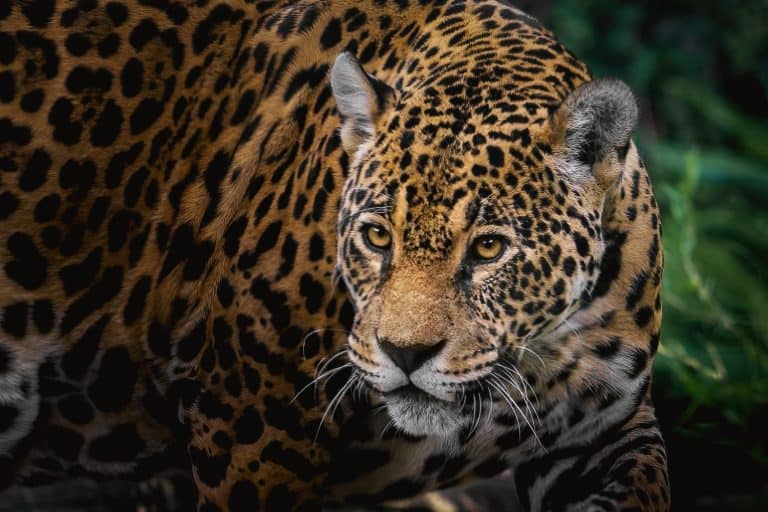
Power of the Americas' apex cat
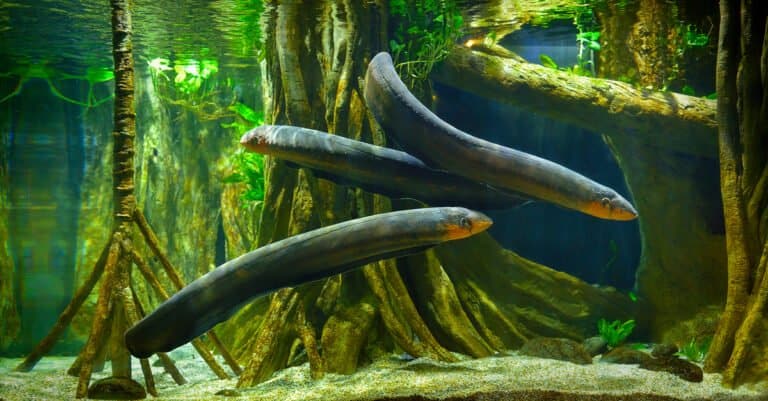
Lightning hunter of the Amazon
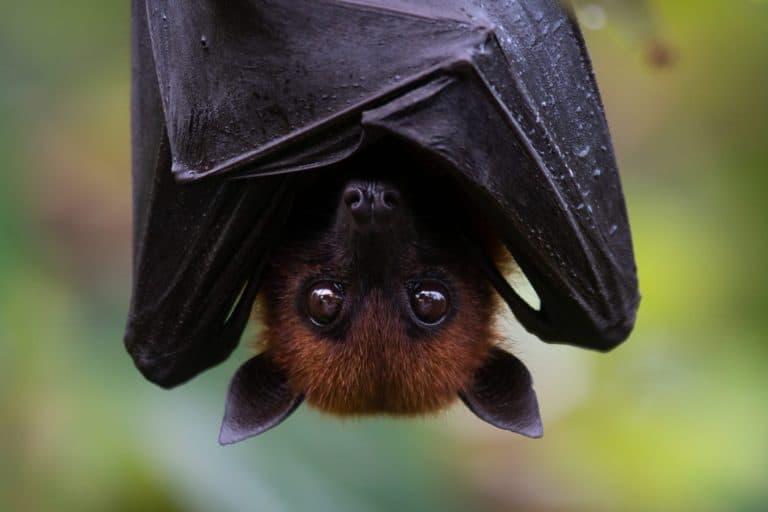
Night pilots of the mammal world
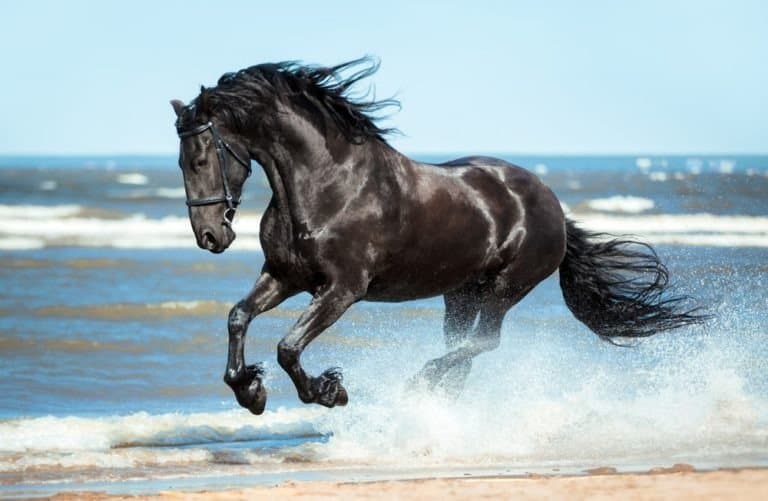
One hoofbeat, a thousand histories
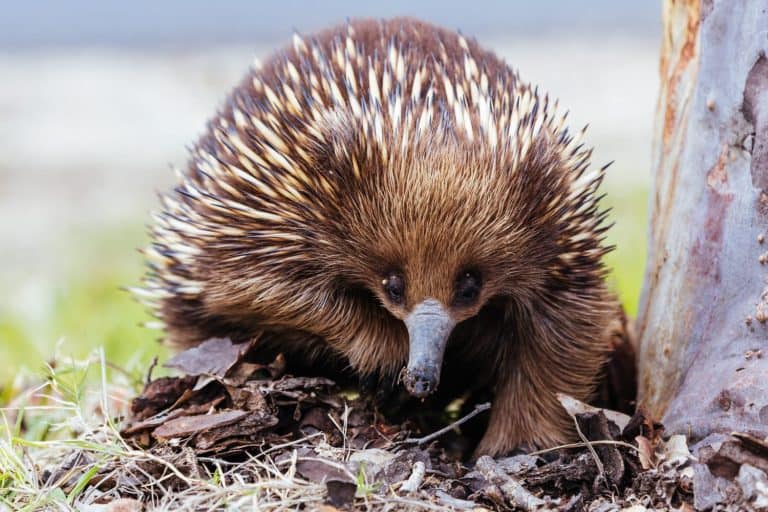
Spines, eggs, and ant-eating mastery
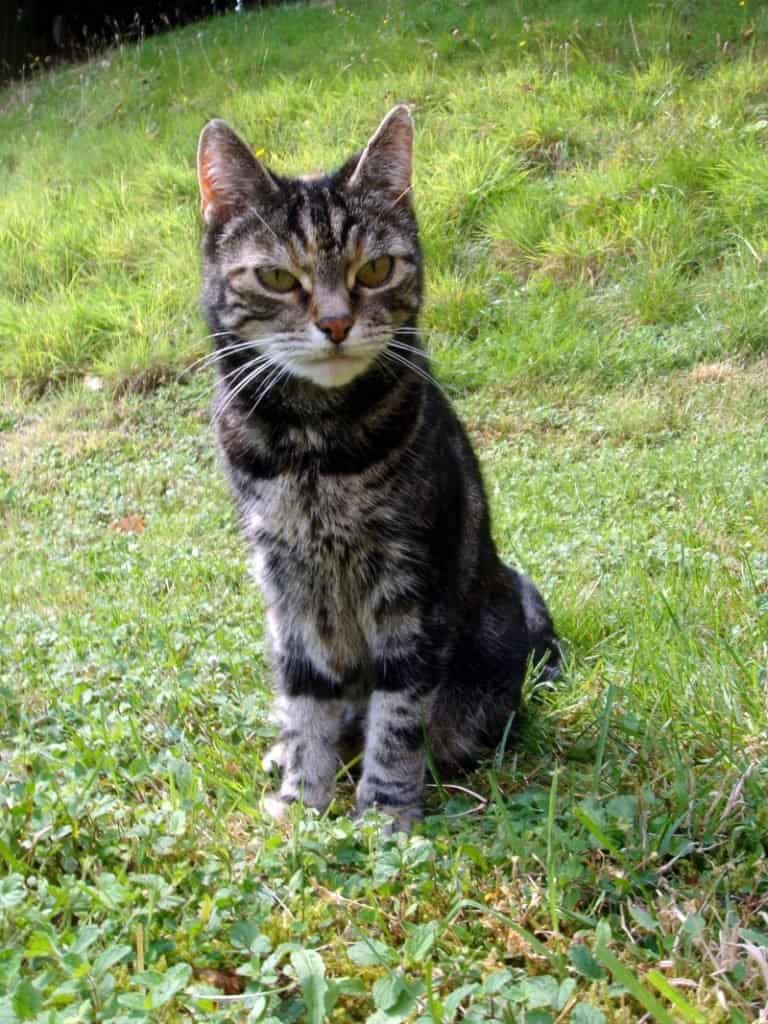
Small hunter, big household legend
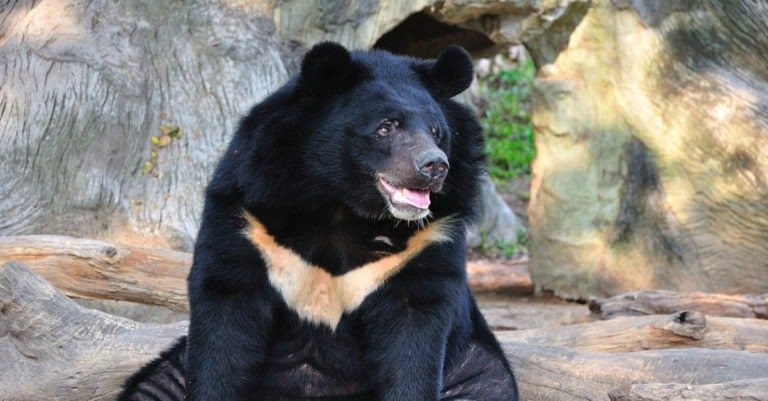
Moon-marked climber of Asian forests
Swimming is a mode of locomotion in which an organism self-propels through water by generating thrust against the surrounding fluid using body undulations and/or appendage strokes, while counteracting drag and managing buoyancy. It occurs at or below the water surface in fully aquatic and semi-aquatic organisms.
Swimming is movement in water by cyclical motions of body or limbs that push water back to create forward motion. Water resistance (drag) and lift affect swimming, so animals must produce thrust and stay streamlined. Buoyancy and body density affect posture and depth; animals use fins, flippers, swim bladders, fat, or lung volume to surface or dive. Fish use body and tail undulation (anguilliform to thunniform) to form vortices and rearward jet. Marine mammals, reptiles, and birds use appendage-driven oscillation or rowing (flukes in cetaceans, foreflippers, wing-propelled penguins). Semi-aquatic animals switch between surface paddling and submerged swimming. Speed, maneuverability, endurance and energy cost depend on shape and stroke style. Convergent traits include streamlined bodies, smooth surfaces, and narrow propulsors.
Etymology: From an Old English verb meaning "to move in water"; ultimately from an older Indo-European root meaning "to move" or "to swim."
Swimming is just "paddling with limbs" (many swimmers primarily use axial undulation or lift-based oscillation rather than simple rowing)
Buoyancy alone determines whether an animal can swim (neutral/positive buoyancy helps, but thrust, stability, and drag management are still required)
All aquatic animals swim the same way (mechanisms vary widely-anguilliform eels, thunniform tuna, fluking dolphins, and wing-propelled penguins use distinct hydrodynamic strategies)
Swimming is movement through a dense, viscous fluid where forward speed comes from producing net thrust that exceeds drag. The body (or appendages) accelerates water rearward; by Newton's third law the water pushes the swimmer forward. Because water's density is high, even modest limb or body motions can generate substantial forces, but the swimmer must minimize form drag (streamlining), skin-friction drag, and wave-making drag near the surface. Buoyancy and body mass distribution determine trim (pitch/roll) and how much lift or active control is needed to stay at a given depth.
Mechanically, swimming alternates between power production and recovery while maintaining stability. Many swimmers use oscillation (body undulation or fin/flipper beats) to create traveling waves that generate thrust via a combination of drag-based pushing and lift-based force on angled surfaces. Others use rowing-like strokes where a limb presents a broad surface during the power phase, then feathers to reduce resistance during recovery. Efficient swimmers coordinate axial muscles, tail/fin stiffness, and joint timing to keep thrust-producing surfaces at optimal angles of attack while preventing energy loss to excessive lateral slip or body yaw.
Depth control is intertwined with locomotion. Neutral or near-neutral buoyancy reduces the need for continuous lift, while negatively buoyant swimmers must generate upward lift with fins or body angle. Positively buoyant swimmers must angle thrust downward or use appendages to counteract rising. Many animals also modulate buoyancy (lungs/air sacs, oils, gas bladders) or use dynamic lift from fins to hold depth during sustained swimming.
Thrust is generated by accelerating water backward using body waves (axial muscle-driven undulation of trunk and tail), oscillating fins/flukes, or limb/flipper strokes. Forces arise from (1) drag-based pushing on broad surfaces and/or (2) lift-based forces from angled fins/flippers that shed vortices and create a rearward jet. Elastic tissues and fin stiffness can store and return energy between beats, improving efficiency.
Direction is controlled by asymmetries in force and surface area: differential stroke amplitude or timing between left/right propulsors, yawing the body to redirect thrust, and using control surfaces (pectoral/dorsal/anal fins, flippers, tail) as rudders. Pitch and roll adjustments (body bend, fin cant, flipper pronation/supination) manage depth changes and banked turns; near the surface, steering also accounts for wave drag and breaking the surface, while submerged steering relies more on fin-generated lift and body attitude.
A repeating stroke or undulatory cycle in which thrust is generated during a power portion and hydrodynamic losses are reduced during recovery, while posture and depth are stabilized. Timing often emphasizes smooth force production to limit unsteady drag and maintain body alignment.
Large-amplitude waves travel along most of the body length; thrust is produced continuously along the body with high maneuverability but generally lower cruising efficiency at high speeds.
Undulation is concentrated in the posterior body and tail; the head and trunk remain relatively stable, improving streamlining and cruising efficiency.
Most motion is in a stiffened tail stock and high-aspect-ratio tail/flukes; generates lift-based thrust with high efficiency and high sustained speed.
A traveling wave passes along long fins (pectoral fins in rays and skates; anal fin in knifefishes), producing smooth thrust and exceptional station-keeping and maneuverability.
Wing-like fins or flippers oscillate to generate lift-based thrust; efficient for agile swimming and, in some cases, high-speed underwater 'flight'.
Limbs act as paddles: broad power stroke pushes water backward; recovery feathers the limb to reduce drag. Common in semi-aquatic mammals, amphibians, and many birds at the surface.
Surface mode must contend with wave-making drag and may use higher stroke rates or different limb kinematics; submerged mode favors full streamlining and often relies more on lift-based propulsion and control surfaces for depth.
A cavity fills with water then contracts to expel a jet (e.g., squid, some jellyfish). Produces strong bursts and rapid maneuvering but can be less efficient for long-distance cruising.
Generate thrust, steering, braking, and stabilization during strokes; enable maneuvering and station-holding in currents
Primary thrust generation via lateral (fish) or dorsoventral (cetaceans) oscillation; contributes to acceleration and sustained cruising
Transmits muscular waves along the body to produce thrust; maintains posture and reduces drag-inducing yaw/roll
Rowing-style thrust and maneuvering, especially in semi-aquatic vertebrates; assists in diving and surfacing control
Stability (anti-roll/anti-yaw), pitch control, turning, and lift generation in lift-based swimming
Reduce frictional drag, protect tissues, and contribute to buoyancy/insulation
Regulate buoyancy to minimize energy costs; enable neutral buoyancy and controlled ascents/descents
Dominant axial musculature (epaxial and hypaxial muscles) for body undulation; segmented myomeres in fishes with strong lateral force production; caudal peduncle and tail-base muscles for power transfer to tail fin/fluke. In flipper/fin swimmers, robust shoulder/pectoral girdle and proximal limb muscles (e.g., pectoralis/supraspinatus-equivalents, latissimus/teres groups) for downstroke and recovery, plus rotator and stabilizer muscles for hydrofoil angle control. In paddling swimmers, strong hip extensors/flexors, thigh adductors/abductors, and distal limb musculature to fan webbing and optimize the power stroke, with core stabilizers to reduce unwanted roll/yaw.
Swimming animals have streamlined skeletons with fewer bony bumps that cause drag. The backbone may be very flexible in anguilliform swimmers or partly stiff with a strong tail base in carangiform and thunniform forms. Shoulder and hip bones are wider for fin or flipper muscle attachment. In marine mammals and penguins, forelimb bones are shortened, flattened, and stiffened into flippers with less movement in end joints for efficient back-and-forth motion. Joints change to favor strong strokes and stable angles in water, with reinforced shoulders and constrained elbows/wrists. Caudal vertebrae support tail fins or flukes; strong tendons and ligaments transmit force and limit bending. Bone density varies: osteosclerosis (heavier bones) helps diving, while lighter skeletons help surface swimmers and flying animals.
Routine cruising: ~0.3-2 m/s (1-7 km/h) for many fishes, turtles, seals; fast pelagic cruisers often ~1-4 m/s. Burst/escape sprinting: ~5-15+ m/s (18-54+ km/h) in highly specialized swimmers (e.g., tunas, some dolphins/sharks) for seconds.
vs Humans: Humans typically sustain ~0.8-1.5 m/s (recreational to strong lap pace), with elite sprint peaks ~2.0-2.4 m/s. Many aquatic animals exceed human speeds in both cruising (often similar-to-faster) and especially in burst sprinting (often several× faster).
Highly variable by physiology and ecology. Fish and other water-breathers can cruise continuously for hours to days, with some migratory swimmers sustaining travel for weeks (at moderate speeds with feeding/rest patterns). Air-breathing divers (seals, otters, penguins, turtles, dolphins) are typically limited by oxygen stores underwater: vigorous swimming is sustainable for minutes per dive, while moderate-speed surface swimming can be sustained for hours with periodic breaths.
Hydrodynamically efficient at moderate-to-large body sizes because buoyancy reduces the need to support body weight and streamlined shapes can lower drag; many large swimmers have very low energetic cost per distance. Efficiency drops sharply for very small swimmers where viscosity and drag dominate and where continuous high tailbeat/stroke rates are needed.
Generally lower cost of transport than terrestrial running and often comparable to or lower than flying for large animals; however, at small sizes swimming can be relatively expensive per distance compared with running due to high viscous losses. Within swimming, sustained cruising is far cheaper than burst sprinting (which is energetically costly and quickly fatiguing).
Fastest fish (reported top speed)
~82 km/h (reported; exact maximum is debated)
Fastest fish (commonly cited)
~110 km/h (widely cited; evidence varies)
Fastest swimming mammal (marine)
~55 km/h (reported)
Fish caudal-fin thrust and marine mammals' flipper strokes to increase effective paddle area and reduce fatigue while controlling drag.
Dolphin and whale tail-fluke oscillation and body undulation producing efficient lift-based propulsion.
Eel-style anguilliform swimming and knifefish-style gymnotiform (ribbon-fin) swimming that trade top speed for maneuverability and low-noise motion in cluttered environments.
Streamlined fish and cetacean body forms that minimize pressure drag and flow separation during sustained swimming.
Shark skin dermal denticles that can reduce skin-friction drag and influence boundary-layer behavior.
Lift-based swimming and fin-generated lift in fast fish (e.g., tuna) and rays-using foils to raise the hull and reduce wetted area/drag.
Flexible fin rays in fish that passively adapt to flow, improving thrust efficiency and maneuvering.
Aquatic birds' webbed feet and the concept of maximizing effective push phase while minimizing slip and wasted turbulence.
Fish swim bladders and marine mammals' buoyancy management through lung volume and body composition to maintain depth efficiently.
Quiet propulsion and flow sensing seen in many swimming animals; lateral-line-like sensing inspires distributed pressure/flow sensor arrays for navigation.
Found across: Bony fishes (teleosts) and cartilaginous fishes (sharks, rays), Marine mammals (cetaceans: dolphins/whales; pinnipeds: seals/sea lions; sirenians: manatees/dugongs), Marine reptiles (sea turtles; sea snakes; marine iguanas), Aquatic and semi-aquatic birds (penguins, auks; many waterfowl), Amphibians (frogs, salamanders, caecilians in aquatic phases), Aquatic invertebrates (crustaceans, cephalopods, jellyfish, many insect larvae), Semi-aquatic terrestrial mammals (otters, beavers, hippos, some ungulates like moose)
Many swimmers exploit vortices: undulating bodies and flapping fins shed swirling "rings" of water that, when timed well, act like a moving foothold to push against for extra thrust.
Some fish can fine-tune buoyancy on the fly-e.g., by adjusting gas in a swim bladder-so they don't have to waste energy constantly fighting to stay at a chosen depth.
Skin and surface texture matter: the tiny riblets on shark skin can reduce drag in certain flow conditions, and some fast fish actively manage a thin mucus layer that changes near-surface water flow.
Not all swimming is about pushing water backward-jellyfish often use "passive energy recapture," gliding on the wake they create, which can make their pulsing surprisingly efficient for their speed.
A number of semi-aquatic animals (like some lizards and insects) can "swim" without fully submerging, using surface tension as part of the support system-essentially running on a deformable water surface.
Efficiency: for many body sizes, moving through water can be more energy-efficient per distance than running on land because buoyancy offsets body weight-great for long-distance cruising despite water's higher drag.
Scale effect: at small sizes, water feels "thicker" (viscosity dominates), so tiny swimmers often rely on paddling or waving appendages rather than gliding-like trying to move through syrup compared with the inertia-dominated flow larger animals experience.
Speed: a top human sprint swimmer is on the order of a few meters per second, while some fast marine fish can exceed 10 m/s in short bursts-roughly the difference between a fast bicycle pace and highway-speed bursts in the same medium.
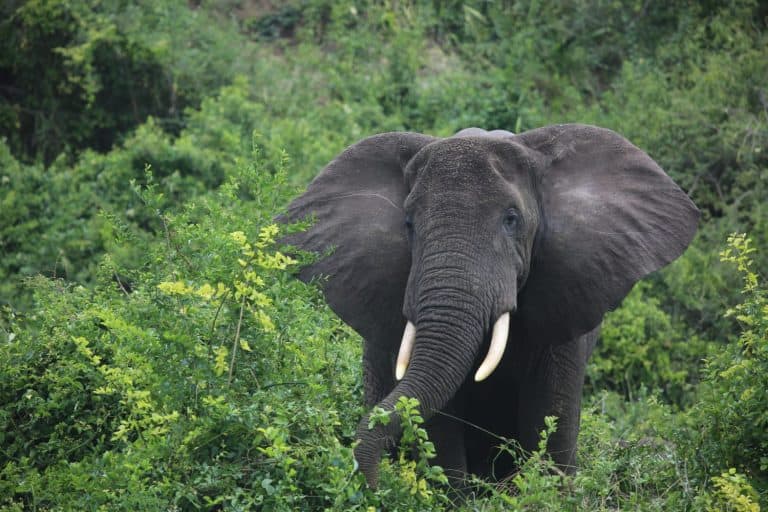
The rainforest's master gardener
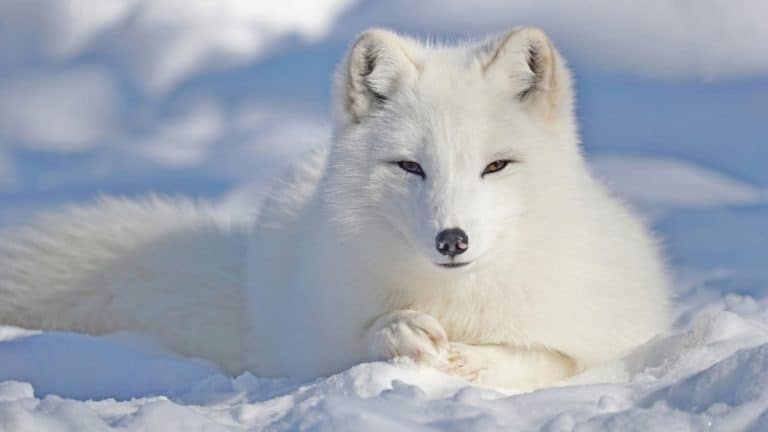
Built for blizzards, born for tundra
Moon-marked climber of Asian forests
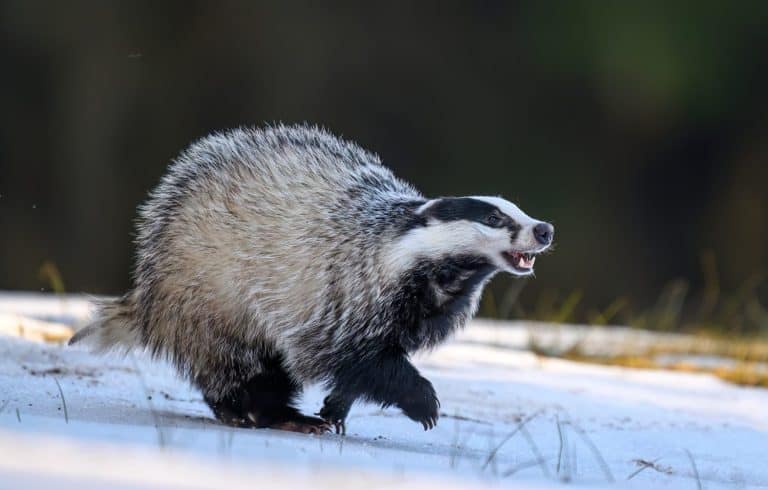
Built to dig. Born to endure.
Night pilots of the mammal world
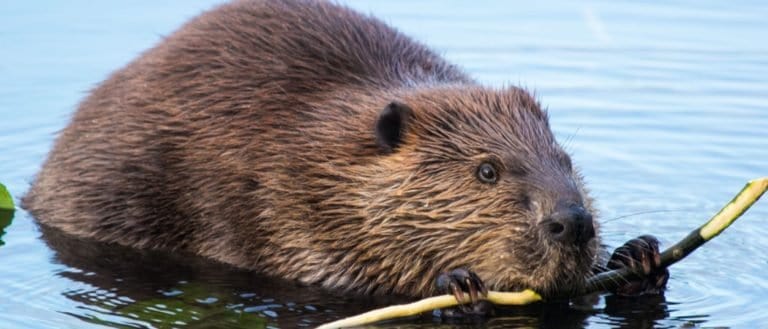
Build wetlands, shape worlds.

Humps of fat, miles of grit
Small hunter, big household legend
One cat. Two continents.
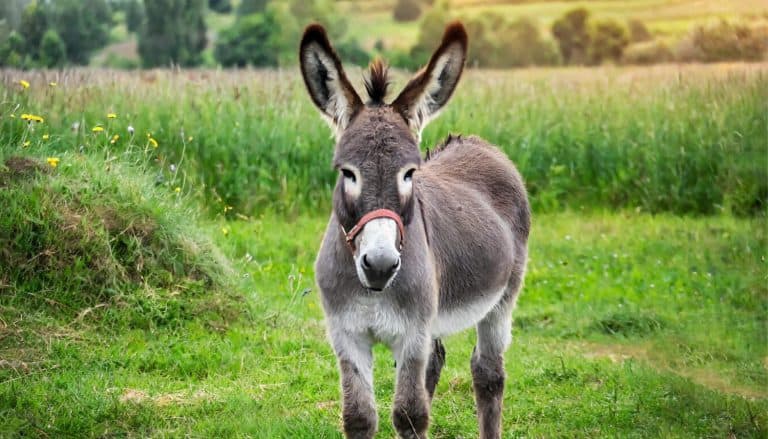
Sure-footed partner of people
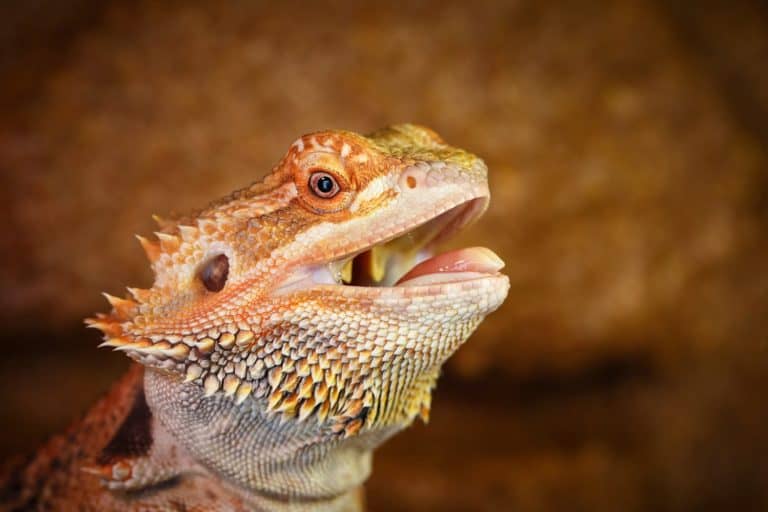
Big beard, bright sun, bold attitude.
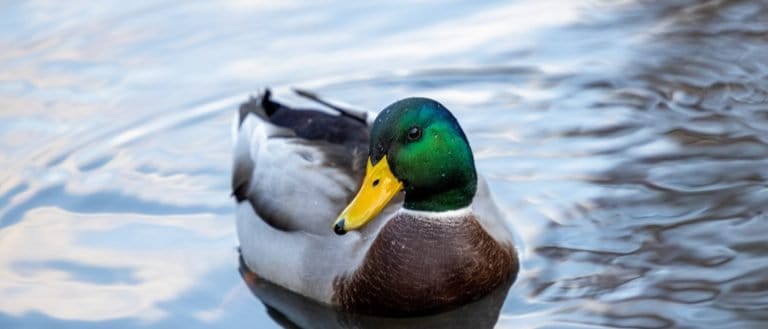
Webbed feet, world travelers.
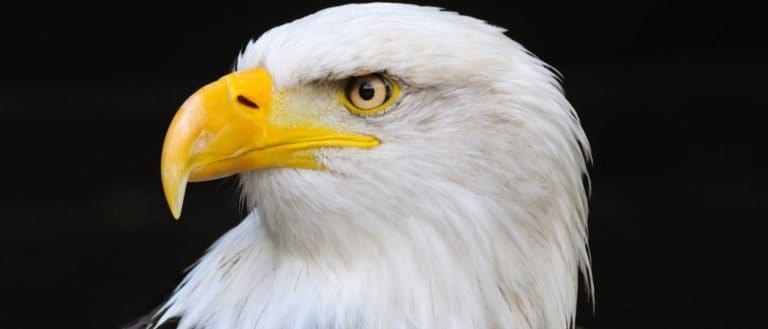
Built to soar, born to strike
Spines, eggs, and ant-eating mastery
Lightning hunter of the Amazon
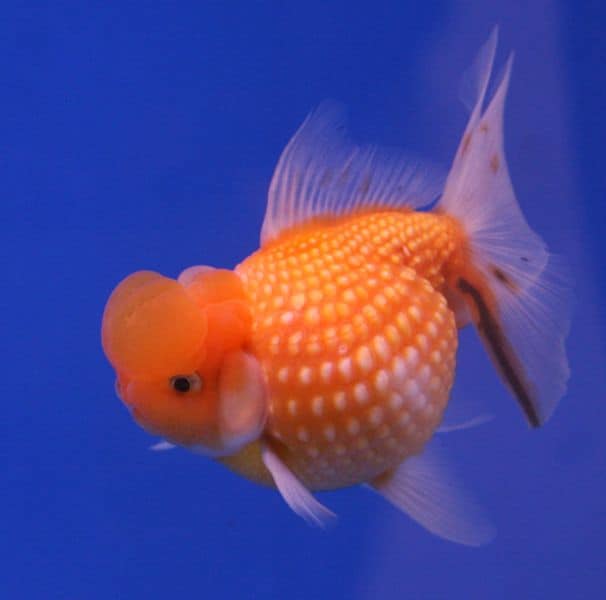
Bony rays, endless ways.
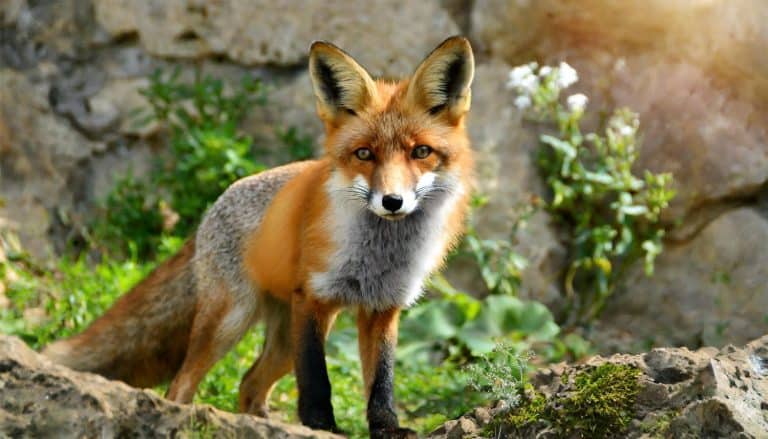
From dunes to tundra-fox smart.
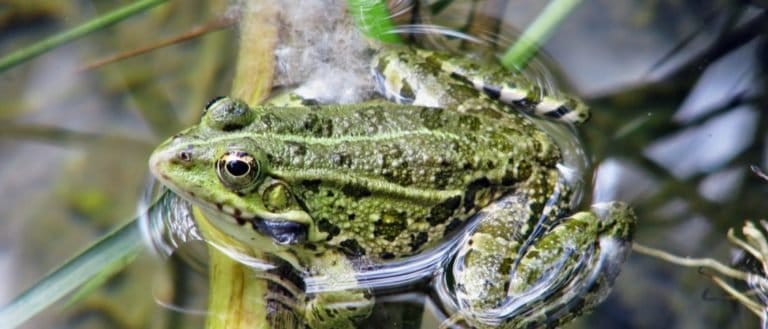
Tailless jumpers, masters of change
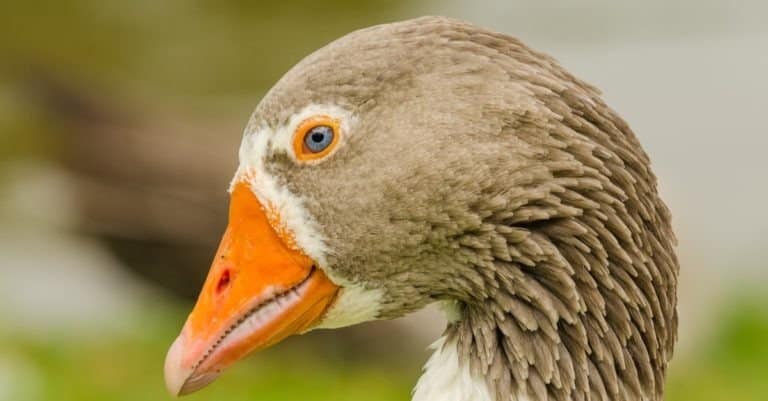
Webbed feet, sky roads, wetland lives
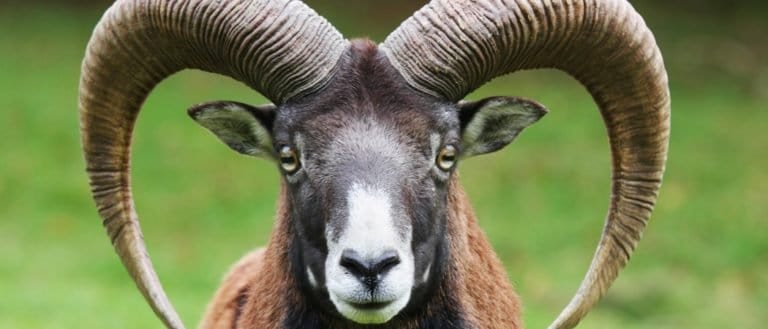
Sure-footed masters of rock and range
Pouches, burrows, and big impacts
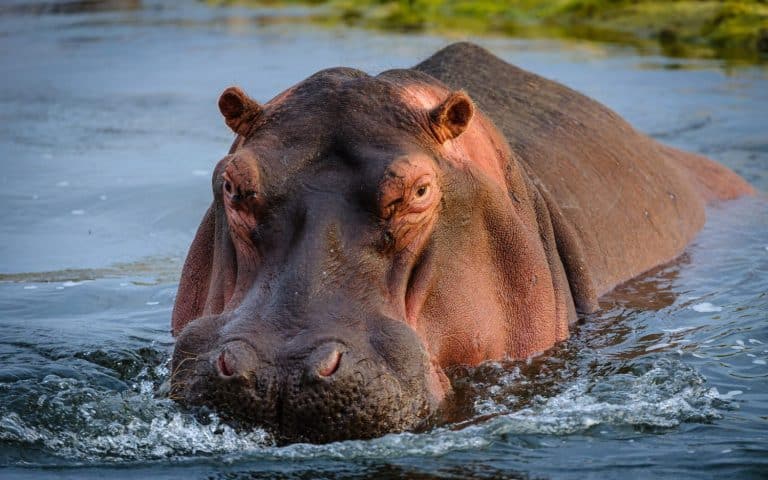
Big river grazer, bigger attitude
One hoofbeat, a thousand histories
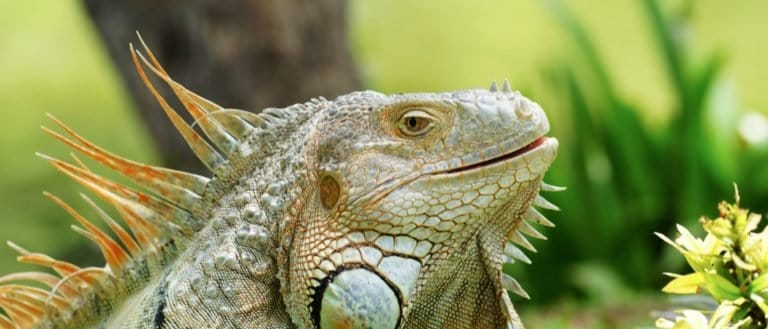
Sun-powered lizards of the Americas
Thank you for reading! Have some feedback for us?
We appreciate your help in improving our content.
Our editorial team will review your suggestions and make any necessary updates.
There was an error submitting your feedback. Please try again.