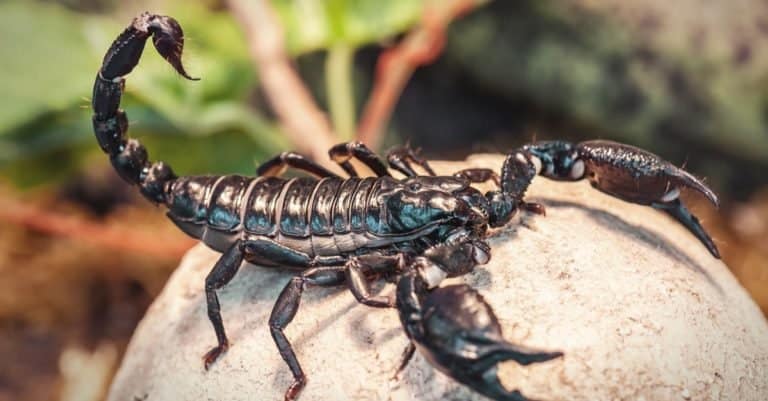
Scorpion
Glow at night, strike with precision

Glow at night, strike with precision
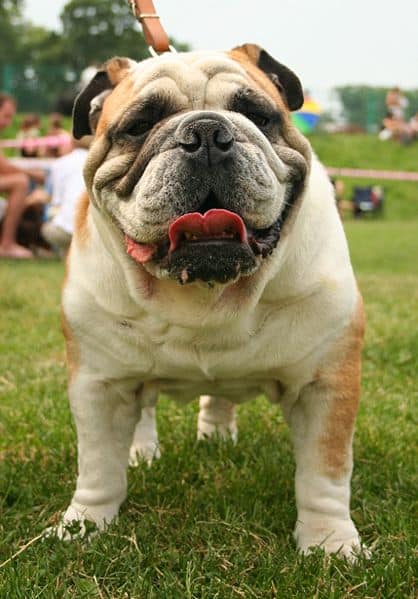
The wolf's cousin, humanity's partner
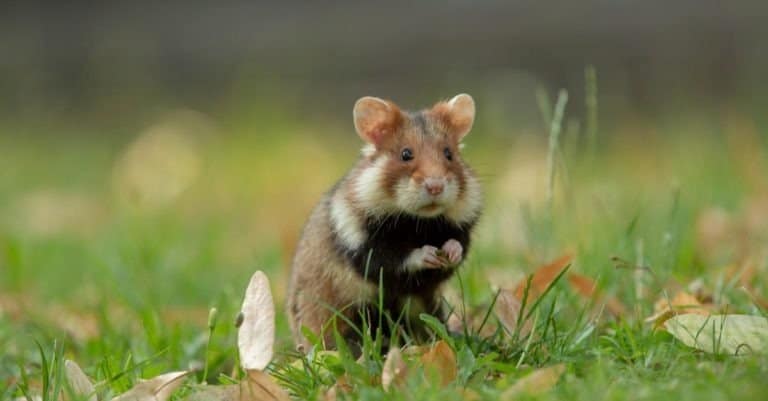
Pouches, burrows, and big impacts
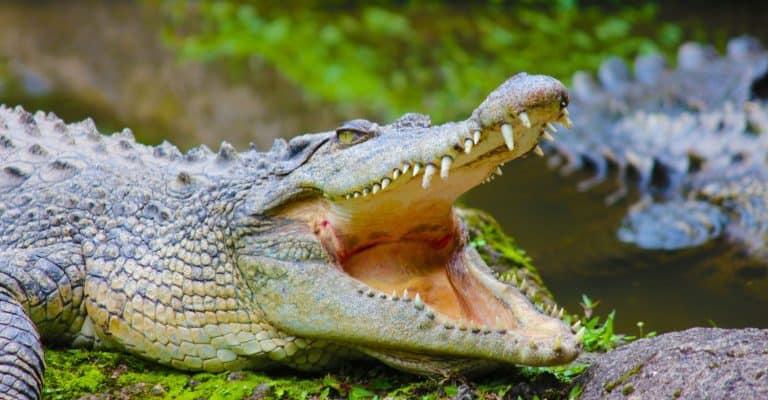
Armored ambush masters of water
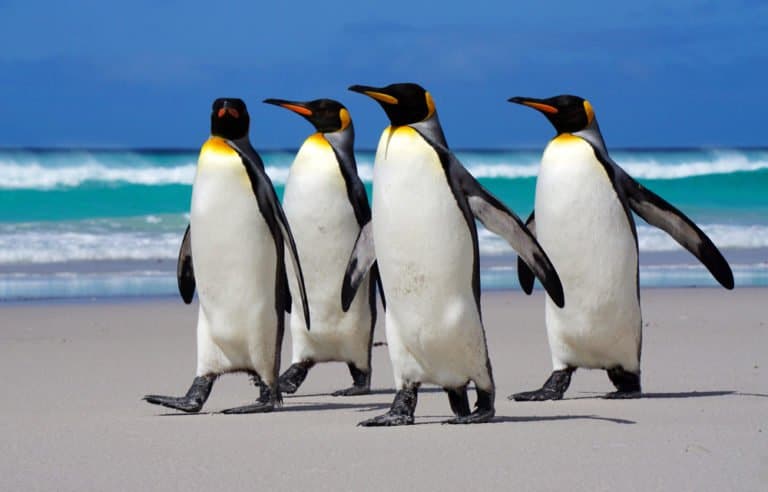
Born to dive, dressed to endure
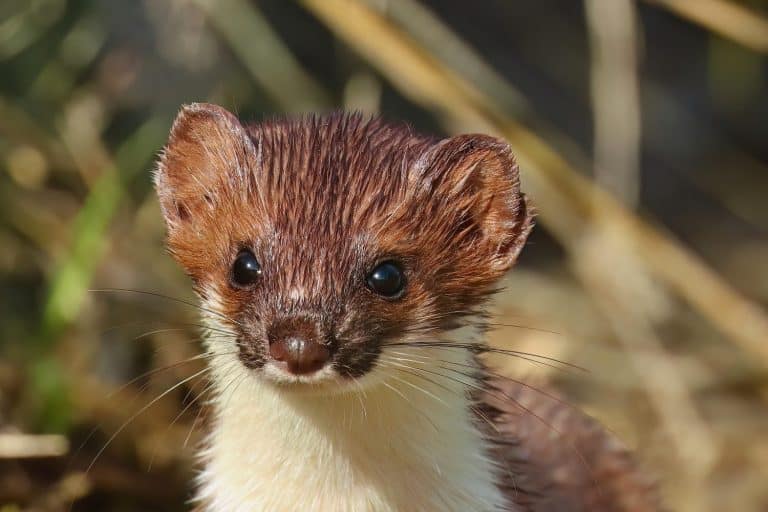
Small body, fearless hunter
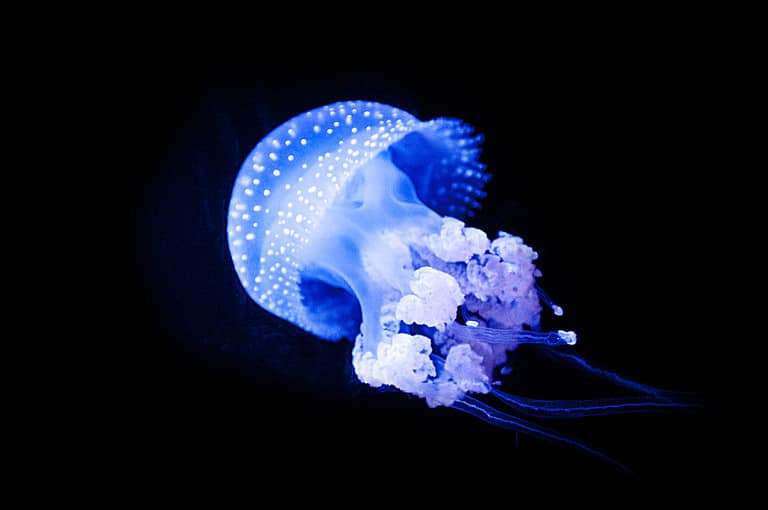
Sting-powered drifters of the sea
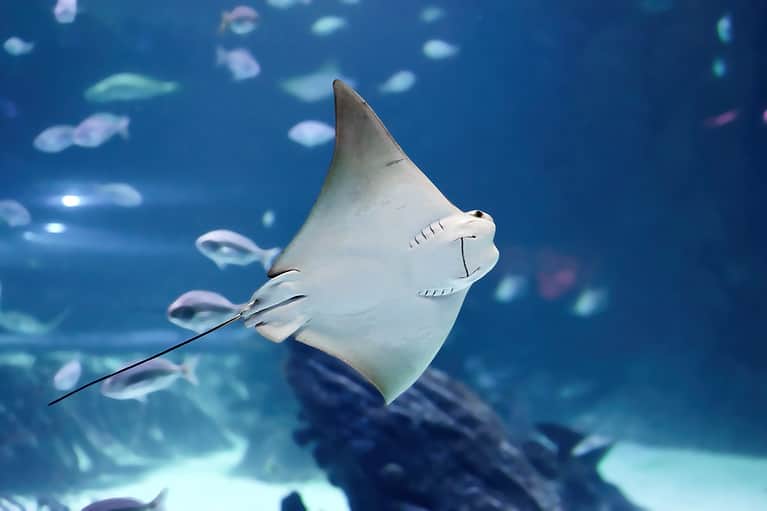
Stingrays: discs, senses, and surprises
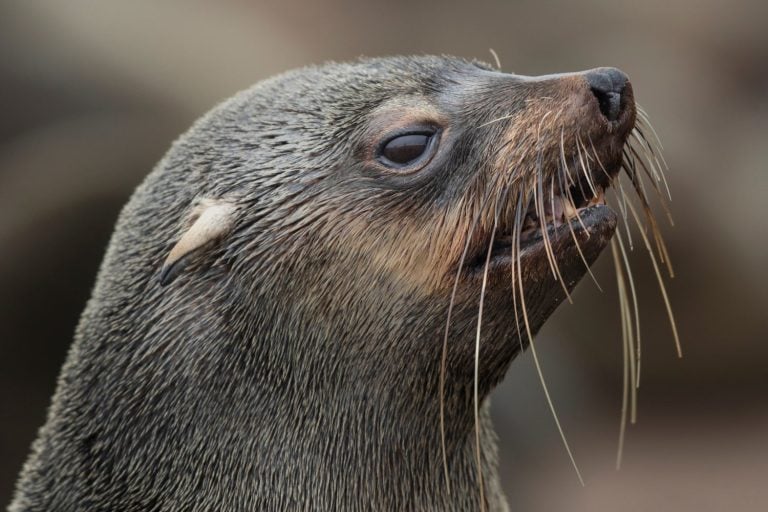
Earless divers of the world's seas
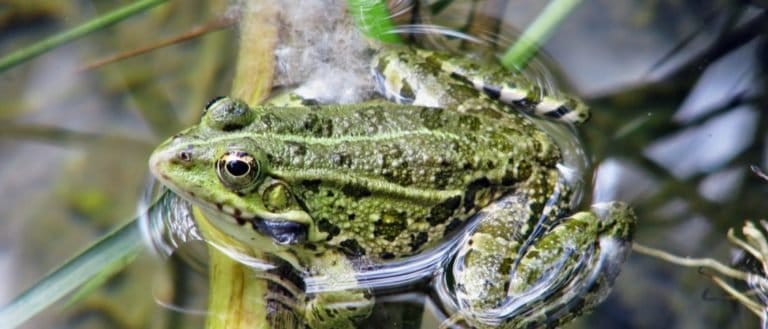
Tailless jumpers, masters of change
Crawling is a form of terrestrial locomotion in which an organism advances while maintaining continuous or near-continuous contact between much of its body (or multiple support points) and the substrate, producing low body clearance and high frictional interaction. Propulsion is generated through coordinated limb movements, axial (trunk) undulation, or friction-based traction against the surface.
Crawling is a way of moving with the body on or very near the ground, often with many parts touching at once. It spreads weight over the body and contact points, so it is more stable but usually slower than walking or running. Animals use different methods: some use alternating limb steps that push the body forward, others bend and make wave-like motions of the trunk (undulation). Soft-bodied crawlers often move by gripping and releasing the ground and by having different grip forward versus backward (frictional anisotropy). Crawling is common under plants, in burrows, or over rough ground. It is sensitive to surface roughness, softness, wetness, and slope, which change how well it moves and how much energy it needs.
Etymology: From Middle English "crawlen"/"cravlen," likely of Germanic origin; related to Old Norse "krafla" meaning "to claw/scrabble," reflecting movement close to the ground using gripping or scrabbling motions.
Crawling is the same as walking on all fours (many crawling modes include substantial trunk contact and different support/propulsion mechanics).
Crawling is always inefficient (it can be advantageous or even energetically favorable in tight spaces, on very rough terrain, or when stability is prioritized).
Only limbed animals crawl (many limbless or soft-bodied organisms crawl using undulation and friction-based traction).
Crawling moves the body forward while it stays in continuous contact with, or extremely close to, the ground. The key physical constraint is that the crawler must repeatedly create an asymmetry in friction and contact forces: some body parts (hands, knees, belly scales, toes, claws, elbows) "anchor" against the substrate while other parts advance. The center of mass shifts forward in small increments as joints flex/extend or the torso compresses/extends, with weight transfer ensuring that the anchoring contacts can generate enough static friction to resist backward slip.
Mechanically, crawling is a sequence of low-clearance support and reach actions. Limbed crawlers typically keep multiple points of contact to maintain stability; they pull and push in short strokes while the trunk remains low, reducing tipping moments but increasing frictional drag. Limbless or semi-limbed crawlers often use axial bending (undulation) or segmental contraction to press parts of the body into the ground, forming temporary "purchase points." Progress depends on substrate properties (roughness, compliance, slope) because traction comes from friction, micro-interlocking, or penetration (claws/spines) rather than aerial phases.
Energy is spent both on positive work (accelerating the body forward) and on overcoming drag from sliding or compressing the substrate. Effective crawling minimizes slip by timing force application during phases when contact points are well loaded, and by using body stiffness and posture (e.g., lifting the trunk slightly) to reduce unnecessary contact area when possible.
Propulsive force is generated by muscles applying tangential forces against the substrate through anchored contact points (hands/knees/feet/elbows, ventral scales, claws, spines, or belly). Forward motion results from pulling (forelimbs drawing the body toward anchors), pushing (hindlimbs extending), and/or axial contraction and lateral/vertical undulation that creates backward-directed ground reaction forces while anchors prevent rearward slip.
Direction is controlled by asymmetrically changing contact forces and reach distances: increasing stroke length or force on one side causes yaw toward the weaker/shorter side, while planting anchors at an angle redirects the net ground reaction force. Crawlers also steer by bending the spine/trunk (creating curvature toward the turn), shifting weight to load one side's anchors more, and selectively reducing friction on the inside of the turn (unweighting or lifting segments/limbs) to pivot.
A typical crawling cycle alternates between establishing anchor contacts and advancing the body. While some limbs/segments hold position to provide traction, others reach forward; then the body is pulled/pressed forward and the pattern switches sides. The cycle is usually continuous, with multiple contacts maintained for stability and to keep frictional anchors engaged.
Low posture with the abdomen near the ground; limbs take short, alternating steps while multiple contacts remain on the substrate to maintain stability. Common on slippery or low-clearance terrain where lifting the body is costly.
Front limbs anchor and pull the body forward while the rear body/legs trail or provide minor stabilization. Seen when hindlimbs are weak, encumbered, or the animal is hauling weight.
Alternating limb pattern similar to a walk but with knees/elbows and hands/feet supporting. Often uses diagonal coupling for stability, with minimal aerial phases and small step lengths.
Body alternates between extension and flexion: front anchors, body contracts to pull the rear forward, then rear anchors while the front reaches ahead. Effective in confined spaces or high-friction substrates.
Traveling body waves push laterally against surface irregularities; local anchors form where the body presses into the ground, producing forward thrust with minimal limb use.
Straight-line motion via sequential lifting/advancing of belly sections and scales/segments, with minimal lateral bending. Efficient in narrow passages and for stealthy movement on moderate-friction surfaces.
Body is lifted in segments so only a few patches contact the ground at a time; anchors move diagonally, reducing drag and preventing sinking on loose sand or slick substrates.
Traction comes from penetrating or hooking into the substrate (bark, rough rock, soil). High purchase enables crawling on steeper inclines where pure friction would fail.
Supports body weight against the substrate and reduces damage during continuous contact while providing traction
Generates forward thrust through sequential placement, pushing, and recovery cycles while keeping the body low
Adds propulsion by transferring muscular waves along the body and helps navigate tight spaces
Creates directional friction: anchors parts of the body during the push phase and releases during recovery
Allows forward progress under obstacles and maintains environmental sensing near the substrate
Segmentally arranged axial muscles (epaxial/hypaxial) for undulation and body support; powerful pectoral and pelvic girdle-associated limb retractors/protractors for alternating pushes; robust shoulder/hip stabilizers to resist shear forces from ground contact; well-developed flexor/extensor groups in distal limbs (or appendage analogs) for grip and release; increased core/oblique musculature to transmit force along the trunk and prevent torsional collapse.
Elongated, flexible axial skeleton with increased vertebral count and enhanced intervertebral articulation for bending; reinforced ribs/body wall to resist compression against the ground; low-slung limb posture with joints favoring stability and leverage over stride length (more flexed elbows/knees, strong humerus/femur torsion resistance); enlarged girdles (pectoral/pelvic) and robust joint surfaces for weight support and shear loading; in limbless or reduced-limb crawlers, reduced/modified girdles and strengthened vertebral processes for muscle attachment and traction-driven locomotion.
~0.05-0.5 m/s (0.2-1.8 km/h) for sustained crawling; short bursts up to ~0.8-1.0 m/s on firm, high-traction ground.
vs Humans: ~10-30% of typical adult walking speed (~1.3-1.5 m/s) and far below running (≥3 m/s). Even a "fast crawl" is usually slower than a brisk walk.
Sustainable for minutes to tens of minutes continuously for most adults (often ~5-20 min before significant fatigue/pain), with longer total durations (30-90+ min) possible if pace is very low and frequent brief rests are allowed. Endurance drops sharply on rough/hot surfaces or when carrying load.
Low mechanical efficiency: significant energy is lost to sliding friction, constant stabilizing muscle work (shoulders/hips/core), and maintaining a low posture; limited elastic energy return compared with walking/running.
High cost of transport relative to upright gaits: commonly ~2-4× the energy per meter of walking on similar terrain (and can be higher on soft/rough ground). Generally worse than walking at any speed; can approach or exceed running's cost per meter despite much lower speed, especially under low-crawl/posture constraints.
Largest earthworm (exceptional crawler length)
Up to ~3 m (≈9.8 ft) reported
Heaviest spider (crawling arachnid)
Up to ~170 g; leg span up to ~28-30 cm
Largest arthropod by leg span (crawling crustacean)
Leg span up to ~3.7 m (≈12 ft)
Low ground pressure and continuous contact with the ground, analogous to many crawling animals that distribute weight and maintain traction on soft or uneven substrates.
Body undulation and distributed friction/traction to move through tight spaces, inspired by limbless crawling (e.g., snakes) and flexible-bodied invertebrates.
Sequential contraction/extension and anchoring phases resembling worm-like crawling (peristalsis) to generate forward motion without rigid limbs.
Alternating clamp-and-extend motion modeled on caterpillar/inchworm crawling for controllable, stepwise movement.
Friction management and temporary attachment during slow crawling, borrowing from animals that maximize contact area or use specialized pads/claws to prevent slip.
Keeping the center of mass close to the substrate for stability and fitting through very low clearances, paralleling belly-crawling in reptiles and amphibians.
Found across: Annelids (earthworms, leeches), Gastropod mollusks (snails, slugs), Insect larvae and other soft-bodied insects (caterpillars, maggots), Reptiles (lizards/geckos in low posture; crocodilians during belly-crawl), Arachnids (spiders, mites), Crustaceans (crabs, lobsters), Echinoderms (sea stars, sea urchins via tube feet), Some amphibians in low, substrate-hugging movement (e.g., salamanders/newts)
Some animals that "crawl" don't rely on legs at all-snakes and many worms can move forward using traveling waves of muscle contraction that push against tiny surface irregularities.
Geckos can crawl straight up smooth walls because their toe pads exploit van der Waals forces-millions of microscopic hairs (setae) create enough adhesion to support their weight without glue.
Crawling can be stealthy: staying close to the ground reduces silhouettes and can minimize airflow disturbance, which helps some predators and prey avoid detection.
Friction is both friend and enemy: crawlers often use specialized scales, bristles, or soft pads to increase grip in the "push" direction while reducing drag in the "slide" direction-like biological tread patterns.
For very small creatures, crawling can be more practical than walking because surface forces (stickiness, friction) dominate over inertia; at tiny scales, "rolling" or "swinging" limbs doesn't buy as much as simply gripping and pulling.
Speed: a fast human crawl is often closer to a brisk walk than a run-roughly "walking pace" rather than "sprinting pace," because much more of the body is dragging and stabilizing.
Efficiency: compared with walking, crawling typically costs more energy per meter for similar-sized animals because more body surface contacts the ground, increasing frictional losses-like dragging a sled versus rolling a cart.
Scale: for small insects, crawling can be the mechanical equivalent of a human moving through deep brush-every bump and fiber becomes a "terrain feature," so traction and body contact matter more than momentum.
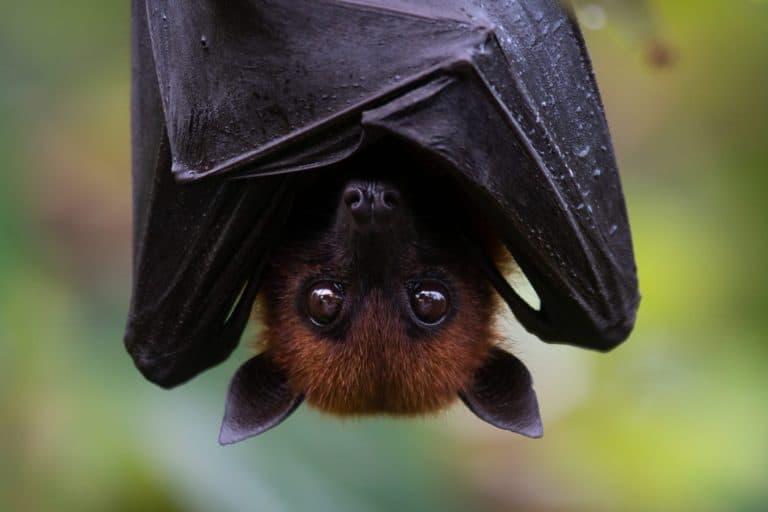
Night pilots of the mammal world
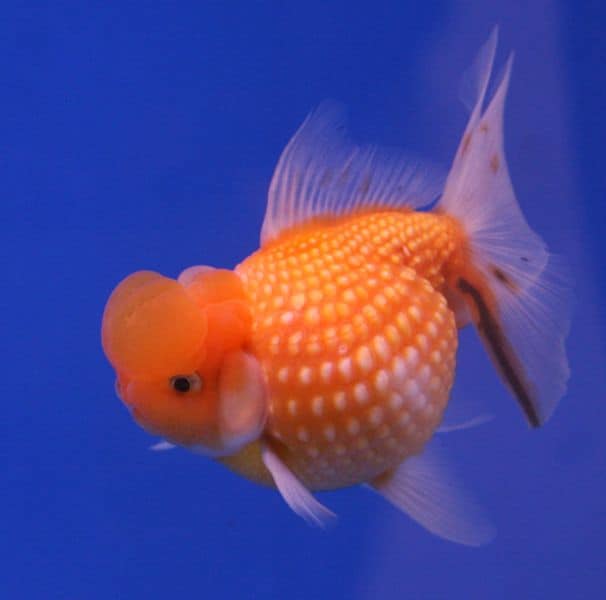
Bony rays, endless ways.
Tailless jumpers, masters of change
Pouches, burrows, and big impacts
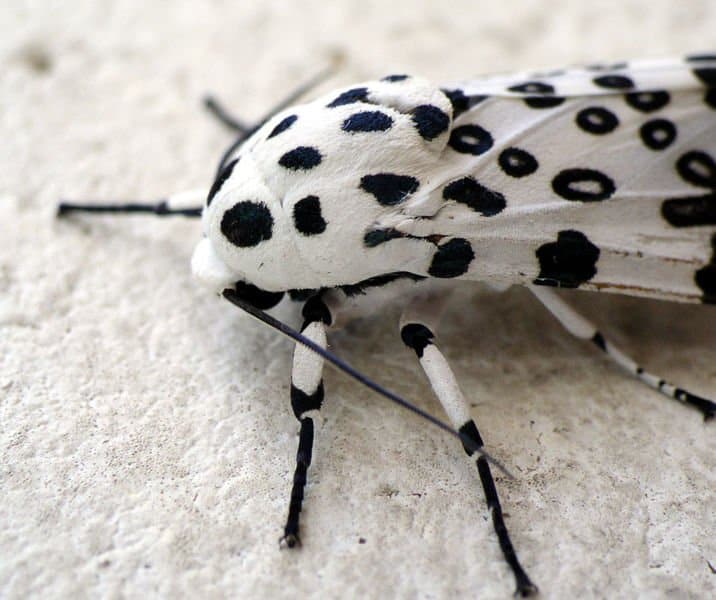
Six legs, endless lives.
Sting-powered drifters of the sea
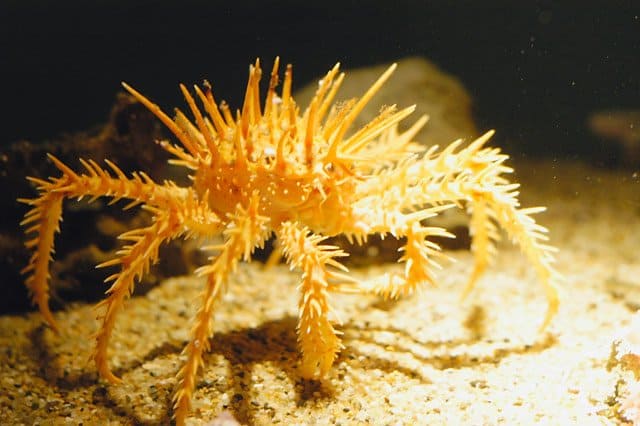
Cold-water royalty of the seafloor
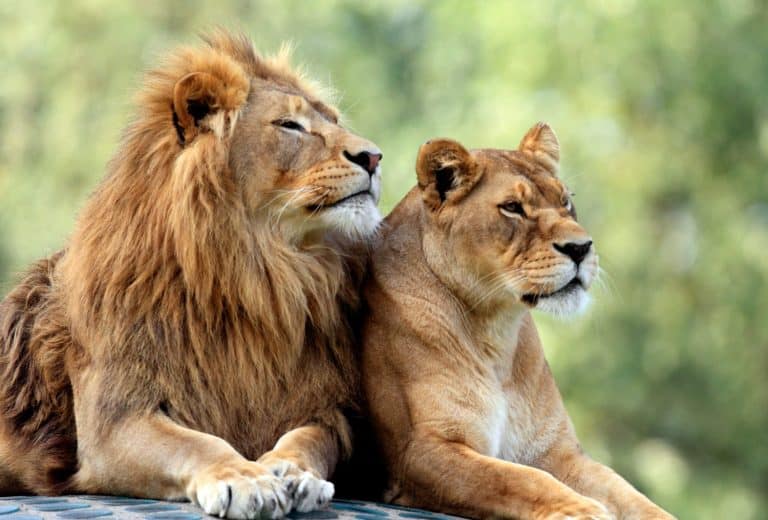
Built for prides, born for the hunt
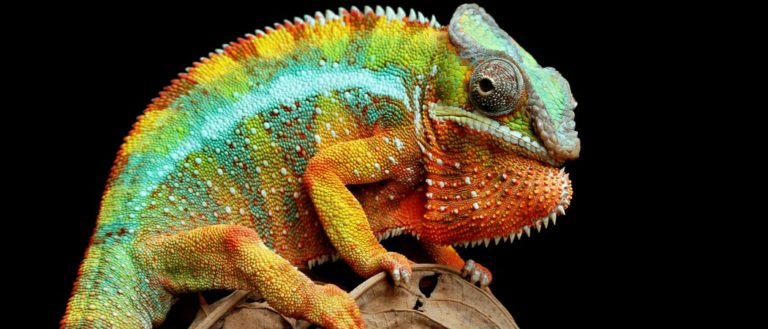
From geckos to dragons-lizard power
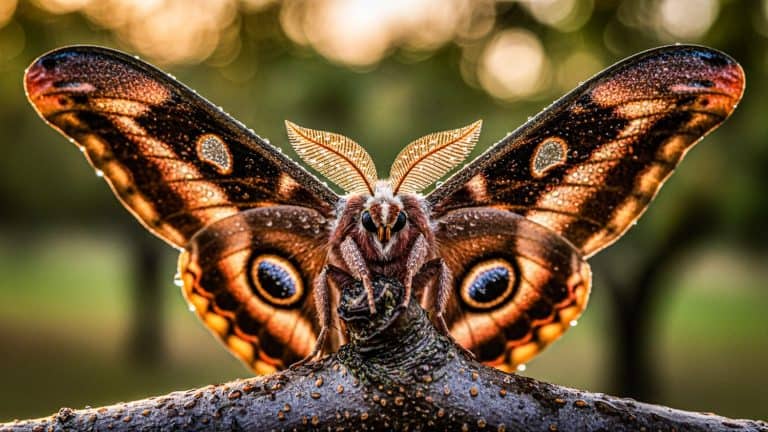
More than night flyers
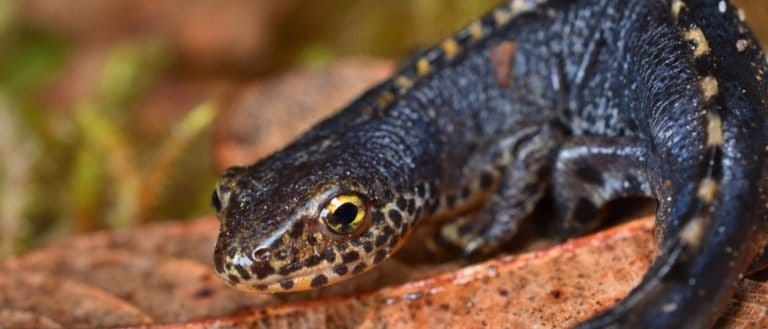
Crests, ponds, and potent defenses
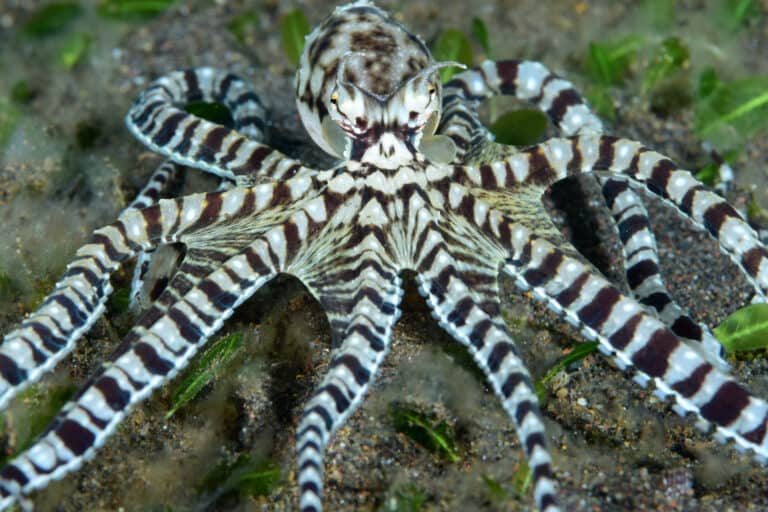
Eight arms, endless ingenuity
Born to dive, dressed to endure
Glow at night, strike with precision
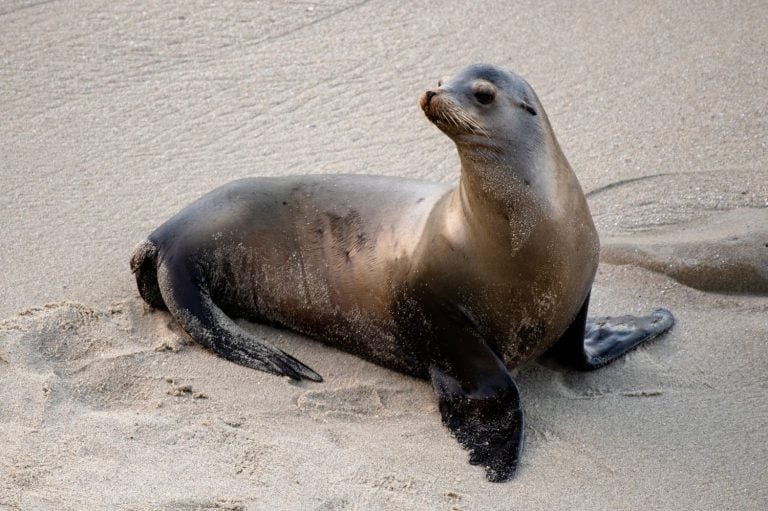
Ear flaps, flippers, and fierce colonies
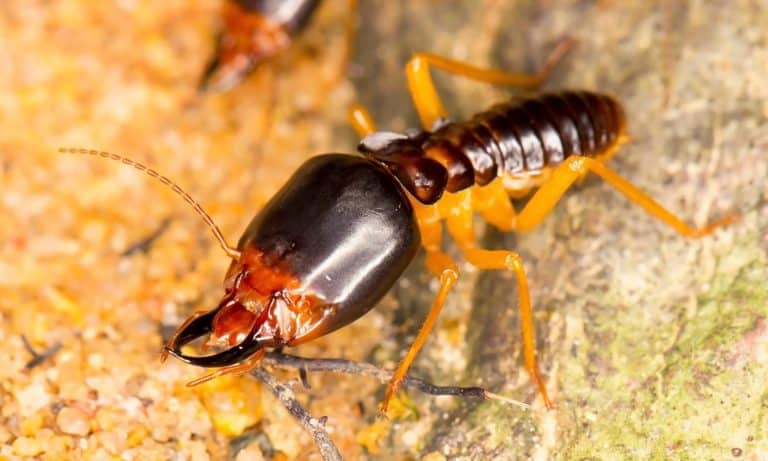
Nature's master recyclers (and builders)
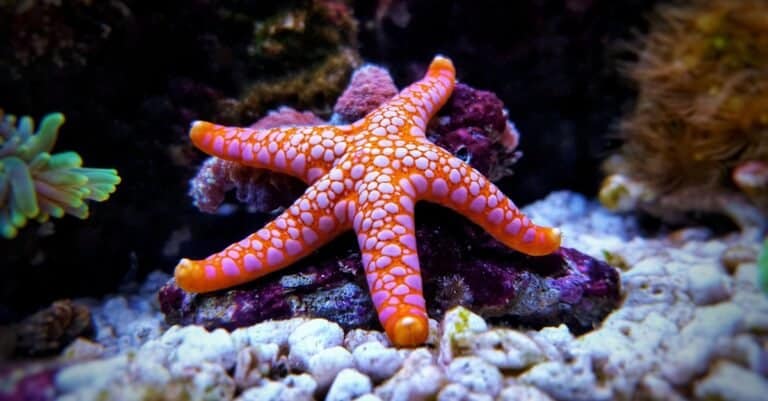
Hydraulic feet, star-shaped predators
Stingrays: discs, senses, and surprises
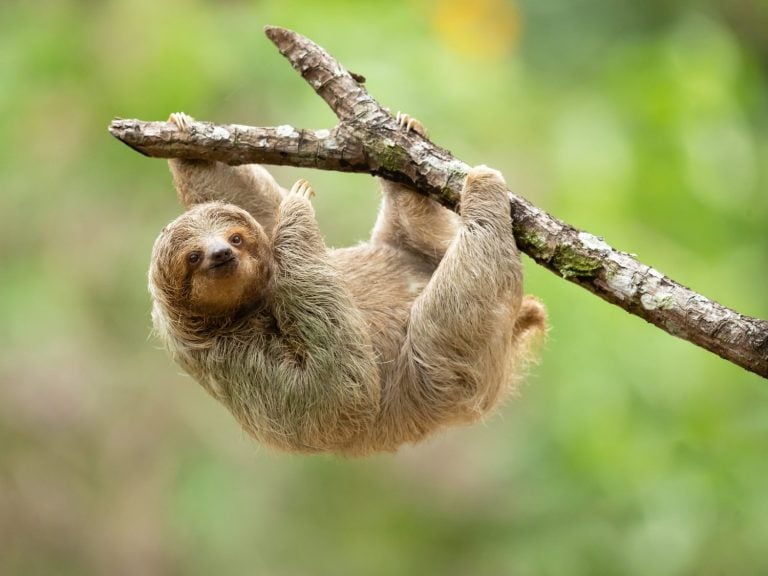
Slow life, high in the canopy
The wolf's cousin, humanity's partner
Small body, fearless hunter
Earless divers of the world's seas
Armored ambush masters of water
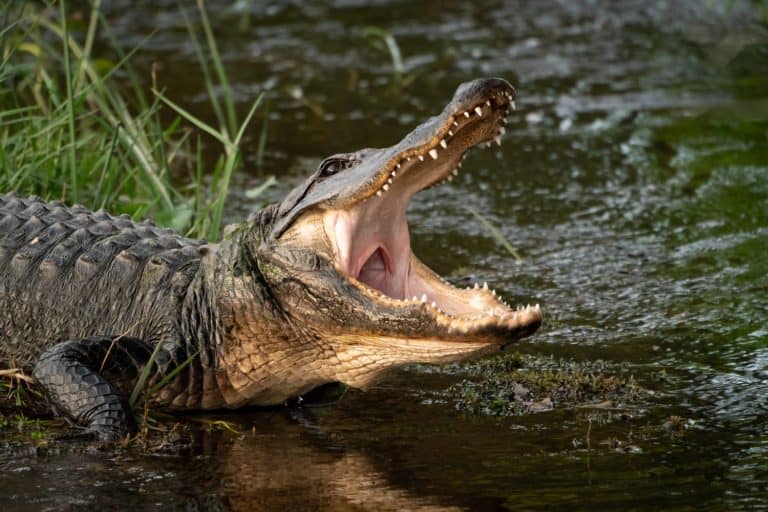
U-snout wetland engineer
Thank you for reading! Have some feedback for us?
We appreciate your help in improving our content.
Our editorial team will review your suggestions and make any necessary updates.
There was an error submitting your feedback. Please try again.