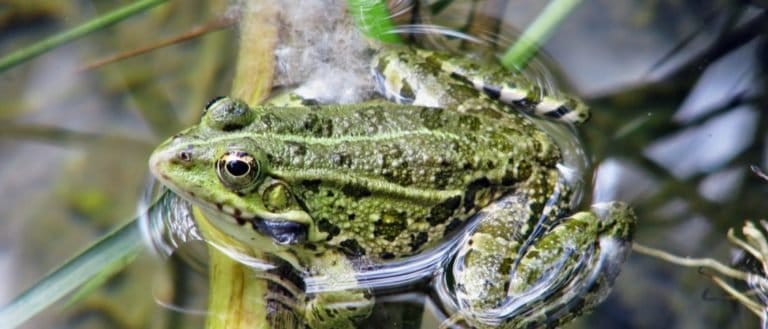
Frog
Tailless jumpers, masters of change

Tailless jumpers, masters of change
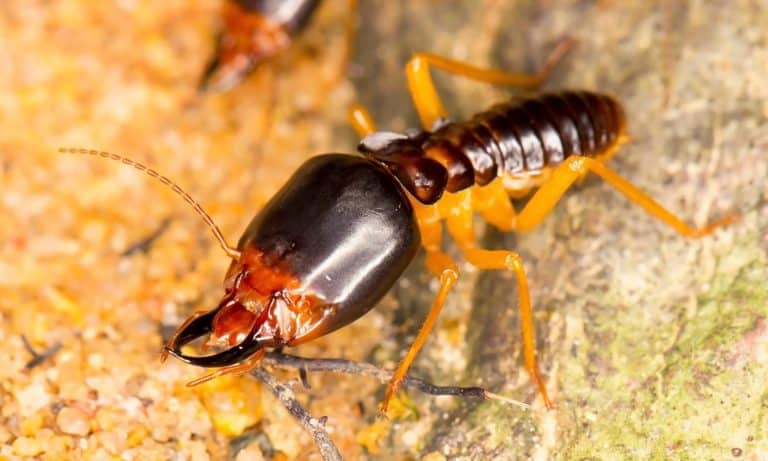
Nature's master recyclers (and builders)
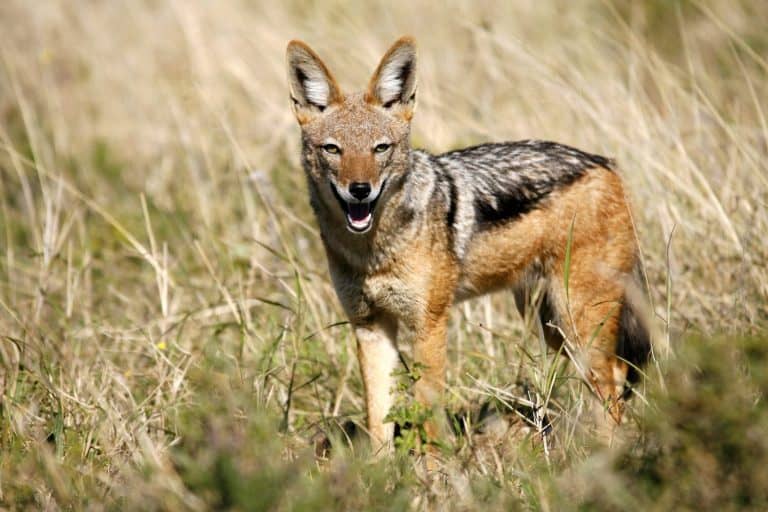
Small canids, big survival skills
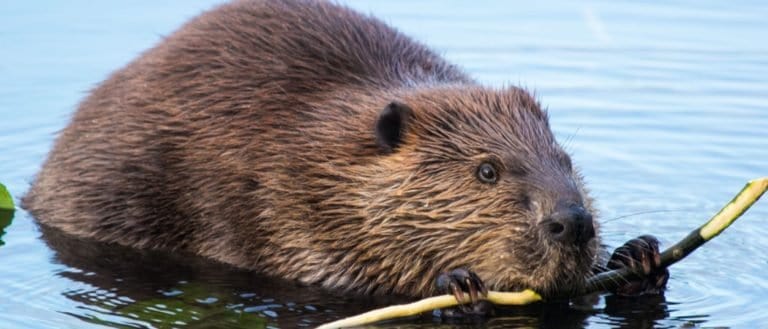
Build wetlands, shape worlds.
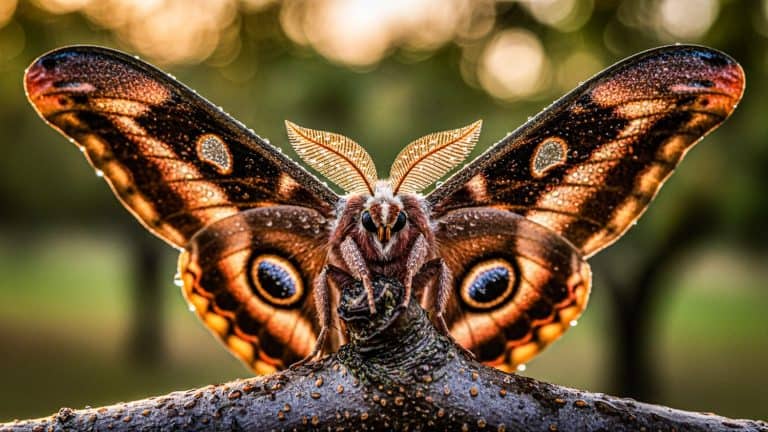
More than night flyers
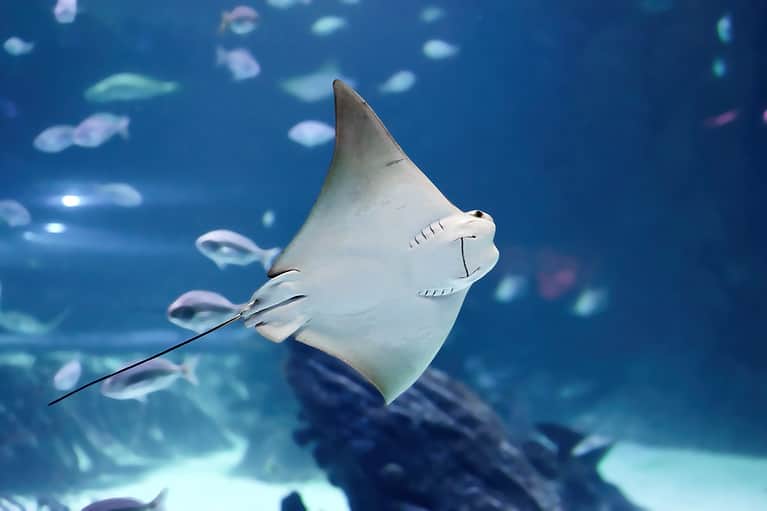
Stingrays: discs, senses, and surprises
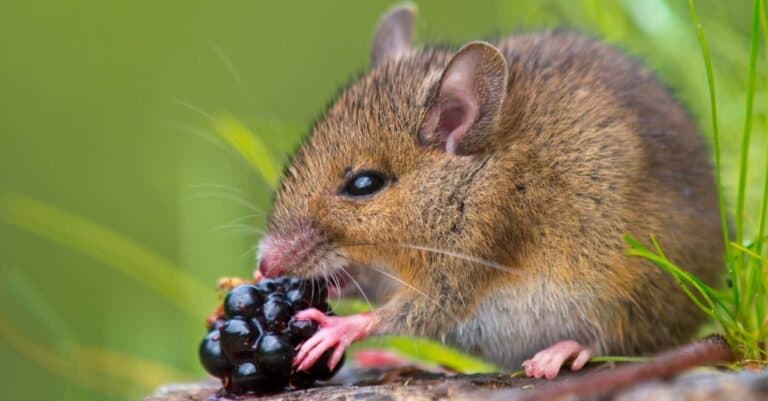
Small gnawers, huge impact.
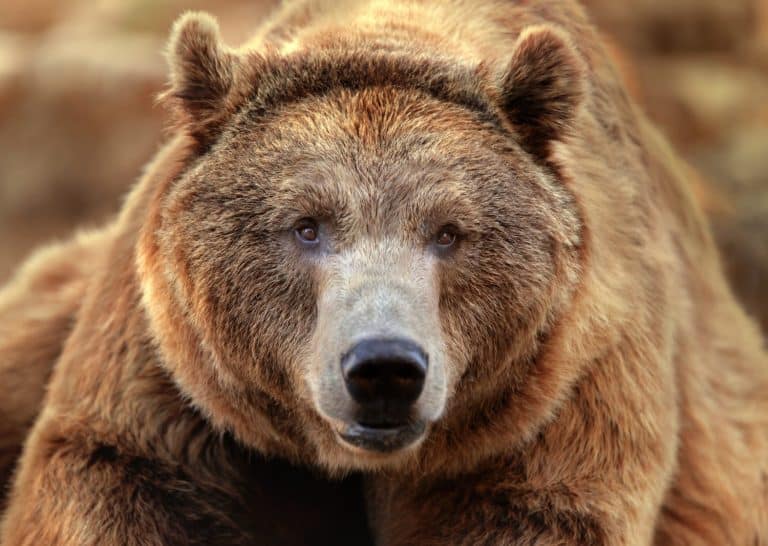
Hump, claws, and wild omnivory
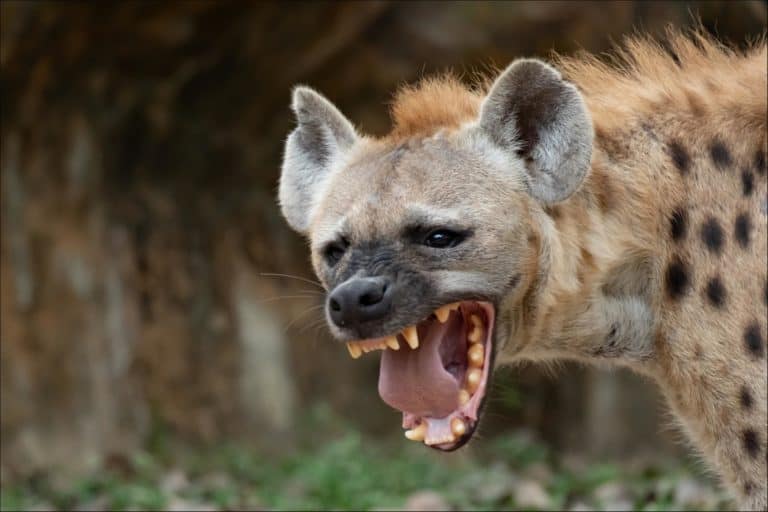
Bone-crushers, termite-lappers, ecosystem keepers
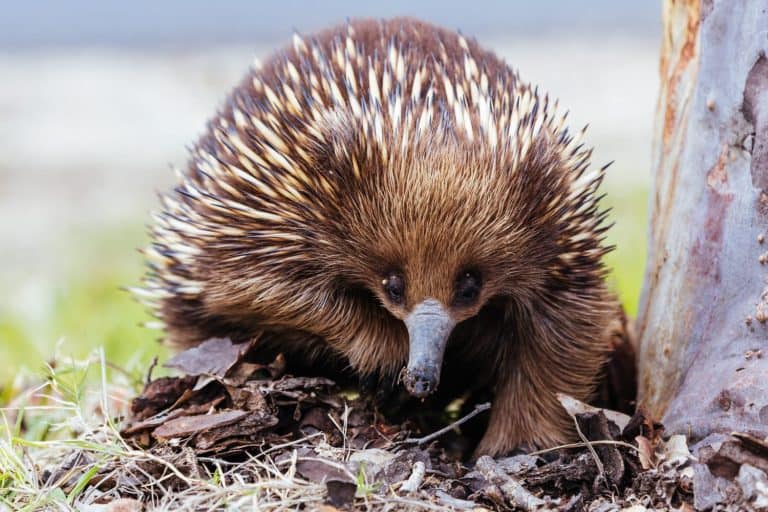
Spines, eggs, and ant-eating mastery
Burrowing is a locomotion mode in which an organism excavates and displaces substrate (e.g., soil, sand, mud, leaf litter, snow, wood, or sediment) to create a passage and move through or within it. Movement is achieved via mechanical interaction with the surrounding medium using specialized anatomy such as limbs/claws, head or snout, or whole-body undulations.
Burrowing is moving through soil by digging and pushing. The animal must break and move soil while moving forward into the new space. Depending on substrate—grain size, moisture, compaction, and stickiness—burrowers may scrape, shovel, wedge, or make the material flow, often switching between cutting or loosening and pushing or dragging. Many brace their bodies against tunnel walls to push more efficiently. Burrowing is common across groups and habitats: mammals (moles, wombats), reptiles (sand lizards), amphibians (spadefoot toads), some birds, and many invertebrates (earthworms, mole crickets, bivalves). It provides shelter, stable microclimates, protection from predators and fire, access to underground food, and sites for nesting or storing food. Digging uses much energy, so burrowers often have special body shapes and behaviors.
Etymology: From Middle English "burwen/burien" ("to hide, to dig"), related to "burrow" meaning a hole or excavation; ultimately tied to Germanic roots associated with sheltering or hiding.
All burrowers "live underground" permanently; many burrow only seasonally or for brief refuge/foraging and spend substantial time on the surface.
Burrowing is just like crawling in a pre-made tunnel; in many cases locomotion includes continuous excavation and removal/compaction of material.
Any animal found in a hole is a burrower; many species occupy cavities made by others (or natural crevices) without being capable of effective digging locomotion.
Burrowing locomotion works by converting muscular work into fracture, displacement, and compaction of a substrate (soil, sand, clay, mud, snow, leaf litter, or even soft rock). The body first creates a void by cutting, loosening, or fluidizing material at the leading edge using claws, incisors, a hardened snout, or a wedge-shaped head. The displaced material is then transported away from the face-pushed laterally into the tunnel wall (compaction), pushed rearward along the body, or carried out to the surface. Tunnel stability is maintained by balancing excavation rate with wall support (compaction, lining with mucus, or leaving a slightly undersized tunnel that the body presses against).
Forward progress requires anchoring to the surrounding substrate so that excavation forces don't simply push the animal backward. Burrowers achieve purchase by splaying limbs, bracing elbows/hips against the tunnel wall, expanding body segments (hydrostatic stiffening), or using backward-facing setae/scales. With the front end fixed or braced, the animal alternates between (1) breaking and moving substrate at the face and (2) pulling/pushing the body into the newly created space. In granular media (dry sand), effective burrowing often resembles "swimming" via undulatory waves or rapid limb strokes that locally fluidize grains; in cohesive media (clay/loam), it behaves more like chiseling and wedging, dominated by fracture and compaction.
Propulsive force comes from skeletal-muscle contractions transmitted through digging appendages (forelimb power strokes, claw rakes, incisors), head/neck wedging, and/or axial body waves. The key is reaction force against the substrate: limbs or body segments press against tunnel walls/floor to generate forward thrust while the front end removes resistance by excavating.
Direction is controlled by asymmetric excavation and bracing: digging more on one side than the other, rotating the head/shoulder girdle to bias the tunnel axis, and shifting anchors to create a yaw moment. Undulatory burrowers steer by changing wave amplitude/phase laterally, increasing thrust on one side, or altering body curvature to follow a new heading; in confined tunnels, steering is limited by tunnel diameter and is achieved mainly by shaping the excavation face and choosing where to compact spoil.
A repeatable excavation-and-advance cycle: the animal anchors its rear or mid-body, cuts/loosens material at the face, clears or compacts spoil, then advances the body into the new void while re-establishing anchors for the next stroke.
Large, powerful forelimbs with enlarged claws perform alternating or synchronous power strokes to break soil and rake spoil backward; the body advances during recovery/reset while the opposite limb or hindquarters brace.
A reinforced skull/snout acts as a wedge to crack or pry apart cohesive substrates; neck and trunk muscles drive repeated thrusts, with spoil compacted into walls or pushed rearward.
Incisors or mandibles cut roots/soil or soft rock; forelimbs mainly stabilize and clear debris. Often paired with strong jaw adductors and protective lips that seal behind teeth to keep soil out.
Body waves propagate from head to tail, locally fluidizing grains so the animal 'swims' through sand; minimal open void remains, reducing collapse issues but requiring continuous movement to prevent jamming.
Sequential segment contraction and elongation generate alternating anchors: some segments expand to grip the substrate while others extend forward; effective in mud/soft soils and narrow burrows.
Lubricating secretions reduce friction and help stabilize or line tunnel walls; commonly combined with peristalsis or head wedging in cohesive, sticky substrates.
Instead of transporting spoil out, the burrower packs loosened material behind or into sidewalls, advancing while sealing the tunnel; useful for concealment and maintaining humidity.
Primary digging; shoveling or raking substrate to create tunnels and chambers
Breaks compacted soil and roots; anchors the body during excavation and forward pull
Wedges through substrate; pushes loosened soil; assists in tunnel shaping
Power transmission from trunk to forelimbs; stabilizes digging strokes
Body bracing within tunnels; supports forceful limb movements and soil compression
Bracing and propulsion; pushing soil backward; stabilizing posture during digging
Reduces abrasion; facilitates movement in confined spaces; navigates low-visibility environments
Hypertrophied pectoral and shoulder retractors (e.g., latissimus-like, teres-like groups), enlarged forearm flexors/extensors for claw control, strong triceps for powerful forelimb extension, robust neck flexors/extensors for head-driven wedging, reinforced thoracolumbar epaxial muscles for bracing and anti-rotation, and powerful hip extensors/adductors plus abdominal wall musculature to stabilize and generate pushing force in tunnels.
Short, stout limb bones with thick cortices for high compressive loads; enlarged scapula/clavicle/pectoral elements and prominent crests/tuberosities for muscle attachment; reinforced distal phalanges supporting large claws; shoulder and elbow joints biased toward stability and strong flexion/extension rather than wide circumduction; sturdy vertebral column with limited lateral excursion in many limb-diggers (or increased spinal flexibility in undulatory burrowers); compact pelvis and robust femur/tibia for bracing; cranial reinforcement (thickened rostrum, zygomatic arches) in head-digging taxa.
~0.01-0.3 m/s through soil (0.6-18 m/min), depending strongly on substrate (loose sand vs compact clay), tunnel diameter, and digging method. Short bursts can reach ~0.5 m/s in very loose substrates or within pre-loosened tunnels; hard/rocky ground may drop below ~0.01 m/s or become impractical.
vs Humans: ~5-140× slower than typical human walking speed (~1.4 m/s); far slower than running. Even the fastest burrowing is still well below a human jog.
Sustainable at low-to-moderate digging rates for ~10-60 minutes continuously in many burrowers before needing rest/cooling; with intermittent pauses, can be maintained for several hours of total work per day. True long-distance continuous travel is uncommon-burrowing is typically stop-and-go with frequent micro-rests and periodic retreat to air pockets/tunnels for ventilation.
Low mechanical efficiency: much of the work is spent fracturing/loosening substrate and pushing spoil, with significant losses to friction and soil collapse. Efficiency and feasible speed improve substantially in pre-existing tunnels, loose granular media, or when using body undulation in sand; they worsen sharply in cohesive, wet, or compacted soils.
Very high relative cost of transport compared with walking/running or swimming because the organism must do excavation work in addition to propulsion. As a rule of thumb: moving by active excavation through intact soil is often several-fold to >10× the energetic cost (per meter) of surface walking; traveling within an already-made tunnel can drop toward walking-like costs but remains penalized by friction and constrained posture.
Tunnel excavation rate
Up to ~20 m of new tunnel in a day (commonly cited maximum).
Burrow length (reptile)
Burrows commonly up to ~14 m long (about 48 ft), with depths around ~3 m reported.
Depth of burrowing bivalve
Lives buried roughly ~1 m (3+ ft) deep in sand/mud, extending siphons to the surface.
Moles and other fossorial mammals that use coordinated forelimb strokes and wedge-shaped heads to fracture and displace soil while advancing through confined spaces.
Corkscrew-style motion seen in some burrowing invertebrates and the general principle of converting rotation into forward penetration and soil transport.
Earthworms and sand-burrowing animals that advance via alternating anchor-and-extend phases, using body undulations/peristalsis to move through granular media.
Clams and other bivalves that fluidize or manipulate surrounding sediment to pull themselves downward and lock in place.
Burrowing animals creating long, stable underground corridors with minimal surface disruption; analogous emphasis on subsurface routing and reduced habitat disturbance.
Claws, incisors, and keratinized digging structures optimized to concentrate force, resist abrasion, and shed soil.
Sand swimmers (e.g., sandfish lizards) that "swim" through sand using body waves; informs how to generate thrust and reduce sinkage in loose substrates.
Prairie dogs, rabbits, ants, and termites that engineer burrows with multiple entrances, ventilation paths, and structurally stable chambers.
Found across: Mammals (moles, rodents, rabbits, carnivores like badgers, armadillos), Reptiles (tortoises, many lizards, some snakes), Amphibians (spadefoot toads, some salamanders), Birds (some owls; many seabirds like shearwaters/petrels that nest in burrows), Annelids (earthworms and marine polychaetes), Arthropods (ants, termites, many beetles, crabs/shrimps), Mollusks (burrowing bivalves like clams, razor clams, geoducks)
Some burrowers "swim" through sand or loose soil without leaving a lasting tunnel-like sandfish lizards, which undulate like fish to dive and move under dunes.
Not all burrowing is done with claws: many animals use their heads or snouts as a wedge (e.g., some rodents and snakes) or use whole-body peristaltic waves (e.g., earthworms) to push through tight spaces.
Burrowing can create major ecosystem engineering effects: a single active burrow system can change soil aeration, water infiltration, and nutrient mixing-often benefiting plants and other animals that later reuse the tunnels.
In very dry or hot environments, burrows can act like natural air-conditioning: temperatures and humidity underground are often far more stable than at the surface, helping animals avoid lethal heat and dehydration.
Some animals synchronize digging with breathing to avoid inhaling dust and debris; others have specialized noses, eyelids, or fur patterns that help keep soil out while moving underground.
Speed/feel: Burrowing through compact soil is often like moving through a crowded hallway where you must shove the walls aside-much slower than running, but far safer and more protected.
Scale: A small mole can move a surprising amount of earth-on the order of its own body mass in soil over short bouts-like a person repeatedly hauling sacks of dirt their own weight while crawling.
Efficiency tradeoff: Burrowing is energy-expensive compared with walking on open ground, but it can be "efficient" for survival-trading calories for big gains in shelter, ambush access, and reduced exposure to predators and heat.
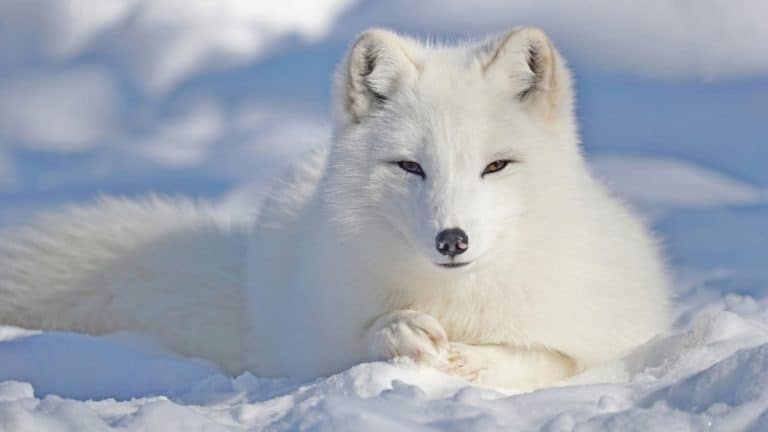
Built for blizzards, born for tundra
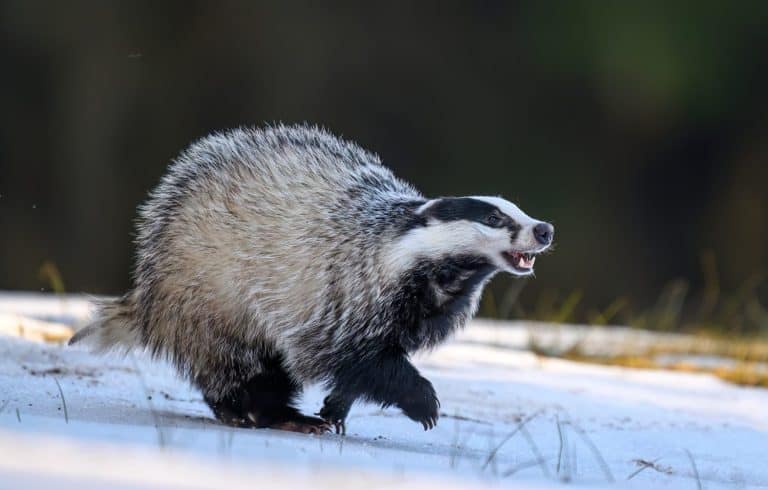
Built to dig. Born to endure.
Build wetlands, shape worlds.
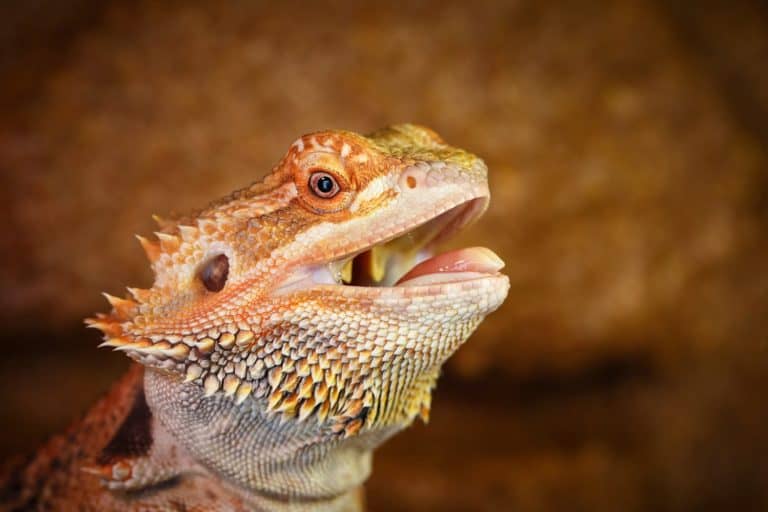
Big beard, bright sun, bold attitude.
Spines, eggs, and ant-eating mastery
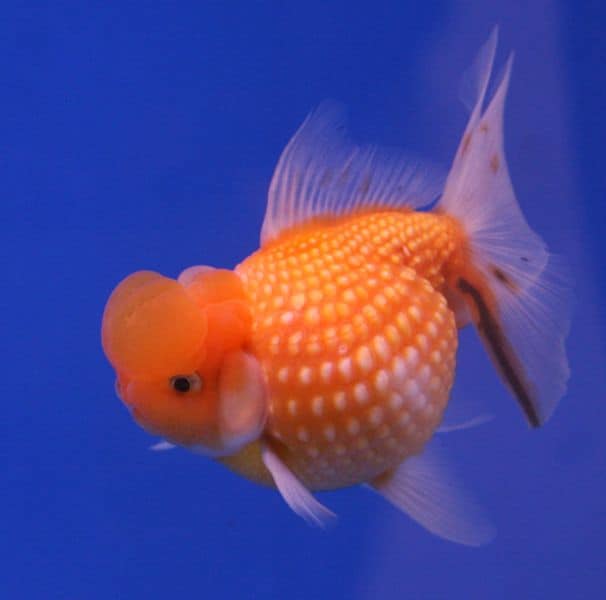
Bony rays, endless ways.
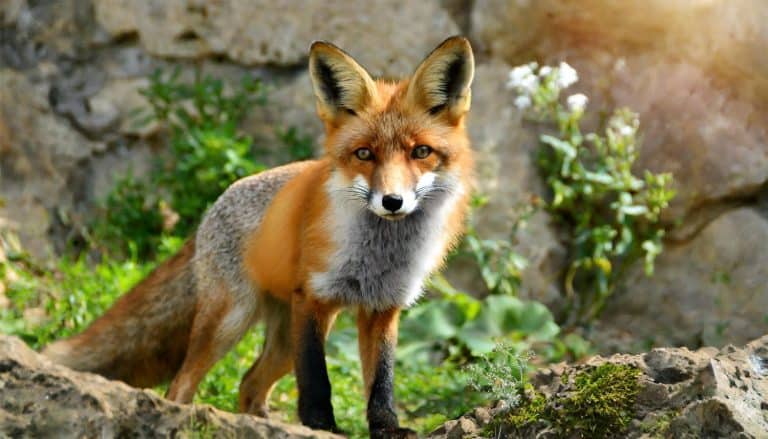
From dunes to tundra-fox smart.
Tailless jumpers, masters of change
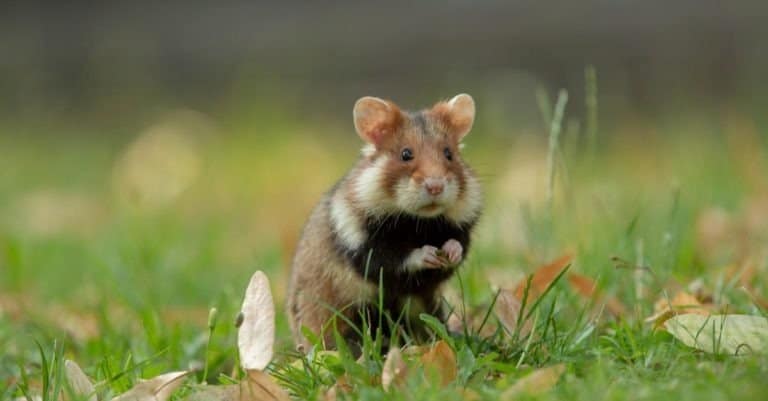
Pouches, burrows, and big impacts
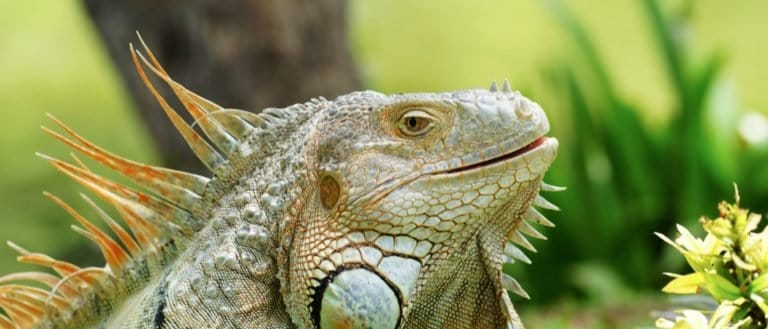
Sun-powered lizards of the Americas
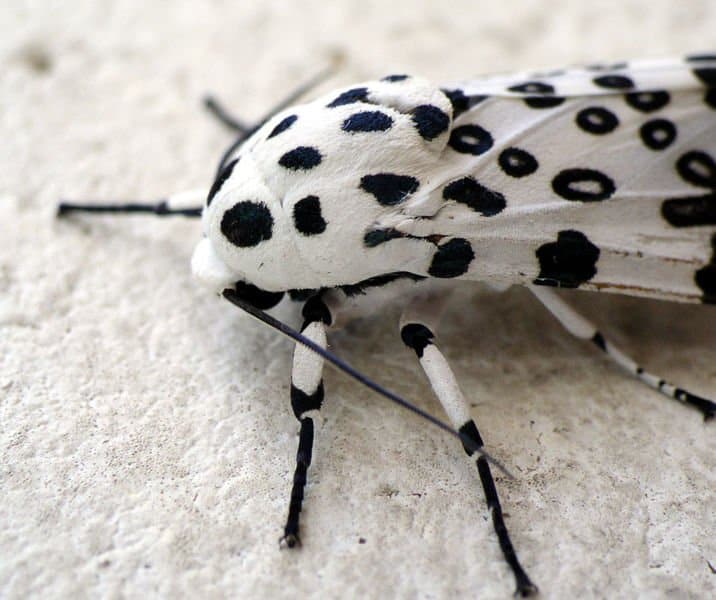
Six legs, endless lives.
Small canids, big survival skills
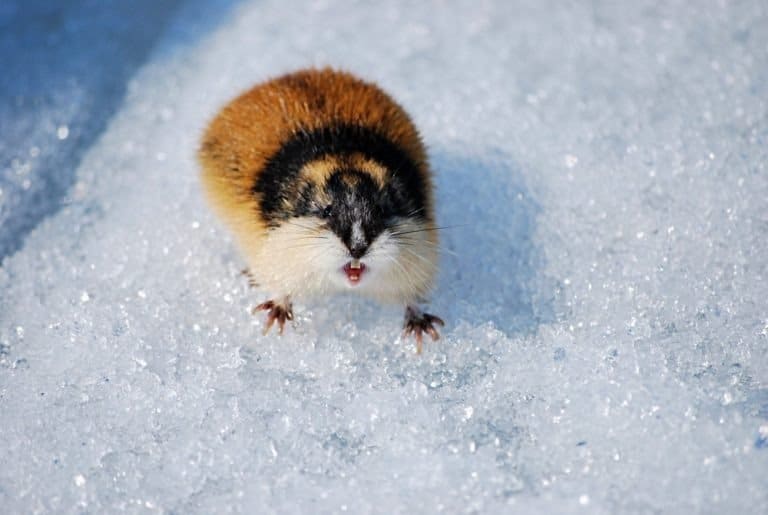
Small rodents, huge tundra impact
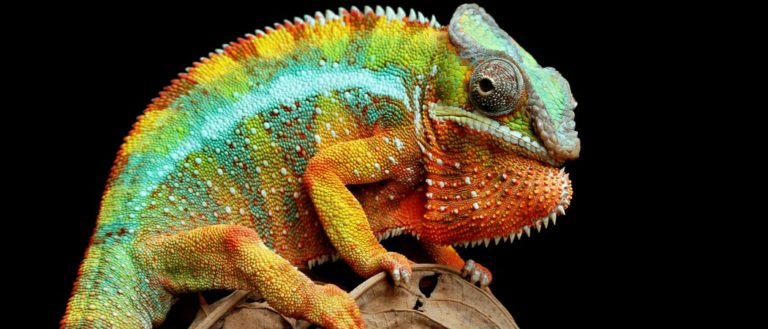
From geckos to dragons-lizard power
Small gnawers, huge impact.
More than night flyers
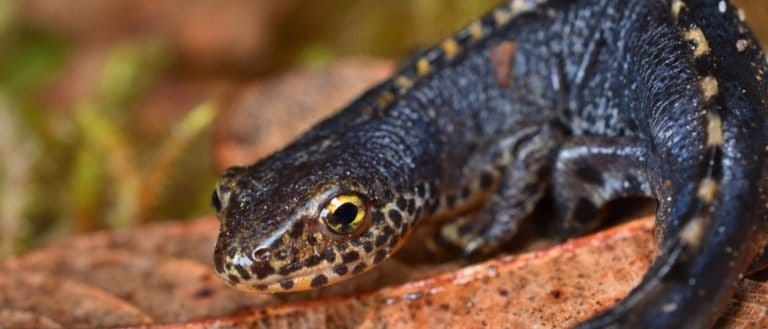
Crests, ponds, and potent defenses
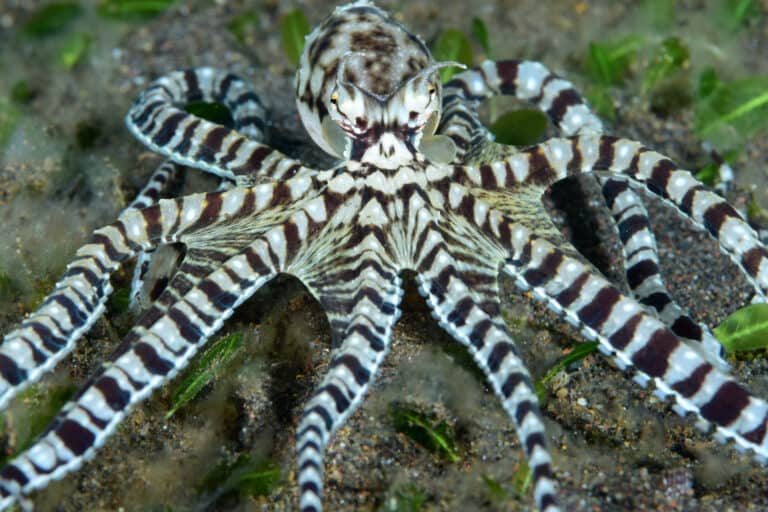
Eight arms, endless ingenuity
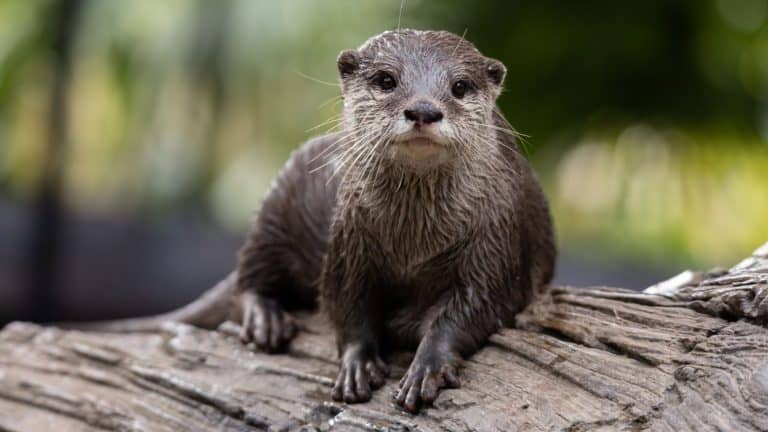
Built for water, born to hunt
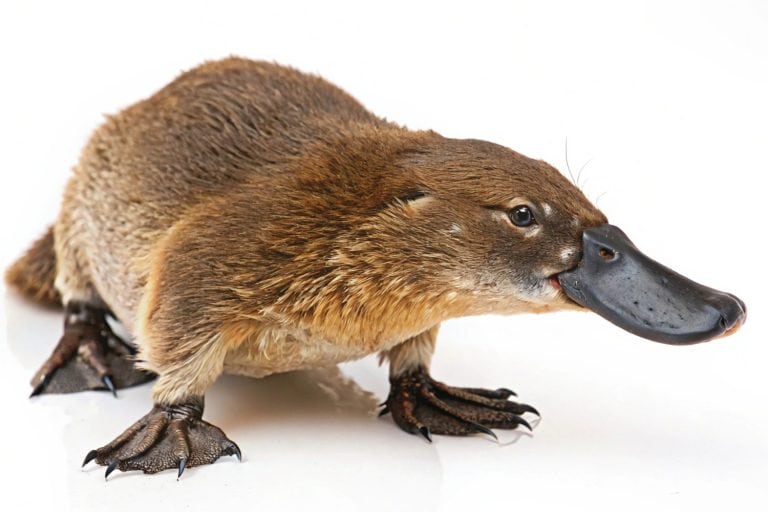
Electric hunter of Australian rivers
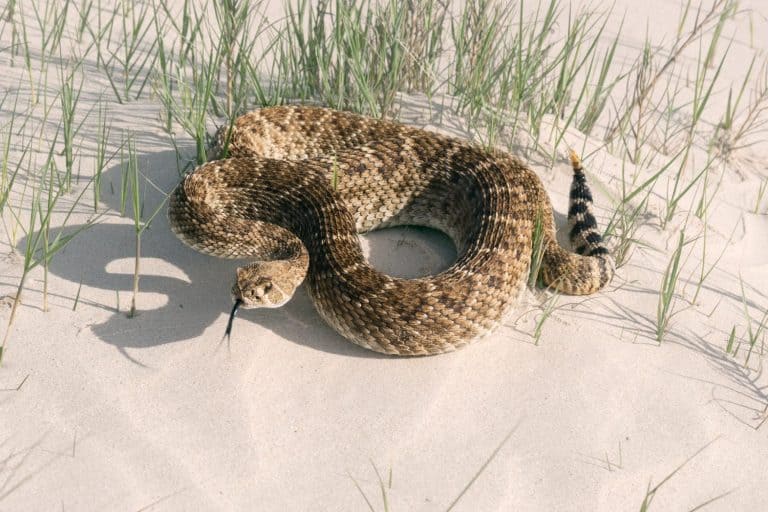
Hear the rattle, give it space.
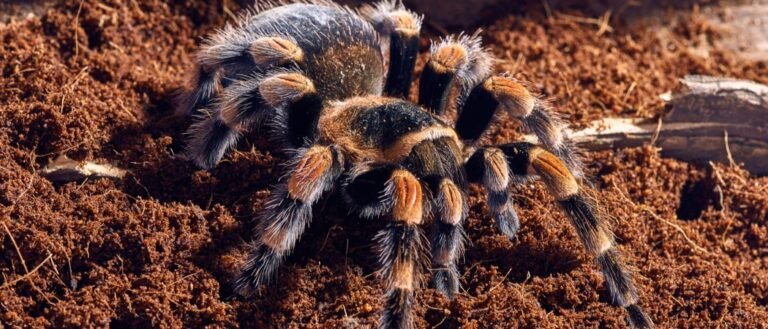
Red knees, calm queen of the burrow
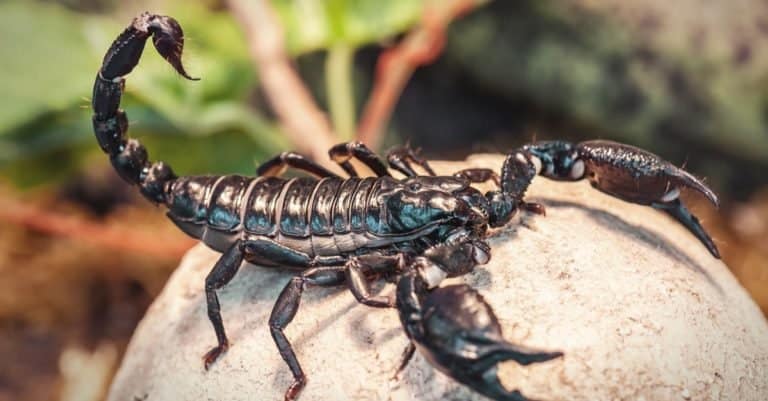
Glow at night, strike with precision
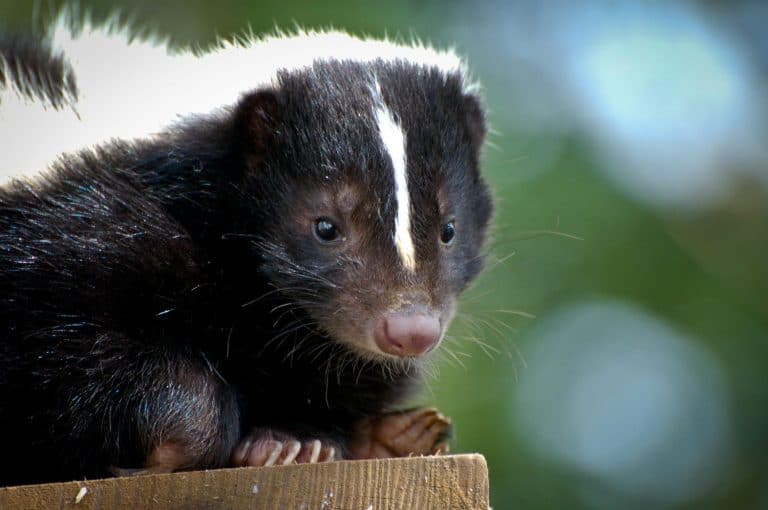
Bold stripes, bigger attitude.
Thank you for reading! Have some feedback for us?
We appreciate your help in improving our content.
Our editorial team will review your suggestions and make any necessary updates.
There was an error submitting your feedback. Please try again.