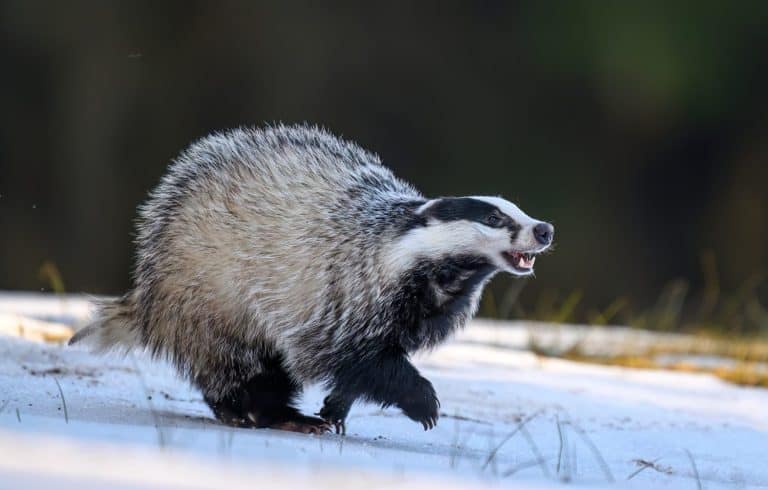
Badger
Built to dig. Born to endure.

Built to dig. Born to endure.
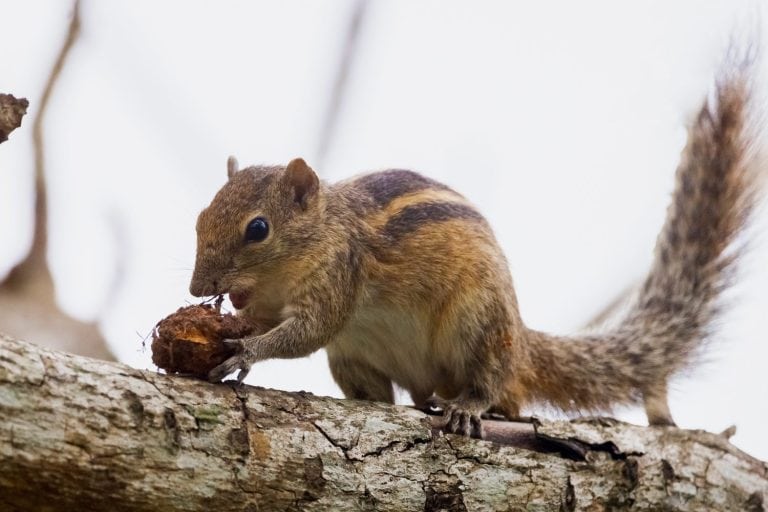
Three stripes. Big city attitude.

Built for blizzards, born for tundra
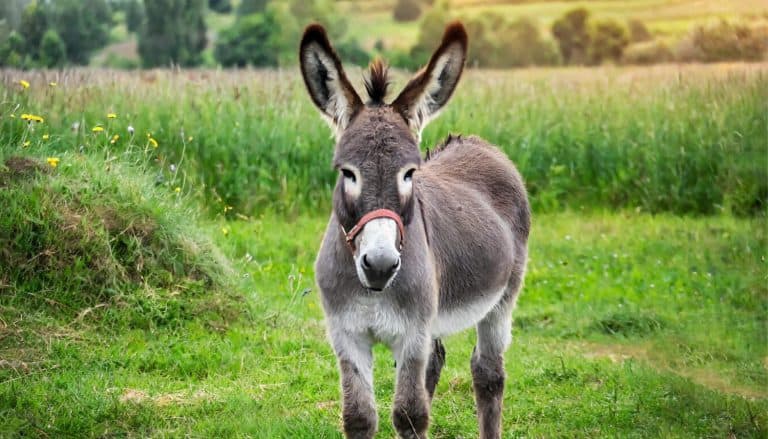
Sure-footed partner of people
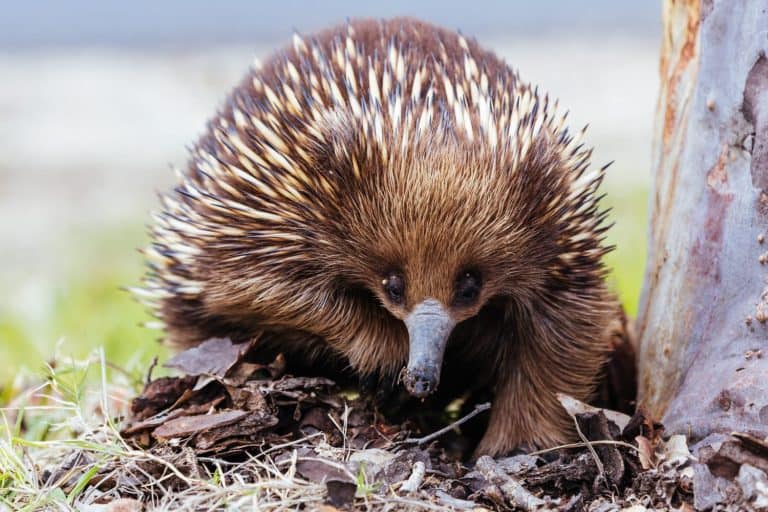
Spines, eggs, and ant-eating mastery
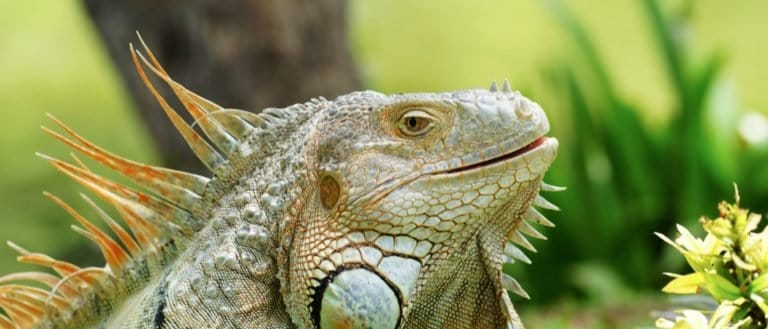
Sun-powered lizards of the Americas
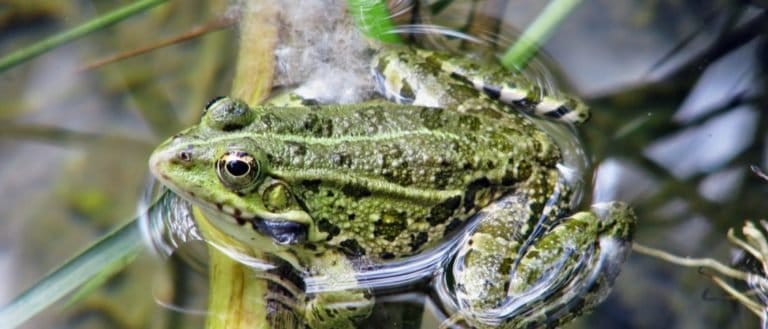
Tailless jumpers, masters of change
The rainforest's master gardener
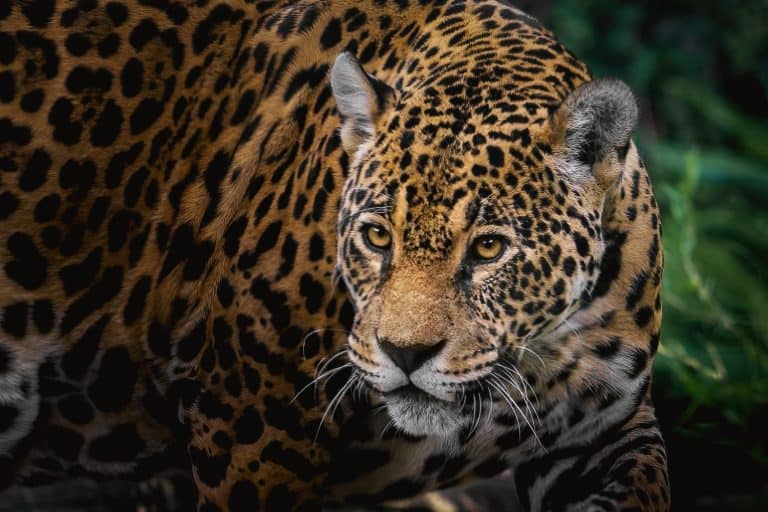
Power of the Americas' apex cat
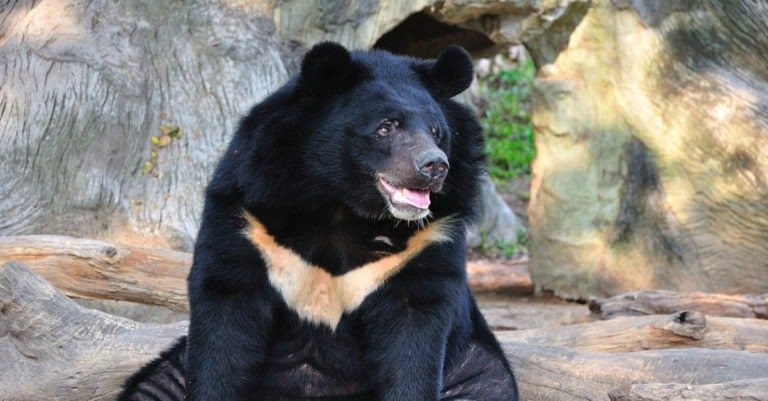
Moon-marked climber of Asian forests
Running is a form of terrestrial locomotion in which an organism moves forward by cyclic legged strides that typically include an aerial phase (no limb contact with the ground). Compared with walking, running uses different mechanical and neuromuscular strategies, including greater reliance on elastic energy storage and return in tendons and muscles to sustain higher speeds.
Running is a fast way animals move on land. It has alternating foot contacts and, in many styles, a short aerial phase when no foot touches the ground. Running is different from walking not just by speed but by how the body’s center of mass moves and how forces work. Legs act more like springs and vertical forces are larger and act over shorter contact times. Elastic tissues, such as the Achilles tendon and plantar fascia, stretch and store energy when the foot is on ground and spring back at push-off to save effort. Running appears in many species (jogging, sprinting; quadrupeds trot and gallop). Surface, incline, technique, and training affect contact time, force, injury risk, and performance.
Etymology: From Old English rinnan/rinnan ("to run, flow"), related to Proto-Germanic *rinnaną ("to run").
Running is defined only by speed; in fact, gait mechanics (e.g., presence of an aerial phase and spring-like dynamics) distinguish it from walking
All running must include an aerial phase; very slow or highly constrained running-like gaits can reduce or blur flight phases, and some animals use gaits that complicate a simple rule
Running is purely 'leg muscle work'; tendon elastic recoil and passive elastic tissues contribute substantially to efficiency and performance
Running is a bouncing gait in which the body's center of mass behaves like a spring-mass system. During each step, a foot strikes the ground ahead of the center of mass and the leg briefly acts like a compressing spring: joints flex, muscles generate stabilizing forces, and compliant tissues (especially the Achilles tendon and plantar fascia) stretch to store elastic energy. The center of mass typically dips slightly as the leg loads, then rebounds as the leg re-extends, converting stored elastic energy and muscle work into upward and forward motion.
Unlike walking (an "inverted pendulum" with continuous ground contact), running usually includes an aerial phase when neither foot contacts the ground. Ground reaction forces are applied over shorter contact times, so peak forces are higher, and stability depends on precise timing of limb placement and neuromuscular control. Efficient running coordinates hip, knee, and ankle extension for propulsion while managing impact and maintaining leg stiffness appropriate to speed, surface, and footwear; the arms counter-rotate to reduce unwanted torso rotation and help balance.
Forward motion is generated primarily by leg extensor moments-hip extension (gluteus/hamstrings), knee extension (quadriceps), and especially ankle plantarflexion (soleus/gastrocnemius)-that push against the ground to produce a net forward ground-reaction impulse. Elastic recoil from tendons and other compliant tissues returns stored energy, reducing metabolic cost, while active muscle work supplies net positive mechanical work (to maintain speed, overcome air resistance, climb, or accelerate) and controls leg stiffness and joint stability.
Direction is controlled by adjusting foot placement relative to the center of mass and modulating asymmetries in ground-reaction forces. Turning is achieved by placing the stance foot slightly to the side and generating lateral impulses and yaw/roll control through hip abduction/adduction, trunk lean, and ankle inversion/eversion, producing the centripetal force needed for curved paths. Arm swing and torso rotation help manage angular momentum, while shorter steps and increased cadence can improve stability during rapid changes of direction.
A repeating stride cycle from one foot's initial contact to its next initial contact, typically featuring a stance phase (ground contact) followed by a flight phase (no ground contact). Two steps (left + right) make a full gait cycle, with running generally lacking the double-support period seen in walking and often including one or two aerial periods per stride depending on style and speed.
Lower speed with relatively longer ground contact time and smaller vertical oscillation; emphasizes elastic economy and steady-state force production.
High speed with very short ground contact times, larger force peaks, greater hip extension power, and more pronounced forefoot/toe-off mechanics; often uses a more forward trunk lean during acceleration.
Acceleration increases forward lean and requires greater net positive work and posteriorly directed push; steady-speed running balances braking and propulsion impulses per step.
Uphill demands more concentric muscle work and reduced flight; downhill increases eccentric braking demands, impact control, and often longer stride with higher loading rates.
Different initial contact locations shift loading between ankle and knee, alter effective leg stiffness, and change the balance of elastic storage vs. joint work.
Greater reliance on proprioception, shorter steps, increased lateral stabilization, and adaptive foot placement to manage variable traction and obstacles.
Footwear and cushioning change impact transients, stride length/cadence tendencies, and how loads distribute across foot/ankle/knee; barefoot often encourages higher cadence and more anterior contact (not universal).
Some fast "shuffle" gaits minimize aerial time for stability or rule constraints; mechanically intermediate, with reduced flight and altered impulse timing.
Primary propulsion and support; generate forward thrust and control ground reaction forces during stance.
Stabilization, braking/steering, and impact absorption; contribute to balance and maneuvering (species-dependent).
Ground contact, traction, shock attenuation, and elastic energy return.
Store and return elastic energy; reduce metabolic cost by acting as biological springs.
Transmit forces between limbs, stabilize torso, and (in some taxa) contribute to stride via spinal flexion/extension.
Stabilize head for vision and vestibular control; maintain balance during high-speed oscillations.
Large proximal limb extensors for propulsion (gluteal group, hamstrings, quadriceps), powerful ankle plantarflexors for push-off (gastrocnemius-soleus complex), hip abductors/adductors for frontal-plane stability (gluteus medius/minimus, adductors), trunk stabilizers for force transmission (erector spinae, multifidus, abdominal obliques/transversus), and distal limb musculature biased toward tendinous structures (digital flexors/extensors with relatively small muscle bellies) to minimize distal mass and improve swing efficiency.
Adaptations emphasize long, lightweight lever arms with strong joints: elongated long bones (especially distal segments) to increase stride length; reduced distal skeletal mass (e.g., digit reduction and fusion tendencies in cursorial forms); enlarged and reinforced joint surfaces (hip, knee, ankle) to withstand high peak loads; hinge-like joint configurations favoring sagittal-plane motion for efficient forward progression; resilient pelvic and shoulder girdles for efficient force transfer; and spinal adaptations balancing stiffness for stability with (in some species) flexibility to augment stride during galloping.
~2-6 m/s (7-22 km/h) for sustained running; sprint peaks commonly ~7-10 m/s (25-36 km/h) for trained sprinters; elite human peak ~10-12 m/s (36-43 km/h) for a few seconds.
vs Humans: Baseline reference: humans can run faster than they can walk by ~2-4×. Compared to average adults, trained runners are ~1.5-2× faster at sustained speeds and ~1.2-1.5× faster in peak sprint speed; compared to elite sprinters, most humans are ~20-40% slower in peak speed.
Depends strongly on intensity: sprinting at near-max is sustainable ~5-15 s; fast running (~6-8 m/s) typically ~1-5 min; moderate running (~3-5 m/s) commonly ~20-90 min in fit individuals; very well-trained endurance runners can sustain ~3-4.5 m/s for 2-5+ hours (marathon/ultra pace).
Moderate efficiency. Running uses elastic tendon recoil to reduce muscle work, but metabolic cost per distance is relatively constant across a broad speed range (unlike walking, which has a speed-dependent optimum).
Higher than walking on a per-distance basis: in humans, running cost of transport is typically ~50-100% higher than economical walking (walking ~2 J/kg/m vs running ~3.5-4 J/kg/m), though running CoT stays relatively constant across a broad speed range. On smooth, firm ground it is generally less energy-efficient per meter than wheeled travel and many swimming modes, but more practical at high terrestrial speeds.
Fastest land animal (top speed)
~93-104 km/h (58-65 mph) in short sprints
Fastest endurance runner among land mammals (sustained high speed)
~56 km/h (35 mph) sustained over long distances; bursts up to ~88.5 km/h (55 mph)
Fastest running bird
~70 km/h (43 mph)
Elastic energy storage and recoil in tendons (e.g., Achilles) and the spring-mass behavior of running that returns energy during push-off.
Foot-ankle elasticity and lever mechanics that reduce metabolic cost by returning energy and smoothing the gait cycle through stance to toe-off.
Compliant muscle-tendon units that absorb impact, store energy, and stabilize gait over uneven terrain.
Coordinated limb dynamics and center-of-mass oscillations in running that enable stable, efficient forward progression with an aerial phase.
Biological impact damping via joint flexion and soft-tissue compliance that manages collision forces while maintaining rebound.
Key biomechanical markers of running-ground contact time, stride frequency, loading rate, symmetry-linked to efficiency and tissue stress management.
Found across: Mammals (especially cursorial ungulates, canids, felids, lagomorphs), Birds (ratites like ostriches; many ground birds), Reptiles (some lizards; certain dinosaurs historically), Arthropods (insects like cockroaches; some crabs as rapid terrestrial runners)
Most of the "spring" in running comes from elastic tendons (especially the Achilles), which can store and return energy each step-reducing how much your muscles must actively do.
Even elite running is largely about managing forces, not just making speed: peak ground-reaction forces in running commonly reach ~2-3× body weight within a fraction of a second.
Running economy often improves when you slightly adjust stride and stiffness to match your body's natural bounce; small technique changes can measurably change oxygen cost at the same speed.
Humans are unusually good at endurance running compared to many animals because we can shed heat efficiently (lots of sweat glands and relatively little body hair), letting us sustain effort longer in hot conditions.
The aerial phase isn't guaranteed at very slow "jog" speeds-some gaits look like running but can be "grounded" (no true flight phase) depending on speed and technique.
At a typical recreational pace (~3 m/s, ~11 km/h), step rate is often around ~2.7-3.0 steps per second (160-180 steps/min)-so each foot is on the ground for only a few tenths of a second while handling multi-body-weight forces.
Compared with walking, running uses a spring-mass "bounce" (elastic recoil) rather than the inverted-pendulum vaulting of walking-so the same person can feel running become more efficient than fast walking beyond a certain speed.
A well-trained runner's tendons can recycle a large fraction of step-to-step mechanical energy; it's less like lifting your body anew each stride and more like repeatedly compressing and releasing a pogo-stick-like spring.
The rainforest's master gardener
Built for blizzards, born for tundra
Moon-marked climber of Asian forests
Built to dig. Born to endure.
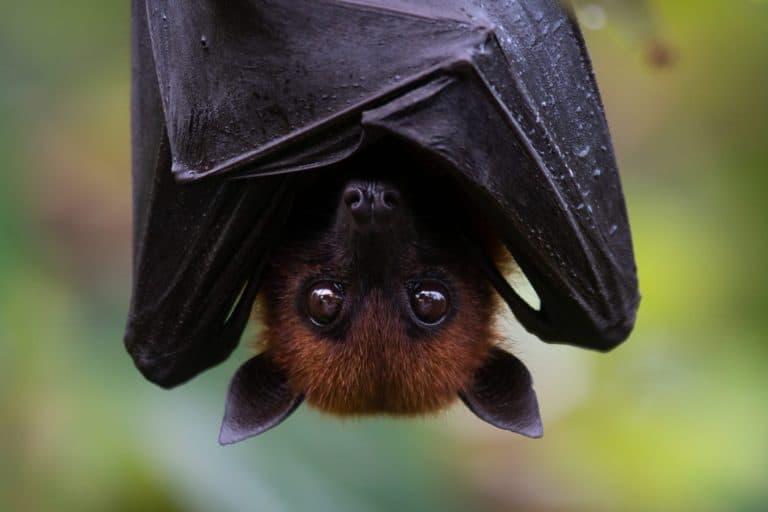
Night pilots of the mammal world
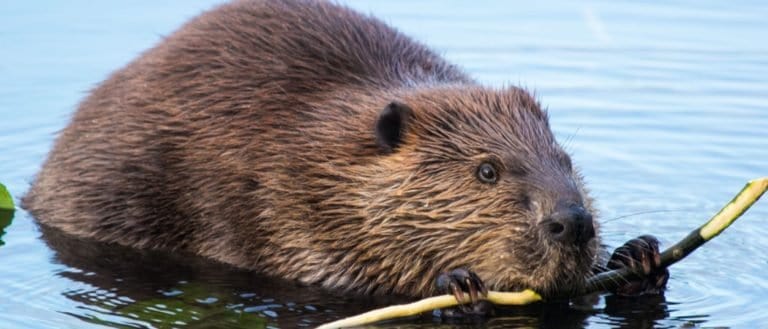
Build wetlands, shape worlds.

Humps of fat, miles of grit
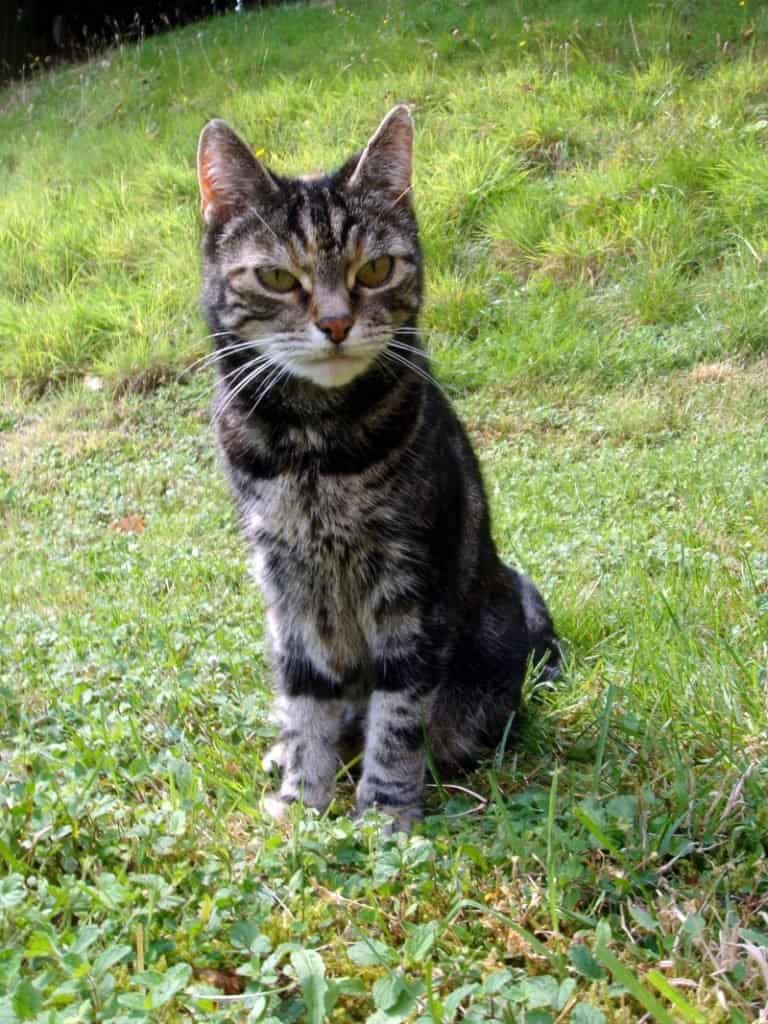
Small hunter, big household legend
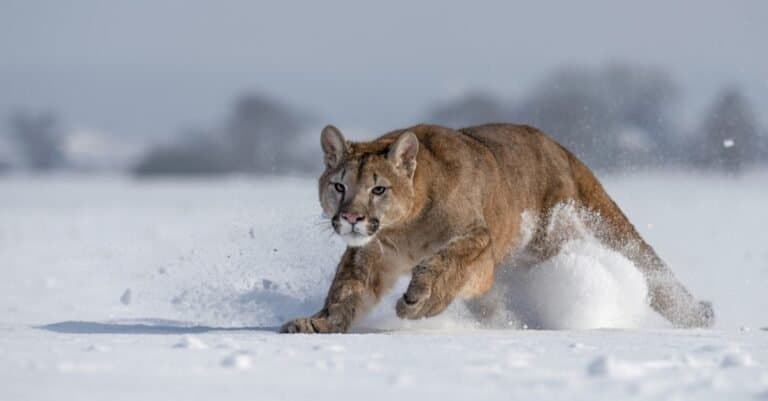
One cat. Two continents.
Sure-footed partner of people
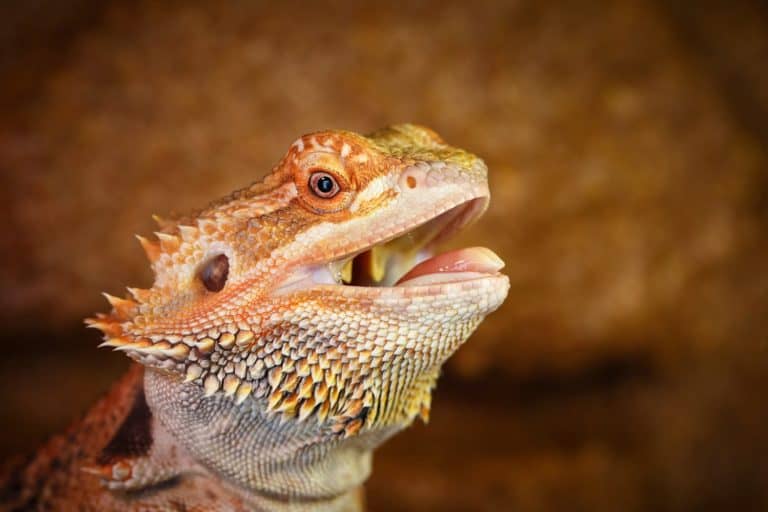
Big beard, bright sun, bold attitude.

Webbed feet, world travelers.
Spines, eggs, and ant-eating mastery
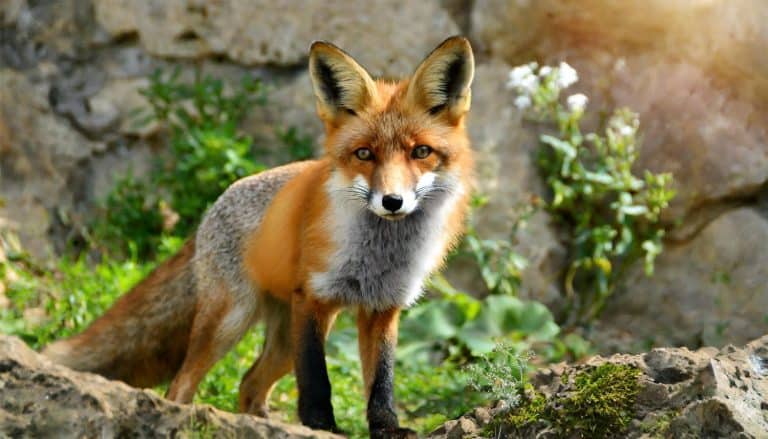
From dunes to tundra-fox smart.
Tailless jumpers, masters of change
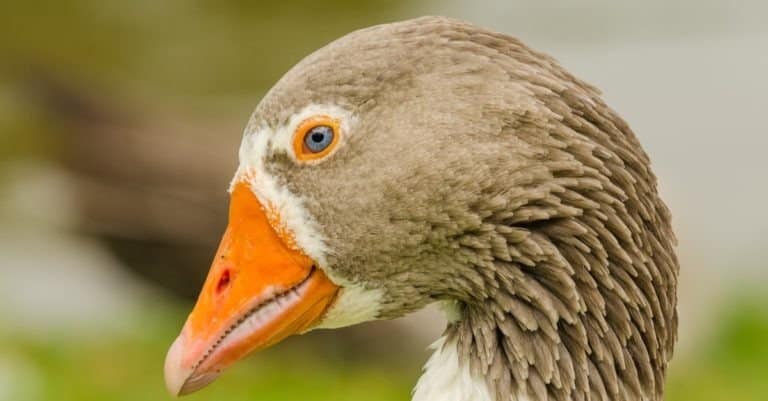
Webbed feet, sky roads, wetland lives
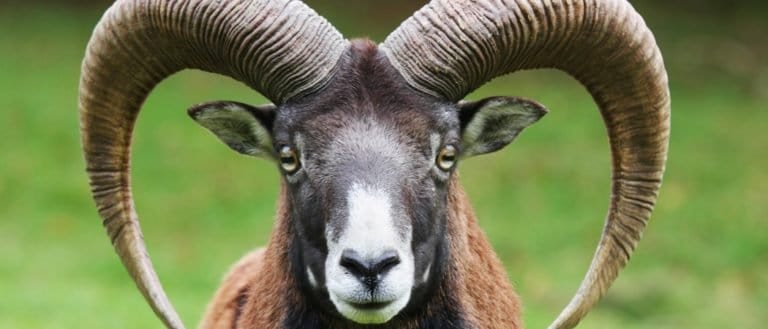
Sure-footed masters of rock and range
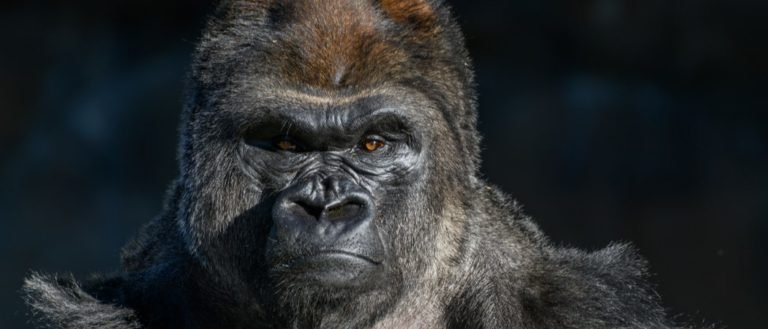
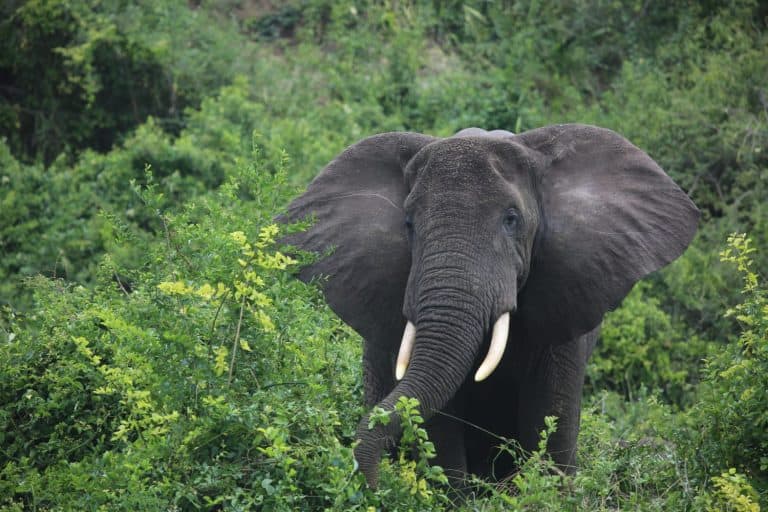
Gentle giants of the African forests
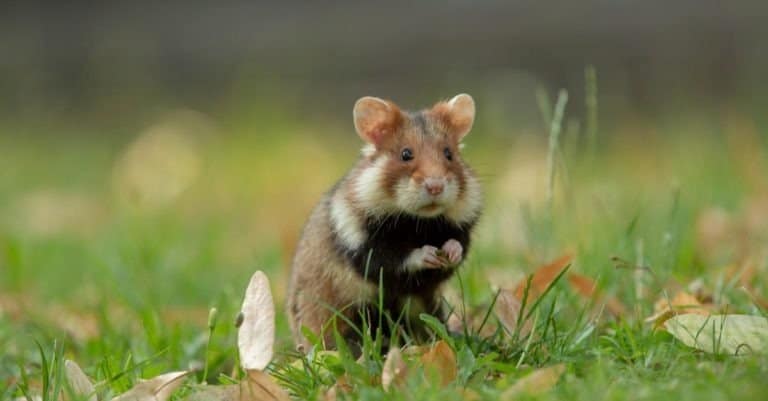
Pouches, burrows, and big impacts
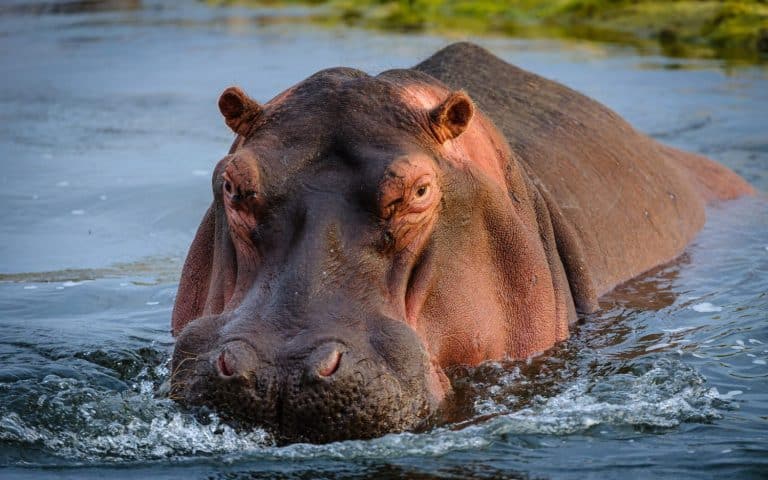
Big river grazer, bigger attitude
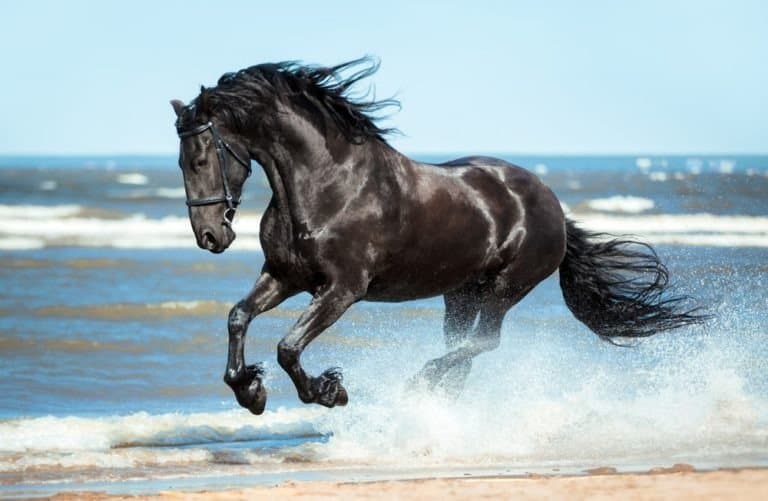
One hoofbeat, a thousand histories
Sun-powered lizards of the Americas
Three stripes. Big city attitude.
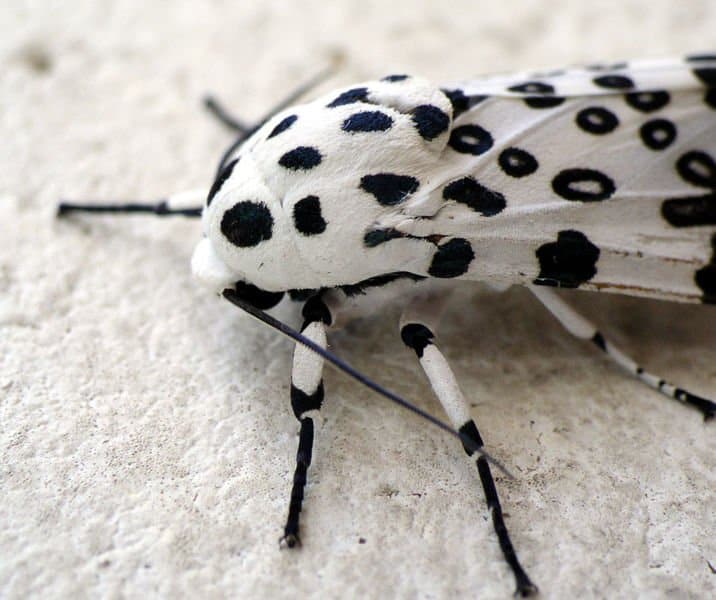
Six legs, endless lives.
Thank you for reading! Have some feedback for us?
We appreciate your help in improving our content.
Our editorial team will review your suggestions and make any necessary updates.
There was an error submitting your feedback. Please try again.