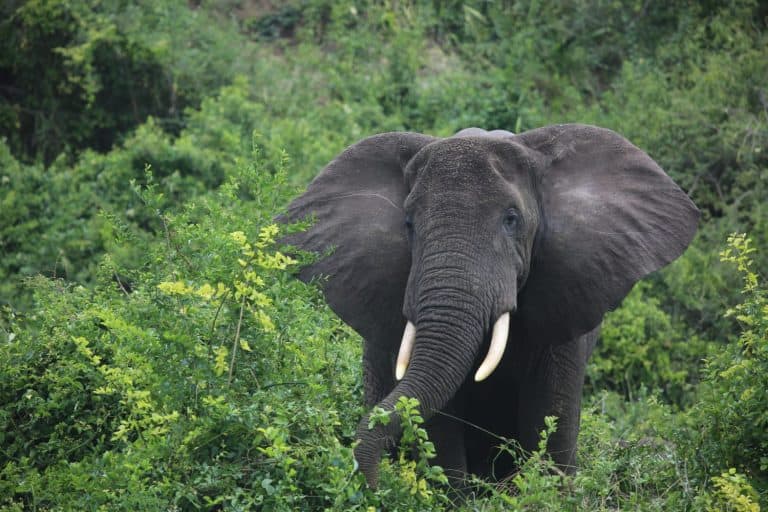
African Forest Elephant
The rainforest's master gardener

The rainforest's master gardener
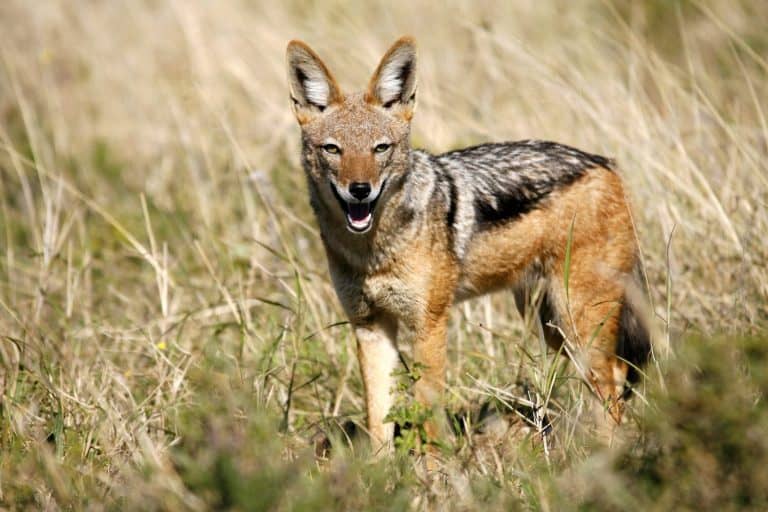
Small canids, big survival skills
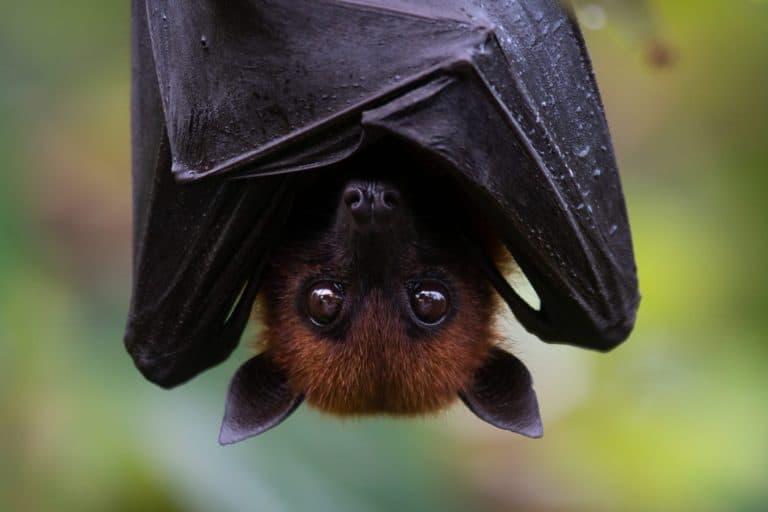
Night pilots of the mammal world
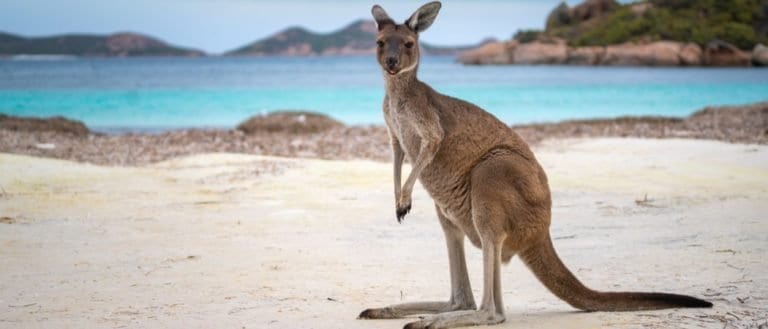
Big hops, big pouches, big variety
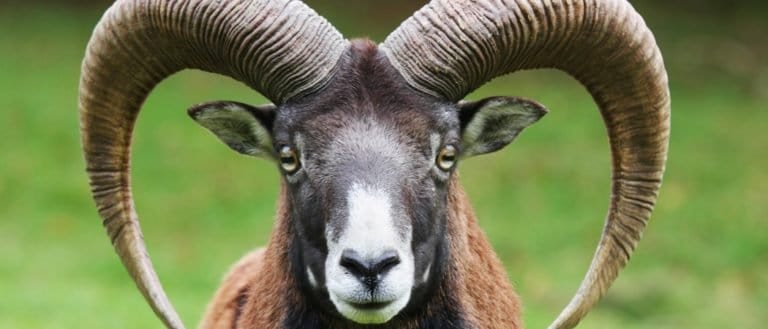
Sure-footed masters of rock and range
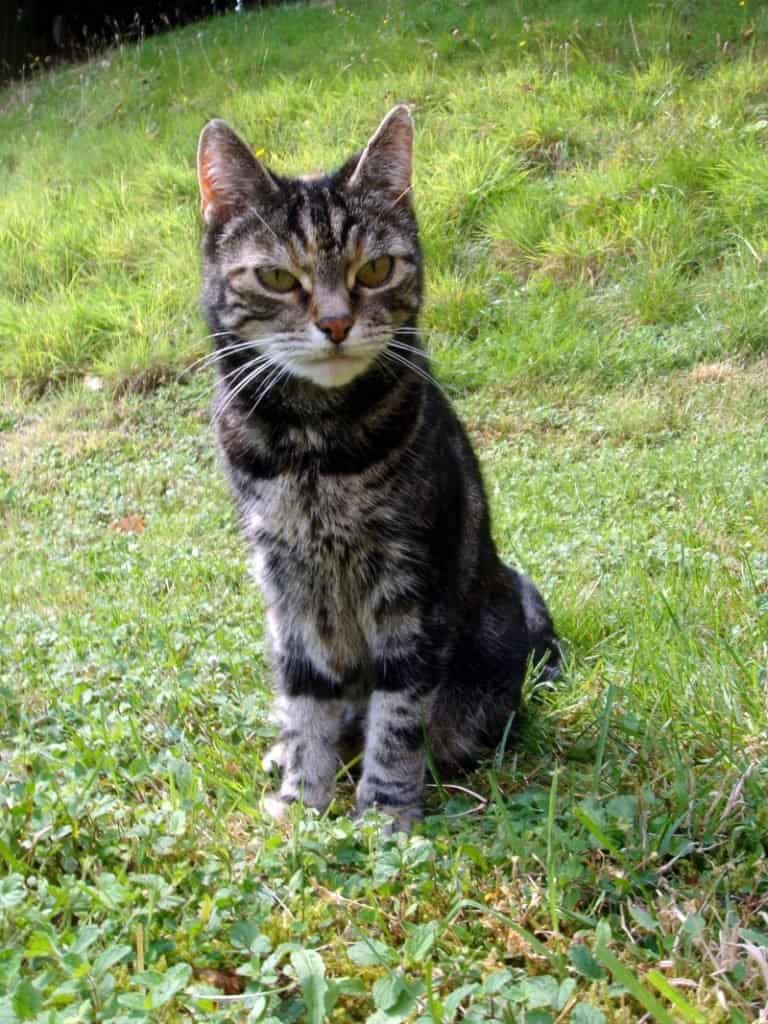
Small hunter, big household legend
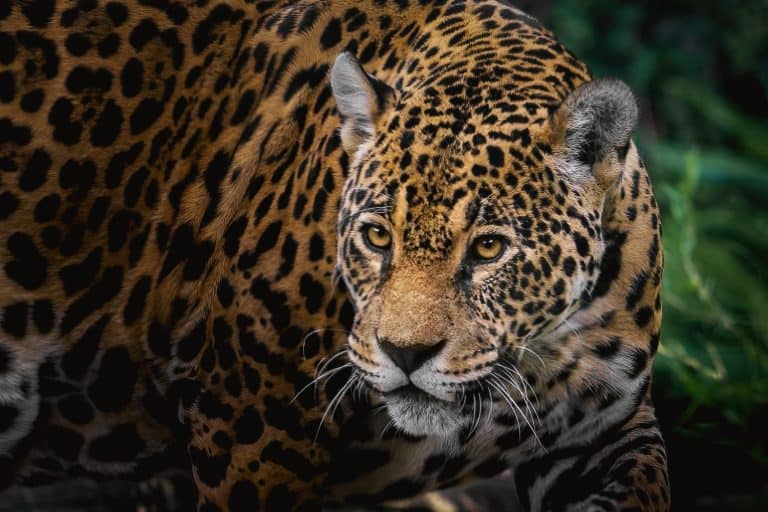
Power of the Americas' apex cat
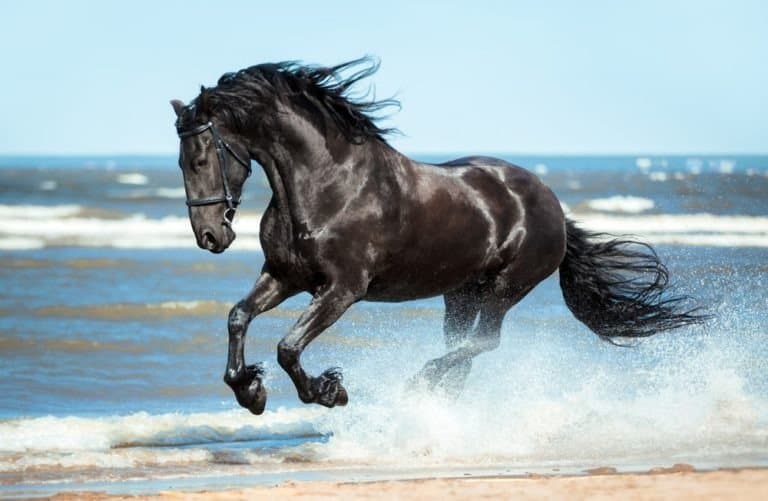
One hoofbeat, a thousand histories
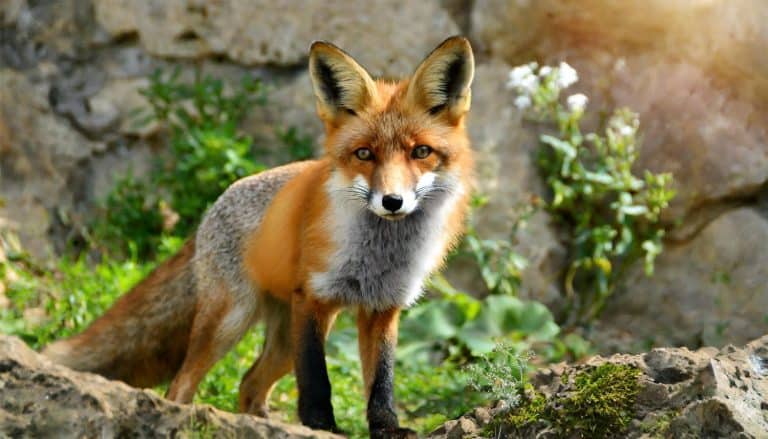
From dunes to tundra-fox smart.
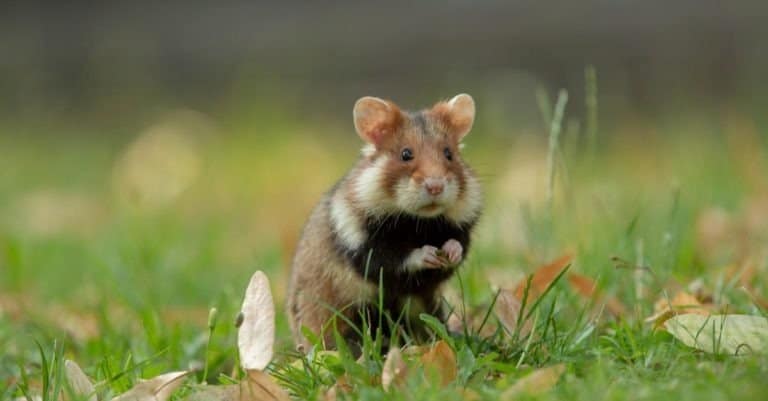
Pouches, burrows, and big impacts
Walking is a terrestrial locomotion gait in which forward progression is achieved through alternating limb movements while maintaining continuous support by the ground, such that at least one foot (or limb) is in contact at all times. Biomechanically, it is characterized by an inverted-pendulum exchange between kinetic and potential energy during stance phases.
Walking is a common gait used by many animals (including humans) in which the body advances through a repeating cycle of stance and swing phases. During stance, a foot is on the ground providing support and propulsion; during swing, that limb moves forward to the next step. A defining feature is the absence of an aerial phase-unlike running, walking maintains continuous ground contact through at least one limb, and in bipedal walking typically includes periods of double support when both feet contact the ground.
From a biomechanics perspective, walking often resembles an "inverted pendulum" mechanism: the body's center of mass vaults over the stance limb, with potential energy peaking near mid-stance and kinetic energy peaking as the body transitions between steps. This energy exchange contributes to walking's generally high economy at low to moderate speeds. Step length, cadence, limb stiffness, and ground reaction forces determine speed and stability, and these parameters vary widely across species and environmental conditions.
Walking can be bipedal (e.g., humans, birds) or quadrupedal (e.g., many mammals), and may include specialized forms such as power walking, load carriage walking, or slow cautious walking on uneven terrain. Across animals, walking speed is typically limited by stability and by the point at which a transition to a faster gait (such as running or trotting) becomes more efficient or mechanically favorable.
Etymology: English "walk" derives from Old English, originally meaning "to move about" or "to go on foot"; the noun "walking" follows from this sense of traveling on foot. The related locomotion term "gait" comes from Old Norse, from a word meaning "path" or "way".
Walking is simply "slow running" (in reality, it is mechanically distinct, especially due to continuous ground contact and inverted-pendulum dynamics).
All walking includes double support (true for typical bipedal walking, but not universal across all animals and gaits, and can be minimized at very fast walking).
Walking is always the most energy-efficient way to move (it is efficient over certain speed ranges; beyond a transition speed, running/trotting can become more economical).
Walking is a form of terrestrial locomotion in which the body's center of mass (CoM) is repeatedly redirected over a base of support formed by one or more feet in ground contact. Unlike running, walking maintains continuous contact with the ground: at least one limb is supporting the body at all times. The body behaves approximately like an inverted pendulum during single-support: the stance leg is relatively stiff and the CoM arcs forward and upward over the planted foot, exchanging kinetic and potential energy to reduce muscular work.
Each step includes a transition between legs (double support) where weight is transferred from the trailing to the leading limb. During this transition, the trailing limb performs "push-off" to redirect the CoM forward, while the leading limb performs controlled "collision" (braking/acceptance) to manage impact and stabilize the body. Muscles and tendons provide active control and compliance (shock absorption, balance corrections), while joint torques at the ankle, knee, hip (and in many animals, spine/shoulder girdle) coordinate limb placement, maintain posture, and keep the CoM within a stable region over the feet. Balance is maintained by continuously adjusting foot placement, trunk orientation, and ground reaction forces to counter tipping moments.
Forward motion is generated primarily by ground reaction forces produced through stance-leg extension and ankle/foot push-off (plantarflexion in many bipeds), aided by hip extension and elastic recoil in tendons. The trailing limb performs positive work to redirect the CoM and overcome losses from braking at the leading limb, internal limb swing costs, and external resistances (e.g., slope, frictional losses).
Direction is controlled by changing foot placement and the orientation of ground reaction forces: yaw turns are produced by placing the next foot laterally/rotated relative to the body and applying asymmetric push-off between left/right limbs. Balance and heading are stabilized by trunk/hip rotation, differential step length/width, and modulation of stance time and joint torques; on uneven terrain, steering also uses targeted footholds and rapid corrective steps to keep the CoM within the support polygon.
A repeating step cycle in which one limb alternates between stance (ground contact/support) and swing (advancing to the next foothold). The cycle includes a period of double support (in typical human-like walking) or overlapping stances (in many quadrupeds), with the CoM vaulting over the stance limb like an inverted pendulum.
Two-limbed gait with alternating single support and (often) brief double support; requires active balance control via trunk/hip strategies and precise foot placement.
Common in many mammals: hind foot contact followed by ipsilateral forefoot; typically offers high stability with multiple limbs in stance and smoother CoM motion.
Common in primates: hind foot contact followed by contralateral forefoot; can enhance dynamic stability on narrow supports and during climbing-like behaviors.
Weight borne on toes/digits (e.g., dogs, cats); increases effective limb length and can favor speed and stride efficiency while maintaining walking contact pattern.
Whole foot contacts ground (e.g., humans, bears); often increases stability and load distribution, useful for uneven terrain and sustained load carriage.
Weight borne on hooves (e.g., horses, deer); minimizes distal limb mass for economical swing and supports long-distance travel with efficient stride mechanics.
High-velocity walking that preserves no-flight constraint; increases cadence and hip rotation/arm swing to extend stride while maintaining continuous ground contact.
Walking with additional mass; typically increases stance time, joint moments, and double-support duration to improve stability and manage higher ground reaction forces.
Uphill increases positive work (hip/ankle extension) for elevation gain; downhill emphasizes eccentric control and braking to manage potential energy dissipation.
Locomotion with primary motion perpendicular to facing direction; relies on hip ab/adduction and altered foot placement to maintain balance and traction.
Support body mass, generate forward propulsion through alternating stance and swing phases, and absorb ground reaction forces, with at least one limb remaining in contact with the ground (no aerial phase).
Provide a stable base of support, distribute pressure, generate traction, and assist push-off (toe-off) for efficient step-to-step transitions.
Transmit forces between trunk and limbs, stabilize the trunk over the stance limb, and enable stride through hip extension/flexion (or shoulder protraction/retraction).
Maintain posture, balance, and efficient force transfer; control oscillations of the center of mass during step-to-step transitions.
Coordinate gait timing, maintain dynamic stability, adapt to uneven terrain, and prevent falls during continuous support phases.
Walking muscles favor endurance, posture, and efficient force. Hip extensors and stabilizers (gluteus maximus, hamstrings, hip abductors gluteus medius/minimus) support single-leg stance and control pelvic tilt. Knee extensors (quadriceps) support weight; hamstrings help swing the leg. Ankle plantarflexors (gastrocnemius-soleus) give push-off; tibialis anterior lifts the foot and controls heel strike. Foot muscles support the arch and make toe-off stiff for rough ground. Core muscles (erector spinae, abdominals, multifidi) keep posture and move forces. In quadrupeds, shoulder/hip retractors and scapular stabilizers (serratus, trapezius equivalents) help swing limbs and accept load.
Walking needs body parts that stay stable and save energy. Joints (hip/shoulder, knee/elbow, ankle/wrist) fit well and ligaments help them handle repeated pressing forces. Long bones are shaped to resist bending, with thicker outer bone where loads are highest and lighter parts farther down. Pelvis, acetabulum, and femoral head shape give a stable stance. Knees are stable when straight and bend in a controlled way under load. Ankles and feet allow a rocker-like rollover (heel-to-toe in many bipeds) or use toes/hooves for leverage in digitigrade and unguligrade walkers. The spine is aligned to move load but still bend to absorb shock. Some animals have fewer or fused distal digits (e.g., cannon bones in ungulates) to make strides more efficient.
Humans: ~1.0-1.6 m/s (3.6-5.8 km/h) comfortable; brisk ~1.7-2.1 m/s (6-7.5 km/h); practical upper limit before transitioning to running ("walk-run transition") ~2.0-2.3 m/s (7.2-8.3 km/h). Quadrupeds: highly size- and species-dependent; typical walking often ~0.5-2.0 m/s, with larger animals tending toward lower preferred speeds at walk and switching to trot/pace at relatively modest speeds.
vs Humans: For most adult humans, walking is the baseline gait: many other bipeds are slower at comparable effort due to anatomy, while many quadrupeds can match or exceed human walking speed but typically shift to trot at speeds where humans would still be walking briskly. Compared to human running, walking is substantially slower (running commonly ~3-6 m/s recreationally).
High. Walking can be sustained for hours when paced below fatigue threshold; typical healthy adults can continuously walk 1-3+ hours at comfortable pace, and with conditioning, day-long durations (multiple hours with breaks) and multi-day treks are feasible. Continuous duration is mainly limited by musculoskeletal overuse (feet/joints), thermoregulation, terrain, and fueling/hydration rather than acute cardiovascular limits at moderate pace.
Generally economical at moderate speeds: humans exhibit a U-shaped metabolic cost vs speed with a minimum around ~1.2-1.4 m/s. Walking is typically more energy-efficient than running at low-to-moderate speeds, but becomes inefficient near the walk-run transition (metabolic cost rises steeply).
Lower cost of transport than running at walking speeds (energy per distance tends to be minimized near preferred walking speed). Compared to wheeled motion on smooth surfaces, walking has higher cost of transport. Compared to crawling or hopping at similar speeds, walking is usually more economical for stable terrain. Near or above ~2.0-2.3 m/s in humans, running often becomes comparable or cheaper per distance than forced fast-walking.
Oldest known living terrestrial animal (longevity record)
Born c. 1832 (Guinness World Records)
Fastest walking/running biped among birds (and fastest land bird)
~70 km/h (43 mph) top speed
Tallest walking land animal
Up to ~5.5-5.9 m tall (18-19 ft)
Human and animal walking exploits gravity, pendulum-like leg swing, and compliant joints to minimize energy use; passive-dynamic designs mimic this by letting mechanics do much of the work rather than continuous motor actuation.
The human foot acts like a spring and rocker system (heel strike → mid-stance support → toe-off push) that stores/returns energy and adapts to terrain; modern prostheses emulate these phases and compliance.
Human walking relies on coordinated joint torques, balance corrections, and phase-based timing; exoskeleton control strategies mirror gait phases and provide targeted assistance at hip/knee/ankle.
Walking produces repeatable impact and loading patterns; footwear mimics the foot's cushioning, arch support, and rollover mechanics to reduce peak forces and improve stability.
Walking is rhythmic and step-based; devices detect heel-strike/step cycles and estimate stride length and heading to track movement when GPS is weak.
Individuals have distinctive, repeatable walking signatures (stride length, cadence, joint kinematics); security systems model these patterns for recognition.
Quadrupeds maintain stability with continuous support polygons and adaptive foot placement; robots copy walking patterns that keep at least one or more feet grounded for balance on rough terrain.
Walking has measurable phases and force profiles; medical technology models stance/swing dynamics to diagnose injury, neurological conditions, and to guide recovery.
Found across: Mammals (e.g., primates, carnivores, ungulates, elephants), Birds (bipedal walking; many also run), Reptiles (lizards, turtles/tortoises, crocodilians), Amphibians (many salamanders and some frogs walk when not hopping), Arthropods (insects, spiders, crustaceans; multi-legged walking is very common), Some mollusks and other invertebrates show walking-like bottom locomotion (e.g., octopuses, some echinoderms via tube feet)
Walking has an "inverted pendulum" mechanic: your body vaults over a relatively stiff stance leg, briefly trading kinetic energy for potential energy and back again-one reason it can be so energy-efficient at moderate speeds.
There's a typical "preferred walking speed" for most adults (around 1.2-1.4 m/s, ~4-5 km/h), and deviating from it tends to cost noticeably more energy per distance-even if you don't feel it right away.
Walking stability relies heavily on tiny, rapid corrections: each step subtly adjusts where the foot lands to keep the body's center of mass from tipping too far, especially when the ground is uneven or you're carrying a load.
Humans can walk in many specialized patterns-heel-to-toe, toe-walking, racewalking (no visible loss of ground contact), sideways, backward-and each changes which muscles do most of the work and how forces travel through joints.
Many quadrupeds "walk" with a lateral or diagonal sequence (which foot moves when), and those patterns help trade off stability vs. maneuverability depending on the animal's build and terrain.
Energy: For humans, walking a given distance typically costs less metabolic energy than running that same distance-running can be roughly ~20-60% more costly per kilometer depending on speed and fitness.
Speed: A brisk human walk (~5 km/h) is about the pace of a slow bicycle cruise in a crowded area, but far slower than a typical urban cycling speed (~15-20 km/h).
At ~5 km/h, you cover about 83 meters per minute-so a 100-meter stretch takes about 1.2 minutes, which makes walking excellent for fine navigation but inefficient for long-distance travel compared with wheeled transport.
The rainforest's master gardener
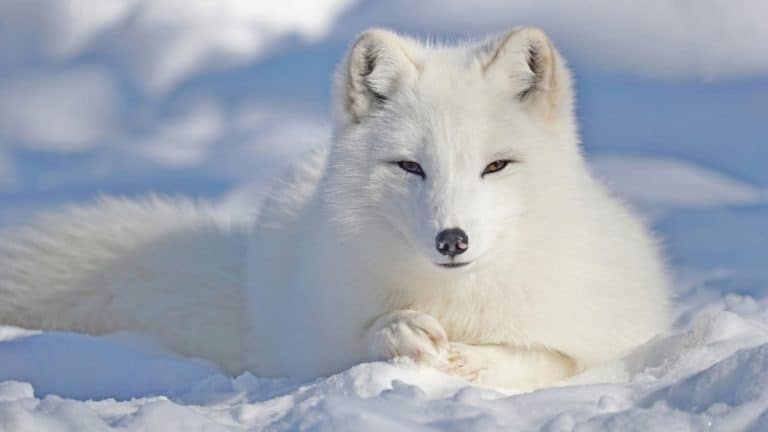
Built for blizzards, born for tundra
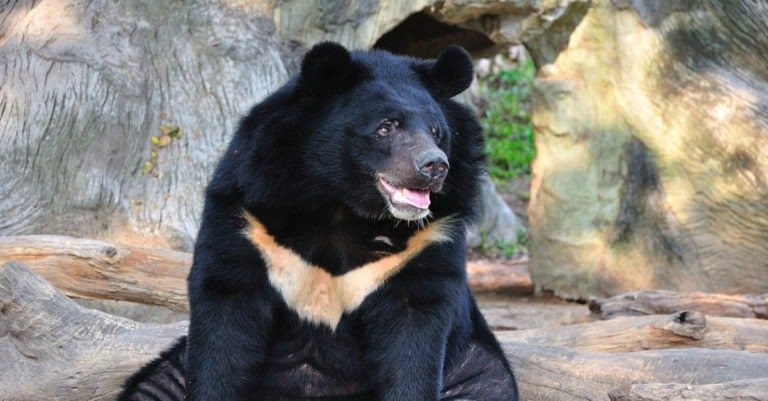
Moon-marked climber of Asian forests
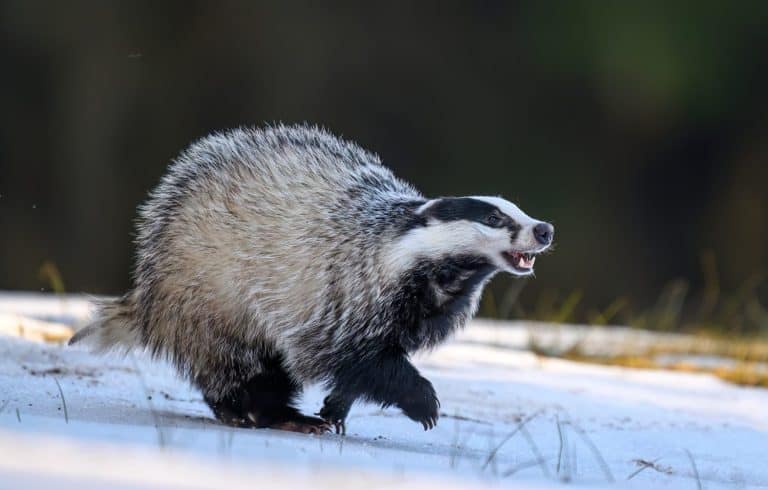
Built to dig. Born to endure.
Night pilots of the mammal world
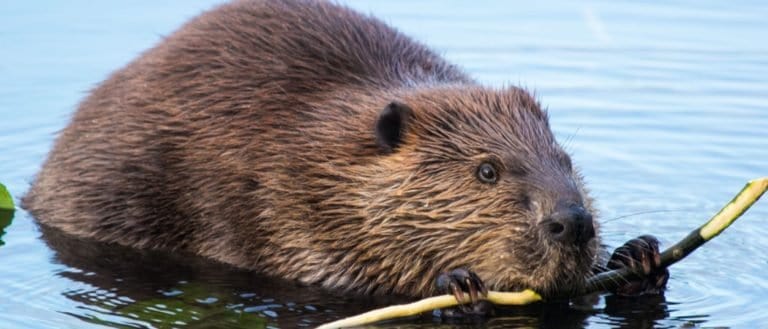
Build wetlands, shape worlds.

Humps of fat, miles of grit
Small hunter, big household legend
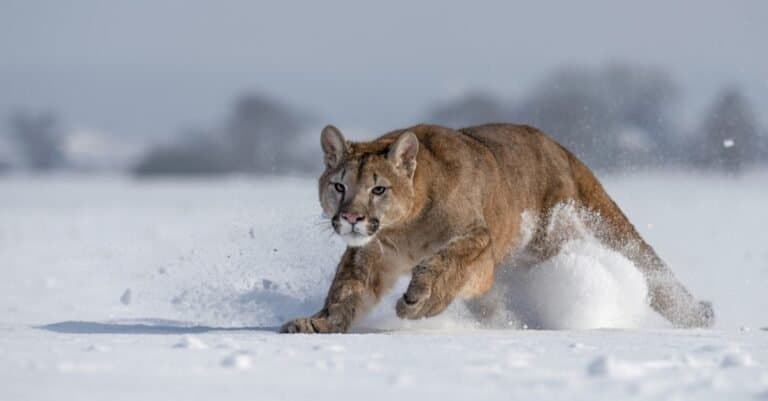
One cat. Two continents.
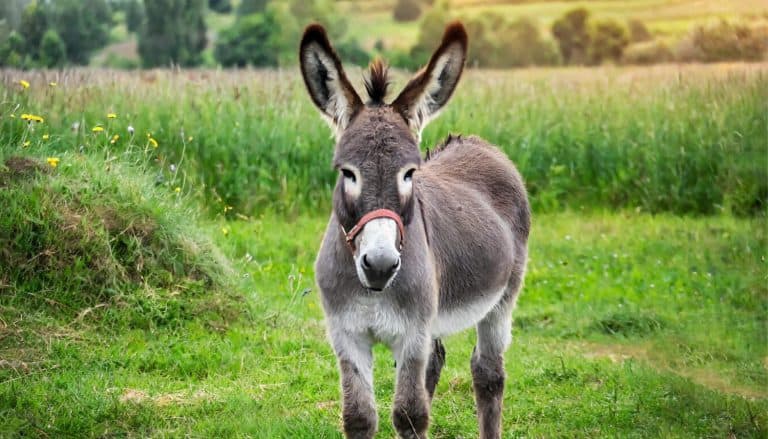
Sure-footed partner of people
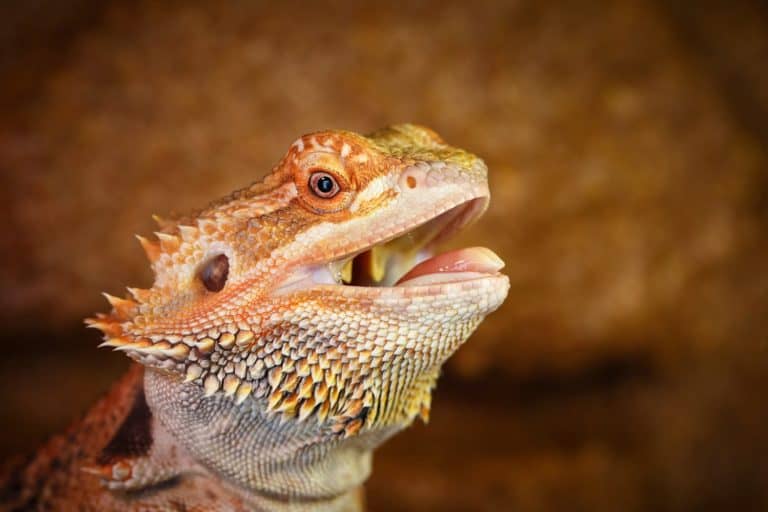
Big beard, bright sun, bold attitude.
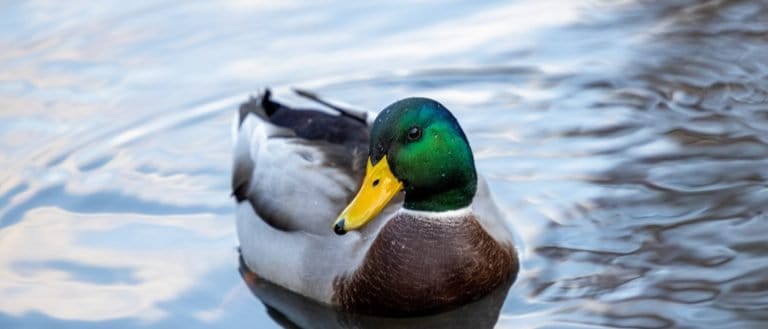
Webbed feet, world travelers.
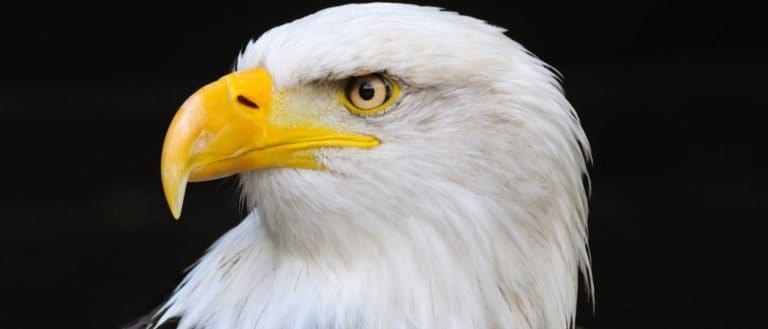
Built to soar, born to strike
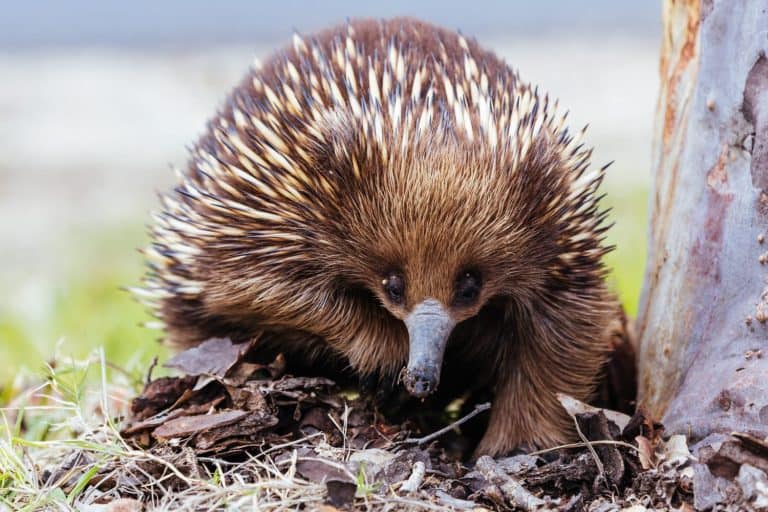
Spines, eggs, and ant-eating mastery
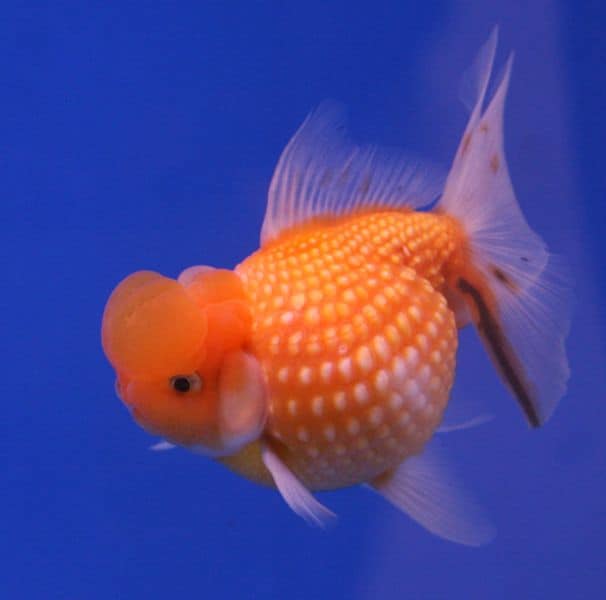
Bony rays, endless ways.
From dunes to tundra-fox smart.
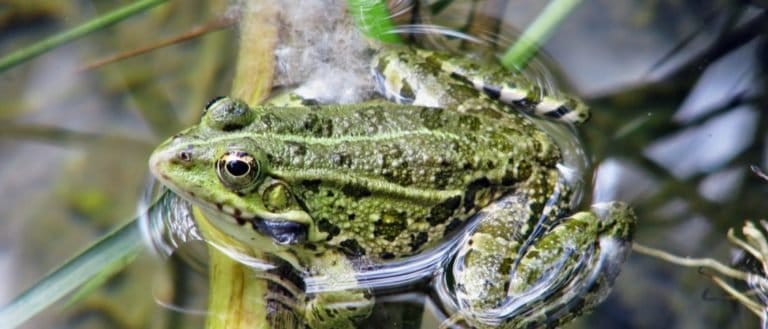
Tailless jumpers, masters of change
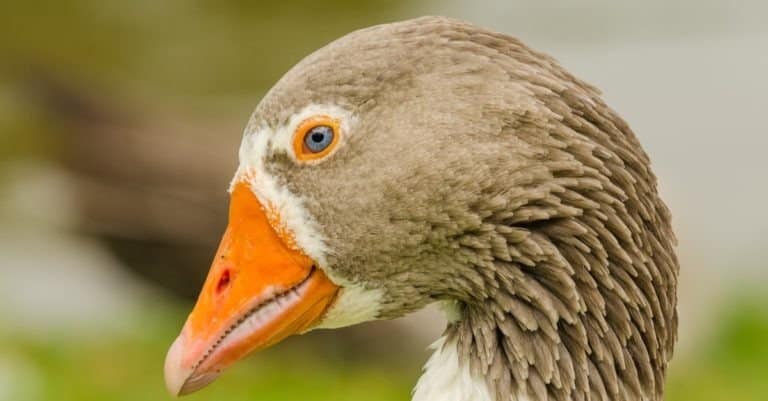
Webbed feet, sky roads, wetland lives
Sure-footed masters of rock and range
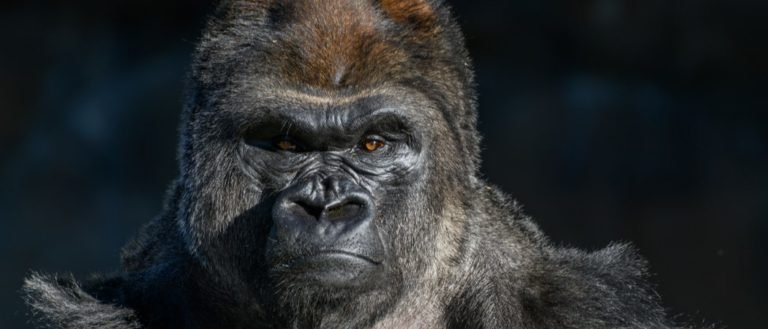
Gentle giants of the African forests
Pouches, burrows, and big impacts
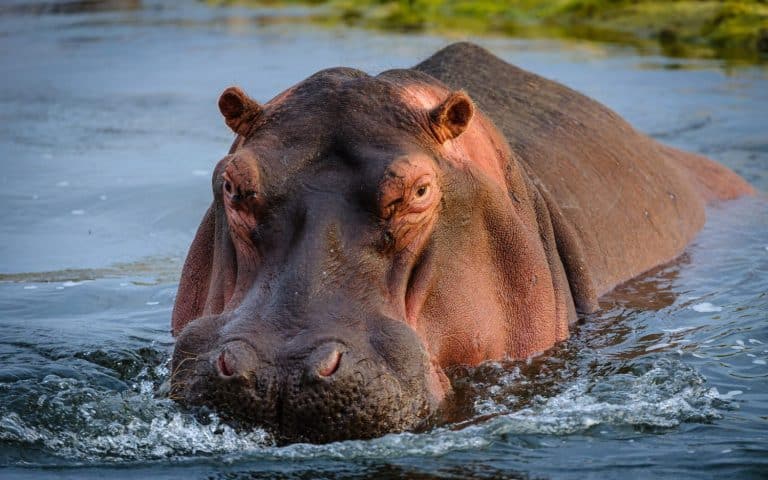
Big river grazer, bigger attitude
One hoofbeat, a thousand histories
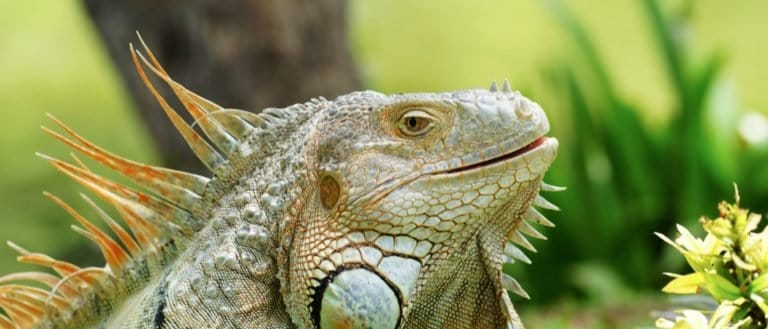
Sun-powered lizards of the Americas
Thank you for reading! Have some feedback for us?
We appreciate your help in improving our content.
Our editorial team will review your suggestions and make any necessary updates.
There was an error submitting your feedback. Please try again.