B
Species Profile

Belgian Malinois Mix

Canis lupus familiaris

Brains, speed, and serious drive
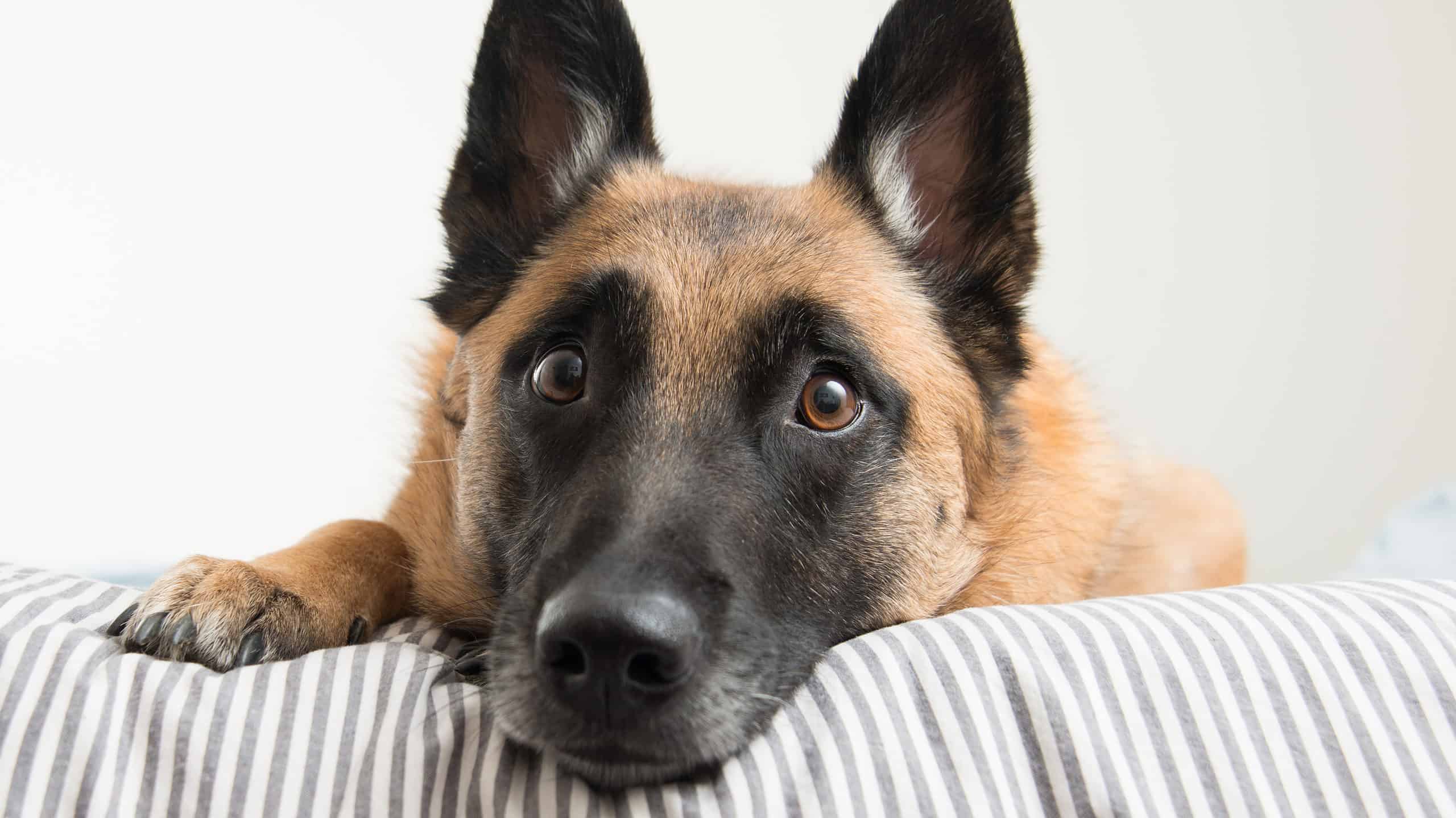
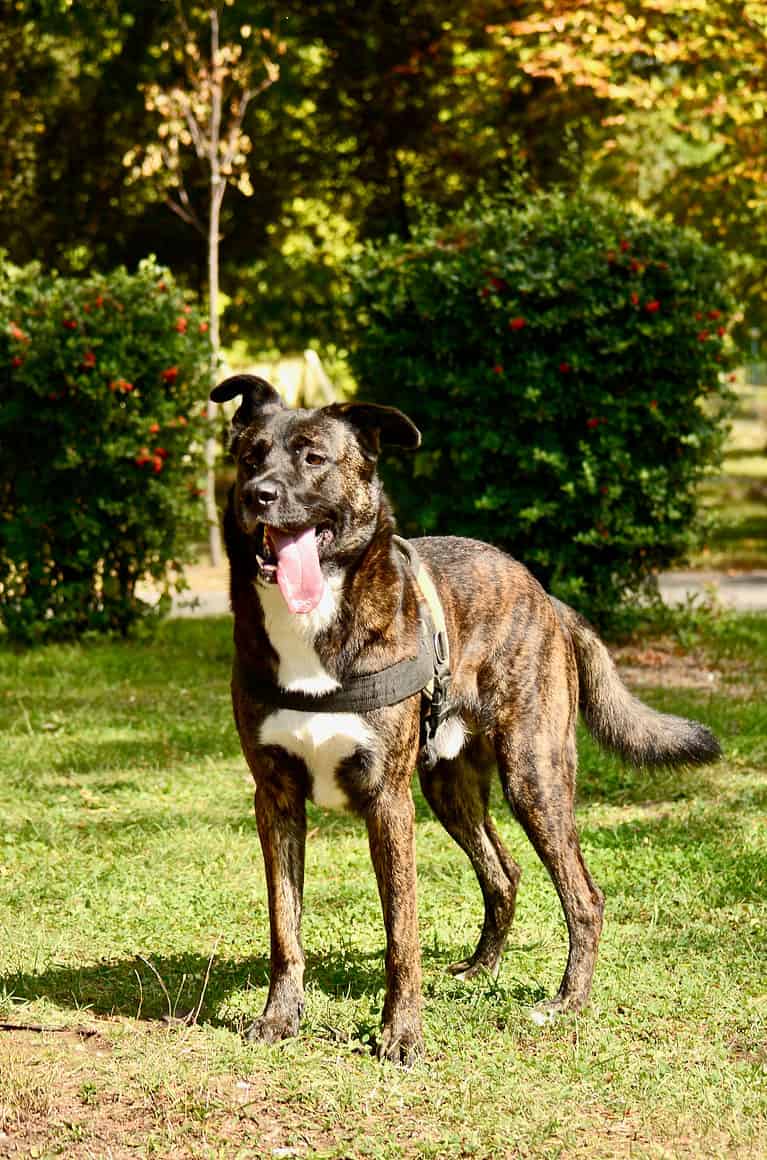
Anna Hoychuk/Shutterstock.com

Belgian Malinois Mix Distribution

Click a location to explore more animals from that region

Origin Location

This map shows the native origin of the Belgian Malinois Mix. As a domesticated species, they are now found worldwide.

Loading map...

Found in 1 country

Size Comparison

Human 5'8"
Belgian Malinois Mix 1 ft 12 in

Belgian Malinois Mix stands at 35% of average human height.

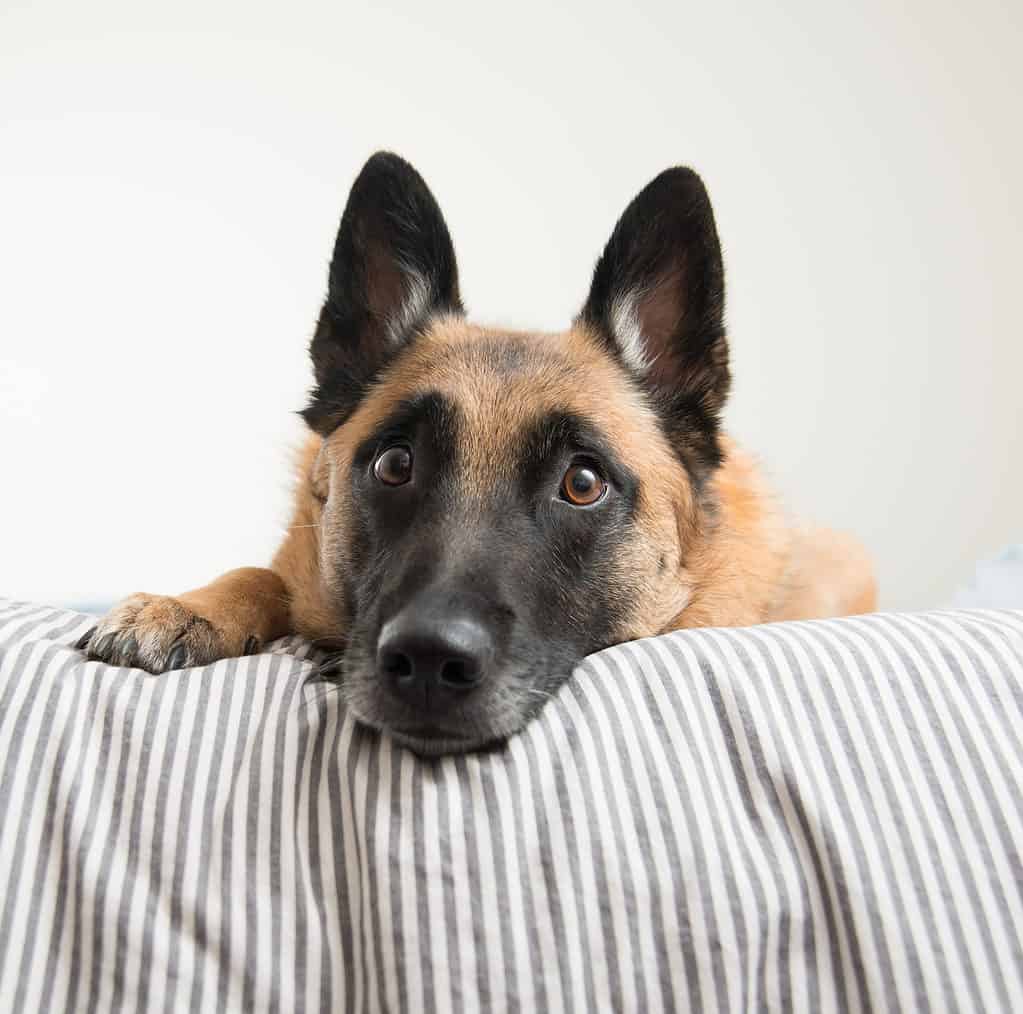
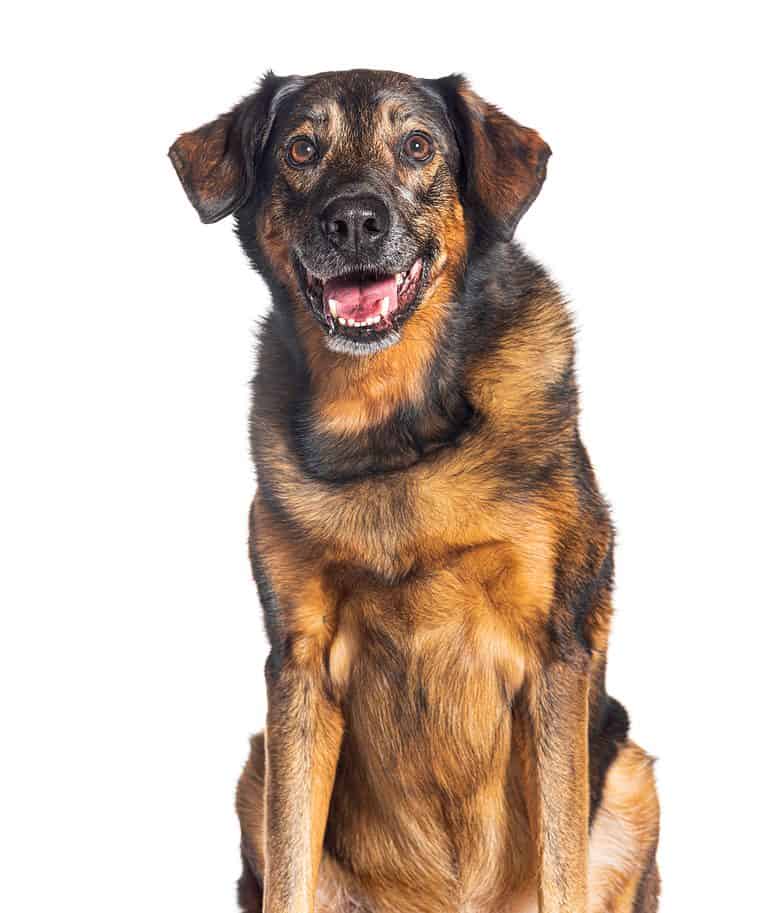
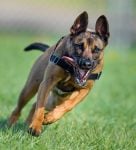
German Malinois on a bed

At a Glance

Domesticated
Also Known As mutt, mongrel, mixed-breed, mixed breed, crossbreed, cross, Heinz 57, All-American dog
Diet Omnivore
Activity Diurnal+
Lifespan 5 years
Weight 34 lbs
Status Not Evaluated
Did You Know?

Many Malinois mixes inherit the breed's famous "work ethic" and may create their own jobs if bored.

Scientific Classification

A domestic dog of mixed ancestry in which one parent (or a significant portion of ancestry) is Belgian Malinois. Traits (size, coat, temperament, drive) can vary widely depending on the other breed(s) involved, but many resemble Malinois-type athletic, high-energy working dogs.

Kingdom
Animalia
Phylum
Chordata
Class
Mammalia
Order
Carnivora
Family
Canidae
Genus
Canis
Species
Canis lupus

Distinguishing Features

  • Medium-to-large, athletic build common in Malinois-type dogs (varies with mix)
  • Often short coat; frequently fawn/tan with darker mask (not guaranteed)
  • Erect or semi-erect ears common (varies)
  • High activity level and strong working/drive tendencies are common in Malinois-influenced mixes

Physical Measurements

Males and females differ in size

Height
2 ft (1 ft 10 in – 2 ft 2 in)
1 ft 11 in (1 ft 8 in – 2 ft 2 in)
Length
3 ft 6 in (2 ft 11 in – 3 ft 11 in)
3 ft 3 in (2 ft 9 in – 3 ft 9 in)
Weight
64 lbs (55 lbs – 75 lbs)
53 lbs (40 lbs – 66 lbs)
Tail Length
1 ft 3 in (12 in – 1 ft 6 in)
Top Speed
31 mph

Appearance

Primary Colors
Secondary Colors
Skin Type Domestic dog skin with short-to-medium double coat common (dense undercoat with harsher guard hairs) and typically darker pigmentation around mask/ears; coat density and length vary widely with the non-Malinois parentage.
Distinctive Features
  • Domestic dog (Canis lupus familiaris) with mixed-breed variability; Belgian Malinois ancestry often contributes an athletic, lean, working-dog silhouette rather than the more generalized base-species variability.
  • Wedge-shaped head and alert expression are common; ears are often erect or semi-erect (may be fully floppy if mixed with drop-eared breeds).
  • Short-to-medium coat is common; texture usually straight and weather-resistant; seasonal shedding can be heavy if a double coat is inherited.
  • Black mask and darker ear tips are common Malinois-influenced traits, but coloration/patterning can vary substantially with the other breed(s).
  • Deep chest, long legs, and tight, efficient gait are frequent in Malinois-leaning mixes; overall size can range from medium to large depending on ancestry.
  • Behavior/drive (context-relevant): many are high-energy, high-arousal working-dog types that need substantial daily aerobic exercise plus structured training and mental work; without this, nuisance behaviors (chewing, barking, reactivity) are more likely.
  • Care requirements: consistent positive-reinforcement training, early socialization, and outlets such as scent work, obedience, agility, or fetch/tug; coat care typically weekly brushing (more during shedding).
  • Breed-linked risks include hip and elbow dysplasia, cranial cruciate ligament injury in very active dogs, degenerative myelopathy (some lines), progressive retinal atrophy or other eye issues, and allergies; keep dogs lean and use joint-friendly exercise.

Sexual Dimorphism

As in domestic dogs generally, males tend to be larger/heavier with more pronounced musculature; females are often slightly smaller and finer-boned. Degree varies with overall mix and endocrine status (neutered/spayed).

  • Often taller and heavier with thicker neck/shoulders and a broader head.
  • May show more pronounced chest/forequarter musculature in athletic individuals.
  • Often slightly smaller with a narrower head and lighter bone structure.
  • May appear more refined through the waist and neck while retaining athletic build.

Did You Know?

Many Malinois mixes inherit the breed's famous "work ethic" and may create their own jobs if bored.

Belgian Malinois are one of the go-to breeds in modern police/military work; mixes may share similar athleticism and focus.

Coat type can range from short and sleek to medium and plush-depending on the other parent breed(s).

A strong tug/play drive is common; for many Malinois mixes, toys are as rewarding as treats.

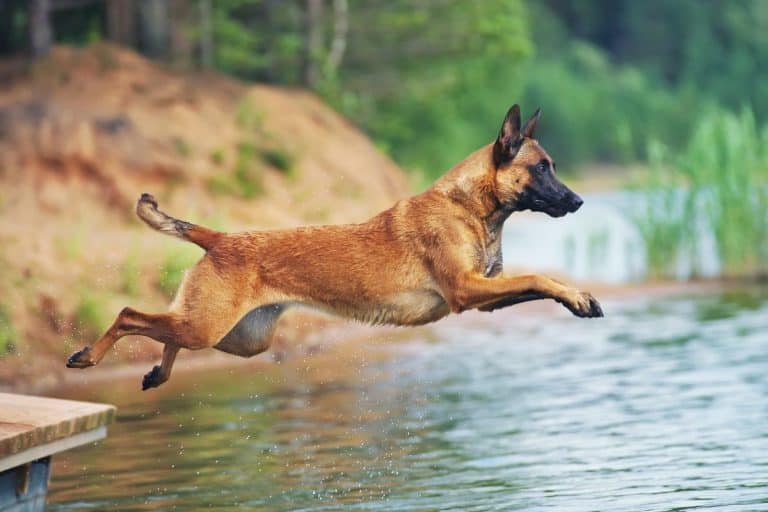
They often excel in canine sports (agility, rally, dock diving, scent work), but their exact strengths depend on the mix.

Because they're mixed-breed, adult size and temperament can be harder to predict than in a purebred dog.

Unique Adaptations

  • Endurance-athlete build (often inherited): efficient gait and powerful rear drive suited for fast acceleration and repeated activity.
  • High trainability with sensitivity: many respond best to clear markers, consistent routines, and rewards; harsh handling can increase anxiety or reactivity.
  • Strong prey/play drive: can be channeled into controlled games (tug, fetch, scent work) as a safe outlet.
  • Environmental resilience: domestic dogs (Canis lupus familiaris) are uniquely adapted to human habitats and schedules; Malinois mixes often thrive with structured "jobs."
  • Behavioral plasticity from mixed ancestry: traits (sociability, coat, size, guarding, herding) can vary widely, sometimes blending complementary strengths.

Interesting Behaviors

  • "Velcro dog" tendencies: many bond closely and shadow their person, a trait often seen in herding/working-line dogs.
  • High exploratory behavior: intense sniffing, scanning, and quick environmental awareness-especially in new places.
  • Mouthy play: grabbing sleeves/toys during excitement is common in Malinois-type dogs and needs early training redirection.
  • Problem-solving and barrier testing: opening doors, moving objects, or finding weak spots in fences when understimulated.
  • Motion sensitivity: chasing bikes, runners, or cars can appear without structured impulse-control training.
  • Work-to-rest imbalance: some struggle to "switch off," pacing or whining if daily exercise and calm routines are inconsistent.

Cultural Significance

Belgian Malinois mix (Canis lupus familiaris) shows modern dog culture and the domestication story: working-dog traits from police, military, and sport mix with varied ancestry. They inspire high expectations yet need good training, time, and enrichment, and show up in shelters and working homes.

Myths & Legends

In European folklore, black dogs are often seen as ghost-like guardians or bad omens; such tales around farm and village working dogs shape how dark-coated shepherd-type mixes are feared at night or in lonely places.

Medieval and early modern European tales sometimes cast loyal hounds as protectors of travelers or keepers of thresholds, echoing long-standing beliefs that dogs sense danger or spirits before humans do.

The legend of Saint Roch tells of a dog that found the sick saint and brought him bread; this religious tale helped people in parts of Catholic Europe see dogs as loyal helpers and caregivers.

Belgium's shepherd-dog tradition (from which the Malinois emerged) is often framed in local historical anecdotes as the indispensable farm guardian-an origin story emphasizing vigilance, trainability, and partnership with shepherds rather than a single founding "myth."

Working dog groups tell kennel legends about Belgian Malinois (Canis lupus familiaris) doing amazing feats, like climbing obstacles, finding hidden threats, and guarding handlers, which keeps the breed's almost mythical reputation for drive and courage.

Conservation Status

NE Not Evaluated

Has not yet been evaluated against the criteria.

Population Stable

Life Cycle

Birth 6 pups
Lifespan 5 years

Lifespan

In the Wild
2–10 years
In Captivity
8–15 years

Reproduction

Mating System Polygynandry
Social Structure Managed Domestic
Breeding Pattern Serial
Fertilization Managed Selective
Birth Type Internal_fertilization

Behavior & Ecology

Social Pack Group: 5
Activity Diurnal, Crepuscular, Cathemeral
Diet Omnivore Meat-forward, high-protein foods (commonly chicken, beef, turkey; often best tolerated as a balanced complete dog food rather than raw-only).

Temperament

A fully domesticated, people-focused dog that, if used to people, accepts close handling, often seeks attention and may bark more, relies less on group hunting and more on people for food and routines.
Belgian Malinois mixes have a strong work drive, are very athletic with high energy, love play and chasing, learn fast, often watch their surroundings and can get intense if under-exercised or under-socialized.
Belgian Malinois mixes need lots of structured activity—training, scent work, tug, fetch, or agility. Some mixes are calmer and laid-back; others are sharper, more sensitive, and easily over-excited.
Social tendencies: often loyal and affiliative with familiar people; may be reserved with strangers. Protective/territorial behaviors can emerge, especially in adolescence, without proactive socialization and clear routines.
Trainability: very high; excels with positive reinforcement, clear criteria, and consistency. Can develop frustration behaviors (vocalizing, spinning, nipping/mouthing) if reinforcement timing is poor or sessions are too repetitive.
Impulse and mouthiness: many exhibit herding-style nipping or grabby play, especially as young dogs; requires early bite inhibition training and appropriate outlets (tug rules, chew enrichment).
Common challenges: separation-related distress, noise/stimulus sensitivity, leash reactivity, and compulsive behaviors in understimulated individuals; management often includes decompression walks, predictable schedules, and controlled exposure to triggers.
Care requirements: daily aerobic exercise plus mental work; frequent short training sessions; enrichment (sniffing games, food puzzles); structured rest to prevent chronic over-arousal; secure fencing/leash management due to chase drive.
Belgian Malinois mixes may get hip and elbow dysplasia, degenerative myelopathy, epilepsy, eye disease (progressive retinal atrophy), allergies, and stomach sensitivity or bloat. Checking hips/elbows and eyes and staying lean help.

Communication

Alert barking (rapid, high-frequency) when perceiving novelty or potential threat; intensity can be higher in Malinois-type mixes.
Demand/engagement barking during play or when seeking interaction; can become habitual without training.
Whining/whimpering to solicit access, indicate excitement, or express mild distress E.g., separation
Growling (play growls vs. warning growls); important to interpret alongside body posture and context.
Howling Less common than in some breeds, but may occur in response to sirens or as social vocalizing
Highly expressive body language: ear set, tail carriage, weight shift, piloerection; Malinois-type mixes often show "forward" posture and intense stare when aroused or focused.
Eye contact and "stalking"/fixed gaze as a control or prey-chase precursor; needs redirection into trained cues.
Play bow, bouncing, and rapid approach-retreat during social play; may escalate quickly without breaks.
Mouthing and nudge/pawing to initiate interaction; common breed-influenced engagement style.
Scent marking (urine, ground sniffing) and investigation; sniffing serves both communication and self-regulation.
Licking/face-touching for appeasement; turning head away or sniffing ground as calming/avoidance signals.

Habitat

Biomes:
Temperate Forest Boreal Forest (Taiga) Tundra Alpine Temperate Grassland Mediterranean Savanna Desert Hot Desert Cold Tropical Dry Forest Tropical Rainforest Freshwater Wetland Marine +8
Elevation: Up to 16404 ft 3 in

Ecological Role

Human-associated omnivorous canid; primarily a companion/working animal with opportunistic predatory and scavenging tendencies when free-ranging.

Rodent and small pest deterrence/predation in some settings Support to humans as a working dog (protection, detection, search-and-rescue) Scavenging of waste in free-ranging contexts (can also be a nuisance/management issue) Social/therapeutic roles as a companion animal

Diet Details

Main Prey:
Small mammals Birds and eggs Fish and other aquatic animals Invertebrates Carrion and human food waste
Other Foods:
Berries and fallen fruit High-fiber vegetables Grasses Grains and starches Fungi and plant debris

Human Interaction

Domestication Status

Domesticated

Canis lupus familiaris: dogs were domesticated and bred by people for work and companionship. A Belgian Malinois mix is not a set breed but a mixed dog with strong Malinois traits: very high energy, focus, and easy to train. Needs lots of exercise, clear training, and experienced owners. Health risks can include hip/elbow problems, allergies, and epilepsy.

Danger Level

Moderate
  • Bite risk can be elevated compared with low-drive pet dogs due to high arousal, mouthiness, prey drive, or protective behavior-especially with poor socialization/training.
  • Risk increases in unmanaged adolescents (6-24 months), in chaotic homes, or when owners encourage guarding/protection behaviors without professional oversight.
  • Potential for injury during rough play or accidental nips (common in herding/working-line mixes).
  • Low but real risk of serious injury if the dog develops fear-based aggression or is trained for protection improperly.

As a Pet

Suitable as Pet

Legality: Belgian Malinois mix (mixed-breed domestic dog, Canis lupus familiaris) is usually legal to own, but some places may restrict shepherd- or protection-type dogs with breed-specific laws, dangerous-dog rules, or housing and insurance policies. Check city, county, landlord, and insurance rules.

Care Level: Expert Only

Purchase Cost: Up to $2,500
Lifetime Cost: $20,000 - $45,000

Economic Value

Uses:
Companion animal market Working and service dog roles Canine sport and training industry Security and protection services Veterinary and preventive healthcare
Products:
  • Adoption and rehoming services
  • Professional training (obedience, behavior modification, sport)
  • Working/sport equipment (harnesses, bite-sport gear, long lines, crates)
  • Veterinary care (vaccines, spay/neuter, orthopedic care)
  • Pet insurance and liability coverage
  • Food and enrichment products (durable toys, puzzles, chew items)

Relationships

Ecological Equivalents 6

Animals that fill a similar ecological role in their ecosystem

Belgian Malinois
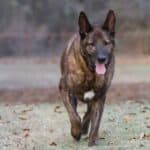
Belgian Malinois Canis lupus familiaris Closest functional analogue: the high-drive, athletic working-dog niche—protection sports, detection, and patrol. A Belgian Malinois mix often inherits intense exercise needs, high arousal/drive, and strong handler focus, though expression varies with the other parent(s).
German Shepherd Dog
German Shepherd Dog Canis lupus familiaris They commonly overlap in roles such as police/military, service, protection, and sport. Many Malinois mixes resemble German Shepherd-type dogs in biddability, guarding tendency, and need for structured training and mental work.
Dutch Shepherd
Dutch Shepherd Canis lupus familiaris Similar size, stamina, and work roles (detection, sport, patrol). Mixed-breed dogs can show comparable reactivity and drive and benefit from the same management: clear routines, outlets for prey/play drive, and advanced obedience training.
Border Collie
Border Collie Canis lupus familiaris Occupies a 'high-octane' companion/working niche, with very high trainability and strong needs for mental stimulation. Malinois or Malinois mixes with herding ancestry may exhibit intense motion sensitivity and pronounced chase and 'eye' behaviors.
Australian Cattle Dog
Australian Cattle Dog Canis lupus familiaris Comparable need for daily purposeful work and for firm, consistent handling. Some Malinois mixes display similar toughness, mouthiness/heel‑nipping tendencies, and a potential for frustration if under-exercised.
Domestic dog
Domestic dog Canis lupus familiaris Belgian Malinois mixes are athletic, high-energy dogs with strong working drives; they require substantial daily exercise, mental stimulation, and early socialization. Health risks include hip and elbow dysplasia, cranial cruciate ligament injury, degenerative myelopathy, allergies, and epilepsy in some lines.

Quick Take

  • Owners must achieve 2 hours of daily activity for this specific designer hybrid breed.
  • Diets where protein is not the 1st ingredient are linked to specific health crises in large hybrids.
  • Their affectionate nature paradoxically leads to physical nips when children are present.
  • Establishing the alpha role is a necessary early step due to the hybrid’s natural leadership instincts.

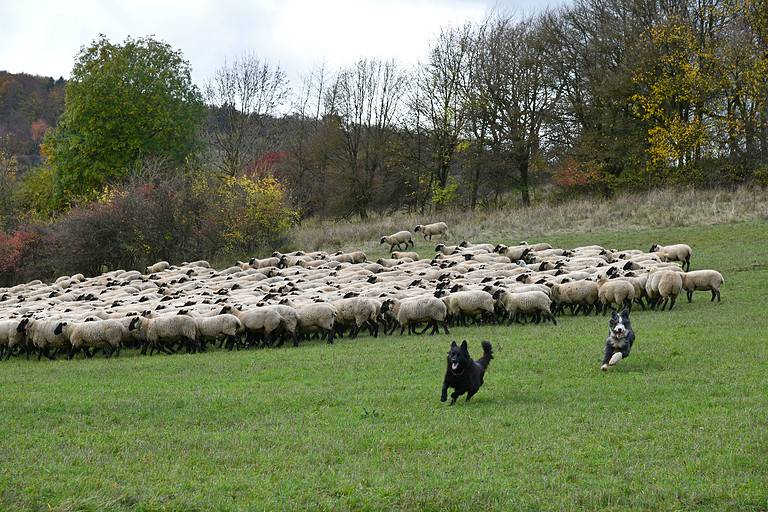
Belgian Malinois were initially bred to be herding dogs, but have filled various roles over the years. They are notorious for their work ethic, which extends to all aspects of their lives, making them excellent dogs for service jobs like security, rescue work,  military, emotional assistance, and police work. Once relatively unknown, the Belgian Malinois has recently surged in popularity, especially as both a working dog and in designer mixes.

These hybrids display incredible intelligence and a willingness to learn. Additionally, they enjoy pleasing their owners with their newfound tricks. But besides being hard workers, Belgian Malinois mixes are also affectionate and enjoy bonding with their owners. Therefore, their intelligence, warmth, and work ethic are great traits to mix with other breeds. These hybrids are often medium to large canines that need a lot of attention but will give you their undying loyalty.

This article will focus on the German Malinois (German Shepherd and Belgian Malinois mix). But first, learn about some other interesting Malinois mixes.

A vertical infographic titled Belgian Malinois Mixes featuring icons and text sections about diet, health, training, and specific crossbreeds.
From a non-negotiable two-hour daily exercise grind to establishing an 'alpha' role, owning this elite hybrid is a high-stakes commitment. Discover the hidden costs and behavioral risks before bringing home this hardworking powerhouse. © A-Z Animals

Types of Belgian Malinois Mixes

Because the Belgian Malinois has such a high prey drive and a stubborn streak, it is unsuitable for novice dog owners. Therefore, most of its hybrids are similar in nature and should not live in a home with small children. However, many of these crossbreeds make impeccable guard dogs or service dogs, making them a desirable breed. There are several Malinois hybrids, so here are some of the most popular:

Cane Corso and Belgian Malinois Mix
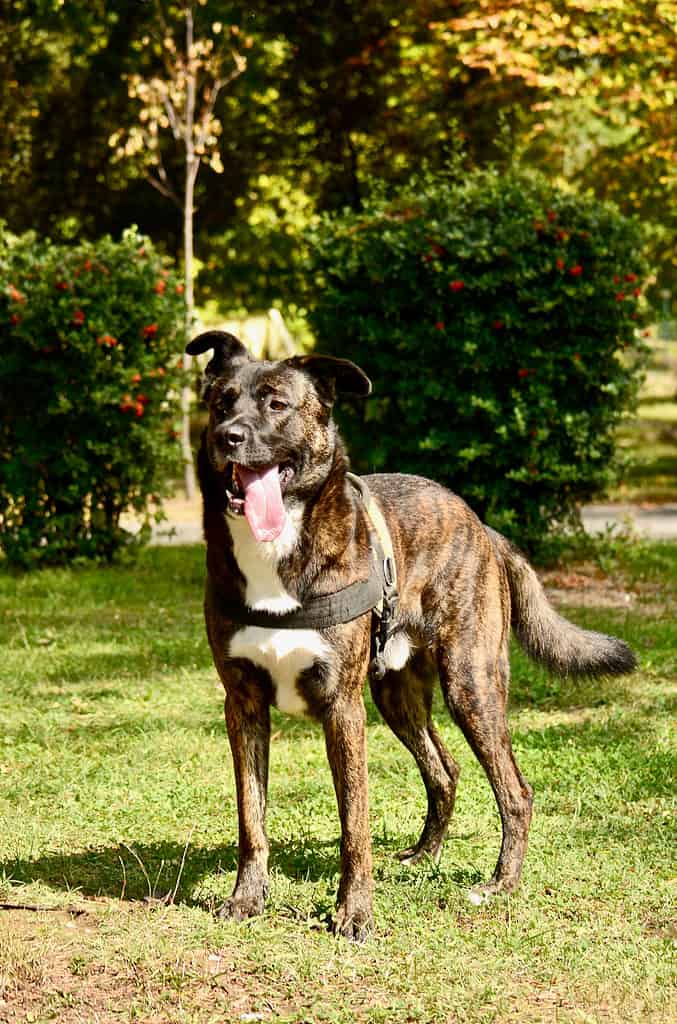
Cane Corso Malinois mix isolated

The Cane Corso Malinois mix is a breeze to train.

The Cane Corso and Belgian Malinois mix is not a breed for the faint-hearted. This combination results in an intelligent, large-breed dog with a rebellious and assertive nature. However, they are also wise, courageous, loyal, and regal. Training these dogs will vary; they can either be obedient and eager-to-please like the Malinois or stubborn and disinterested like the Cane Corso. Therefore, training them from small puppies is best to shape them into well-balanced canines. This hybrid is not as playful as other Belgian Malinois mixes, but it is perfect for households looking for a companion to protect them.

Belgian Malinois and American Staffordshire Terrier Mix
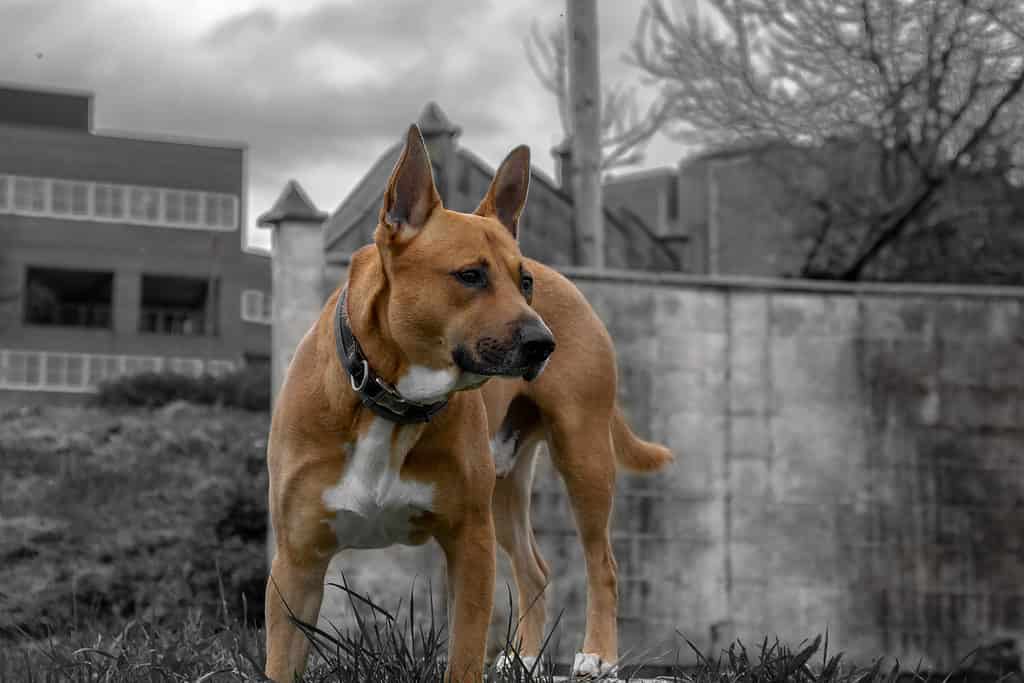
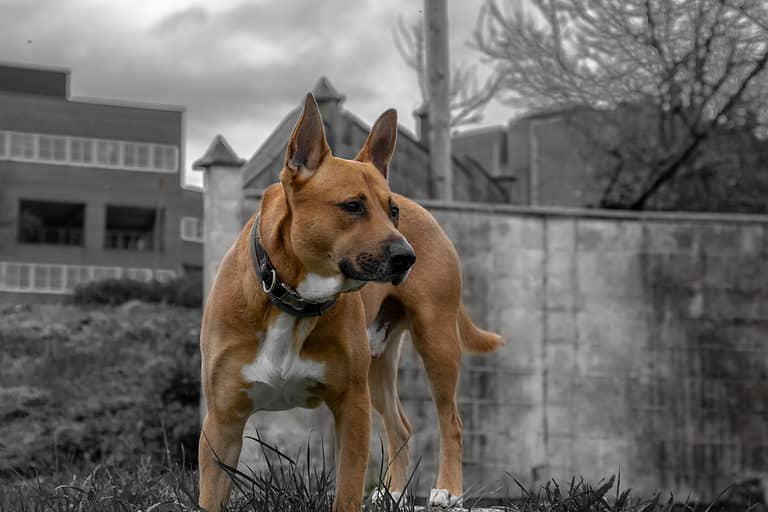
American Staffordshire terrier and Belgian Malinois mix isolated

This Belgian Malinois mix is very dominant and requires an experienced trainer.

The Belgian Malinois and American Staffordshire terrier mix is a high-maintenance breed requiring extensive training and attention. In addition, their curious natures make them mischievous roamers, so ensure your property is secured and they are kept on a leash when out. This is not a suitable hybrid for inactive people who don’t like leaving the house. They require a lot of exercise and a large outdoor area to play. These Belgian Malinois mixes are the perfect companions for runners and hikers. By keeping them busy, you prevent destructive behavior, so be sure they get at least 90 minutes of exercise daily.

Beauceron and Belgian Malinois Mix
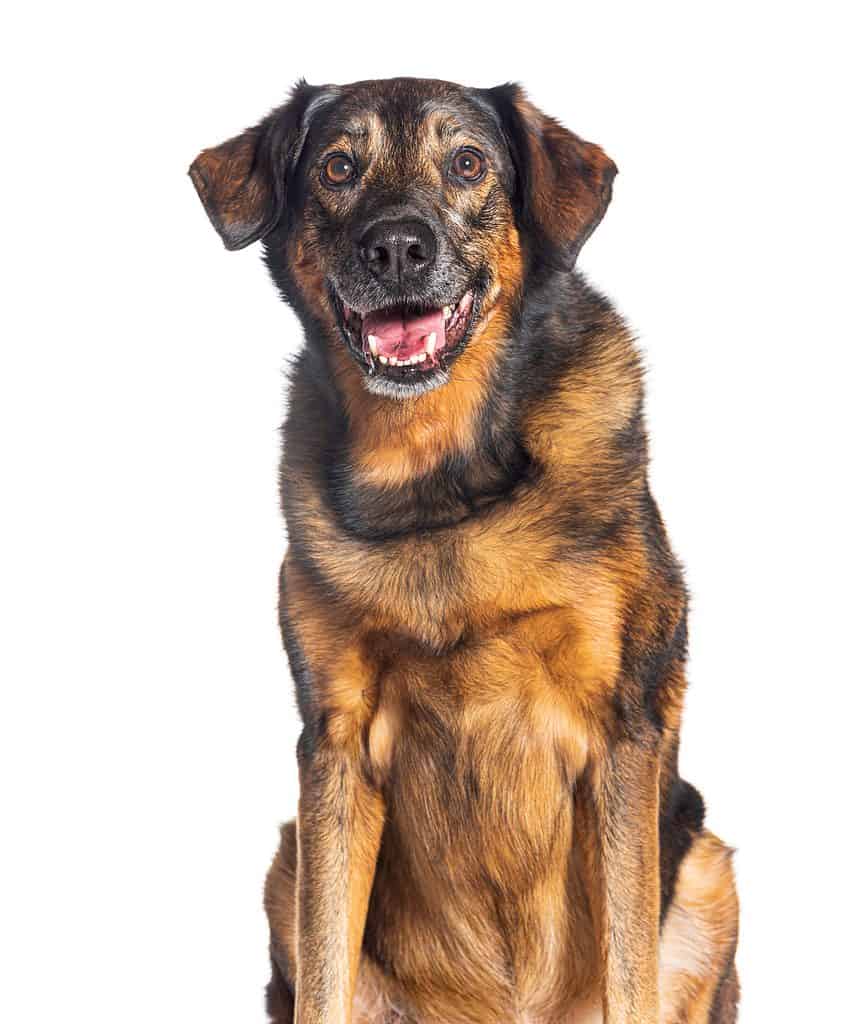
Beauceron and Belgian Malinois mix isolated

This mix is not suitable for first-time owners, as they are stubborn and challenging to train.

The Beauceron and Belgian Malinois mix is a loving companion, notorious for its courageous and protective nature. Unfortunately, these dominant dogs are not suited for novice pet owners, as they instinctually want the alpha role. They require an experienced dog owner who has a firm hand and won’t take any nonsense. While they are affectionate towards children, their herding instincts may cause them to nip at kids’ ankles to get them into line. However, if socialized from puppyhood, you can avoid any bad habits. When training these Belgian Malinois mixes, never use punishment-based training, as this could backfire. Instead, they respond best to positive reinforcement like praise or treats. Lastly, these hybrids can suffer from separation anxiety and shouldn’t be left alone for long periods.

Pros and Cons of Owning a Belgian Malinois Mix

ProsCons
Extremely loyalRequires a lot of attention
Highly intelligentHas a lot of energy and requires at least 2 hours of exercise daily
Protective of their loved onesCan be stubborn

The Best Dog Food for a Belgian Malinois Mix

Because German Malinois are medium to large-sized dogs with high-energy drives,  they require the right nutrients. Furthermore, they need the correct amount of healthy fats and protein to keep their skin, fur, muscles, and bones healthy. Therefore, feeding your hybrid high-quality dog food for their size is ideal. Many dog food brands make food specially formulated for large-sized breeds, but if you still don’t know which brand to buy, check the ingredient list. If protein is not the first ingredient listed, it is unsuitable for this breed. However, it is always best to consult your trusted veterinarian about what you should feed your pooch, as every dog is unique and will have different requirements.

Size and Weight

This hybrid is a medium to large-sized dog, weighing between 45 and 85 pounds, and its height ranges from 22 to 26 inches. In addition, they come in an array of colors, including gray, black, red, sable, cream, and fawn.
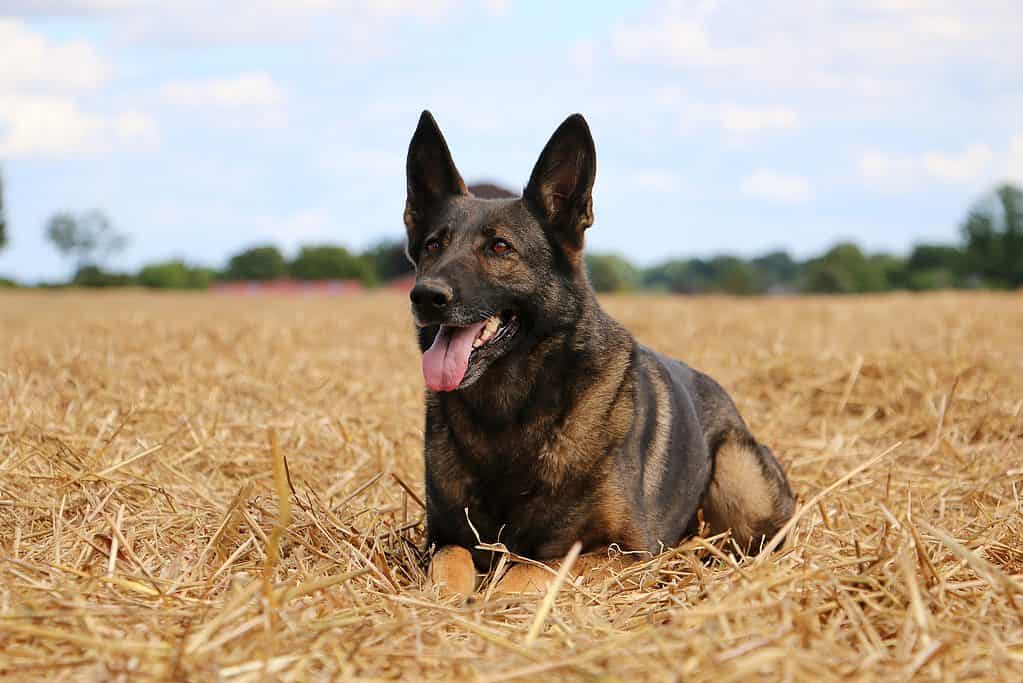
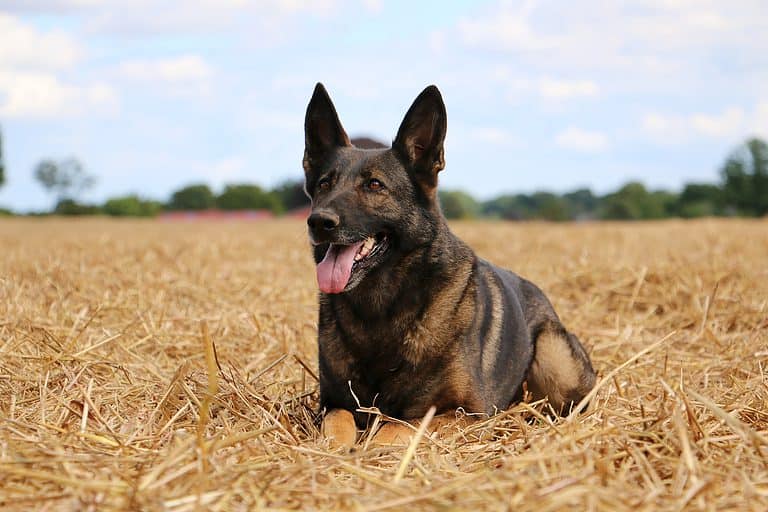
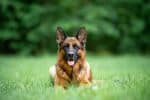
German Malinois in a field

German Malinois are brave and protective, making them fierce guard dogs.

Common Health Issues

Unfortunately, both Belgian Malinois and German Shepherds have several health concerns that could impact their offspring. While crossbreeds are usually healthier than their parent breeds, you still need to be on the lookout for the following conditions:

Degenerative Myelopathy

This condition occurs mainly in senior dogs but can sometimes affect younger dogs. Degenerative myelopathy attacks the spinal cord, causing a decline in transmission fibers in the spinal cord. There are two possible ways this can happen: axonal loss, the loss of actual nerve fibers, and demyelination, which damages the insulation between the fibers and the nerve. When this happens, it interferes with the communication between the brain and legs, causing symptoms like reduced mobility, loss of coordination, dragging, and can lead to paralysis.

Progressive Retinal Atrophy (PRA)

This condition is caused by a group of degenerative diseases impacting the cells in a dog’s retina. Unfortunately, PRA causes these cells to deteriorate, and as it progresses, it will lead to blindness.

Bloat

Bloat is also called gastric-dilatation-volvulus (GDV) complex, and it is a potentially fatal condition. Therefore, if your dog displays any symptoms of this disease, it needs to see a veterinarian immediately. This health issue occurs when a dog’s stomach fills with air and starts to spin, cutting off blood flow from the heart to the hind limbs and abdomen. Since there is nowhere for the blood to go, it pools at the back end of the dog’s body, causing it to go into shock. In addition, once the pancreas is deprived of oxygen, it will release toxic hormones, which can stop your dog’s heart if you don’t get them to a vet in time.

Endocrine Pancreatic Insufficiency

This condition is a congenital disease present from birth or a genetic disorder passed down from parent breeds. Dogs with endocrine pancreatic insufficiency do not produce enough pancreatic enzymes. Therefore, they have trouble digesting proteins, fats, and carbohydrates. Because they can’t digest specific foods, they cannot absorb vital nutrients, leading to weight loss, compromised immune systems, and large amounts of plaque and fatty feces. Unfortunately, EPI has no cure, but it is manageable with the proper diet and medications.

Other minor concerns include:

  • Allergies
  • Bone and joint problems
  • Elbow and hip dysplasia
  • Cataracts

Life Expectancy

German Malinois have a relatively long lifespan considering their size. They can live between 10 and 14 years.

Temperament

Both parent breeds of the German Malinois are known for their aggression, and the rumors are not wrong. These dogs can be scary when they are threatened. But it’s important to note that they know when aggression is necessary. In other words, they will not attack unless they sense danger. This Belgian Malinois mix is actually very loving, and although they are generally wary of strangers, they will relax if they sense their owners are comfortable. However, these hybrids are best suited for farm life as working dogs have tons of energy that must be released throughout the day.

How to Take Care of a Belgian Malinois Mix

Taking care of this hybrid is challenging at best. They have a lot of needs and require constant attention. Therefore, if you are looking for a low-maintenance breed, this is not the designer breed for you.

Grooming

The German Malinois is likely to have high-density, medium-length, straight hair that is relatively coarse. They are also heavy shedders, so they are not ideal for people with allergies. These dogs need a good brush at least three times a week and once a day when shedding season rolls around.

Bathing should only occur when they are really dirty; if you bathe them too frequently, you wash away all their natural oils, which keep their skin moisturized and healthy. In addition, their nails will need trimming every three months, or once they touch the ground. Their ears can trap plenty of dirt and debris, so wiping them down regularly will prevent infection. Lastly, look after their teeth! Their oral health is just as important as yours, so brush their teeth at least three times a week with dog-friendly toothpaste.

Training

Because the German Malinois comes from two incredibly intelligent breeds, they pick up commands quickly. However, their stubborn nature makes it challenging to train them. While they enjoy learning new tricks and are eager to please, their strong-willed nature sometimes makes them hard-headed. That’s why hiring a professional trainer would be an immense help. Additionally, owners need to establish the alpha role as soon as possible, as these hybrids are natural leaders and will try to push the boundaries.

Exercise

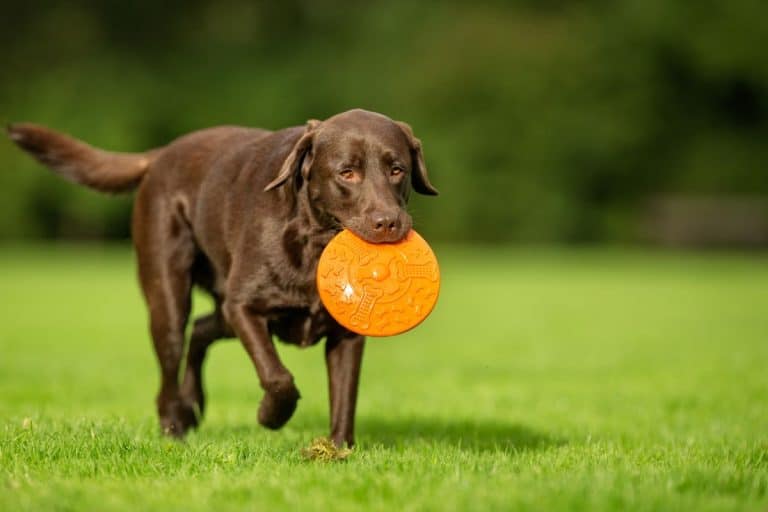
One of the reasons these Belgian Malinois mixes are seen as high-maintenance is their high-energy levels. They need a lot of physical activity to keep them happy and healthy. In fact, these canines are better off as working dogs, as tasks keep them both mentally and physically stimulated. These dogs need at least 2 hours of exercise daily. In addition, they enjoy playing fetch, chasing Frisbees, and obedience training.

Puppies

German Malinois can have between four and six puppies per litter. It’s essential to start training and socializing these pups as soon as you bring them home, as they can easily assume the dominant role and misbehave.

Belgian Malinois Mix and Children

The German Malinois is not a suitable breed for families with younger children. Their deep herding instincts may coax them into trying to herd your children by nipping them on the ankles. In addition, they are not very tolerant and can snap if children mistreat them. However, they are great with older children and will protect them with their lives.

Cost

There are not many reputable German Malinois breeders, so they are quite expensive. Therefore, you can expect to pay anywhere from $350 to $9,000 for one of these hybrids, depending on pedigree, training, and breeder reputation.

Other expenses to consider are:

  • Food
  • Insurance
  • Veterinary bills
  • Toys
  • Bed
  • Grooming
  • Microchipping

Dogs similar to the Belgian Malinois Mix

View all 453 animals that start with B

Sources

  1. Pet Keen / Accessed January 29, 2023
  2. The German Shepherder / Accessed January 29, 2023
Chanel Coetzee

About the Author

Chanel Coetzee

Chanel Coetzee is a writer at A-Z Animals, primarily focusing on big cats, dogs, and travel. Chanel has been writing and researching about animals for over 10 years. She has also worked closely with big cats like lions, cheetahs, leopards, and tigers at a rescue and rehabilitation center in South Africa since 2009. As a resident of Cape Town, South Africa, Chanel enjoys beach walks with her Stafford bull terrier and traveling off the beaten path.
Connect:

Thank you for reading! Have some feedback for us?


Belgian Malinois Mix FAQs (Frequently Asked Questions)

The German Malinois is not a suitable breed for families with younger children. Their deep herding instincts may coax them into trying to herd your children by nipping them on the ankles. In addition, they are not very tolerant and can snap if children mistreat them. However, they are great with older children and will protect them with their lives.