













Quick Take
- This breed nearly vanished from existence twice, and the reason it survived says a lot about what makes it special today.
- Their loyalty is one of their biggest selling points, though it comes with a hidden cost most new owners aren't prepared for. See the separation anxiety cost →
- Training this breed is easier than most expect, but one instinct is nearly impossible to train out. That instinct determines which pets can safely share your home. Check the prey instinct warning →
- Skipping one grooming step is commonly dismissed as unnecessary pampering, yet vets say it is actually a serious health risk for this breed. See the grooming health risks →
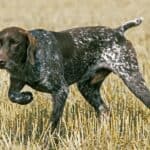
The Braque du Bourbonnais is a medium-sized working dog breed developed in the French Province of Bourbonnais as far back as 1598. The breed almost went extinct during World Wars I and II, but was revived in the 1970s. The Braque du Bourbonnais has been present in the United States since 1988 and has gradually grown in popularity, though it remains a relatively rare breed. They were developed as gun dogs to flush out and retrieve game for hunters. The breed continues to have a strong prey instinct and will eagerly search out game. They also make excellent watchdogs, with a sharp sense of hearing and strong vocal cords.
As a pet, the Braque du Bourbonnais is loving and loyal, bonds deeply with its family, and wants to go with them everywhere. If left alone, it will suffer from severe separation anxiety and will show its displeasure by barking, howling, and destroying everything in sight. Nevertheless, this is considered overall a good-natured, calm, and kind dog that does well in a family with children and with other pets.

3 Pros and Cons of Owning a Braque du Bourbonnais
| Pros | Cons |
|---|---|
| Low-maintenance coat. The short coats of this breed do not require very much grooming. This is a good choice for an owner who doesn’t want to invest a lot of time and money in dog hairstyles. | Drool monsters. These guys drool a lot! If you choose to have one as a pet, learn to love sloppy kisses. |
| Playful and kid-friendly. These medium-sized dogs are kind and friendly companions for children of all ages. All dogs should be properly supervised and trained to be with small children. | Separation anxiety. The Braque du Bourbonnais is a social dog that will want to spend all its time with its people. Left alone too long, your dog will be vocal about his displeasure and chew and destroy whatever is in reach. |
| Excellent watchdog. The Braque Du Bourbonnais has outstanding hearing and a loud bark. It is protective and territorial. While not aggressive toward strangers, it will definitely let you know when someone it doesn’t know is approaching your property. | A prey instinct for smaller animals. Although this is a gentle breed, they do have a prey instinct to chase smaller pets and wildlife. This is an aspect to give attention to in early training so that it does not become problematic in an older dog. |
Size and Weight
On average, males of this breed grow 20 to 23 inches tall and weigh 40 to 55 pounds. Females may reach 19 to 22 inches tall and weigh 35 to 49 pounds. They are considered medium-sized dogs.
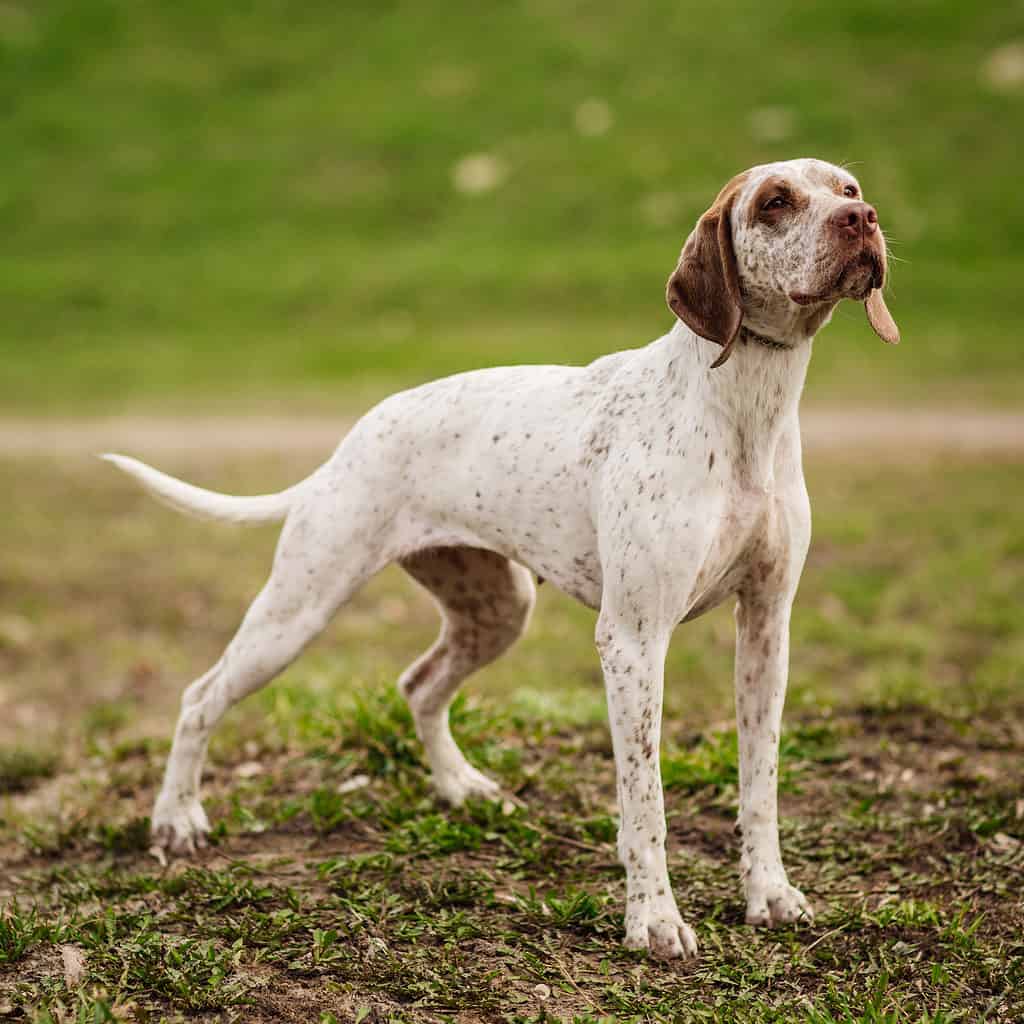
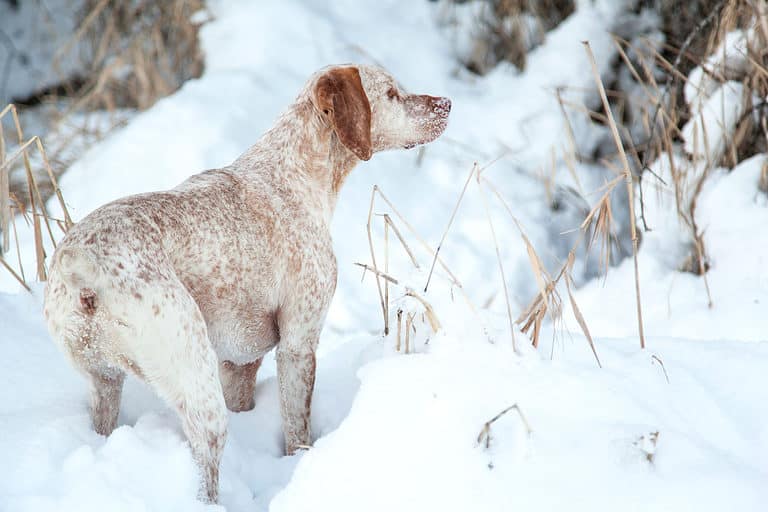
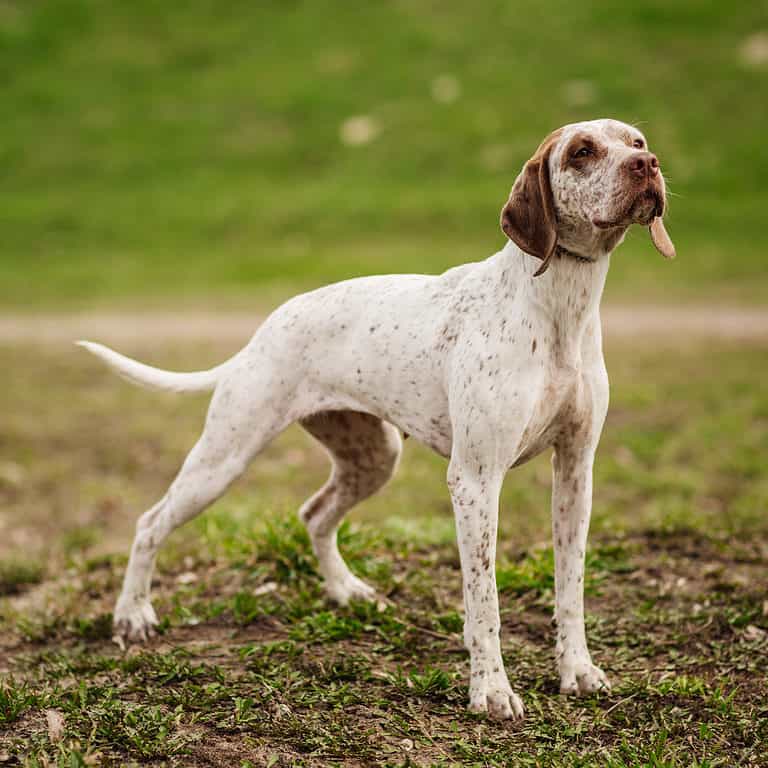
Braque du Bourbonnais have a compact, muscular build.
©PRESSLAB/Shutterstock.com
Common Health Issues
The Braque du Bourbonnais is generally a healthy breed; like all dogs, they can be prone to certain health conditions. Some common health issues that may affect Braque du Bourbonnais include hip dysplasia, ear infections, and eye problems such as cataracts and progressive retinal atrophy. It is important for owners of this breed to work with a veterinarian to identify and manage any health conditions that may develop, and to provide regular health check-ups and preventive care to help ensure their dog stays healthy and happy.
Temperament and Behavior
The Braque du Bourbonnais is a friendly, intelligent, and active breed of gun dog. They are eager to please and are highly trainable, making them a popular choice for hunting and other outdoor activities. They are also known for their calm, even-tempered nature, which makes them well-suited to life as a family pet. Braque du Bourbonnais are generally good with children and other dogs, and they are very loyal and affectionate with their owners. They do require regular exercise and mental stimulation to stay happy and healthy, so they may not be the best fit for sedentary families or those with limited time to devote to dog care.
How To Take Care of a Braque du Bourbonnais
The Best Dog Food
An active working dog, such as the Braque du Bourbonnais, needs a dog food with a good source of high-quality protein. While it may be tempting to save money by buying cheaper brands, these are often made with low-quality meat scraps, cheap fillers, and artificial ingredients. You may not notice any harm to your animal at first, but over time, this poor diet can lead to a lot of health problems that will be distressing to you and your animal, not to mention expensive.
In addition to choosing a great dog food, remember to follow veterinary guidelines for the amount and frequency of feeding. Obesity is a significant problem for many breeds, with recent estimates indicating that about 60% of dogs in the United States are overweight or obese, often due to overfeeding and frequent treats. It’s possible to add a small amount of lean meat scraps or broth to dry dog food as a special treat, but otherwise, avoid the unhealthy habit of sharing people’s food with your pet. Incidentally, if you are consistent in this, it will cut down on annoying begging behaviors.
Maintenance and Grooming
The Braque du Bourbonnais has a short, low-maintenance coat, but they shed moderately and are not hypoallergenic. Regular brushing (at least weekly) with a natural bristle brush is recommended to control loose hair and make your housekeeping easier. Frequent bathing is unnecessary, but your dog might need a bath if he rolls in something that he thinks smells good . . . but you don’t.
All dogs should have their nails clipped regularly before they grow too long. Otherwise they can chip, get snagged on things and torn out, or scratch your furniture or your family’s skin during play. If you ever notice a clicking sound when your dog walks on a tile surface, that’s a good indication their nails are too long. It’s also vital to brush your dog’s teeth. Some people resist the idea of this because to them it seems like a way of over-pampering a pet. It’s actually an important health concern. Infected teeth cause dogs a great deal of pain, are a gateway for disease, and can be life-threatening. Regular brushing also improves your dog’s breath and makes him a more pleasant pet to be around.
Training
This breed takes to training very well. They do best with a loving, gentle approach that focuses on positive reinforcement with rewards such as praise, scratches, a favorite toy, or a treat. Maintaining eye contact with them during training is helpful. These are quite empathetic and perceptive dogs, and they will be able to sense the mood of the trainer by watching his or her face.
Exercise
A Braque du Bourbonnais needs a moderate amount of exercise — at least an hour a day — including running, long walks, or energetic play in a fenced yard or dog park. They are a high-energy breed that does best with an active, athletic family. Some games you can play with them include field and agility trials, obedience training, retrieving, tracking, and hunting. These give your dog a chance to use his natural instincts and keep his mind and body active.
This breed can adapt to all sorts of living situations, as long as it can be with you and it is not left alone for long periods of time. Nevertheless, in view of their energy and tendency to chew and bark, they are not the best choice for apartment life. A spacious home with a large fenced yard would be ideal for them.

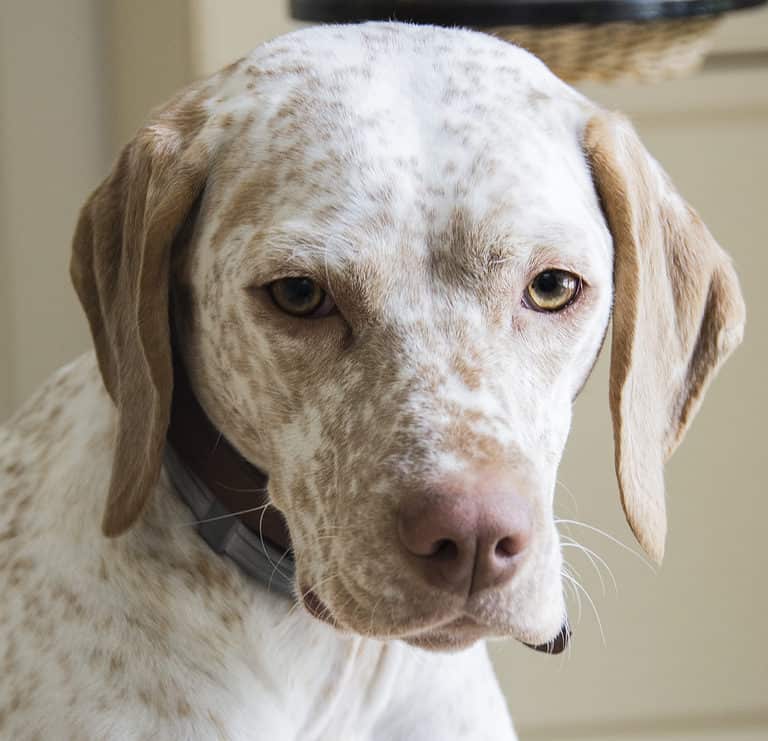
Braque du Bourbonnais can have chestnut or fawn coats with fine brown or fawn ticking.
©Aiste Stankeviciute/Shutterstock.com
Braque du Bourbonnais and Children
The Braque du Bourbonnais is reputed to be a very kid-friendly breed. They enjoy playing and have a great deal of energy. Sometimes their play can get out of hand, so it is important to supervise them carefully until they are trained to know and observe their limits reliably. Of course, during socialization children also must be trained to interact appropriately with the dog, not pulling, hitting, pinching, or throwing things at their pet in anger or in play.
This breed does have a strong prey instinct and this can be difficult to train out of them. It is best not to have this dog in a house with smaller pets such as birds, rodents, or reptiles as they will have an overpowering urge to hunt them. With other dogs and cats, a careful training and socialization process should enable them to get along reasonably well.
Dogs Similar to the Braque du Bourbonnais
- Weimaraner: This breed is very similar to the Braque du Bourbonnais in temperament, size, affection level, and energy level. It sheds more, however.
- Vizsla: Vizslas are quite similar to the Braque du Bourbonnais but are even better with other dogs, kids, and strangers. Vizslas have more of a tendency to bark, howl, and wander from home.
- Pointer: Pointers are a bit larger, easier to train, and more intelligent than the Braque du Bourbonnais. They have a stronger prey drive and tendency to wander.
Braque du Bourbonnais Pictures
View all of our Braque du Bourbonnais pictures in the gallery.

Aiste Stankeviciute/Shutterstock.com
Sources
- Petful / Accessed December 13, 2022
- Wag! / Accessed December 13, 2022
- Dogell / Accessed December 13, 2022
- Wisdompanel / Accessed December 13, 2022
- Hundeo / Accessed December 13, 2022