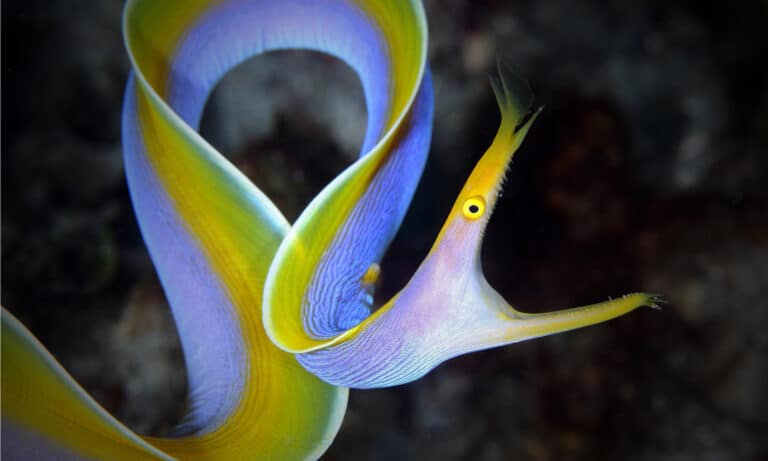
Ribbon Eel
Horn-nosed, ribbon-thin reef ambush eel

Horn-nosed, ribbon-thin reef ambush eel
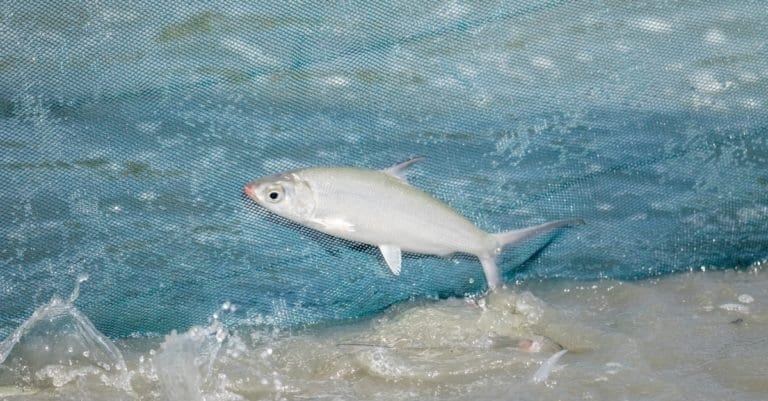
Milkfish: silver strength of the tropics
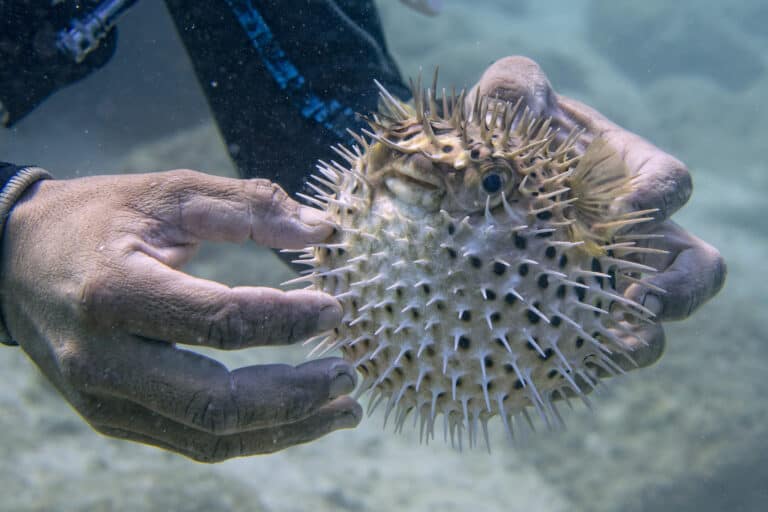
Inflate. Bristle. Be unbothered.
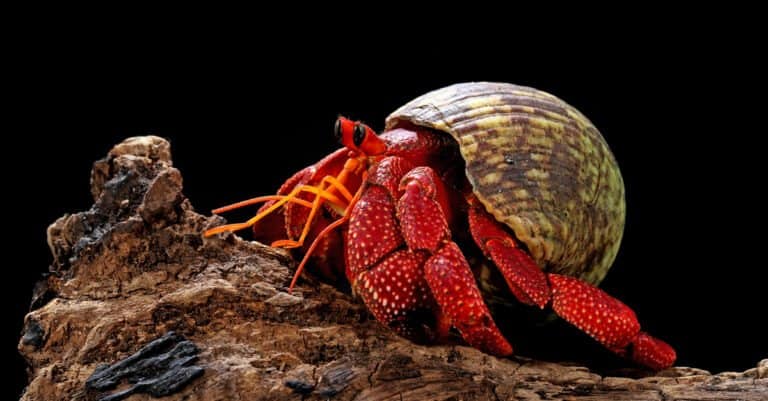
Red rover of the rainforest shore
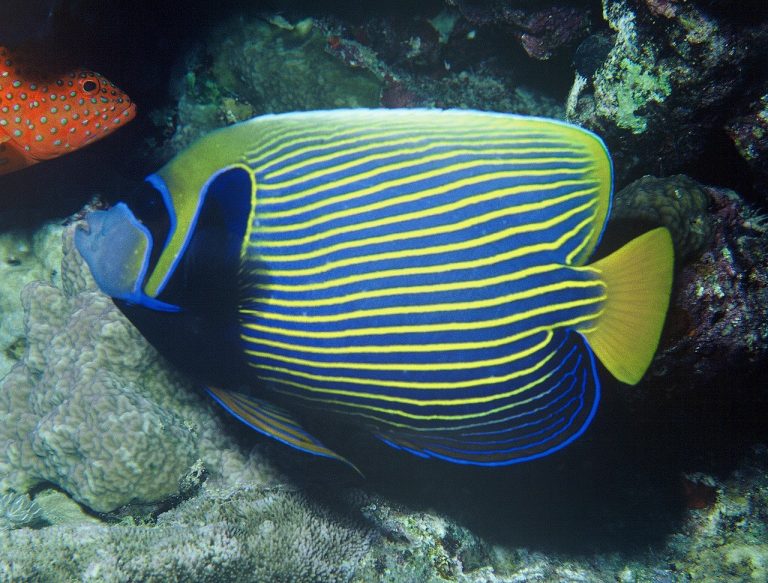
Reef royalty in stripes and rings
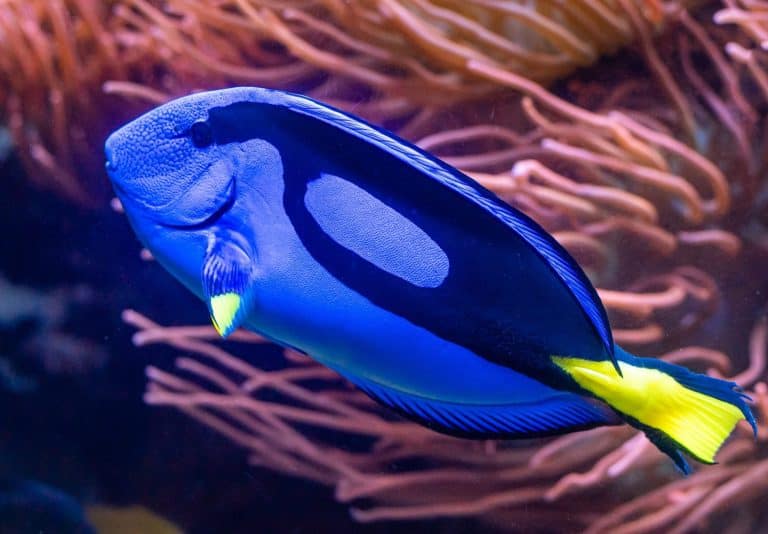
Blue body, yellow tail-reef grazer
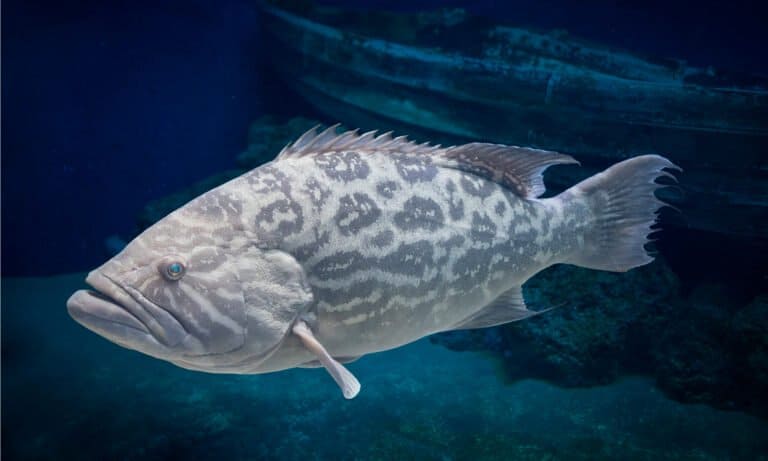
Big mouth. Bold strike. Reef ruler.
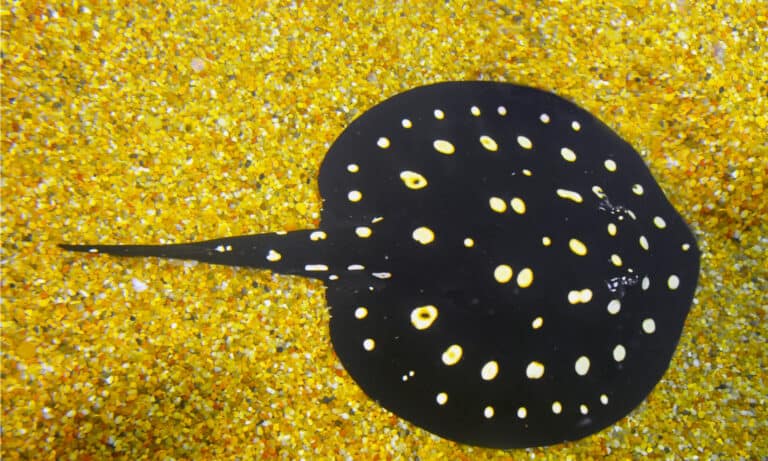
Blue spots, reef roots, ribbon tail
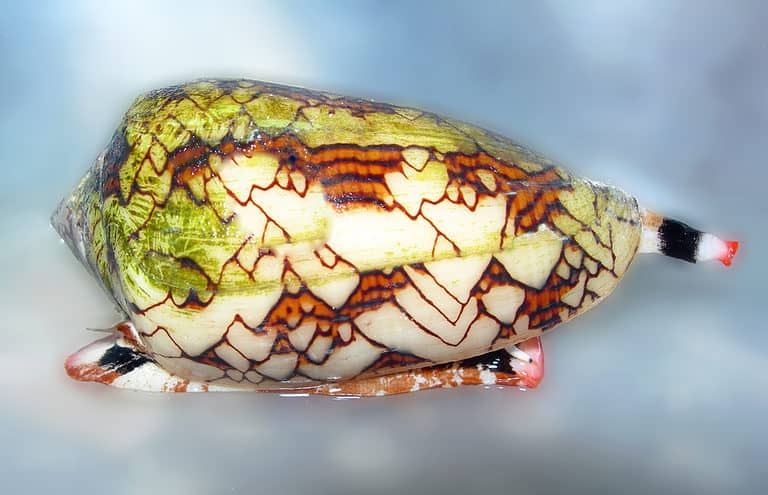
Harpoon hunters of the reef
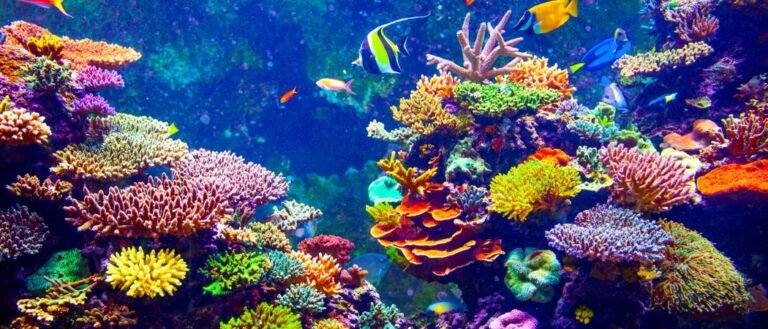
Tiny polyps, massive oceans
The Maldives' wildlife identity is overwhelmingly oceanic: a chain of low-lying coral atolls where life concentrates around reefs, channels, and lagoons rather than on land. While terrestrial fauna is limited by the country's tiny islands and scarce freshwater, the surrounding seas are exceptionally productive-home to vibrant reef communities, pelagic visitors, and iconic megafauna that draw wildlife enthusiasts from around the world.
Its key ecosystems are coral reefs, lagoon nurseries, seagrass beds, and atoll channels (passes) that funnel nutrient-rich currents and create natural feeding highways for large animals. Reefs support dazzling biodiversity-from hard and soft corals to parrotfish, butterflyfish, moray eels, and octopus-while seagrass and sheltered lagoons provide critical habitat for juvenile fish and foraging sea turtles. Seasonal plankton blooms and current-driven upwellings can transform certain atolls into hotspots where manta rays aggregate to feed, and where whale sharks can be encountered year-round in some areas.
Globally, the Maldives is significant not only as a premier reef-wildlife destination but also as a frontline nation for coral conservation in a warming ocean. With reefs central to food security, coastal protection, and tourism, the country has strong incentives to advance marine protection, responsible wildlife tourism, and reef monitoring. What makes the wildlife experience unique is its accessibility and intimacy: many of the most memorable encounters-manta cleaning stations, turtle grazing grounds, reef walls teeming with life-are reachable directly from shore or by short boat rides, offering frequent, close-up, in-water wildlife viewing in one of the planet's most iconic atoll seascapes.
The Maldives' wildlife distribution is governed almost entirely by its low-lying coral-atoll geography: hundreds of small islands ring shallow lagoons and reef flats, with deep ocean channels between atolls. Because there are no mountains, rivers, or extensive freshwater systems, terrestrial habitats are small and fragmented, while marine habitats (fringing reefs, passes, seagrass beds, and lagoons) dominate and concentrate biodiversity-supporting reef fish communities, manta ray feeding/cleaning sites, and whale shark hotspots influenced by currents and productivity around atoll channels.
The Maldives' protected-area system is dominated by Marine Protected Areas (MPAs) created to safeguard coral reefs, manta/whale shark aggregation sites, reef channels, and key turtle habitats. Terrestrial protection is comparatively limited because the country's land area is small and highly dispersed across low-lying coral islands; the most prominent land-focused designations tend to be wetlands and island-level conservation zones. Internationally recognized designations include a UNESCO Biosphere Reserve (Baa Atoll) and a Ramsar Wetland (Hithadhoo Wetland).
Terrestrial (land) under formal protection is very small-approximately ~1% (often cited as <1-2%), reflecting the Maldives' tiny, fragmented land area. Protection efforts are primarily marine; the share of Maldivian waters covered by MPAs varies by definition and periodic updates but is generally on the order of a few percent rather than a majority.
A globally important atoll-scale conservation landscape combining inhabited islands, reefs, and lagoons, best known for seasonal plankton blooms that support exceptional megafauna concentrations. It is a flagship area for reef conservation and sustainable-use management in the Maldives.
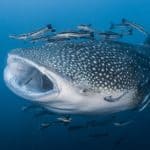

One of the most famous manta ray feeding and "cyclone feeding" sites on Earth, where manta rays (and sometimes whale sharks) aggregate in large numbers during the southwest monsoon. Strict management of visitation helps reduce disturbance during peak wildlife events.
The Maldives' best-known area for relatively reliable whale shark encounters, supporting year-round sightings and long-term research/monitoring. It also protects productive reef edges used by rays, turtles, and pelagic fish.
A rare freshwater/brackish wetland system in the Maldives that is vital for resident and migratory birds and supports distinctive island wetland biodiversity. It is the country's best-known protected wetland habitat.
A classic reef-channel ecosystem where currents concentrate nutrients and attract schools of fish and reef predators, making it significant for both biodiversity and responsible shark/ray viewing. Channel habitats are conservation priorities because they connect lagoon and outer-reef ecosystems.
A high-diversity reef and channel area known for healthy coral/reef-fish assemblages and frequent sightings of turtles and reef-associated sharks and rays. It illustrates why small, well-enforced MPAs can protect heavily visited reefs near population centers.
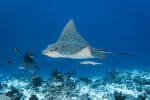
Maldives wildlife is defined overwhelmingly by its coral-reef and lagoon ecosystems rather than terrestrial habitats. The atolls support exceptionally diverse reef fish communities, regular sightings of large pelagics (manta rays, whale sharks, reef sharks), and important sea-turtle foraging and nesting areas. Land wildlife is comparatively limited (small reptiles, bats, and a modest set of resident and migratory birds), making the country's signature wildlife experience almost entirely marine-snorkelling and diving on reefs, cleaning stations, channels, and plankton-rich bays.
Month-by-month wildlife viewing (what to see when)
- January-March (Northeast monsoon / "dry season"): Generally calmer seas and clearer water, often ideal for scuba and wide-angle reef scenes. Great for: reef fish diversity, coral gardens, turtles on reefs, dolphins on boat transfers, and consistent diving conditions across many central atolls.
- April (transition month): Often excellent for pelagic action as conditions shift-visibility can still be good and plankton begins to increase. Great for: manta rays starting to become more frequent at cleaning stations and channel edges; whale shark chances remain year-round but can be very good depending on atoll.
- May-October (Southwest monsoon / "wet season"): More plankton in the water means potentially lower visibility but higher big-animal activity. Peak time in many areas for: manta rays (especially in certain atolls/lagoons), feeding events, and lively reef ecology. Expect more wind/rain and choppier crossings-liveaboards often plan routes to maximize lee-side conditions.
- November-December (transition back toward dry season): Conditions often improve with increasing visibility. Great for: reef diving/snorkeling, turtles, and a mix of manta encounters (site-dependent) plus strong odds of dolphins during inter-island travel.
Year-round highlights (with local variability):
- Whale sharks: possible in the Maldives in all months; sightings are highly site- and operator-dependent.
- Dolphins: frequently encountered on boat rides in many atolls.
- Sea turtles: common year-round on healthy reefs and near seagrass patches.
Planning tip: If your priority is "clear water photography," bias toward Jan-Mar. If your priority is "manta intensity," strongly consider May-Oct, while accepting rougher seas and greener water in some areas.
The "best visibility" isn't always the best wildlife day: manta-ray mega-feeding events at places like Hanifaru Bay are triggered by plankton blooms that can make the water look green and murky-exactly when the biggest manta numbers show up.
Many Maldives whale sharks recorded around South Ari are juveniles (often male), meaning you can snorkel with the world's largest fish even when the individuals are not at their maximum size.
Some of the Maldives' most iconic "wildlife nights" happen on the sand: beaches such as Vaadhoo have become famous for "Sea of Stars" bioluminescence caused by glowing dinoflagellates in the surf.
For a tropical country, the Maldives has strikingly little native land wildlife-its truly abundant biodiversity is marine, and the only native terrestrial mammals are bats, underscoring how ocean-centric the nation's ecosystems are.
One of the world's largest shark sanctuaries: since 2010 the Maldives has banned shark fishing across its entire EEZ (~900,000 km²), making it among the largest national shark sanctuaries by area.
Hanifaru Bay (Baa Atoll) is globally famous for one of the largest known seasonal feeding aggregations of reef manta rays (Mobula alfredi), with documented events of 100+ mantas swirling together and peak counts reported at over 200 in a single feeding session.
South Ari Atoll is one of the most reliable places on Earth to see whale sharks (Rhincodon typus) year-round, enabling long-term photo-ID monitoring of individually recognizable sharks.
The Maldives' atolls form one of the largest coral-atoll systems on the planet, and the nation's wildlife is dominated by reef ecosystems-hundreds of reef fish species and hundreds of coral species occur across its lagoons and outer reefs.
26 species documented in our encyclopedia
Thank you for reading! Have some feedback for us?
We appreciate your help in improving our content.
Our editorial team will review your suggestions and make any necessary updates.
There was an error submitting your feedback. Please try again.