
N S W E
Wildlife Expeditions

Wildlife of
Brunei Darussalam

Brunei is a compact gateway to some of Borneo's most intact lowland rainforest, where visitors come for canopy-level adventures and a chance to encounter iconic Bornean wildlife in a quiet, well-protected setting.
98 Species
5,765 km² Land Area
Overview

About Brunei Darussalam

Brunei Darussalam may be small, but its natural heritage is outsized: significant stretches of humid, species-rich tropical rainforest still blanket the interior, providing a refuge for Borneo's distinctive wildlife. For nature lovers, Brunei's appeal lies in experiencing "classic Borneo" forest-dense dipterocarp stands, rich birdlife, and secretive mammals-without heavy crowds, often in a calm, well-managed protected-area context.

The country's standout ecosystem is its lowland rainforest, especially in and around Ulu Temburong National Park (often called the "Green Jewel of Borneo"), where steep terrain, clear rivers, and towering emergent trees support complex canopy communities. These forests are globally significant because Borneo's lowland habitats are among the most biodiverse-and most pressured-tropical forests on Earth. Brunei also holds important riverine corridors and coastal/mangrove habitats along the South China Sea, which help buffer shorelines, support fish nurseries, and add a second layer of wildlife viewing beyond the interior forests.

In global conservation terms, Brunei contributes by maintaining relatively intact forest blocks on an island where habitat loss and fragmentation threaten many endemic species. Its protected areas and forest stewardship help safeguard biodiversity that is of worldwide interest-from charismatic primates to rare birds-while also preserving carbon-rich ecosystems with climate relevance. The wildlife experience here is uniquely immersive and serene: guided forest walks, river travel, and canopy walkways offer intimate encounters with the sounds and life of the rainforest, with excellent opportunities for birding and night walks that reveal the forest's hidden nocturnal diversity.

Physical Features

Geography

Brunei's wildlife is shaped by its position on Borneo and a strong contrast between a narrow, more-developed coastal plain and an inland core of humid, forested hill country. Extensive lowland dipterocarp rainforest, peat/swamp forests, and river networks create a mosaic of habitats that support Bornean endemics and wide-ranging mammals, while mangroves and estuaries along the South China Sea provide key nursery and feeding grounds for fish, birds, and coastal fauna. The country's two main land blocks (separated by Malaysia's Limbang) and the concentration of intact forest in the eastern Temburong District influence how species are distributed and where large, contiguous habitat remains.

5,765 km² Land Area
About 5,700 km² (roughly Delaware-sized); among the world's smaller countries (around the mid-160s by area). Size Rank

Key Landscapes

  • Lowland tropical rainforest (dipterocarp-dominated) forming the main terrestrial habitat base
  • Temburong District interior forests, including the Ulu Temburong National Park landscape (relatively intact hill/lowland rainforest)
  • River systems and catchments (notably the Temburong River and the Brunei River system), providing riparian corridors and freshwater habitats
  • Peat swamp and freshwater swamp forests in low-lying areas, important for specialized plant communities and wetland-dependent fauna
  • Mangrove forests and estuaries along Brunei Bay and the coast, crucial for coastal birds, juvenile fish, and invertebrates
  • Coastal plain and sandy/muddy shorelines on the South China Sea, influencing coastal species and human-wildlife interfaces
  • Hilly interior terrain (uplands rather than high mountains), creating elevational gradients and refugia compared with the coast
  • Forest-agriculture/urban edge around Bandar Seri Begawan and surrounding lowlands, affecting fragmentation and wildlife movement

Ecoregions

  • Borneo lowland rain forests (WWF)
  • Sundaland mangroves (WWF)
Parks & Reserves

Protected Areas

Brunei's protected-area system is centered on a large national park and an extensive network of gazetted Forest Reserves managed by the Forestry Department. These reserves span lowland dipterocarp rainforest, peat/swamp forests, heath forest patches, and key coastal mangroves around Brunei Bay. In practice, the most important biodiversity strongholds are the strictly protected core forests (notably in Temburong and remote Belait) plus mangrove reserves that safeguard proboscis monkey habitat and coastal fisheries nurseries; several sites are also recognized through regional designations such as the ASEAN Heritage Parks program.

Protected Coverage

Approximately ≈40% of Brunei's land area is under some form of formal protection/management as gazetted Forest Reserve or National Park (with a smaller subset-roughly ≈10%-managed as more strictly protected core conservation forest, led by Ulu Temburong National Park).

Notable Parks & Reserves

Ulu Temburong National Park

National Park

Brunei's flagship protected area and one of the most intact tracts of Bornean lowland rainforest, known for high forest integrity, canopy access, and strong protection that benefits wide-ranging mammals and hornbills.

Bornean orangutan
Bornean orangutan
Bornean gibbon
Proboscis monkey
Proboscis monkey
Sunda clouded leopard
Sun bear
Sun bear
Rhinoceros hornbill
Bearded pig

Tasek Merimbun Heritage Park

ASEAN Heritage Park (protected area/heritage park)

A major inland wetland complex (lake, swamp/peat forest and surrounding rainforest) that supports wetland-dependent fauna and is one of Brunei's best sites for a mix of forest and aquatic wildlife.

Smooth-coated otter
Silvered leaf monkey
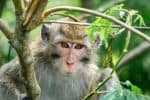
Long-tailed macaque
Long-tailed macaque
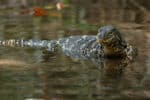
Asian water monitor
Asian water monitor
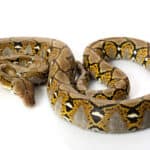
Reticulated python
Reticulated python
White-bellied sea eagle

Sungai Ingei Protection Forest Reserve

Protection Forest Reserve

A remote, high-integrity forest block in Belait that functions as a core refuge for large mammals and sensitive species needing extensive undisturbed habitat.

Bornean orangutan
Bornean orangutan
Sunda clouded leopard
Sun bear
Sun bear
Sambar deer
Bearded pig
Bornean gibbon

Andulau Forest Reserve

Forest Reserve

Lowland mixed dipterocarp rainforest that is important for conserving Brunei's accessible lowland biodiversity, especially primates and forest birds including hornbills.

Bornean gibbon
Maroon langur (red leaf monkey)
Long-tailed macaque
Long-tailed macaque
Sunda pangolin
Rhinoceros hornbill

Berakas Forest Reserve (Brunei Bay mangroves)

Forest Reserve (mangrove/coastal)

Coastal mangrove habitat critical for proboscis monkeys, waterbirds, and estuarine food webs; these mangroves also protect shorelines and support fisheries nurseries.

Proboscis monkey
Proboscis monkey
Saltwater crocodile
Smooth-coated otter
Collared kingfisher
Brahminy kite
White-bellied sea eagle

Pulau Selirong Forest Recreation Park (Selirong mangroves)

Forest Recreation Park / Mangrove reserve

A mangrove island system best known for reliable proboscis monkey viewing and rich mangrove fauna, including reptiles and raptors associated with tidal forests.

Proboscis monkey
Proboscis monkey
Silvered leaf monkey
Long-tailed macaque
Long-tailed macaque
Saltwater crocodile
Brahminy kite

Bukit Shahbandar Forest Recreation Park

Forest Recreation Park

An important near-capital hill forest recreation park that helps retain connectivity and protects a representative slice of Brunei's lowland-to-hill forest wildlife, including nocturnal mammals and forest birds.

Sunda colugo
Sunda pangolin
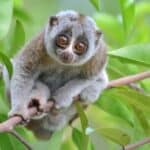
Slow loris
Slow loris
Asian water monitor
Asian water monitor
Rhinoceros hornbill
Animals

Wildlife

Brunei Darussalam packs a disproportionately rich slice of Borneo's wildlife into a small country, thanks to extensive, relatively intact lowland dipterocarp rainforest, peat-swamp and riverine forest, and mangrove/coastal habitats. The signature experience is classic Bornean rainforest biodiversity-primates (including Borneo endemics), hornbills and other forest birds, and a diverse (often cryptic) community of reptiles and amphibians-most famously in and around Ulu Temburong National Park and the Temburong river system. While Brunei is not a mega-safari destination with very large mammals in high visibility, it is a notable refuge for Bornean forest specialists in a region where lowland forests have been widely converted elsewhere.

~70-90 species (including multiple primates, civets, cats, bats and ungulates) Mammals
~270-320 species (strong lowland forest and mangrove assemblages; hornbills are a highlight) Birds
~110-150 species (many snakes and lizards; crocodiles in coastal/estuarine areas) Reptiles
~45-70 species (high rainforest frog diversity, especially along clean forest streams) Amphibians

Iconic Species

Proboscis Monkey
Proboscis Monkey A Borneo endemic and one of Brunei's most sought-after wildlife sightings. Best chances are in mangroves and river-edge forest around Brunei Bay and along calm waterways at dawn/dusk, where troops feed and rest close to the water.
Sunda (Bornean) Clouded Leopard Borneo's flagship elusive predator; rarely seen but an important symbol of intact forest. Brunei's large protected forest blocks (notably Temburong) are considered suitable habitat where it persists at low densities.
Bornean Gibbon Often detected by its loud morning songs rather than seen. A quintessential Ulu Temburong rainforest experience-listening for duets at first light and watching agile canopy brachiation if conditions allow.
Rhinoceros Hornbill One of the most spectacular hornbills on Earth and a top target for visitors. Frequently associated with mature forest; Ulu Temburong and other well-forested areas can produce flyovers and fruiting-tree activity.
Helmeted Hornbill A globally threatened hornbill tied to large, old-growth forest trees. Brunei's relatively intact forests make it an important place to hope for this species (most often heard rather than seen).
Bornean Bristlehead A Borneo endemic and one of the island's most distinctive birds. Sporadic and patchy, but Brunei's lowland forests are within its core range; encountered as fast-moving canopy flocks.
Bearded Pig A characteristic Bornean forest ungulate that can be locally common. In good fruiting years it may be seen along forest edges, river corridors, and trails; also an important prey species in the ecosystem.
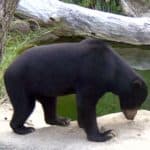
Malayan Sun Bear The world's smallest bear, present at low densities in Brunei's forests. Typically detected by signs (claw marks, torn logs) more than sightings; intact forest in Temburong is key habitat.
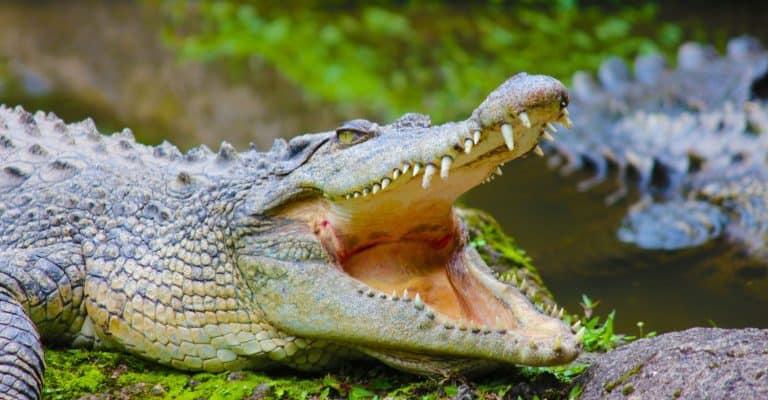
Saltwater Crocodile The dominant estuarine crocodile of Southeast Asia. Brunei's coastal rivers and mangroves (especially around Brunei Bay) can support crocodiles; sightings are most likely on quiet waterways, often at night with eye-shine.

Endemic Species

Proboscis Monkey (Borneo endemic) Endemic to Borneo; strongly tied to mangrove, peat-swamp and riverine forests-habitats well represented around Brunei Bay and coastal waterways. Endemic
Bornean Gibbon (Borneo endemic) Endemic to Borneo; a signature primate of Brunei's lowland rainforest soundscape, especially in the Temburong district. Endemic
Bornean Bristlehead (Borneo endemic) A Borneo-only bird with a unique appearance and ecology; Brunei's remaining lowland forest helps maintain habitat continuity for this endemic. Endemic
Yellow Muntjac (Borneo endemic) A Borneo endemic deer of lowland and hill forests; secretive and rarely seen, but part of the characteristic mammal community of intact Bornean rainforest. Endemic
Bornean Peacock-Pheasant (Borneo endemic) A Borneo endemic and globally threatened forest pheasant; difficult to observe, but protected forest landscapes in Brunei are within its potential range. Endemic

Notable Populations

  • A well-protected, contiguous block of lowland tropical rainforest (notably in and around Ulu Temburong National Park) that functions as an important refuge for Bornean forest specialists (gibbons, hornbills, clouded leopard, sun bear).
  • Brunei Bay's mangrove and river-mouth habitats support some of the country's most reliable primate viewing, particularly proboscis monkeys, and provide key nursery/feeding areas for coastal biodiversity.
  • Brunei's comparatively low forest conversion rate (relative to many surrounding lowland areas on Borneo) makes its remaining dipterocarp forests disproportionately important for maintaining viable populations of old-growth-dependent species such as hornbills.
Protection

Conservation

Primary Threats

  • Road upgrades, bridges, and new development corridors-while limited in scale-can fragment forests and riparian habitats, especially where connections between remaining lowland forest blocks are narrow. Increased access can also raise hunting pressure in previously remote areas (notably around the edges of protected forests and along rivers).
  • Most people live in the Brunei-Muara district; expansion of housing, services, and coastal reclamation pressures mangroves, estuaries, and lowland forest remnants near Bandar Seri Begawan and along the coast. Urban stormwater and construction runoff can degrade nearby waterways and coastal habitats.
  • National forest cover remains high, but habitat loss occurs locally through conversion to settlements, small-scale agriculture, and coastal development. The most sensitive losses are in lowland forests and mangrove/peat-associated systems that support high biodiversity and provide flood buffering.
  • Large-scale industrial logging is comparatively constrained versus much of Borneo, but historical logging and selective extraction in production forests can simplify forest structure and reduce habitat quality for species dependent on large trees (e.g., hornbills and other cavity nesters). Road access associated with timber operations can also increase edge effects and hunting.
  • Agriculture is not dominant nationally, but localized expansion (smallholdings, plantations in limited areas) can replace lowland forest and increase sediment and nutrient runoff to rivers and nearshore waters. Pressure is most relevant outside core protected areas where land is more accessible.
  • Oil-and-gas activities, shipping, and coastal industry create chronic risk of hydrocarbon spills and operational discharges affecting coastal waters and mangroves. Plastic waste and urban wastewater/stormwater can impact river systems and nearshore habitats, particularly around population centers.
  • Rising temperatures and altered rainfall increase risks of drought and extreme rain events, affecting flood regimes in river basins and potentially increasing landslide/erosion on disturbed slopes. Sea-level rise threatens low-lying coasts and mangroves, while warmer seas elevate coral bleaching risk and can alter fish distributions in the South China Sea.
  • Illegal hunting and trapping (often for bushmeat or targeted species) persists at low-to-moderate levels but can significantly affect slow-breeding wildlife such as primates and ground-dwelling species. Improved access (roads/river transport) can intensify pressure around forest edges.
  • Brunei's position on Borneo and proximity to regional trade routes creates risk of transit or local demand for protected species (live animals, parts). Enforcement challenges include monitoring small entry points and online trade channels; even limited trade can have outsized impacts on threatened Bornean fauna.
  • Coastal and nearshore fishing pressure can reduce key stocks and alter food webs, especially in reefs, seagrass, and estuarine areas. Bycatch and habitat impacts (e.g., on juvenile nurseries) are concerns where fishing effort concentrates close to shore.
  • As development interfaces with forest edges, macaques and other adaptable wildlife can raid crops or enter settlements, prompting conflict and occasional removal/retaliation. Conflict risk is localized but can grow with continued edge development and food attractants.
  • Drainage works, riverbank hardening, coastal protection structures, and land reclamation can modify hydrology and sediment dynamics, affecting mangroves, estuaries, and floodplain functions. Even small projects can disrupt nursery habitats and reduce coastal resilience.
Visit

Wildlife Tourism

Brunei Darussalam's wildlife tourism is small-scale but high-value, centered on intact lowland Bornean rainforest, mangroves, and riverine ecosystems. Economically, it's not as dominant as oil and gas, but it's strategically important for diversifying the economy through nature-based travel (guided forest trips, river cruises, and community-linked tourism), especially in the Temburong District. Historically, Brunei's comparatively low population density and strong protection of forest reserves helped retain accessible rainforest close to the capital-making it one of the easiest places in Borneo to sample pristine forest without long overland logistics. Accessibility is straightforward: most visitors base in Bandar Seri Begawan (international flights via Brunei International Airport), then reach key wildlife areas by road and boat. Ulu Temburong National Park typically involves a combination of road transfer to Bangar and a longboat ride upriver, usually with licensed operators; mangrove and river wildlife trips run directly from the capital's waterfront. Expect wildlife viewing to be more about primates, birds, reptiles, and rainforest ecology than big-mammal "savanna style" sightings, with a premium on guided interpretation and quiet travel.

Best Time to Visit

Brunei is equatorial (hot and humid year-round) with rainfall variability. Wildlife viewing is possible in all months; the most practical planning revolves around rain levels, river conditions, and fruiting seasons.

- January-February: Often wetter; excellent for river/mangrove boat trips where rain is less disruptive. Look for proboscis monkeys, long-tailed macaques, monitor lizards, kingfishers, and fireflies on night cruises.
- March-April: Generally a good balance of weather and activity; comfortable for longer forest walks and canopy walkway time. Good months for birding (broad mix of lowland rainforest birds) and primate encounters in Temburong.
- May-June: Often among the drier windows; best for hiking-intensive plans in Ulu Temburong (trail walks, waterfalls, longer interpretive treks) and photography from the canopy walkway (clearer views, steadier light).
- July-August: Popular travel period; relatively favorable for multi-day rainforest itineraries. River levels can be lower in some stretches-operators adjust routes. Great for dawn wildlife listening sessions (gibbons, birds) and night walks (frogs, insects).
- September-October: Transitional period; showers can return, but forests can be lively. Strong months for amphibians and reptiles during/after rain; good for macro photography and nocturnal spotlighting.
- November-December: Typically wetter; best for travelers prioritizing mangrove/river safaris, night cruises, and rainforest ambiance. Waterfalls and streams can be dramatic; plan extra buffer days for weather-related timing shifts.

What to see year-round highlights: proboscis monkeys (mangroves/river edges), macaques, hornbills and other tropical birds, rainforest insects, frogs, reptiles, and (with luck and guides) Bornean gibbons and leaf monkeys in deeper forest. Clouded leopard and sun bear exist but are rarely seen.

Top Wildlife Experiences

  • Sunrise mangrove boat safari on Brunei River to spot proboscis monkeys feeding along riverine trees, plus kingfishers and monitor lizards (best with an experienced guide who knows troop routes).
  • Night boat cruise for fireflies in the mangroves, pairing bioluminescent displays with nocturnal wildlife spotlighting (owls, sleeping birds, and occasional crocodile eye-shine where conditions allow).
  • Canopy walkway session in Ulu Temburong National Park (early morning) for treetop-level birding and primate scanning-bring binoculars and plan to stay quiet for best results.
  • Guided rainforest night walk in Temburong focused on frogs, stick insects, cicadas, spiders, and other nocturnal rainforest specialists; ideal for macro photography.
  • Longboat journey deep into Temburong's river system as a wildlife experience in itself-watch for river birds, macaques, and forest edges opening into untouched greenery.
  • Dawn "soundscape" walk in primary forest to listen for gibbon calls and hornbill wingbeats; guides often structure this as a slow, stop-and-listen circuit rather than distance hiking.
  • Waterfall-and-stream trek in Temburong combining natural history interpretation (dipterocarp ecology, medicinal plants) with freshwater wildlife spotting (dragonflies, frogs, small reptiles).
  • Targeted birding half-day with a specialist guide (lowland forest + river edges) aiming for hornbills, broadbills, and other Bornean rainforest birds-best done early morning.
  • Kampong Ayer + river-edge wildlife combo trip: culture in the floating village followed immediately by a river safari segment to maximize sightings near dusk.
  • Multi-day rainforest stay (where available through operators) to increase odds of shy species: repeated dawn/dusk sessions, night walks, and varied microhabitats in one itinerary.

Safari Types Available

  • Boat safaris (mangrove/river cruises; sunrise/sunset; night firefly cruises; wildlife spotlighting)
  • Guided walking safaris/forest hikes (daytime interpretive treks; dawn soundscape walks; waterfall walks)
  • Canopy walkway wildlife viewing (treetop birding and primate scanning)
  • Night safaris on foot (nocturnal rainforest walks for amphibians, insects, reptiles)
  • Specialist birding tours (focused, binocular-led outings in lowland forest and riverine habitats)
  • Photography-oriented wildlife outings (macro-focused night walks; lowlight river cruises; canopy sessions)
  • Multi-day rainforest eco-stays/expeditions (operator-led itineraries with repeated wildlife sessions)
Fun Facts

Did You Know?

Despite being an oil-and-gas-rich state, Brunei remains heavily forested-about ~70% of the country is still under forest cover in many international assessments-so large areas of lowland rainforest persist in a very small nation.

Ulu Temburong National Park (about 500 km²) is one of Brunei's flagship wild areas and is notably roadless inside the park-visitors typically travel by river and explore via trails and a canopy walkway high above the forest floor.

You don't have to go deep into the jungle to see iconic Bornean wildlife: proboscis monkeys are often spotted in mangroves close to the capital area (around Brunei Bay/Kota Batu), which is unusual for an endemic primate with such a limited global range.

Brunei is one of the few remaining places where the Critically Endangered Bornean banded langur (Presbytis chrysomelas) still survives-making its coastal and riverine forests disproportionately important for a primate that has vanished from much of its former range.

Brunei's wild "Green Jewel" district, Temburong, is geographically cut off from the rest of the country by Malaysia's Limbang corridor; that separation helped keep forests more intact, and today the connection is via the ~30 km Sultan Haji Omar 'Ali Saifuddien Bridge (opened in 2020), while the park itself remains protected and largely trackless.

Saltwater crocodile (Crocodylus porosus)-record-holder as the world's largest living reptile-still occurs in Brunei's estuaries and mangroves around Brunei Bay and the Brunei River system.

Sunda clouded leopard (Neofelis diardi borneensis), a Borneo native found in Brunei's forests, is famous for having the longest canine teeth relative to skull size of any living cat species.

Proboscis monkey (Nasalis larvatus), which lives in Brunei's mangroves and riverine forests, has the largest nose of any primate-an instantly recognizable "record" animal found only on Borneo.

Tarsiers (the Bornean/western tarsier complex, genus Cephalopachus), present on Borneo including Brunei, have the largest eyes relative to body size of any mammal-each eye is roughly as big as the animal's brain.

Brunei Darussalam has a rich diversity of wildlife within its rain forests and along its ocean coasts. Birds, monkeys, rare creatures, mammals that swim and fly – Brunei has it all for a wildlife watcher with a taste for adventure.

Brunei Darussalam Animal Summary

Brunei Darussalam is home to all types of animals – birds, mammals, amphibians, reptiles, fish, and insects. Some live there year-round, and others use Brunei’s rain forests as a stop to their seasonal migrations.

Brunei shares much of its unique wildlife with nearby Borneo and other islands of Southeast Asia. It is home to many endangered species as well as a few dangerous ones.

When someone calls Brunei’s wildlife unique, they’re not exaggerating. Read on to discover lizards that glide on “wings,” monkeys with comical noses, and more.

The Official National Animal of Brunei Darussalam

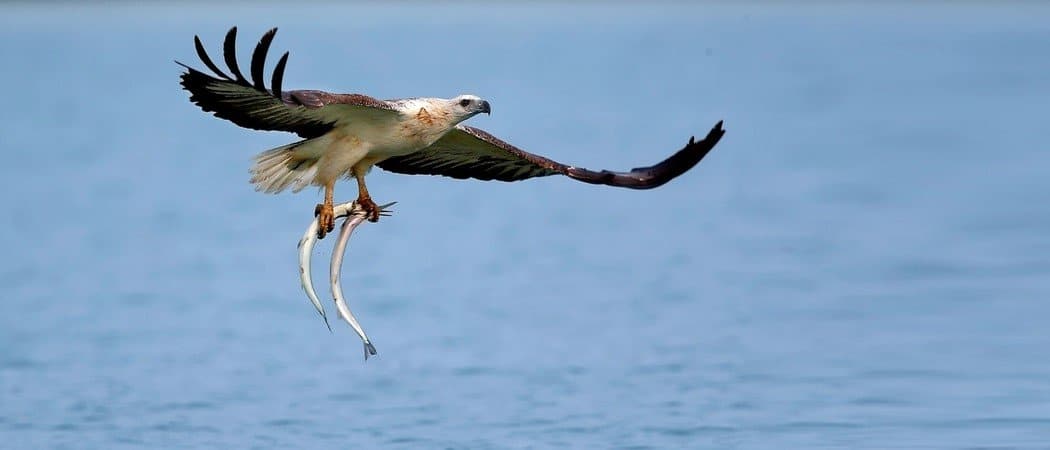
The white-bellied sea eagle or fishing eagle is the national animal of Brunei. As its name suggests, it is an adept hunter of fish.

Where to Find the Top Wild Animals in Brunei Darussalam

There are two places to find Brunei’s top animals: snorkeling the coastal waters or trekking the rain forests.

Endangered Wildlife in Brunei Darussalam

Habitat destruction has threatened many species of the island of Borneo with becoming extinct. The intact forests of Brunei serve as a refuge for these endangered species.

  • The proboscis monkeys may be the most endangered animals in Brunei. They are named for their large, comical noses. The proboscis monkey is sought after by sightseers due to its strange appearance.
  • Brunei considers another strange animal – the pangolin or scaly anteater – to be a “threatened treasure.” These anteaters have long tongues, sharp claws, and large, fleshy scales all over their body. The scales resemble a suit of armor. Public campaigns currently call to protect pangolins from the illegal wildlife trade and the tropical forests they call home from destruction.
  • The Sunda clouded leopard is one of the most elusive Brunei species. It was not recognized as a distinct species until 2006. It has been infrequently spotted near Sungai Ingei Forest and the Belait district.
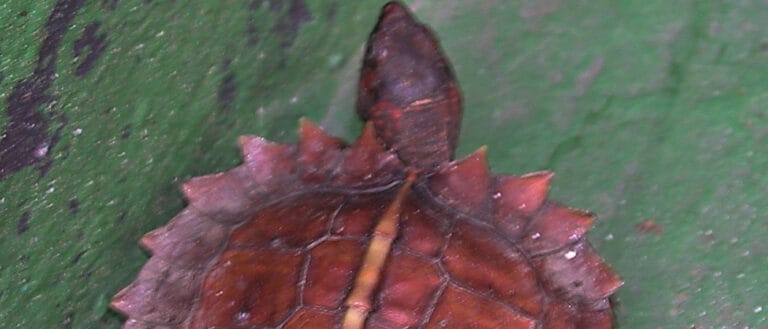
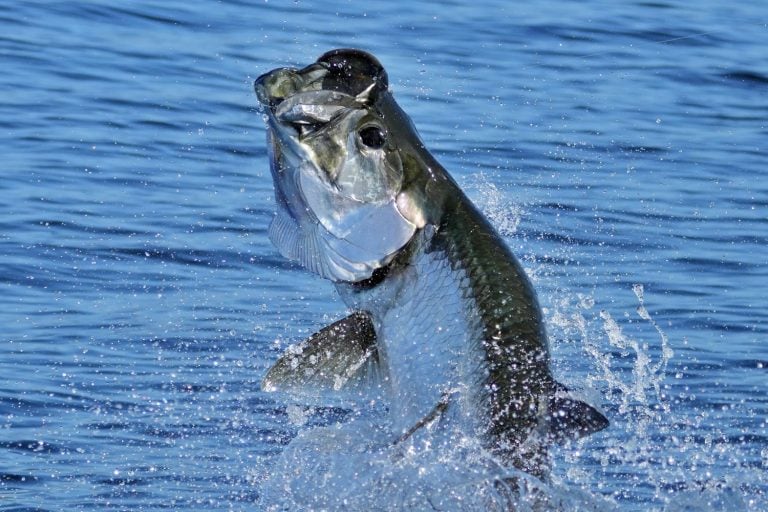
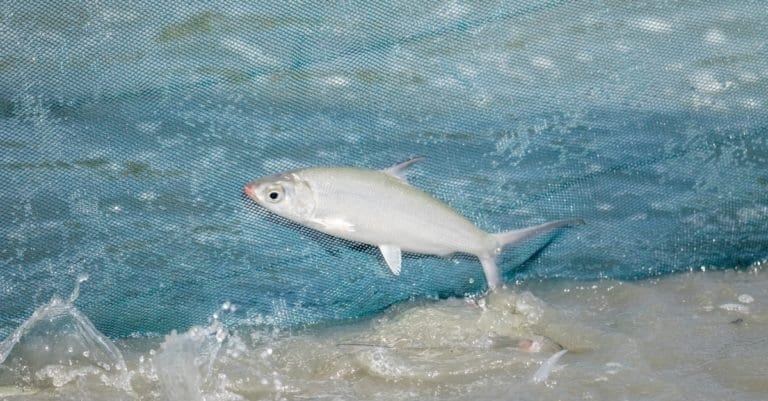
  • Other species endangered of becoming extinct include the black hornbill bird, the painted batagur turtle, a fish similar to the familiar betta called Betta macrostoma, a primate called the Borean slow loris, the highfin coral grouper, coral trout, spiny terrapin, the dugong, and seep frog.
  • Brunei was the first nation in Asia to place a complete ban on the practice of shark finning. What is shark finning? The fins of sharks are prized for food and medicine. Fishermen catch sharks, remove their fins, and dispose of the rest of the animal. Brunei’s stand against shark finning helps protect the 110 species of sharks known to reside in the South China Sea from becoming endangered or extinct.

Most Dangerous Animals in Brunei Darussalam Today

The saltwater crocodile is the most dangerous animal in Brunei today. They are the largest crocodilians in the world, reaching up to 7 meters in length. “Salties” are rare in the area, but be careful. They are known for exploding out of the water to take prey – occasionally humans – from the banks of rivers.

Flag of Brunei Darussalam

The national flag of Brunei features a bright yellow background, which represents royalty in many southeast Asian countries. Across the flag lie two diagonal stripes, one black, one white. The white stripe stands for the First Chief Minister, while the black stripe beneath represents the Second Chief Minister.

Animals Found in Brunei Darussalam

98 species documented in our encyclopedia

Thank you for reading! Have some feedback for us?