N S W E
Wildlife Expeditions

Wildlife of
Taiwan

Taiwan is a compact island where steep mountain ranges and subtropical-to-temperate habitats create exceptional endemism-making it a standout destination for specialty birding, dazzling butterfly diversity, and elusive highland mammals in a single trip.
240 Species
36,197 km² Land Area
Overview

About Taiwan

Taiwan's wildlife character is defined by dramatic elevation change over a small area: from coral-fringed coasts and mangroves to cloud forests and alpine ridgelines rising above 3,000 meters. This compressed gradient, paired with long isolation as an island, has produced high levels of endemism and tightly localized species-especially among birds, amphibians, reptiles, and plants. For visitors, Taiwan offers a "many ecosystems in one day" feel: you can watch shorebirds in coastal wetlands in the morning and scan misty montane forests for endemic birds by afternoon.

Key ecosystems include western coastal wetlands and estuaries that are vital stopovers on the East Asian-Australasian Flyway, supporting migratory shorebirds and wintering waterfowl. Inland, broadleaf and mixed conifer forests-often wrapped in cloud and rich in epiphytes-harbor endemic bird communities and charismatic mammals, while high-elevation zones host cold-adapted species and unique alpine flora. Offshore and nearshore waters add another dimension: coral reefs, seagrass areas, and rocky coasts support reef fish, sea turtles, and seasonal cetaceans, underscoring Taiwan's biodiversity from ridge to reef.

In a global conservation context, Taiwan's importance is strongly tied to flyway protection (a critical link for migratory birds moving between Arctic breeding grounds and tropical wintering areas) and to safeguarding island endemics in a densely populated setting. Conservation here blends protected-area networks in mountainous interiors with habitat management and restoration in human-dominated lowlands-showcasing how biodiversity can persist alongside intensive land use. The wildlife experience is uniquely "specialist-friendly": rather than classic megafauna safaris, Taiwan rewards attentive naturalists with endemic birds at accessible forest trails, seasonal mass butterfly movements, a remarkable variety of frogs and reptiles, and the chance to encounter rare highland mammals in well-managed national parks.

Physical Features

Geography

Taiwan's wildlife is strongly shaped by steep elevation gradients running north-south: a narrow coastal plain gives way quickly to rugged central mountain ranges, creating compressed climate zones from tropical/subtropical lowlands to cool temperate and alpine habitats over short distances. This topographic complexity, combined with island isolation, drives high endemism and distinct east-west habitat contrasts (wetter, steeper east vs. more developed western plains). Key biodiversity areas include lowland rivers and wetlands used by migratory waterbirds, montane cloud forests important for endemic birds and amphibians, and southern coral-reef/coastal systems supporting marine and shore-dependent species, all within a fragmented landscape due to dense human settlement and intensive land use in lowlands.

36,197 km² Land Area
Comparable in size to the Netherlands (or slightly smaller than Switzerland); among the world's larger islands (roughly in the top ~40 by area). Size Rank

Key Landscapes

  • Central Mountain Range and associated high peaks (incl. alpine zones) forming the main biodiversity backbone
  • Montane and cloud forests (mid-elevation belts) with high endemism and high amphibian/bird diversity
  • Western coastal plains and foothills-most altered, but still important for remnant lowland forests, agricultural mosaics, and edge habitats
  • Eastern rift/coastal valleys and steep Pacific-facing slopes-wetter, less urbanized, important for intact forest-to-coast gradients
  • Major river systems and gravel-bed floodplains (short, steep catchments) supporting riparian habitats and migratory corridors
  • Coastal wetlands, estuaries, and mudflats (notably on the west coast) critical for migratory shorebirds and waterfowl
  • Rocky shores and sandy beaches around the island influencing seabird roosting/foraging and coastal species
  • Southern coral-reef fringes and nearshore marine habitats (esp. around the Hengchun Peninsula and offshore islets) supporting reef biodiversity
  • Offshore islands and islets (e.g., Penghu, Green Island, Orchid Island, Kinmen, Matsu) adding distinct coastal/insular habitats and stopover sites

Ecoregions

  • Taiwan subtropical evergreen forests (WWF)
  • Taiwan montane cloud forests (WWF)
  • Taiwan alpine conifer forests (WWF)
Parks & Reserves

Protected Areas

Taiwan's protected area system is built around a network of National Parks (administered by the Ministry of the Interior) complemented by Ministry of Agriculture conservation designations administered by the Forestry and Nature Conservation Agency, such as nature reserves, wildlife refuges, major wildlife habitats, and protected forests, plus nationally designated wetlands and marine protected areas. Because Taiwan is a steep, geologically young island, many of its highest-biodiversity and highest-endemism habitats-montane cloud forests, subalpine conifer belts, and coastal wetlands/reefs-are covered by these overlapping protection tools, often with strong emphasis on watershed protection, endemic species conservation, and migratory bird habitat.

Protected Coverage

Approx. ~19-21% of Taiwan's land area is under some form of formal protection (national parks plus other legally designated conservation areas). Marine protection coverage is smaller but includes large offshore protected zones such as Dongsha Atoll.

Notable Parks & Reserves

Yushan National Park

National Park

Centered on Taiwan's highest peak (Yushan/Jade Mountain), this park protects extensive high-elevation forests and alpine habitats that hold many of Taiwan's flagship endemics and are among the best places to encounter montane wildlife.

Taiwan black bear
Taiwan serow
Formosan macaque
Mikado pheasant
Swinhoe's pheasant
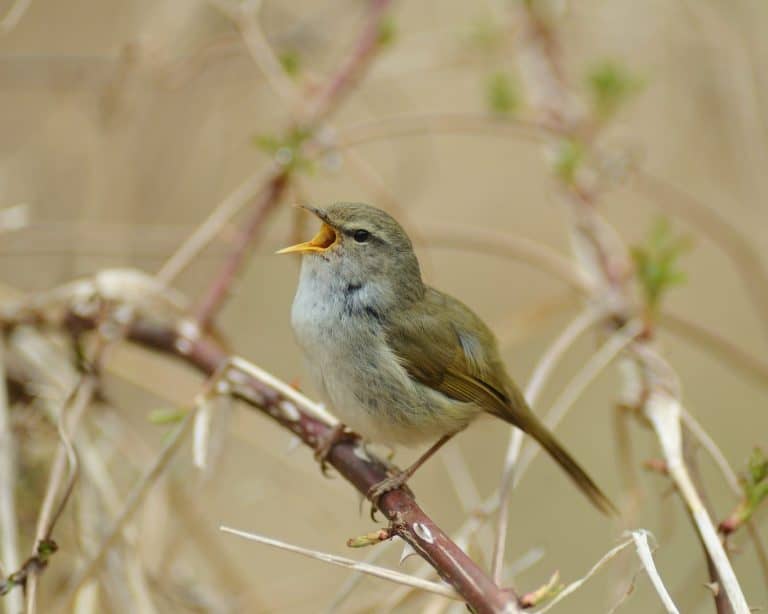
Taiwan bush warbler

Shei-Pa National Park

National Park

A premier high-mountain conservation area spanning snow-season peaks and headwaters; it is especially notable for cold, clean streams and montane forests that support rare endemic salmon and high-elevation birdlife.

Formosan landlocked salmon (Taiwan salmon)
Taiwan black bear
Taiwan serow
Mikado pheasant
Swinhoe's pheasant
Steere's liocichla

Taroko National Park

National Park

Famous for marble gorges and steep forested valleys, Taroko protects a dramatic elevational gradient that concentrates biodiversity-excellent for observing forest mammals and endemic birds across short travel distances.

Taiwan serow
Formosan macaque
Taiwan black bear
Swinhoe's pheasant
Mikado pheasant
Taiwan barbet

Kenting National Park

National Park

Taiwan's most important tropical/subtropical coastal park, combining coral-reef fringes, seagrass, and lowland forests; it is a key area for sea turtle nesting/foraging and diverse reef-associated wildlife.

Green sea turtle
Hawksbill turtle
Indo-Pacific bottlenose dolphin
Formosan sika deer
Chinese pangolin
White-bellied sea eagle

Taijiang National Park

National Park (major coastal wetland complex)

A flagship western-coast wetland and lagoon system that is critical for migratory shorebirds and wintering waterbirds; mudflats and mangroves support rich fish and invertebrate communities that underpin bird abundance.

Black-faced spoonbill
Saunders's gull
Eurasian oystercatcher
Kentish plover
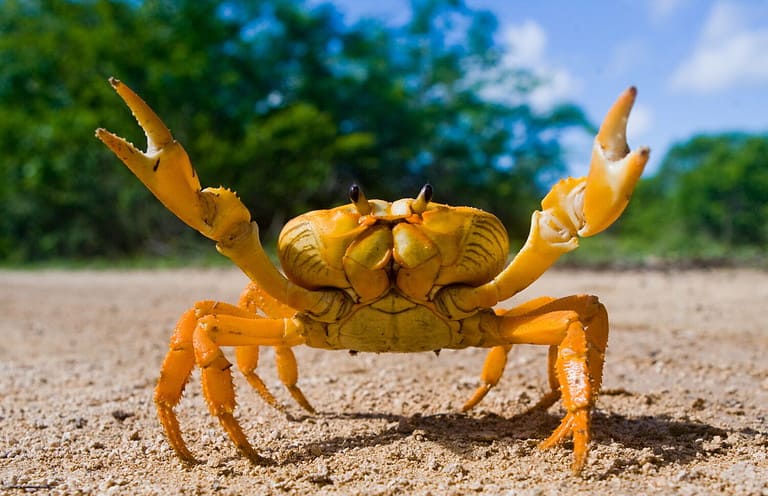
Mangrove crab (fiddler crabs)
Grey mullet
Grey mullet

Dongsha Atoll National Park (Pratas)

Marine National Park

A large, remote marine protected area centered on an atoll lagoon and surrounding reefs; it is one of Taiwan's most important coral-reef conservation sites and a refuge for turtles, reef fish, and seabirds.

Green sea turtle
Hawksbill turtle
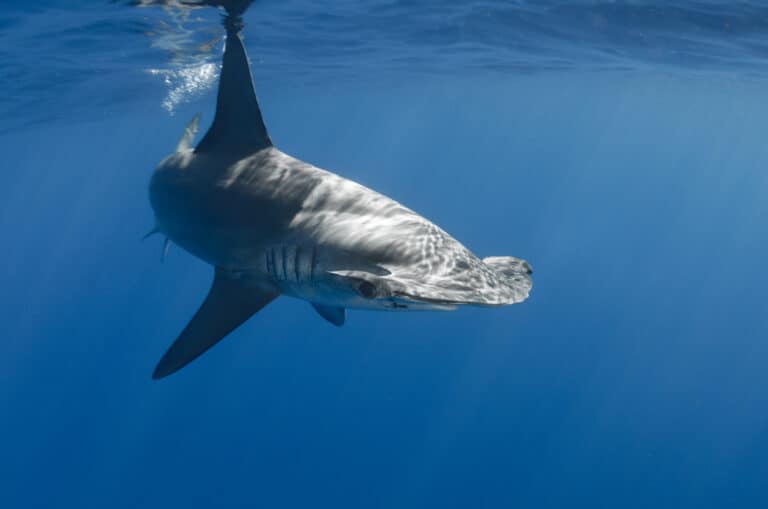
Reef sharks (e.g., blacktip reef shark)
Giant clams
Parrotfish
Parrotfish
Terns (seabird colonies)

Kinmen National Park

National Park

An island park near the Fujian coast that protects wetlands, coastal dunes, and traditional landscapes; it is especially important for migratory birds and one of the most reliable places in Taiwan to look for wild otters.

Eurasian otter
Black-faced spoonbill
Saunders's gull
Chinese egret
Horseshoe crab
Horseshoe crab
Little tern

Yangmingshan National Park

National Park

A volcanic upland adjacent to Taipei with hot springs, grasslands, and broadleaf forests; it is notable for accessible wildlife observation, including rich birdlife and seasonal butterfly activity.

Formosan macaque
Taiwan blue magpie
Taiwan barbet
Steere's liocichla
Chinese pangolin
Swallowtail butterflies (multiple species)
Animals

Wildlife

Taiwan packs exceptional wildlife diversity into a compact, mountainous island. Sharp elevation gradients (sea level to nearly 4,000 m) create subtropical lowlands, cloud forests, and cool-temperate conifer zones, while coastal wetlands and reef-fringed shores add migratory bird and marine life value. The standout character of Taiwan's fauna is its high endemism (especially birds and amphibians) combined with "sky-island" montane specialists and a globally important migration/wintering corridor along the East Asian-Australasian Flyway.

≈90 species (including ~30+ marine cetaceans) Mammals
≈650-700 recorded (incl. migrants/vagrants); ~200+ regular Birds
≈100-120 species Reptiles
≈35-45 species (high endemism) Amphibians

Iconic Species

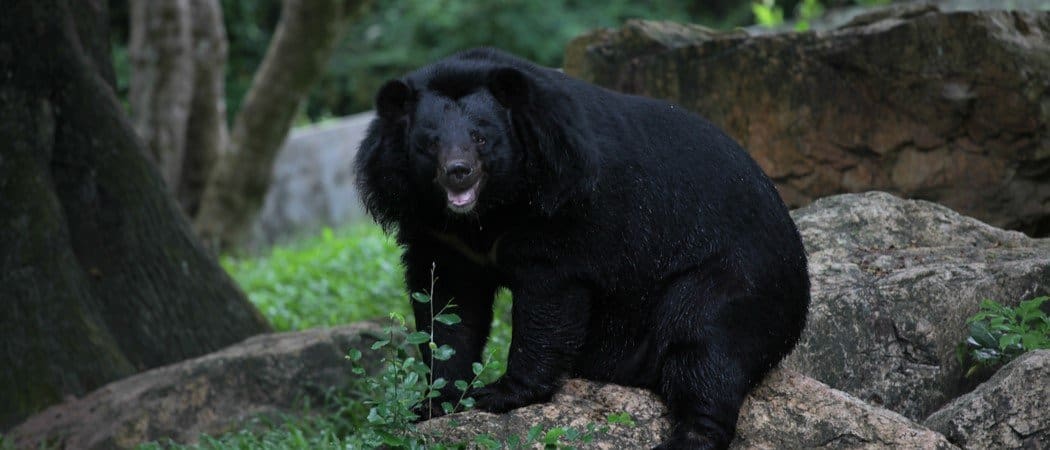
Formosan Black Bear Taiwan's top terrestrial flagship; a forest-dwelling bear associated with mid- to high-elevation broadleaf and mixed forests. Best chances are indirect (tracks/scat) in big protected mountain landscapes such as Yushan and Taroko, though sightings are rare.
Taiwan Macaque The island's only native primate and an easily seen mammal in many forested areas and some park edges; a signature species for visitors on nature trails (observe respectfully and avoid feeding).
Swinhoe's Pheasant A spectacular forest pheasant endemic to Taiwan and a premier birding target. Often sought in montane broadleaf forests and well-known birding sites in central/eastern Taiwan, especially early morning.
Mikado Pheasant A high-elevation icon of Taiwan's conifer and mixed forests; prized by birders for its striking plumage and "mountain wilderness" association. Frequently targeted around high mountain roads/trails (season and access dependent).
Taiwan Blue Magpie Bold, long-tailed endemic corvid often encountered in foothill forests and scenic areas; one of Taiwan's most recognizable birds and a favorite for wildlife photographers.
Black-faced Spoonbill A global conservation icon in East Asia; Taiwan's southwest wetlands (notably around Tainan) host major wintering concentrations, offering some of the most reliable viewing anywhere.
Taiwan Humpback Dolphin (Indo-Pacific Humpback Dolphin) A highly localized, threatened coastal dolphin off Taiwan's west coast; boat-based viewing is possible but sensitive, with conservation-focused operators recommended due to the population's precarious status.
Green Sea Turtle A marquee marine species in Taiwan's clear-water island fringes (e.g., Xiaoliuqiu and other southern/island sites), where snorkeling/diving can reveal turtles feeding over seagrass and reefs.
Chinese Pangolin One of Asia's most sought-after (and threatened) mammals; Taiwan is considered an important remaining refuge. Encounters are uncommon but the species is notable for Taiwan's conservation significance and occasional night sightings in suitable habitat.

Endemic Species

Taiwan Macaque Endemic primate of Taiwan; a key component of the island's forest ecosystems and one of the most commonly observed native mammals. Endemic
Mikado Pheasant Endemic high-mountain pheasant strongly associated with Taiwan's montane forests; a defining species of the island's "sky island" habitats. Endemic
Swinhoe's Pheasant Endemic forest pheasant and one of Taiwan's most iconic birding targets. Endemic
Taiwan Blue Magpie Endemic corvid, conspicuous in foothill forests and parks; culturally and visually emblematic. Endemic
Taiwan Barbet Common endemic forest bird whose calls typify low- to mid-elevation wooded areas. Endemic
Taiwan Yuhina Endemic canopy flock species of montane forests; frequently encountered by birders on mid- to high-elevation trails. Endemic
Taiwan Partridge Endemic ground bird of dense forests; often heard more than seen, representing Taiwan's understory bird community. Endemic
Taipei Tree Frog Taiwan endemic amphibian associated with forest edges and low-to-mid elevations; representative of Taiwan's notably endemic amphibian fauna. Endemic
Formosan Salamander Endemic salamander linked to cool, clean montane streams; highlights Taiwan's unique high-elevation amphibian assemblages. Endemic

Notable Populations

  • Major wintering stronghold for the Endangered Black-faced Spoonbill (a significant share of the global population winters in southwest Taiwan wetlands).
  • One of the most important remaining refuges for the Chinese Pangolin, a species that has collapsed across much of its former range due to trafficking and habitat loss.
  • Critically small, locally endemic management unit of Indo-Pacific humpback dolphins along Taiwan's west coast, making it a high conservation-priority population.
  • Key stopover and wintering area on the East Asian-Australasian Flyway, with large seasonal movements of shorebirds and waterbirds using western coastal wetlands.
Protection

Conservation

Primary Threats

  • Most remaining natural lowland habitats (wetlands, river floodplains, coastal plains, and broadleaf forests) are squeezed into a narrow, heavily developed western corridor. Conversion and fragmentation affect lowland specialists such as the leopard cat and wetland-dependent birds; upland habitats are more intact but still impacted by roads, recreation nodes, and edge effects.
  • High population density concentrates housing, industry, and transportation along the west coast, expanding into remnant agricultural mosaics and wetland buffers. Urban expansion increases light/noise disturbance and creates barriers that isolate wildlife populations, while driving demand for coastal engineering and water infrastructure.
  • Highways, mountain roads, rail corridors, ports, airports, wind farms, and flood-control works fragment habitats and increase roadkill risk (notably for lowland carnivores like the leopard cat). In steep terrain, slope stabilization and road widening can destabilize hillsides and degrade headwater streams.
  • River channelization, levees, dams, and sediment control alter flow regimes and disconnect rivers from floodplains. Coastal hardening (seawalls, breakwaters) reduces natural shoreline dynamics and can degrade intertidal habitats critical for migratory shorebirds and fisheries nursery areas.
  • Industrial and urban runoff, riverborne plastics, and nutrient loads from agriculture affect estuaries and nearshore reefs. In enclosed or heavily used coastal waters and harbors, contaminants and turbidity stress coral communities and seagrass/algai habitats; in rivers, water-quality degradation impacts amphibians and freshwater fish.
  • Warming seas increase coral bleaching risk around southern Taiwan and offshore islands, while ocean acidification threatens reef-building organisms. On land, more intense typhoons and extreme rainfall events drive landslides and sediment pulses that smother reefs and degrade streams; upslope shifts compress cool-adapted montane species into shrinking high-elevation refugia.
  • Invasives affect farms, forests, wetlands, and islands-examples include invasive vines and plants that overgrow edges and riparian zones, apple snails and other introduced freshwater species that disrupt wetlands, and red-eared sliders competing with native turtles. On islands and ports, introduced predators and insects can pressure seabirds, reptiles, and invertebrates.
  • Nearshore fisheries are heavily used, with localized depletion of reef and coastal species. High demand for seafood and intensive fishing effort reduce trophic structure and resilience of coral-reef and rocky-reef communities; bycatch and habitat impacts from some gears further stress marine biodiversity.
  • Although enforcement has improved, illegal trade and collection persist for some reptiles, birds, and ornamental species. Taiwan's role as a high-income market and a transit-linked island economy can create demand pressures for exotic pets and wildlife products, requiring continual monitoring and interdiction.
  • Hunting pressure is lower than historically but persists in some areas, intersecting with cultural practices and remote-access roads. Unregulated or illegal take can affect ground-dwelling birds and mammals, and snares can cause non-target mortality (including for protected species).
  • High visitation to mountain forests, coastal sites, and offshore islands brings trampling, noise, litter, off-trail hiking, and wildlife harassment. Disturbance can reduce breeding success for seabirds and coastal birds, while night lighting and beachfront activity can affect sea turtle nesting beaches.
  • Crop raiding and nuisance behavior (notably by macaques and some wild boar populations) create pressure for lethal control, while large carnivores and bears are rare but can come into conflict at forest edges. Conflict hot spots often overlap with fragmented lowland habitat where animals move between forest patches and farms.
  • Fragmentation in the western lowlands isolates small populations (e.g., leopard cat subpopulations), increasing risks from inbreeding and demographic collapse. For island or montane endemics, limited ranges and small effective population sizes make genetic resilience sensitive to habitat breaks and climate-driven range shifts.
  • Wildlife disease risks include pathogens affecting amphibians and birds, amplified by habitat stress and global connectivity. Disease surveillance is particularly important for endemic amphibians in montane streams and for migratory/wetland bird concentrations in major coastal wetlands.
  • While overall agricultural area is constrained, intensification and periodic conversion at the urban-rural fringe reduce habitat heterogeneity and increase pesticide/fertilizer loads. Farmland consolidation can remove hedgerows, ponds, and fallows that serve as critical stepping-stone habitats in lowland landscapes.
  • Large-scale commercial logging is much reduced compared to the past, but legacy effects (secondary forests, altered age structure) remain. Localized timber removal, road access, and plantation management can still simplify habitats and increase landslide risk on steep slopes.
  • Quarrying and extractive activities (including sand/gravel extraction and localized mining) can degrade riverbeds and slopes, increasing sedimentation that affects downstream wetlands and coral reefs-especially after typhoon-driven floods mobilize disturbed material.
  • High demand for water, sand/aggregate, and coastal space strains ecosystems. Water withdrawals and upstream storage can reduce environmental flows, stressing freshwater biodiversity and diminishing sediment delivery needed to sustain some coastal and deltaic habitats.
Visit

Wildlife Tourism

Taiwan is a compact but exceptionally biodiverse island where subtropical coasts, lowland wetlands, mid-elevation broadleaf forests, and high mountain conifer zones stack quickly into a single travel itinerary. Wildlife tourism is strongest in birding, butterflies, amphibians/reptiles, and marine life (coral reefs, sea turtles, seasonal cetaceans), with many experiences reachable by train/HSR plus short transfers-making it practical even for short trips. Economically, nature travel complements Taiwan's broader domestic tourism market through national parks, forest recreation areas, community-based eco-guiding, dive operators, and seasonal festivals (e.g., butterfly, wetlands). Historically, Taiwan's long-standing protected-area network (national parks and forest reserves) and a strong birdwatching culture have built good infrastructure: signed trails, visitor centers, hides/boardwalks at wetlands, and a mature guiding scene, especially around key birding sites and offshore islands. Accessibility is high: major habitats sit within 1-4 hours of cities, though some premier high-mountain wildlife/birding requires permits, weather windows, and early planning.

Top Wildlife Experiences

  • Dawn birdwatching at a coastal wetland boardwalk/hide (arrive pre-sunrise for feeding flocks of egrets, herons, ducks, and winter shorebirds; bring a scope or hire a local bird guide).
  • Join a spring or autumn migration 'raptor watch' from a headland or ridge (scan kettling raptors and passing passerines; ideal with a guide who knows local flyways and ID).
  • Night herping walk in a humid forest or stream corridor (guided search for endemic frogs, tree frogs, salamanders, and reptiles; best after rain-use red light and follow strict no-handling ethics).
  • Butterfly 'mud-puddling' photography session on a mountain road or riverbank (midday when butterflies congregate; learn to identify Taiwan's endemics and seasonal swarms).
  • High-elevation sunrise hike for montane birds and mammals (early start to catch peak activity; look for high-mountain specialties and signs of mammals along quiet forest edges).
  • Sea turtle snorkeling or scuba dive on an offshore island reef (guided reef etiquette; turtles, reef fish, and coral communities-best in warm months with calmer seas).
  • East-coast whale and dolphin watching by boat (half-day trip to search for dolphins and seasonal whales; choose operators with responsible distance/speed protocols).
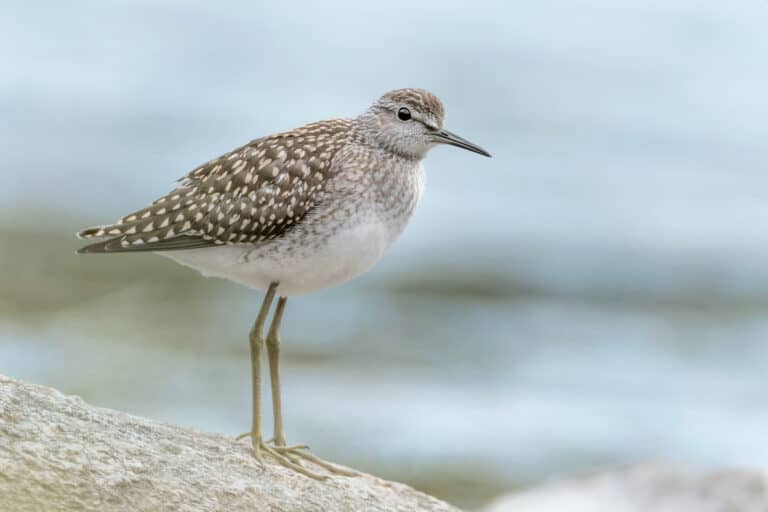
  • Guided tidal-flat walk focused on shorebird ecology (learn to read tides, identify sandpipers/plovers, and understand wetland conservation; timed around low tide).
  • Twilight owl and nightjar listening session near forest edges (short, low-impact walk with call recognition; best in breeding season when vocal activity is higher).
  • Community-led eco-tour that combines habitat restoration stories with wildlife spotting (wetland or forest community programs that support local livelihoods and conservation).

Safari Types Available

  • Boat-based wildlife watching (whales/dolphins on the east coast; coastal birding by estuary/harbor routes in some areas)
  • Snorkeling and scuba 'marine safaris' (reef fish, coral, sea turtles on offshore islands and select coastal reefs)
  • Guided birding walks and stakeouts (wetlands, forest trails, montane habitats; often dawn-focused)
  • Night safaris on foot (amphibians/reptiles, owls, nightjars; typically short guided walks)
  • Hiking/trekking-based wildlife viewing (mid- and high-elevation trails; sunrise/sunset emphasis)
  • Tidal-flat/shoreline walks (shorebirds and intertidal ecology; timed to tides)
  • Butterfly and macro-photography safaris (roadside puddling sites, forest edges, seasonal hotspots)
  • Scenic rail + short-transfer 'micro-safaris' (using HSR/TRA to link wetlands, forests, and coastal sites efficiently without long drives)
Fun Facts

Did You Know?

Taiwan has an actual **butterfly "migration corridor"**: the **Purple Crow butterflies** (several *Euploea* species) form large seasonal movements and roosts, and some highways in southern Taiwan have added **netted "butterfly fences"** to reduce roadkill during peak flights.

One of Taiwan's most iconic marine mammals, the **Taiwan humpback dolphin** (often called the **Taiwan "white dolphin"**) lives in an extremely narrow band of shallow water along the west coast-**one of the smallest and most restricted ranges for any coastal cetacean population**.

You can experience a **tropical-to-temperate-to-alpine wildlife gradient in a single day**: in a drive of a few hours, Taiwan goes from mangroves/coastal wetlands to cloud forest to near-alpine zones because relief rises to **nearly 4,000 m** so abruptly.

In Kenting and other southern coastal areas, **land crabs** stage **mass breeding migrations synced to seasonal rains and lunar cycles**-large enough that road managers sometimes use **warning signs, barriers, or temporary traffic controls** to help them cross.

Some of Taiwan's most charismatic endemics live surprisingly close to people: the **Taiwan Blue Magpie** (*Urocissa caerulea*)-a striking, long-tailed endemic corvid-is regularly seen in **suburban parks and low-elevation forest edges**, not just remote wilderness.

Taiwan is a "high-mountain island" with **200+ peaks over 3,000 m** packed into ~36,000 km²-an unusually high concentration of alpine habitat that helps drive its outsized biodiversity and endemism.

The **Formosan landlocked salmon** (*Oncorhynchus masou formosanus*) is often cited as the **southernmost native salmonid population on Earth**, surviving only in cold headwaters of central Taiwan.

Taiwan is a global stronghold for the **Black-faced Spoonbill** (*Platalea minor*): each winter, the island's southwest wetlands (notably around Tainan) host **one of the species' largest wintering concentrations worldwide**, with **well over 1,000 birds in many recent counts**.

Despite its compact size, Taiwan has recorded **30+ cetacean (whale and dolphin) species** in surrounding waters, a remarkably high total for an island-thanks largely to the deep, fast **Kuroshio Current** running close to its east coast.

Nicknamed the **"Kingdom of Butterflies,"** Taiwan supports **400+ butterfly species** across habitats ranging from coral-fringed lowlands to cool montane forests-an exceptional species total for a single, densely populated island.

Because of its wide range of topography, the island of Taiwan is home to a surprisingly large number of wildlife species. More than 120 species of mammals have been identified as well as more than 650 species of birds. There are many species other than mammals in Taiwan as well, including the dangerous Chinese Cobra and several other venomous reptiles.

Although they are not strictly animals, it should be noted that Taiwan is also home to huge numbers of butterflies and is regarded as somewhat of a paradise for Lepidoptera aficionados.

National Animals Of Taiwan
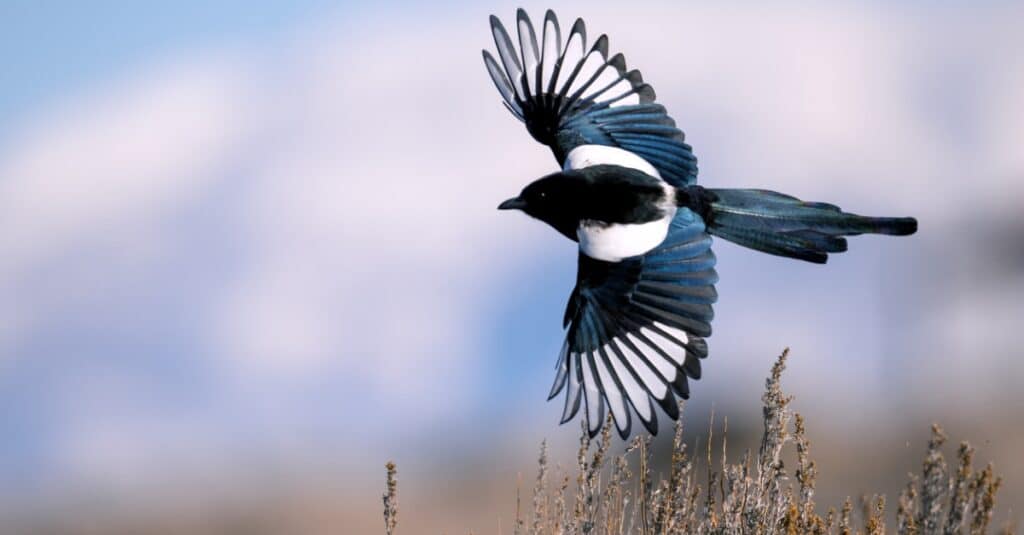
While there is no official National Animal of Taiwan, the symbol is generally attributed ex-officio to the Formosan Black, or Sun, Bear. The Taiwan Blue Magpie is similarly regarded as the unofficial national bird species symbol. Two other native species, the Formosan Rock Macaque, a primate, and the majestic Mikado Pheasant are also tightly associated with the island since they are not found elsewhere in the world.

The Taiwan blue magpie lives in broadleaf forests, and lower foothills and is a member of the crow family. This bird is considered intelligent, social, loud, and cooperative and it was voted to symbolize the spirit of the Taiwanese people. It is a small and noisy bird, with long tail feathers that reach up to 17 inches in length.

The Most Dangerous Animals In Taiwan
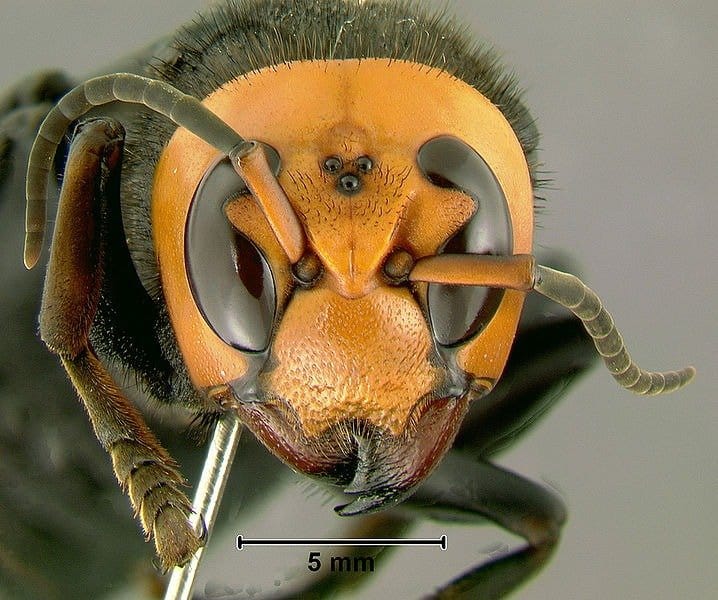
The Asian giant hornet (Vespa mandarinia) is the world’s largest hornet.

Various invasive types of dangerous hornets have been in the news lately, and Taiwan is home to two ferocious Asian Hornet species. The first is the Tiger Head Hornet, which builds its nests primarily in trees, and the second is the ground-dwelling Ground Hornet.

Other small but deadly creatures include the Funnel-web Spider and the Giant Centipede. Among the mammals, the Formosan Black Bear could be considered deadly under the right circumstances as well.

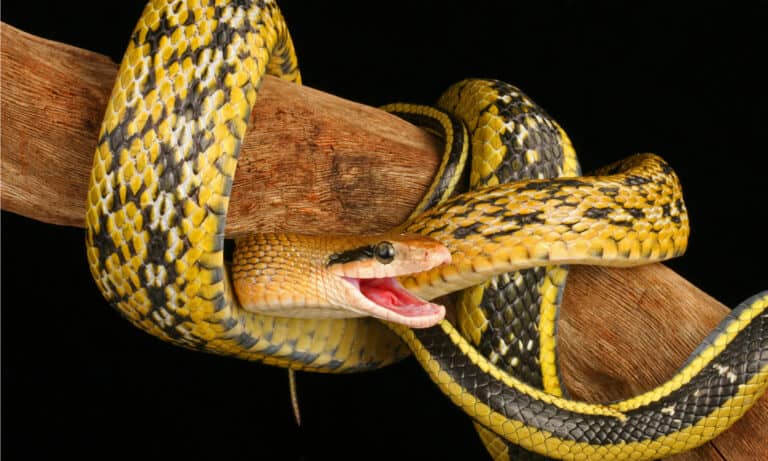
Yet the really deadly animals are found in Taiwan’s collection of reptile species. The Bamboo Viper, Chinese Cobra, and Many Banded Krait are among the most deadly snakes found anywhere on the planet.

Where To Find The Top Wildlife In Taiwan

The best places to find wild animals in Taiwan are in the country’s nine National Parks.

Dongsha Atoll, Taijiang, Kenting, and South Pengu Marine National Parks offer wide varieties of marine, coastal, and avian wildlife species.

Yanmingshan National Park is home to many bird and reptile species. It is also a favorite spot for butterfly observation.

Yushan and Shei-Pa National Parks encompass the species of Taiwan’s mountainous central spine. Starting in the lowlands and rising up to about 4000 meters, these parks display wide varieties of animal life in a great many diverse ecosystems.

Bird watchers enjoy the relatively unpopulated confines of the small islands of the Kinmen National Park. The country’s most popular park, Taroko National Park, offers many excellent opportunities to view native riverine wildlife as well as the spectacular scenery of the Taroko Gorge.

Endangered Animal Species In Taiwan
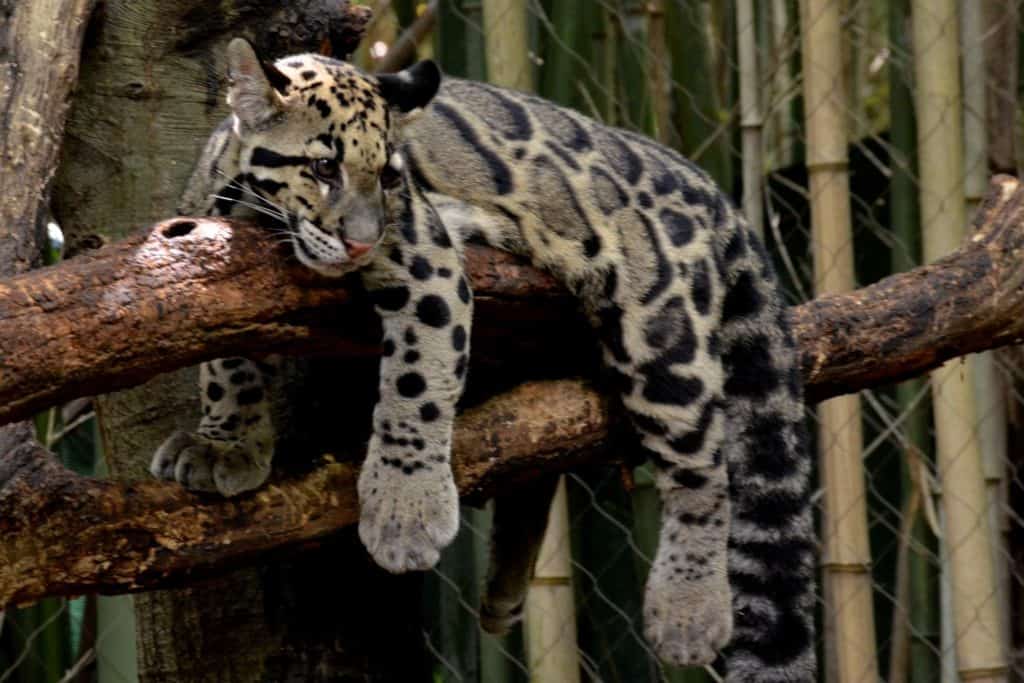
A Clouded Leopard is now believed to be extinct.

On a highly-populated island, it is no surprise that there are a number of endangered species present. The Taiwan government has been diligent in listing and protecting these species. In addition, they are engaged in serious habitat maintenance and recovery efforts to avoid having any new additions to the extinct animal list.

Unfortunately, the most important entry on this list, the Formosan Clouded Leopard, is now believed to be extinct. The only other large predator on the island, the Formosan Black Bear, is very endangered and subject to stringent preservation efforts.

Other Taiwan species on the endangered list include the Formosan Flying Fox, or Formosan Fruit Bat, the Chinese Otter, the Oriental White Stork, the Black Eagle, a number of sea and land turtle species, the Hundred Pace Snake, and the magnificent Mikado Pheasant.

The Rarest Animal In Taiwan
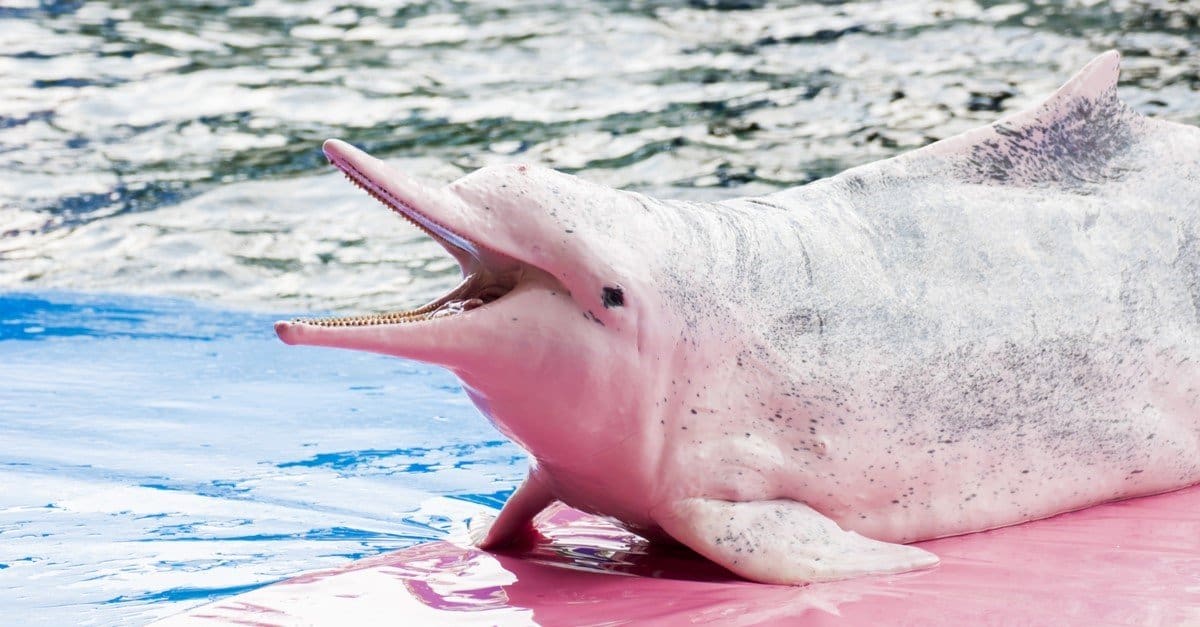
The Taiwanese white dolphin, also known as the Taiwanese Indo-Pacific humpback dolphin is one of the rarest dolphins found today. There are less than 100 remaining in existence and sightings are rare. The white dolphin is found only in the shallow waters of the western coast of Taiwan and sightings of them are very few. This Indo-Pacific dolphin has an average weight of up to 600 pounds and reaches heights of over 11 feet.

The Largest Animal In Taiwan
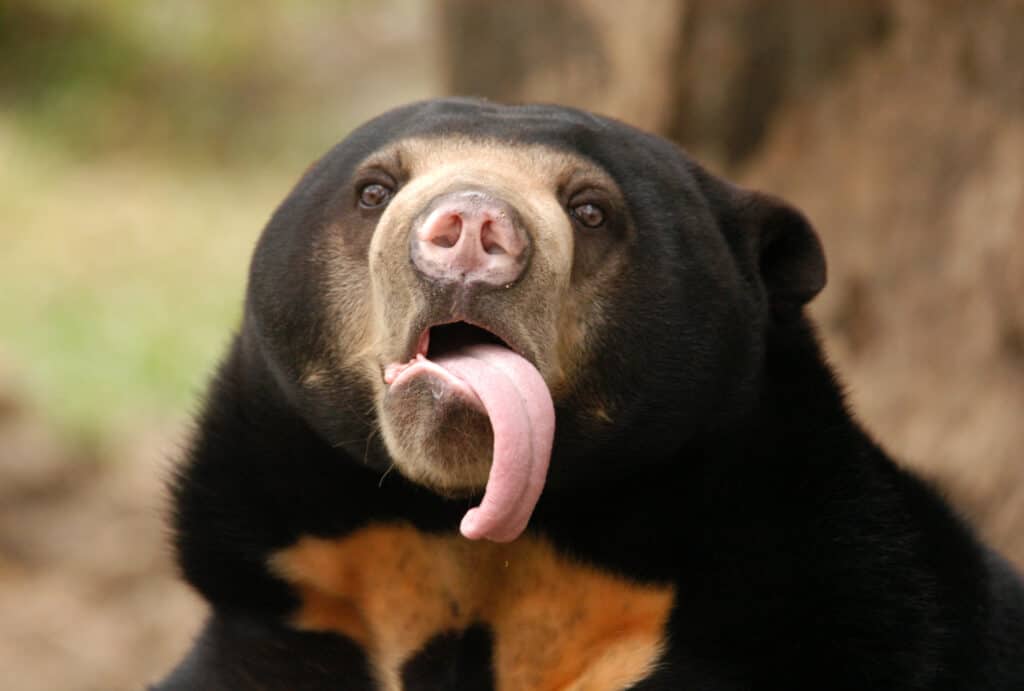
Sun bear

The only bear native to Taiwan is also the largest land animal – the sun bear, also known as the Formosan black bear. It is the smallest of the bear family, with a stocky build, weighing up to 145 pounds and standing 2 1/2 feet tall, they are half the size of an American black bear. Their numbers are declining, with only around 1000 left in the wild. Shy and reclusive, this black bear prefers to reside in swamps and tropical forests.

National Flower Of Taiwan

plum blossoms closeup

Plum blossoms are round when in bloom.

The national flower of Taiwan is the plum blossom, which was given its official title in 1964. The plum blossom, also known as Prunus mei or Prunus memu, is able to withstand sub-zero temperatures and still blossoms during winter, often blooming most vibrantly during this harsh weather. It is this ability that makes the plum blossom a worthy symbol of Taiwan’s resiliency and ability to persevere.

Flag Of Taiwan

The flag of Taiwan features a red background with a blue square. The three colors represent the core principles of the country. The blue, symbolizing nationalism and liberty, is in the upper left corner. Inside the blue square, sits a white sun with 12 rays which stands for justice and democracy. Each ray represents a month in the Chinese calendar. The red background symbolizes the blood lost by the Taiwanese people who lost their lives fighting for their freedom.

Animals Found in Taiwan

240 species documented in our encyclopedia

Thank you for reading! Have some feedback for us?