N S W E
Wildlife Expeditions

Wildlife of
Singapore

Singapore's wildlife appeal lies in seeing surprisingly rich rainforest, mangrove, and marine biodiversity thriving at the edge of a hyper-modern city-where rare hornbills, otters, and reef life can be encountered within minutes of downtown.
228 Species
734.3 km² Land Area
Overview

About Singapore

Despite its tiny footprint and intense urbanization, Singapore protects a remarkable natural heritage that reflects its position at the crossroads of Sundaland's tropical biodiversity. Fragments of primary and mature secondary rainforest persist, supporting native birds, reptiles, amphibians, and invertebrates, while urban waterways and coastal edges have become refuges for adaptable species such as the smooth-coated otter. Singapore's approach to nature-highly managed, science-informed, and woven into a dense city-creates a distinctive wildlife story: conservation in miniature, but with outsized visibility and access for visitors.

Key ecosystems include the Central Catchment Nature Reserve and Bukit Timah Nature Reserve-among the most important remaining lowland rainforest habitats in the region-along with the mangroves and mudflats of Sungei Buloh Wetland Reserve, a critical stopover on the East Asian-Australasian Flyway for migratory shorebirds. Offshore, the Southern Islands (including areas around Sisters' Islands Marine Park) shelter coral reefs, seagrass beds, and intertidal communities that showcase Singapore's marine biodiversity, especially when explored on guided shore walks and reef surveys.

Globally, Singapore is best known as a model for urban biodiversity planning, habitat restoration, and public-facing conservation education, demonstrating how green infrastructure, protected-area management, and community science can sustain wildlife in a dense city-state. The wildlife experience is uniquely accessible: dawn birding in rainforest, a midday mangrove boardwalk, and an evening otter watch or intertidal exploration can all fit into one day-often via public transport-making Singapore an exceptional destination for enthusiasts interested in both species and the practice of conservation in urban landscapes.

Physical Features

Geography

Singapore's wildlife is shaped by its very small land area, island setting, and intense urbanization. Most habitats persist as fragmented patches-especially in the Central Catchment and Bukit Timah-so species distributions are strongly influenced by habitat connectivity, edge effects, and coastal change. Freshwater reservoirs and streams support aquatic and swamp-forest specialists, while remaining mangroves, mudflats, and nearshore reefs/seagrass around offshore islands are critical for migratory shorebirds, nursery fish habitats, and marine biodiversity in the Singapore and Johor Straits.

734.3 km² Land Area
One of the world's smallest countries by area (roughly ~20th smallest); about 4× the size of Washington, DC. Size Rank

Key Landscapes

  • Lowland tropical landscape with a small central upland core (Bukit Timah Hill ~163 m; Central Catchment ridges) that concentrates remaining primary/older secondary forest
  • Central Catchment Nature Reserve and associated reservoirs (e.g., MacRitchie, Upper/Lower Peirce, Upper Seletar) creating freshwater and riparian habitats and acting as major ecological core
  • Nee Soon freshwater swamp forest (rare regional habitat) with swamp streams supporting specialized fish, amphibians, and invertebrates
  • Highly modified but still important river channels and canals (e.g., Kallang and other urban catchments) that can function as movement corridors for adaptable species
  • Northern coastline along the Johor Strait with mangroves, mudflats, and estuarine edges (notably the Sungei Buloh Wetland Reserve) vital for migratory shorebirds and coastal fauna
  • Southern and eastern coastal fringes with reclaimed shorelines and remaining rocky shores/sandy beaches that influence intertidal community distribution
  • Offshore islands (e.g., Ubin Island, Sisters' Islands, St John's/Lazarus) retaining coastal forest, seagrass, coral communities, and serving as refugia from mainland disturbance
  • Nearshore marine habitats in the Singapore Strait including coral reefs, seagrass meadows, and soft-bottom seabeds that support fish nurseries, reef-associated species, and marine megafauna movement pathways

Ecoregions

  • Peninsular Malaysian rain forests (WWF ecoregion)
  • Sunda Shelf mangroves (WWF ecoregion)
  • (Marine context, MEOW framework) Sunda Shelf province-nearshore South China Sea/Singapore Strait communities including coral reefs and seagrass beds
Parks & Reserves

Protected Areas

Singapore's formally protected areas are relatively small but strategically important remnants of lowland rainforest, freshwater catchments, mangroves, and nearshore reefs embedded within a highly urbanized island. The core of the system is a set of legally protected Nature Reserves under the Parks and Trees Act, managed by the National Parks Board (NParks), complemented by Nature Parks/Nature Areas (buffer and stepping-stone habitats), a marine park, and substantial park/green-corridor networks that improve connectivity for wildlife.

Protected Coverage

Approximate land under formal protection (Nature Reserves + a few other strictly managed protected sites) is about 4-6% of Singapore's land area. If broader green spaces (parks, park connectors, reservoirs' protected margins) are included, the functional green network is much larger, but not all of it is legally protected as a reserve.

Notable Parks & Reserves

Central Catchment Nature Reserve (CCNR)

Nature Reserve

Singapore's largest protected area, CCNR safeguards the island's most extensive remaining rainforest and reservoir catchments, supporting many of Singapore's rarest mammals and forest birds while serving as a critical ecological core for the whole island.
Raffles' banded langur
Sunda pangolin
Malayan colugo
Long-tailed macaque
Long-tailed macaque
Oriental pied hornbill
Reticulated python
Reticulated python

Bukit Timah Nature Reserve

Nature Reserve

Home to one of the last substantial patches of primary lowland dipterocarp forest in Singapore, this compact reserve is exceptionally species-rich and is a key refuge for forest-dependent wildlife and native plants.

Sunda pangolin
Malayan colugo
Long-tailed macaque
Long-tailed macaque
Plantain squirrel
Oriental pied hornbill
Reticulated python
Reticulated python

Sungei Buloh Wetland Reserve

Wetland Reserve; Ramsar Wetland of International Importance

Singapore's flagship mangrove and mudflat site, renowned for migratory shorebirds on the East Asian-Australasian Flyway and for thriving mangrove fauna; it is one of the best places in-country for predictable wildlife viewing.

Smooth-coated otter
Mudskippers
Mangrove monitor lizard
Collared kingfisher
Whimbrel
Whimbrel
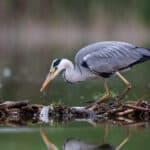
Grey heron
Grey heron

Sisters' Islands Marine Park

Marine Park

A protected nearshore reef system that conserves Singapore's remaining coral communities and marine biodiversity; intertidal walks and monitoring programs make it a focal site for marine conservation and public education.
Hard corals (stony corals)
Sea anemones
Sea anemones
Anemonefish (clownfish)
Giant clams
Seahorses
Green sea turtle

Labrador Nature Reserve

Nature Reserve

A small but valuable coastal reserve that protects sea cliffs, coastal forest, and intertidal habitats, acting as an important refuge for shore-associated biodiversity within the city's southern coastline.
Smooth-coated otter
Oriental pied hornbill
Pacific reef egret
White-bellied sea eagle
Common sea star (seastar)
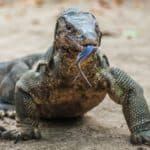
Monitor lizard
Monitor lizard

Pulau Ubin (including Chek Jawa Wetlands)

Protected parkland/nature area (NParks-managed); Chek Jawa is a key intertidal conservation site

One of Singapore's most wildlife-rich landscapes, combining secondary forest, mangroves, seagrass, and intertidal flats; Chek Jawa is especially notable for accessible coastal biodiversity and nursery habitats.

Oriental pied hornbill
Smooth-coated otter
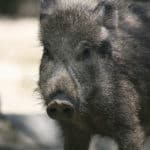
Wild boar
Wild boar
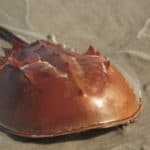
Horseshoe crabs
Horseshoe crabs
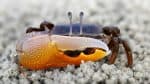
Fiddler crabs
Fiddler crabs
Mudskippers

Thomson Nature Park

Nature Park (buffer to CCNR)

Designed as a buffer and habitat extension beside the Central Catchment, this nature park is particularly important for supporting the recovery and movement of forest wildlife at the reserve edge.

Raffles' banded langur
Sunda pangolin
Malayan colugo
Oriental pied hornbill
Crested goshawk
Long-tailed macaque
Long-tailed macaque

UNESCO World Heritage Sites

  • Singapore Botanic Gardens
Animals

Wildlife

Singapore is a highly urbanized island city-state, yet it retains surprising wildlife diversity concentrated in a few strongholds: the Central Catchment and Bukit Timah forests, coastal mangroves and mudflats (notably Sungei Buloh), offshore islands (e.g., Pulau Ubin), and increasingly, "nature in the city" parks and waterways. The wildlife experience is defined by resilient, adaptable species (otters, macaques, monitor lizards), high-quality birding with both residents and migrants, and a small but important set of nationally rare forest specialists persisting in protected fragments.
≈60 species (terrestrial and coastal; a mix of natives and a few long-established introductions) Mammals
≈420 species recorded (with ≈200 regular residents; strong seasonal migrant component) Birds
≈110 species (including sea turtles and a rich urban/coastal reptile fauna) Reptiles
≈30 species (mostly forest streams, ponds, and wetland habitats) Amphibians

Iconic Species

Smooth-coated Otter Singapore is internationally known for highly visible, free-ranging otter families that forage and travel through urban waterways. Best seen around Marina Bay, Kallang Basin, Bishan-Ang Mo Kio Park, and the Sungei Buloh area.
Long-tailed Macaque
Long-tailed Macaque A signature urban-edge primate frequently encountered along forest fringes and park connectors. Common in the Central Catchment Nature Reserve, Bukit Timah Nature Reserve, MacRitchie, and parts of Upper Seletar/Upper Peirce.
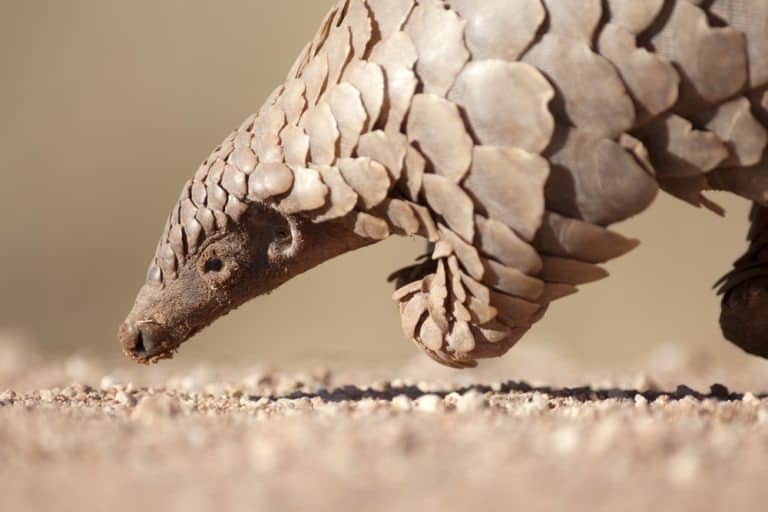
Sunda Pangolin Critically Endangered and seldom seen, but Singapore retains a notable population for such a small, urban country. Occurs in forest reserves and some green corridors; occasional night sightings are reported around the Central Catchment/Bukit Timah landscape.
Oriental Pied Hornbill A conservation success story: now regularly seen in parks and roadside trees after past declines. Often observed in the Singapore Botanic Gardens, Pulau Ubin, and wooded parks across the island.
Straw-headed Bulbul Critically Endangered due to songbird trade; Singapore is one of the most reliable places globally to see wild individuals. Look for it in well-treed areas and forest edges, including parts of the Central Catchment and mature urban greenery.
White-bellied Sea Eagle A charismatic coastal raptor frequently seen soaring over reservoirs and shorelines. Good sites include Sungei Buloh, the Northern coast, and around larger reservoirs in the Central Catchment.
Estuarine Crocodile Singapore's largest native reptile, encountered in mangroves and coastal waters. Most likely around Sungei Buloh Wetland Reserve and northern coastal mangrove systems; sightings also occur off Pulau Ubin.
Malayan Colugo (Sunda Colugo) A nocturnal forest glider and a favorite among night-walkers. Often found in older wooded areas and forest edges; night spotting is best around Bukit Timah/Central Catchment forest margins and some mature parks.
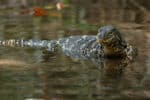
Asian Water Monitor
Asian Water Monitor One of the most frequently seen large reptiles in Singapore, thriving in canals, reservoirs, and parks. Common at Sungei Buloh, Bishan-Ang Mo Kio Park, and many waterbodies island-wide.
Reticulated Python
Reticulated Python A large snake still present in green areas and wetlands; occasionally encountered near water and forest edges. Most likely in the Central Catchment, mangroves, and quieter parklands (usually reported rather than reliably "watched").

Endemic Species

Singapore Bent-toed Gecko A gecko described from Singapore and currently regarded as endemic to the country; associated with remaining natural habitats and rocky/forested microhabitats. Endemic
Singapore Freshwater Crab A flagship endemic invertebrate restricted to a very small number of forest stream sites; highly vulnerable due to its tiny range and sensitivity to habitat change. Endemic
Raffles' Banded Langur (near-endemic) A globally threatened leaf monkey found mainly in Singapore and adjacent southern Peninsular Malaysia; Singapore holds a small, closely watched population centered on the Central Catchment/Bukit Timah forest network. Endemic

Notable Populations

  • One of the world's most visible urban populations of smooth-coated otters, regularly using city waterways and high-traffic public spaces.
  • A regionally important stopover and wintering area on the East Asian-Australasian Flyway, with significant seasonal concentrations of migratory shorebirds at Sungei Buloh and coastal mudflats.
  • One of the most reliable places globally to encounter wild Straw-headed Bulbuls, a species that has been heavily depleted across much of its range by trapping.
  • Singapore retains a notable refuge population of the Critically Endangered Sunda Pangolin in a landscape where the species is under severe pressure region-wide.
Protection

Conservation

Primary Threats

  • Historically extensive deforestation and coastal reclamation greatly reduced primary habitats; today, ongoing competition for land (housing, industry, utilities, transport) limits expansion of natural areas. Remaining habitats are small and isolated, making them vulnerable to edge effects and local extinctions.
  • Very high-density development compresses biodiversity into small reserves and green fragments. Urban expansion increases night lighting, noise, domestic predator presence (cats/dogs), and disturbance along forest edges and waterways, affecting sensitive species and breeding sites.
  • Roads, expressways, drainage canals, and port/airport infrastructure create barriers that fragment habitats and disrupt movement of forest-dependent species. Coastal and marine infrastructure (shipping lanes, port operations) increases collision risk, noise, and habitat alteration in nearshore waters.
  • Engineered waterways, canalization, coastal hardening, and land reclamation alter hydrology, sedimentation, and tidal exchange. These changes affect mangroves, mudflats, seagrass beds, and nearshore coral communities, reducing nursery habitat and shifting species composition.
  • Sea-level rise and stronger storm surges threaten low-lying mangroves and reclaimed coastlines, while warming seas and marine heatwaves increase coral bleaching risk. More variable rainfall and higher temperatures can stress freshwater ecosystems and raise urban heat impacts on flora and fauna.
  • Runoff from dense urban surfaces (hydrocarbons, heavy metals, nutrients) and occasional coastal water-quality incidents can degrade rivers, reservoirs, and nearshore habitats. Marine pollution pressures include plastics and ship-related contaminants in a busy regional shipping corridor.
  • Non-native plants and animals introduced via trade, horticulture, or accidental release can outcompete native species in fragmented habitats. In urban and peri-urban areas, invasives and commensal species can alter food webs and increase predation pressure on native wildlife.
  • High visitation to parks and reserves can cause trampling, off-trail erosion, wildlife habituation, and disturbance to roosting/nesting sites. Recreational use of coasts and nearshore waters can disturb shorebirds and sensitive intertidal habitats.
  • Close proximity between people and wildlife leads to conflict, especially with long-tailed macaques (feeding-related aggression and disease concerns), wild boar encounters on park edges, and otters in waterways/fish ponds. Conflict can trigger calls for removal and reduces tolerance for urban wildlife.
  • As a major regional trade and transport hub, Singapore faces risks of illegal wildlife trafficking transiting through ports/airport and online channels. Enforcement is strong, but hub status and demand in the region make continued vigilance necessary.
  • Local artisanal and recreational fishing pressure is limited by Singapore's small waters, but nearshore stocks and reef-associated species can be vulnerable. Regional overfishing also affects migratory and shared marine resources that influence Singapore's surrounding ecosystems.
  • Small, isolated populations in tiny habitat fragments increase inbreeding risk and reduce genetic diversity, especially for forest specialists. Fragmentation can limit dispersal and recolonization after local losses.
Visit

Wildlife Tourism

Singapore's wildlife tourism is compact, highly accessible, and surprisingly rich for a dense island city-state. It's anchored by world-class wildlife attractions (notably the Mandai wildlife parks) and complemented by protected natural habitats such as the Central Catchment Nature Reserve, Bukit Timah Nature Reserve, Sungei Buloh Wetland Reserve, and offshore islands and reefs. Economically, nature- and wildlife-related visits are a significant part of Singapore's broader tourism offering-driven by family travel, regional short breaks, education, and conservation-focused programs. Historically, Singapore's modern wildlife experience grew alongside conservation/education institutions (e.g., the former Singapore Zoo and Night Safari, now within Mandai Wildlife Reserve) while simultaneously protecting remnant rainforest, mangroves, and migratory bird stopover sites. Accessibility is a major advantage: most wildlife sites are 20-60 minutes from the city by MRT/bus/taxi, trails are well-marked, and guided programs run year-round, making it ideal for first-time wildlife travelers, photographers, and families. Expect "micro-safaris" rather than big-game experiences-excellent birding, nocturnal mammals, reptiles/amphibians, mangrove life, and marine biodiversity-often within a half-day itinerary.

Best Time to Visit
  • Singapore is warm and humid year-round; wildlife viewing is more about migration seasons, tide tables, and time of day than temperature.
  • Nov-Mar (peak migratory bird season): Best for shorebirds and waterbirds at Sungei Buloh Wetland Reserve and coastal mudflats. Look for sandpipers, plovers, herons/egrets, raptors and occasional rarities; bring binoculars and plan around low tide for feeding activity.
  • Dec-Feb (clearest, slightly cooler months): Comfortable for long forest walks in Bukit Timah and Central Catchment; good for birding and general rainforest wildlife (macaques, squirrels, monitor lizards).
  • Mar-May (inter-monsoon): Great for dawn bird activity and forest photography; many reptiles and insects are active. Short thunderstorms are common-carry rain protection.
  • Jun-Aug (regional haze can occur some years): If air quality is good, this period suits night walks and coastal boardwalks; check haze updates and shift to indoor/managed wildlife attractions when needed.
  • Sep-Oct (southbound migration begins): Early build-up of migratory birds; strong for birding as numbers ramp up, again best around tides. Any month (best by time of day):
  • Dawn (6:30-9:00): Highest bird activity on forest and wetland edges.
  • Dusk/night: Best for nocturnal mammals, owls, frogs, and many insects; ideal for Night Safari-style experiences and guided night walks.
  • Low tide: Best for mangrove/wader feeding; consult tide charts for Sungei Buloh/Kranji area.

Top Wildlife Experiences

  • Do a dusk-to-night wildlife circuit at Mandai: start with a late-afternoon river/forest-themed exhibit walk, then continue into a dedicated nocturnal wildlife experience to see active night species (big cats, civets, otter-like species, etc.) when they're most energetic.
  • Join a guided night walk in a nature reserve edge (or an organized nocturnal program): spotlight for frogs, geckos, stick insects, spiders, and roosting birds-excellent for macro photographers and first-time "night jungle" visitors.
  • Plan a tide-timed birding session at Sungei Buloh Wetland Reserve: arrive 1-2 hours before low tide, walk the boardwalks/hides quietly, and watch shorebirds and herons forage on exposed mudflats; ideal with binoculars and a field guide app.
  • Kayak through mangroves (Pulau Ubin or Sungei Khatib Bongsu area on guided routes): look for mudskippers, fiddler crabs, water snakes, kingfishers, sea eagles, and monitor lizards; mornings often have calmer water and more wildlife.
  • Cycle Pulau Ubin's dirt tracks to Chek Jawa Wetlands for an intertidal 'reef-to-mangrove' walk: time it for low tide to see seagrass meadows, sea stars, anemones, and small reef fish in pools, then move into the mangroves for crabs and birds.
  • Take a sunrise rainforest walk from MacRitchie (Central Catchment) and include the boardwalk segments: listen for mixed bird flocks, watch for long-tailed macaques and monitor lizards, and scan water edges for otters (sightings vary).
  • Book a conservation-forward behind-the-scenes or keeper talk experience (Mandai): see animal care up close, learn about breeding/reintroduction programs, and get the most educational value from a short trip.
  • Join a guided coastal walk focusing on intertidal life (season/tide dependent): explore rocky shore habitats for small crustaceans, mollusks, and tidepool fish; great for families and natural-history enthusiasts.
  • Do a dedicated urban-wildlife photo walk at dawn around park connectors/waterways: target smooth-coated otters (where present), herons, kingfishers, and water monitors-an excellent 'city meets nature' experience.
  • Try a beginner-friendly birding morning with a local guide: learn calls and hotspots fast, and maximize your chances of seeing Singapore specialties (forest edge birds, raptors, wetland species) in a limited itinerary.

Safari Types Available

  • Nocturnal safari-style experiences (night wildlife viewing in managed reserves/parks with guided or structured routes)
  • Guided walking safaris (rainforest trails, wetland boardwalks, birding walks)
  • Boat/river-style wildlife experiences (limited; more common as guided nature cruises or offshore island transfers-check operators and seasonal offerings)
  • Mangrove kayaking/canoe safaris (guided routes in Pulau Ubin and northern mangrove areas)
  • Intertidal/coastal 'tidepool' safaris (low-tide guided shore walks at suitable sites)
  • Cycling safaris (self-guided or guided rides on Pulau Ubin and park connector networks to link habitats)
  • Behind-the-scenes conservation encounters (keeper talks, education programs, animal care experiences)
  • Marine/snorkel/diving experiences (conditions and access vary; best arranged with licensed operators for nearby reefs/islands)
Fun Facts

Did You Know?

Wild smooth-coated otters (Lutrogale perspicillata) have become regular residents in highly urban waters-including Marina Bay-forming family groups that hunt fish in front of the skyline.

The Oriental pied hornbill (Anthracoceros albirostris) was once locally extinct in Singapore, but recolonised naturally from nearby regions and now breeds again-helped along by nest boxes installed in parks.

Singapore sits on the East Asian-Australasian Flyway, so a compact mangrove site like Sungei Buloh can host 200+ recorded bird species, including long-distance migrants that travel from Arctic breeding grounds to the tropics.

Despite intense urbanisation, Singapore still contains patches of primary rainforest (not just secondary regrowth), notably within Bukit Timah and the Central Catchment-rare for a modern city-state.

One of the world's rarest primates, the Raffles' banded langur (Presbytis femoralis), survives in tiny numbers in Singapore and adjacent southern Malaysia-so local roadside plantings and forest connectors can directly affect global survival prospects for the species.

Bukit Timah Nature Reserve is famous for having one of the highest tree-species densities recorded anywhere: surveys have documented well over 500 tree species in a very small area (tens of hectares), a per-hectare richness often cited as exceeding comparable plots in the Amazon.

Singapore opened the world's first Night Safari (1994), pioneering the now-copied "nocturnal zoo" format focused on animals active after dark.

Singapore Botanic Gardens is the world's first and only tropical botanic garden inscribed as a UNESCO World Heritage Site (inscribed 2015).

The S.E.A. Aquarium (Resorts World Sentosa) has been ranked among the world's largest aquariums by total water volume (about 45 million litres) and animal count (100,000+ marine animals).

Sungei Buloh Wetland Reserve is Singapore's first ASEAN Heritage Park (a regional "best-of" designation for outstanding biodiversity sites in Southeast Asia).

Animals Found in Singapore

228 species documented in our encyclopedia

Thank you for reading! Have some feedback for us?