
R
Species Profile

Red Nose Pit Bull

Canis lupus familiaris

Red nose, big heart, built to move
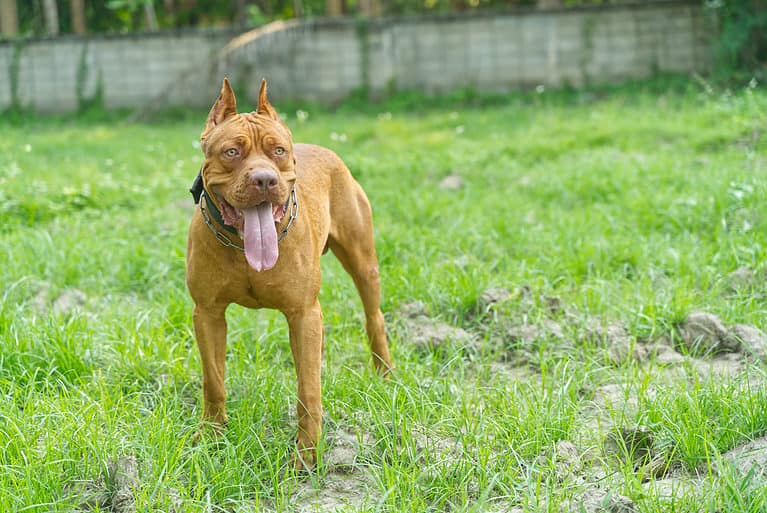
David Cohen 156/Shutterstock.com

Red Nose Pit Bull Distribution

Click a location to explore more animals from that region

Origin Location

This map shows the native origin of the Red Nose Pit Bull. As a domesticated species, they are now found worldwide.

Loading map...

Size Comparison

Human 5'8"
Red Nose Pit Bull 1 ft 7 in

Red Nose Pit Bull stands at 28% of average human height.

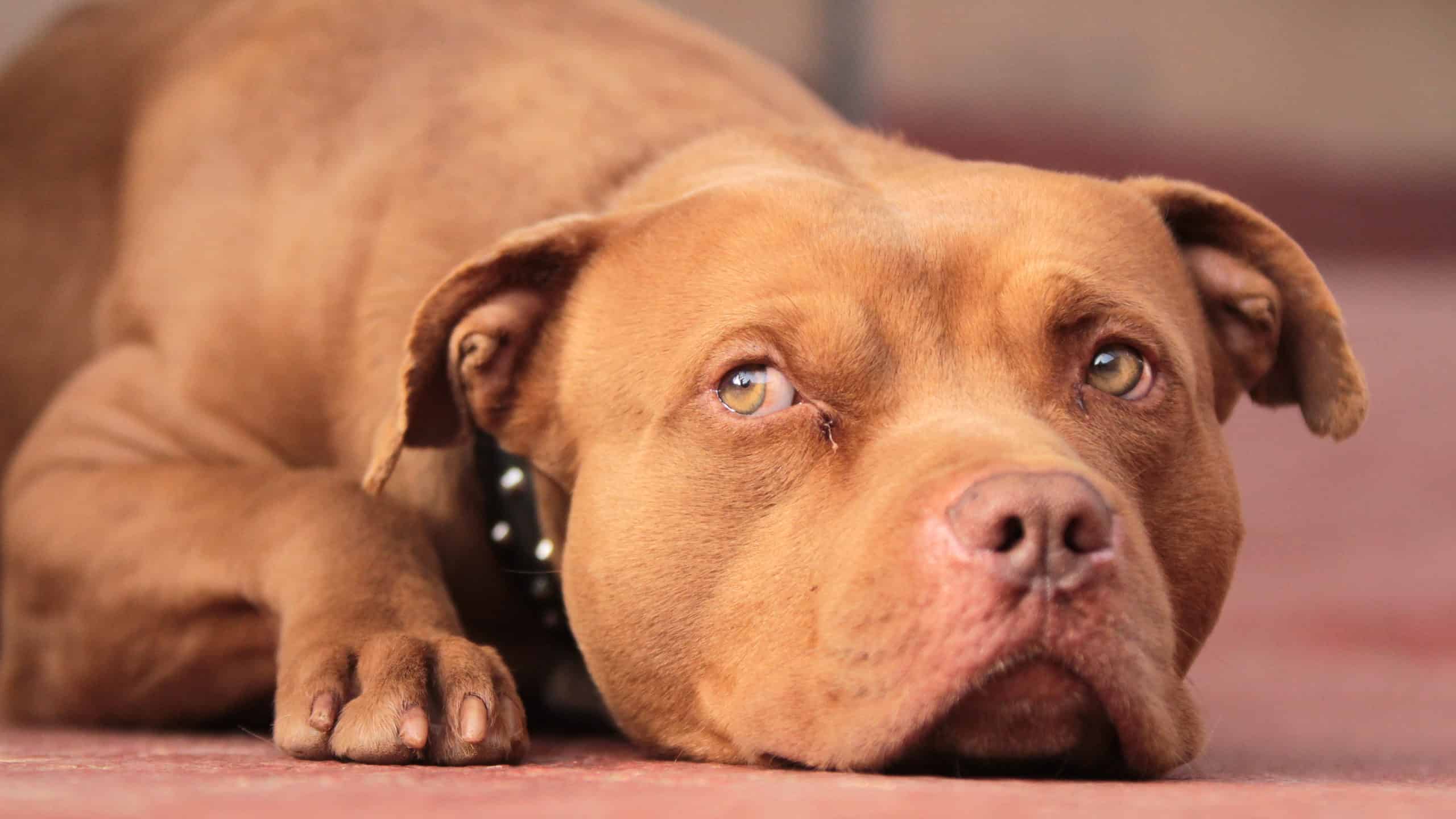
Red Nose Pit Bull Looking Up

At a Glance

Domesticated
Also Known As Red-nose, Rednose, Red-nosed Pittie, Red-nosed Pitty, Red-nose Bully, Red-nosed Bully
Diet Omnivore
Activity Diurnal+
Lifespan 13 years
Weight 27 lbs
Status Not Evaluated
Did You Know?

"Red nose" refers to pink/red nose leather and matching reddish pigment; it's a color descriptor, not a separate breed or species.

Scientific Classification

A domesticated dog commonly described as a “red nose pit bull,” typically meaning an American Pit Bull Terrier–type dog with red/pink nose leather and reddish coat/pigmentation. This is generally a color/pigmentation descriptor and sometimes an informal lineage label, not a separate taxonomic unit.

Kingdom
Animalia
Phylum
Chordata
Class
Mammalia
Order
Carnivora
Family
Canidae
Genus
Canis
Species
Canis lupus

Distinguishing Features

  • Red/pinkish nose leather (reduced black pigmentation), often with amber/light eyes possible
  • Reddish/fawn coat tones commonly associated with the label (though not required)
  • Muscular, medium-sized, short-coated “pit bull-type” terrier build (broad head, strong jaw, athletic frame)
  • Term is informal and variably applied to APBT, AmStaff, and mixes

Physical Measurements

Males and females differ in size

Height
1 ft 8 in (1 ft 6 in – 1 ft 9 in)
1 ft 6 in (1 ft 5 in – 1 ft 8 in)
Length
3 ft 5 in (2 ft 11 in – 3 ft 11 in)
Weight
53 lbs (35 lbs – 66 lbs)
40 lbs (31 lbs – 51 lbs)
Tail Length
1 ft 1 in (11 in – 1 ft 4 in)
1 ft 1 in (11 in – 1 ft 3 in)
Top Speed
30 mph
running

Appearance

Primary Colors
Secondary Colors
Skin Type Short, smooth, close-lying single coat; underlying skin often lightly pigmented, with pink/red nose leather and sometimes lighter eye rims.
Distinctive Features
  • Domestic dog (Canis lupus familiaris) type: human-selected morphology and behavior versus wild canids.
  • "Red nose" is a pigmentation/line descriptor, not a separate species/subspecies or universally recognized breed.
  • Athletic, muscular build with deep chest, defined shoulders, and strong hindquarters.
  • Broad, blocky head with pronounced cheek muscles; medium muzzle and strong jaw.
  • Natural ears often rose or semi-pricked; tail thick at base, tapering ("whip" tail).
  • Coat is low-shedding and easy-grooming; weekly brushing typically sufficient.
  • High exercise and enrichment needs; thrives with structured training and socialization.
  • Can be prone to skin allergies/atopy and contact dermatitis; monitor itching and recurrent ear issues.
  • Potential orthopedic risks: hip dysplasia and cranial cruciate ligament injuries; keep lean and conditioned.
  • Possible endocrine/cardiac concerns in pit-bull-type dogs: hypothyroidism and congenital heart disease occur in some lines.
  • Pink/red nose leather and lighter pigmentation may increase sun sensitivity; provide shade and pet-safe sunscreen when needed.
  • Strong prey/drive and strength require secure containment, leash management, and supervision with other animals as appropriate.

Sexual Dimorphism

Males are typically larger with broader heads, thicker necks, and heavier bone. Females are usually slightly smaller and more refined, often appearing leaner while keeping the same athletic, muscular outline.

  • Greater overall size and weight; more pronounced chest and shoulder width.
  • Thicker neck and more massive head/cheek musculature.
  • Often more visibly muscular forequarters.
  • Slightly smaller frame with a more refined head and neck.
  • Often a lighter, more streamlined silhouette.
  • Musculature appears smoother/less bulky while remaining athletic.

Did You Know?

"Red nose" refers to pink/red nose leather and matching reddish pigment; it's a color descriptor, not a separate breed or species.

Domestic dogs (Canis lupus familiaris) share a wolf ancestor, but selective breeding shaped pit-bull-type dogs for compact power, agility, and high human sociability.

The red/pink nose is typically linked to reduced dark (eumelanin) pigment in the nose leather-often paired with a red/fawn coat and amber/light eyes.

American Pit Bull Terrier-type dogs often excel in weight-pull, agility, obedience, and scent games when trained with positive reinforcement.

Short coats shed year-round but are easy to groom; skin and environmental allergies are common in pit-bull-type dogs.

Because "red nose pit bull" is informal, dogs labeled this way may be APBT, AmStaff, mixes, or other bully-type dogs with similar coloration.

Unique Adaptations

  • Compact, muscular build optimized for short bursts of power and agility (a product of human selection, unlike the wolf's endurance-hunting frame).
  • Short, low-maintenance coat that dries quickly-useful for active dogs but offers limited insulation in cold weather.
  • High trainability with reward-based methods: many respond strongly to food, toys, and praise, making structured training highly effective.
  • Pigment-linked sun sensitivity: lighter noses/skin can be more prone to sunburn; shade and pet-safe sunscreen on exposed areas can help.
  • Robust neck/shoulder musculature supports pulling and carrying activities-best channeled into safe sports (harness work, flirt pole with rules, conditioning).

Interesting Behaviors

  • "Velcro dog" tendencies: many are intensely people-oriented and prefer close contact with their family.
  • Terrier-style persistence: they may stay focused on a toy/task longer than many other dogs, benefiting training but requiring clear off-switch cues.
  • Athletic play style: springy jumping, tug enthusiasm, and body-based play are common; structured play helps prevent over-arousal.
  • Dog selectivity can occur: some individuals are less tolerant of unfamiliar dogs, so neutral introductions and careful management matter.
  • Strong chew drive: many enjoy long-lasting chews and durable puzzle feeders; appropriate outlets reduce destructive chewing.
  • Expressive "full-body" communication: wiggly greetings, play bows, and energetic tail/body movement are typical.
  • Heat-seeking lounging: short coats and low undercoat often lead to seeking warm spots indoors.

Cultural Significance

Red Nose Pit Bull (red-nosed American Pit Bull Terrier-type dog, Canis lupus familiaris) has shifted from bull-and-terrier blood sports to a World War I and popular media symbol of loyalty and grit. Today the label draws admiration but also stigma and breed-specific laws (BSL); responsible ownership, training, and public education matter.

Myths & Legends

Old Family Red Nose story says red-nosed dogs were brought from Ireland and kept in some family lines. Over time that 'old family' look became known in American pit-bull-type dogs.

The "nanny dog" nickname: a 20th-century American cultural tale portrays pit-bull-type dogs as devoted child-minders in family homes; it persists in popular storytelling as a symbol of loyalty and gentleness.

WWI patriotic iconography: early-1900s posters and illustrations in the United States sometimes used a pit-bull-type dog as a national emblem-an anecdotal "folk symbol" of courage and tenacity in wartime culture.

Pete the Pup's ring: in Our Gang/The Little Rascals, the ring-eyed pit-bull-type dog became a beloved character, spawning a pop-culture tradition of kids' "Pete" costumes and look-alike dogs at events.

From baiting rings to family homes: historical anecdotes recount how bull-and-terrier dogs transitioned from brutal sports to farm/house companions as laws and public attitudes changed-stories often told as a redemption arc for the type.

"Red nose" is said to mark a rare bloodline by dog communities, a folk tale about color and pedigree, though a red nose is just a coloring trait in red-nosed Pit Bull (Canis lupus familiaris).

Conservation Status

NE Not Evaluated

Has not yet been evaluated against the criteria.

Population Stable

Life Cycle

Birth 6 pups
Lifespan 13 years

Lifespan

In the Wild
12–14 years
In Captivity
10–16 years

Reproduction

Mating System Polygynandry
Social Structure Managed Domestic
Breeding Pattern Transient
Fertilization Managed Selective
Birth Type Internal_fertilization

In red-nosed American Pit Bull Terrier-type dogs, mating is typically human-managed rather than driven by stable pair bonds. When unmanaged, males and females may mate with multiple partners during the female's estrus, with brief associations and potential multiple paternity.

Behavior & Ecology

Social Pack Group: 4
Activity Diurnal, Crepuscular, Cathemeral
Diet Omnivore meat-forward foods (commonly chicken or beef)

Temperament

Breed-specific context: "Red nose pit bull" is a pigmentation/line descriptor within American Pit Bull Terrier-type dogs, not a separate taxon.
Distinguishing traits vs base domestic dog: typically higher drive/tenacity, muscular athleticism, strong people-affiliation when well bred/socialized.
HUBS (group-wide patterns): very handler-oriented and playful; variation in dog-dog sociability and arousal control is common.
Common temperament tendencies: confident, energetic, persistent, affectionate; may be reactive without early socialization and impulse-control training.
Care requirements: daily vigorous exercise plus structured training, enrichment (tug, scentwork), and supervised dog interactions; secure fencing/leash skills.
Health concerns often reported in APBT-type dogs: skin allergies/atopy, hip dysplasia, cranial cruciate ligament injury, hypothyroidism, demodectic mange risk.
Pigmentation-related considerations: lighter nose/skin may be more sun-sensitive; use shade and pet-safe sunscreen when appropriate.

Communication

bark Alert/attention-seeking
growl Warning or play
whine Frustration/solicitation
howl Rare; social/response
grunt/snort Contentment or play arousal
intense body orientation and forward posture when focused
play bow, bouncy gait, pawing and mouthing during play
facial expressions: soft eyes vs hard stare for arousal/guarding
tail carriage and wag speed signaling arousal; some are naturally low-tailed
scent marking and investigation; uses urine marking more than wolves
physical contact seeking (leaning, nudging) with trusted humans
leash tension patterns communicating excitement or reactivity

Habitat

Biomes:
Temperate Forest Temperate Grassland Mediterranean Boreal Forest (Taiga) Tundra Alpine Desert Hot Desert Cold Savanna Tropical Dry Forest Tropical Rainforest Freshwater Wetland Marine +8
Terrain:
Plains Hilly Mountainous Coastal Valley Plateau Island +1
Elevation: Up to 16404 ft 3 in

Ecological Role

Human-associated omnivorous domestic predator/scavenging generalist (primarily supported by humans as a companion/working dog rather than a wild forager).

companionship and social support to humans property guarding/deterrence pest control via deterring or occasionally preying on small rodents participation in working roles (e.g., sport, therapy, search activities in some individuals) nutrient cycling in urban environments via consumption of human-provided food waste (opportunistic behavior)

Diet Details

Main Prey:
Small mammals Rabbits and hares Squirrel Ground-nesting birds and eggs Insects and other small invertebrates
Other Foods:
Grains and starches Legumes Vegetables Fruits Plant fibers

Human Interaction

Domestication Status

Domesticated

Canis lupus familiaris are domestic dogs shaped from gray wolves by thousands of years of human choice for friendliness, ease of training, and work. "Red Nose Pit Bull" describes a red-nosed APBT-type dog, not a separate species. Breeders favored a medium, muscular, athletic dog with strong human bonds; modern breeding stresses calm behavior and health.

Danger Level

Moderate
  • Bite risk exists as with all dogs; severity can be higher than average if a bite occurs due to strength and grip/tenacity traits often selected in pit bull-type lines.
  • Risk increases with poor socialization, neglect/abuse, inappropriate training methods, inadequate confinement, unmanaged prey drive, and allowing unsupervised interactions with unfamiliar people/children.
  • Higher likelihood of regulatory scrutiny and conflict with humans (complaints, housing disputes, legal reporting) even for well-managed individuals.
  • Dog-dog aggression can be more common in some lines; this can indirectly endanger humans during break-up attempts or in high-arousal situations.
  • Health-related irritability (pain from allergies/orthopedic disease) can increase reactivity if untreated. Breed-specific care notes: Typically benefits from consistent positive-reinforcement training, early and ongoing socialization, secure containment, leash discipline, and careful management around other dogs. Common health concerns in APBT-type dogs include skin/allergy disease (atopy, food sensitivities), demodicosis susceptibility in some lines, hypothyroidism, hip/elbow dysplasia, cranial cruciate ligament (CCL) injury, patellar issues, and some cardiac conditions; pigment pattern itself ("red nose") is usually cosmetic, but any line can carry hereditary disease-health testing and temperament screening are key. Exercise needs are high (daily structured activity + enrichment), and many individuals do best with experienced handling and clear routines.

As a Pet

Suitable as Pet

Legality: Red Nose Pit Bull dogs are usually legal but often face breed-specific laws (BSL), landlord/HOA bans, higher insurance checks, and rules like leashes, muzzles, secure fences, registration, or forced spay/neuter.

Care Level: Experienced

Purchase Cost: Up to $3,000
Lifetime Cost: $15,000 - $45,000

Economic Value

Uses:
Companion animal ownership (family pet) Professional training/behavior services (obedience, reactivity management) Canine sports and events (e.g., weight pull, agility, obedience) Animal welfare/rescue and sheltering services Security/deterrence perception (non-specialized) Veterinary care and pet insurance markets
Products:
  • Puppy acquisition/adoption fees; responsible breeder or rescue placement
  • Spay/neuter, vaccinations, parasite control, routine exams
  • Training classes, private behavior consults, enrichment equipment
  • Crates, secure fencing/kennels, leashes/harnesses, muzzles (where required)
  • Specialty diets or dermatology-focused nutrition (common with allergies)
  • Orthopedic/rehab services (e.g., CCL/hip management)
  • Pet insurance policies and liability coverage riders

Relationships

Quick Take

  • Owners must provide 90 minutes of intensive physical activity to avoid specific behavioral outcomes.
  • The 65-pound muscular frame creates a technical risk for joint lameness and ligament strain.
  • Modern owners encounter a shift from violent reputations to the nanny dog classification.
  • The 19th-century scouting of Old English bulldogs was a necessary precursor to the current breed standard.

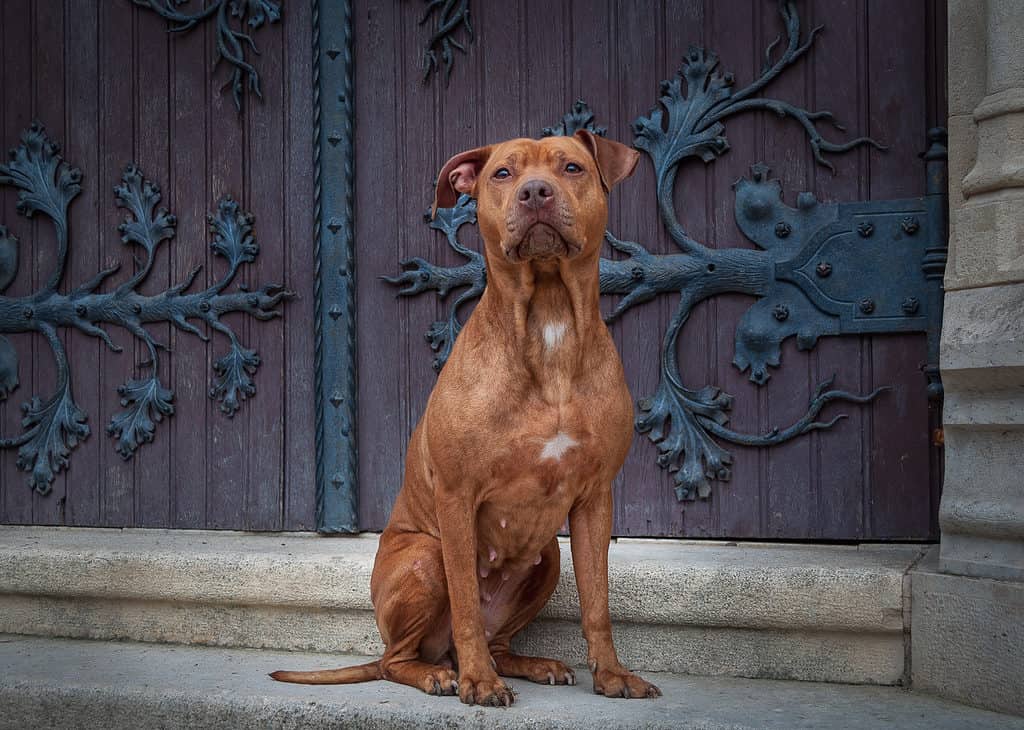
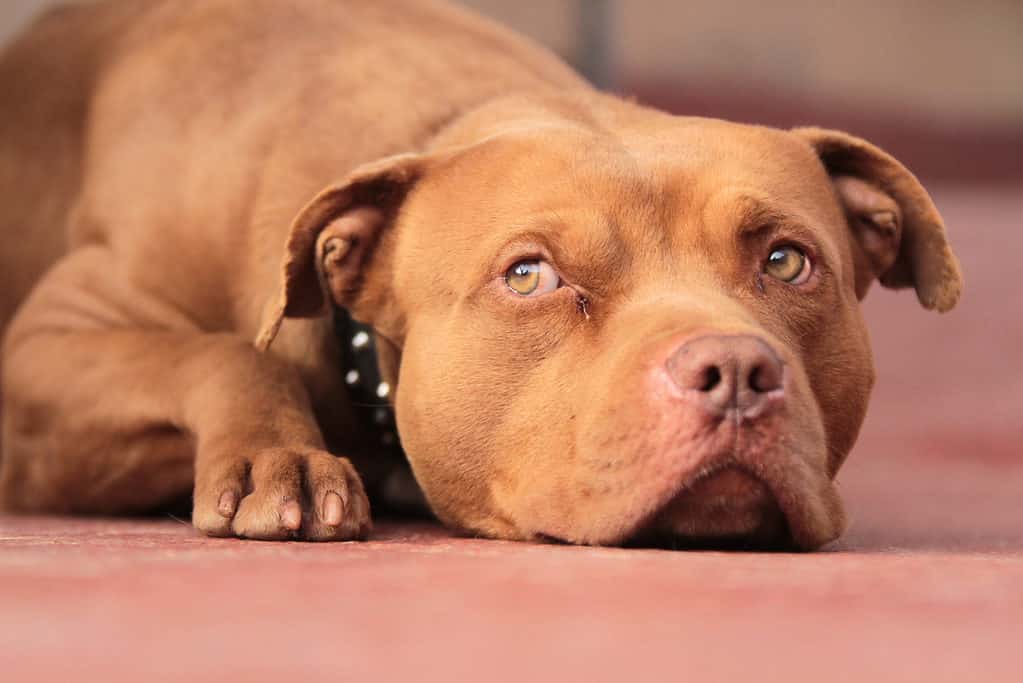
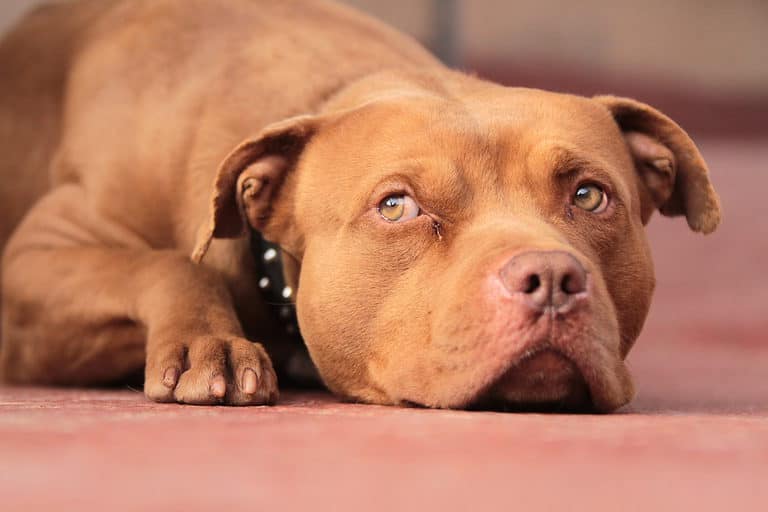
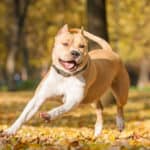
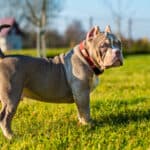
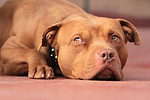
The red nose pit bull is not its own breed, but is a type of American pit bull terrier. It was originally bred from the Old English terrier and the Old English bulldog in early 19th-century England. The resulting mixture of these breeds was known as bull and terriers, and they are now extinct. Initially used in bullfighting and kept in pits, these dogs were brought to the United States in the same century and were dubbed red nose pit bulls by the United Kennel Club. They have copper and brownish-colored fur, nose, nails, lips, and amber eyes. Red nose pitties may also have white markings on their face, chests, and feet.

These dogs have a reputation for being aggressive and violent, and are often discriminated against by pet owners. However, time has shown that they are just misunderstood and make lovely, affectionate family pets and companions.

A detailed educational infographic about Red Nose Pit Bulls featuring an illustration of the dog alongside sections on pros and cons, health issues, and daily care guides.
From the 'nanny dog' legacy to joint-shattering health risks, mastering this misunderstood powerhouse requires 90 minutes of daily intensity to avoid behavioral breakdown. © A-Z Animals

3 Pros and Cons of Owning a Red Nose Pit Bull

Before purchasing or adopting a red nose pit bull, you have to make sure these animals are suitable for you and your lifestyle.

ProsCons
They are easy to groom. Red nose pit bulls have an easy maintenance routine compared to a lot of other dogs with longer fur. All this breed needs is brushing a couple of times a week and other grooming procedures taken care of, like their nails, teeth, and ears.They are highly energetic. Red nose pit bulls are very athletic dogs. They need a lot of daily exercise to satisfy them, so their owners must live a similar lifestyle.
They make affectionate pets. Despite their hardcore reputation as aggressive dogs, the red nose pit bull loves human company. They are fiercely loyal to their owners and always want to be around them.They suffer from separation anxiety. If left alone for more than a few hours, the red nose pit bull will begin to miss its family and experience separation anxiety. They vent their frustration by becoming destructive when this feeling sets in. These are not dogs for people who spend a lot of time away from home.
They are good with children. The red nose pit bull cohabits so well with children that they were given the nickname “nanny dog.” However, they are best kept with older kids who can be taught how to accommodate the dog, rather than young children.They face discrimination. The red nose pit bull has an intimidating appearance and a violent history. This makes them shunned by many dog organizations and owners, and even countries and jurisdictions.

Size and Weight

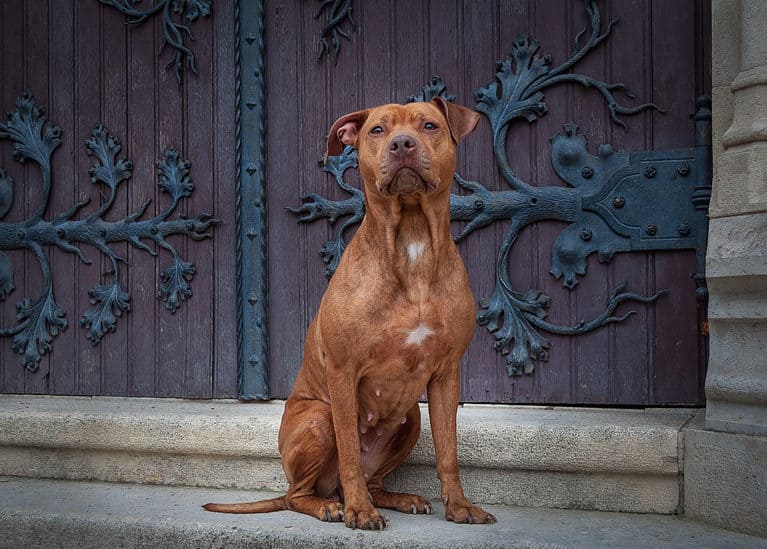
Red Nose Pit Bull in Front of Large Door

Male red nose pit bulls can stand anywhere from 18 to 22 inches tall.

Red nose pit bulls are stocky and robust dogs. They are medium-sized with ample muscles and a very agile appearance. These dogs have large, angular heads and a powerful set of jaws. Red nose pit bulls are similar in size to other American Pit Bull Terriers; their size is determined by breeding lines rather than nose color.

Male red nose pit bulls are around 18 to 22 inches tall and weigh 30 to 65 pounds. They are larger than the females, who are 17 to 20 inches tall and weigh 30 to 50 pounds.

Common Health Issues

Red nose pit bulls are sturdy dogs that don’t suffer from as many health problems as some other types of dogs, as long as they are taken care of. However, due to their physique, these pit bulls are prone to some health issues.

Because red nose pit bulls are muscular and have a stocky frame, their weight can put a strain on their leg joints and ligaments. This can cause wear and tear and eventually lameness. One way to prevent this is by ensuring your dog does not overfeed.

Red nose pit bulls can also suffer from hip dysplasia, skin infections, cataracts, ear infections, and congenital or acquired heart conditions.

Temperament

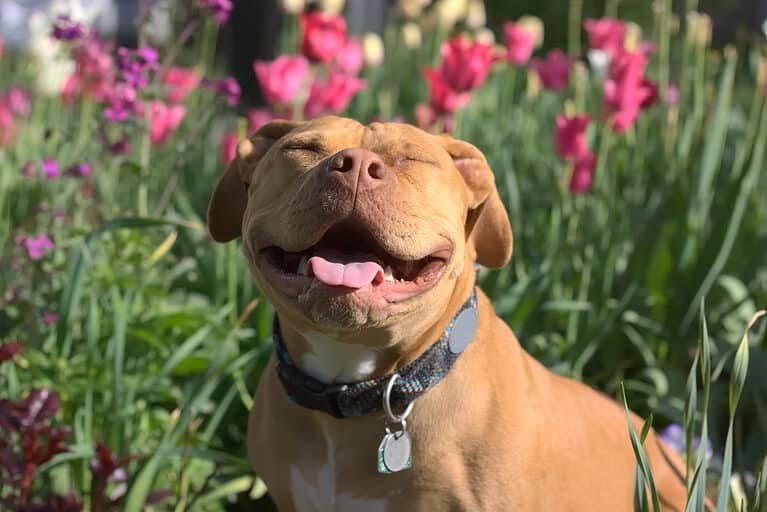
Red nose pit bulls have a friendly temperament and warm disposition toward their family members. They are known to be sweet and caring dogs. Although some people still believe these dogs are naturally aggressive, all dogs have the potential to be so unless properly cared for. When a red nose pit bull is raised in a loving home, it will be an ideal house pet.

Red nose pit bulls are expressive with their facial expressions and vocalization. They are good communicators and will bark, whine, and scream to get your attention. However, this doesn’t mean they are noisemakers.

Because of their violent history in bullbaiting and dogfighting, pit bulls are banned in several countries, such as the United Kingdom, Australia, and several European countries. They are also banned in some parts of the United States. Some pit bull groups actively fight against the stigma these dogs face by proving how lovable and friendly they truly are.

How To Take Care of Red Nose Pit Bull

Red nose pit bulls are easy dogs to maintain, but this doesn’t mean that they don’t have their moments. While grooming them is relatively stress-free, a lot of effort goes into training them, and their upkeep isn’t cheap either.

The Best Dog Food

Your red nose pit bull is from an athletic breed of dogs so its diet should be tailored to meet the needs of an active dog. Because pit bulls are naturally stocky, it’s a common mistake for owners to overfeed them. Your fur baby needs more protein than carbohydrates to maintain its muscle without putting on excess weight in fat. If you are worried about your red nose pit bull getting overweight, just know that you should still be able to feel your dog’s ribs. The pit bull’s waistline should also remain tapered.

Dry kibble is the best type of dog food for red nose pit bulls because of its high nutrient content. Be sure not to give your dog grainy meals in order to prevent bloating.

Maintenance and Grooming

Red nose pit bulls are very easy to groom and maintain because they have very short, fine fur. Their coat is not hypoallergenic and they shed twice a year during the spring and fall seasons. These red pitties should be brushed two to three times a week and bathed once a month or whenever they get too dirty from playing. Frequent bathing can lead to dry skin and other skin issues for your furry friend.

Because red nose pit bulls are prone to skin infections, they are best washed with organic shampoo. During bathing sessions, you can also check their skin to make sure it is in good condition.

It is also important to keep your dog’s nails trimmed regularly, and to clean their ears and brush their teeth. Red nose pit bulls can be given chewable dental sticks to clean their teeth, or you can use dog toothpaste.

Training

Red nose pit bulls are very intelligent dogs which makes them delightful learners. They pick up cues fast and benefit greatly from a commanding trainer and firm instruction. Because red nose pit bulls tend to be stubborn and strong-willed, you need to establish order by letting them know who is in charge.

These dogs do not like harsh tones or negative reactions such as punishment. They respond well to positive reinforcement, such as giving them praise or treats when they succeed at a task or when they learn a new cue.

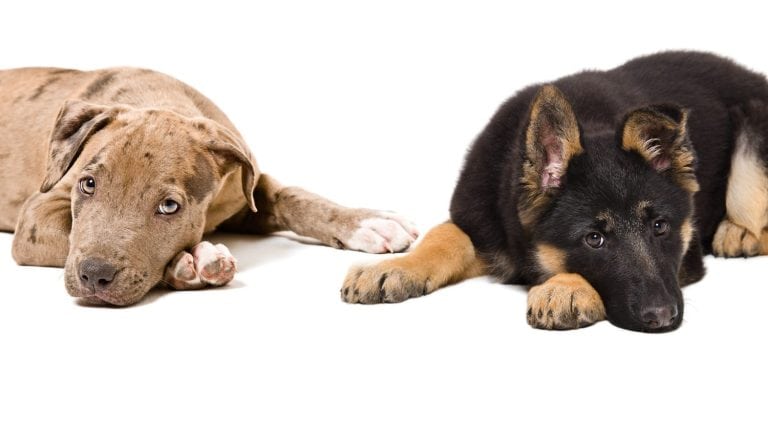
Puppies

Red nose pit bulls are very athletic animals and they require loads of daily exercise to keep themselves fit. If you are considering getting a red nose pit bull, then you better be ready to keep up with their physical demands.

These dogs love to play, run, hike, jog, and jump around. They need at least 60 to 90 minutes of exercise every day. Red nose pit bulls need intensive physical workouts so they don’t get too bored and start destroying things in the house.

These pitties have super strong jaws so they love to chew things up. It’s important to get them a strong chew toy or two to keep your favorite furniture and shoes intact.

Exercise

Red nose pit bulls are very loving animals and crave human attention and companionship. However, the same cannot be said for other dogs. These pups don’t usually like to be around other dogs or animals and can become quite unpleasant when faced with the situation. The best way to remedy this is by introducing them to unfamiliar situations as a puppy and training them to be accommodating of other animals. It is easier for them to make animal friends when they grow up with the animal around in a loving environment.

Best Entertainment

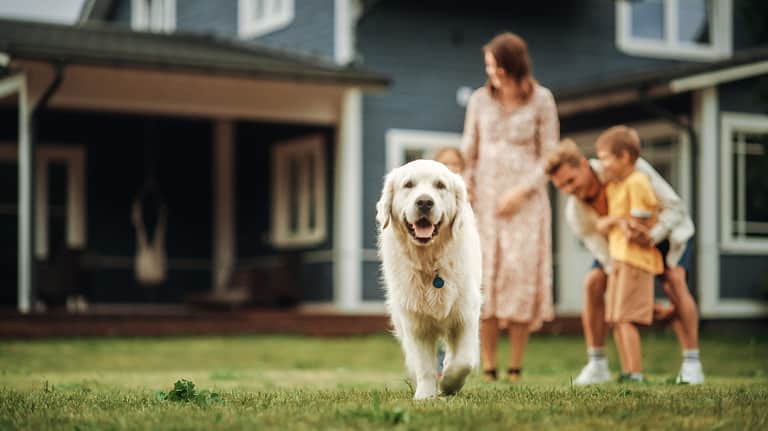
Red nose pit bulls are sociable animals around people and love large families. The more people to play and snuggle with them, the merrier. They are also notoriously fabulous with children, hence their nickname “nanny dogs.” Nevertheless, they should still be trained properly before being left alone with children.

Red nose pit bulls do have living preferences, however, such as space. These are not dogs to get if you live in cramped quarters. They like freedom of movement and need space to exercise and zoom around. They might be able to tolerate your small apartment or house if they are taken outdoors frequently to exercise.

Red nose pit bulls also experience heavy separation anxiety if left alone for more than three to four hours at a time. They tend to exhibit destructive behavior like chewing things and digging. In order to keep them entertained while unattended, they need plenty of toys.

Dogs Similar to Red Nose Pit Bull

  • American Bulldog: American bulldogs and red nose pit bulls are similar because they are both bully breeds. They also have similar features such as strong jaws and stocky bodies.
  • Labrador Retriever: Labradors are generally not territorial dogs. While some red nose pit bulls may also be less territorial, individual temperament and training play a significant role in their behavior. They are also medium-sized dogs used for service work, similar to the red nose pit bull, which is used as a therapy dog.
  • American Staffordshire Terrier: The American Staffordshire terrier is similar to the red nose pit bull because both are pit bulls. The red nose pit bull is generally considered to belong to the American pit bull terrier breed.
View all 181 animals that start with R

Sources

  1. Animal Corner / Accessed January 5, 2023
  2. Wikipedia / Accessed January 5, 2023
Rose Okeke

About the Author

Rose Okeke

Hi! I am a writer, actor, and filmmaker. Reading is my favorite hobby. Watching old movies and taking short naps are a close second and third. I have been writing since childhood, with a vast collection of handwritten books sealed away in a duffel bag somewhere in my room. I love fiction, especially fantasy and adventure. I recently won the James Currey Prize 2022, so now, naturally, I feel like I own words. When I was 11, I wanted to be a marine biologist because I love animals, particularly dogs, cats, and owls. I also enjoy potatoes and chocolate in all their glorious forms.
Connect:

Thank you for reading! Have some feedback for us?


Red Nose Pit Bull FAQs (Frequently Asked Questions)

Yes, in some countries and jurisdictions. In the UK, Australia, and certain parts of the USA, the pitbull is banned under breed-specific laws. This is because the dogs are deemed to be too dangerous for ownership in these areas.