




R
Species Profile

Rottweiler Mix

Canis lupus familiaris

Big heart, bold heritage.
Barry Blackburn/Shutterstock.com

Rottweiler Mix Distribution

Click a location to explore more animals from that region

Origin Location

This map shows the native origin of the Rottweiler Mix. As a domesticated species, they are now found worldwide.

Loading map...

Size Comparison

Human 5'8"
Rottweiler Mix 1 ft 12 in

Rottweiler Mix stands at 35% of average human height.

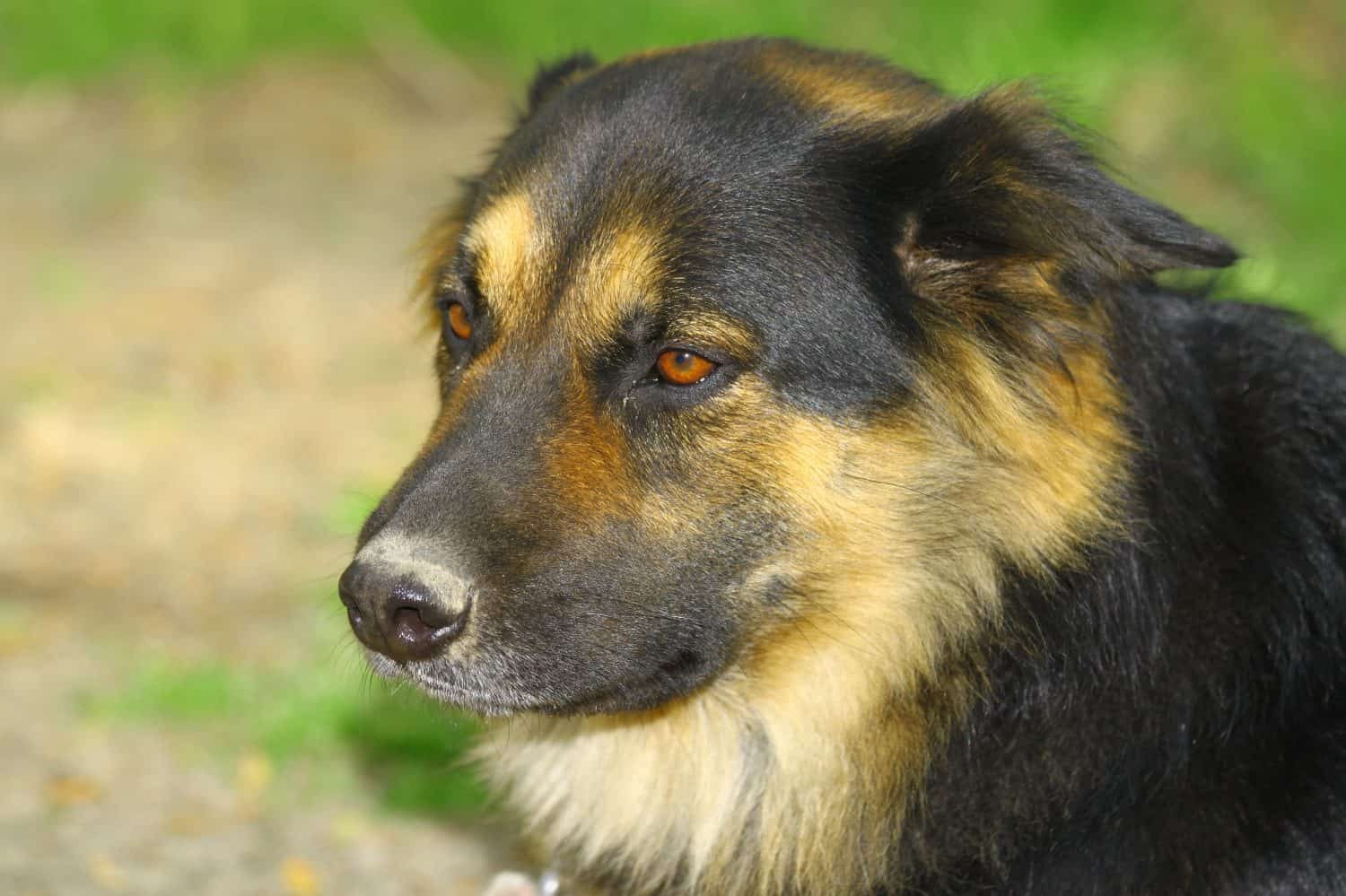
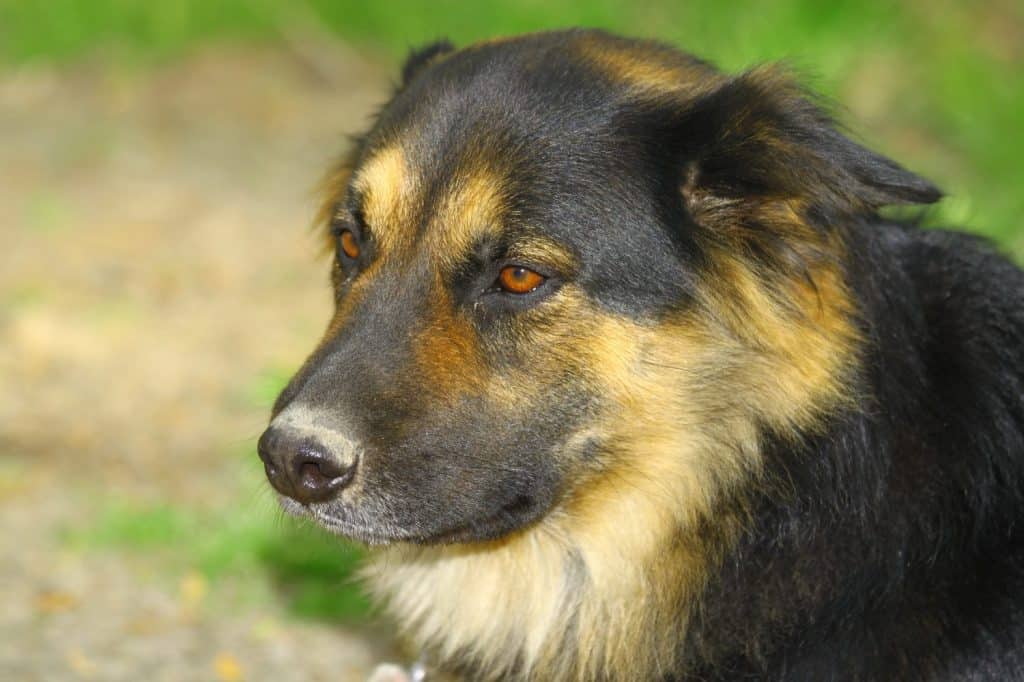
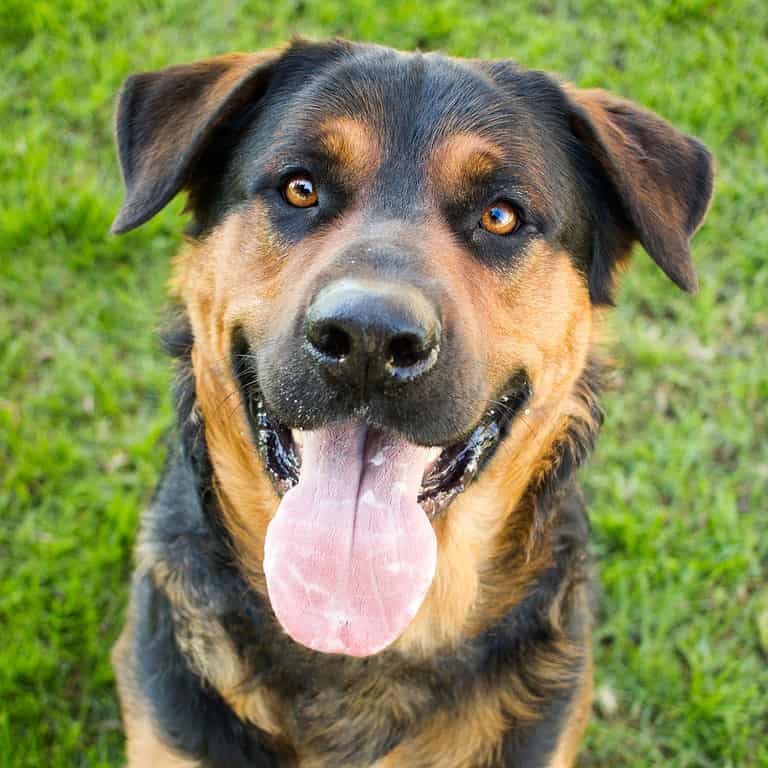
A portrait of Bear the German Shepherd Rottweiler mix outside on a summer day

At a Glance

Domesticated
Also Known As Rottie, Rottie mix, Rott mix, Rottweiler cross, Rottweiler crossbreed, Rottie cross
Diet Omnivore
Activity Cathemeral+
Lifespan 10 years
Weight 55 lbs
Status Not Evaluated
Did You Know?

Because it's a mix, no two "Rottie mixes" are alike-coat, size, and energy can swing widely depending on the other breed(s).

Scientific Classification

A Rottweiler mix is a domestic dog (subspecies of gray wolf) with some proportion of Rottweiler ancestry; appearance and behavior vary depending on the other breed(s) in the cross.

Kingdom
Animalia
Phylum
Chordata
Class
Mammalia
Order
Carnivora
Family
Canidae
Genus
Canis
Species
Canis lupus

Distinguishing Features

  • Medium-to-large, robust build often influenced by Rottweiler lineage
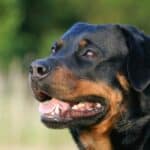
  • Coat commonly black with tan/rust markings, but color/pattern can vary widely
  • Head and muzzle shape variable; may show Rottweiler-like broad skull
  • Temperament and drive vary; many are confident, protective, and trainable with proper socialization

Physical Measurements

Males and females differ in size

Height
♂ 2 ft (1 ft 8 in – 2 ft 4 in)
♀ 1 ft 10 in (1 ft 7 in – 2 ft 1 in)
Length
♂ 3 ft 8 in (2 ft 11 in – 4 ft 3 in)
♀ 3 ft 3 in (2 ft 7 in – 3 ft 11 in)
Weight
♂ 106 lbs (66 lbs – 143 lbs)
♀ 71 lbs (49 lbs – 99 lbs)
Tail Length
♂ 1 ft 2 in (10 in – 1 ft 6 in)
♀ 11 in (8 in – 1 ft 2 in)
Top Speed
28 mph
running

Appearance

Primary Colors
Secondary Colors
Skin Type Canine skin with variable pigmentation; coat typically short-to-medium, often dense double coat; shedding moderate to heavy seasonally.
Distinctive Features
  • Mixed-breed domestic dog (Canis lupus familiaris) with variable appearance based on non-Rottweiler parentage.
  • Often inherits a broad head, strong jaw, deep chest, and muscular build from Rottweiler ancestry.
  • Muzzle length varies from medium to slightly shortened; ears may be dropped, semi-pricked, or pricked.
  • Tail carriage varies; may be long and tapering, with medium thickness and moderate feathering.
  • Coat commonly short and close; some mixes have longer guard hairs or thicker undercoat.
  • Distinguishing from base gray wolf: more variable coloration and size, less uniform proportions, typically broader skull and shorter muzzle.
  • Health concerns (variable): hip/elbow dysplasia risk, cruciate ligament injury, obesity, allergy/dermatitis, and dilated cardiomyopathy in some lines.
  • Care requirements: maintain lean weight, daily exercise and enrichment, early socialization/training, routine joint/heart screening, and regular brushing during shedding seasons.

Sexual Dimorphism

Males are typically taller, heavier, and more broad-headed with thicker neck and chest. Females are usually smaller and lighter-boned, though size and proportions can vary widely with the other breed(s) in the mix.

♂
  • More pronounced musculature, especially neck and shoulders
  • Broader head and thicker muzzle
  • Heavier bone and larger paws
♀
  • Slightly finer head and lighter overall build
  • Narrower chest and less neck thickness
  • Often marginally smaller height and weight range

Did You Know?

Because it's a mix, no two "Rottie mixes" are alike-coat, size, and energy can swing widely depending on the other breed(s).

Many inherit the Rottweiler's classic black-and-tan points, but mixes can also be brindle, sable, solid black, or long-coated.

Rottweilers historically worked as drovers' dogs and butchers' guardians-some mixes still show strong "watchdog" instincts.

A well-bred, well-trained Rottweiler mix often excels in scent work, obedience, and search-style games due to intelligence and persistence.

Rottweiler ancestry can contribute a broad head and strong jaw; pairing with lighter breeds can produce a more athletic, endurance-focused body type.

Socialization windows matter: early positive exposure can strongly shape an adult Rottweiler mix's confidence and friendliness.

Unique Adaptations

  • Domestic dog versatility (Canis lupus familiaris): compared with the gray wolf (Canis lupus), Rottweiler mixes are shaped by human-directed selection for bonding, trainability, and living in human environments.
  • Power-and-control build from Rottweiler lineage: many mixes inherit dense bone, strong neck/shoulders, and pulling power-useful historically for carting/droving and today for strength-based sports (with safe conditioning).
  • High pain tolerance/stoicism is reported in some lines; owners should watch closely for subtle signs of injury or orthopedic discomfort.
  • Efficient scavenging digestion typical of domestic dogs: compared with wolves, dogs are better adapted to starch-rich diets due to domestication-related genetic changes; individual tolerance still varies.
  • Flexible problem-solving: many mixes combine Rottweiler persistence with traits like herding, retrieving, or hound scenting from the other parent breed(s), producing diverse "working styles."

Interesting Behaviors

  • "Leaning" or full-body contact: many Rottweiler-heritage dogs seek close physical contact with trusted people.
  • Guardian-style patrolling: repeated routes along fences, doors, or windows, especially after hearing unfamiliar sounds.
  • Focused "check-ins": watching the handler closely and waiting for cues-common in dogs bred for cooperative work.
  • Toy possession and "trophy carrying": picking up objects to move them to a preferred spot, sometimes linked to confidence/ownership behavior.
  • Mouthing and rough play: can appear in adolescence; best redirected to structured tug, chew outlets, and impulse-control games.
  • Suspicion of strangers: some mixes may hold back on first meeting and warm up slowly, particularly without early socialization.

Cultural Significance

Rottweiler mix (mixed-breed domestic dog, Canis lupus familiaris) comes from Rottweil, Germany, where Rottweilers drove cattle and guarded goods. Now common in shelters, they stand for loyalty and guarding and lead to talks about training, adoption, and responsible care and reputation.

Myths & Legends

Butchers' "purse dog" tale (Rottweil, Germany): historical anecdotes describe butchers tying their money pouches to the dog's collar while traveling to market, trusting the dog's intimidating presence to deter thieves.

Roman drover-dog origin story: a long-circulated tradition holds that the ancestors of Rottweilers traveled with Roman legions and cattle herds into Central Europe, later becoming the foundation for the Rottweil butcher's dog type.

Old European watchdog lore: across German-speaking regions, large black guardian dogs were popularly believed to sense ill intent and "hold the threshold," a household-protector motif often attached to formidable working breeds like the Rottweiler.

Modern rescue "second-chance" lore: while not ancient folklore, shelters and working-dog circles often share true-to-life anecdotes of Rottweiler mixes transformed by training-stories that function as contemporary legends reinforcing themes of loyalty, redemption, and responsible handling.

Conservation Status

NE Not Evaluated

Has not yet been evaluated against the criteria.

Population Stable

Life Cycle

Birth 6 pups
Lifespan 10 years

Lifespan

In the Wild
8–12 years
In Captivity
8–14 years

Reproduction

Mating System Polygynandry
Social Structure Managed Domestic
Breeding Pattern Transient
Fertilization Internal Fertilization
Birth Type Internal_fertilization

Females typically enter estrus about every 6-12 months and may accept multiple males; males can mate with multiple females. In Rottweiler mixes, breeding is usually human-managed (mate selection, timing, confinement), with no lasting pair bond.

Behavior & Ecology

Social Pack Group: 4
Activity Cathemeral, Diurnal, Crepuscular
Diet Omnivore Meaty, high-protein foods-especially beef or chicken (often highly palatable to Rottweiler-influenced mixes).

Temperament

Species context (domestic dog): highly social, human-attuned, cooperative; behavior shaped by learning and environment.
Distinguishing breed-mix tendency: Rottweiler-leaning mixes often more territorial, confident, and guard-inclined than average dogs.
HUBS: across Rottweiler mixes, common pattern is strong bonding + alertness; variation from easygoing to intense drive.
Generally loyal and steady with familiar people; may be reserved or suspicious with strangers without early exposure.
Can be tolerant and affectionate with family; supervision recommended with young children due to size/strength and herding/guarding impulses.
Dog-dog sociability varies widely; some are neutral/selective, others highly social depending on the other breed(s).
Trainability: typically responds well to structured, reward-based training; needs clear boundaries and consistency.
Behavior risks if under-stimulated: nuisance barking, leash reactivity, resource guarding, destructiveness, or anxiety.
Care requirements: daily aerobic exercise plus mental work (obedience, scent games, tracking, tug with rules).
Management: early socialization (people/dogs/environments), muzzle training, and secure fencing reduce conflict risks.
Health concerns seen in many large mixes: hip/elbow dysplasia, cruciate ligament injury, obesity; monitor weight and joint load.
Additional breed-associated concerns (variable): cardiac issues (e.g., subaortic stenosis), osteosarcoma risk in large-bodied lines; regular vet screening.
Grooming/care: short-to-medium coat usually low-maintenance; prioritize nail care, dental care, and ear checks.

Communication

Bark: alert/territorial warning; intensity varies by confidence and arousal.
Growl: distance-increasing signal; may precede guarding or discomfort.
Whine: attention-seeking, frustration, or anxiety.
Howl/woo: occasional long-range or excitement vocalization in some mixes.
Body posture: forward-leaning stance, raised hackles, stiff tail can signal vigilance or threat.
Facial signals: lip licking, yawning, averted gaze indicate stress; hard stare indicates challenge.
Scent marking: urine marking and ground sniffing for territorial and social information.
Touch/leaning: 'Rottie lean' common in Rottweiler-type dogs; affiliative contact with trusted people.
Play signals: play bow, bouncy gait; may use body checks-teach appropriate play manners.
Resource displays: hovering over food/toys, freezing; early training can prevent escalation.

Habitat

Biomes:
Temperate Forest Temperate Grassland Mediterranean Savanna Tropical Rainforest Tropical Dry Forest Desert Hot Desert Cold Boreal Forest (Taiga) Tundra Alpine Freshwater Wetland Marine +8
Terrain:
Mountainous Hilly Plateau Plains Valley Coastal Island Riverine +2
Elevation: Up to 16404 ft 3 in

Ecological Role

Human-associated mesopredator/omnivore in domestic ecosystems; primarily a companion/guardian animal with opportunistic predation when unmanaged.

companion and guarding roles that alter local wildlife/human interactions incidental rodent control when roaming scavenging/consumption of human food waste when access is available (typically undesirable and managed)

Diet Details

Main Prey:
Animal proteins Small mammals Birds Invertebrates
Other Foods:
Carbohydrate sources in commercial diets Vegetables Fruits Grasses and plant matter

Human Interaction

Domestication Status

Domesticated

Rottweiler mix (Canis lupus familiaris) is a mixed-breed dog with Rottweiler ancestry. Dogs come from gray wolves and were shaped by humans for behavior and work. Rottweiler mixes often have a strong build, are protective, and have a high work drive, though traits vary. They are pets, guards, working dogs, and may face local rules.

Danger Level

Moderate
  • Bite risk increases with poor socialization, fear, pain, inadequate supervision around children, or coercive handling
  • High strength and mass can cause injury via jumping, pulling, or knocking people over
  • Potential for dog-directed aggression or territorial/protective responses in some individuals (varies by mix and upbringing)
  • Resource guarding may occur; requires training and management
  • Public safety risk is strongly influenced by owner management (leashing, containment), early socialization, and appropriate training

As a Pet

Suitable as Pet

Legality: Generally legal as a pet in most jurisdictions; however, some cities/HOAs/landlords/insurers impose restrictions on Rottweilers or "Rottweiler-type" mixes (breed-specific legislation, weight/size limits, or mandatory muzzling/leashing). Verify local ordinances, housing rules, and insurance policy terms.

Care Level: Experienced

Purchase Cost: Up to $800
Lifetime Cost: $18,000 - $55,000

Economic Value

Uses:
Companion animal Working/guard dog roles Service/therapy potential (individual-dependent) Sport/competition (obedience, rally, tracking, protection sports) Rescue/shelter adoption ecosystem
Products:
  • training services (basic manners, reactivity management, advanced obedience)
  • pet insurance and veterinary services (preventive care, orthopedic management)
  • equipment (secure leash/harness, crate, fencing, muzzle where required)
  • food and supplements (large-breed diets; joint-support as advised)
  • grooming supplies (brushes, nail care)

Relationships

The Rottweiler needs no introduction; the whole world is familiar with this breed, and unfortunately, it doesn’t have the best reputation. But one should never judge a book by its cover; if you flip the page over, you might be pleasantly surprised. This breed was once a hard-working dog used to pull carts, but now their main purpose is companionship. They are strong, loyal, and friendly. There’s no surprise, then, that many reputable breeders use them to create new hybrids. Therefore, the offspring retain the Rottie’s best features but with a twist. So, if you are a Rottweiler lover looking for something new, look no further! Several Rottweiler mixes might pique your interest. This article will focus on the German Rottie (Rottweiler and German Shepherd mix), but first, look at some other popular hybrids.

Types of Rottweiler Mixes

The Rottweiler may look intimidating, but they are actually a lovable goofball. And by bringing another breed into the mix, breeders can create something even better! But decide for yourself; here are five of the most popular Rottweiler mixes.

Rottsky (Rottweiler and Husky Mix)
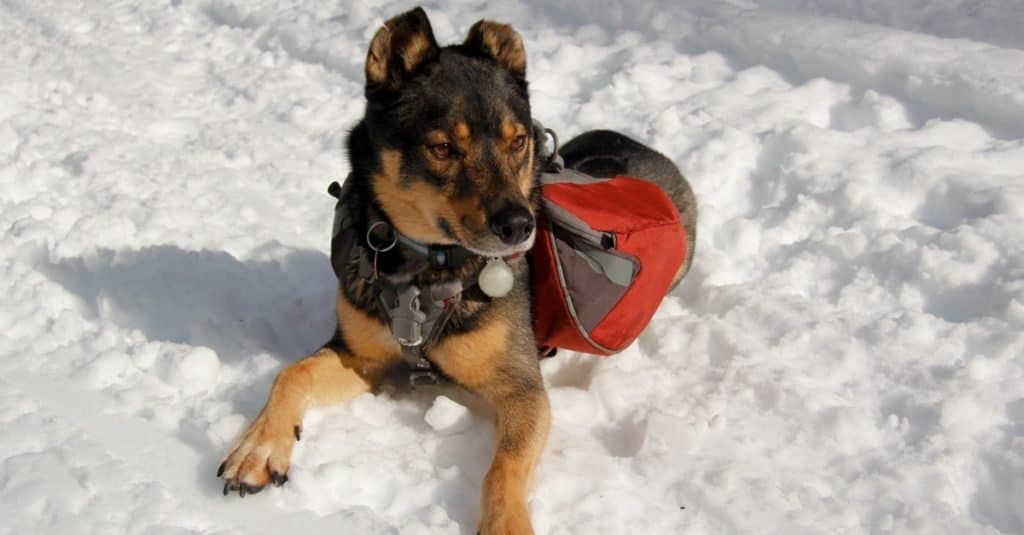
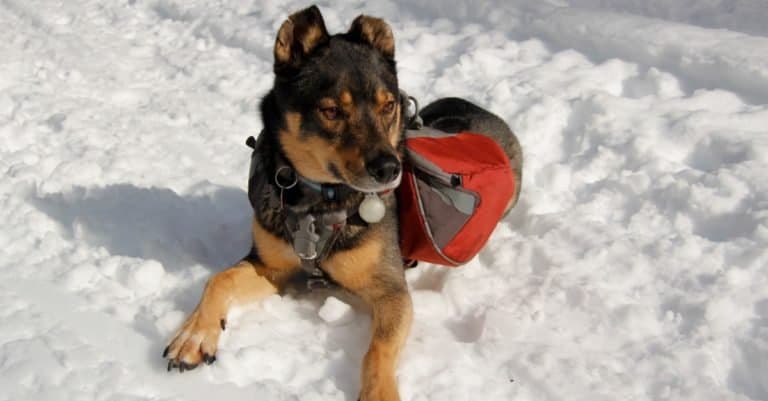
Mixed breed Rottweiller Husky, Rottsky, rescue dog with backpack plays outside in snow.

The Rottsky has tons of energy and will need wide open spaces to run and play.

The Rottsky is an incredibly active dog that needs a job and plenty of exercise to keep them busy and out of mischief. This Rottweiler mix is ideal for a large family or a property with lots of space to run and play. They can come in any color that occurs in either parent breed, but usually inherit the Rottweiler’s wide head and broad snout.

Golden Rottie (Golden Retriever and Rottweiler Mix)
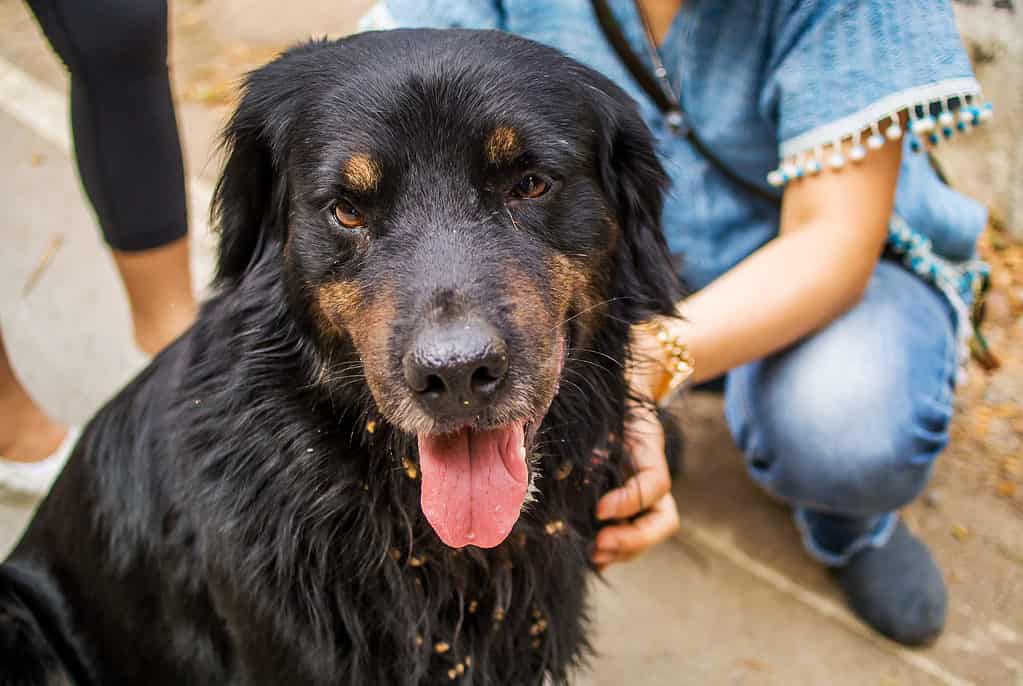
Golden Rottie with its tongue out

The golden Rottie is a friendly dog that loves human attention.

The Golden Rottie usually takes after the Golden retriever when it comes to its body shape and love of water. However, they generally inherit the Rottweiler’s coloring and expressive eyes. Additionally, this hybrid is incredibly friendly and loves being surrounded by people.

Boxweiler (Boxer and Rottweiler Mix)
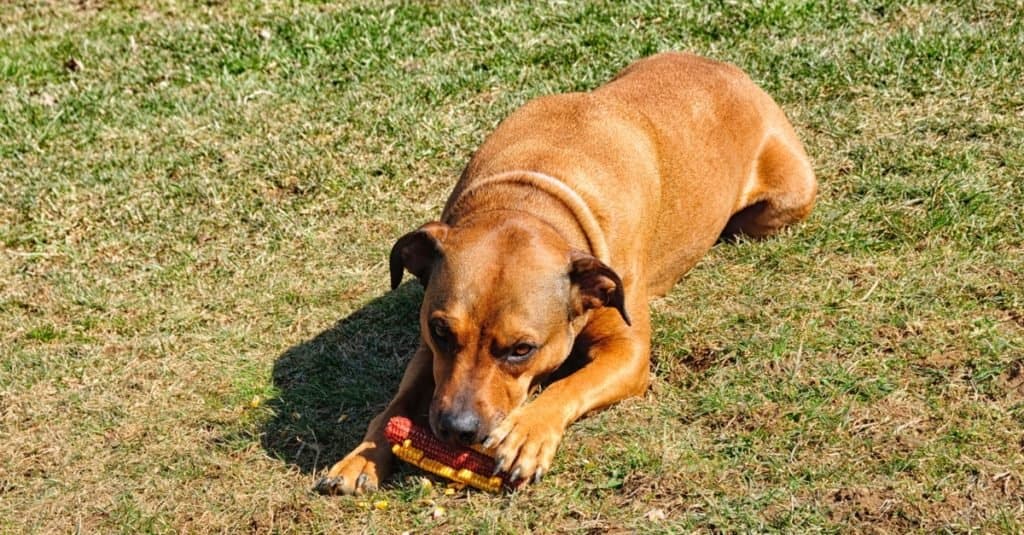
Boxweiler, Rottweiler and Boxer mixed-breed dog eating corn

Boxweilers have a stubborn streak, making them challenging to train.

The Boxweiler is an impressive short-haired Rottweiler that requires very little maintenance and grooming. They are a large dog breed weighing over 100 pounds and come in multiple colors, including brown, black, fawn, and white. They may be challenging to train because of their stubborn nature, but Boxweilers make terrific watchdogs and are extremely affectionate with loved ones.

Rotterman (Rottweiler and Doberman Pinscher Mix)
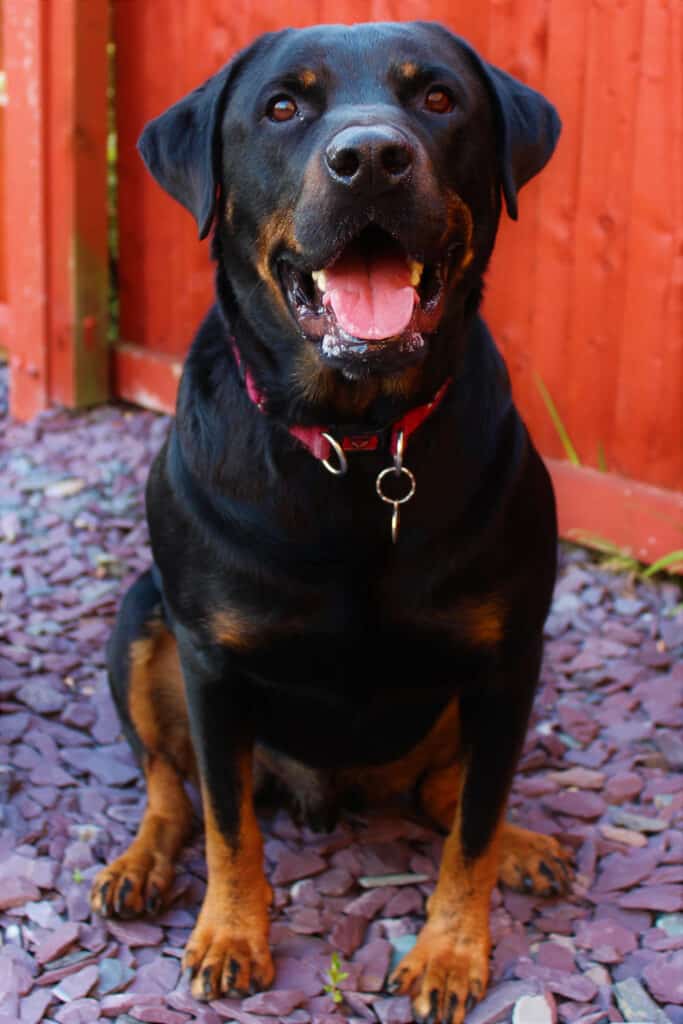
Rotterman

While their parent breeds are notorious for being aggressive, the Rotterman is very affectionate, loyal, and protective.

The Rotterman is a powerful breed, which helps with its guard dog persona. However, they are also highly intelligent, making them ideal for law enforcement and rescue work. But most owners keep them as companions because their affectionate nature is intoxicating. Additionally, they are great with older children. The Rotterman falls into the large dog category, as they typically weigh between 65 and 100 pounds and come in colors such as black, brown, fawn, red, and rust.

Bullweilier (Rottweiler and Bulldog Mix)
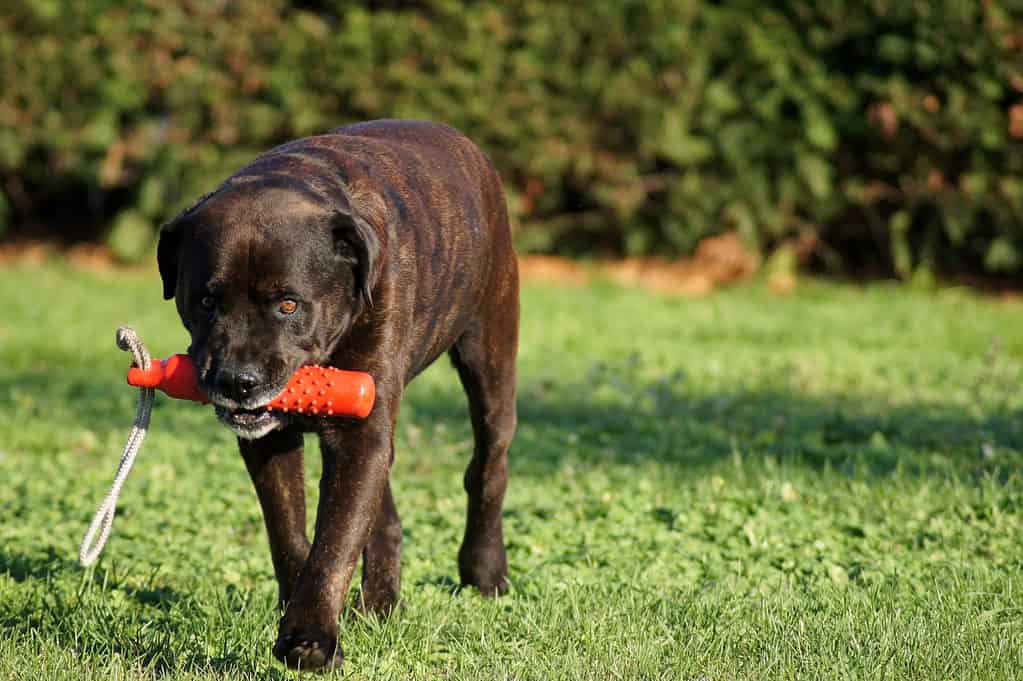
Bullweiler carrying a toy

Bullweilers are a cross between a bulldog and a Rottweiler.

The bullweiler is a very friendly and loving breed. They are considered large-sized dogs, typically weighing between 60 and 100 pounds. However, grooming these gentle giants is easy, as their short, stiff fur only needs a brush every other day to get rid of the loose hairs and spread the natural oils on their skin. The bullweiler is good with children and other pets as long as they are socialized from a young age.

Pros and Cons of Owning a Rottweiler Mix

ProsCons
German Rotties make excellent guard dogsThey need a lot of outdoor space to run and play
They are terrific companionsNot suitable for seniors or inactive individuals, as they have a high-energy drive
These dogs are highly intelligent and easy to trainGerman Rotties are heavy shedders

The Best Dog Food for a Rottweiler Mix

It is essential to feed your German Rottie the proper diet to maintain its impeccable health and physique. Additionally, this Rottweiler mix puts on weight quickly and is prone to obesity, so keeping them on a strict exercise and diet routine is important to avoid health complications. Given that the German Rottie is a big dog, regular dry dog food won’t meet its nutritional needs. Brands have different recipes for big dogs, so ensure to buy dog food specifically formulated for large breeds. However, they have different needs at certain stages of their lives. For example, when they are pups, owners must ensure they buy high-quality dog food formulated for puppies.

As the German Rottie is the offspring of the German Shepherd and the Rottweiler, it needs a diet high in protein. So, check the ingredients if you are still unsure which food to buy for your hybrid. If meat is not the first ingredient on the list, it does not have enough protein to satisfy your Rottweiler mix. It’s always best to invest in top-quality dog foods as they provide a better source of nutrients, keeping your pup healthier and saving you money on vet bills.

Rottweiler Mix Size and Weight

The German Rottie is a large-sized dog. For example, they grow 22 to 27 inches tall and weigh between 75 and 115 pounds. Additionally, males are typically larger than females, as is common in both parent breeds.
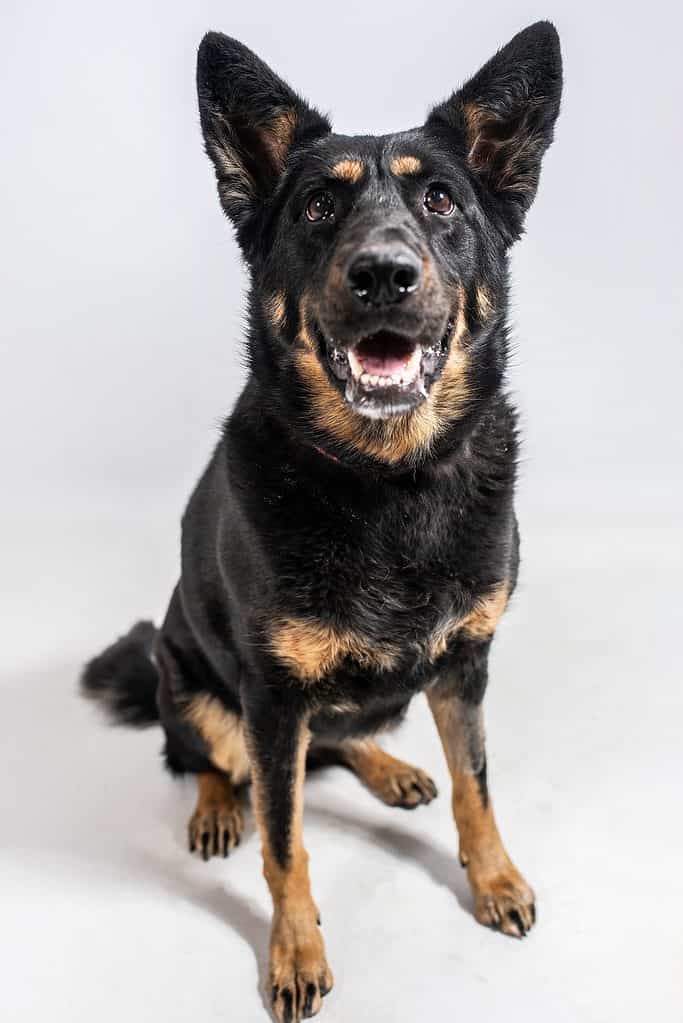
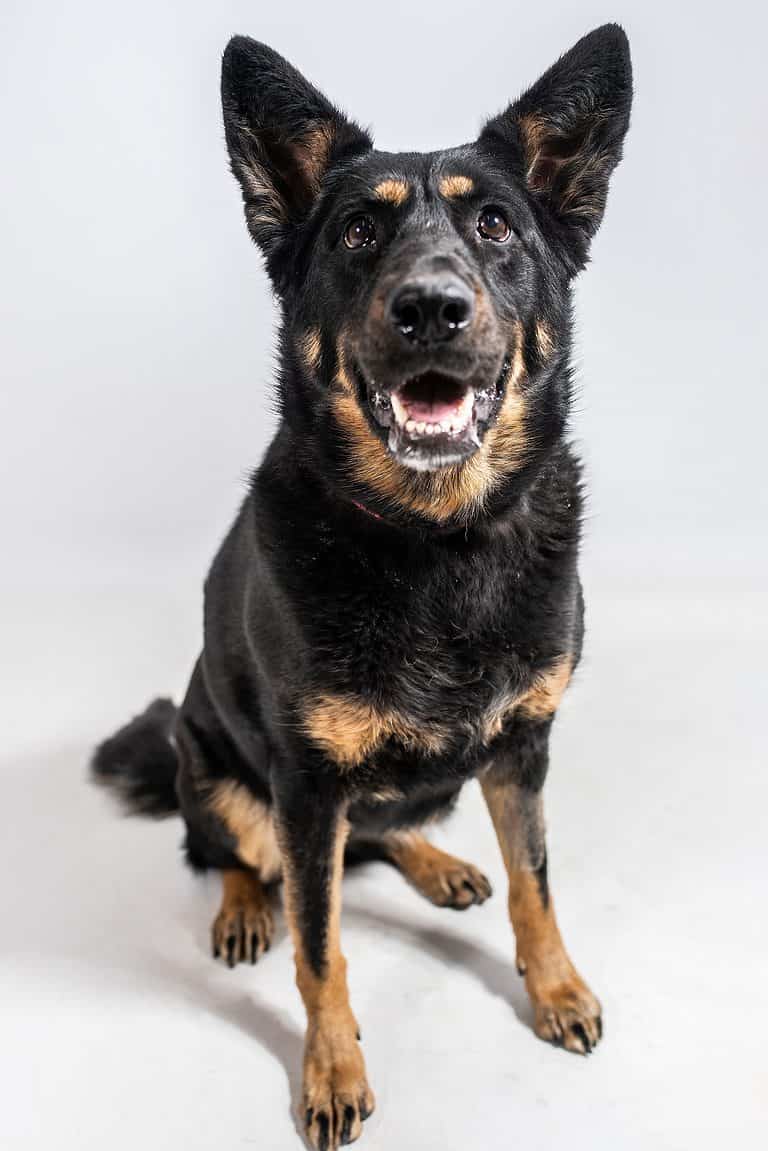
German Rottie isolated

German Rotties are a combination of a German Shepherd and a Rottweiler.

Rottweiler Mix Common Health Issues

While this Rottweiler mix is strong and relatively healthy, they can inherit some of their parent breed’s health conditions. So, if you want to adopt or already have a German Rottie, be on the lookout for symptoms of the following diseases:

  • Heart Disease
  • Cancer
  • Eye Disease
  • Hypothyroidism
  • Allergies
  • Hip and Elbow Dysplasia
  • Autoimmune Diseases

However, most of these conditions can be prevented or treated as long as owners catch them early enough. To put your mind at ease, it is possible to ask your trusted veterinarian to do a DNA test on your pup to determine if they have inherited any hereditary diseases. Furthermore, you must vaccinate your hybrid to ensure they don’t pick up conditions that could be avoided.

Life Expectancy

Your German Rottie can live a long and happy life with proper care. In fact, these massive dogs have a lifespan of around 10 to 15 years!

Rottweiler Mix Temperament

The German Rottie’s temperament can only be described as protective, loyal, and dedicated. This Rottweiler mix is devoted to its loved ones and usually forms a strong bond with its primary caregiver. While many people see them as aggressive or aloof because of their intimidating appearance, they are actually really affectionate and loving.

However, if you want a well-behaved dog, you must ensure that you provide your German Rottie with plenty of exercise. Once they have gotten all their excess energy out, they are happy to cuddle up with their owners or play around with the children and their toys. You might notice that this hybrid follows you around and hardly ever leaves your side; this is their protective nature kicking into overdrive. So naturally, they want to make sure you are safe.

Due to their superior intellect, the German Rottie also needs a lot of mental stimulation. So, if they do not receive enough mental and physical stimulation, they may start to display destructive behavior to get your attention.

How to Take Care of a Rottweiler Mix

This Rottweiler mix is relatively easy to care for, as they have short fur and are generally healthy. However, they do require some care, which includes:

Grooming

The German Rottie has different grooming requirements, as some can inherit the German shepherd coat, while others take after the Rottweiler and have short fur. Therefore, German Rotties with long coats will shed more and require daily brushing. However, if they have short coats, you will only need to brush them once or twice a week.

Bathing is a different story. Dogs have natural oils on their skin that keep it vitalized and healthy. Therefore, if you wash away these oils regularly, your dog’s skin will become dry, irritated, and flaky. In addition, the loss of natural oil will reduce the luster of its fur. So, only bathe your German Rottie when absolutely necessary.

Oral health is also important and often overlooked. To keep your Rottweiler mix’s teeth and gums healthy, brush them at least three times a week with dog-friendly toothpaste.

Lastly, take your German Rottie to a professional groomer every three months to have its nails clipped and ears cleaned. It’s best not to do this at home, as dogs can get hurt if you don’t know what you are doing. For example, cutting too much of their nail off is severely painful for dogs and will cause bleeding.

Training

Thanks to the German Rottie’s hard-working nature and intellect, they are easy to train. However, some have a stubborn streak but can’t resist a delicious treat awarded for good behavior. Therefore, training this hybrid with plenty of patience and positive reinforcement will be a breeze. However, trainers must not yell or hit them (or any breed). If your dog fears you, it could result in destructive or aggressive behavior.

Exercise

The German Rottie has a lot of energy to burn. They need at least 60 minutes of exercise each day, but two hours is preferred. Therefore, an hour’s walk and a game of fetch afterward are ideal. But it doesn’t stop there; they will need a large yard where they can run around. The more time they spend on activities, the less time they have to get up to mischief.

Puppies

German Rotties can have litters of 6 to 10 puppies, though larger litters are possible. These pups are balls of energy and require tons of supervision! Ensure to use a reputable breeder when looking for one of these hybrids. Whatever you do, do not purchase a German Rottie from a backyard breeder or pet store! These pups have not been screened for any health concerns and may be sickly. If you can’t find a breeder close to you, try looking at Rottweiler or German Shepherd rescues, as they often save mixed breeds.
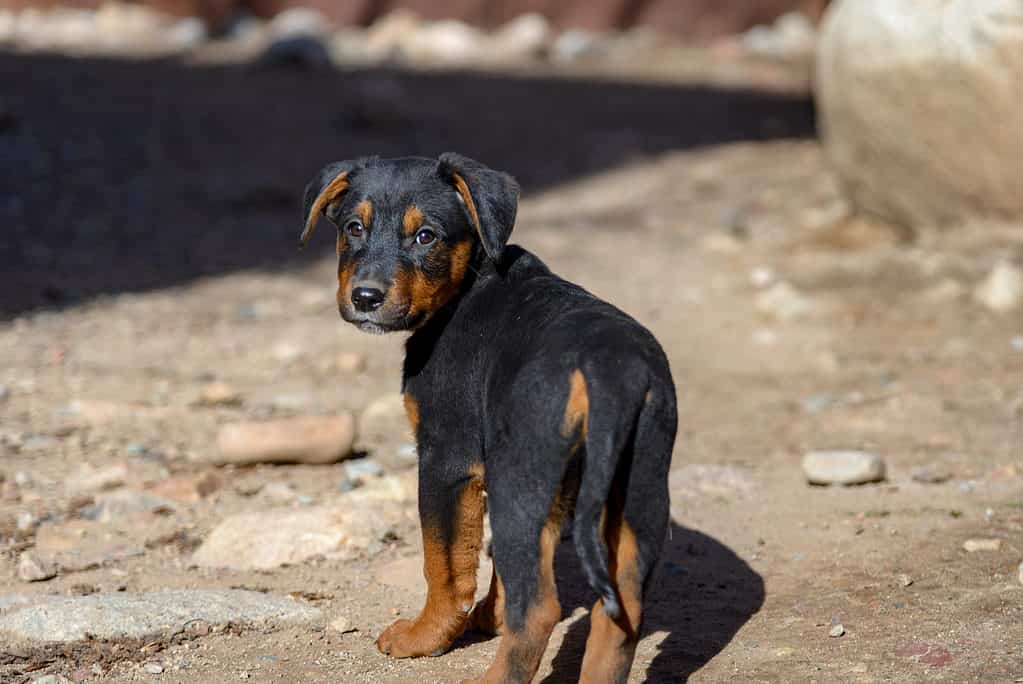
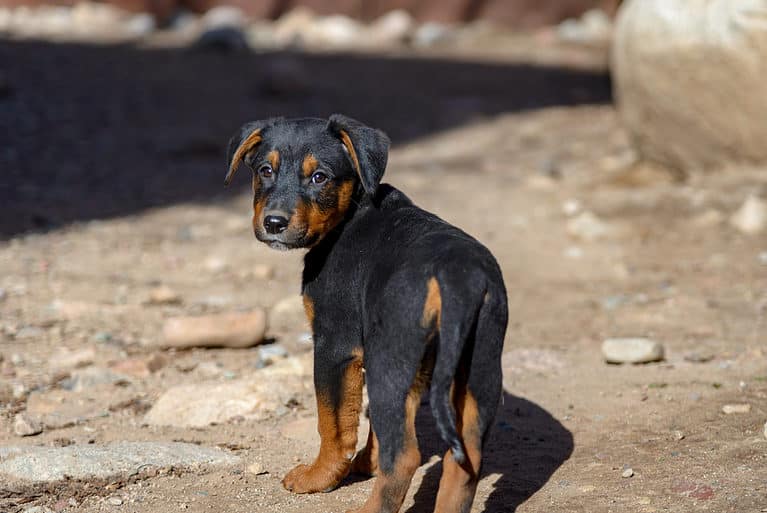
German Rottie puppy

German Rotties are active dogs and need at least 60 minutes of exercise daily.

Rottweiler Mix and Children

Keeping the German Rottie around younger children is always a gamble. Because of their massive size, they could easily injure a small child by accident. But they are actually great with children and very affectionate. So, if you plan on adopting one of these beauties and have small kids, ensure to socialize the dog properly before it gets too big.

Rottweiler Mix Cost

When purchasing a German Rottie from a reputable breeder, the cost varies between $250 and $800, depending on the pedigree, location, and breeder.

Dogs similar to the Rottweiler Mix

View all 181 animals that start with R

Sources

  1. Pet Keen / Accessed January 13, 2023
  2. Dog Academy / Accessed January 13, 2023
  3. Alpha Paw / Accessed January 13, 2023

Chanel Coetzee

About the Author

Chanel Coetzee

Chanel Coetzee is a writer at A-Z Animals, primarily focusing on big cats, dogs, and travel. Chanel has been writing and researching about animals for over 10 years. She has also worked closely with big cats like lions, cheetahs, leopards, and tigers at a rescue and rehabilitation center in South Africa since 2009. As a resident of Cape Town, South Africa, Chanel enjoys beach walks with her Stafford bull terrier and traveling off the beaten path.
Connect:

Thank you for reading! Have some feedback for us?


Rottweiler Mix FAQs (Frequently Asked Questions)

Rottweilers come from the Molossus, a mastiff-type dog and from the Italian Mastiff.