
B
Species Profile

Black Mouth Cur

Canis lupus familiaris

Dark muzzle. Bright work ethic.
DHarrelson/Shutterstock.com

Black Mouth Cur Distribution

Click a location to explore more animals from that region

Origin Location

This map shows the native origin of the Black Mouth Cur. As a domesticated species, they are now found worldwide.

Loading map...

Size Comparison

Human 5'8"
Black Mouth Cur 1 ft 9 in

Black Mouth Cur stands at 31% of average human height.

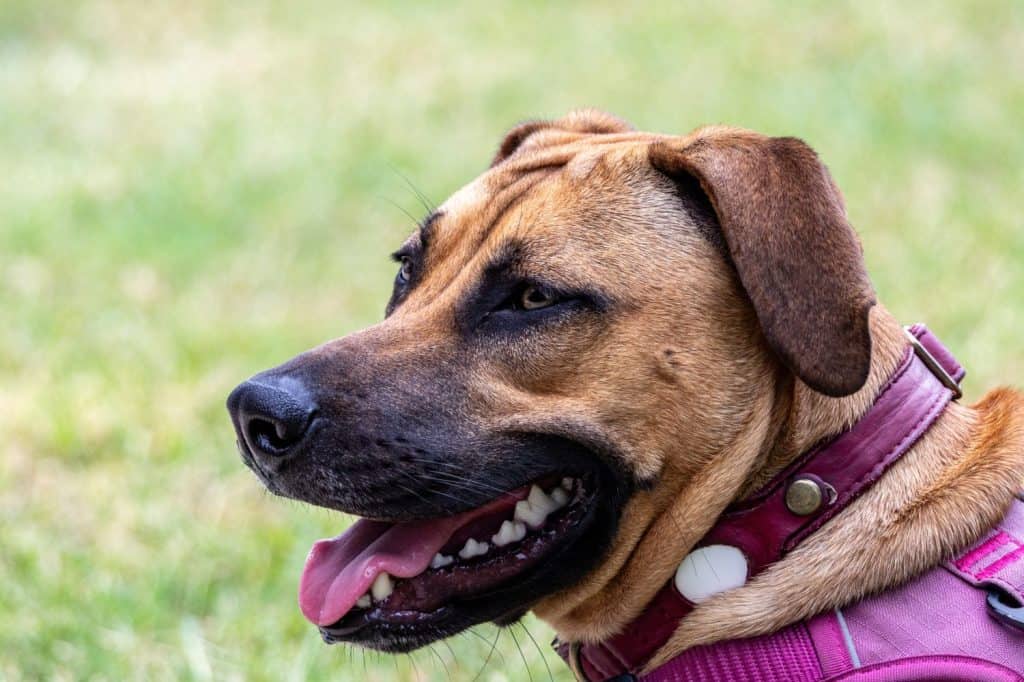
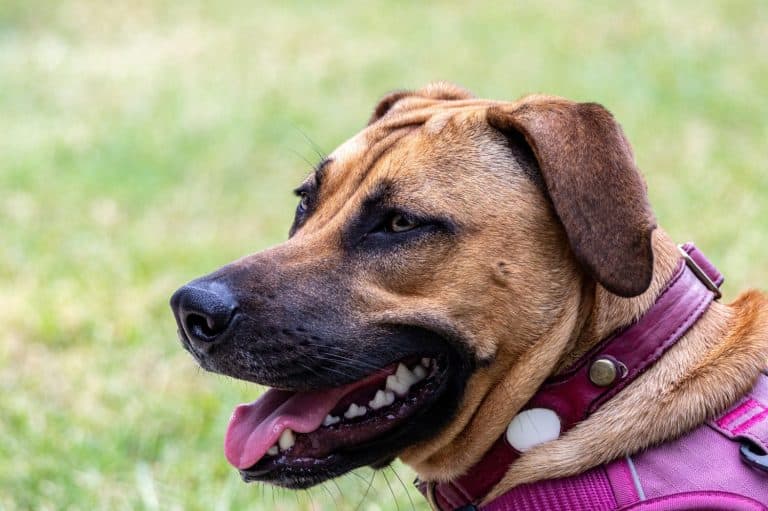
close up of a black mouth cur dog

At a Glance

Domesticated
Diet Omnivore
Activity Diurnal+
Lifespan 5 years
Weight 43 lbs
Status Not Evaluated
Did You Know?

"Cur" historically meant a practical working farm dog type, not a single standardized breed; Black Mouth Cur is often treated as a landrace of the domestic dog (Canis lupus familiaris).

Scientific Classification

The Black Mouth Cur is an American cur-type working dog (domestic dog) traditionally used for hunting, herding, and general farm work. It is typically recognized as a breed/landrace rather than a separate wild species.

Kingdom
Animalia
Phylum
Chordata
Class
Mammalia
Order
Carnivora
Family
Canidae
Genus
Canis
Species
Canis lupus

Distinguishing Features

  • Characteristic dark/black pigmentation on the muzzle (the “black mouth”)
  • Short to medium coat; commonly yellow/tan/fawn, sometimes brindle or other colors depending on lineage
  • Athletic, muscular, general-purpose working-dog build
  • Historically selected for performance (hunting/stock work) more than strict uniform appearance

Physical Measurements

Males and females differ in size

Height
♂ 1 ft 10 in (1 ft 7 in – 2 ft 1 in)
♀ 1 ft 7 in (1 ft 4 in – 1 ft 9 in)
Weight
♂ 71 lbs (51 lbs – 90 lbs)
♀ 46 lbs (35 lbs – 60 lbs)
Tail Length
♀ 1 ft 2 in (12 in – 1 ft 4 in)
Top Speed
28 mph

Appearance

Primary Colors
Secondary Colors
Skin Type Mammalian canine skin with short-to-medium, dense coat; typically a tight, weather-resistant working coat (can appear sleek in hot climates or slightly thicker seasonally).
Distinctive Features
  • Domestic dog (Canis lupus familiaris) working breed/landrace from the Southern United States; not a separate wild species and not uniformly kennel-standardized across all lines.
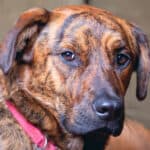
  • Key ID feature: black or very dark muzzle pigmentation (often with dark lips, nose, and eye rims); mask usually contrasts with tan/yellow/red/brown body coat.
  • Athletic, utilitarian build for hunting (e.g., hog/squirrel), herding cattle, and general farm guardian work; deep chest, strong shoulders/quarters, and agile movement.
  • Head typically broad with a moderately strong stop; ears commonly medium and drop/pendant; expression alert and focused.
  • Coat usually short to medium and low-maintenance; designed for heat/humidity and brushy terrain typical of the region of origin.
  • Tail length varies by line; may be natural bob, medium, or long-variation reflects landrace breeding and working preference rather than strict conformation rules.
  • Temperament/handling note (appearance-adjacent working context): often intense, driven, and confident; benefits from early socialization and structured training to match high working energy.
  • Care requirements: high daily exercise and mental work (tracking, scent games, structured retrieving, herding-style tasks); secure fencing recommended for high prey drive and roaming tendency in hunting lines.
  • Grooming: weekly brushing usually sufficient; seasonal shedding can increase; routine ear checks important due to drop ears and outdoor work.
  • Some lines can have hip or elbow dysplasia, kneecap problems, ear infections in humid or working conditions, skin allergies, and some eye issues. Responsible breeders screen hips/elbows and prefer sound working structure.
  • Working-wear considerations: paw pad abrasions, minor lacerations, parasites (ticks/fleas), and heat stress risk in hot Southern climates-preventive care and conditioning are important.

Sexual Dimorphism

Moderate sexual dimorphism typical of domestic dogs: males are often slightly taller/heavier with broader head/neck and more robust bone; females tend to be a bit lighter and more refined while remaining athletic and work-capable.

♂
  • Slightly larger overall size with broader skull and thicker neck/forequarters.
  • More pronounced musculature and heavier bone in many working lines.
♀
  • Slightly smaller, often more refined head and lighter frame while maintaining an athletic build.
  • May appear leaner through the waist and chest compared to males.

Did You Know?

"Cur" historically meant a practical working farm dog type, not a single standardized breed; Black Mouth Cur is often treated as a landrace of the domestic dog (Canis lupus familiaris).

The signature look is a black or dark "mask" on the muzzle, which can range from a full mask to a darker shading around the lips and nose leather.

They're famous for "treeing" game-baying to hold animals like squirrels or raccoons at a tree until the hunter arrives.

Many lines were developed for specific jobs in the Southern U.S.: hog hunting, cattle herding, and all-around homestead guarding.

Coats are typically short and weather-tolerant, suiting hot, humid climates common across the South.

They're known for strong loyalty and a protective streak-traits valued for farm and family protection when properly trained and socialized.

Unique Adaptations

  • Heat-and-humidity suitability: short coat and athletic build help them work long days in warm Southern conditions compared with heavier-coated northern breeds.
  • High pain tolerance and grit: selected for tough tasks like hog work and predator deterrence, requiring steady nerves and physical resilience.
  • Versatile drive "blend": many lines combine prey drive (hunting), handler focus (trainability), and defensive confidence (guarding) more strongly than typical companion-bred dogs.
  • Voice use as a tool: baying is functionally selected-communication that helps hunters locate the dog and the held game in dense cover.

Interesting Behaviors

  • Treeing and baying: uses voice and posture to keep game "held" (at a tree or at bay) rather than silently chasing.
  • Range-and-check pattern: many working dogs naturally sweep out to search, then return to check in with the handler.
  • Stock pressure and heel-nipping (in some individuals): instinctive herding behaviors that need channeling into appropriate work.
  • Alert territorial guarding: tends to patrol property lines and respond quickly to unfamiliar sounds or visitors.
  • Problem-solving persistence: will push through brush, heat, and rough terrain to finish a task-great for work, but can lead to mischief if under-stimulated.

Cultural Significance

The Black Mouth Cur is a Southern U.S. cur-dog breed. Practical, multipurpose dogs that help people hunt (squirrel, raccoon, hog), guard livestock, and protect farms. Their value is in reliability, not looks.

Myths & Legends

Southern homestead lore often credits "black-mouthed" curs with saving families by standing their ground against feral hogs or warning of predators at night-stories told to praise a dog's grit and watchfulness.

Breed-origin tales circulate around old Southern lines being kept "pure by work," where only the best hunters and stock dogs were bred-an oral tradition emphasizing performance over paperwork.

Frontier-era anecdotes describe cur dogs as a traveler's companion in the backwoods, valued for finding game and guarding camps, with the dark-muzzled dog becoming a recognizable 'farm cur' image in local storytelling.

Regional stories say the name 'Black Mouth' for the Black Mouth Cur (Canis lupus familiaris) comes from the dark mask many Southern farm working dogs have, used to identify pups and family lines.

Conservation Status

NE Not Evaluated

Has not yet been evaluated against the criteria.

Population Stable

Life Cycle

Birth 6 pups
Lifespan 5 years

Lifespan

In the Wild
3–7 years
In Captivity
10–16 years

Reproduction

Mating System Polygynandry
Social Structure Managed Domestic
Breeding Pattern Serial
Fertilization Managed Selective
Birth Type Managed_selective

Black Mouth Cur mating is managed by people. Dogs can mate with more than one partner by nature, but breeders plan one-time pairings for litters. Fertilization happens inside the mother. Pups are raised by the mother with owner help; helpers rare.

Behavior & Ecology

Social Pack Group: 4
Activity Diurnal, Crepuscular, Cathemeral
Diet Omnivore Meat-forward foods (e.g., beef, chicken, turkey, fish-based diets or treats) with high protein and moderate fat to support heavy work.

Temperament

Working-breed distinction vs base species (domestic dog): typically higher working drive, stamina, and environmental toughness (heat/humidity tolerance and persistence) than many non-working companion breeds; strong purpose-bred tendencies for hunting, herding, and farm guardianship.
Temperament core: loyal, courageous, and people-bonded; often affectionate with family but more reserved or suspicious with unfamiliar people until properly introduced.
High prey drive and chase/track motivation are common; may range and problem-solve independently, which can look like stubbornness without clear training structure.
Trainability: responds best to consistent, reward-based methods with firm boundaries; harsh or inconsistent handling can increase avoidance, defensiveness, or reactivity in sensitive individuals.
Social tendencies: can be dog-selective, especially with same-sex adults; early puppy socialization and continued neutral exposure help reduce friction in multi-dog settings.
Territorial/watchful: likely to alert-bark and investigate changes on property; with inadequate outlets may escalate to nuisance barking or fence-running.
Many cur-type working dogs have high energy, focus on handlers when working, and are independent off-task. Traits vary by line: hunting lines show more prey drive; farm lines more handler checks and stock control.
Care requirements: needs daily vigorous exercise plus a job (scent work, tracking, herding-style games, structured retrieve/tug, obstacle work); without mental work, may develop destructive chewing, digging, or roaming.
Management needs: secure fencing/leash reliability is important due to ranging/prey drive; structured routines and enrichment reduce escape/roam behavior.
Grooming/care: short coat is generally low-maintenance; routine ear care is important (working outdoors increases risk of debris/otitis), plus nail/footpad checks for field work.
Black Mouth Curs can get hip dysplasia and other joint wear, ear infections, skin allergies, and sometimes hypothyroidism. Prevent with healthy weight, joint-safe exercise, and quick skin/ear care.

Communication

alarm barking Territorial/alert
baying/open-mouthed voice during hunting or when holding game Varies by line and training
growling Resource guarding or threat display; should be managed with training
whining/whimpering Attention, frustration, anticipation
howling Less common; can occur with social arousal or separation
body posture and facial expressions Stiffening, forward weight shift, head/neck height
tail carriage and wag style High/fast for arousal; low/slow for uncertainty
ear position Forward for interest; pinned for stress
scent marking Urine marking, ground sniffing trails; strong use during patrol and tracking
pawing/leaning/nudging to initiate interaction with handler
eye contact/check-ins with primary handler when trained for cooperative work
mouthiness/herding-style nips can appear in young dogs; redirected into appropriate outlets and impulse control training

Habitat

Biomes:
Temperate Forest Boreal Forest (Taiga) Tundra Temperate Grassland Mediterranean Desert Hot Desert Cold Alpine Wetland Freshwater Marine Savanna Tropical Dry Forest Tropical Rainforest +8
Terrain:
Hilly Plains Valley Riverine Coastal Rocky
Elevation: Up to 16404 ft 3 in

Ecological Role

Human-associated omnivorous domestic predator/forager; in working contexts acts as a hunting assistant and livestock manager rather than a natural ecosystem apex predator.

pest and varmint control around farms/rural properties (e.g., rodents, raccoons) assistance in sustainable wildlife harvest through hunting/trailing/holding game (breed-typical work) livestock herding/stock management support deterrence of nuisance wildlife and property guarding companionship and working partnership with humans

Diet Details

Main Prey:
Other Foods:
Berries and fruits Non-toxic vegetables Grains and starches Grass

Human Interaction

Domestication Status

Domesticated

Black Mouth Cur (Canis lupus familiaris) is a domesticated dog breed from the rural Southern U.S., made as a working cur for farms and hunting. Bred for high energy, grit, heat tolerance, stamina and versatility (hogs, squirrels, raccoons), herding, and farm protection. Made for work, they form strong bonds with people and are protective.

Danger Level

Moderate
  • Protective/territorial responses if poorly socialized or if strangers enter the home/yard without appropriate introductions
  • High prey drive and arousal can contribute to nipping or redirected bites during intense play, restraint, or hunting-style excitement
  • Potential dog aggression (varies by line/individual), which can indirectly increase human injury risk when breaking up fights
  • Size/strength and athleticism can cause accidental knock-down injuries, especially to children or elderly people
  • Like all dogs, can bite if in pain, startled, resource-guarding, or handled roughly

As a Pet

Suitable as Pet

Legality: Black Mouth Cur (Canis lupus familiaris) is usually legal to own, but local rules (licenses, leashes) and 'pit bull‑type' bans or being mistaken for a pit bull can cause problems. Check city/county, housing, and insurance rules.

Care Level: Experienced

Purchase Cost: $300 - $1,200
Lifetime Cost: $15,000 - $35,000

Economic Value

Uses:
Working/hunting services Livestock management (herding/stock dog) Property and farm utility Companionship Breeding and sales (regional/working lines)
Products:
  • hunting assistance (tracking, baying, treeing game)
  • hog control/management in hunting contexts
  • cattle/stock handling support
  • deterrence/alert barking for farm security
  • stud services and puppy sales (working-line demand)

Relationships

The black mouth cur is a versatile breed in the dog world. American settlers in the South bred it as a combination watchdog, herding dog, and hunting dog by mixing many breeds from Europe. Affectionate, loyal, and hardworking, the Cur is a rugged working dog that loves its family and can be protective of its territory and people.

3 Different Types of Black Mouth Cur and Mixes

Though there are over 21 known mixes of the black mouth cur, below are three popular mixes.

  • German Shepherd Mix: The black mouth cur shepherd mix has excellent guarding instincts and is a loyal breed. It is larger than the cur and needs lots of play and exercise.
  • Cursset: This cross between a black mouth cur and a Basset hound is a lovable family dog with high exercise needs. The Cursset is not a very vocal breed and is excellent with children.
  • Siberian black mouth cur: This is a mix of cur and Siberian husky. This is an excellent guard dog that is also good-tempered and affectionate. It also does well with other pets in the home. It should be well socialized from an early age.
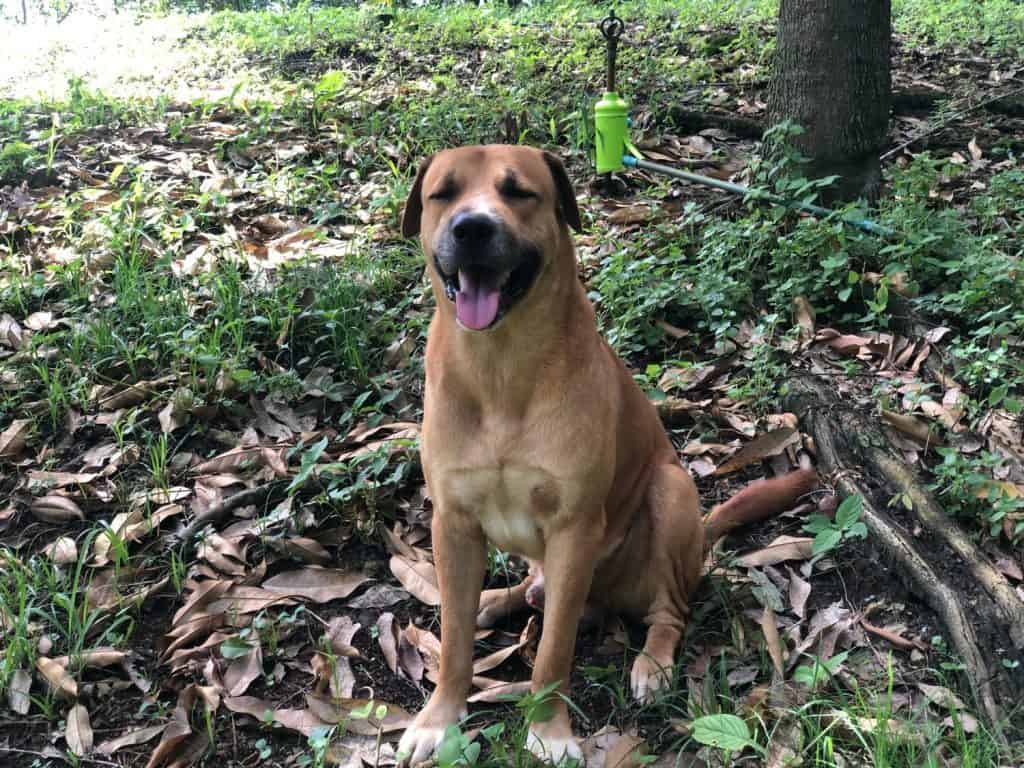
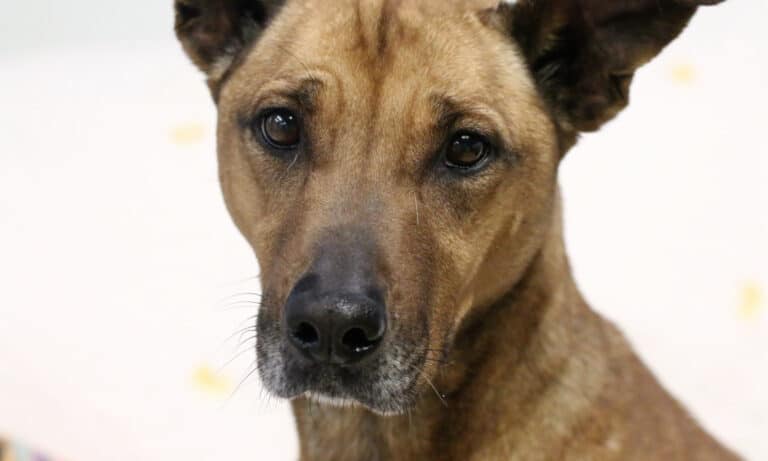
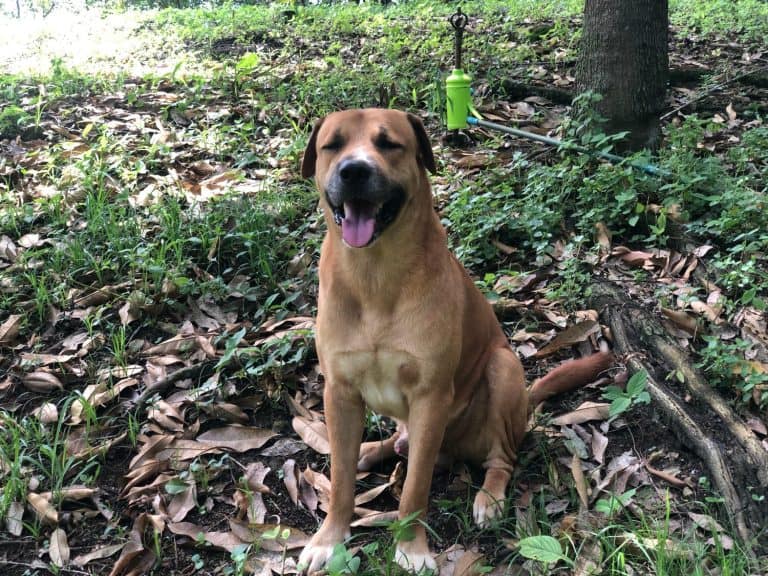
a medium-sized dog with a tan coat sitting outdoors in a natural setting. The dog's friendly expression suggests a mix of breeds, potentially including Black Mouth Cur, Rhodesian Ridgeback

The dog’s friendly expression suggests a mix of breeds, potentially including Black Mouth Cur and Rhodesian Ridgeback.

3 Pros and Cons of Owning a Black Mouth Cur 

Pros!Cons!
The Black Mouth Cur is protective and loyal. It bonds well with its family and is very protective of children in the home.The Cur can be a very territorial dog. Socializing them well is essential to avoid aggressive stand-offs over food, people, or property.
The Cur is hardworking and can be relied upon for watchdog duties, herding, and hunting as necessary.Because of their energy, athleticism, and prey drive, Black Mouth Curs have been known to escape yards, large and small, while chasing critters.
Intelligent and eager to please, the Black Mouth Cur can be a valuable addition to farms and large homesteads.Because of its intelligence and work ethic, the Cur can be challenging to train. They respond best to firm yet positive treatment.

Size and Weight

The black mouth cur varies quite a bit in size from region to region and breeder to breeder. Consequently, this breed has a wide range of weights and heights. Male Curs stand between 18 and 25 inches at the shoulder and weigh anywhere from 40 to 95 pounds. Females are slightly smaller, standing 16 to 23 inches tall and weighing 35 to 85 pounds.

Common Health Issues

Due to its mixed and varied lineage, the black mouth cur is a rugged, healthy dog. Like many dogs, it can be susceptible to joint-related issues, such as elbow and hip dysplasia. Curs need a great deal of exercise and are prey-driven, so they may be prone to obesity if not active enough. Many can also develop allergies, which can cause skin and ear irritations. Finally, some have been diagnosed with epilepsy, so if you notice your dog shaking, vomiting, or having balance issues, contact your vet immediately.
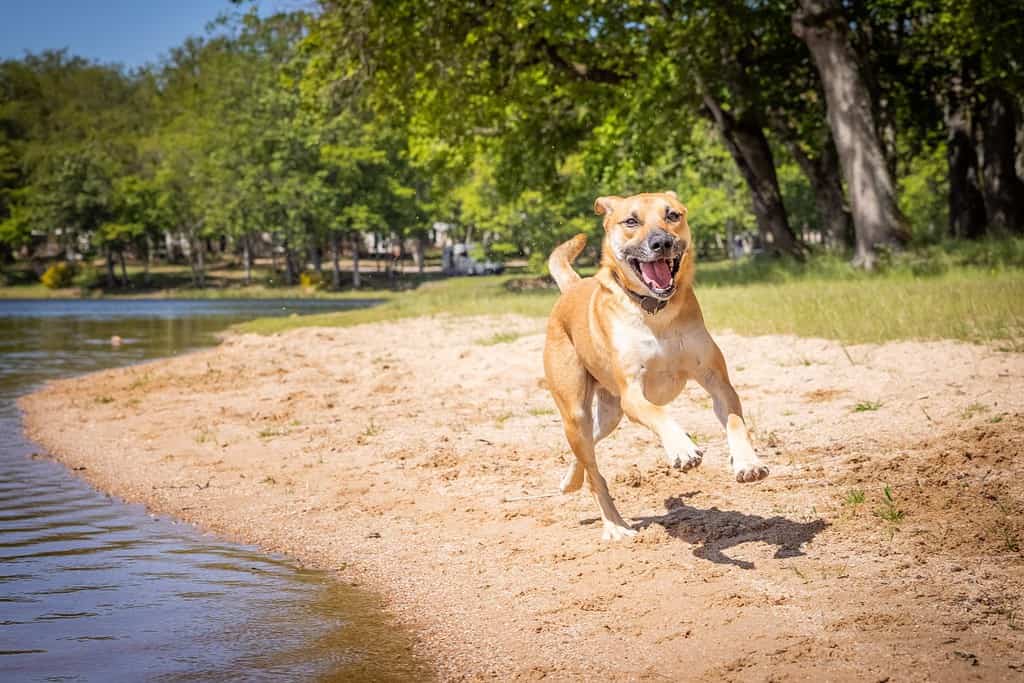
A black mouth cur - breed on the beach

A black mouth cur needs plenty of exercise.

Black Mouth Cur Temperament

This dog is affectionate, loyal, and hardworking. They have a high energy level that has them constantly looking for something to do. While they bond well with families and children, their need for activity, exercise, and engagement makes them more appropriate as farm or hunting dogs. Their rambunctious and playful personality can make them a hit with kids, but can also lead to collisions, bumps, and bruises with smaller children.

How To Take Care of a Black Mouth Cur  

Maintenance and Grooming

Grooming this breed is not a difficult chore. The Cur is a rugged dog with a short wash-and-wear coat. If the coat gets dirty, wipe it down. Brush it every week or so; otherwise, the dog can be bathed whenever it smells a bit doggy. If the dog is not working, clip its nails every few weeks. Check its skin and ears for irritation and debris, wiping down folds in the skin if necessary. Finally, brush the dog’s teeth a few times a week.

Training

Intelligent and independent, this dog can be challenging to train. Keep sessions short, energetic, and interesting. The Cur responds best to a firm but positive approach; it does not respond well to harsh treatment or speech.

Exercise

The black mouth cur is a highly energetic dog that requires at least an hour of intense activity, if not two. A hardworking dog, the Cur is bred for herding, hunting, and guarding; it is not a dog for lying around the house. Even though a large enclosed yard is good for exercise purposes, it’s best not to leave the dog in the yard unattended, as it will chase anything that runs and can escape.

Puppies 
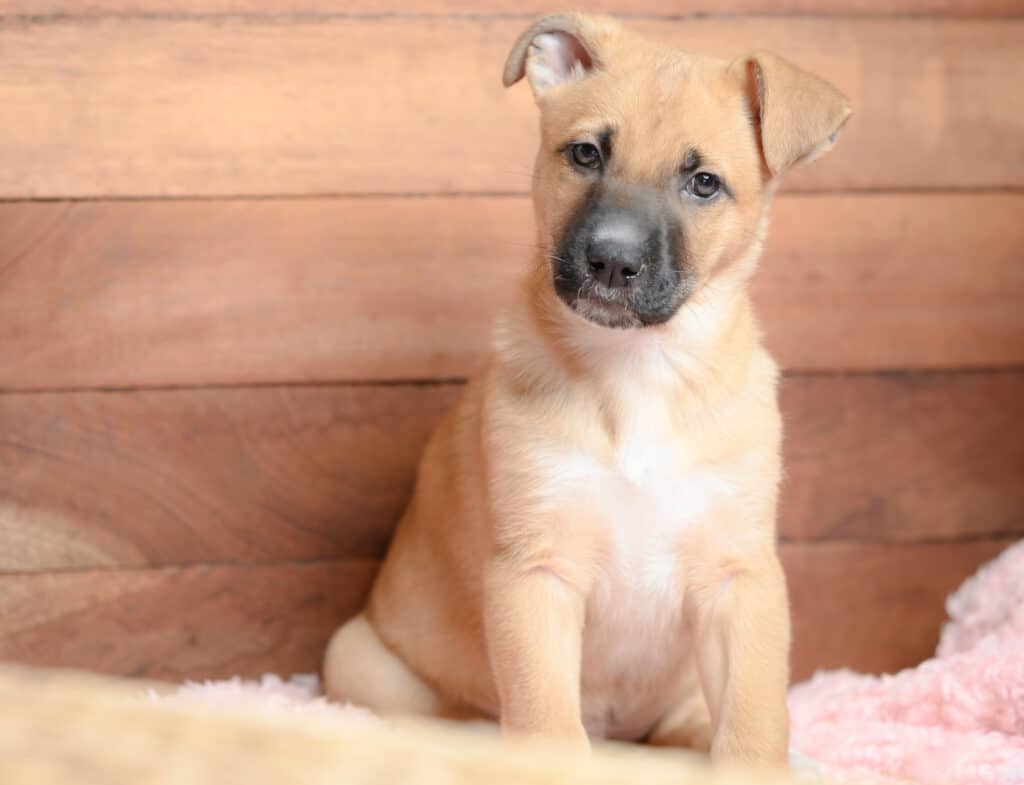
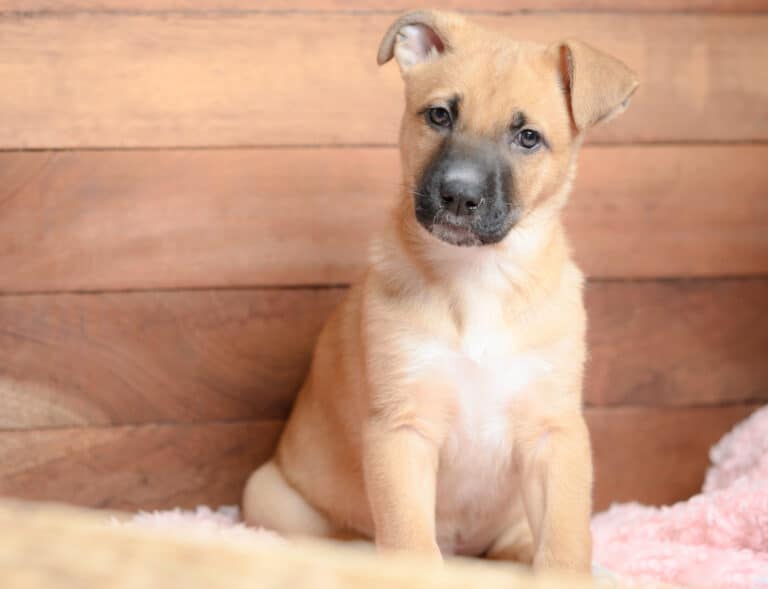
black mouth cur puppy

Black mouth curs can be territorial and rambunctious; you must socialize them well from a young age.

Socialization should begin as soon as the puppy arrives home. Take it with you to new places and introduce the little pup to new people and other dogs. This breed can be territorial and rambunctious; you must socialize the dog well from a young age. Puppy kindergarten is a good idea as soon as it has been fully vaccinated. Introduce your Cur to your children and other dogs. Bringing a black mouth cur into a home with cats or other small pets is not a good idea because the cur will treat them as prey.

Black Mouth Curs and Children

These dogs and children get along well, and curs have been known to be highly protective of children. Curs have even been known to step in when children are disciplined, so that’s something to be aware of. Socialize the dog early with children to get them to bond with one another. Also, teach the children how to interact with a dog, so they do not poke, prod, and pull at it. They play rough, so they are probably not a good match for small children. Finally, children should never be left unsupervised with an untrained dog, and small children should never be left alone with any dog, trained or otherwise.

Dogs Similar to the Black Mouth Cur

The mountain cur is similar to the black mouth cur, though it tends to be slightly taller and lighter and has a longer lifespan. It lacks the distinctive black muzzle.

Famous Black Mouth Curs

In the book Old Yeller, the dog’s description matches that of a cur, though a yellow lab was chosen to play the dog on screen.

View all 453 animals that start with B

Sources

  1. Perfect Dog Breeds / Accessed November 22, 2022
  2. Dog-learn.com / Accessed November 22, 2022
  3. Wag Walking / Accessed November 22, 2022
  4. Wag Walking / Accessed November 22, 2022
  5. Fit bark / Accessed November 22, 2022
  6. Wikipedia / Accessed November 22, 2022
  7. Spruce pets / Accessed November 22, 2022
  8. Pet Keen / Accessed November 22, 2022
  9. k9 of mine / Accessed November 22, 2022
  10. Dog Pregnancy Calendar / Accessed November 22, 2022
Rob Amend

About the Author

Rob Amend

Rob Amend is a writer at A-Z Animals, primarily covering meteorology, geology, geography, and animal oddities. He attained a Master's Degree in Library Science in 2000 and served as reference librarian in an urban public library for 22 years. Rob lives in Cincinnati, Ohio, and enjoys spending time with his family, hiking, photography, woodworking, listening to classic rock, and watching classic films—his favorite animal is a six-foot-tall rabbit named Harvey.

Thank you for reading! Have some feedback for us?


Black Mouth Cur FAQs (Frequently Asked Questions)

This breed is an affectionate and loyal dog. Its suitability for family life is dependent on the family. An active family with someone who is always home is best for the cur. Ideally, the dog will have work to do and plenty of space to do it in; the black mouth cur was bred by farmers for farm, hunting, and ranch life. It’s known to be difficult to train, so this breed is not recommended for novice owners.