G
Species Profile

Great Dane Mix

Canis lupus familiaris

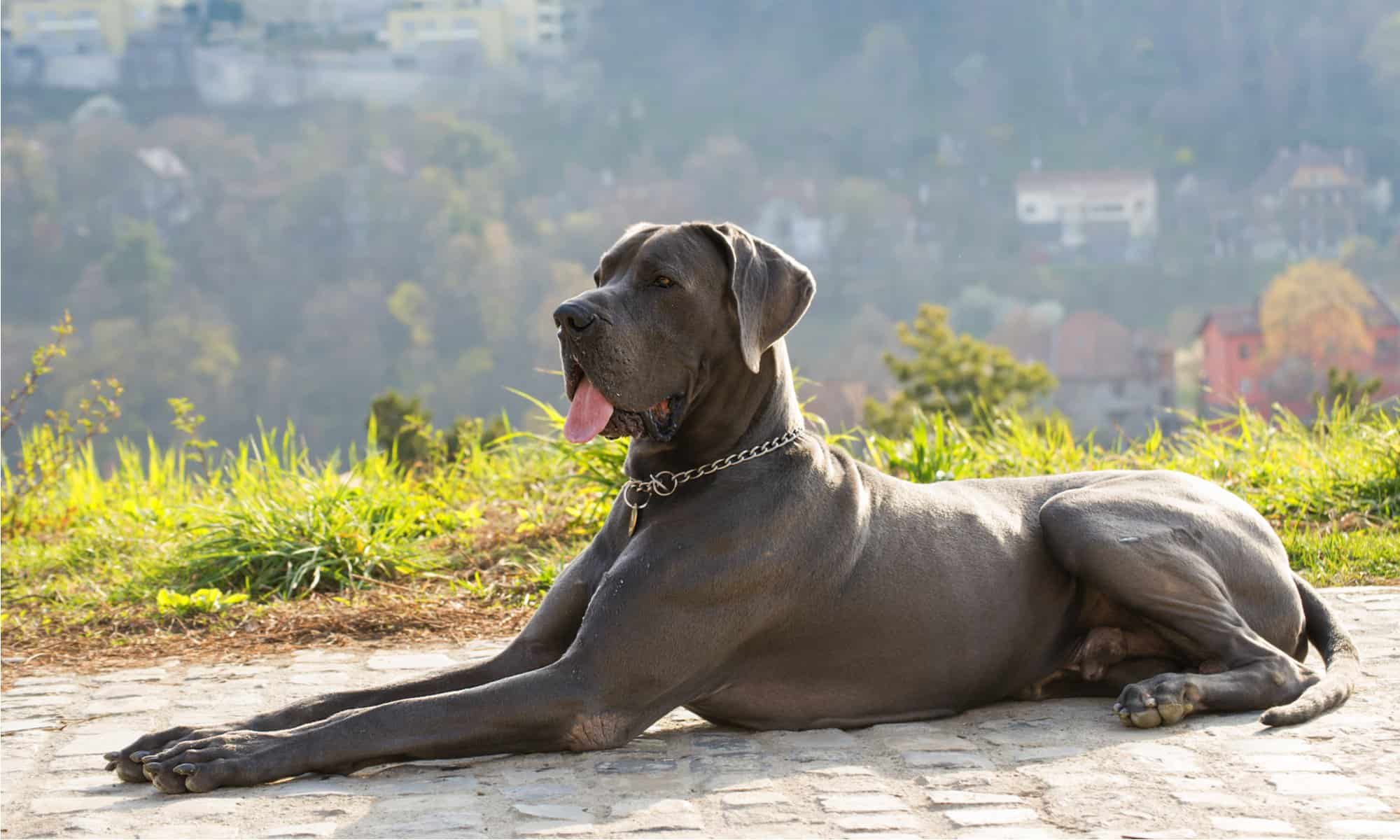
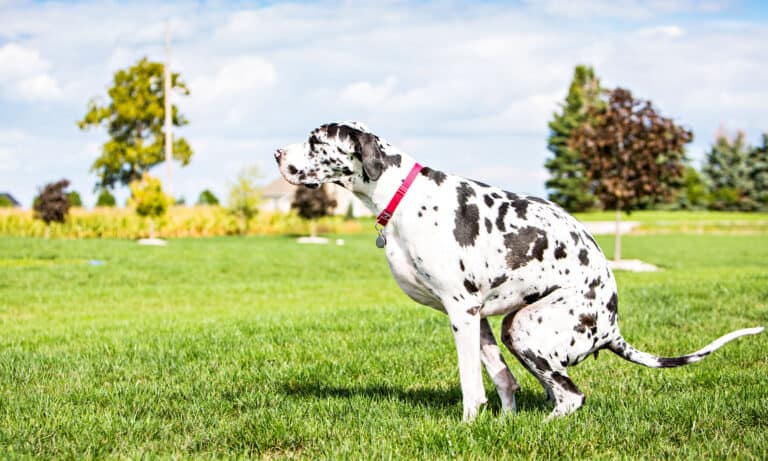
Big heart, mixed roots, Dane vibes
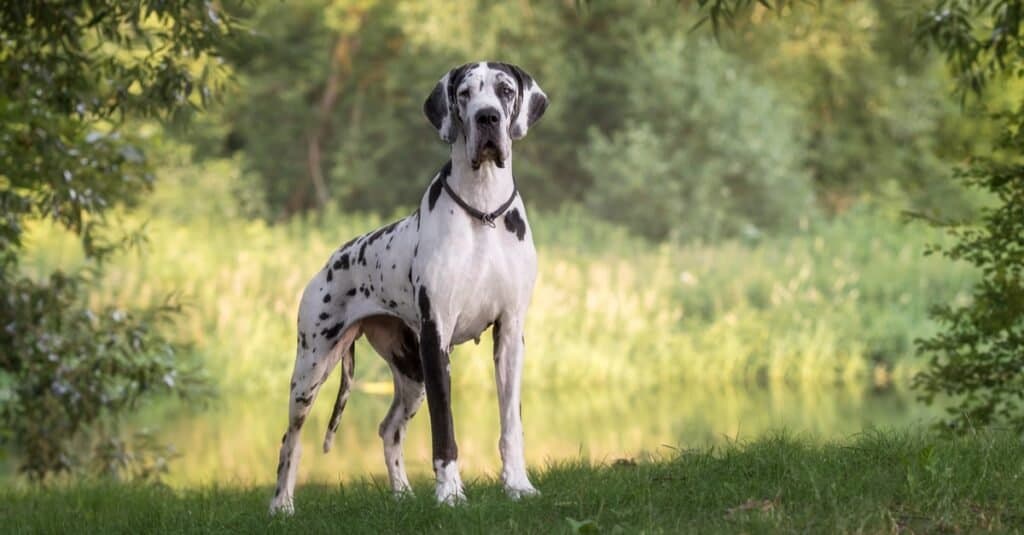
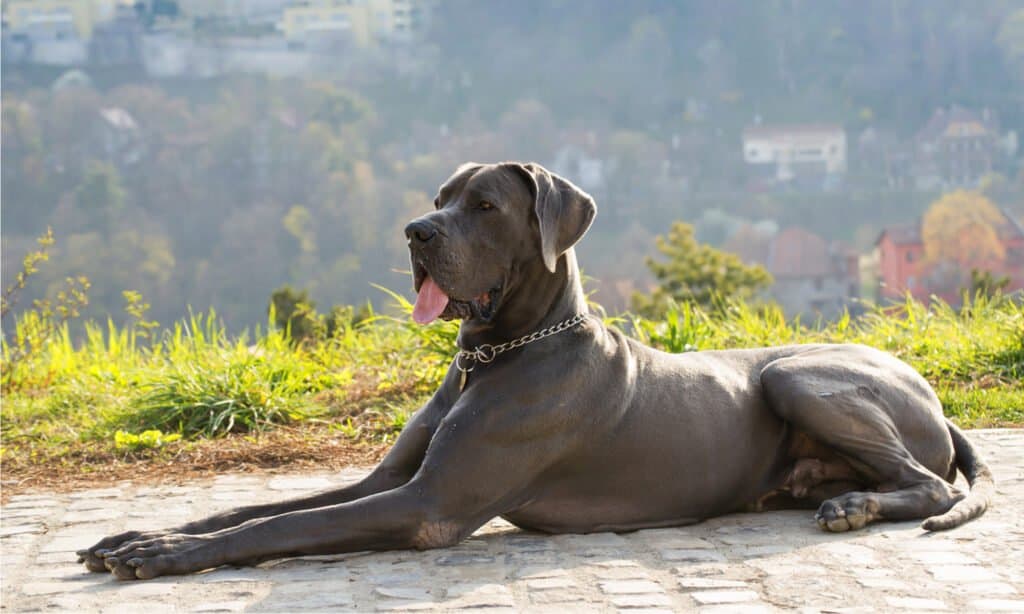
belu gheorghe/Shutterstock.com

Great Dane Mix Distribution

Click a location to explore more animals from that region

Origin Location

This map shows the native origin of the Great Dane Mix. As a domesticated species, they are now found worldwide.

Loading map...

Found in 1 country

Size Comparison

Human 5'8"
Great Dane Mix 2 ft 4 in

Great Dane Mix stands at 41% of average human height.

dog food for great danes

At a Glance

Domesticated
Also Known As mutt, mongrel, mixed-breed, crossbreed, designer cross
Diet Omnivore
Activity Diurnal+
Lifespan 5 years
Weight 75 lbs
Status Not Evaluated
Did You Know?

Great Dane ancestry can contribute extra height and a "lean giant" silhouette, but mixes range from medium to very large depending on the other breed(s).

Scientific Classification

A domestic dog of mixed ancestry in which Great Dane lineage is present. Traits (size, coat, head shape, temperament) vary widely depending on the other contributing breed(s).

Kingdom
Animalia
Phylum
Chordata
Class
Mammalia
Order
Carnivora
Family
Canidae
Genus
Canis
Species
Canis lupus

Distinguishing Features

  • Great Dane ancestry often contributes tall stature, long limbs, and deep chest, but expression is variable
  • Short to moderate coat is common; coloration can be highly variable depending on the other breed(s)
  • Typical 'giant-breed' considerations may apply (growth rate, joint stress, bloat risk) depending on body type

Physical Measurements

Males and females differ in size

Height
♂ 2 ft 5 in (2 ft – 2 ft 10 in)
♀ 2 ft 4 in (1 ft 12 in – 2 ft 7 in)
Length
♂ 4 ft 9 in (3 ft 11 in – 5 ft 7 in)
Weight
♂ 110 lbs (71 lbs – 150 lbs)
♀ 99 lbs (66 lbs – 132 lbs)
Tail Length
♂ 1 ft 6 in (1 ft 2 in – 1 ft 10 in)
♀ 1 ft 6 in (1 ft 2 in – 1 ft 10 in)
Top Speed
30 mph
fast sprinter, low endurance

Appearance

Primary Colors
Secondary Colors
Skin Type Great Dane mixes (Canis lupus familiaris) have typical dog skin with a short-to-moderate, close-lying coat; coat length and density vary. Some mixes have sensitive skin (dryness, allergic dermatitis), especially with short coats.
Distinctive Features
  • Mixed-breed domestic dog (Canis lupus familiaris) with Great Dane heritage; appearance is a range rather than a fixed standard-exact size, head shape, and coat traits depend strongly on the other contributing breed(s).
  • Great Dane influence may present as tall/leggy outline, long stride, and a deep, narrow-to-moderately broad chest (predisposes some individuals to bloat/GDV risk).
  • Often shows a large, rectangular head and longer muzzle compared with many other dog types; jowls and droopier lips may be present but are not guaranteed.
  • Neck and shoulders may be more substantial; body can look 'athletic giant' rather than stocky, though mixes vary widely in mass and musculature.
  • Ears are typically natural drop or semi-drop in mixes; ear set/size varies widely (do not assume cropped-ear silhouette).
  • Tail often long and whip-like; can be a strong 'happy tail' with potential for tip injury in large, excitable individuals.
  • Breed-influenced health tendencies (not certainties): increased likelihood of bloat/gastric dilatation-volvulus (deep-chested builds), dilated cardiomyopathy/other cardiac disease, hip/elbow dysplasia, osteoarthritis, cruciate injury, cervical spondylomyelopathy (Wobbler-like signs), and some cancer risks seen in giant-breed lines.
  • Because of their large size, puppies need a growth diet for large breeds, portion control, joint-friendly exercise, no hard impact during fast growth, and early leash training for good manners.
  • For deep-chested dogs: feed several small meals, use a slow-feeder if needed, and avoid hard exercise around meals to lower bloat risk. See a vet if dry heaving, a swollen belly, or sudden restlessness occur.
  • Usually low to moderate grooming for short coats: weekly brushing and care during shedding seasons. If the mix gets a long or double coat, grooming increases. Regular nail and ear care is important.

Sexual Dimorphism

As in most domestic dogs, males often mature larger and heavier-boned than females, but the degree of dimorphism varies with overall mix and whether the dog falls into large vs. giant size range.

♂
  • On average taller at the shoulder and heavier overall; more likely to have a broader skull and thicker neck/forequarters.
  • May show more pronounced jowl development and head mass when Great Dane influence is strong.
♀
  • Typically slightly smaller and lighter-framed; may appear more refined through the head and neck.
  • Often reaches adult mass slightly earlier than males, though timing varies with size and mix.

Did You Know?

Great Dane ancestry can contribute extra height and a "lean giant" silhouette, but mixes range from medium to very large depending on the other breed(s).

Many inherit the Great Dane's deep chest-one reason owners are often advised to learn bloat/GDV warning signs.

Temperament frequently skews "people-oriented couch companion," yet energy level can swing from mellow to athletic based on the mix.

Coat type is highly variable: short and sleek is common with Dane influence, but length and shedding depend on the other lineage.

Growth can be rapid in Dane-leaning pups, making controlled nutrition and joint-friendly exercise especially important.

Their size can make basic manners (loose-leash walking, polite greetings) a top "life skill" for safety and comfort.

Unique Adaptations

  • Large, deep thorax (possible Dane influence) supports powerful lung capacity and endurance, but also correlates with increased GDV risk in deep-chested dogs.
  • Long stride and upright build can make efficient ground coverage; many do well with steady-paced walks and low-impact conditioning.
  • Social attunement typical of domestic dogs (Canis lupus familiaris): strong responsiveness to human cues, voice, and routines-often amplified by companion-breed selection history.
  • High variability is itself an "adaptation" of mixed ancestry: coat, stamina, and drive can reflect multiple working or companion lineages, affecting suitability for different homes.

Interesting Behaviors

  • "Lean-and-lounge" affection: many Dane-influenced mixes like to drape against people for contact and security.
  • Long-limbed "sprawl sleeping": legs extended, taking up surprising space-common in large, deep-chested dogs.
  • Gentle mouth/soft take: some show a careful, non-grabby way of taking treats (varies by individual).
  • Watchful but social: may greet strangers warmly while still alerting to unusual sounds-guarding intensity depends on the other breed(s).
  • Play style can be "bodyy": big, bouncy play and wrestling, so supervised, size-matched playmates help prevent accidental knocks.
  • Adolescent clumsiness: fast-growing, tall dogs can be awkward teens; confidence-building training and safe footing help.

Cultural Significance

Great Dane mixes (Canis lupus familiaris) show dogs' long work with people—guarding, friendship, and rescue work. Seen as "gentle giants," they often help people adopt large breeds and teach about training, space, and health care.

Myths & Legends

Many people think the Great Dane came from Denmark because of its name. Actually the dog was mostly developed in Germany; its name that sounds Danish became popular outside Germany.

European boar-hunting lore often celebrated huge "boar hounds" (ancestors of Great Dane-type dogs) as fearless protectors that could face dangerous game-tales of noble households keeping such giants as symbols of status and bravery.

German tradition later used the breed's name 'German Dog' and saw it as a grand, noble giant; old accounts show these towering dogs lived with nobles as valued companions as well as hunters.

Across many cultures, household dogs are portrayed as guardians at thresholds-folklore commonly casts large dogs as spiritual or practical protectors of home and family, a role modern Dane-heritage mixes still evoke through their presence.

Conservation Status

NE Not Evaluated

Has not yet been evaluated against the criteria.

Population Stable

Life Cycle

Birth 8 pups
Lifespan 5 years

Lifespan

In the Wild
2–8 years
In Captivity
7–10 years

Reproduction

Mating System Polygynandry
Social Structure Managed Domestic
Breeding Pattern Transient
Fertilization Managed Selective
Birth Type Internal_fertilization

Domestic dog (Canis lupus familiaris) mating is polygynandrous, but Great Dane mixes are usually human-bred. Their giant size raises breeding risks (difficult birth, bloat, joint and heart problems); many are spayed or neutered.

Behavior & Ecology

Social Pack Group: 3
Activity Diurnal, Crepuscular, Cathemeral
Diet Omnivore Meat-forward complete dog food (large-breed formula), especially beef or chicken-based meals

Temperament

Generally gentle, people-oriented 'giant breed' demeanor; many are affectionate and tolerant with familiar people
Confidence and sociability vary widely with the non-Great Dane ancestry; some mixes are more reserved/guarding with strangers
Typically calmer indoors than many medium breeds, but can have short bursts of high energy; adolescent phase may be clumsy and exuberant due to size
Early, ongoing socialization is especially important because adult size can make fear-based reactions risky; prioritize positive reinforcement and controlled exposures
Often sensitive to harsh handling; responds best to predictable routines and reward-based training
May show 'leaning' and close-contact seeking as affiliative behavior; can unintentionally knock over children/elderly-teach polite greetings and stationing
Prey drive and dog-dog sociability can range from low to high depending on mix; supervised introductions recommended
Common health-linked behavior considerations: risk of bloat/GDV (avoid intense exercise around meals; use calm post-meal periods), orthopedic vulnerability (hip/elbow dysplasia, osteochondrosis) leading to exercise intolerance or irritability when painful; monitor for discomfort
Care requirements that shape behavior: controlled growth in puppyhood (appropriate diet, avoid excessive jumping/stairs), low-impact conditioning, nail/foot care; mental enrichment helps prevent boredom-related destructiveness
Short coat is common in Dane-influenced mixes; some are more cold-sensitive and may be less willing to stay outdoors in cool weather, increasing indoor companionship-seeking

Communication

Deep, resonant bark (often lower-pitched than average dogs) used for alerting and territorial signaling
Whining/whimpering for attention, discomfort, or appeasement
Growls Play, warning, resource-related
Howls or baying may appear if the other breed lineage includes hound-type traits
Leaning into people or pressing the body against a trusted individual Affiliative contact-seeking
Large-scale body language: blocking, circling, or standing over objects/people to control access; can be mistaken for dominance-often anxiety or learned behavior
Tail carriage and whole-body posture shifts (stiffening, weight-forward) are key early warning signals given the breed's size-handlers should watch subtle tension
Facial expressions and ear set (varies with ear type; natural vs cropped in some lines) plus gaze aversion for appeasement
Pawing, nudging, and nose targeting to solicit interaction
Scent marking and investigative sniffing on walks; urine marking frequency varies by sex/neuter status and other-breed influence
Play signals: play bow, bouncing, and open-mouth play; may use 'paw slaps' that require management with smaller dogs
Touch/handling feedback: may pull away, lick lips, yawn, or freeze when uncomfortable-important for cooperative care given giant-breed veterinary/handling needs

Habitat

Biomes:
Temperate Forest Temperate Grassland Mediterranean Boreal Forest (Taiga) Tundra Alpine Desert Hot Desert Cold Savanna Tropical Rainforest Tropical Dry Forest Freshwater Wetland Marine +8
Terrain:
Plains Hilly Mountainous Valley Coastal Island Riverine +1
Elevation: -1969 in – 16404 ft 3 in

Ecological Role

Human-associated generalist omnivore; primarily companion animal, with potential mesopredator/scavenger role if free-roaming.

Companionship and social support to humans Guarding/deterrence and alerting behavior Working roles in some contexts (mobility support, therapy, service tasks) Scavenging of food waste in human environments (when unmanaged) Potential negative ecological impact via predation/disturbance of wildlife if allowed to roam (management-dependent)

Diet Details

Main Prey:
Domestic livestock Fish Small mammals Birds and eggs Carrion and discarded animal scraps
Other Foods:
Cooked grains and starches Legumes and plant proteins Vegetables Fruits Grasses

Human Interaction

Domestication Status

Domesticated

Great Dane mix (Canis lupus familiaris): Dogs were domesticated from gray wolves by people over thousands of years. Great Dane mixes often have giant size, deep chest, fast growth and people-oriented temperaments, raising bloat (GDV) and care needs. They are companions, guardians, therapy or sport dogs, but may be surrendered for size, poor training, or knockdown injuries.

Danger Level

Moderate
  • Accidental injury due to size/strength (knocking over children/elderly, pulling on leash)
  • Bite risk comparable to other dogs when poorly socialized, fearful, in pain, or mishandled; injuries can be more severe due to jaw size
  • Resource guarding or territorial behavior depending on the other breed(s) and individual temperament
  • Higher risk of incidents if owners cannot physically manage the dog (leash control, containment)
  • Zoonotic concerns typical of domestic dogs (e.g., parasites) mitigated with routine veterinary care

As a Pet

Suitable as Pet

Legality: Usually legal to own a Great Dane mix, but some places have breed-specific laws if it looks like a restricted dog. Housing or insurance rules (weight limits, 'aggressive breed' lists) can also stop people from having one.

Care Level: Moderate

Purchase Cost: Up to $1,200
Lifetime Cost: $20,000 - $60,000

Economic Value

Uses:
Companion animal and household welfare (social support, recreation) Animal services economy (veterinary care, training, grooming, boarding/daycare) Working roles (therapy/ESA, limited service or deterrent/guardian presence depending on temperament) Municipal/NGO impacts (shelter intake, adoption programs, licensing)
Products:
  • Adoption fees or private rehoming costs
  • Veterinary services (vaccines, spay/neuter, dental, emergency care; higher-cost giant-breed orthopedics/cardiology)
  • Food and supplements (large/giant-breed diets; joint support)
  • Training and behavior services (basic obedience, reactivity prevention, leash manners)
  • Equipment (giant crate, strong leash/harness, large bed)
  • Pet insurance and liability coverage (often higher for large dogs)
  • Boarding/daycare and pet sitting (large-dog pricing tiers)

Relationships

Great Dane mix-breed dogs are an exciting and unique breed of dog. They combine the stature of a Great Dane with another dog breed, such as a Labrador Retriever, Boxer, or German Shepherd. These dogs have a wide variety of coat colors and patterns; their personalities can also vary depending on the other breed in the mix. Don’t fret, as these gentle giants have an affectionate and loyal nature, making these beauties the perfect companions.

Although Great Dane mixes can have an imposing size, they are gentle giants that make great family pets when they are properly trained, given the correct care, and exercise.

Quick Facts About Great Dane Mixes

  • Other Names: Dane Cross, Designer Dane
  • Size: 24–32 inches tall; 80–130 pounds
  • Lifespan: 8–12 years (longer than purebred Danes)
  • Temperament: Loyal, affectionate, protective, playful
  • Exercise Needs: High — at least 60 minutes daily
  • Shedding: Moderate (depends on mix)
  • Good with Kids: Yes, with supervision
  • Best For: Active families with space to accommodate a large dog
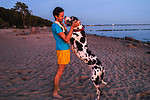
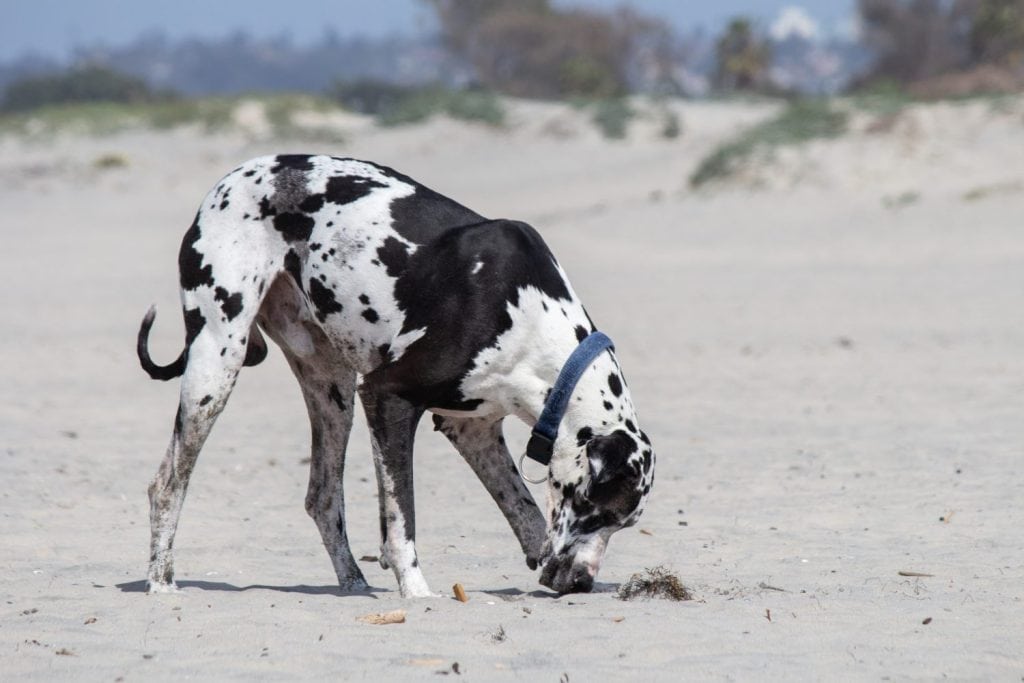
Dalmatian great dane dog mix mutt playing in the sand at the beach

Dalmatian x Great Dane dog mix is playing in the sand at the beach.

Different Types of Great Dane Mix Breeds

There are several Great Dane mixes, each with its own unique characteristics and charm, depending on the traits of their parents. Here are some of the most popular:

  • Great Danesky (Great Dane × Siberian Husky): Athletic, high-energy, and striking with Husky eyes and Dane size.
  • Great Golden Dane (Great Dane × Golden Retriever): Friendly, affectionate, and excellent with children.
  • American Bull Dane (Great Dane × American Bulldog): Muscular, protective, and loyal.
  • Weiler Dane (Great Dane × Rottweiler): Strong guardian instincts with a softer family side.
  • Saint Dane (Great Dane × Saint Bernard): Massive, gentle, and calm — a true gentle giant.
  • Irish Dane (Great Dane × Irish Wolfhound): Towering size with a sweet, laid-back personality.
  • Corgi Dane (Great Dane × Corgi): A quirky mix with shorter legs but Dane-like features.

Fun Fact

Some Great Dane mix breeds, such as the Great Danesky, Great Border Collie, and the Great German, were bred to be working dogs, while others are purely companion dogs.
3 Pros and Cons of Owning a Great Dane Mix Breed

ProsCons
Very affectionate: Because they see and live with you daily, your Great Dane mix exhibits a lot of affection towards family members, forming a solid bond between you and your dog. These dogs show their love for you by jumping on you, wagging their tails, leaning against you, and licking you.Susceptible to specific health conditions: These dog breeds are generally healthy but may inherit certain health conditions from their parent breeds, which include eye issues, hip dysplasia, elbow dysplasia, bloat, and heart disease.
Enjoy playing and socializing: These dogs enjoy playtime as they goof around and show off their personality. Playing and socializing with their owners or other animals is an excellent way for them to stay entertained.Suffer from separation anxiety: Because these breeds are always so close to their family members, they don’t enjoy being alone for long periods, as they long for constant attention. As a result, separation anxiety can cause them to become destructive, leading to behavioral issues.
Thrive in being outdoors and exercising: These dogs appreciate the outdoors at any given moment, feeling the fresh air, exploring, and seeing what outdoor adventures will bring. As for exercising, they enjoy playing catch, chasing after a frisbee, or even running around in the park.Training these dog breeds is challenging: Great Dane mix breeds have a mind of their own and sometimes don’t have a long concentration span, making training difficult. However, repetitive training and positive reinforcement will assist these breeds in becoming more focused and taking commands seriously.

Great Dane Mix Size, Weight & Lifespan

Males typically reach a height of 28-32 inches and weigh between 100-130 pounds. As for females, they are usually slightly smaller, reaching a height of 24-28 inches and weighing between 80-110 pounds.

These dogs have a lifespan of 8 to 12 years, which is longer than purebred Danes, especially when mixed with smaller breeds.

Temperament of Great Dane Mixes

These dogs have been bred to be gentle, friendly, and obedient companions for centuries. They show their owners much love and affection and are wonderful family companions.

Great Dane mixes are wonderful with children. They should, however, always be supervised as they can accidentally knock a child over due to their large size. These dogs are wary of strangers, but will warm up quickly if they sense that there is no danger from the person.

They are simple to train, but can occasionally be demanding, so owners should be patient during the training process. With patience, positive reinforcement, and consistency, they learn quickly.

Exercise and Training Needs

Regular exercise will help to keep them healthy, both physically and mentally. Physical exercise will maintain a healthy weight and keep their muscles and joints strong. Mentally, exercise helps to reduce boredom and destructive behaviors. Exercise is also a great way to build a strong bond between you and your Great Dane mix breed, as you will get the opportunity to spend quality time with them. These dogs sometimes experience stress and anxiety when left alone for long periods; exercise can keep them calm and relaxed. They will need at least 60 minutes of exercise per day. This could be long walks, playing fetch, and open space play.

Training large breed dogs can be challenging, but it can be done successfully with the right approach and techniques. Training requires patience, consistency, and positive reinforcement. In addition, you must understand how to use rewards and corrections to get the best results. With the help of these strategies, your dog will become a well-behaved companion you can take anywhere. Start training early; this will prevent bad behaviour like pulling and jumping up on people.

Your dog will also need some mental stimulation, with puzzle toys, scent games, and training sessions all helping to prevent boredom.

Diet and Nutrition

It is essential to provide your dog with a balanced diet containing all the necessary nutrients. High-quality, commercial dog food is the best option, as it is specifically formulated to meet the nutritional needs of a large breed dog. In addition, it is essential to choose food appropriate for your dog’s age and size.

Puppies require a puppy-specific formula high in protein and fat, which will help them grow and develop properly. For adult dogs, look for ingredients rich in proteins and fats that contain a good balance of carbohydrates and fiber. Be sure to provide plenty of fresh water and feed your dog regularly throughout the day. The amount of dry food should be based on your dog’s weight, age, activity level, and the specific food’s calorie content — consult your veterinarian or the food packaging for precise recommendations. Fresh fruits and vegetables can be incorporated into their diet and can be given as snacks during the day, such as cooked:

  • Green Beans
  • Butternut
  • Carrots
  • Spinach
  • Cabbage
  • Apples (no seeds)
  • Watermelon
  • Bananas
  • Pears
  • Blueberries
White Animals - White Great Dane

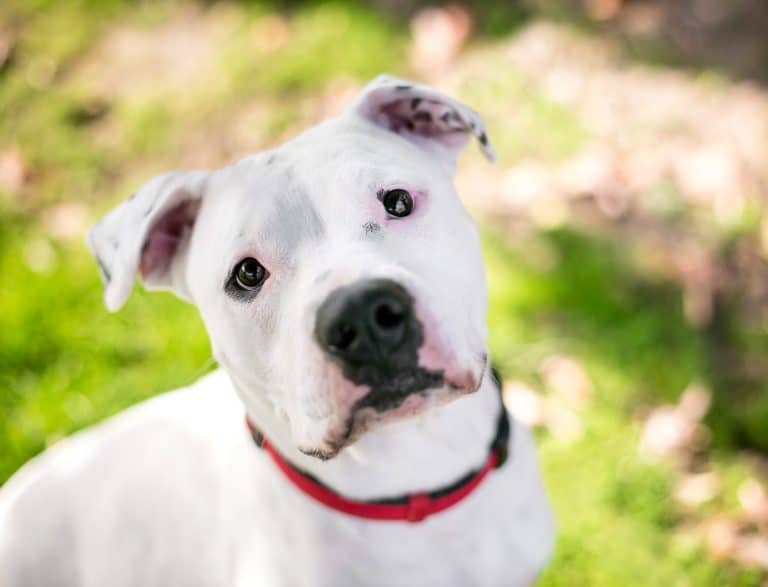
Great Danes have been bred to be gentle, friendly, and obedient companions.

Common Health Issues

Common health issues for Great Dane mixes include:

They can also be susceptible to eye issues, such as progressive retinal atrophy, which can lead to blindness. Keep an eye on your dog for any signs of these health issues. If these health issues start occurring, take them to be seen at the veterinarian clinic and schedule regular check-ups to treat and prevent any other ongoing health issues.

Grooming and Maintenance

Grooming is essential to taking care of a Great Dane mix breed. It helps ensure their general health and well-being and keeps them looking their best. The best appearance can only be maintained by giving a great Dane mix breed regular brushing, bathing, and trimming. Regular grooming can also help prevent parasites such as fleas and ticks, which can cause discomfort for your dog.
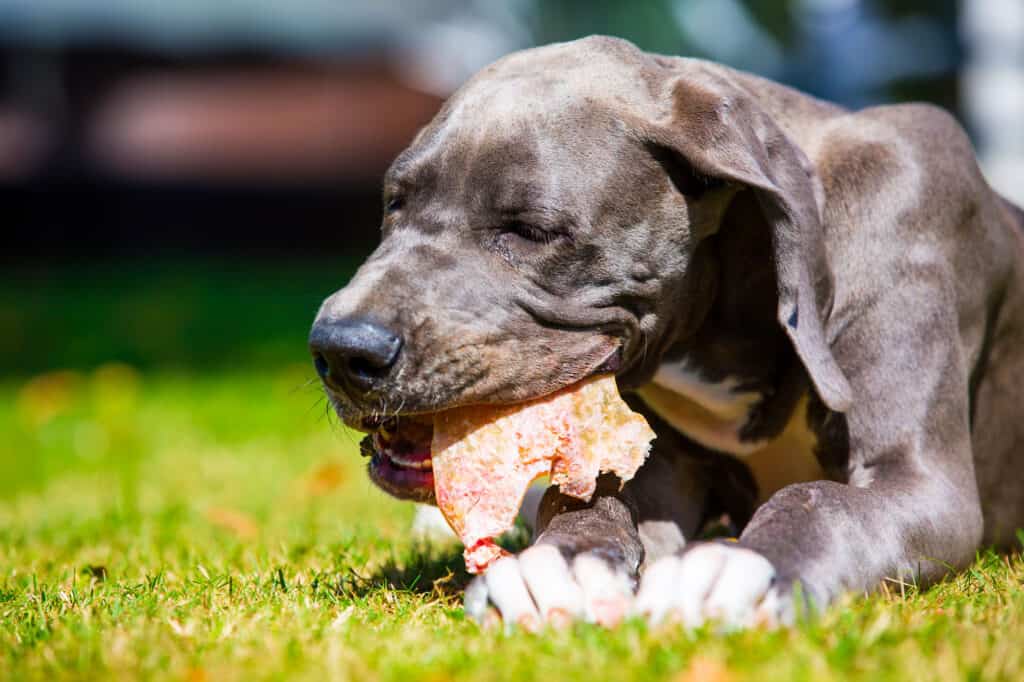
Animal, Animal Body Part, Animal Head, Canine - Animal, Cute

Great Danes are great companions with children.

Cost of Owning a Great Dane Mix

The price of a puppy will set you back between $600 and $2,000, depending on the breeder and mix type. You should also budget for vet bills, grooming, toys, and insurance, which will cost about $1,800 to $3,000 annually. You can also expect to pay $60–$100 per month for quality large-breed food.

Great Dane Mix Puppies

Great Dane mix breed pups have become increasingly popular over the years, so if you are looking for a healthy Great Dane mix breed, combined with ethical breeding, you need to get this breed from a reputable breeder or a rescue. These puppies are unique because they combine characteristics from both parent breeds.

Because these puppies grow rapidly, you should exercise great care to avoid over-exercising young puppies to protect their joints. Some Great Dane mix puppies, especially those bred with other large breeds, may reach 100 lbs or more within their first year, but those mixed with smaller breeds may be significantly lighter.

Great Dane Mix and Families

These canines are great companions with children; their gentle and affectionate nature will make these dogs ideal family pets. They are also known to be very protective of their family, as they provide a great source of security and comfort for their loved ones. However, their large size can be intimidating to small children, so to prevent any accidental harm, ensure that your children, especially toddlers, are supervised when interacting with your Great Dane mix. They will be best suited to families with access to yards with big open spaces for exercise and play.

Fun Facts About Great Dane Mixes

  • Some Great Dane mixes inherit the Husky’s blue eyes, making them especially striking.
  • Despite their size, many think they’re lap dogs and will happily sprawl across you.
  • Great Danes (and mixes) hold records as the tallest dogs in the world.

Dogs Similar to Great Dane Mix

The following dogs are similar in size and personality to the Great Dane.

  • Mastiff: Mastiffs are roughly the same size as Great Danes and are just as easy to train.
  • Doberman Pinscher: Doberman Pinschers are a good deal smaller than Great Danes and are a more athletic breed.
  • Bullmastiff: These dogs are slightly smaller than Great Danes and equally affectionate family dogs.
View all 261 animals that start with G

Sources

  1. dogs planet / Accessed January 29, 2023
  2. pup vine / Accessed January 29, 2023
  3. alpha paw / Accessed January 29, 2023
Kayeleen Parsons

About the Author

Kayeleen Parsons

Kayeleen Parsons is a writer at A-Z Animals that thoroughly enjoys writing about animals of all types. She has a love for many animals, but her Cocker Spaniel dog holds a special place in her heart. In addition to being a writer, she's also an English teacher, sharing her knowledge to help her students become excellent in the language and literature. When she's not busy writing, Kayeleen enjoys reading and spending quality time with her family in her homeland of Cape Town.

Thank you for reading! Have some feedback for us?


Great Dane Mix FAQs (Frequently Asked Questions)

Males typically reach a height of 28-32 inches and weigh between 100-130 pounds. As for females, they are usually slightly smaller, reaching a height of 24-28 inches and weighing between 80-110 pounds.