




C
Species Profile

Collie Mix

Canis lupus familiaris

Brains, heart, and herding heritage
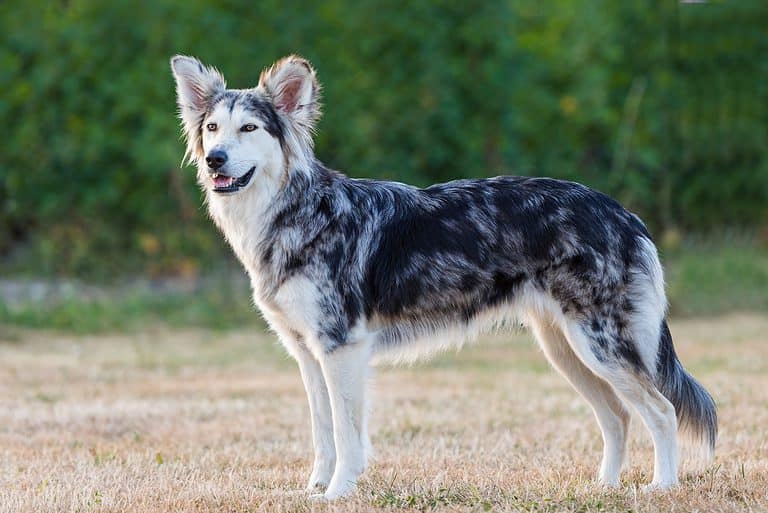
Alexis Ford/Shutterstock.com

Collie Mix Distribution

Click a location to explore more animals from that region

Origin Location

This map shows the native origin of the Collie Mix. As a domesticated species, they are now found worldwide.

Loading map...

Size Comparison

Human 5'8"
Collie Mix 1 ft 10 in

Collie Mix stands at 32% of average human height.

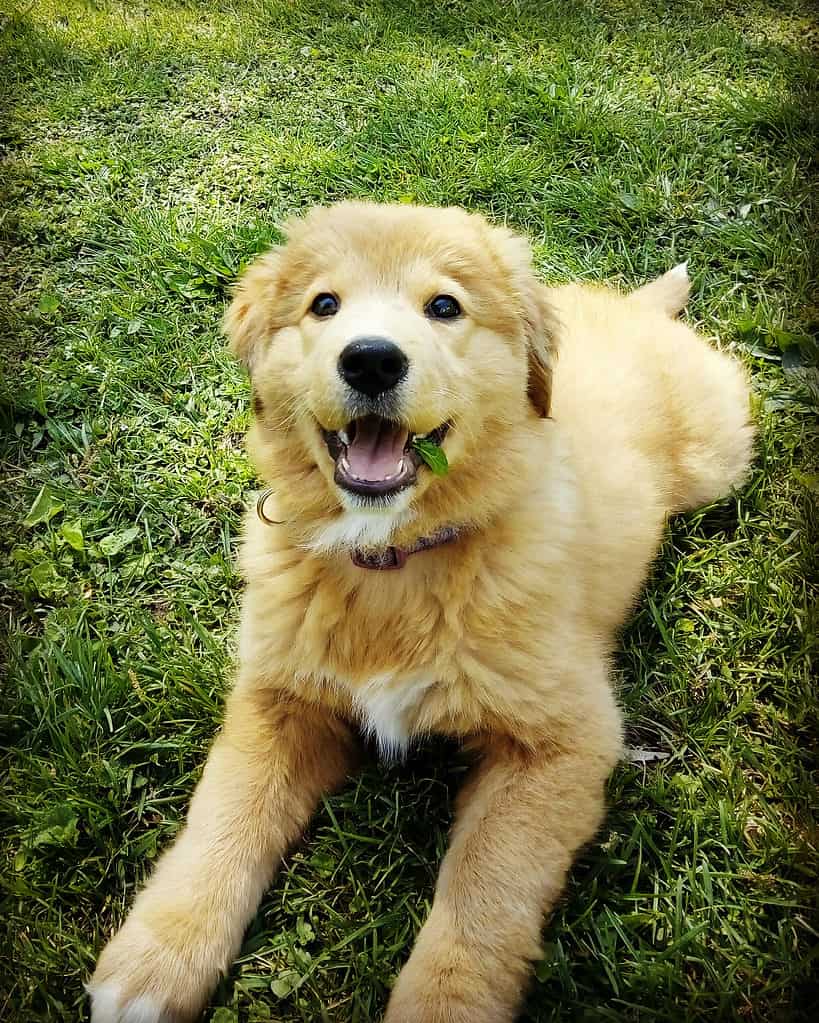
Adorable gollie puppy on the grass

At a Glance

Domesticated
Also Known As mutt, mongrel, mixed-breed dog, crossbreed, Heinz 57, mixed dog, hybrid dog
Diet Omnivore
Activity Diurnal+
Lifespan 5 years
Weight 34 lbs
Status Not Evaluated
Did You Know?

"Collie mix" can mean Rough/Smooth Collie heritage, Border Collie heritage, or both-each influences temperament differently (calmer family companion vs. higher-drive working style).

Scientific Classification

A mixed-breed domestic dog with Collie-type heritage; appearance and temperament vary widely depending on the other contributing breeds.

Kingdom
Animalia
Phylum
Chordata
Class
Mammalia
Order
Carnivora
Family
Canidae
Genus
Canis
Species
Canis lupus

Distinguishing Features

  • Often a herding-dog body plan: athletic build and high stamina
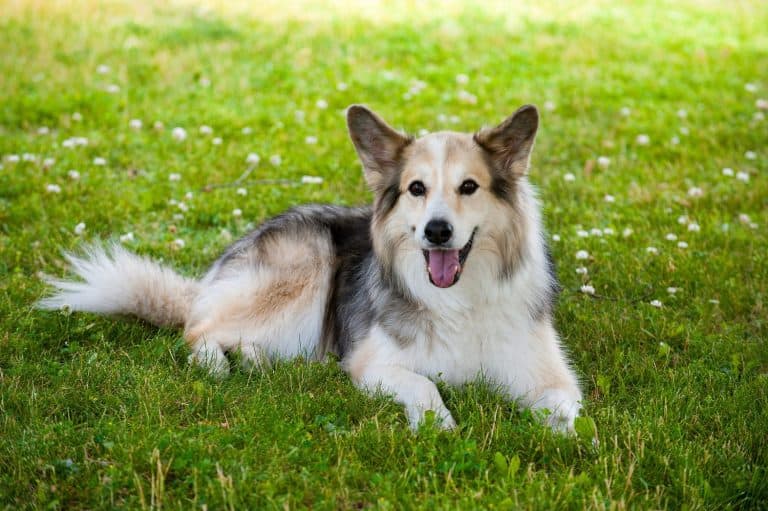
  • Commonly shows Collie-like head shape (longer muzzle) and semi-erect ears
  • Coat can range from short to long; may show sable/white, tricolor, or merle patterns depending on ancestry
  • Frequently high trainability and strong responsiveness to human cues (varies by mix)

Physical Measurements

Males and females differ in size

Height
♂ 1 ft 11 in (1 ft 8 in – 2 ft 2 in)
♀ 1 ft 8 in (1 ft 6 in – 1 ft 11 in)
Length
♂ 3 ft 11 in (3 ft 3 in – 4 ft 7 in)
♀ 3 ft 7 in (3 ft 1 in – 4 ft 1 in)
Weight
♂ 60 lbs (44 lbs – 75 lbs)
♀ 49 lbs (35 lbs – 62 lbs)
Tail Length
♂ 1 ft 3 in (12 in – 1 ft 6 in)
♀ 1 ft 1 in (10 in – 1 ft 4 in)
Top Speed
28 mph
Typical collie-type speed

Appearance

Primary Colors
Secondary Colors
Skin Type Typical dog skin with coats from short to long. Many Collie mixes have a double coat: a weather-resistant topcoat and warm undercoat. Sensitive skin and seasonal shedding are common.
Distinctive Features
  • Mixed-breed variability is defining: adult size, bone structure, head shape, coat length, and ear carriage can differ substantially based on non-Collie ancestry.
  • Collie-type silhouette often includes a longer, narrower muzzle than many other dogs, a softer 'fox-like' expression, and a lean, athletic build suited to endurance rather than bulk.
  • Coat can be short, medium, or long, sometimes with feathering. Rough Collie genes often make a neck ruff and feathered legs and tail; Smooth or Border Collie genes make a shorter, denser coat.
  • Ear carriage frequently semi-erect or tipped (common in Collie/Border Collie types), but can range from fully erect to fully drop ears depending on the mix.
  • Tail often long and expressive; may be carried low with a gentle curve when relaxed, or raised when alert (varies by mix).
  • Herding heritage may show in posture and movement: quick directional changes, crouch/stalk tendencies (more Border Collie-like), or upright, watchful 'gathering' behavior (varies).
  • Behavioral needs (breed-context): many require above-average daily exercise plus mental work (training games, scent work, puzzle feeding, herding-style play) to reduce boredom-related behaviors.
  • Training/care (breed-context): typically responds well to reward-based training; may be sensitive to harsh handling. Early socialization helps prevent shyness, reactivity, or over-vigilant herding of people/pets.
  • Grooming/care (breed-context): coat type drives care-long/feathered coats often need routine brushing and de-matting; double coats commonly shed seasonally and benefit from regular undercoat maintenance.
  • Collie mixes can have health risks seen in Collies: MDR1/ABCB1 drug sensitivity, Collie Eye Anomaly, hip or elbow dysplasia, epilepsy, or allergic skin disease. Testing and vet care help manage risks.

Sexual Dimorphism

As in domestic dogs generally, males often average larger and more muscular, while females may be slightly smaller and finer-boned; in a Collie mix the degree of dimorphism is highly variable and strongly influenced by the other contributing breeds and the individual's genetics.

♂
  • May show a broader head, thicker neck/ruff (especially in longer-coated individuals), and heavier bone/muscle.
♀
  • May show a narrower head, lighter frame, and less pronounced neck ruff/overall coat volume in longer-coated individuals.

Did You Know?

"Collie mix" can mean Rough/Smooth Collie heritage, Border Collie heritage, or both-each influences temperament differently (calmer family companion vs. higher-drive working style).

Many Collie-type lines carry the MDR1 gene variant, which can make common medications (e.g., some antiparasitics and sedatives) risky without testing.

Herding behaviors (circling, staring, gentle nipping) can show up even in mixes that have never seen livestock-instinct can persist for generations.

Coat type can range from sleek to very fluffy; Collie heritage often contributes a weather-resistant double coat and a pronounced neck ruff.

Mixed ancestry sometimes reduces the chance of inheriting two copies of a disease gene, but it does not "guarantee" better health-screening still matters.

Collie-type dogs are famous for reading human cues; many learn routines and vocabulary quickly with consistent training.

Unique Adaptations

  • High trainability and handler-attunement: domestication plus Collie-type selection favors dogs that respond to subtle gestures and whistles.
  • Efficient endurance movement: many inherit a light, agile build suited to covering ground while managing livestock (especially Border Collie lines).
  • Weather tolerance via coat: Rough/Smooth Collie ancestry often contributes an insulating undercoat and protective topcoat (grooming needs vary by mix).
  • Behavioral "herding toolkit": orient-stalk-chase-block motor pattern, often appearing as circling, staring, or cutting off paths in play.
  • Enhanced social flexibility: as Canis lupus familiaris, dogs are adapted to cooperative living with humans; Collie-type selection further amplifies biddability and teamwork.

Interesting Behaviors

  • "Herding the household": nudging, circling, or guiding kids/pets toward a spot; may include ankle-nipping if overstimulated.
  • The "eye": especially with Border Collie influence-an intense, focused stare used to control movement.
  • Shadowing and check-ins: frequently returns to visually "count" family members, a common shepherding pattern.
  • Problem-solving play: inventing games, opening doors, or figuring out puzzle feeders quickly when bored.
  • Motion sensitivity: strong interest in bikes, runners, cars, or bouncing balls; benefits from impulse-control training.
  • Vocal communication: may bark to alert, to gather the "flock," or to express frustration when under-exercised.

Cultural Significance

Collie-type dogs, including Rough Collies (Canis lupus familiaris), are linked to shepherd life in Scotland and northern England and are known for being smart and loyal. Made famous by "Lassie", Collie mixes keep the sheepdog role and are adaptable companions.

Myths & Legends

Highland and Border shepherd stories praise a wise sheepdog that gathers scattered flocks in mist and rough land, a common tale that helped the Collie's reputation for almost magical understanding.

A commonly repeated origin tale links the name "collie" to the old term "colley," associated with dark-faced sheep; the story reflects how closely these dogs were identified with the sheep they worked.

Queen Victoria's well-known fondness for Collies at Balmoral became a kind of Victorian-era legend that boosted the breed's fame and framed Collies as both noble and affectionate companions.

"Lassie," while fictional, functions as a modern folk-hero narrative: the loyal Collie who travels far, senses danger, and saves people-an enduring cultural story that shapes public expectations of Collie-type dogs.

Traditional rural anecdotes from Britain frequently describe sheepdogs that "knew every ewe by sight" and could be trusted with a flock without supervision-stories told as examples of ideal dog sense and duty.

Conservation Status

NE Not Evaluated

Has not yet been evaluated against the criteria.

Population Stable

Life Cycle

Birth 5 pups
Lifespan 5 years

Lifespan

In the Wild
1–10 years
In Captivity
10–16 years

Reproduction

Mating System Polygyny
Social Structure Managed Domestic
Breeding Pattern Transient
Fertilization Managed Selective
Birth Type Internal_fertilization

Collie mix (Canis lupus familiaris): under human care, mating is managed. One male often breeds many females (polygyny); people pick mates and timing. Fertilization is internal, pair bonds are short, and cooperative breeding is not typical.

Behavior & Ecology

Social Pack Group: 4
Activity Diurnal, Crepuscular, Cathemeral
Diet Omnivore Meat-forward, highly palatable foods (e.g., cooked chicken or fish-based diets/toppers)

Temperament

Likes people, eager to please, and socially aware; often shows Collie-like watchfulness (tracking movement, checking with handler) and may show herding acts like stalking, circling, or body-blocking.
Collie-mix dogs (Canis lupus familiaris) often learn quickly, notice cues, and respond well to cooperative training with rewards. They can be sensitive to sounds and movement and may worry or react if under-socialized.
Temperament profile (typical): affectionate, eager to work, attentive, and often gentle; can be reserved with strangers, protective-alert without being overtly aggressive; may become vocal, nippy, or controlling when bored or over-aroused.
Collie mixes may have higher risk for MDR1/ABCB1 drug sensitivity, Collie Eye Anomaly and other eye problems, hip/elbow dysplasia, epilepsy, hypothyroidism, and some autoimmune or skin issues; mixed background can lower or change risk.
Needs daily aerobic exercise and mental work (obedience, tricks, scent games, agility). Early socialization and impulse control training prevent herding and chasing. Grooming varies. Use calm, consistent handling; avoid harsh corrections.

Communication

bark Alert and demand barking common if under-stimulated
whine/whimper Attention seeking, frustration, or anxiety
growl Distance-increasing warning; often ritualized
howl Less common but present in some mixes
yip/high-pitched barks Excitement during play or movement-triggered arousal
highly expressive body language Ear set, tail carriage, posture shifts
intense gaze/"eye" and head orientation to control movement Herding-style in some individuals
play bow and bouncy approach to solicit interaction
nose nudges, pawing, and leaning for affiliative contact
lip licking, yawning, head turns as calming/appeasement signals
scent marking and overmarking Urination, ground scratching
muzzle licks and face grooming within familiar social bonds

Habitat

Biomes:
Temperate Forest Boreal Forest (Taiga) Tundra Alpine Temperate Grassland Mediterranean Desert Hot Desert Cold Tropical Rainforest Tropical Dry Forest Freshwater Wetland +6
Terrain:
Plains Hilly Mountainous Valley Coastal Island
Elevation: Up to 14763 ft 9 in

Ecological Role

Human-associated omnivorous mesopredator/companion animal; primarily a managed consumer rather than a self-sustaining hunter, with occasional opportunistic predation/scavenging depending on lifestyle (rural/off-leash).

Companionship and working roles (herding, service/therapy, search) Deterrence and limited control of some pest species (e.g., rodents) Carrion/waste consumption in unmanaged contexts (can be a disservice if it spreads pathogens-management reduces this)

Diet Details

Main Prey:
Small mammals Birds Carrion Animal proteins
Other Foods:
Cooked grains and starches Vegetables Fruit Grasses Dog food

Human Interaction

Domestication Status

Domesticated

Domestic dog (Canis lupus familiaris) comes from gray wolves and was shaped by humans for work. A Collie mix is a mixed-breed dog with Collie-type background (e.g., Rough, Smooth, Border Collie). They often have herding drives, are easy to train, and focus on people. Collie types were bred to herd livestock; mixes come from accidental or planned crosses.

Danger Level

Low
  • Bites from fear, pain, guarding, or poor socialization; risk increases with inadequate training/supervision
  • Herding-related nipping/chasing, especially toward running children, cyclists, or other pets
  • Large or high-energy individuals may accidentally knock people over
  • Potential zoonotic concerns typical of domestic dogs if unvaccinated or poorly maintained (e.g., parasites, rabies risk in unvaccinated dogs)

As a Pet

Suitable as Pet

Legality: Collie mixes are usually legal as pets. Normal dog rules apply: license, leash, vaccines/rabies. Few places ban them, but they can be misidentified under breed-specific laws. Check local, housing, and insurance rules.

Care Level: Moderate

Purchase Cost: Up to $800
Lifetime Cost: $15,000 - $40,000

Economic Value

Uses:
Companion animal Working/herding dog potential Canine sports and services Pet industry spending
Products:
  • companionship and family pet value
  • herding/farm assistance (varies by individual)
  • training, boarding, grooming, and veterinary services
  • potential participation in agility, obedience, herding trials (titles/competition involvement)
  • possible service/therapy work for suitable individuals (not typical by default; depends on temperament and training)

Relationships

Ecological Equivalents 7

Animals that fill a similar ecological role in their ecosystem

Domestic dog
Domestic dog Canis lupus familiaris Collie mix (Canis lupus familiaris) differs from wild Canis lupus because humans bred it for friendliness and trainability. Collie traits include a strong herding drive and a double coat. Check for genetic issues common to collies and collie mixes: ABCB1/MDR1 mutation, collie eye anomaly, hip and elbow dysplasia, and epilepsy.
Rough Collie
Rough Collie Canis lupus familiaris Has Collie herding ancestry; often has a long coat with a ruff and tends to focus on a single handler. At risk for ABCB1/MDR1 drug sensitivity and Collie eye anomaly. Requires regular grooming (including ears and undercoat) and early socialization.
Smooth Collie Canis lupus familiaris Shares the Collie's herding role and genetic background but often has a shorter, lower-maintenance double coat. Still exhibits strong herding and alert behavior and requires structured exercise and self-control training to reduce chasing and nipping.
Border Collie
Border Collie Canis lupus familiaris Shares an ecologically similar working niche (livestock herding) and often a similar behavioral profile: high energy, intense focus, and strong problem-solving drive. Collie mixes with Border Collie-like influence may require especially high daily activity and task-based enrichment to prevent frustration-related behaviors such as reactivity, fence-running, and fixation on shadows or chasing.
Shetland Sheepdog
Shetland Sheepdog Canis lupus familiaris Small-to-medium herding companion with Collie-type lineage; similar alertness and sensitivity may appear in Collie mixes. Relevant care overlap includes proactive socialization to reduce excessive barking and stranger wariness, and regular coat and skin checks if a dense double coat is inherited.
Dingo
Dingo Canis lupus dingo Free-ranging canid that consumes many kinds of animals and human food scraps in human-influenced areas. Useful for comparing how domestic dogs survive without people, although Collie mixes are much less able to do so than dingoes.
Coyote
Coyote Canis latrans Generalist canid that thrives in urban and suburban ecosystems; provides a niche comparison for opportunistic foraging and adaptability around people. Where coyotes occur, they can also pose a direct ecological interaction risk—predation or attacks—on unattended dogs, especially smaller individuals or juveniles.

Quick Take

  • Reaching 28 inches and 80 pounds is a primary growth achievement for adult male mixes.
  • The Collie Eye Anomaly presents a technical constraint that complicates the vision quality of affected dogs.
  • The Afollie paradoxically pairs high intelligence with stubbornness, challenging standard training assumptions.
  • The 30-minute vigorous exercise stage is required to mitigate destructive tendencies in young puppies.

Collie mixes are most commonly known for their friendly and loyal temperament. They are also intelligent and easy to train, making them great family pets. Collie mixes typically have a medium to long coat, which may require regular brushing to prevent matting. The origins of the collie breed date back to the 18th century in Europe, where they were originally bred as working dogs on farms. Today, collies are still used as working dogs in many parts of the world, but have also become popular family pets. Collies belong to the herding group of dogs, which includes other popular breeds, such as German shepherds and border collies.

A detailed infographic about Collie mixed breeds featuring icons, dog silhouettes, and breed photos explaining their temperament, size, health, and exercise needs.
They’re brilliant, loyal, and energetic—but without this specific daily routine, your Collie mix’s high intelligence could turn into a household wrecking ball. © A-Z Animals

The Different Types of Collie Mixes

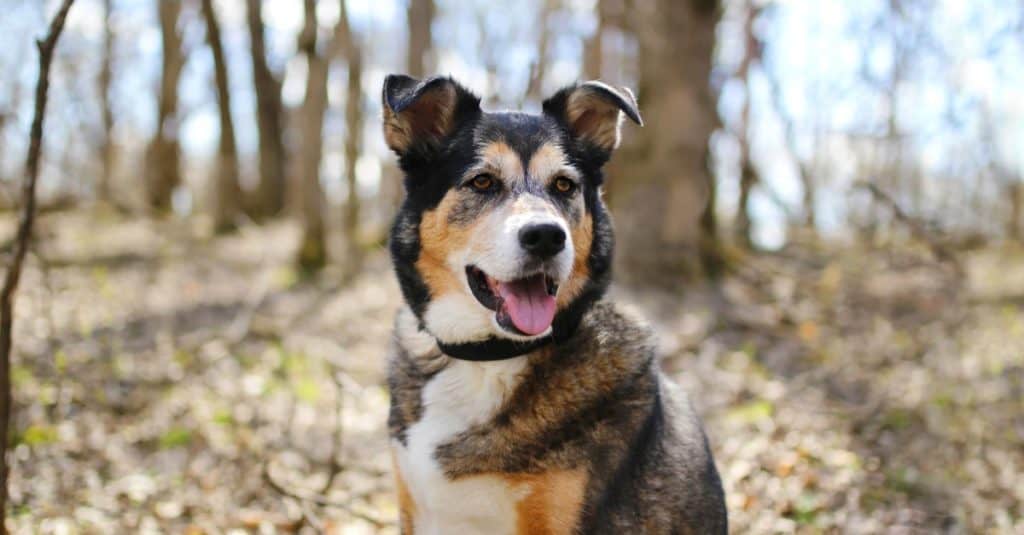
A beautiful old, German Shepherd - Border Collie Mix breed dog, Shollie, is sitting outside in the deciduous forest, listening with his ears perked up.

A beautiful old German Shepherd – Border Collie Mix breed dog, or a “Shollie.”

There are many different types of collie mixes. Some standouts include the afollie, the gollie, the German collie, and the sprollie. Each of these mixes has its own unique set of traits and characteristics that make it special.

The afollie is a mix between a collie and an Afghan hound. These mixed dogs are medium to large, and they will typically be larger than your average collie. The afollie requires a lot of grooming, thanks to its Afghan hound side. Although afollies are incredibly intelligent, they may be stubborn and refuse to train, so start training as soon as possible.

The gollie is a collie and golden retriever mix. It is a medium-sized dog with high exercise needs. They’re incredibly intelligent, agile, and obedient. Gollies tend to have loving personalities, but beware of their coats. It does require a lot of grooming, especially during shedding season.

The German collie is a German shepherd and collie mix. It is a medium to large dog, and it typically has a hardworking and active personality. As with the other collie mixes, the German collie does require a lot of grooming and brushing. This dog breed is incredibly intelligent, and they love to chase things.

The sprollie is a mix between the English springer spaniel and the collie. This is a loving and sweet dog with a lot of energy. This medium-sized mix is obedient, agile, and eager to please. Sprollies thrive best in homes where they can interact with their humans often.

Other types of collie mixes include:

  • Boxer Collie (Collie x Boxer)
  • Cadoodle (Collie x Poodle)
  • Doberman Collie (Collie x Doberman)
  • Labollie (Collie x Labrador Retriever)

Owning a Collie Mix: 3 Pros and Cons

ProsCons
A great family dog. Collie mixes are known to be great family dogs with their loving and sensitive nature. Those who own a collie breed will tell you how loving and loyal these dogs are.Hard to groom. Collie mixes can usually have long and shaggy hair, which can be hard to groom for some people. They can get matted fur and collect dirt and debris when outside. Additionally, their fur will shed quite regularly, leaving fur throughout your home.
Playful and energetic. Collie mixes are very high energy, and for some, this might be a huge pro. They love to play outside, go for walks and hikes with their owners, and play with the kids for hours.Loud. Collie mixes can be quite loud at times. As collies are herding dogs, their relatives and ancestors would bark and run around livestock to round them up. While occasional barking for dogs is normal, collie mix barking may become excessive without training or an active outlet.
Smart and obedient. Collie mixes are known to be quite intelligent and can pick up new tricks and commands quickly. They will give you all their attention when learning new tricks and be eager to learn.Exercise needed. While a positive trait for many, a collie mix’s high-energy drive can be challenging for others. Without regular exercise, collie mixes may get bored easily and become more irritable and destructive without a way to burn off their extra energy.
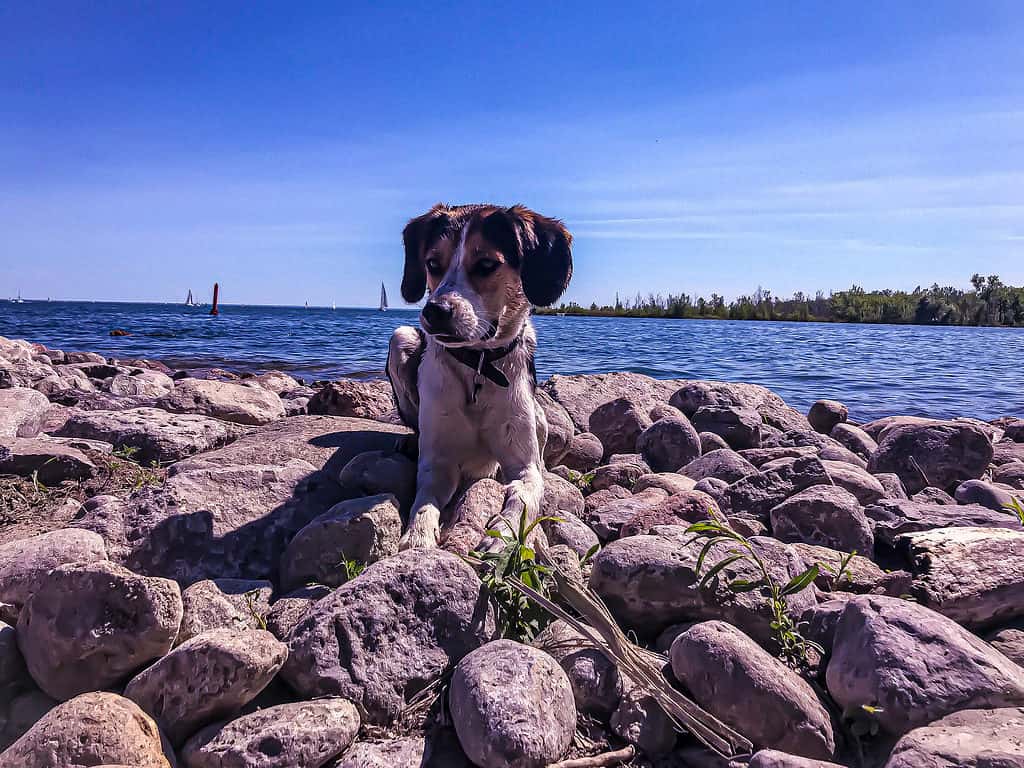
Collie beagler on rocks

Collie mixes love to play outside, go for walks and hikes with their owners, and play with the kids for hours.

Size and Weight 

Every dog grows at a different rate, just like humans do. And depending on what breed your collie mix is mixed with, height and size can vary. But generally, collie mixes may grow to be around 18 to 25 inches for females, and males are slightly larger at 20 to 28 inches tall. In terms of weight, a collie mix can weigh anywhere between 45 and 75 pounds for females and 50 to 80 pounds for fully-grown males.

Common Health Issues

One of the most common health problems for collies is Collie Eye Anomaly, a genetic disorder affecting the affected dogs’ eyesight. Seizures are also relatively common in collie mixes and can be caused by a variety of factors, including genetics, injury, and illness. Hip Dysplasia is another condition that is seen fairly often in these dog breeds, which usually occurs due to genetics.

While these health problems can be daunting, it’s important to remember that mixed-breed dogs are generally quite hardy and resilient, and your pet may not have any of these issues. With proper care and attention, your dog will likely enjoy a long and healthy life.

Temperament and Behavior

Generally speaking, collie mixes also tend to be very loyal and protective of their family. They are also known for being intelligent and easy to train. Some of the more specific behavioral traits that are common in collie mixes include:

  • Behavior: Collie mixes are typically very well-behaved dogs. They are not prone to excessive barking or chewing when trained from a young age, and they usually have a calm demeanor as they age. But since they are high-energy, you need to ensure the collie mix has an outlet.
  • Personality: Collie mixes are often described as being friendly and good-natured. They typically get along well with other animals and people and make great companions.
  • Energy: Collie mixes tend to be very active and energetic dogs. They need plenty of exercise and stimulation, so they may not be the best choice for someone who is looking for a low-maintenance pet.
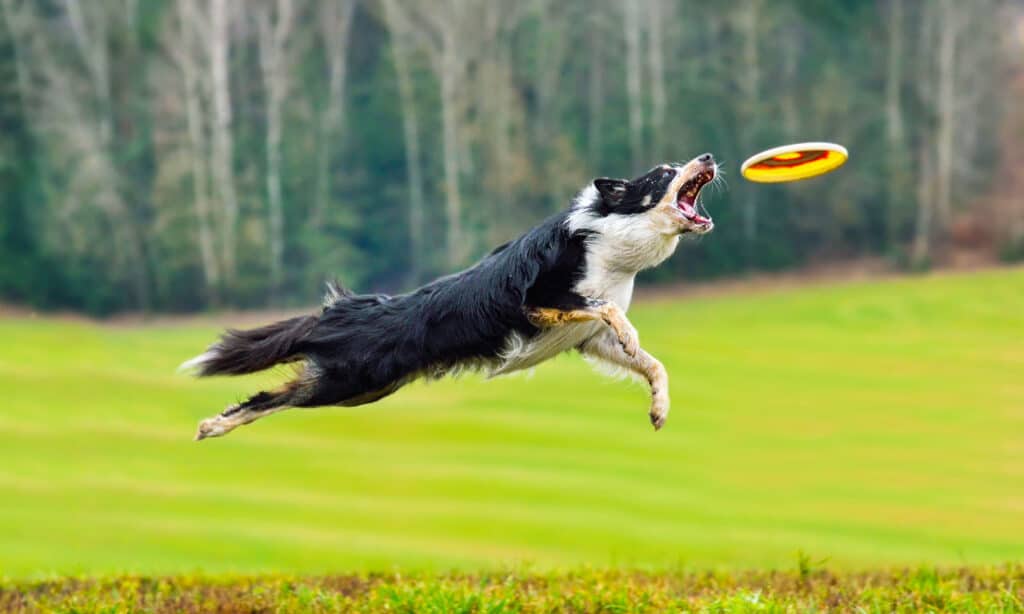
Dog, Plastic Disc, Catching, Jumping, Collie

Collie mixes tend to be very active and energetic dogs. They need plenty of exercise and stimulation.

How to Take Care of Collie Mixes

When preparing to bring home your puppy for the first time, you may be wondering about the best ways to care for your new pet, such as how to groom them, how to train them, and even how much to walk them. It’s always best to research these queries before bringing home your new pet to give them the best possible start.

The Best Dog Food

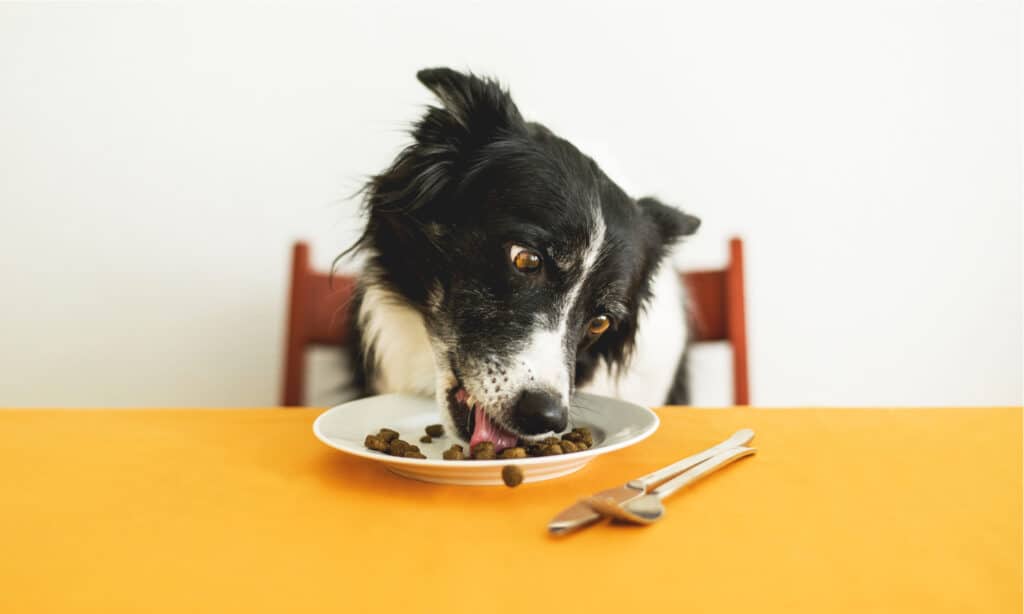
Collie mixes are high-energy dogs that need much exercise to stay healthy and happy, so they must have a diet rich in nutrients. An unbalanced diet can lead to problems with the coat, skin, eyes, teeth, and overall health.
victor performance dog food

A Collie mix should have an age-appropriate, balanced diet.

Maintenance and Grooming

Collie mixes will need to be brushed regularly to avoid mats and tangles. They must also be bathed as needed — typically every few weeks — using a gentle shampoo. It’s essential to avoid getting water in their ears, as this can lead to infection.

Collie mixes are moderate shedders, so you can expect some hair around your home. However, they don’t usually require any special grooming beyond regular brushing and bathing.

Some common skin or fur problems that collie mixes may experience include allergies, hot spots, and dry skin. If you notice any of these issues with your dog, it’s best to consult your veterinarian for treatment options.

Training 

First and foremost, it is essential to remember that every dog is different and will therefore have different levels of intelligence and trainability. That said, collie mixes are generally considered very intelligent dogs, so while there are no guarantees, they are often easier to train than other breeds. They can understand commands quickly and retain information well.

Furthermore, they are typically eager to please their owners, making them easier to train. They want to make their humans happy, so they will work hard to learn whatever you are trying to teach them.
Border Collie with Kong toy

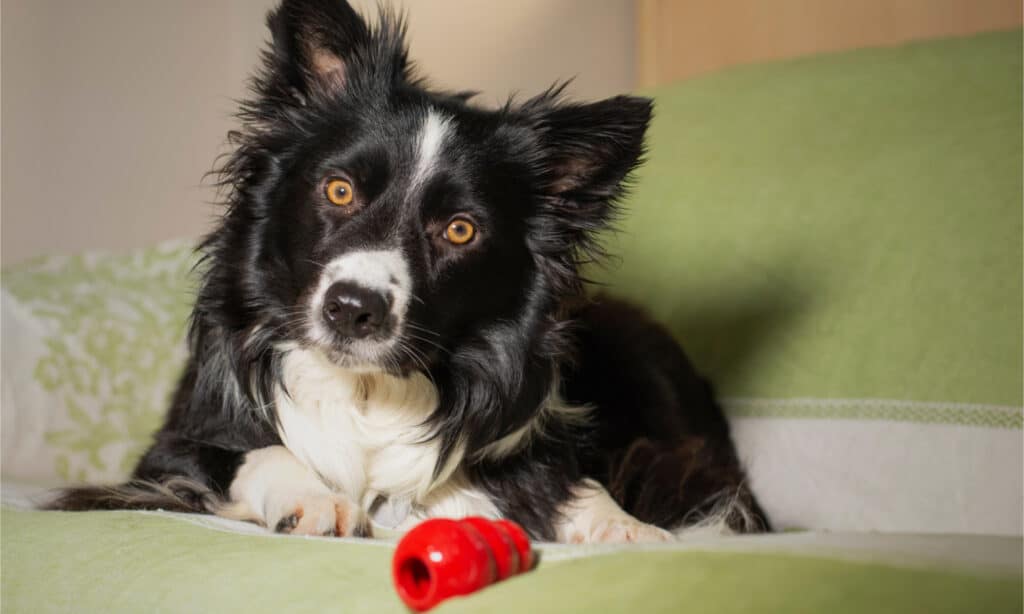
The origins of the collie breed date back to the 18th century in Europe, where they were originally bred as working dogs on farms.

Exercise 

They are an active dog breed that needs daily exercise. They’ll do best in a home with a large backyard where they can run and play. A daily walk or run is also necessary for this breed, as are some interactive games like fetch or catch. Ideally, a collie mix should be walked at least twice daily for 30 minutes to an hour each time. However, this will vary depending on the individual dog’s energy level and exercise needs. Some may need more or less exercise than others.

Puppies 

One of the most important things to remember is that they are usually bred as working dogs, requiring much exercise. This means collie mix puppies can be quite energetic. A good rule of thumb is to give your puppy at least 30 minutes of vigorous daily activity. This can be in the form of walks, runs, or even games of fetch — anything that gets their heart rate up and tires them out!

In addition to exercise, it is also essential to begin training your puppy as soon as possible. Because they are intelligent dogs, collies pick up on commands quickly. However, without proper training, they can become easily bored and destructive. Start with basic obedience commands such as sit, stay, come, and down. Once your pup has mastered these basics, you can move on to more advanced tricks or behaviors.

Raising a collie mix puppy can be much work, but also gratifying. These pups are known for their loyalty and affectionate nature towards their owners and will surely shower you with love and affection.
Types of Service Dogs

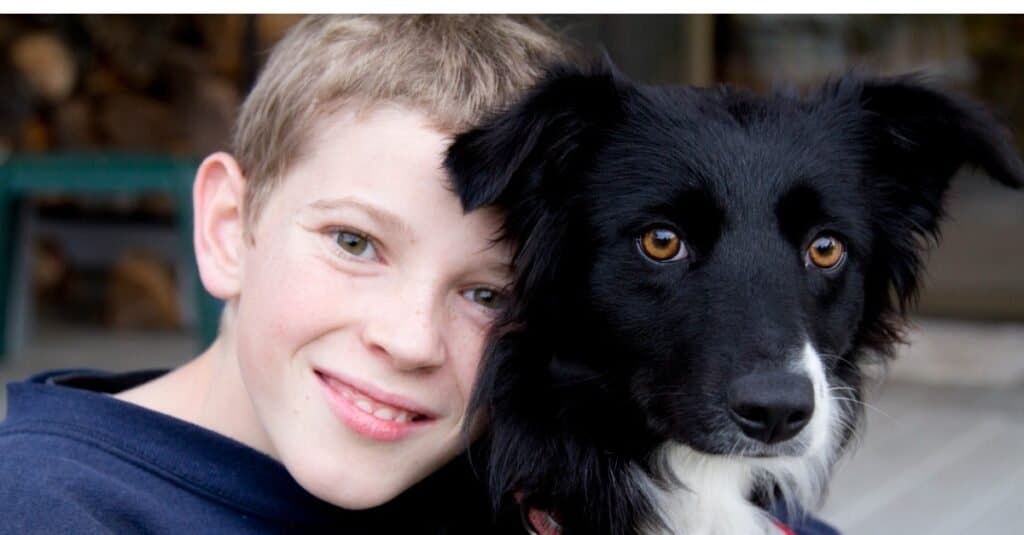
The collie mix is an amiable breed of dog that loves to play and be around people, especially kids.

Collie Mix And Children

The collie mix is an amiable breed of dog that loves to play and be around people, especially kids. They are known for being gentle and loving dogs that make great family pets. However, they may try to herd small children by nipping at their heels because they are a herding breed. This is not aggressive behavior, but it can be scary and confusing for young children.

It is essential to train them to avoid this behavior and be aware of their body language so you can intervene if necessary. Overall, they are a great dog breed for families with small children. They are loving and gentle dogs that bring great joy to your home.         

View all 395 animals that start with C
Lev Baker

About the Author

Lev Baker

Lev is a writer at AZ Animals who primarily covers topics on animals, geography, and plants. He has been writing for more than 4 years and loves researching topics and learning new things. His three biggest loves in the world are music, travel, and animals. He has his diving license and loves sea creatures. His favorite animal in the world is the manta ray.
Connect:

Thank you for reading! Have some feedback for us?


Collie Mix FAQs (Frequently Asked Questions)

Collie mix puppies can range from $100 upwards to a few thousand dollars to purchase, depending on what breed the collie is mixed with. It’s important to factor in vet and food bills as well.