
S
Species Profile

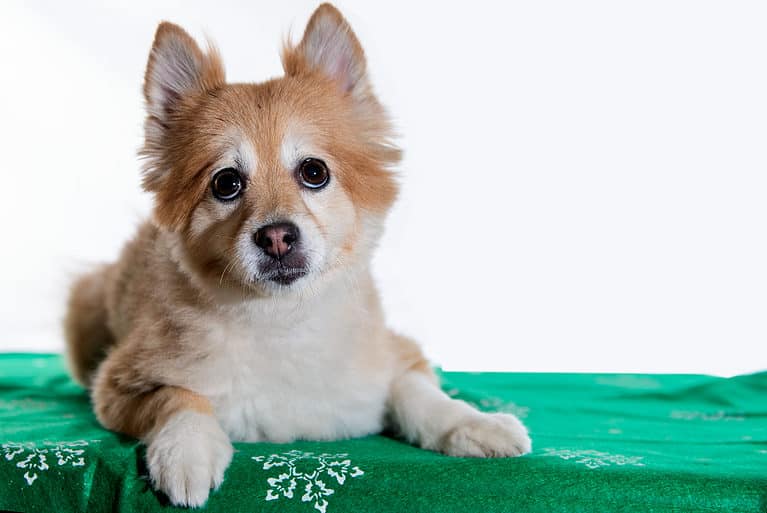
Shiba Inu Mix

Canis lupus familiaris

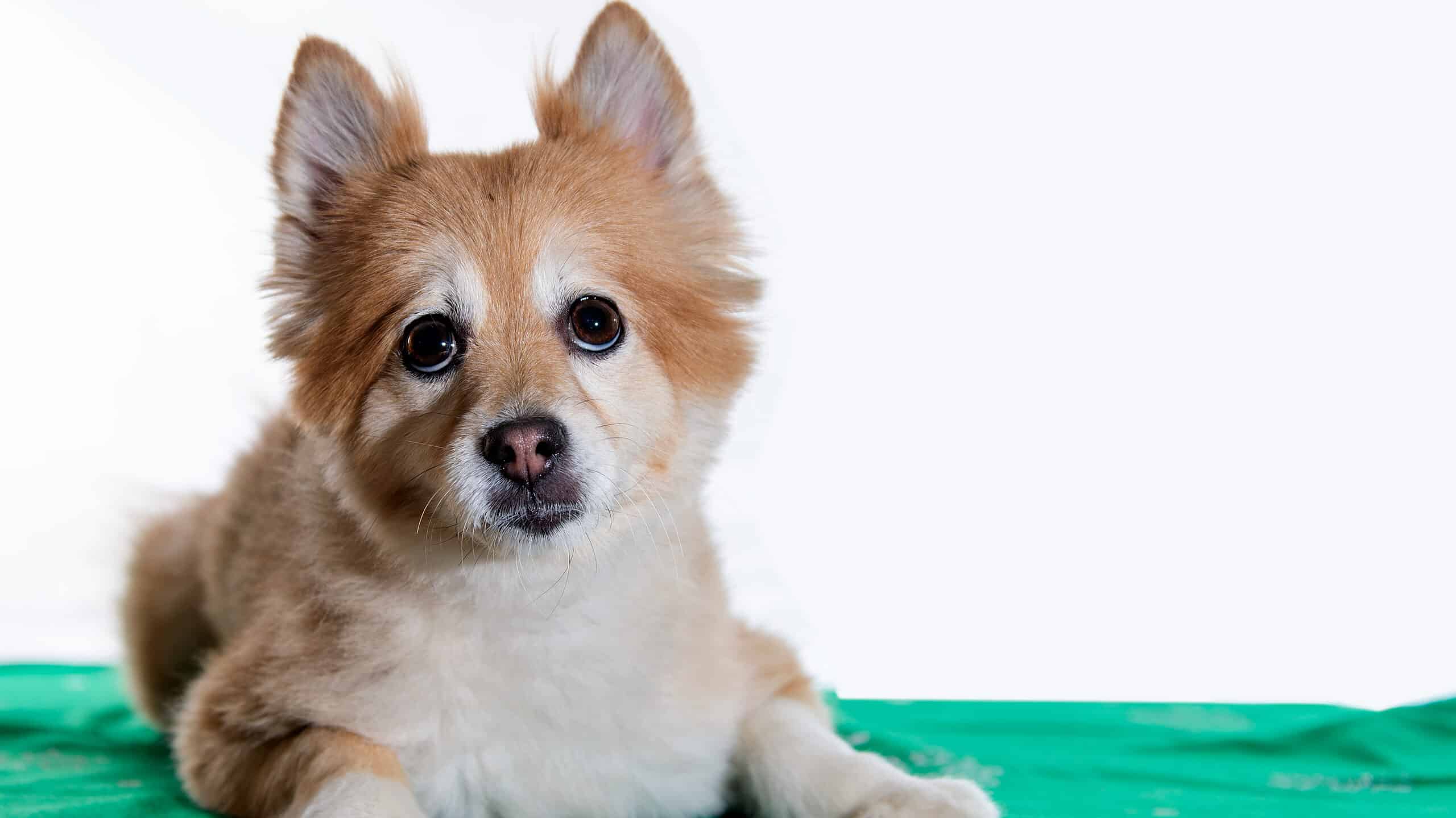
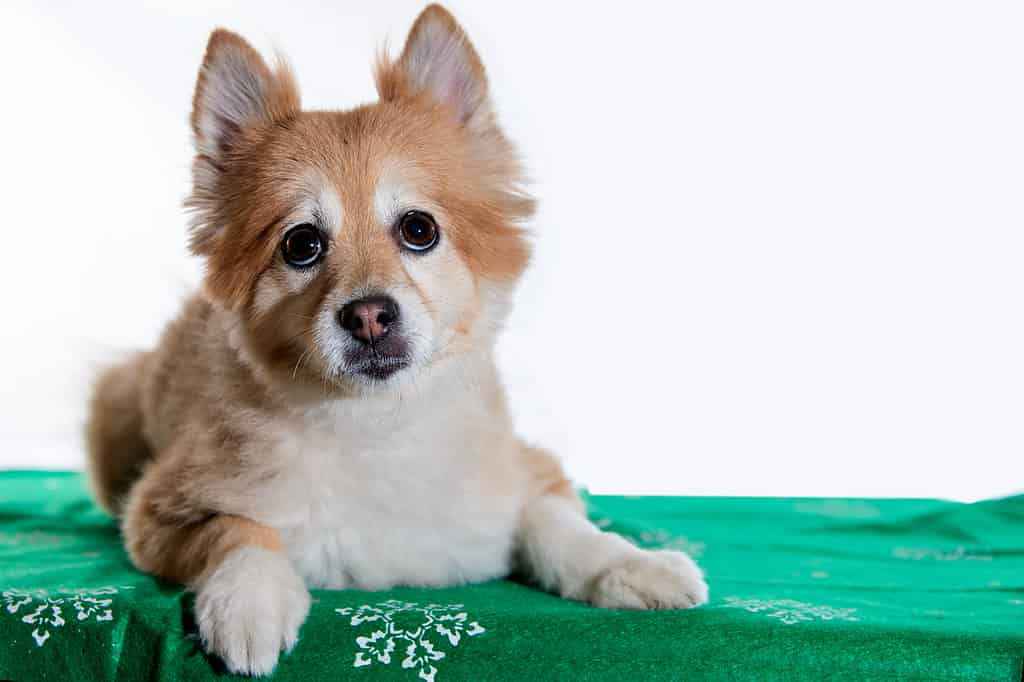
Spitz spark, mix-breed surprise
Steve Bruckmann/Shutterstock.com

Shiba Inu Mix Distribution

Click a location to explore more animals from that region

Origin Location

This map shows the native origin of the Shiba Inu Mix. As a domesticated species, they are now found worldwide.

Loading map...

Found in 1 country

Size Comparison

Human 5'8"
Shiba Inu Mix 1 ft 4 in

Shiba Inu Mix stands at 23% of average human height.

Shiba Inu mix

At a Glance

Domesticated
Also Known As mutt, mongrel, mixed-breed, crossbreed, cross, mixer
Diet Omnivore
Activity Cathemeral+
Lifespan 4 years
Weight 18 lbs
Status Not Evaluated
Did You Know?

"Shiba Inu mix" isn't a standardized breed-size, coat, and temperament depend heavily on the non-Shiba parentage.

Scientific Classification

A domestic dog of mixed ancestry in which Shiba Inu lineage is present; traits vary depending on the other contributing breed(s).

Kingdom
Animalia
Phylum
Chordata
Class
Mammalia
Order
Carnivora
Family
Canidae
Genus
Canis
Species
Canis lupus

Distinguishing Features

  • Spitz-type influence commonly present (upright ears, curled/sickle tail), but variable
  • Coat color and thickness highly variable (often red, sesame, black-and-tan if Shiba traits dominate)
  • Temperament/size can range widely depending on the non-Shiba ancestry

Physical Measurements

Males and females differ in size

Height
1 ft 5 in (1 ft 2 in – 1 ft 8 in)
1 ft 3 in (12 in – 1 ft 6 in)
Length
2 ft 9 in (2 ft 2 in – 3 ft 1 in)
2 ft 2 in (1 ft 10 in – 2 ft 7 in)
Weight
26 lbs (18 lbs – 35 lbs)
20 lbs (11 lbs – 31 lbs)
Tail Length
11 in (8 in – 1 ft 2 in)
9 in (7 in – 12 in)
Top Speed
25 mph
running

Appearance

Primary Colors
Secondary Colors
Skin Type Canine skin under a dense often double coat; pigmentation varies, with some mixes prone to dryness or allergic dermatitis.
Distinctive Features
  • Domestic dog with Shiba Inu ancestry; appearance is probabilistic, not standardized.
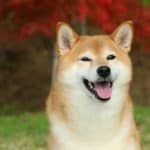
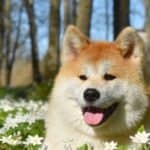
  • Often shows spitz-type traits: wedge-shaped head, erect triangular ears, compact athletic frame.
  • Tail may be tightly curled, sickle-curled, or less curled depending on the mix.
  • Coat commonly double-layered (coarse guard hairs, dense undercoat) with heavy seasonal shedding.
  • Alert, fox-like expression is common; muzzle length and head breadth vary by other lineage.
  • Color frequently resembles Shiba reds/tans with lighter countershaded areas, but can be widely variable.
  • Behavior-linked appearance notes: strong prey drive and quick reactions can correlate with spitz build.
  • Common health concerns (risk varies by mix): allergies/atopy, patellar luxation, hip dysplasia.
  • Eye issues seen in Shiba lines may occur: glaucoma, cataracts, progressive retinal problems.
  • Endocrine concerns may appear in mixes: hypothyroidism and related weight/coat changes.
  • Care: frequent brushing (especially during "blow coat"), routine nail/ear/dental care.
  • Care: daily exercise plus mental enrichment; secure fencing and leash reliability recommended.
  • Care: early socialization and positive-reinforcement training help manage independence and reactivity.
  • Care: monitor skin/coat for itching, hotspots, and shedding-related matting; vet if persistent.

Sexual Dimorphism

Sexual dimorphism is usually mild: males tend to be slightly larger with broader heads and thicker neck ruffs. Females are often a bit smaller and finer-boned, but mix ancestry can reduce or exaggerate these differences.

  • Slightly taller and heavier on average for the individual's mix
  • Broader skull and more pronounced cheek musculature possible
  • Thicker neck/shoulder ruff appearance in double-coated individuals
  • Slightly lighter build with narrower head and muzzle possible
  • May appear more refined through the waist and limbs
  • Heat-cycle related coat changes can occur in intact females

Did You Know?

"Shiba Inu mix" isn't a standardized breed-size, coat, and temperament depend heavily on the non-Shiba parentage.

Shiba Inu lineage often brings spitz features: wedge-shaped head, small upright ears, dense double coat, and a curled or sickle tail (not guaranteed).

Many Shiba-type dogs show "catlike" grooming and a preference for cleanliness; some Shiba mixes inherit this fastidious streak.

The famous "Shiba scream" (a high, dramatic protest vocalization) can show up in mixes, especially when restrained or upset.

Like all domestic dogs (Canis lupus familiaris), Shiba mixes are descendants of the gray wolf (Canis lupus) but were shaped by human selection for companionship and work.

Seasonal "coat blow" can be intense if the mix keeps the Shiba-style double coat-expect heavy shedding bursts in spring/fall.

A strong prey drive is common in spitz-type dogs; in Shiba mixes it can translate to chasing squirrels, cats, or birds unless trained and managed.

Unique Adaptations

  • Spitz-derived insulation: if the double coat is present, it provides excellent cold-weather protection but requires regular brushing to prevent matting and manage shedding.
  • Curled tail and compact build (when inherited) help conserve heat and protect extremities-traits common in northern spitz-type dogs.
  • Efficient movement: many Shiba-type dogs have springy, agile gaits suited to quick turns and rough terrain.
  • Keen senses: strong vision/smell and rapid reaction times can make them excellent at scent games and tracking-style enrichment.
  • Behavioral adaptation to humans: like all domestic dogs, Shiba mixes are highly attuned to human routines and can learn complex household patterns-though independence may mask it.

Interesting Behaviors

  • Independent problem-solving: some Shiba mixes are less "people-pleasing" than many breeds and may test boundaries; consistent, reward-based training works best.
  • Selective social style: they may be affectionate with family yet reserved with strangers-early, positive socialization helps prevent fearfulness.
  • Escape artistry: climbing, squeezing through gaps, or door-dashing can occur; secure fencing and leash habits are important.
  • High alertness: quick to notice sounds/movement; may bark as an alarm but not always as a constant barker (varies by mix).
  • Resource guarding or possessiveness can appear in some lines; proactive training (trading games, calm handling) is helpful.
  • Digging and "nesting" behaviors may show up, especially in dogs with strong spitz instincts.
  • Fast bursts of play ("zoomies") and short, intense activity cycles are common; many enjoy games that mimic hunting (fetch, flirt pole).

Cultural Significance

Shiba Inu, a native Japanese spitz named a Natural Monument in 1936, is a cultural symbol. A Shiba Inu mix keeps the spitz look and is known for being bold, often found in shelters and showing adoption and dog genetic diversity.

Myths & Legends

In the Japanese folktale 'The Old Man Who Made Trees Bloom,' a loyal dog (Canis lupus familiaris) helps a kind old couple find treasure, and its spirit helps the man after death, showing dog's loyalty.

"Peach Boy" features a dog as one of the hero's animal companions on a quest to defeat demons, a classic story where the dog represents brave, loyal partnership.

The "sending-off dog" is a dog-like spirit from Japanese folklore said to follow travelers on mountain paths-protecting those who keep composure, but turning dangerous if the traveler stumbles or panics.

"Dog spirit" stories in parts of Japanese folk belief describe powerful familiars associated with households; tales say they can bring protection or misfortune depending on how they are treated.

Lion-dog guardian figures stand watch at Japanese shrine entrances; while not literal dogs, they reflect a long-standing tradition of canine-like protectors warding off evil and guarding sacred spaces.

Conservation Status

NE Not Evaluated

Has not yet been evaluated against the criteria.

Population Stable

Life Cycle

Birth 4 pups
Lifespan 4 years

Lifespan

In the Wild
2–8 years
In Captivity
10–16 years

Reproduction

Mating System Polygynandry
Social Structure Managed Domestic
Breeding Pattern Transient
Fertilization Managed Selective
Birth Type Managed_selective

Like other domestic dogs, Shiba Inu mixes have no fixed pair bonds; mating is typically controlled by owners/breeders via planned pairings. Reproduction involves internal fertilization during the female's estrus, with partners changing between cycles.

Behavior & Ecology

Social Pack Group: 3
Activity Cathemeral, Crepuscular, Diurnal
Diet Omnivore High-protein meat-based meals or treats (e.g., chicken, beef, fish) with strong aroma

Temperament

Species context (domestic dog): highly adaptable social generalist shaped by human schedules and training.
Breed-distinguishing tendency: Shiba-line dogs are often more independent and less biddable than many breeds.
HUBS pattern: bonds intensely with a primary caregiver; friendliness to strangers is variable.
HUBS pattern: can be dog-selective; same-sex or pushy greetings may trigger tension without careful management.
High prey drive is common; chase behavior and small-pet risk vary with the other breed mix.
Alert, watchful, and quick to notice changes; may become vocal or reactive if under-socialized.
Often "cat-like" cleanliness and self-grooming; may dislike restraint, nail trims, or forced handling.
Training needs: short, positive sessions with choice-based handling; stubbornness increases with harsh corrections.
Care needs: daily exercise plus scent work/food puzzles; boredom can drive destructiveness or escaping.
Care needs: secure fencing and leash reliability; Shiba-line mixes are notable for bolting/door-dashing.
Common health concerns (vary by mix): allergies/atopy, patellar luxation, hip dysplasia.
Common health concerns (vary by mix): glaucoma/PRA, hypothyroidism; keep routine vet eye/orthopedic checks.

Communication

barks Often alert-focused, not constant
growls and low grumbles for boundaries
whines for attention or frustration
howls/yodel-like vocalizations in some individuals
high-pitched "Shiba scream" during fear, restraint, or intense excitement
tail carriage and tight tail curl changes to signal arousal or uncertainty
ear position, squinting, and lip tension as subtle stress signals
stiff posture/freezing before escalation; important early warning in dog-dog interactions
play bows and quick darting movements to initiate play
scent marking and sniff-investigation to assess other dogs and environments
avoidance/turning away and disengagement when overstimulated
mouthing, pawing, and nudging to solicit interaction with trusted humans

Habitat

Biomes:
Temperate Forest Boreal Forest (Taiga) Tundra Temperate Grassland Mediterranean Desert Hot Desert Cold Alpine Freshwater Wetland Marine +5
Terrain:
Plains Hilly Mountainous Coastal Island
Elevation: Up to 16404 ft 3 in

Ecological Role

Human-associated mesopredator/omnivorous scavenger: primarily a companion animal whose diet is supplied by humans, but with Shiba Inu-influenced tendencies toward opportunistic predation and vigilant, territorial foraging behavior.

companion and working roles (emotional support, recreation) pest deterrence via presence/scent and occasional rodent predation participates in nutrient cycling through consumption of human-provided foods and waste (managed feeding) can influence local wildlife interactions (reducing small-animal activity where present)

Diet Details

Main Prey:
Other Foods:
Wild berries and fallen fruit Grasses Vegetables and plant matter Mushroom scraps

Human Interaction

Domestication Status

Domesticated

Canis lupus familiaris (domestic dog) came from gray wolves and was bred for work and company for thousands of years. A Shiba Inu mix is a mixed-breed dog with Shiba traits—foxlike face, erect ears, double coat, curled tail, independence, strong prey drive, aloofness, escape risk, and being sensitive to handling. Health varies; may include patellar luxation, allergies, glaucoma.

Danger Level

Moderate
  • Bite risk exists as with all domestic dogs; Shiba-influenced mixes may be more likely to snap if forcibly restrained, mishandled, or poorly socialized, especially around grooming, nail trims, or veterinary handling.
  • Higher prey drive in some individuals can lead to chasing incidents and collisions (e.g., with cyclists/runners) if off-leash or if containment fails.
  • Escape/roaming tendency can increase risk of traffic accidents and negative encounters with people/other animals.
  • Resource guarding and same-sex or dog-selective aggression can occur depending on the mix and socialization; early training and management reduce risk.
  • Allergen exposure (dander) and scratches during play are common minor risks.

As a Pet

Suitable as Pet

Legality: Shiba Inu mixes (domestic dogs) are usually legal where dogs are allowed, but local rules (license, leash, shots, noise) and breed-appearance bans on spitz-type dogs, plus rental/HOA or insurance limits, may apply.

Care Level: Experienced

Purchase Cost: Up to $1,500
Lifetime Cost: $15,000 - $35,000

Economic Value

Uses:
Companion animal services Pet retail (food, grooming, supplies) Veterinary and preventive healthcare Training and behavior services Animal welfare/adoption services
Products:
  • adoption and rehoming fees (shelters/rescues)
  • purchase price from private breeders/owners (highly variable for mixes)
  • spay/neuter, vaccines, parasite prevention
  • professional training (especially recall/leash manners and handling tolerance)
  • grooming tools/services (undercoat rake, deshedding, nail care)
  • durable containment (secure fencing, crate, escape-resistant harness)
  • premium diet management (weight control; allergy/skin-support diets when indicated)

Relationships

Ecological Equivalents 5

Animals that fill a similar ecological role in their ecosystem

Village/Pariah dog Canis lupus familiaris Most similar ecological role: generalist, human-associated scavenger/forager. Shiba Inu mixes often retain high alertness and independence, which can resemble free-ranging dog behavior if under-exercised or under-managed.
Coyote
Coyote Canis latrans Comparable mid-sized canid niche: an opportunistic omnivore/carnivore that uses mixed habitats. Useful analog for prey drive and roaming tendencies that may appear in Shiba-line dogs, particularly when recall is poor or curiosity is high.
Red fox
Red fox Vulpes vulpes Occupies a similar small-to-mid canid niche and exhibits comparable behaviors (pouncing, stalking, denning instincts); parallels Shiba-like traits such as quick movements, high alertness, and a strong interest in small prey.
Raccoon dog
Raccoon dog Nyctereutes procyonoides East Asian canid that occupies forest and edge habitats. Serves as a niche analog for compact spitz-type dogs that are active, agile, and opportunistic around human landscapes.
Feral cat Felis catus Not a close relative, but overlaps strongly in human-dominated environments as a small predator and scavenger. Relevant because many Shiba mixes show cat-like independence, selective affection, and strong grooming/cleanliness tendencies.

A Shiba Inu mix is a type of dog that results from breeding a Shiba Inu with another dog breed. Shiba Inus are a small, spitz-type breed that originated in Japan. They have a foxlike appearance and friendly, energetic personalities. When they mix with other breeds, their offspring can be a wide range of different-looking dogs, with varying personalities and characteristics.

Purebred Shiba Inus can make good family companions, but they may not be the best choice for families with young children or other pets. Shiba Inus are intelligent, independent, and strong-willed, which can make them challenging to train and manage. They are also reserved and aloof with strangers. Additionally, they may not be as patient or tolerant with young children who are still learning how to interact with dogs. Shiba Inus may be aggressive or dominant towards other pets, especially when owners do not properly socialize them from an early age. Potential owners who are concerned about the drawbacks of a pure breed often explore options of mixed breeds that may not have these negative qualities.

The 30 different types of Shiba Inu Mixes
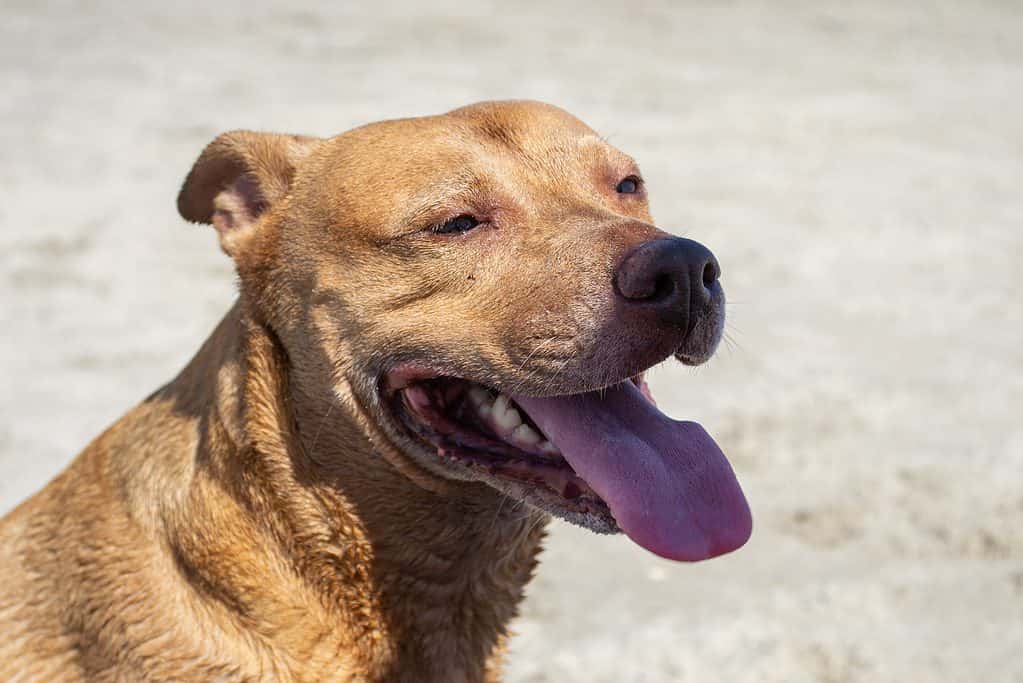
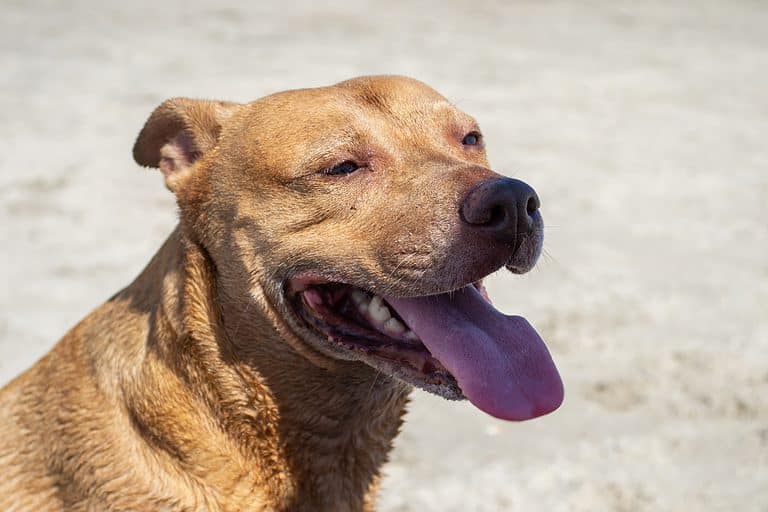
Shiba-pit mix

This is called a Shiba-pit. It’s a mix between a Shiba Inu and a pit bull.

There are a lot of different types of Shiba Inu mixes. These are 30 of the most popular:

  1. Siberian Husky mix (Shiba Husky)
  2. Welsh Corgi mix (Corgi Inu)
  3. German Shepherd mix (Shiba Inu German Shepherd)
  4. Chihuahua mix (Shiba Chi)
  5. Pomeranian mix (Shiba Pom)
  6. Miniature poodle mix (Shiba-poo or Poo-Shi, Shibadoodle, Shibapoo)
  7. Labrador Retriever mix (Shibador)
  8. Golden Retriever mix (Golden Shiba)
  9. Border Collie mix
  10. Pug mix (Shiba Pug)
  11. Chow Chow mix (Chowba or Chow Inu)
  12. Jack Russell Terrier mix (Jack Inu)
  13. Dachshund mix (Shibadach or Shibadox)
  14. Beagle mix (Shi-Beagle)
  15. Australian Shepherd mix (Aussie Shiba)
  16. American Eskimo mix (Imo-Inu)
  17. Alaskan Malamute mix (Shiba Malamute)
  18. Akita mix (Shibakita)
  19. Miniature Schnauzer mix (Schnu)
  20. Cairn Terrier mix (Shairn-Inu)
  21. Miniature Pinscher mix (ShiPin)
  22. Boston Terrier mix (Shibos)
  23. Cocker Spaniel mix (Shocker)
  24. Cavalier King Charles Spaniel mix (Cava Inu)
  25. Papillon mix (Papi-Inu)
  26. Shetland Sheepdog mix (Sheltie Inu)
  27. Pitbull mix (Shiba-Pit)
  28. Samoyed mix
  29. Basenji mix
  30. Bulldog mix

3 Pros and Cons of Owning Shiba Inu Mixes

ProsCons
Intelligent and trainable
Shiba Inus are a highly intelligent breed, and they are known for their ability to learn and respond to commands. When they are mixed with other breeds, they can inherit even more intelligence and trainability, making them easy to manage.
Challenging to train
The Shiba Inu side of a mixed breed is noted for being strong-willed and independent, and they can be challenging to train and manage. Mixes that inherit a lot of Shiba genes can be difficult to control.
Friendly and loyal
Shiba Inus are known for their friendly and affectionate personalities, and they are very loyal to their owners. Combined with other breeds, they can inherit traits that make them great companion animals.
Not the best with young children
They can be reserved and aloof with strangers, and they may not be patient or tolerant with young children who are still learning how to interact with dogs.
Low maintenance
Mixes can inherit Shiba Inus’ low-maintenance traits, making them a good choice for busy families or those with limited time to devote to dog care.
Dominant towards other pets
They can be aggressive towards other pets, especially if they are not properly socialized from an early age. Sometimes they do not adjust well to homes with multiple pets.

The Best Dog Food

When choosing the best dog food for a Shiba Inu mix, it is important to consider their unique dietary needs and preferences. Shiba Inus are a small, energetic breed, and they have a high metabolism, which means they require a diet that is high in protein and fat to support their active lifestyle. They also have a tendency to gain weight easily, so it is important to choose a dog food for their specific size and activity level.

Size and Weight

Shiba Inu males range from 14.5 to 16.5 inches tall and weigh up to 23 pounds, fully grown. Females can be 13.5 to 15.5 inches tall and weigh up to 17 pounds. The size of the mix can vary a lot from this; it all depends on which parent’s genes are dominant.

Common Health Issues

Like all breeds, Shiba Inu mixes can be prone to certain health conditions. Some common health problems that may affect these mixes include:

  • Hip dysplasia — This is a condition in which the hip joint does not develop properly, which can cause pain and lameness. It is more common in larger breeds, but it can also affect smaller breeds like Shiba Inus.
  • Eye diseases — Shiba Inus are prone to certain eye problems, such as cataracts and progressive retinal atrophy. Cataracts can cause cloudy vision, and progressive retinal atrophy can lead to vision loss.
  • Allergies — Shiba Inus are prone to skin allergies, which can cause symptoms such as redness, itching, and hair loss. Environmental factors like pollen or mold can cause these allergies. Certain food ingredients, such as specific proteins or carbohydrates, can cause them too.

It is important for owners of Shiba Inu mixes to work with a veterinarian to identify and manage any health conditions that may develop, and to provide regular health check-ups and preventive care to ensure they live a long and happy life.

Temperament and Behavior
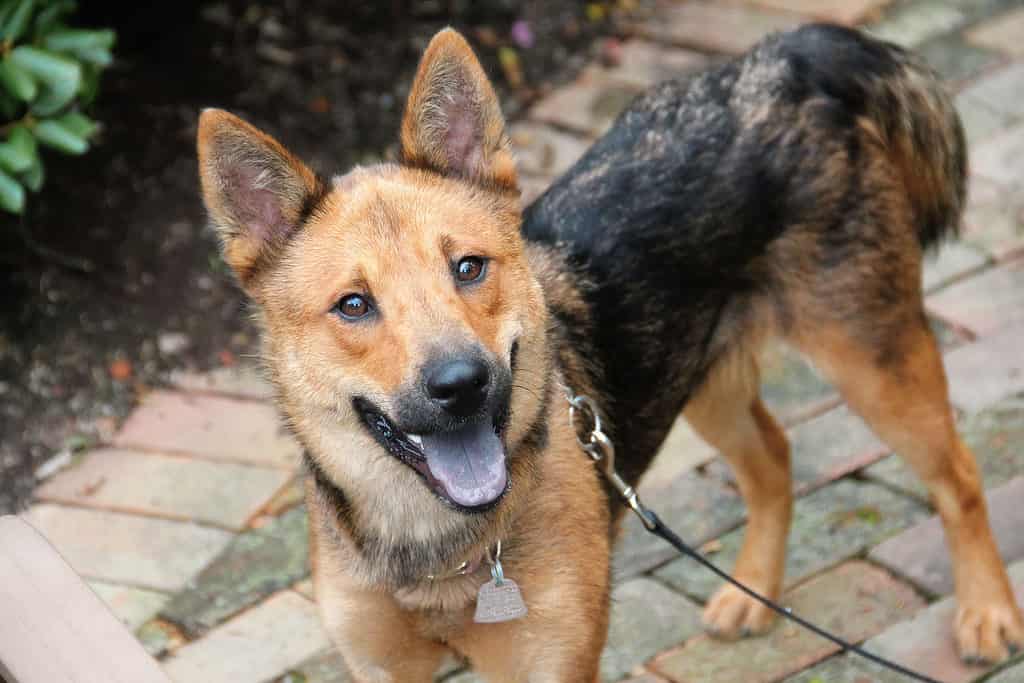
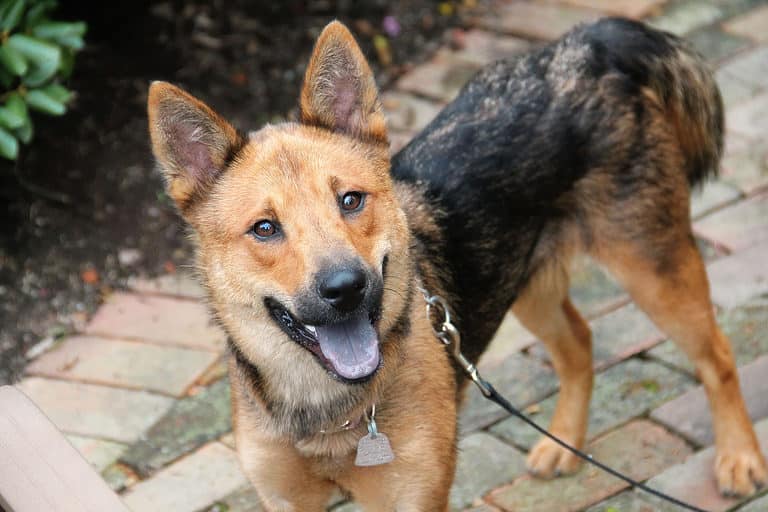
Shiba/German shepherd mix

This utterly adorable dog is a Shiba Inu-German Shepherd mix.

The temperament and behavior of a Shiba Inu mix will depend on the individual dog and the breed they are mixed with. Shiba Inus are a highly intelligent and independent breed, and they have friendly and affectionate personalities. However, they can be reserved and aloof with strangers, and they may be protective of their owners and their territory. They are also energetic and playful, and they require regular exercise and mental stimulation to stay happy and healthy.

When they are mixed with another breed, they can inherit some of the characteristics of that breed. These genetics will affect their temperament and behavior. For example, if they are mixed with a more laid-back and relaxed breed, they may be less energetic and more easy-going. If they are mixed with a more active breed, they may be even more energetic and playful. It is important for potential owners to research all breeds involved and consider their temperament and behavior when choosing a mix.

How To Take Care of Shiba Inu Mixes

Maintenance and Grooming

Shiba Inus have a thick, double-coated fur well-suited to a wide range of climates, but it sheds. Regular grooming is necessary to keep their coat healthy and looking its best. They require regular brushing, combing, and trimming to remove tangles and mats, and to keep their coat clean and free of debris. These dogs also require regular baths to keep their coat and skin clean and healthy, and to prevent any skin conditions from developing.

Because in this article we’re talking about Shiba Inu mixes, keep in mind that their coats and grooming needs may be influenced by their other parent as well. So you’ll have to see how your individual dog’s hair grows and what the options for grooming are.

Training

Training a Shiba Inu mix can be challenging. Some common training challenges that owners may face include:

  • Potty training: Shiba Inus can be pretty stubborn and might resist potty training. Get a consistent routine going and praise them lavishly when they get it right to reinforce that behavior.
  • Leash training: These dogs are energetic and can pull strongly enough to injure your arm or wrist. Use a harness or no-pull leash.
  • Barking: Shiba Inus are really vocal dogs. They tell the world when they’re excited, scared, bored, whatever. Be consistent in training them. Persistence will pay off, and you’ll enjoy your dog a lot more when it is “seen but not heard.”

Exercise

These are really energetic, playful, silly dogs. You have to give them lots of mental and physical stimulation, or they will tear your house apart. Take them on walks, play fetch, or do agility or obedience training. Don’t think of these things as “one more thing you have to do,” but as spending time with your puppy, which is one of the things you love to do. Let it be stress-relieving for you both.

Puppies
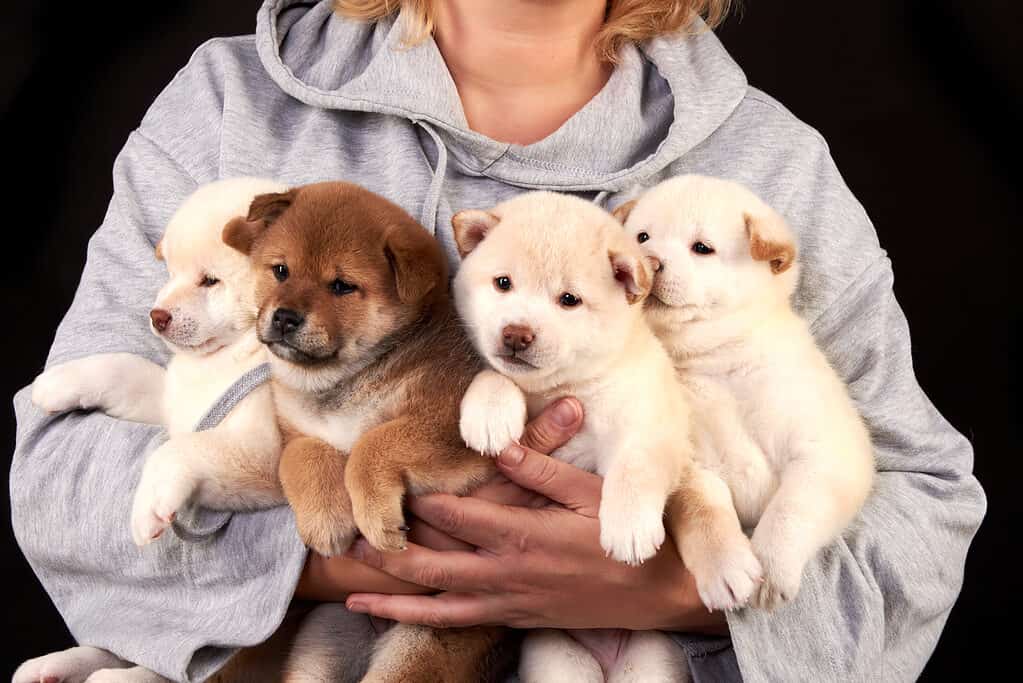
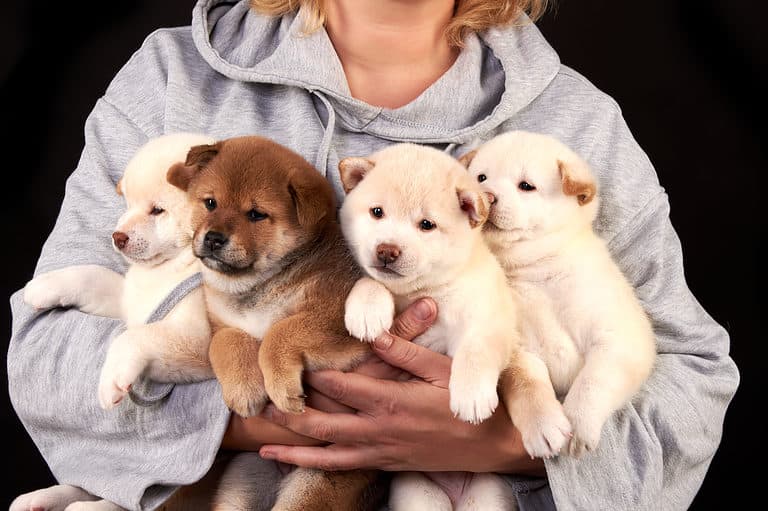
Shiba Inu puppies

Shiba Inu puppies are cute balls of fluff!

Here are some basic instructions for caring for a Shiba Inu mix puppy:

  1. Feed them a healthy, quality puppy food formulated for their nutritional needs.
  2. Keep a regular feeding schedule so their digestion doesn’t get messed up and so you can regulate how much food they are eating.
  3. Make water available to them all day.
  4. Potty train your puppy. Put in the time and effort to do it consistently from the beginning, so it will not be a drawn-out and frustrating process for you and the dog. You don’t want them still having accidents in the house a year from now.
  5. Provide your puppy with plenty of socialization with other dogs and people, and training in how to behave in new situations. These issues are easier to shape and correct when they are young.
  6. Schedule regular vet visits, make sure your puppy is vaccinated, and get them spayed or neutered.

With any puppy, a consistent routine, plenty of exercise, a healthy diet, and lots of love and attention are mostly what’s needed, under the guidance of a professional veterinarian.

Children

Shiba Inus are energetic and playful, but they also have a mind of their own and can be skittish with strangers. Sometimes they get irritated with small children who pull on their fur, hit them with toys, or make sudden movements. Both your dog and your children will need some training to get along. Small children should always be under adult supervision during doggie playtime.

Dogs similar to Shiba Inu Mixes

Check out these dogs similar to Shiba Inu mixes:

  •  Finnish Spitz: These dogs are from Finland, but they are bigger and have a longer coat with a reddish-gold color.
  •  Shikoku: A Japanese dog breed that is a little bigger, more active, and less fluffy than a Shiba Inu.
  •  Korean Jindo: A calm, dignified breed similar to the Shiba Inu.

Famous Shiba Inu Mixes

  • A Shiba Inu named Mari saved her puppies and her elderly owner after an earthquake in 2004 in Japan.
  • Maru Taro is a popular Shiba Inu with about 2.5 million followers as of late 2025 on Instagram.
  • Kabosu was the Shiba Inu behind the famous Doge meme, which remains popular on the internet. Kabosu passed away in May 2024.
View all 391 animals that start with S

Sources

  1. Wikipedia / Accessed December 14, 2022
  2. Dogtime / Accessed December 14, 2022
  3. Petplan / Accessed December 14, 2022
  4. Wagave / Accessed December 14, 2022
  5. PetMD / Accessed December 14, 2022
  6. Japanese Dog Breed Guide / Accessed December 14, 2022
  7. K9web / Accessed December 14, 2022
  8. AKC / Accessed December 14, 2022
Drew Wood

About the Author

Drew Wood

Drew is a college professor and freelance writer who graduated from the University of Virginia. His travels have taken him to 25 countries and 44 states, where he has enjoyed learning about wildlife in a wide range of environments. In addition to his love of animals, he enjoys scary movies, landscaping, strategy games, and philosophical discussions over a cup of coffee. He is also an emotional support human to a neurotic Spanish Water Dog and a hyperactive Chihuahua mix.

Thank you for reading! Have some feedback for us?


Shiba Inu Mix FAQs (Frequently Asked Questions)

On average, the purchase price of a Shiba Inu puppy is $800 -$1,000. The price may be more or less for a mix depending on how desirable it is and difficult to find. Annual upkeep for this dog may cost $750 a year.