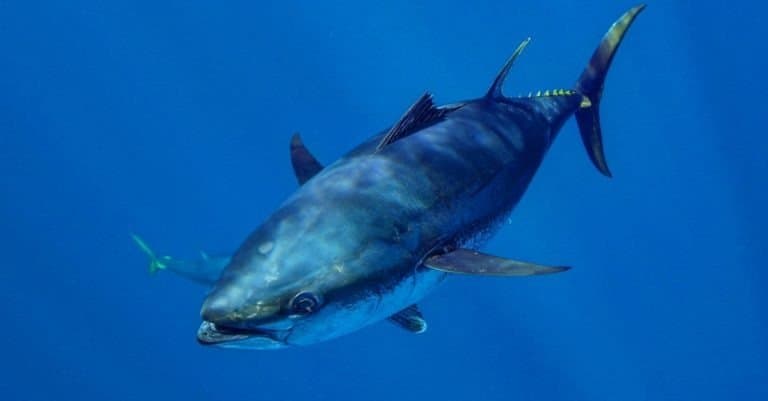
Bluefin Tuna
Warm-bodied sprinters of the open sea

Warm-bodied sprinters of the open sea
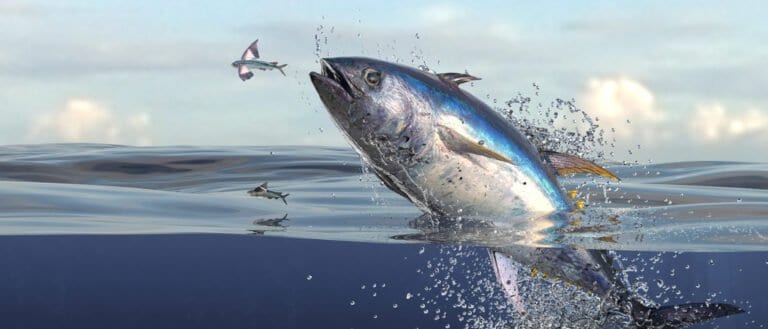
Built for speed, born to migrate
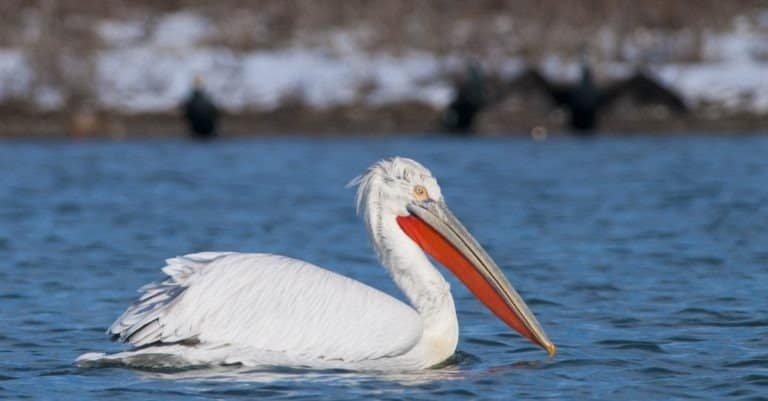
Big bill, bigger teamwork.
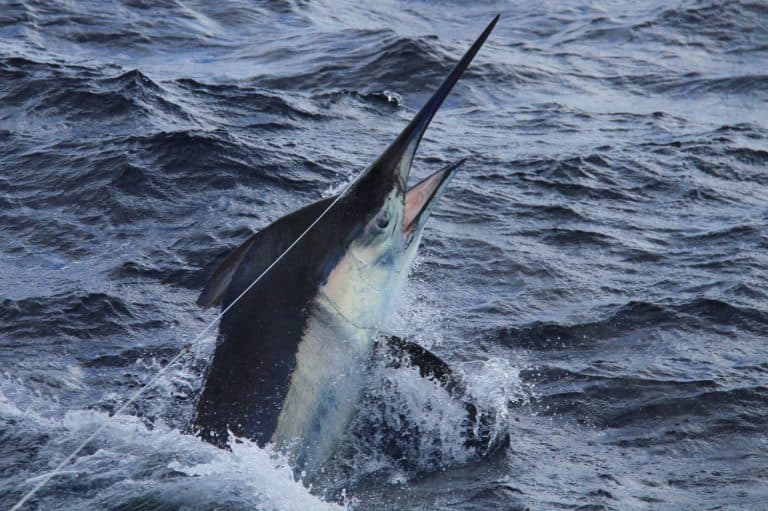
Rigid fins. Big power. Black marlin.
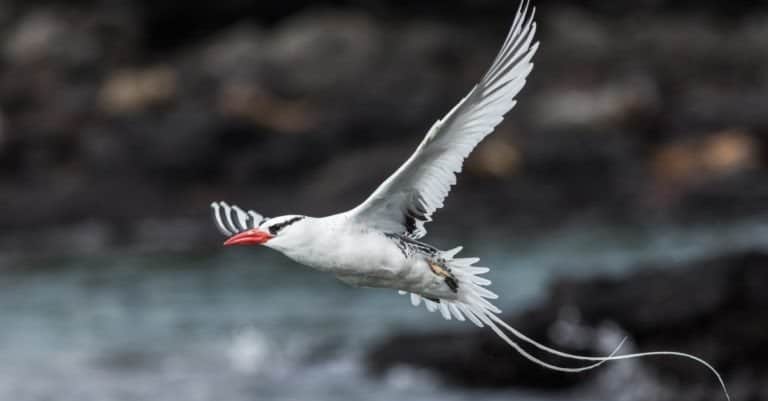
Streamers of the tropical seas
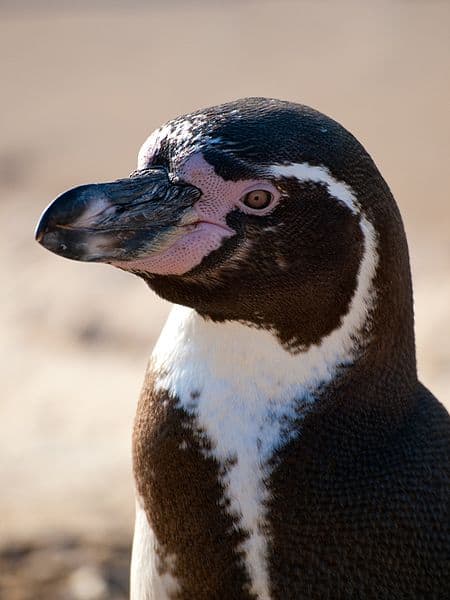
Built for the Humboldt Current

Spotted swimmer of Asia's wetlands
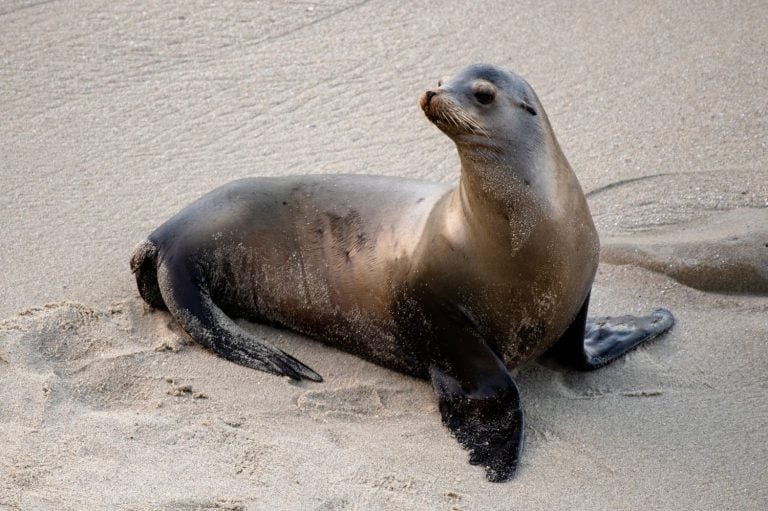
Ear flaps, flippers, and fierce colonies

Built to ambush, born to bite.
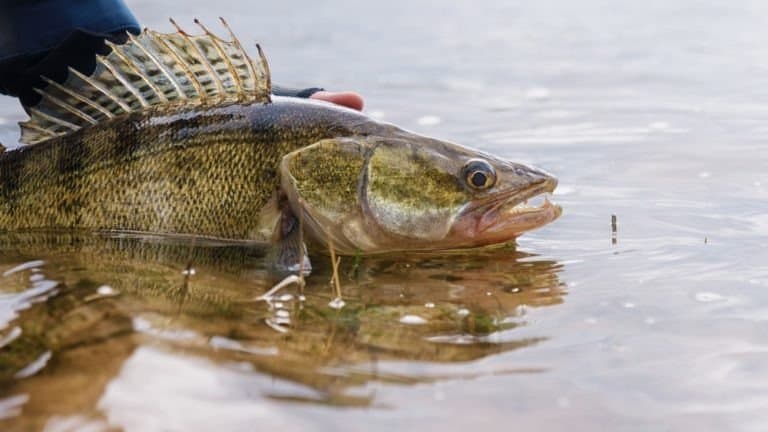
Built to hunt when the light fades
A piscivore is an organism whose diet consists predominantly of fish, with fish providing the primary source of energy and nutrients across seasons or life stages. In ecological terms, piscivory is defined by sustained reliance on fish prey (often alongside other aquatic animals) and corresponding anatomical, behavioral, and trophic adaptations for capturing and consuming fish.
Piscivores are animals that get most of their food by hunting and eating fish. They are found in many groups of animals: birds (herons, kingfishers, cormorants), mammals (otters, some seals), reptiles (some water snakes), and fish (pike, tuna). In food chains, piscivores usually sit in the middle to top levels and link fish to larger predators, helping shape aquatic communities. Because fish are fast and live in tricky water habitats, piscivores often have special bodies and hunting ways, such as streamlined shapes for chasing, hooked teeth or sharp bills for gripping and spearing, good vision for seeing above and below water, ambush tactics, or working together to herd fish. Some hunt specific reef, pelagic, or benthic fish, while others eat many kinds. Piscivores also move nutrients to land and can show changes in water quality and fish health.
Etymology: Derived from Latin roots meaning "fish" and "to devour/eat"; "piscivory" uses the same roots to mean "fish-eating."
"Piscivore means the animal eats only fish." (Many piscivores also consume crustaceans, cephalopods, or amphibians, but fish remain the primary food.)
"All fish-eaters are apex predators." (Many piscivores are mid-level predators and can be preyed upon by larger predators.)
"Piscivory is restricted to aquatic animals." (Numerous birds and semi-aquatic mammals are primarily fish-eaters despite spending much time in air or on land.)
Provides high-quality complete protein for muscle maintenance and growth; omega-3 fatty acids (EPA/DHA) for neural function, vision, and anti-inflammatory support; fat-soluble vitamins (A and D) important for immunity, skin/epithelial health, and calcium regulation; vitamin B12 and other B vitamins for energy metabolism and red blood cell formation; minerals such as iodine and selenium for thyroid and antioxidant function, plus phosphorus and calcium (especially when consuming bones) for skeletal maintenance.
Teeth (or analogous structures) are adapted to seize, hold, and swallow slippery fish, with emphasis on gripping rather than grinding.
A protein- and fat-oriented digestive tract suited for rapid breakdown of soft tissues, often with high acidity and minimal need for fermentation.
Gut Length: Short to moderate (typically ~3-6× body length in many taxa; generally shorter than herbivores of similar size)
Obligate (strict) piscivores depend mostly on fish, with body shape and hunting ways shaped to catch fish; they eat other water prey only rarely.
Facultative (flexible) piscivores frequently eat fish but can shift substantially to other prey (e.g., amphibians, crustaceans, insects, birds, mammals, carrion, or plant material) depending on season, habitat, and availability.
Piscivory — eating mainly fish — evolved many times when fish were common and predators could hunt in water. Early origins (Paleozoic): as jawed fishes and fish-rich coasts and rivers grew in the Devonian–Carboniferous (~420–300 Ma), groups like early sharks and ray-finned fish became fish-eaters. Tetrapod transitions (late Paleozoic–Mesozoic): amphibious and water-living reptiles and relatives moved into rivers, lakes, and shallow seas and many became fish-eaters, including Triassic–Cretaceous marine reptile radiations (~250–66 Ma). Modern radiations (Cenozoic): many birds (penguins, cormorants, pelicans) and mammals (pinnipeds, toothed whales) also evolved piscivory with new swimming, diving, and feeding tools.
Many unrelated groups evolved to eat mostly fish. Mammals such as bottlenose dolphins (Cetacea), harbor seals (Pinnipedia), and river otters (Mustelidae) each became fish specialists on their own. Birds like penguins (Sphenisciformes) and cormorants (Suliformes) hunt fish by diving underwater, while many kingfishers (Coraciiformes) catch fish by perching and plunging or making shallow dives. Reptiles such as gharials (Crocodylia) and sea snakes (Elapidae) also evolved fish-specialist bodies and behaviors. Extinct marine reptiles—ichthyosaurs (Ichthyosauria) and plesiosaurs (Sauropterygia)—were fish eaters that became streamlined for open-water hunting like later marine mammals. Common convergent traits include streamlined bodies, conical teeth or hooked beaks, better underwater sensing, and tactics for hunting schooling or migrating fish.
Piscivory is most comparable to fish-forward human diets (e.g., pescatarian, Mediterranean-style patterns with frequent seafood) and to high-protein, low-carb approaches when fish is a primary staple. Like piscivores, humans can rely heavily on fish for protein and omega-3 fats, but humans typically have a much broader, omnivorous nutrient base and can substitute other protein sources if fish availability declines. Key parallels include concerns about contaminant exposure (e.g., mercury/PCBs) and the importance of prey species choice (small pelagic fish vs. large predatory fish) for health and sustainability.
Knowing a species is piscivorous shows which habitats and fish it needs: spawning runs, shallow wetlands, reef edges, and river mouths. This helps protect key feeding areas and migration paths. It also shows how threats like overfishing, dams and changed flows, pollution, and invasive fish can cut prey numbers or raise toxins, causing breeding failure or population drops in top predators. Diet studies (scat analysis, stable isotopes, stomach contents) guide fishery rules, seasonal closures during spawning, bycatch limits, and habitat restoration (wetlands and riparian zones).
Piscivores link to food production through aquaculture and inland fisheries. Fish farming can compete with or help wild prey: escapees, use of feed, and disease can change prey availability. Wild piscivores may eat fish in stocked ponds, causing conflict and need for non-lethal deterrents. On farms, healthy waterways — less nutrient runoff, better pesticide control, and riparian buffers — support fish that feed piscivores, so piscivores can show water quality. They may eat small invasive fish and help control them, but they can also eat fish farmers sell, so people must balance farm production and wildlife protection.
Found across: Birds (raptors like ospreys/eagles; seabirds and waterbirds like cormorants, terns, herons), Mammals (cetaceans, seals/sea lions, otters; some bears seasonally), Reptiles (crocodilians; aquatic/semi-aquatic snakes such as sea kraits; some turtles occasionally), Fish (many predatory teleosts and elasmobranchs-pike, groupers, tunas, sharks), Cephalopods (some squids and cuttlefish are fish-focused predators)
Piscivores are predators at mid to top trophic levels that eat fish, often secondary consumers. They control fish numbers, age groups, and behavior, helping prevent imbalances like zooplankton overgrazing or forage-fish booms. Many also move aquatic nutrients to riparian and land areas via waste, carcasses, and prey remains.
Only a small part (~10% on average, but it varies a lot) of prey production becomes piscivore body mass. Because piscivores eat high in the food web (fish often eat plankton and invertebrates), they need more energy per area than lower-trophic feeders. This yields lower populations and strong sensitivity to drops in forage fish. Fish prey can be fat-rich, so when common piscivores can eat a lot fast and support costly behaviors like migration or endothermy.
Seasonal Variation: Piscivores follow fish seasons and water changes. In temperate areas they eat more in spring spawning and summer nurseries when juveniles are common; winter lowers feeding, so they go deeper, scavenge, or take other prey. In floodplains and wetlands, wet seasons spread fish and lower catch rates, while dry seasons concentrate prey. In marine areas upwelling and migrations cause pulses.
Piscivory shows up in wildly different branches of the tree of life-penguins, otters, crocodilians, dolphins, and many snakes all evolved fish-eating independently.
Some piscivores are "filter-like" hunters: baleen whales such as humpbacks can be strongly fish-focused and capture many fish at once with coordinated bubble-net feeding rather than chasing individuals.
Fish-eaters often have built-in anti-slip hardware: saw-toothed bills in mergansers, backward-pointing barbs on some snake teeth, and spiny papillae on seals' tongues help keep slick fish from wriggling free.
Many piscivores depend on senses that work where vision fails-seals and sea lions can track prey by following water trails with ultra-sensitive whiskers.
Piscivory can reshape ecosystems: by selectively removing certain fish sizes or species, top fish-eaters can indirectly influence everything from plankton blooms to water clarity (a trophic cascade).
A dedicated piscivore is like a "marine wolf": instead of hunting deer on land, it hunts fast, schooling prey in a 3D environment where the whole habitat is moving.
Fish are as slippery as a bar of soap underwater-so piscivores often evolve grip-and-pin adaptations (barbed teeth, spines, hooked bills) more than they evolve slicing tools.
Schooling fish are the buffet line of the aquatic world: a successful strike can yield multiple prey in rapid succession, similar to catching many insects in one sweep of a net.
Ear flaps, flippers, and fierce colonies
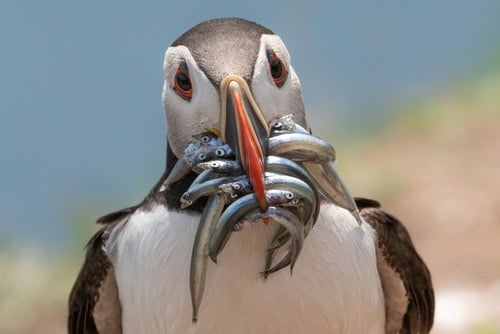
Wing-powered divers of the cold seas
Big bill, bigger teamwork.
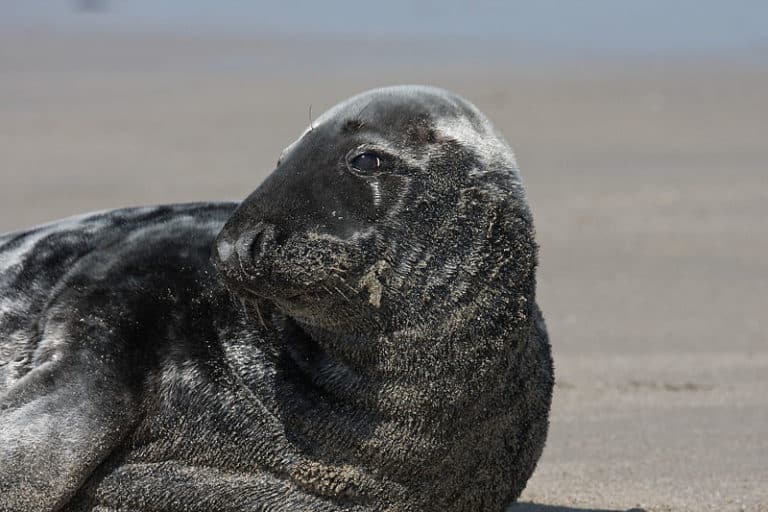
Horse-head seal of the North Atlantic
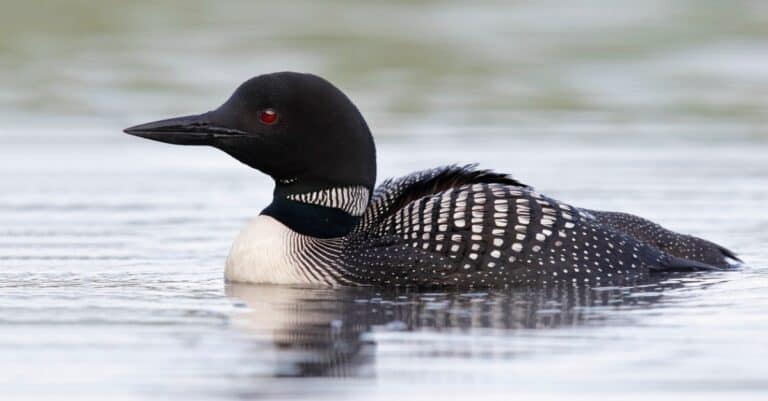
Haunting voice of northern lakes
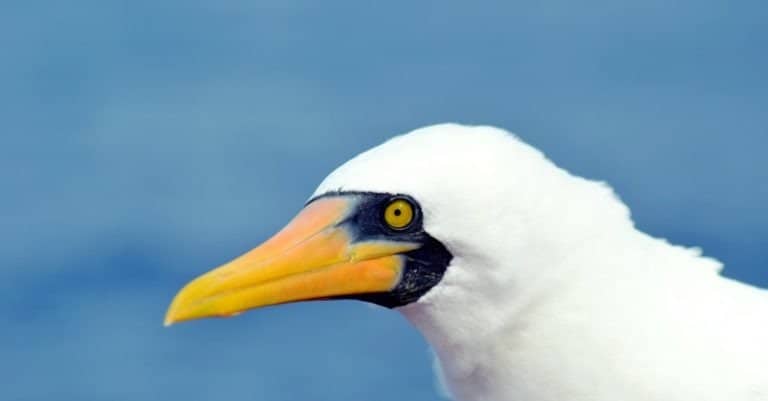
Born to dive, built to soar
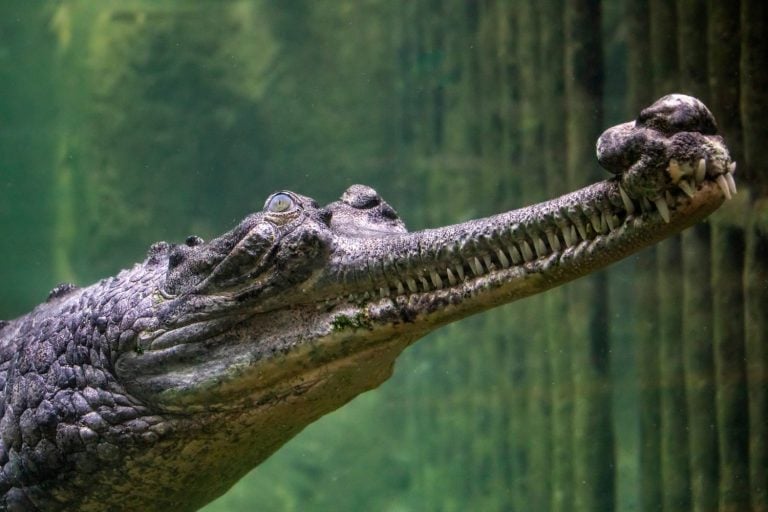
The long-snouted fisher of big rivers
Streamers of the tropical seas
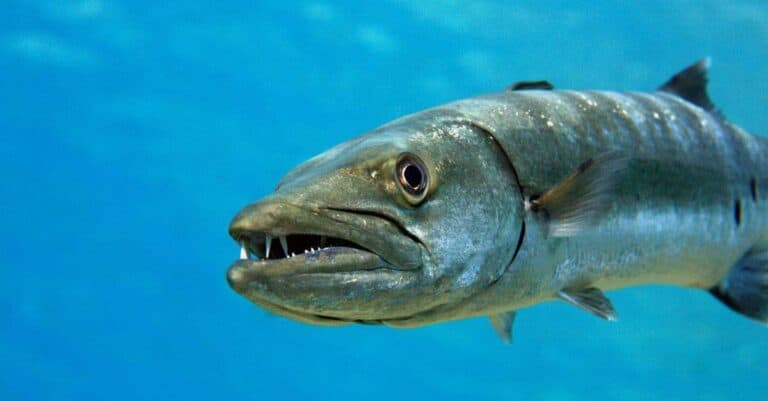
Silver speedsters with a bite
Spotted swimmer of Asia's wetlands
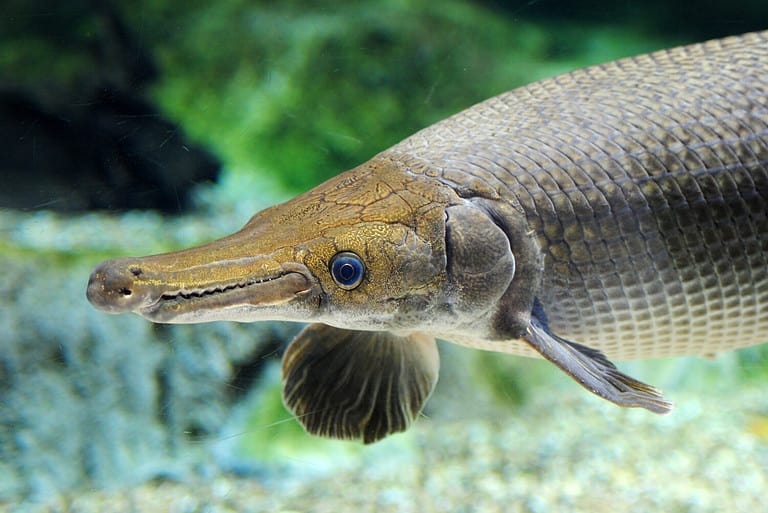
Armored ambushers of the backwaters
Built to ambush, born to bite.
Built for the Humboldt Current
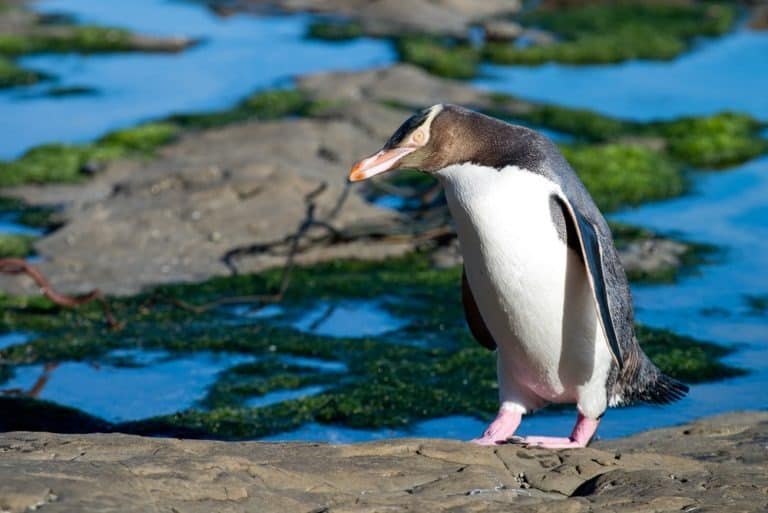
New Zealand's yellow-eyed diver
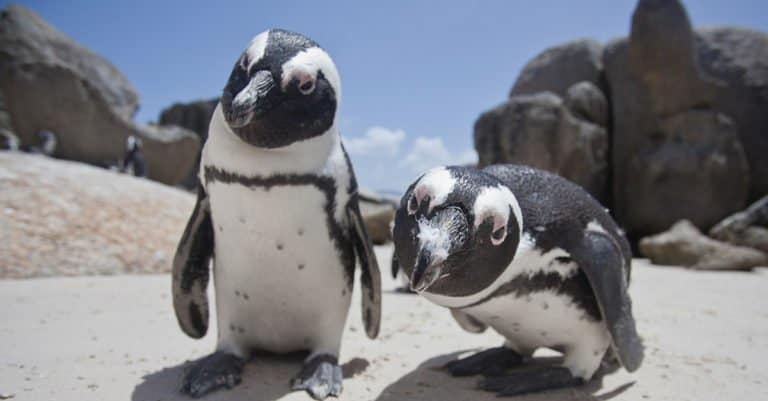
The braying penguin of the Cape
The penguin that lives on the equator
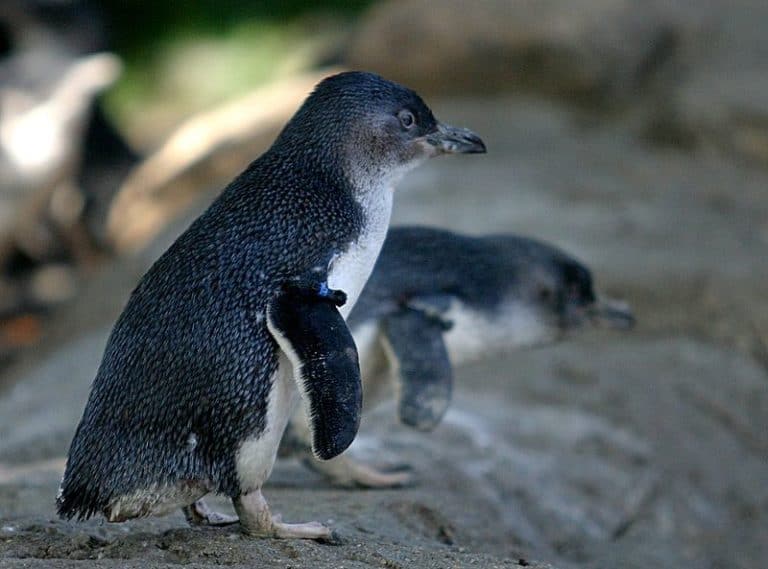
Tiny diver, big coastal survivor
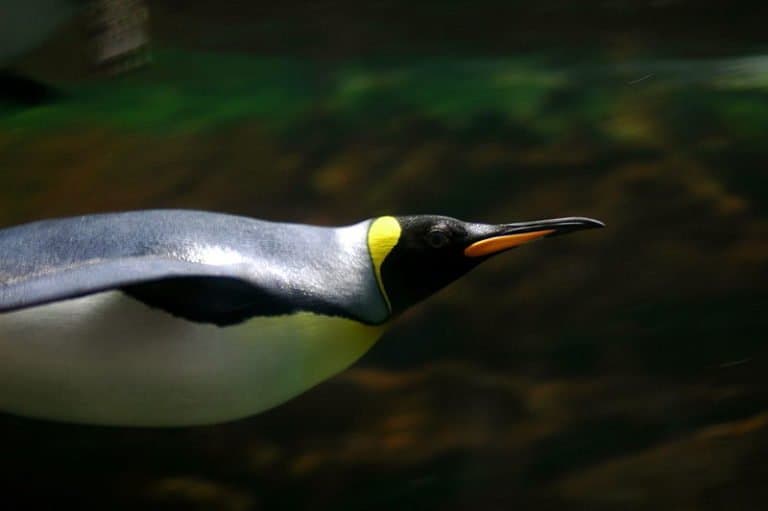
Royal diver of the Southern Ocean
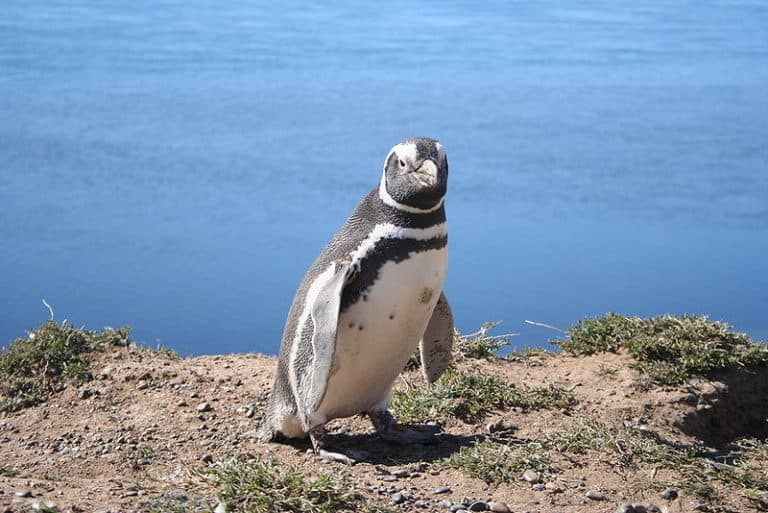
Double-banded traveler of Patagonia

Small porpoise, big sonar.
Rigid fins. Big power. Black marlin.
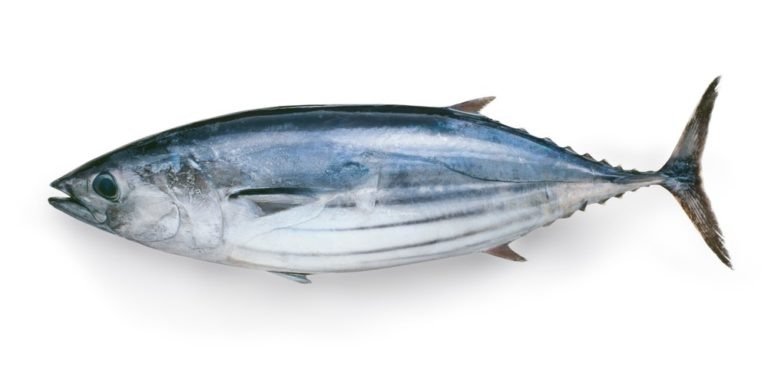
Speedy stripes, ocean hunters.
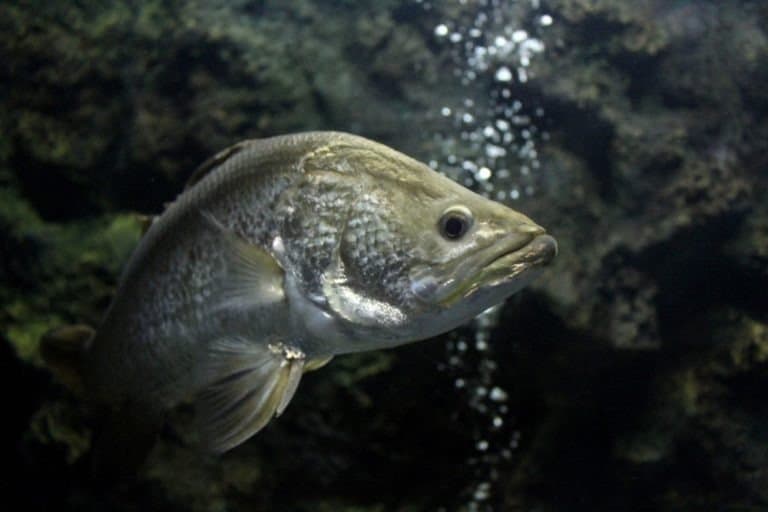
From river to reef, one fierce fish
Built to hunt when the light fades
Thank you for reading! Have some feedback for us?
We appreciate your help in improving our content.
Our editorial team will review your suggestions and make any necessary updates.
There was an error submitting your feedback. Please try again.