N S W E
Wildlife Expeditions

Wildlife of
Shanxi Sheng

Shanxi's loess plateaus, deep river valleys, and the Lüliang-Taihang mountains form a steppe-to-forest wildlife crossroads in northern China.
6 Species
156,700 km² Land Area
Overview

About Shanxi Sheng

Shanxi sits on the Loess Plateau. Wind-blown loess soils, terraced hills, and deep ravines make a patchwork of habitats. It is a transition zone where open steppe and scrub meet broadleaf and mixed forests as land rises into the Lüliang and Taihang ranges. The province’s nature is tied to its mountains and river valleys. These places keep patches of native plants and give animals cover, food, and routes to move across an otherwise heavily farmed plateau.

Key ecosystems are mountain forests and shrublands in the Lüliang and Taihang Mountains, which hold more birds and mammals than the lowlands, and river habitats along the Yellow River and its tributaries. Wetlands, sandbars, and river-edge thickets act like oases for breeding and migrating birds and for mammals moving between uplands and valleys. Steep valley edges, forest ridges, and reservoirs and wetlands concentrate steppe and forest-edge species in a small area.

Physical Features

Geography

Shanxi, on the Loess Plateau, has strong east–west habitat contrasts. Dry loess hills and river valleys support steppe/grassland and shrub. The Taihang and Luliang mountains have cooler, wetter montane forests, rocky cliffs, and high-elevation refuges. Major rivers, especially the Yellow River and Fen River, form riparian vegetation and wetlands, guiding migrations, breeding, and biodiversity hotspots.

156,700 km² Land Area
~19th largest provincial-level division in China (mid-sized province) Size Rank
China Country
Province Type
Elevation Range

~180 m (lowest point in Shanxi, along the Yellow River) to 3,058 m (Mount Wutai, highest point in Shanxi)

Key Landscapes

Loess Plateau hill-and-gully terrain (erosion gullies, loess ridges, dry slopes) Taihang Mountains (eastern boundary): forested ridges, cliffs, and montane refugia Luliang Mountains (west/central): mixed forests, shrublands, and higher-elevation habitats Fen River valley and associated basins (e.g., Taiyuan Basin): riparian corridors, farmland-woodlot mosaics, wetlands/reservoir margins Yellow River canyon/borderlands (western edge): steep valley walls, riparian strips, and riverine microclimates Northern basins and steppe-edge landscapes (e.g., Datong Basin): temperate grassland/steppe transition habitats and open-country fauna assemblages
Parks & Reserves

Protected Areas

Shanxi's protected areas include national nature reserves, forest parks, scenic areas, and wetland and river-lake reserves along the Yellow River and main tributaries (Fen, Sanggan). The province spans the Loess Plateau edge and the Lüliang and Taihang mountains, so protection focuses on mountain forests, steep gorges, and river-valley wetlands that support North China leopards, pheasants, and East Asian migratory birds.

Protected Coverage

≈10-12% of provincial land area under some form of protected designation (nature reserves, forest parks, wetland reserves; approximate).

National Parks & Preserves

Manghe National Nature Reserve, Jincheng

≈550-600 km² (order-of-magnitude context; boundaries vary by zonation)

Warm-temperate broadleaf forest in deep limestone gorges; one of Shanxi's best-known wildlife-viewing reserves, especially for primates and forest birds in relatively intact valley habitats.

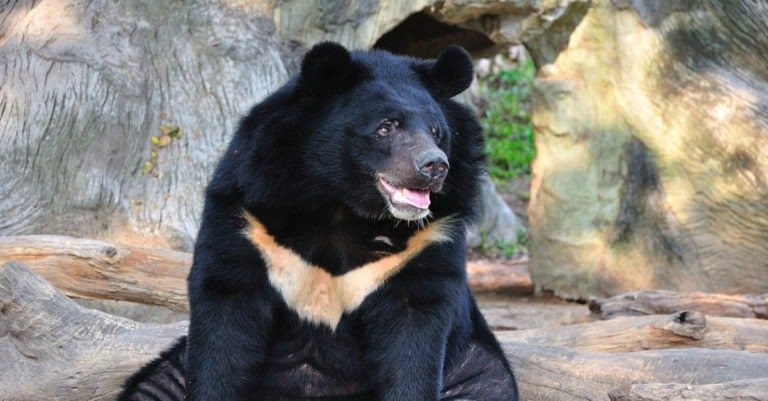
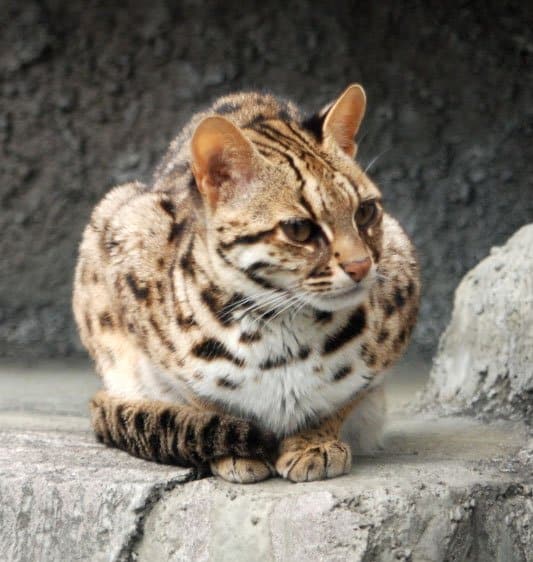
Rhesus macaque North China leopard Reeves's pheasant Himalayan (Asian) black bear Leopard cat

Pangquangou National Nature Reserve, Luliang Mountains

≈250-350 km²

Large, connected montane forest reserve in the Luliang range; important for maintaining forest corridor habitat and for conservation of northern China's temperate biodiversity.

North China leopard Roe deer Wild boar Himalayan (Asian) black bear Brown eared pheasant

Lishan National Nature Reserve, Zhongtiao Mountains (southern Shanxi)

≈200-300 km²

High-relief mountain forests and headwater valleys with strong elevational gradients; valued for intact native vegetation and as a refuge for forest mammals and raptors.

North China leopard Forest musk deer Chinese goral Golden pheasant Himalayan (Asian) black bear

Guancen Mountain (Guancen Shan) National Nature Reserve, northern Shanxi

≈200-400 km²

Cold-temperate conifer-mixed forests and highland habitats that are regionally important for pheasants and large carnivore prey base; part of the broader montane belt that supports leopard persistence in Shanxi.

Brown eared pheasant North China leopard Roe deer Eurasian lynx Ural owl

Mount Wutai National Forest Park / Wutai Mountain National Scenic Area

Protected/scenic complex spans several hundred km² across zoned units (contextual; not a single contiguous park boundary)

High-elevation forests and subalpine meadows around one of North China's most prominent mountain massifs; notable for montane birdlife and as a stepping-stone habitat within the Taihang-mountain biodiversity region (outside the core scenic sites).

Siberian roe deer Himalayan (Asian) black bear Chinese goral Eurasian sparrowhawk Hazel grouse

State & Provincial Parks

Taiyue Mountain (Taiyue Shan) Provincial Nature Reserve / Forest Park cluster

Several protected units totaling hundreds of km² (clustered sites)

Central Shanxi montane forests that help maintain connectivity between northern and southern highlands; good for woodland birds and ungulates in less-fragmented ridgelines.

North China leopard Roe deer Wild boar Golden pheasant Himalayan (Asian) black bear

Zhongtiao Mountains Provincial Protected Areas, southern Shanxi

Multiple sites; combined area on the order of hundreds of km²

Broad mountain belt with mixed forests and rocky slopes; important for raptor nesting habitat and for maintaining headwater ecosystems flowing toward the Yellow River valley.

Chinese goral Forest musk deer Golden pheasant Eurasian eagle-owl Leopard cat

Taihang Mountains (Shanxi section) Provincial Forest Parks / Scenic Reserves

Discontinuous belt of parks/reserves; variable by county-level units

Steep ridgelines and gorges along the Shanxi-Hebei border that retain remnant native forest and shrub-steppe mosaics; valuable for corridor functions and cliff-nesting birds.

North China leopard Roe deer Golden eagle Brown eared pheasant Leopard cat

Wildlife Refuges

Shanxi Yellow River Wetlands National Nature Reserve (sections in southern/western Shanxi)

Large, multi-section reserve; total area typically reported in the hundreds to >1,000 km² depending on included wetland units

Key riverine wetlands and floodplain habitats along the Yellow River migration corridor; high value for wintering and stopover waterbirds on the East Asian-Australasian Flyway inland route.

Whooper swan Common crane Ruddy shelduck Great egret Bean goose

Yuncheng Salt Lake Wetland Protected Area / Wetland Park

Lake-wetland complex on the order of ~100 km² (varies with water levels and zoning)

Hypersaline lake-edge marshes and shallow-water habitats that can concentrate migratory waterbirds; one of Shanxi's most reliable birdwatching landscapes.

Black-winged stilt Avocet (Recurvirostra spp.) Common teal Garganey Eurasian spoonbill

Sanggan River Wetland Protected Areas, Datong basin

Dozens to low hundreds of km² across connected wetland units

River-reservoir wetlands in northern Shanxi that provide staging and breeding habitat for waterfowl and waders in an otherwise drier plateau landscape.

Greylag goose Eurasian coot Black-headed gull Great crested grebe Grey heron

Fenhe River Wetland Parks / Urban-periurban wetland reserves (including Taiyuan reach)

Linear wetland system; protected reaches collectively span tens of km²

Restored and protected riverine wetlands that improve habitat continuity through the Fen River valley; important for migratory birds and urban-edge biodiversity conservation.

Common moorhen Little egret Mallard Eurasian kestrel Common kingfisher

Wilderness Areas

  • Remote ridge-and-gorge backcountry of the Lüliang Mountains (including Guancen-Luya highlands)
  • Less-roaded crestlines and side valleys of the Taihang Mountains along the Shanxi-Hebei border
  • Upper watershed forests and cliffs of the Zhongtiao Mountains (southern Shanxi)
  • High-elevation plateaus, spruce-fir zones, and alpine meadows around Mount Wutai (outside core pilgrimage/scenic hubs)
  • Yellow River canyonlands and tributary gorges on Shanxi's western edge (discontinuous roadless stretches with riparian habitat)
Animals

Wildlife

Shanxi lies on the temperate steppe–forest transition of North China. Its loess hills and dry valleys support steppe and scrub animals, while higher, cooler forests of the Luliang and Taihang mountains hold the region’s mountain wildlife, including forest birds, carnivores and ungulates. River corridors and wetlands along the Yellow River and tributaries like the Fen River basin provide key habitat for migratory waterbirds in an otherwise dry area. Shanxi is notable for North China montane forest and edge species, and for wintering and stopover waterbirds where wetlands persist.
≈90-110 species (mix of steppe, forest-edge, and montane mammals; large carnivores are scarce and localized) Mammals
≈330-420 species (very strong migration component; raptors and waterbirds concentrated along rivers/wetlands) Birds
≈35-50 species (mostly temperate-zone lizards and snakes; richer in warmer lowlands) Reptiles
≈18-30 species (stream and pond breeders; sensitive to drying and water quality) Amphibians
≈120-200 species (Yellow River and tributary assemblages, with many populations altered by dams, withdrawals, and pollution) Fish
Examples

Iconic Species

Brown Eared Pheasant A flagship forest pheasant of North China; Shanxi's Luliang-Taihang forests are among its most important remaining strongholds, making it a prime target species for birders.
North China leopard A rare, highly localized leopard subspecies associated with rugged mountain landscapes; camera-trap surveys in the Taihang and Luliang mountain regions have highlighted Shanxi as an important area for this northern China leopard population.
Chinese Goral A cliff- and forest-edge ungulate of steep terrain; notable in the Taihang and other rocky ranges where its agility and secretive habits define the 'mountain wildlife' experience.
Golden Eagle
Golden Eagle An emblematic raptor of open mountains and high ridges; most often encountered over uplands and rugged valleys, especially in less-disturbed montane areas.
Black Stork A scarce, disturbance-sensitive wetland and riverine bird; Shanxi's Yellow River valleys and quieter river reaches can be important foraging and stopover habitat.
Whooper Swan A charismatic wintering swan; when conditions are suitable, Shanxi's reservoirs and river wetlands can host visible winter flocks.
Eurasian Eagle-Owl
Eurasian Eagle-Owl A dramatic nocturnal predator tied to cliffs, rocky gullies, and open woodland-habitats common along Shanxi's loess and mountain escarpments.
Siberian Roe Deer A characteristic deer of northern temperate landscapes; increasingly associated with recovering woodland and shrub cover in parts of northern and montane Shanxi.

Endemic & Rare Species

Brown Eared Pheasant

Crossoptilon mantchuricum

Vulnerable (IUCN); China endemic with a limited and fragmented range

One of North China's signature endemics; Shanxi's protected montane forests are central to its long-term conservation.

Black Stork

Ciconia nigra

Least Concern (global) but rare and highly sensitive to disturbance in much of its East Asian range

Its presence indicates relatively intact riverine/wetland conditions; protection of quiet river corridors and wetlands in Shanxi benefits this and other migratory waterbirds.

Chinese Giant Salamander

Andrias davidianus

Critically Endangered (IUCN)

Historically associated with clean, cool mountain streams across parts of central/northern China; remnant or reintroduced populations (where present) depend on strict watershed protection and control of exploitation.

North China Leopard

Panthera pardus

Vulnerable (species-level, IUCN); regionally rare with strong human-pressure constraints

A focal species for restoring mountain food webs; its persistence in Shanxi hinges on prey recovery, connectivity, and reducing conflict/poaching.

Golden Eagle

Aquila chrysaetos

Least Concern (IUCN) but naturally low-density and vulnerable to disturbance/persecution

As a top aerial predator, it reflects the availability of large hunting territories and relatively intact upland ecosystems.

Great Bustard

Otis tarda

Vulnerable (IUCN)

A grassland/plains specialist that can occur in North China during migration/winter; any use of Shanxi's open agricultural plains and steppe-like habitats is conservation-relevant due to widespread declines.

Notable Populations

  • Among the most important remaining Chinese strongholds for Brown Eared Pheasant in the Luliang-Taihang montane forests.
  • Mountain landscapes in the Taihang/Luliang systems are nationally significant for conserving remnant leopard populations in North China (documented by ongoing monitoring efforts in the region).
  • Yellow River and major tributary wetlands in southern/western Shanxi can be regionally important seasonal habitat for migratory waterbirds (swans, storks, geese and ducks) when water and disturbance conditions are suitable.

Recent Changes

  • Forest recovery and large-scale vegetation restoration (e.g., conversion of marginal cropland back to forest/grass) have improved habitat structure in parts of Shanxi, benefiting some forest-edge mammals (roe deer, wild boar) and associated predators where persecution is controlled.
  • Increased use of camera traps and improved monitoring in mountain reserves has led to more frequent documentation of elusive carnivores (including leopards) and better mapping of key corridors and prey hotspots.
  • Wetland restoration and water management in some river reaches/reservoirs has locally improved conditions for wintering and stopover waterbirds, though outcomes vary widely with annual hydrology and human disturbance.
  • Ongoing pressures-habitat fragmentation from roads/mining infrastructure, depletion/pollution in river systems, and human-wildlife conflict-continue to constrain large carnivores and degrade native fish and amphibian communities in affected watersheds.
  • Native river fish communities have been reshaped by dams, altered flows, and invasive/stocked species in many waters, with declines most evident among flow-dependent and river-spawning natives.
Visit

Wildlife Viewing

Shanxi offers wildlife viewing across the temperate forest–steppe parts of the Loess Plateau, with good chances in the Taihang and Luliang mountains for forest mammals, montane birds and raptors. River valleys and wetlands host migratory waterbirds. Inland (no whales), it’s great for spring/fall birding, low-key mammal tracking and night wildlife watching in nature reserves.

Best Seasons

Spring (Mar-May)

Peak migration builds quickly: raptors over ridgelines in the Taihang, songbird movement in mountain forests, and waterbirds using reservoirs and river wetlands. Expect crisp mornings, windy ridge conditions, and best diversity for birders.

Summer (Jun-Aug)

Breeding season in montane forests: woodland birds, frogs/insects, and higher chances of spotting forest mammals at dawn/dusk. Lush valleys and higher elevations are comfortable; lower basins can be hot with periodic rain.

Autumn (Sep-Nov)

Second migration peak: concentrated passerines and raptors along the Taihang; wetlands host staging ducks, geese, and waders. Clear air, stable weather, and great visibility for long-distance scanning.

Winter (Dec-Feb)

Quiet but rewarding: wintering swans/geese/ducks on larger waterbodies (where not fully frozen), plus mountain specialties and occasional raptors. Best for photographers who can handle cold, wind, and short daylight.

Top Wildlife Experiences

  • Birding the Taihang Mountain ridgelines (around Jincheng/Changzhi sectors): scan for migrating raptors in spring and autumn from high passes and lookout points, then drop into forested gullies for mixed-species flocks.
  • Manghe National Nature Reserve (Jincheng): hike gorge trails at first light for forest birds and mammal sign; return at dusk for a guided night walk/spotlighting where permitted (owls, small mammals).
  • Pangquangou National Nature Reserve (Luliang Mountains, near Fangshan/Jiaocheng area): dawn forest walks for woodpeckers and montane songbirds; look for tracks and feeding signs of forest ungulates along quiet side valleys.
  • Wutai Mountain (Xinzhou): combine high-elevation forest edges and temple-adjacent woodlands for montane birds; early mornings are best before crowds, with excellent opportunities for natural soundscapes and scenic wildlife photography.
  • Wetland birding at Yuncheng Salt Lake (Xiechi) and surrounding waterbodies: visit during migration to look for congregations of ducks, geese, shorebirds, and wintering waterfowl; best with a scope and sunrise/sunset light.
  • Sanggan River and Datong basin wetlands/reservoir edges: scan open water and reedbeds for winter waterbirds and raptors; pair with farmland-edge birding for larks, buntings, and other open-country species.
  • Fen River greenways and reservoirs near Taiyuan: a practical 'urban-to-wild' day-early birding along river parks and quieter reservoir arms, good for learning local species and practicing photography before heading to bigger reserves.

Wildlife Watching Types

Mountain birding (montane forests, mixed flocks, woodpeckers, high-elevation species) Raptor watching during migration (ridgeline hawk-watching in Taihang/Luliang corridors) Wetland and waterfowl watching (salt lake, rivers, reservoirs; best in migration and winter) Mammal tracking and sign interpretation (tracks, scat, browsing signs in forest reserves) Nocturnal wildlife walks (owls and small mammals-only where reserve rules allow) Macro-wildlife and herping in summer (butterflies, dragonflies, frogs in humid valleys) Landscape wildlife photography (golden-hour wetlands, dramatic gorges and ridgelines)

Guided Options

  • Reserve-run guided walks and interpretation programs (common at larger nature reserves such as Manghe and Pangquangou; inquire at visitor centers about official guides, permitted routes, and seasonal restrictions).
  • Local birding guide services based in Taiyuan/Datong/Yuncheng (private day trips for wetlands, reservoirs, and migration watchpoints; typically includes transport, spotting scope use, and species checklists).
  • Wutai Mountain local hiking guides (useful for early-start routes to quieter forest edges and for navigating weather/altitude; ask specifically for nature-focused itineraries rather than only cultural stops).
  • University and museum-affiliated public nature outings (watch for seasonal bird walks and biodiversity events organized by local conservation groups, parks, and educational institutions in major cities).
  • Photography-focused workshops in peak migration/winter waterfowl season (small-group sessions at Yuncheng Salt Lake and other accessible wetlands; best for visitors who want hide/position planning and dawn logistics).
Habitats

Ecosystems

Shanxi lies where semi-arid meets wetter temperate northern China, mostly on the Loess Plateau cut by river valleys and the Luliang and Taihang mountains. Ecosystems include dry steppe and grassland, shrub-forest patches on loess hills, and temperate broadleaf and mixed forests higher up. Riparian corridors, reservoirs, and floodplain wetlands are key water refuges.

Biomes

Temperate Grassland

Dry steppe and meadow-steppe on the Loess Plateau and intermontane basins; often forms a grassland-shrubland matrix influenced by grazing, erosion control plantings, and historical cultivation.

Widespread across central and northern loess hills and basins; a major background biome outside the higher mountain forest belts.

Temperate Forest

Montane temperate broadleaf and mixed forests (e.g., oak-dominated deciduous stands with patches of mixed conifers), especially on cooler, wetter slopes of the Taihang and Lüliang ranges and other uplands.

Patchy but significant in mountain belts and higher elevations; more continuous on better-watered slopes and protected areas.

Alpine

High-elevation subalpine conditions on the tallest peaks/ridges, with cold-tolerant shrublands and meadow-like communities above or near local treeline where present.

Limited to the highest mountain tops and ridgelines; small, discontinuous areas.

Freshwater

River networks and reservoirs supporting riparian habitats, aquatic communities, and migration corridors; includes tributaries draining to the Yellow River system and valley-bottom waterbodies.

Linear and localized along major rivers/tributaries and around large reservoirs; ecologically important despite small areal extent.

Wetland

Floodplain wetlands, valley-bottom marshy patches, riparian wet meadows, and reservoir fringes that provide breeding/stopover habitat for waterbirds and support high productivity relative to surrounding uplands.

Scattered, small, and concentrated in river valleys and around reservoir margins; often fragmented and seasonally variable.

Habitats

Steppe

Loess Plateau steppe and meadow-steppe communities on rolling hills and open uplands, often interspersed with farmland and erosion-control vegetation.

Grassland

Open grasslands in basins and gentler uplands; frequently used for grazing and restoration plantings, with strong seasonal moisture constraints.

Shrubland

Drought-tolerant shrublands on eroded loess slopes and rocky foothills, commonly forming a mosaic with grasslands and secondary woodland.

Deciduous Forest

Oak and other temperate broadleaf forests in montane zones and sheltered slopes, especially within the Taihang and Lüliang mountains.

Coniferous Forest

Pine and mixed conifer stands on higher/cooler slopes and ridges, sometimes occurring as plantations or as mixed forest components at elevation.

Woodland

Open secondary woodlands and forest-grassland transition zones on foothills and managed landscapes, including restoration belts for soil and water conservation.

Mountain

Complex montane terrain (Taihang, Lüliang, and other ranges) creating sharp elevational gradients, microclimates, and biodiversity refugia.

Cliff/Rocky Outcrop

Steep escarpments and rocky cliffs, especially along the Taihang front, supporting specialized cliff vegetation and nesting sites for birds.

Cave

Limestone and rocky cave systems in mountainous areas, providing roosting habitat for bats and supporting localized subterranean fauna.

River/Stream

Riparian corridors along tributaries and major valleys draining toward the Yellow River, with willow/poplar belts and gravel/sand bars in places.

Lake

Primarily reservoir lakes and managed waterbodies that function as key aquatic habitats and waterbird sites in an otherwise dry region.

Wetland

Valley-bottom wetlands and riparian wet meadows, often small and fragmented but high-value for biodiversity and water regulation.

Marsh

Localized marsh patches on floodplains and around reservoir margins, with reedbeds and other emergent vegetation where water persists.

Agricultural/Farmland

Extensive croplands on loess tablelands and valley bottoms (dryland farming dominant), interwoven with shelterbelts and remnant natural patches.

Urban

Dense urban/industrial nodes in basins and river valleys (e.g., around major cities), with strong habitat fragmentation and air/water pressures.

Ecoregions

Loess Plateau mixed forests Taihang Mountains deciduous forests Ordos Plateau steppe
Protection

Conservation

Primary Threats

  • Coal mining, both underground and open-pit, plus waste piles, ground sinking and mine roads break up Lüliang/Taihang foothill habitats, pollute rivers with silt and heavy metals, and block mountain wildlife (including leopards and ungulate prey). Reclaimed land often replaces native plant patches with simple plantings.
  • Past and current emissions from coal, coke making, and heavy industry cause long-term air pollution, harming plants and people, and causing acid rain. Industrial wastewater and mine drainage raise salt and metal levels in Yellow River and Fen River tributaries, stressing aquatic life and wetland food webs for waterbirds.
  • Conversion and intensive use of valley bottoms for agriculture and urban/industrial land reduce wetlands, riparian belts, and lowland steppe remnants-key habitats for migratory waterbirds and foraging corridors between mountain blocks. Mountain forests are increasingly 'edge-dominated' due to road building and dispersed settlements.
  • Expressways, rail lines, power corridors, and expanding wind/solar installations on ridgelines and plateaus increase fragmentation and collision/disturbance risk for large birds (e.g., storks, raptors), and open access into previously remote forest and shrubland used by sensitive species.
  • Water scarcity is a limiting factor on the Loess Plateau; groundwater pumping and surface-water withdrawals for cities, industry, and irrigation reduce environmental flows in smaller tributaries and can shrink/seasonally dry wetlands, concentrating pollutants and limiting fish/amphibian reproduction.
  • Check dams, river channelization, reservoirs, and flood-control works (common in loess catchments) alter sediment transport and seasonal flow pulses; while helpful for erosion control, they can simplify riparian habitat structure and reduce connectivity between floodplain wetlands and rivers used by breeding/stopover birds.
  • Orchards and terraced cropland expansion in some counties, plus intensified fertilizer/pesticide use in valley agriculture, increase nutrient runoff to rivers/reservoirs and reduce native grass-shrub mosaics important for ground-nesting birds and small-mammal prey bases.
  • Fuelwood collection in some rural areas, grazing pressure in steppe/forest-steppe margins, tourism at scenic mountain sites, and frequent vehicle traffic on forest roads can disrupt breeding of ground/understory birds (e.g., pheasants) and displace large mammals from preferred areas.
  • Although illegal, snaring and opportunistic hunting persist in some mountainous areas, affecting pheasants, ungulates, and carnivores; prey depletion can indirectly constrain recovery of apex predators like the North China leopard.
  • Local demand and supply chains can incentivize collection of raptors, songbirds, and some reptiles/amphibians, and create incentives for poaching of protected fauna despite enforcement; trade pressure is often highest near transport corridors and urban markets.
  • Warming and increasingly variable precipitation on the Loess Plateau intensify drought stress, increase the frequency of extreme rainfall/erosion events, and can shift the steppe-forest boundary upslope; these changes affect spring water availability, wildfire risk, and breeding success for species dependent on stable riparian/understory moisture.
  • Introduced or widely planted non-native species used in historical revegetation (notably black locust, Robinia pseudoacacia, in some areas) can form simplified stands that reduce native understory diversity; invasive ruderal plants along disturbed riverbanks and mine lands can outcompete native grasses/forbs, reducing habitat quality for steppe-associated fauna.
  • Close interfaces among livestock, free-ranging dogs, and wildlife in mountain villages increase risks of pathogen spillover (e.g., canine diseases affecting carnivores) and can complicate recovery of predators and mesocarnivores where vaccination/management of domestic animals is limited.
Fun Facts

Did You Know?

Shanxi has a "seashore without a sea": at Yuncheng Salt Lake, high salinity prevents typical freshwater fish communities, yet the brine-and-mudflat conditions still attract gulls and shorebirds that people usually associate with coastal wetlands.

On the Loess Plateau, vertical loess riverbanks naturally form perfect nesting real estate: colony-nesting birds such as sand martins dig dense clusters of burrows into these crumbly cliffs along river valleys and tributaries.

The brown-eared pheasant-despite being a large, ground-dwelling bird-handles Shanxi winters by shifting to a tough, woody diet (buds/needles) and using conifer cover for roosting, letting it persist in snowy montane forests.

Shanxi's leopards often persist in a surprisingly "human-shaped" landscape: camera-trap studies in the Taihang/Lüliang region frequently record them moving at night through a mosaic of secondary forest, gullies, and farmland edges-avoiding people rather than requiring wilderness far from settlements.

A single Shanxi province can host both drought-adapted loess-steppe reptiles (e.g., racerunner lizards in the genus Eremias on open, sandy slopes) and cold-water montane stream specialists (including giant salamanders) within a relatively short elevation and habitat gradient.

Shanxi's mountain streams (especially in the Zhongtiao-Taihang region of southern Shanxi) are within the native range of the Chinese giant salamander (Andrias davidianus) - the world's largest living amphibian.

The brown-eared pheasant (Crossoptilon mantchuricum) is one of the most range-restricted pheasants on Earth, and Shanxi's Lüliang and Taihang mountains hold some of its most important remaining strongholds (with flagship sites including Pangquangou and Wulushan).

Hukou Waterfall-on the Shanxi-Shaanxi border-is the largest waterfall on the Yellow River, creating an extreme riparian "spray zone" habitat unlike most of the otherwise dry Loess Plateau.

Yuncheng Salt Lake is one of China's major inland salt lakes; despite being far from any coast, it can function like an inland "tidal flat" for migratory waterbirds and shorebirds during passage seasons.

Shanxi's Taihang-Lüliang mountain forests are one of the last places in northern China where breeding North China leopards (Panthera pardus japonensis) are often seen on camera in reserves like Tieqiaoshan.

Thank you for reading! Have some feedback for us?