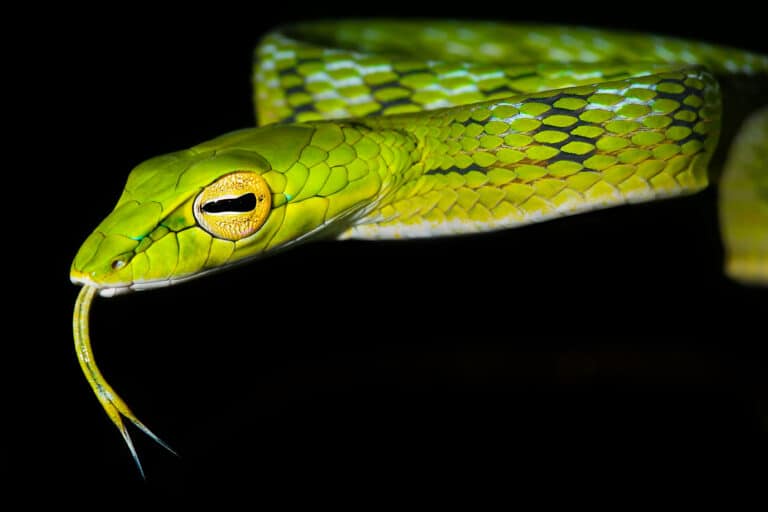
Asian Vine Snake
The living vine with a lightning strike

The living vine with a lightning strike
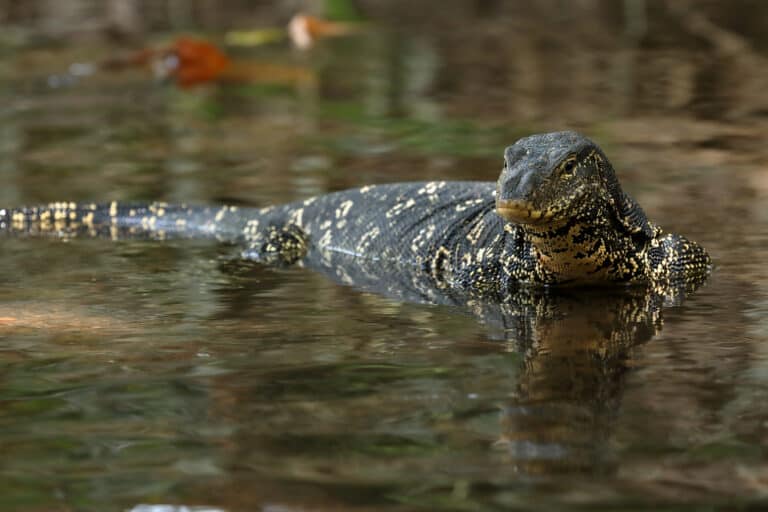
The canal-cruising giant of Asia
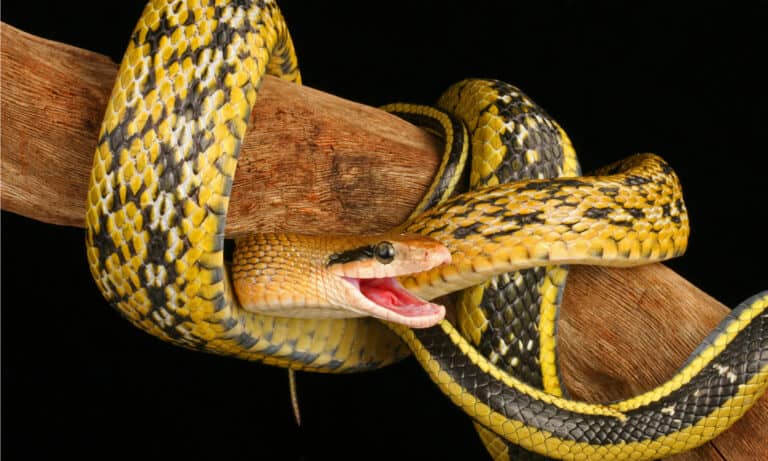
Climb high. Hunt smart. Stay beautiful.
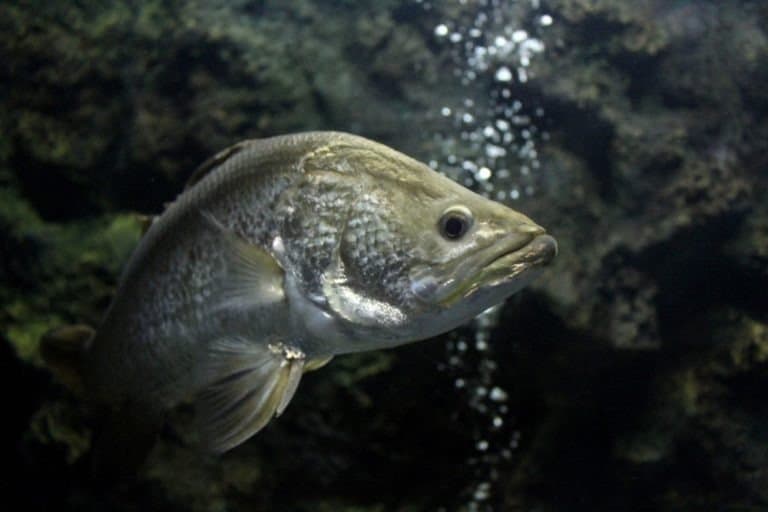
From river to reef, one fierce fish
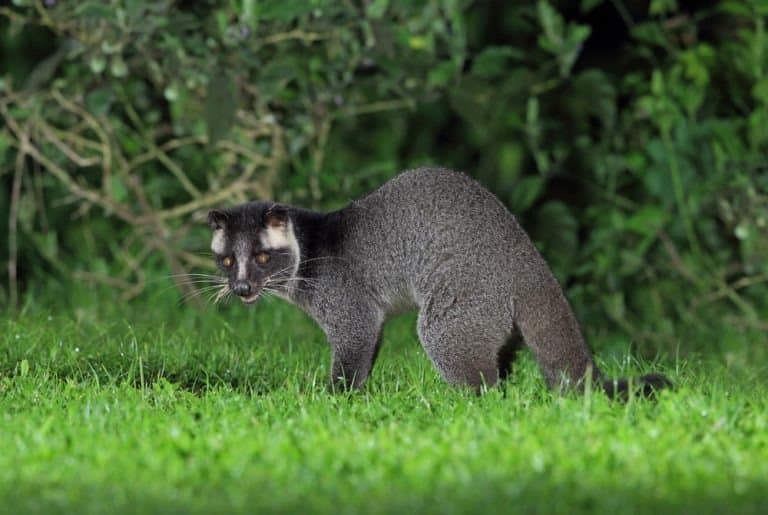
Masked face, midnight fruit forager
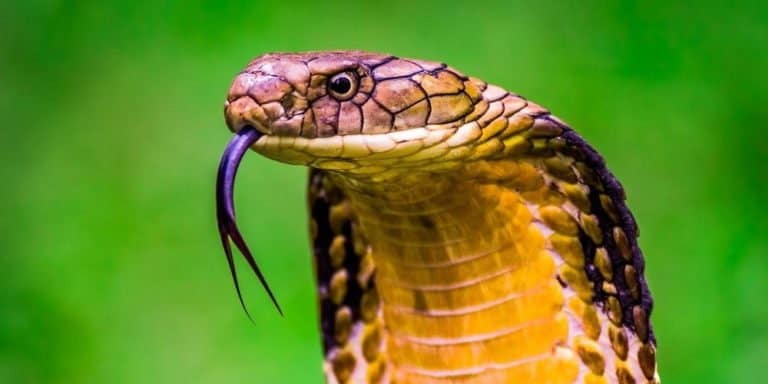
Snake-eater, nest-builder, giant of Asia
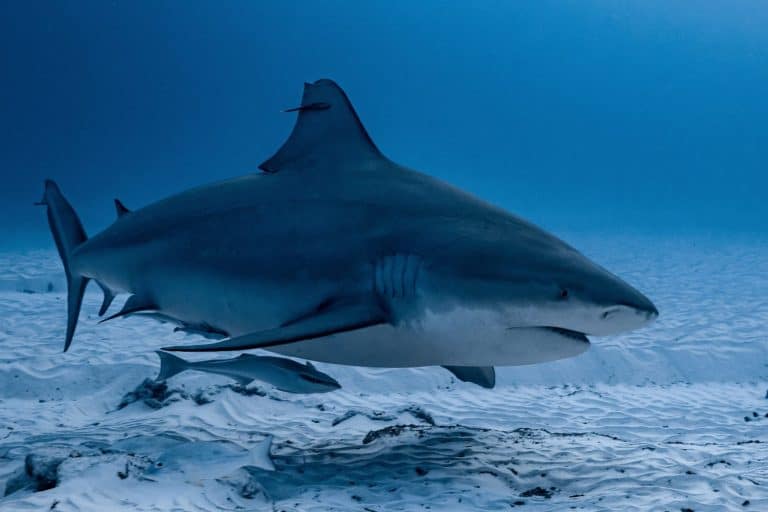
Master of Sea and River
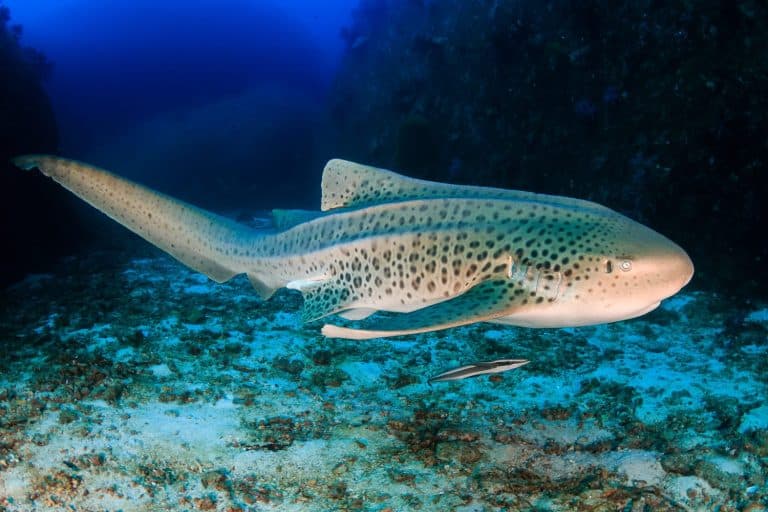
Striped youth, spotted adulthood
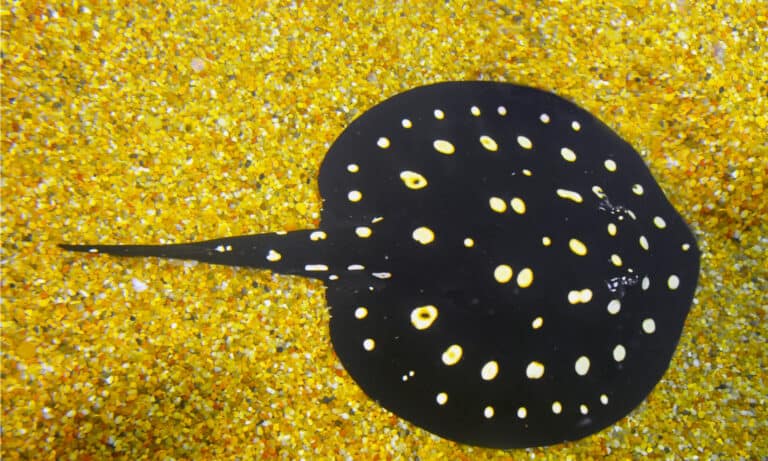
Blue spots, reef roots, ribbon tail
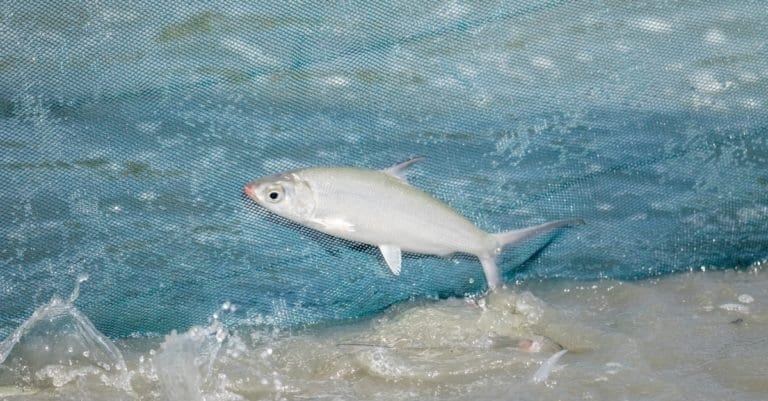
Milkfish: silver strength of the tropics
Hainan is China’s southernmost tropical island, where mainland Asian species meet island-only (endemic) species. Warm monsoon rains feed lush forests in the central mountains, and a long, indented coast supports mangroves, seagrass beds, beaches, and coral reefs. This compact "ridge-to-reef" mix lets you go from canopy-dwelling primates to sea turtles in short travel.
The island’s tropical rainforests and montane forests—protected in reserves such as Bawangling—are the last home of the Hainan gibbon, one of the world’s rarest primates. These forests also hold many birds, reptiles, amphibians, and insects. Coastal mangroves act as nurseries for fish and crustaceans and shelter shorebirds, while reefs and coastal waters support colorful reef life and migratory marine species. Compared with nearby Guangdong and Guangxi, Hainan feels more tropical, more coastal, and richer in island-restricted species.
Hainan is an island in the South China Sea with a tropical climate and coast-to-mountain gradient. Coastal plains, lagoons, mangrove estuaries, and nearshore coral and seagrass beds support marine and wetland life. Mountain interiors hold the largest tropical rainforests, vital for Hainan gibbon. Rivers and lowland fragments concentrate intact forests in central and western highlands and protected areas like Bawangling.
Sea level to ~1,867 m (Wuzhi Shan), creating distinct lowland coastal, hill, and montane habitat zones
Entirely surrounded by the South China Sea; a long, continuous island coastline with bays and estuaries, extensive nearshore habitats (mangroves, seagrass beds, and fringing coral-reef areas), supporting high marine and coastal biodiversity
Hainan's protected areas center on large tropical mountain rainforests and coastal/marine habitats—mangroves, estuaries, coral reefs, seagrass beds, and offshore islets. Hainan Tropical Rainforest National Park links key forest reserves that hold many endemic and threatened species, including the Critically Endangered Hainan gibbon. Wetland and marine reserves protect migratory bird stopovers, sea turtles, and reefs.
~18-22% of Hainan's land area is under some form of formal protection (nature reserves, national park units, forest parks, wetland reserves; marine coverage is additional but varies by designation).
China's flagship protection for Hainan's central mountain rainforests; consolidates multiple former reserves to maintain large, connected habitat blocks crucial for the island's endemics and for watershed protection. Best place for rainforest birding and the core stronghold of the Hainan gibbon.
The most famous gibbon landscape on the island, with rugged mid-elevation rainforest and strong protection focus on primate conservation and anti-poaching. Often cited as the last refuge of the Hainan gibbon.
One of Hainan's largest and least-fragmented interior rainforest blocks, important for maintaining connectivity across the central mountains and for protecting intact headwater forests. Strong for endemic birds and amphibians.
Southwest Hainan's classic lowland-to-montane rainforest gradient, notable for high plant diversity and good chances of seeing tropical forest birds. Often used for long-term biodiversity monitoring in Hainan.
Hainan's best-known mangrove and estuarine wetland reserve and a key site for migratory shorebirds and waterbirds along the East Asian-Australasian Flyway. High-value habitat for mangrove restoration and coastal resilience.
Humid montane rainforest and cloud-forest habitats in eastern Hainan, important for amphibians, reptiles, and endemic/subtropical bird communities.
A provincial-level protected area on Hainan centered on Limu (Limu Shan) mountain forests, important for conserving mid-elevation tropical montane habitat and associated watershed and biodiversity values.
Iconic peak and surrounding montane forests that form part of Hainan's central rainforest spine; valuable as high-elevation refuge habitat and for maintaining landscape connectivity across the interior mountains.
Key refuge for the Hainan Eld's deer population and associated lowland forest/grassland mosaics; a priority site for large-mammal recovery and habitat management.
Protects coral reef communities and associated reef fish assemblages; important for coastal biodiversity conservation, reef restoration, and safeguarding nursery habitat for marine species.
Offshore island and surrounding waters used by seabirds; also protects coastal/island habitats that are otherwise heavily developed along Hainan's shoreline.
A coastal forest nature reserve on/near the Nanwan Peninsula in Lingshui, Hainan, established primarily to protect a population of rhesus macaques; it is also managed as a major wildlife tourism and education site.
Hainan is China's only true tropical island province, combining rainforest-clad mountains (notably in the island's interior) with extensive mangroves, estuaries, sandy beaches, coral reefs, and offshore waters. This habitat mosaic supports high species richness and a strong Southeast Asian affinity, while long island isolation has produced several endemics. The wildlife experience is defined by rainforest primates and birds in reserves such as Bawangling, plus charismatic coastal and marine species (dolphins, sea turtles) along mangrove-fringed shores and reef systems.
Hainan offers tropical wildlife from coral reefs and mangroves to mountain rainforests. Coastal waters near Sanya–Wanning–Lingshui hold dolphins, reef fish, sea snakes and seasonal marine animals. The Hainan Tropical Rainforest National Park (Bawangling) protects rare endemics like the critically endangered Hainan gibbon, Hainan Eld's deer, forest birds, frogs and reptiles. Sightings often need early starts, quiet hikes and local guides.
Best overall conditions: cooler nights, lower humidity, clearer trails and better visibility for forest hikes. Strongest birding season with migratory shorebirds and waterbirds in mangroves and coastal wetlands; raptors and passerines also increase. Marine conditions are often calmer for snorkeling/diving windows, though water can feel cooler than midsummer.
Rainforest becomes very active: more vocal birds, butterflies, and amphibians as humidity rises. Excellent time for rainforest hiking before the heaviest rains; gibbon listening/trekking is still productive with early-morning starts. Coastal visibility for diving can be variable but often good in fair-weather stretches.
Lush rainforest with peak frog, insect, and reptile activity; great for night walks (with guides) when safe. Expect frequent downpours, leeches in forests, and occasional trail closures. Typhoons or rough seas can disrupt boat trips and diving/snorkeling-build flexibility into itineraries.
A highly practical time for multi-habitat trips: trails dry out, temperatures become comfortable, and coastal water clarity often improves. Early winter migrants begin returning, so birding ramps up while forest trekking is again easier.
Hainan, China's southernmost island province, ranges from humid mountains to drier lowlands and changed coastal plains. Its central highlands (Wuzhi Shan, Jianfengling and Bawangling) still hold some of China's best tropical forests and many unique species, including the critically endangered Hainan gibbon. Coasts have shorelines, estuaries, mangroves, seagrass, coral, and rich marine life; lowlands are often farms and plantations.
Evergreen to semi-evergreen tropical and monsoon rainforests in central and southwest mountains (Jianfengling, Bawangling), with multi-layer canopies, rich epiphytes, and high vertebrate diversity. Critically endangered Hainan gibbon lives in old-growth Bawangling forest.
Patchy but significant in mountainous protected areas; concentrated in the central/southwest interior.
Tropical seasonal (monsoon) forests and semi-deciduous communities on lower slopes and leeward areas, often forming a matrix around core rainforest blocks; more drought-tolerant broadleaf species and stronger seasonal leaf drop.
Widespread in lower-elevation foothills and drier parts of the island; much is fragmented or secondary.
Savanna-like grassland/wooded grassland occurs mainly as a disturbance-driven or edaphic/degraded state (fire, grazing, repeated clearing), with scattered trees/shrubs over grass-dominated groundcover.
Localized and discontinuous; typically small patches on degraded hillsides and coastal/lowland areas.
Short, steep rivers and headwater streams draining the central mountains to coastal plains, plus reservoirs and ponds used for irrigation and aquaculture; high importance for amphibians, riparian forests, and connectivity between uplands and coasts.
Island-wide along river networks and reservoirs; most catchments flow radially from the central highlands.
Mangrove swamps, estuarine mudflats, coastal lagoons, river-mouth marshes, and aquaculture-associated wetlands supporting migratory birds and nursery habitat for fish/crustaceans; sensitive to reclamation and pollution.
Patchy along low-lying coasts, river mouths, and bays; highest around sheltered shorelines and estuaries.
South China Sea coastal waters including fringing/patch reefs, seagrass beds, sandy and muddy seabeds, and productive nearshore fisheries; includes bays and straits around Hainan with strong monsoon-driven seasonality.
Surrounds the entire island; nearshore habitats concentrated on sheltered coasts and around reef/seagrass areas.
Old-growth and mature secondary rainforest in Jianfengling and Bawangling; Bawangling rainforest is the critical remaining habitat for the Hainan gibbon, while other rainforest blocks support many endemic and subtropical-tropical transition species.
Broadleaf evergreen and monsoon seasonal forests across interior hills; includes extensive secondary regrowth and mixed native stands around protected cores.
Semi-deciduous seasonal forest elements in drier lowlands/foothills where monsoon seasonality is stronger; often intergrades with evergreen forest and shrubland after disturbance.
Pine-dominated stands on ridges and higher slopes (often secondary or plantation-influenced), forming a distinct belt in some upland areas.
Open grasslands on degraded hillsides and coastal flats, frequently maintained by fire, grazing, or repeated clearing; important for certain raptors and open-country species.
Thickets and scrub on disturbed slopes, abandoned farmland, and coastal fringes; common transitional habitat in regenerating landscapes.
Central massif (e.g., Wuzhi Shan) with steep elevational gradients, cloud-prone ridges, and high habitat turnover from lowland seasonal forest to upland forest mosaics.
Radial river systems (short, flashy tropical rivers) with riparian corridors linking mountains to estuaries; subject to sediment pulses during monsoon rains.
Reservoirs and impoundments used for water supply/irrigation; provide freshwater fish habitat and waterbird stopovers but can alter downstream flows.
Aquaculture ponds and farm ponds common on coastal plains; can increase wetland area but often reduce natural habitat quality via nutrient loading.
Marshy river mouths, lagoons, and floodplain patches; important for migratory shorebirds and as fish nursery areas when connected to estuaries.
Low-lying swampy areas, including brackish swamp margins near mangroves and freshwater swamp fragments inland where drainage is poor.
Herbaceous marshes around estuaries and pond/reservoir edges; seasonally inundated during monsoon peaks.
Mangrove forests in sheltered bays and estuaries (mudflats and tidal creeks), providing storm buffering and nursery habitat for coastal fisheries.
Turbid river-mouth estuaries with strong salinity gradients, mudflats, and tidal channels; key for juvenile fish, crabs, and migratory birds.
Mixed coastline of bays, headlands, dunes, and reclaimed lowlands; intense human use (ports, tourism, aquaculture) alongside protected segments.
Sandy beaches and dune-backed shores, including major tourist coastlines; ecologically important as nesting/foraging zones where disturbance is managed.
Rocky headlands and wave-exposed shores supporting intertidal invertebrate communities and tidepool habitats.
Fringing and patch reefs in clearer-water areas supporting reef fish and invertebrates; vulnerable to warming, sedimentation, and coastal development.
Pelagic waters surrounding Hainan in the South China Sea, used by migratory fishes and marine mammals; influenced by monsoon winds and regional currents.
Off-shelf and deeper basins beyond nearshore waters in the broader South China Sea region adjacent to Hainan; biodiversity less documented but ecologically significant.
Sandy and muddy continental-shelf seabeds (including seagrass-capable substrates in suitable bays) that support benthic fisheries and infaunal communities.
Lowland croplands (e.g., rice and vegetables) concentrated on coastal plains and river valleys; major driver of habitat fragmentation.
Extensive rubber and tropical fruit plantations replacing native lowland forest; structurally simpler habitat with reduced native biodiversity compared to natural forests.
Urban/coastal built-up areas (e.g., Haikou, Sanya) with high development pressure on beaches, wetlands, and nearshore waters.
Hainan gibbon family groups are unusually small-often just 2-6 animals-compared with many other gibbon species; scientists link this to decades of extreme population bottlenecking.
The Hainan gibbon has staged a rare, measurable comeback: after dropping to roughly a dozen individuals in the early 2000s, the population has increased to the mid-30s through strict protection and habitat recovery.
Hainan's "island effect" has produced multiple endemics you won't find elsewhere: examples include the Hainan partridge (Arborophila ardens) and the Hainan peacock-pheasant (Polyplectron katsumatae), both restricted to Hainan's forests.
Dongzhaigang's mangroves aren't just coastal trees-they function like underwater "nurseries," exporting juvenile fish and crustaceans to nearby fisheries; protecting the swamp directly supports offshore food webs in the Qiongzhou Strait/Hainan coast.
Home of the world's rarest ape: the critically endangered Hainan gibbon (Nomascus hainanus), with only about 35 individuals remaining in the wild (all on Hainan).
A single protected area holds the entire global wild population of a primate: every wild Hainan gibbon lives in/around Bawangling National Nature Reserve in western Hainan.
China's largest contiguous tropical rainforest is protected in Hainan: Hainan Tropical Rainforest National Park spans about 4,270 km² and safeguards the country's biggest block of native lowland tropical rainforest habitat.
Hainan administers China's most extensive coral-reef region: the Xisha (Paracel) Islands (Sansha City, Hainan) are widely recognized as hosting the nation's largest and best-developed reef systems by area.
36 species documented in our encyclopedia
Thank you for reading! Have some feedback for us?
We appreciate your help in improving our content.
Our editorial team will review your suggestions and make any necessary updates.
There was an error submitting your feedback. Please try again.