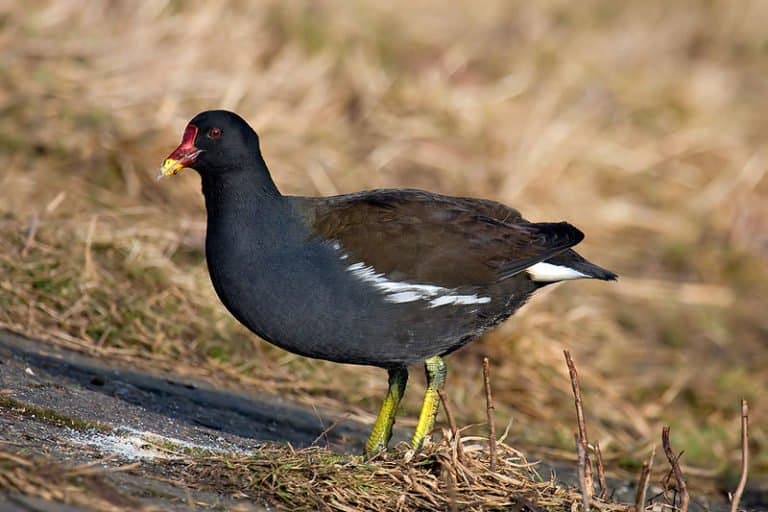
Moorhen
The reed-bed runner on lily pads

The reed-bed runner on lily pads
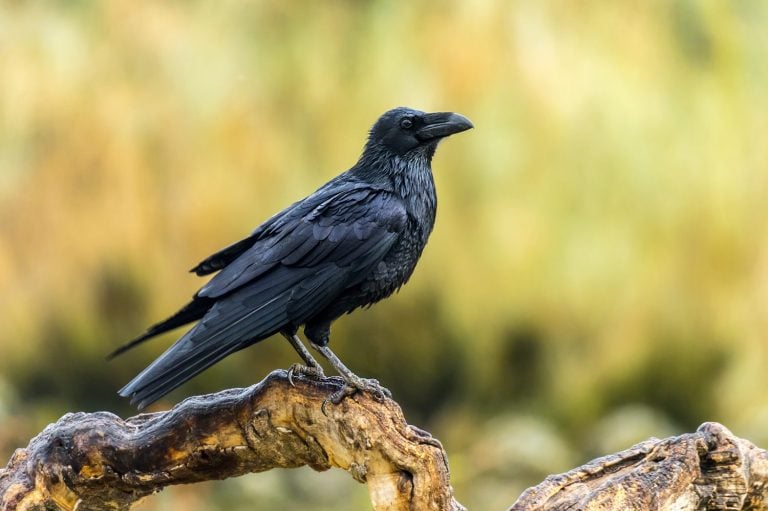
Wedge tail. Deep croak. Big brain.

Shaggy luck-bringer with snowshoe feet
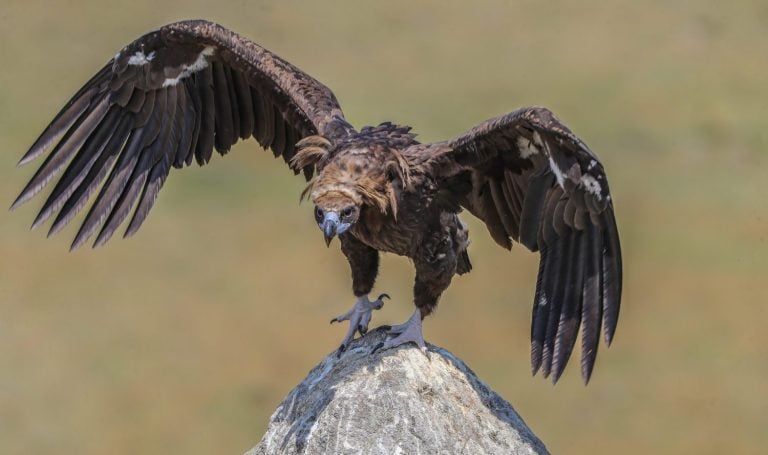
Big, black, and built to clean
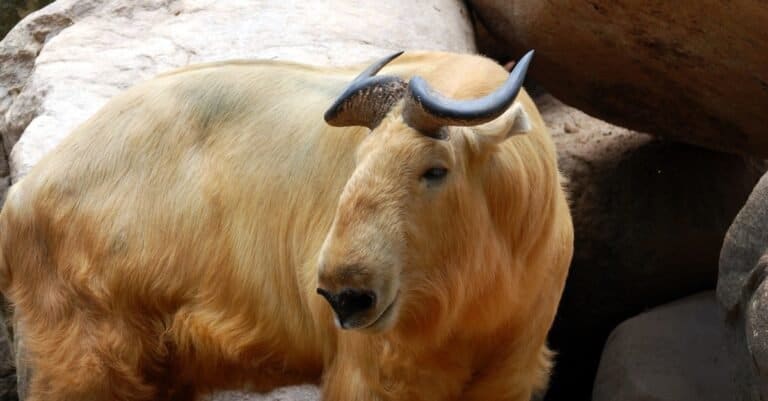
Himalaya's shaggy highland bovid
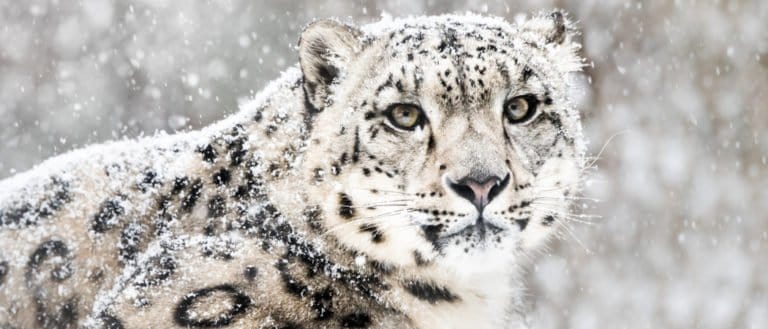
Built for cliffs. Made for cold.
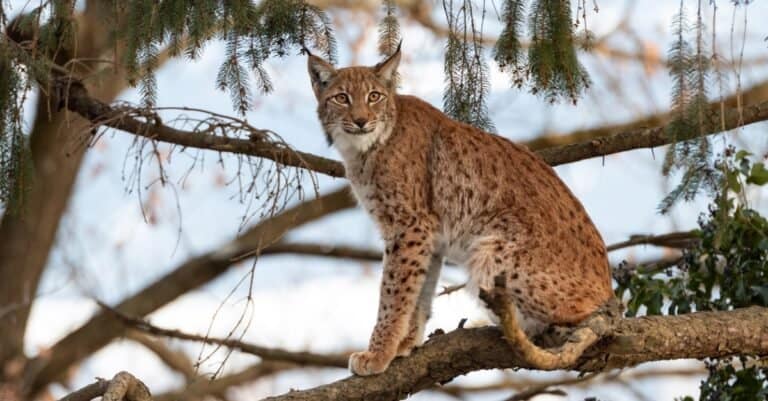
Silent forest hunter with tufted ears

Flat-faced monarch of the steppe
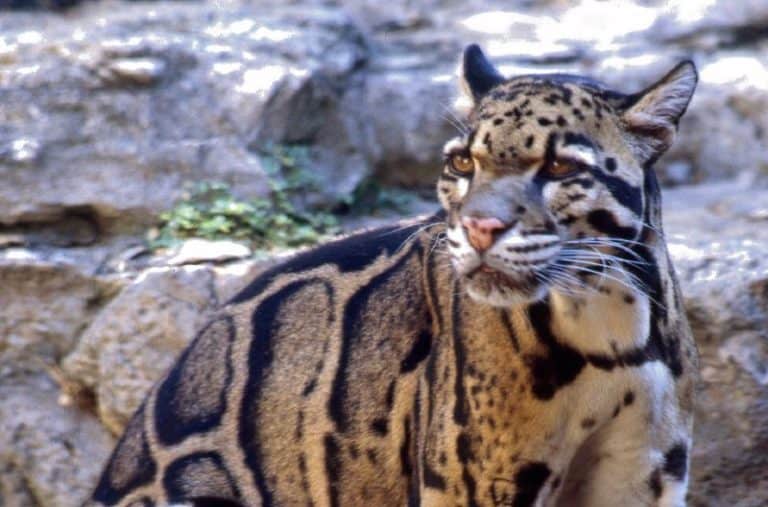
Built for the treetops, cloaked in clouds
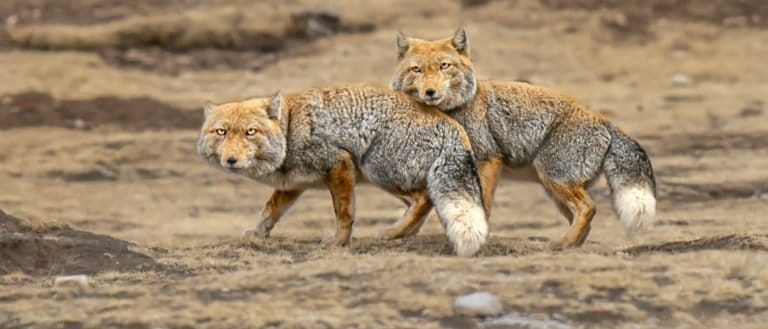
Square-faced hunter of the high plateau
Tibet Autonomous Region is a high, cold place with thin air and wide-open spaces on the Tibetan Plateau. These features shape tough, cold-adapted mammals and hardy alpine birds. From remote valleys and sacred mountains to windswept plains, Tibet still has much of its highland wildlife where traditional herds meet large carnivores and migrating hoofed animals. Key ecosystems include trans-Himalayan alpine steppe and high desert, plus montane conifer and broadleaf forests on wetter southeastern edges. Glacier-fed rivers and high-altitude wetlands cut through the plateau. Grasslands support Tibetan antelope and wild yak, while forests and rocky mountains shelter snow leopards and Himalayan wolves. Wetlands and river corridors are vital for cranes, geese, and other waterbirds. Wildlife here often lives above 4,000 meters in open, treeless landscapes shaped by long migrations and steppe and scree species.
Tibet Autonomous Region on the Tibetan Plateau has high, cold, dry, rugged lands, splitting habitats. Alpine steppe and meadow support hoofed mammals and predators. River valleys and the southern Himalaya form warmer, wetter forests and corridors that hold species and allow east–west and up–down movement. Closed basins with lakes and wetlands are key breeding and stopover sites for high‑altitude waterbirds.
~155 m (Yarlung Tsangpo Grand Canyon/Medog area) to 8,848.86 m (Mount Everest)
None (landlocked). Extensive interior high-altitude lakes and wetlands-often saline/endorheic-serve as the primary 'aquatic' habitats.
Tibet Autonomous Region protects wildlife through China's Nature Reserve system (national, provincial, and county), plus forest parks, scenic areas, and wetland and river corridor reserves. Protection focuses on vast, high-altitude alpine and desert-steppe habitats in north and west and diverse Himalayan and trans-Himalayan valleys in the southeast. Key species—snow leopard, Tibetan antelope, wild yak, black-necked crane—need large, connected landscapes.
about 30-35% (order-of-magnitude estimate; driven largely by very large national nature reserves in northern and western Tibet)
One of the world's largest high-altitude protected areas, safeguarding the core of the northern Tibetan Plateau's alpine steppe/desert-steppe. It is crucial for large-scale migrations and calving grounds of plateau ungulates and supports top predators across vast, road-sparse landscapes.
Protects extreme-elevation Himalayan habitats - from deep valleys to glaciated peaks - supporting snow leopard prey communities and high-mountain raptors. It is also a major conservation landscape along the Nepal border with important transboundary connectivity.
A globally important biodiversity stronghold where elevation drops rapidly into forested valleys, creating high habitat diversity. Notable for forest mammals and pheasants in southeastern Tibet and as a corridor linking Himalayan and Indo-Burma biotas.
Centered on one of Tibet's largest lakes and surrounding wetlands/grasslands, important for breeding and staging waterbirds and for plateau mammals in the lake basin. Key site for high-altitude wetland conservation in central-northern Tibet.
A rare, accessible high-altitude wetland within the Lhasa urban area, important for wetland birds and as a showcase site for plateau wetland restoration and protection near human development.
High-elevation salt lake and surrounding alpine steppe and wetlands that support large numbers of plateau waterbirds and other high-altitude wildlife.
Very high-altitude mountain and valley habitats on the north side of the Himalaya, important for large mammals and raptors across an elevational gradient.
Vast high-plateau grasslands and lakes in northern Tibet; among the most important protected areas on the Tibetan Plateau for wide-ranging ungulates and large carnivores.
A very large high-altitude protected area in northern Tibet that safeguards plateau grasslands, deserts, and lakes and is especially important for large migratory ungulates and predators.
High Himalaya protected area around Mount Everest with extreme-elevation habitats that support rare mountain mammals and birds.
Urban-adjacent wetland reserve in Lhasa protecting marsh and wet meadow habitat important for waterbirds, including the black-necked crane.
Tibet Autonomous Region sits on the highest plateau and includes trans-Himalayan alpine steppe, cold desert, glaciated mountains, river valleys, and montane conifer-broadleaf forests. High elevation, cold, and low oxygen shape its wildlife: big grazers like wild yak and kiang, high-altitude predators such as snow leopard and wolf, and plateau birds like black-necked crane and Tibetan eared pheasant. Southeastern Tibet adds Himalayan forest species (for example, red panda) and more kinds of animals, while the northern plateau has open-country specialists like Tibetan antelope and Tibetan gazelle.

Tibet Autonomous Region offers dramatic high-altitude wildlife viewing: wide alpine steppe, sacred lakes, snowy Himalayan valleys, and pockets of montane forest. See Tibetan antelope, kiang and wild yak on the Changtang, cranes and waterfowl on high lakes, and sometimes snow leopard or wolf. Plan to get used to the altitude, expect long drives, fast weather, bring binoculars, and be low-impact.
Clearer skies return, roads start to open, and animals become more active after winter. Good time for scanning open steppe for Tibetan antelope (chiru), kiang (Tibetan wild ass), and herds of blue sheep on rocky slopes; early migrants begin appearing on lakes and wetlands. Nights remain very cold; winds can be strong.
Peak season for high-lake birdlife and wildflower meadows; wetlands around major lakes can host breeding and post-breeding gatherings of bar-headed geese, ruddy shelduck, and (in suitable areas) black-necked crane. This is also when some high plateau routes are most accessible, but expect more visitors, afternoon rain/hail, and cloud buildup that can limit big-mountain visibility.
Often the best all-around wildlife-viewing window: stable weather, crisp visibility, and animals feeding heavily before winter. Excellent for photography on the Changtang and around high lakes as grasslands turn golden; strong chances for kiang, wild yak, Tibetan gazelle, and raptors. Early snow can arrive in October at higher passes.
Harsh but rewarding for dedicated wildlife watchers: fewer people, stark scenery, and in some areas better odds for predator tracking (snow leopard/wolf) and concentrated ungulates near lower-wind foraging areas. Many remote routes may be closed by snow/ice; temperatures can be extreme and logistics more complex-plan with experienced operators and flexible buffers.
Tibet Autonomous Region covers the Tibetan Plateau and northern Himalaya, a vast highland. Much is cold, dry alpine steppe, meadows and desert with permafrost and closed lakes. Southeast (Nyingchi/Medog and Yarlung Tsangpo gorges) has wet forests and rich biodiversity. Lakes and wetlands feed rivers and support migratory birds and endemic animals like Tibetan antelope (chiru), wild yak, kiang, snow leopard.
The dominant biome across the plateau: high-elevation meadows, fellfields, scree slopes, and alpine steppe/shrub mosaics shaped by intense radiation, strong winds, and short growing seasons.
Widespread across most of TAR; especially central and southern plateau and Himalayan/trans-Himalayan highlands (largest share of the region).
High, cold, often permafrost-affected communities with sparse cushion plants, sedges, and lichens on the coldest uplands and high passes; includes alpine tundra-like vegetation where conditions suppress taller grasses and shrubs.
Patchy but extensive at the highest and coldest elevations across northern and western TAR and high ridgelines.
Cold high desert with very low precipitation, saline/alkaline soils in some basins, sparse shrubs and hardy grasses; includes stony deserts and sandy/gravelly plains of the Changthang and western plateau.
Large areas in western and northern TAR (Ngari and northern plateau basins and plains).
Cold temperate steppe and meadow-steppe dominated by bunchgrasses and sedges, often used as rangeland; productivity varies strongly with moisture and elevation.
Broad belts across central TAR and parts of the east where moisture is moderate; intergrades with alpine meadow and cold desert.
Montane forests in the wetter southeast and in sheltered valleys: mixed broadleaf-conifer and conifer-dominated stands, with rich understory and high habitat complexity driven by monsoonal moisture and steep elevational gradients.
Concentrated in southeastern TAR (notably Nyingchi/Medog and adjacent valleys and gorges); limited elsewhere.
Major Asian headwaters and high-altitude lake systems: braided rivers, glacial meltwater streams, deep tectonic and endorheic lakes, and riparian corridors crucial for wildlife movement and human settlement.
Region-wide along the Yarlung Tsangpo and tributaries, plus extensive lake districts (e.g., Nam Co, Siling Co) and glaciated catchments.
High-elevation marshes, wet meadows, peat-forming areas, and riverine floodplain wetlands that provide key breeding/stopover habitat for waterbirds and regulate hydrology in permafrost and monsoon-transition zones.
Scattered but important across plateau basins and river valleys; locally extensive around lake margins and broad valley bottoms.
Himalayan and trans-Himalayan ranges with extreme elevation gradients, including glaciated peaks, high passes, and steep valley systems that create sharp ecological zonation.
Summer-greening sedge and grass meadows on moist uplands and valley shoulders; key grazing areas and habitat for pika, marmot, and ground-nesting birds.
Cold steppe plains dominated by drought-tolerant bunchgrasses and low forbs; prime range for kiang, Tibetan gazelle, and pastoral yak/sheep systems.
Alpine shrub communities (e.g., dwarf rhododendron, willow in moist areas; hardy xeric shrubs in drier zones) forming ecotones between meadows and desert/rock.
High, windswept plant communities with cushion plants, mosses, and lichens on the coldest uplands and exposed ridges.
Cold desert plains and basins with sparse vegetation, gravel pavements, and occasional sand sheets; includes saline flats around some endorheic lakes.
Southeastern montane conifer forests (spruce-fir and related assemblages) on moist slopes and higher valley sides; important for watershed protection and forest-dependent fauna.
Lower and mid-elevation valley forests in the southeast with deciduous broadleaf components mixed with evergreen/conifers; highest diversity occurs in deeply incised, monsoon-influenced gorges.
Overall forest habitat concentrated in the humid southeast, ranging from mixed montane forest to gorge forests with complex vertical structure and high endemism.
Major rivers and tributary networks (notably the Yarlung Tsangpo/Brahmaputra system) with riparian belts, braided reaches, and gorge sections that form key corridors.
Large high-altitude lakes (fresh to saline/alkaline) with important shoreline habitats and bird concentrations; many occur in closed basins on the plateau.
Wet meadows and saturated valley bottoms, especially around lake margins and broad river valleys; crucial for cranes, geese, and other waterbirds.
Reed/sedge marshes along lake shores and slow-flowing valley sections; productivity hotspots in an otherwise cold, dry landscape.
Localized peat-forming wetlands in colder, poorly drained basins and valley bottoms (where hydrology allows), supporting distinctive sedge-moss communities.
Steep rock faces and canyon walls in Himalayan and river-gorge terrain; nesting sites for raptors and refugia for cliff-adapted plants.
Karstic and erosional cavities in some mountain areas and river valleys; used by bats and as seasonal shelter by wildlife and pastoralists in limited localities.
Concentrated in lower, relatively warmer river valleys (e.g., around Lhasa and other settlements) where barley and other high-altitude crops are grown, often adjacent to riparian habitats.
Small but expanding urban footprints (e.g., Lhasa and prefectural towns) embedded within river-valley landscapes; impacts include habitat fragmentation and water demand.
In northern Tibet, female Tibetan antelope (chiru) undertake traditional, long-distance calving migrations across open plateau-often traveling for days at ~4,500-5,000 m where oxygen is roughly half of sea level.
Plateau pikas-often mislabeled as "pests"-can act like tiny ecosystem engineers: their burrows aerate soils and create habitat used by other species (from small birds to reptiles), and moderate pika activity is linked in studies to higher local plant diversity.
Tibetan foxes (Vulpes ferrilata) are so pika-focused that a well-known behavior on the plateau is foxes trailing brown bears, grabbing pikas that bears dig out-an unusual predator "tag-along" strategy.
Black-necked cranes frequently feed in harvested barley fields and wet meadows right beside villages in Tibet, and many communities tolerate and protect them because of strong cultural and religious respect for the species.
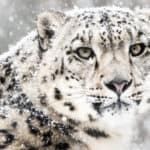
Snow leopards are built for Tibet's cliffs: their oversized, furred paws act like snowshoes, and the thick tail is so long and insulated it can be wrapped around the body like a blanket during blizzards.
Tibet's Changthang (northern TAR) is prime range for the wild yak (Bos mutus), the world's largest wild bovine-big bulls can approach ~1,000 kg, dwarfing most other wild cattle.
The kiang (Equus kiang), common on Tibet's high plateau grasslands, is the largest wild ass species on Earth, standing up to about 1.4 m at the shoulder.
The black-necked crane (Grus nigricollis)-a flagship bird in Tibet-is the world's highest-altitude breeding crane and the only crane that regularly nests on alpine plateau wetlands (often ~3,000-4,900 m).
Snow leopards in the Tibetan Himalaya and Trans-Himalaya represent one of the highest-ranging big-cat populations on the planet; camera-trap and field records from the plateau document use of terrain well above 5,000 m.
Bar-headed geese (Anser indicus) that move across the Tibetan Plateau are famous for extreme high-altitude migration; GPS-tracked birds have been recorded crossing the Himalaya at elevations around 7,000 m, with exceptional flights reported even higher.
30 species documented in our encyclopedia
Thank you for reading! Have some feedback for us?
We appreciate your help in improving our content.
Our editorial team will review your suggestions and make any necessary updates.
There was an error submitting your feedback. Please try again.