N S W E
Wildlife Expeditions

Wildlife of
Qinghai Sheng

High on the Tibetan Plateau, Qinghai blends vast alpine grasslands, famed Qinghai Lake wetlands, and river headwaters that sustain iconic high-altitude wildlife.
27 Species
721,000 km² Land Area
Overview

About Qinghai Sheng

Qinghai is a cold, high province on the northeastern Tibetan Plateau where wide alpine steppe meets wet oasis-like areas. Its wildlife is shaped by high elevation, open space, and water. Large mammals roam open grasslands, and many migratory waterbirds gather where meltwater, lakes, and marshes remain. Key habitats are alpine grasslands and the desert-steppe at the Qaidam Basin edges, the big wetlands around Qinghai Lake (one of China's main inland waterbird sites), and the high headwaters of Asia's great rivers — the Yangtze, Yellow, and Lancang/Mekong. Wetlands and peatlands store water, help in drought, and provide breeding and staging areas for birds on the Central Asian Flyway. Qinghai is special for its mix of a large saline lake-wetland complex and a crossroads of headwater basins, giving unusually dense bird gatherings and great views of grassland mammals.

Physical Features

Geography

Qinghai sits on the high northeastern Tibetan Plateau, with cold, thin air. Alpine meadows, plateau steppe, wetlands, and desert basins lie close together. This steep elevation and dryness gradient forms distinct habitat belts and makes Qinghai vital for migratory waterbirds (large lakes and marshes) and for high‑altitude specialist species. It also holds major Asian river headwaters.

721,000 km² Land Area
4th largest province-level division in China Size Rank
China Country
Province Type
Elevation Range

~1,650 m (eastern river valleys/lowlands) to ~6,860 m (Bukadaban Feng, Kunlun Mountains)

Coastline

No ocean coastline; extensive inland waters including Qinghai Lake (China's largest lake) and numerous endorheic salt lakes (notably in the Qaidam Basin), plus high-altitude river headwaters and wetlands (Sanjiangyuan).

Key Landscapes

Northeastern Tibetan Plateau highlands (alpine meadows, plateau steppe, cold desert) Qinghai Lake basin (large saline lake, shore wetlands, bird breeding and stopover habitat) Qaidam (Tsaidam) Basin-high-elevation endorheic basin with salt lakes, gravel deserts, and sparse steppe Kunlun Mountains (southern/northwestern margins)-high peaks and cold alpine habitats Qilian Mountains (northeast)-montane grasslands/forests and important watershed headwaters Tanggula and related plateau ranges toward the south-glaciated headwaters and alpine wetlands/meadows (Sanjiangyuan region)
Parks & Reserves

Protected Areas

Qinghai's protected areas are mostly large, high-plateau reserves on the northeastern Tibetan Plateau that protect the sources of the Yangtze, Yellow and Lancang (Mekong) rivers and wetlands around Qinghai Lake. Protection includes Sanjiangyuan National Park, national reserves (Hoh Xil/Kekexili, Qilian Mountains) and provincial parks to protect alpine grasslands, cold desert, permafrost and key bird sites.

Protected Coverage

≈25-30% (approx.; large national park + multiple national/provincial nature reserves)

National Parks & Preserves

Sanjiangyuan National Park (Three-River-Source National Park)

≈123,000 km²

Flagship headwaters conservation area for the Yangtze, Yellow, and Lancang (Mekong) rivers, protecting vast alpine meadows, wetlands, and permafrost landscapes. It is one of China's most important strongholds for plateau megafauna and high-altitude carnivores, with large, road-sparse zones that function as de facto wilderness.

Snow leopard Tibetan antelope (chiru) Wild yak Tibetan gazelle Kiang (Tibetan wild ass)

Hoh Xil (Kekexili) National Nature Reserve

≈45,000 km²

A vast, extremely remote high plateau (also recognized through the Hoh Xil World Heritage area) known for wide-open, roadless habitat and one of the most important breeding/migration landscapes for Tibetan antelope. The reserve also supports intact predator-prey dynamics in a cold-desert/alpine system.

Tibetan antelope (chiru) Wild yak Snow leopard Tibetan wolf Kiang (Tibetan wild ass)

Qinghai Lake National Nature Reserve

≈4,000-5,000 km² (lake + reserve landscape, approx.)

China's largest inland saltwater lake and one of Asia's major high-altitude waterbird hubs. Shoreline wetlands, islands, and surrounding steppe support huge seasonal concentrations of breeding and migrating birds-among the best wildlife-viewing opportunities in the province.

Bar-headed goose Brown-headed gull Great cormorant Ruddy shelduck Black-necked crane

Qilian Mountains National Nature Reserve (Qinghai-Gansu Qilian Shan)

≈26,000 km² (entire reserve; portions extend into Qinghai)

High, glaciated mountain systems, alpine steppe, and forest-shrub ecotones that form an important corridor for large mammals. Notable for snow leopard habitat and for supporting diverse ungulates and raptors across rugged terrain.

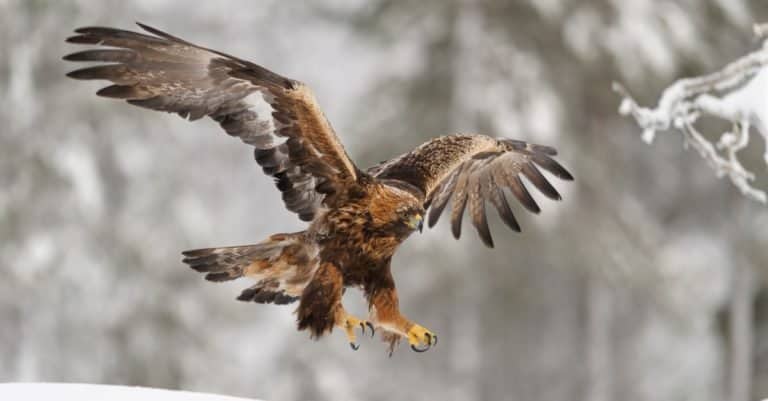
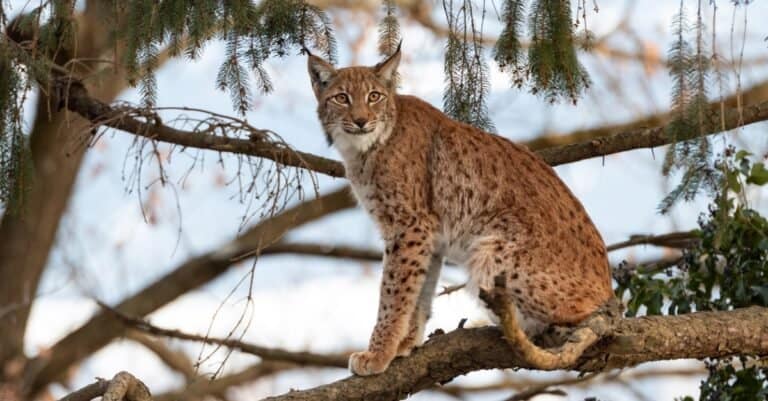
Snow leopard Blue sheep (bharal) Eurasian lynx White-lipped deer Golden eagle

Longbao National Nature Reserve (Yushu Wetlands)

≈100 km² (order-of-magnitude; wetland-focused reserve)

A key high-altitude wetland complex in Yushu that is especially important for breeding and staging waterbirds. It is among the best-known protected sites in Qinghai for crane and wetland-bird conservation on the plateau.

Black-necked crane Bar-headed goose Ruddy shelduck Tibetan fox Plateau pika

State & Provincial Parks

Nianbaoyuze (Amne Machin/Animaqing region) Provincial-level Protected Area (variously designated locally as a nature reserve/scenic area)

Hundreds to a few thousand km² (designation boundaries vary by local zoning)

High-elevation lakes, alpine meadows, and rugged sacred mountains in southern Qinghai that can support plateau carnivores and ungulates. Valued for landscape-scale conservation and potential connectivity for snow leopard and prey species.

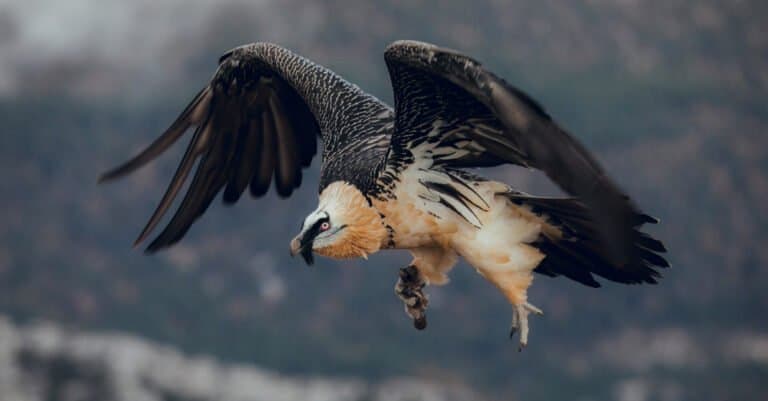
Snow leopard Blue sheep (bharal) Tibetan gazelle Tibetan fox Himalayan griffon

Qaidam Basin Provincial-level Desert/Wetland Protected Areas (cluster of provincial reserves/wetland parks in the basin; e.g., around terminal lakes and marshes)

Variable (site network rather than a single park; typically tens-hundreds of km² per unit)

Cold-desert basins punctuated by saline lakes and marshes that provide critical stopover and breeding habitat for migratory waterbirds while also protecting desert-adapted mammals and fragile shoreline vegetation.

Great cormorant Ruddy shelduck Black-necked grebe Goitered gazelle Corsac fox

Huzhu Beishan (North Mountains) Forest Park / Provincial Scenic-Forest Protected Area

≈100-300 km² (park units vary by management zoning)

Montane forest and shrub habitats near population centers that provide important regional biodiversity refuge and birdlife viewing compared with the open plateau, including raptors and forest-edge species.

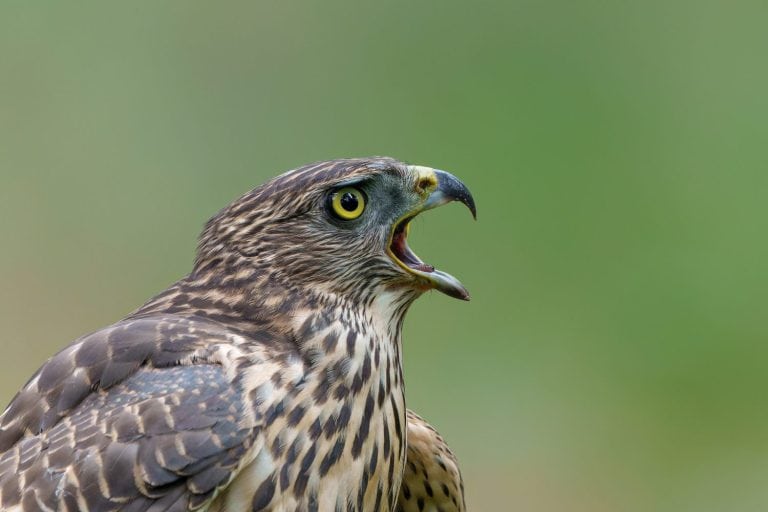
Eurasian sparrowhawk Upland buzzard Siberian roe deer Red fox Himalayan marmot

Wildlife Refuges

Zhaling-Eling Lakes (Yellow River Source) Protected Area (often managed as nature reserve/wetland protection zone within the Sanjiangyuan headwaters)

≈1,000+ km² (lake-and-wetland landscape, approximate)

Large alpine lakes and surrounding marshes at the Yellow River source that are vital for wetland integrity, migratory birds, and maintaining headwaters hydrology. Strong site for viewing high-plateau waterbirds in summer.

Black-necked crane Bar-headed goose Brown-headed gull Great crested grebe Kiang (Tibetan wild ass)

Xingxinghai (Starry Sea) Wetlands Protected Area (headwaters wetland reserve complex)

Tens-hundreds of km² (wetland complex; exact boundary varies by unit)

Braided-river and marsh mosaics that act as a key sponge for plateau hydrology and a breeding/staging area for waterbirds; also supports healthy small-mammal populations that underpin raptor and carnivore food webs.

Black-necked crane Ruddy shelduck Bar-headed goose Upland buzzard Tibetan fox

Przewalski's Gazelle (Qinghai Lake Steppe) Micro-reserve Network (county/provincial protection zones around Qinghai Lake)

Small, fragmented units (typically a few-tens of km² each)

A set of fenced and managed steppe patches around Qinghai Lake aimed at stabilizing one of the world's rarest antelopes. These sites are important for targeted recovery, reducing disturbance, and protecting calving habitat.

Przewalski's gazelle Tibetan gazelle Pallas's cat Steppe eagle Red fox

Wilderness Areas

  • Hoh Xil (Kekexili) interior plateau roadless zone (remote basins and high passes with minimal settlement)
  • Kunlun Mountains high country (glaciated ridges and cold-desert slopes north of the plateau core)
  • Tanggula-Bayan Har mountain wilderness belts (high ridgelines and broad alpine grasslands forming key wildlife connectivity)
  • Upper Yangtze/Yellow headwaters backcountry (permafrost wetlands and wide valley systems within the greater Sanjiangyuan region)
  • Remote Qaidam Basin lake deserts (salt flats and isolated terminal wetlands with limited access)
Animals

Wildlife

Qinghai's wildlife is defined by high-elevation Tibetan Plateau ecosystems-cold alpine steppe and meadow, desert-steppe, glaciated mountains, and large saline/freshwater wetlands around Qinghai Lake and the headwaters of the Yellow, Yangtze, and Mekong rivers. The province supports a distinctive assemblage of plateau specialists (snow leopard-blue sheep systems, Tibetan antelope, wild yak, kiang, Pallas's cat) and is one of China's most important inland waterbird regions, with massive seasonal movements and breeding colonies at Qinghai Lake and surrounding marshes.
≈90-110 species (plateau specialists dominate; large ungulates and carnivores are key) Mammals
≈260-320 species (very high importance for migratory and breeding waterbirds) Birds
≈15-25 species (low diversity due to cold/high elevation) Reptiles
≈6-12 species (restricted to river valleys, springs, and wet meadows) Amphibians
≈40-60 species (many cold-water/highland taxa; endemics in closed basins like Qinghai Lake) Fish
Examples

Iconic Species

Snow Leopard
Snow Leopard Flagship high-altitude predator of the Kunlun/Qilian ranges and Sanjiangyuan region; Qinghai is a core landscape for snow leopard conservation and camera-trap sightings.
Tibetan Antelope (Chiru) Iconic migratory ungulate of Hoh Xil-Sanjiangyuan; famous for long-distance movements to calving areas and a major conservation success story after anti-poaching efforts.
Wild Yak One of the world's largest wild bovids, strongly associated with remote high plains of Hoh Xil and northern Qinghai; a signature species of the plateau wilderness.
Tibetan Wild Ass (Kiang) Common, highly visible grazer of open steppe and lake basins; often seen in groups across northern and western Qinghai.
Tibetan Gazelle Characteristic small antelope of alpine steppe; frequently encountered in open grasslands and a typical prey species within plateau food webs.
Black-necked Crane A high-plateau wetland specialist that breeds and stages in Qinghai's marshes and river valleys; culturally important and a highlight for birders.
Bar-headed Goose An emblematic high-altitude migrant and breeder at Qinghai Lake; renowned for trans-Himalayan flight and large breeding gatherings.
Brown-headed Gull Forms notable breeding colonies on islands and shores of Qinghai Lake; a defining species of the lake's summer bird spectacle.
Pallas's Cat
Pallas's Cat Elusive plateau carnivore associated with rocky steppe; Qinghai is among the best regions in China for this species, with increasing camera-trap records.

Endemic & Rare Species

Przewalski's Gazelle

Procapra przewalskii

Endangered (global); extremely restricted range

A flagship Qinghai endemic in practice-its remaining wild populations are concentrated around Qinghai Lake, making the province critical for the species' survival.

Qinghai Lake Naked Carp

Gymnocypris przewalskii

Endemic to the Qinghai Lake basin; locally threatened by habitat change and historical overfishing

Keystone fish of Qinghai Lake's food web; supports large numbers of piscivorous birds and represents a unique high-salinity/altitude adaptation.

Snow Leopard

Panthera uncia

Vulnerable (global)

Qinghai contains extensive suitable habitat and important prey bases (e.g., bharal/blue sheep), making it nationally significant for long-term population connectivity.

White-lipped Deer

Cervus albirostris

Vulnerable (global)

A high-elevation deer of forest-meadow edges in eastern/southern Qinghai; valued as an indicator of intact alpine-forest ecotones.

Wild Yak

Bos mutus

Vulnerable (global)

Qinghai's remote protected areas (notably Hoh Xil and adjacent landscapes) hold some of the most important remaining wild populations.

Black-necked Crane

Grus nigricollis

Vulnerable (global)

Relies on plateau wetlands that are sensitive to water diversion, grazing pressure, and climate variability; Qinghai's breeding/staging sites are nationally important.

Tibetan Antelope (Chiru)

Pantholops hodgsonii

Near Threatened (global); recovering from past poaching

Still conservation-dependent due to fragmentation and infrastructure; Qinghai's large protected landscapes are central to sustaining migrations and calving areas.

Notable Populations

  • Core global stronghold for Przewalski's gazelle (Procapra przewalskii) around Qinghai Lake-one of the most range-restricted large mammals on Earth.
  • Major breeding and stopover concentrations of high-altitude waterbirds at Qinghai Lake, including bar-headed goose (Anser indicus) and brown-headed gull (Chroicocephalus brunnicephalus).
  • Internationally important snow leopard (Panthera uncia) landscape within Sanjiangyuan and adjacent mountain systems, supporting connectivity across the northeastern Tibetan Plateau.
  • Large, intact plateau-ungulate assemblages (Tibetan antelope, wild yak, kiang, Tibetan gazelle) in Hoh Xil-northern Qinghai, among the best remaining in China.
  • Qinghai Lake naked carp (Gymnocypris przewalskii) represents a globally unique endemic fish population underpinning the lake's bird ecology.

Recent Changes

  • Recovery trends for Tibetan antelope in the broader Tibetan Plateau region (including Qinghai) following intensified anti-poaching enforcement and protected-area expansion; ongoing monitoring focuses on migration corridors and infrastructure impacts.
  • Przewalski's gazelle numbers have increased from historical lows due to targeted protection around Qinghai Lake (fencing adjustments, patrols, and habitat management), though the species remains highly range-restricted and vulnerable.
  • Expanded camera-trap coverage and community-based monitoring in Sanjiangyuan have increased confirmed records of snow leopards and other carnivores (e.g., Pallas's cat), improving population baselines rather than indicating uniform growth everywhere.
  • Fisheries regulation and seasonal/area closures around Qinghai Lake have aimed to rebuild naked carp stocks after historical overharvest; continuing pressures include hydrological change, habitat shifts in tributary spawning areas, and predation dynamics.
  • Periodic disease events have affected waterbirds at Qinghai Lake (notably H5N1 avian influenza outbreaks first detected prominently in 2005), leading to episodic mortality and heightened surveillance.
  • Climate-driven hydrological variability (lake level changes, wetland expansion/contraction, permafrost and runoff shifts) is altering habitat availability for breeding/staging waterbirds and wetland-dependent species in parts of the province.
Visit

Wildlife Viewing

Qinghai is one of China's best places for high altitude wildlife. Vast Tibetan Plateau grasslands, saline lakes, river headwaters, and alpine mountains hold plateau mammals and migratory birds. Around Qinghai Lake see huge summer waterbird colonies, rare steppe ungulates, and, with patience and good guides, snow leopard and Pallas's cat in the Qilian Mountains. Expect thin air and big skies.

Best Seasons

Spring (Apr-May)

Ice retreats and wetlands re-open around Qinghai Lake; early migrants arrive (geese, ducks, gulls). Good shoulder-season visibility for steppe mammals (Tibetan gazelle, kiang in suitable areas) before peak tourism. Nights are cold and winds can be strong; some high passes may still have snow.

Summer (Jun-Aug)

Peak wildlife season at Qinghai Lake: breeding colonies of bar-headed geese, brown-headed gulls, great cormorants and other waterbirds; active nesting/feeding behavior is easiest to observe. Alpine meadows in Qilian are green with marmots and raptors. This is also the busiest season; afternoon storms are common at elevation.

Autumn (Sep-Oct)

Crisp, clear air and strong photography light; autumn migration begins around Qinghai Lake with staging flocks on wetlands and shorelines. Good time for mammals in open country as vegetation thins; chances improve for sightings of wolves/foxes in some regions. Temperatures drop quickly after mid-October.

Winter (Nov-Mar)

A dramatic, quiet plateau with far fewer visitors. Excellent track-and-sign conditions for carnivores in snowy Qilian and other mountain-steppe edges; wintering waterbirds can persist where water remains open. Travel is harsher (ice, wind, extreme cold) and some roads/areas may be restricted or closed.

Top Wildlife Experiences

  • Qinghai Lake National Nature Reserve: early-morning bird colony viewing around Bird Island (Niaodao) and nearby shoreline wetlands (Jun-Jul for peak breeding; Sep for migration staging).
  • Gangcha-Haiyan-Gonghe lakeshore circuit: scan bays and reedbeds for bar-headed geese, brown-headed gulls, grebes, ducks, and raptors; sunset shoreline sessions for flight photography.
  • Longbao National Nature Reserve (Yushu area): wetland birding for black-necked crane during the warm season (timing varies year to year), plus other plateau wetland species; combine with community conservation viewpoints.
  • Qilian Mountains (around Qilian County / Menyuan corridor): guided "cat and carnivore" searches for snow leopard (very challenging) and Pallas's cat (rare), plus blue sheep, red fox, raptors, and alpine meadow mammals; best in clear, cold months.
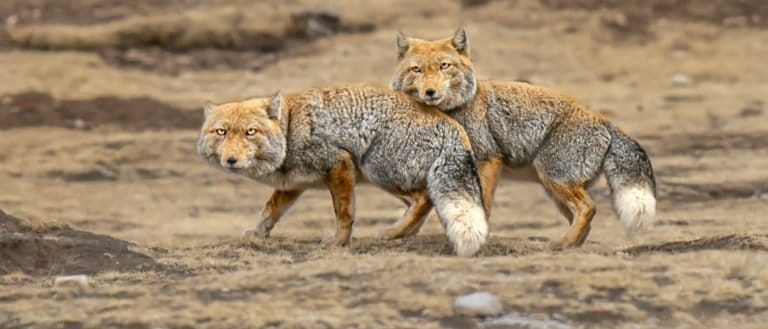
  • Sanjiangyuan (Source of Three Rivers) region: wildlife-focused drives and hikes on high grasslands and river valleys looking for Tibetan gazelle, kiang (where present), Tibetan fox, wolves, and high-altitude birds; emphasize low-impact viewing in sensitive headwater habitats.
  • Hoh Xil/Kekexili edge routes (where access is permitted): long-distance scanning on remote plateau for Tibetan antelope (chiru) and other steppe wildlife; pair with conservation storytelling about patrols and protected areas (permits/route constraints are common).
  • Chaka Salt Lake and surrounding steppe: combine surreal salt-pan landscapes with steppe birding and raptor watching along approach roads and nearby wetlands (best as a scenic add-on rather than a primary wildlife site).

Wildlife Watching Types

Colony and wetland birdwatching (breeding colonies, shorebird/duck staging, crane wetlands) High-altitude steppe mammal safaris (long-distance scanning from roads/tracks) Carnivore tracking and spotting (snow leopard/Pallas's cat focus with expert guides; track-and-sign in winter) Raptor watching (eagles, vultures, falcons along mountain fronts and open grasslands) Nature photography trips (sunrise/sunset lakeshore flights, telephoto mammal sessions, night-sky + landscape combos) Community-based conservation visits (ranger stories, protected-area interpretation, low-impact wildlife viewing)

Guided Options

  • Qinghai Lake birding-focused day tours and multi-day circuits (local bird guides; timing aligned to Jun-Aug breeding and Sep migration).
  • Qilian Mountains wildlife tracking trips (small-group, vehicle-based scanning + short hikes; some operators market snow leopard/Pallas's cat 'search expeditions'-set expectations realistically).
  • Sanjiangyuan eco-tours led by local Tibetan communities and trained nature interpreters (emphasis on headwater ecology, wildlife-friendly travel, and cultural context).
  • Protected-area interpretation programs when available at Qinghai Lake National Nature Reserve and other reserves (visitor centers, ranger talks; schedules vary seasonally).
  • Custom photography workshops (Qinghai Lake colony action + plateau landscapes) run by China-based nature photography leaders; often include hides/ethical-distance protocols where permitted.
  • University/NGO-linked citizen-science style birding outings around Qinghai Lake during peak migration/breeding (availability varies; check local conservation groups and seasonal events).
Habitats

Ecosystems

Qinghai sits on the high Tibetan Plateau with cold alpine meadows, steppe, and very dry cold-desert basins. It has important freshwater and wetlands like Qinghai Lake and headwaters for the Yellow, Yangtze, and Mekong/Lancang rivers. These support migratory birds and high altitude wildlife. Areas get wetter and greener toward southern and eastern mountains, drier toward the Qaidam Basin.

Biomes

Alpine

High-elevation plateau and mountain ecosystems with alpine meadows, alpine steppe, and sparsely vegetated scree/rock at the highest elevations; core habitat for Tibetan Plateau wildlife and major river headwaters.

Widespread across the Tibetan Plateau portion of Qinghai; dominant biome in central, southern, and much of eastern Qinghai.

Tundra

Cold, treeless environments near the upper elevational limits, with cushion plants, sedge-dominated turf, and permafrost-influenced soils; often intergrades with alpine meadow/steppe.

Patchy at the highest elevations and wind-exposed uplands, especially in southern and western highlands.

Temperate Grassland

Plateau grasslands and steppe (often cold, semi-arid) with grasses and sedges, used extensively for pastoralism; includes expansive steppe-like plains and rolling uplands.

Extensive across northeastern and central plateau areas; transitions into wetter alpine meadows and drier cold-desert zones.

Cold Desert

Cold, arid basins and desert plains with sparse shrubs and hardy desert plants, salt flats, and gravel deserts; includes large endorheic basins and playa-lake systems.

Major in the Qaidam Basin and other interior basins of northern/northwestern Qinghai.

Temperate Forest

Montane forests and forest-steppe mosaics in relatively wetter mountain margins (often dominated by conifers, with some mixed patches in sheltered valleys).

Localized in higher, wetter mountains and eastern/southeastern margins; a minor but ecologically important component.

Freshwater

Headwater rivers, alpine streams, and large lakes (Qinghai Lake and numerous smaller lakes) supporting specialized cold-water aquatic communities and providing critical water resources downstream.

Distributed province-wide in river headwaters and lake basins; especially notable around Qinghai Lake and southern headwaters regions.

Wetland

Alpine marshes, peatlands, lake-edge wetlands, and seasonally flooded meadows that serve as key breeding/stopover habitat for waterbirds and help regulate headwater hydrology.

Scattered but significant in headwater basins (south/central) and around major lakes, particularly Qinghai Lake and associated wetlands.

Habitats

Grassland

High-altitude meadow and steppe pastures dominated by sedges and grasses; extensive grazing landscapes across the plateau.

Steppe

Drier plateau grasslands transitioning toward desert; common across northeastern and central Qinghai and around basin margins.

Shrubland

Cold, semi-arid shrub steppe with hardy shrubs on windy uplands and basin edges; important transition habitat between grassland and desert.

Desert

Qaidam Basin gravel deserts, saline flats, and sparse desert shrub communities; includes playa environments and dune/gravel mosaics.

Tundra

Permafrost- and frost-affected high-elevation zones with low, cushion-form vegetation and very short growing seasons.

Alpine Meadow

Moist alpine meadows in headwater areas (e.g., Bayan Har-style headwater landscapes) with sedge mats and summer wildflower blooms.

Mountain

High mountain ranges and uplands (e.g., Qilian and plateau mountains) creating strong elevational gradients, snow/ice influence, and diverse microhabitats.

Cliff/Rocky Outcrop

Rock faces and escarpments in mountainous areas providing nesting/denning sites and refuge habitat in otherwise open landscapes.

Cave

Localized karst or erosional cavities and rock shelters in mountain areas; limited in extent but can provide roosting/refuge microhabitats.

Lake

Qinghai Lake (large saline lake) and numerous smaller alpine/endorheic lakes; critical for waterbirds and regional hydrology.

River/Stream

Major headwaters and tributaries feeding the Yellow, Yangtze, and Mekong/Lancang systems; cold, braided, and sediment-sensitive in places.

Pond

Small alpine ponds and thaw/seasonal pools that support amphibians/invertebrates and serve as bird foraging sites in summer.

Wetland

Lake-edge wetlands, riverine floodplain wetlands, and alpine wet meadows; key for migratory birds and water storage.

Marsh

Sedge- and reed-dominated marshes around lakes and slow-flowing reaches, especially in headwater basins and Qinghai Lake fringes.

Bog

Peaty alpine wetlands in saturated headwater areas; carbon-storing ecosystems sensitive to warming and drainage.

Coniferous Forest

Montane conifer stands in wetter mountain zones (notably along parts of the Qilian Mountains and eastern/southeastern uplands).

Forest

General montane forest patches and forest-steppe mosaics where moisture is sufficient; relatively limited compared to open plateau habitats.

Agricultural/Farmland

Concentrated in lower, more temperate valleys and basins (especially east); includes irrigated fields and valley farmland with strong water dependence.

Urban

Urban and industrialized areas concentrated around Xining and key transport corridors; localized but expanding footprint in some valleys and basins.

Ecoregions

Tibetan Plateau alpine shrub and meadows Tibetan Plateau alpine steppe Qaidam Basin semi-desert (cold desert) Qilian Mountains conifer forests
Protection

Conservation

Primary Threats

  • Rapid warming on the Tibetan Plateau melts glaciers and snow and changes permafrost, altering runoff in Sanjiangyuan and wetland water around Qinghai Lake. This harms breeding habitat for waterbirds like cranes, changes food and seasons for ungulates, and increases winter die-offs and droughts that stress livestock and wild herbivores.
  • Habitat contraction and fragmentation occur through rangeland degradation (long-term grazing pressure, grassland desertification), wetland shrink/expansion dynamics that reconfigure shoreline breeding areas, and localized conversion near settlements and agricultural oases. In the Qinghai Lake basin, fencing and land-use intensification can reduce landscape permeability for gazelles and other steppe fauna.
  • In Qinghai pastoral areas, snow leopards and wolves kill livestock, so people often kill them in return; payments and corrals vary by county. Livestock also compete with wild ungulates (gazelles, wild yak), leading to more fencing.
  • Highways, rail links to Tibet, powerlines, and service roads block animals, cause more road deaths, and open remote areas. Around Qinghai Lake basin and across steppe, these barriers can cut movements of Przewalski's gazelle and other ungulates unless wildlife crossings and fence fixes are used.
  • Salt-lake resources, metal mining, and associated processing/haul roads can degrade habitat via land take, dust, and water-quality impacts, particularly in arid basins where recovery is slow. Legacy contamination risks and expanded exploration in fragile alpine/desert-steppe areas can conflict with redline/ecological zoning goals.
  • Localized water pollution arises from mining/industrial effluents, road runoff, and growing tourism and settlement wastewater loads near lakeshores and river valleys. Nutrient inputs and solid waste near Qinghai Lake and popular wetland sites can reduce water quality and disturb sensitive bird areas if not tightly managed.
  • Tourism pressure around Qinghai Lake (shoreline access, off-road driving, bird photography near colonies) disrupts nesting waterbirds and increases trampling of fragile wetlands and alpine meadows. Seasonal collection activities and expanding recreational use in headwaters landscapes can also displace wildlife from key foraging and calving areas.
  • Overgrazing and fuel/forage demand can deplete plant cover in arid-to-alpine grasslands, increasing wind erosion and reducing resilience. In some localities, intensive harvesting of high-value biological resources (e.g., caterpillar fungus collection in headwaters counties) concentrates people in sensitive habitats during wildlife breeding seasons, compounding disturbance.
  • Rodent-control campaigns (e.g., poisoning aimed at pikas) can alter food webs and inadvertently affect predators/scavengers. Water engineering, shoreline hardening, wetland drainage/repair works, and extensive fencing can change habitat structure and movement pathways across grassland-wetland mosaics.
  • While large-scale poaching has declined, opportunistic illegal hunting persists in remote areas, and enforcement intensity can vary with access created by roads. Past poaching pressure was especially damaging for Tibetan antelope and continues to be a risk for high-value or culturally targeted species.
  • Illicit trade pressures are lower than historically for some plateau species but remain a risk (e.g., high-value pelts or parts, and occasional illegal capture/commerce). Increased connectivity and market access can elevate the incentive to exploit rare wildlife if enforcement weakens.
  • Disease risks at the wildlife-livestock interface include spillover of pathogens in shared grazing landscapes (e.g., parasitic and bacterial diseases) that can affect wild ungulates and carnivores. Stray dogs around settlements and monasteries can also transmit diseases (e.g., rabies, distemper) and contribute to predation pressure on ground-nesting birds.
  • Historically heavy harvest of Qinghai Lake's endemic naked carp reduced stocks and ecosystem function; strict bans have improved conditions, but illegal take and enforcement gaps can still occur, especially during spawning migrations into tributaries.
Fun Facts

Did You Know?

Qinghai Lake is saline/alkaline, yet its signature fish-the endemic Qinghai naked carp (Gymnocypris przewalskii)-survives by spending most of its life in the lake and then running up freshwater tributaries to spawn, creating seasonal "high-altitude fish runs."

The "naked" in Qinghai naked carp is literal: it has greatly reduced scales-an unusual trait in carp-and is adapted to the lake's salty, alkaline chemistry.

Przewalski's gazelle nearly vanished (dropping to only a few hundred individuals in the 1990s), but focused protection around Qinghai Lake helped it rebound to a few thousand-one of China's most notable recoveries of a large, endemic mammal.

Female Tibetan antelope (chiru) undertake long, synchronized treks across Qinghai's Hoh Xil/Kekexili region to reach traditional calving grounds-then return with their calves, a rare large-mammal migration adapted to extreme altitude and cold.

In the Qinghai Lake basin, "desert-like" steppe, salty shorelines, and alpine wetlands occur within short distances-letting you find gull colonies, crane marshes, and high-plateau ungulates in the same region, despite the harsh climate.

Qinghai Lake (≈3,196 m elevation) is China's largest inland lake and the largest lake on the Tibetan Plateau-an outsized "oasis" for waterbirds in an otherwise cold, arid highland landscape.

The bar-headed goose-famous for the highest-altitude migrations of any bird (recorded flying over the Himalayas at ~7,000-8,000+ m)-breeds in large numbers around Qinghai Lake's islands and wetlands.

Black-necked cranes, the world's highest-breeding crane species, nest in Qinghai's alpine wetlands (notably in Yushu-area sites such as Longbao Wetland at ~4,200 m).

Przewalski's gazelle (Procapra przewalskii) is one of the most range-restricted large mammals on Earth: its entire wild population survives only in Qinghai, concentrated around the Qinghai Lake basin.

Sanjiangyuan National Park (headwaters region in southern Qinghai) is China's largest national park by area (about 123,100 km²), created to safeguard high-elevation ecosystems that support snow leopards, Tibetan antelope, wild yak, and other plateau specialists.

Thank you for reading! Have some feedback for us?