N S W E
Wildlife Expeditions

Wildlife of
Zhejiang Sheng

Zhejiang blends subtropical forests, estuarine wetlands, and island seas-where migratory waterbirds, mountain mammals, and rich coastal life meet the East China Sea.
43 Species
105,500 km² Land Area
Overview

About Zhejiang Sheng

Zhejiang's wildlife comes from a rare mix of coast and mountains in one province. River-delta lowlands and lakes around Hangzhou lead to bamboo-covered hills, rugged forest ranges, and an island-studded coast. These temperate-to-subtropical habitats support many birds and forest animals, shaped by human land use and protected areas. The province feels like a living mosaic: working wetlands and rice fields near cities, then wild ridgelines and offshore waters not far away.

Key places are the tidal flats and estuaries along Hangzhou Bay and the East China Sea, which are important stopover and wintering sites on the East Asian-Australasian Flyway; inland freshwater wetlands and lakes that hold herons, egrets, ducks, and raptors; and evergreen broadleaf and bamboo forests in the mountains that shelter shy mammals, pheasants, and many amphibians. Offshore, the Zhoushan archipelago adds seabirds, rocky-shore invertebrates, and fisheries. Zhejiang stands out because you can move quickly between these habitats.

Physical Features

Geography

Zhejiang has a strong change from coast to mountains. Tidal flats, estuaries and coastal wetlands on the East China Sea support migratory waterbirds and nearshore food webs. Inland rivers, reservoirs and farmed plains quickly rise to humid hill and mountain forests that shelter mammals, amphibians and many birds. Islands add seabird and intertidal habitats.

105,500 km² Land Area
Among China's smaller provincial-level regions (≈24th of 34 by area) Size Rank
China Country
Province Type
Elevation Range

Sea level to 1,929 m (Huangmaojian, southwestern Zhejiang)

Coastline

East China Sea coastline with large embayments (especially Hangzhou Bay), numerous estuaries, and one of China's densest nearshore island systems (e.g., Zhoushan); long, highly indented shore with extensive intertidal habitats (mainland coastline plus islands totals ~6,000+ km, commonly cited around 6,486 km including islands).

Key Landscapes

East China Sea coastline with extensive bays and estuaries (notably Hangzhou Bay) Zhoushan Archipelago and other nearshore island groups (island forests, rocky shores, intertidal zones) Coastal plains and reclaimed lowlands of the Yangtze River Delta margin (cropland-wetland mosaics) Major rivers and river valleys: Qiantang River (and its tidal bore), Oujiang River, Yongjiang River, Cao'e River (freshwater-brackish habitat gradients) Tidal flats, saltmarshes, mudflats, and coastal lagoons important for migratory shorebirds and waterfowl Lakes and wetlands in the north (including lowland lake/wetland systems near Huzhou connected to the Taihu Basin) and widespread reservoirs/pond networks in agricultural areas (freshwater habitat)
State Symbols

Official Wildlife Symbols

wildflower

Camellia (Camellia flower)

tree

Camphor tree

Parks & Reserves

Protected Areas

Zhejiang's protected areas include national Nature Reserves (strict wildlife protection), Forest Parks/Scenic Areas (landscape and habitat protection with tourism), and wetland/coastal protected areas that protect migratory bird stopovers on the East Asian-Australasian Flyway. Priority sites are evergreen broadleaf and mixed montane forests in the southwest (endemic and threatened mammals, pheasants) and coastal estuaries and island archipelagos (seabird breeding, shorebird roosts).

Protected Coverage

≈15% of land area under some form of protection (rough estimate; varies by definition and whether scenic/forest parks are included).

State & Provincial Parks

Moganshan National Forest Park (Deqing, Huzhou)

≈40-60 km² (park-scale protected forest; figures vary by management unit)

Well-forested hill landscapes and mixed broadleaf stands that support forest birds and small-to-mid sized mammals; good for birdwatching in a relatively accessible setting near major cities.

Silver pheasant (Lophura nycthemera) Crested goshawk (Accipiter trivirgatus) Leopard cat (Prionailurus bengalensis) Masked palm civet (Paguma larvata) Chinese muntjac (Muntiacus vaginalis)

Yandangshan (Yandang Mountains) National Scenic Area (Wenzhou)

≈100-150 km² (scenic-area scale; extent depends on zoning)

Steep forested valleys and rocky escarpments that provide nesting/foraging habitat for raptors and a diversity of subtropical forest birds; the rugged terrain helps retain pockets of relatively undisturbed habitat.

Peregrine falcon (Falco peregrinus) Crested serpent eagle (Spilornis cheela) Elliot's pheasant (Syrmaticus ellioti) Rhesus macaque (Macaca mulatta) Himalayan swiftlet (Aerodramus brevirostris)

Qiandao Lake (Thousand Island Lake) National Forest Park/Scenic Area (Chun'an, Hangzhou)

Lake area ≈580 km² (protected/managed park areas are smaller and zoned)

A large reservoir-and-island landscape with extensive shorelines, secondary forests and wetlands that attract wintering waterbirds and support fish-eating birds; useful for observing lake and riparian wildlife.

Mandarin duck (Aix galericulata) Grey heron (Ardea cinerea) Great cormorant (Phalacrocorax carbo) Osprey (Pandion haliaetus) Eurasian otter (Lutra lutra)

Wildlife Refuges

Xixi National Wetland Park (Hangzhou)

≈11-12 km² (park area commonly cited around this scale)

An important urban wetland complex that still supports diverse waterbirds and wetland-dependent fauna; valuable for environmental education and as a stepping-stone habitat within the Hangzhou plain.

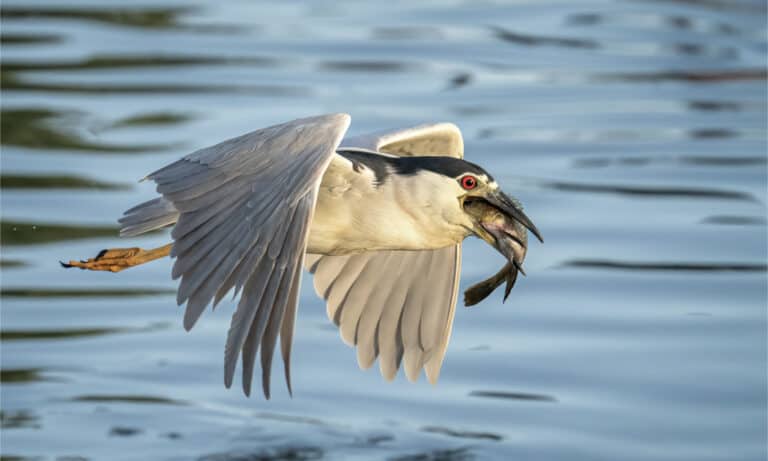
Mandarin duck (Aix galericulata) Common kingfisher (Alcedo atthis) Chinese pond heron (Ardeola bacchus) Eurasian otter (Lutra lutra) Black-crowned night heron (Nycticorax nycticorax)

Hangzhou Bay National Wetland Park (Cixi/Ningbo area)

≈20-40 km² (wetland-park scale; exact managed footprint varies)

Coastal mudflats and managed wetlands that function as a major stopover and wintering area for migratory shorebirds and waterfowl in the Yangtze River Delta region.

Black-faced spoonbill (Platalea minor) Saunders's gull (Chroicocephalus saundersi) Eurasian curlew (Numenius arquata) Bar-tailed godwit (Limosa lapponica) Great knot (Calidris tenuirostris)

Jiulongshan National Nature Reserve (Suichang, Lishui)

≈100-200 km² (order-of-magnitude reserve size; reported figures vary)

A rugged montane reserve with relatively intact subtropical forest and high humidity microhabitats; strong for forest birds, amphibians, and mammal diversity in southwestern Zhejiang.

Cabot's tragopan (Tragopan caboti) Elliot's pheasant (Syrmaticus ellioti) Mainland serow (Capricornis milneedwardsii) Chinese pangolin (Manis pentadactyla) Asiatic black bear (Ursus thibetanus)

Qiantang River Estuary / Coastal Mudflat Protected Areas (various county-level reserves and wetland management zones around the bay)

Variable (multiple sites; individual units range from a few to tens of km²)

A network of estuarine and intertidal habitats critical for migratory shorebirds and coastal waterbirds; conservation value is highest where remaining mudflats and roosts are buffered from disturbance.

Saunders's gull (Chroicocephalus saundersi) Black-faced spoonbill (Platalea minor) Common redshank (Tringa totanus) Kentish plover (Anarhynchus alexandrinus) Grey plover (Pluvialis squatarola)

Wilderness Areas

  • Baishanzu high-elevation forest core (remote ridgelines/stream valleys within the Fengyang-Baishanzu reserve complex)
  • Southwestern Zhejiang border mountains (Kaihua-Changshan-Longquan uplands linking to Anhui/Jiangxi forest blocks)
  • Jiulongshan remote valleys (road-sparse interior catchments with mature subtropical forest)
  • Tianmu Mountain interior ravines (humid, closed-canopy forest and steep headwaters)
  • Coastal island clusters of southern Zhejiang (less-developed islets around the Nanji archipelago and nearby waters)
Animals

Wildlife

Zhejiang's wildlife is shaped by a strong temperate-subtropical gradient: coastal mudflats and estuaries (Hangzhou Bay, Qiantang River mouth), river-lake plains, and forested hill and mountain systems (e.g., Tianmu-Mogan-Tiantai and southern Zhejiang reserves), plus the Zhoushan island archipelagos. The result is a province best known for (1) East Asian-Australasian Flyway waterbirds and shorebirds using tidal flats and wetlands, (2) evergreen broadleaf and mixed forests supporting pheasants, macaques, muntjacs and small carnivores, and (3) nearshore marine biodiversity around islands where globally rare seabirds and coastal cetaceans occur.
~90-110 species (higher if bats are fully counted) Mammals
~430-520 species recorded (very high due to migration along the East Asian-Australasian Flyway) Birds
~70-90 species Reptiles
~35-50 species Amphibians
~200-300+ freshwater species; many more marine species in coastal waters (Zhoushan fishing grounds) Fish
Examples

Iconic Species

Chinese Crested Tern One of the most sought-after birds in East Asia; Zhejiang's offshore islets host critically important breeding attempts/colonies, making the province central to the species' global survival.
Black-faced Spoonbill A flagship endangered migratory waterbird; Zhejiang's estuaries and tidal wetlands (including Hangzhou Bay region) are key wintering and stopover habitats.
Saunders's Gull A coastal mudflat specialist that draws birders to Zhejiang's bays and estuaries in winter; closely tied to intact tidal-flat ecosystems.
Chinese Egret A vulnerable, elegant egret associated with coastal shallows and island roosts; Zhejiang's shoreline and archipelagos are within its important seasonal range.
Eurasian Spoonbill Commonly seen in Zhejiang's wetlands during migration and winter, often alongside other flagship waders; an accessible 'wetland icon' for visitors.
Mandarin Duck A signature forest-and-river duck of East Asia; seen on wooded reservoirs, streams, and calm river reaches in Zhejiang's hill country.
Cabot's Tragopan A celebrated subtropical forest pheasant; Zhejiang's protected broadleaf forests in the south and interior are part of its limited global range.
Reeves's Muntjac One of the most frequently encountered wild mammals in Zhejiang's forests and edge habitats; often detected by barking calls at dawn/dusk.
Rhesus Macaque
Rhesus Macaque Common in some forested mountains and scenic areas; an emblematic mammal for visitors in Zhejiang's wooded reserves.
Finless Porpoise (East Asian finless porpoise complex) A charismatic small cetacean of coastal and estuarine waters; Zhejiang's nearshore seas and estuaries can support sightings where disturbance is low.

Endemic & Rare Species

Chinese Crested Tern

Thalasseus bernsteini

Critically Endangered (globally); extremely small population with very few breeding sites

Zhejiang's offshore breeding efforts/sites are globally significant; conservation management of islets and reduction of disturbance directly affect the species' persistence.

Black-faced Spoonbill

Platalea minor

Endangered (globally); concentrated at limited wintering/stopover wetlands

Zhejiang's coastal wetlands contribute to the species' winter survival and migratory refuelling along the flyway.

Cabot's Tragopan

Tragopan caboti

Vulnerable (globally); habitat specialist of subtropical evergreen broadleaf forest

Zhejiang's remaining mature broadleaf forests and well-managed reserves support regional populations and connectivity within its fragmented range.

Saunders's Gull

Chroicocephalus saundersi

Vulnerable (globally); dependent on intact tidal flats and saltmarsh

Presence in Zhejiang highlights the importance of Hangzhou Bay-type mudflat systems, which have suffered major historical reclamation pressure.

Chinese Egret

Egretta eulophotes

Vulnerable (globally); coastal breeder and migrant

Zhejiang's shoreline and islands provide feeding/roosting habitat; protecting coastal foraging areas benefits multiple threatened egrets and herons.

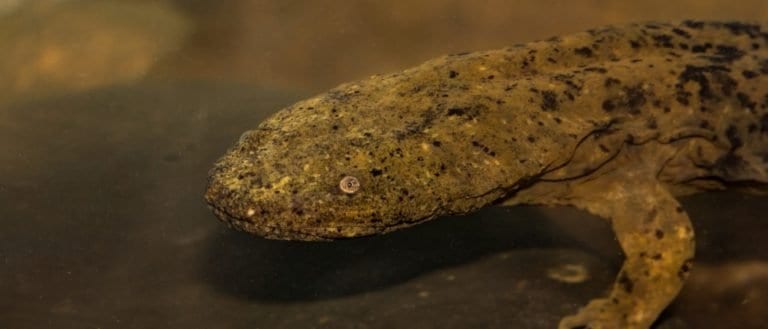
Chinese Giant Salamander

Andrias davidianus

Critically Endangered (globally); severe declines from overexploitation and habitat loss; wild populations highly fragmented

Where it persists in Zhejiang's mountain streams, it represents high-quality headwater habitat and a priority for anti-poaching and stream restoration.

Notable Populations

  • East Asian-Australasian Flyway concentrations of migratory shorebirds and waterbirds at Hangzhou Bay and associated coastal wetlands (regionally important stopover/wintering habitat).
  • Globally significant breeding attempts/colonies of Chinese crested tern on offshore islets in the Zhejiang coastal archipelagos (one of the species' few reliable breeding areas).
  • Important wintering assemblages of threatened waterbirds (e.g., black-faced spoonbill and other waders) in estuaries, tidal flats, and coastal impoundments.
  • High marine productivity around the Zhoushan archipelago supporting diverse seabirds and coastal marine life (also one of China's best-known fishing-ground systems).

Recent Changes

  • Chinese crested tern conservation actions at breeding islets (e.g., stricter protection, disturbance reduction and colony management techniques used in the region) have improved breeding opportunities compared with the period when the species was largely 'missing' from records.
  • Ongoing tidal-flat loss and coastal development in parts of the Hangzhou Bay region have historically driven declines in shorebird habitat; recent years have seen more emphasis on wetland protection/restoration and tighter management in some key sites, with localized improvements in waterbird use.
  • Some adaptable wetland birds (e.g., egrets, herons) have increased locally where aquaculture ponds, reservoirs, and protected wetlands provide stable feeding/roosting areas, even as natural mudflat habitat has contracted.
  • Coastal cetaceans such as finless porpoises face continued pressure from fishing bycatch, vessel traffic, and nearshore disturbance; conservation measures are improving in some areas but populations remain sensitive.
  • Forest recovery and reforestation in parts of the province have supported the rebound/visibility of common forest mammals (muntjacs, macaques) and forest birds, while large carnivores remain scarce and fragmented.
Visit

Wildlife Viewing

Zhejiang offers mountains-to-sea wildlife trips: migratory birds and waterfowl in coastal bays and wetlands; subtropical broadleaf forests in the Tianmu-Baishanzu mountains with birds, amphibians, and endemic plants; island archipelagos like Zhoushan and Nanji host seabirds, intertidal life, and marine mammals. Best in spring and autumn; winter for waterbirds and birds of prey; summer for forest species, butterflies, amphibians, and fireflies.

Best Seasons

Spring (Mar-May)

Peak migration for shorebirds, egrets, and passerines along the East China Sea coast and major wetlands; fresh foliage and active forest birds in mountain reserves (Tianmushan, Moganshan, Baishanzu). Great time for dawn birding and wetland boat routes in Hangzhou's Xixi Wetland.

Summer (Jun-Aug)

Best for montane forest wildlife: breeding songbirds, cicadas, butterflies, dragonflies, and amphibians after rain. Head to higher elevations (Tianmushan, Baishanzu/Fengyangshan) for cooler temperatures. Coastal intertidal walks are productive at low tide; plan around heat, typhoons, and afternoon storms.

Autumn (Sep-Nov)

Second major migration peak: raptors, flycatchers, warblers, and shorebirds. Clearer air and comfortable temperatures make this the most versatile season-combine coastal mudflats/bays with mountain forest trails. Excellent time for photography on islands (Zhoushan/Shengsi) and coastal wetlands near Ningbo and Jiaxing.

Winter (Dec-Feb)

Prime season for wintering waterbirds (ducks, geese, swans in suitable wetlands), gulls and terns on the coast, and open-country raptors. Fewer insects and thinner vegetation can make forest birding easier. Expect cold, damp days near the coast; choose sunny, calm mornings for best viewing.

Top Wildlife Experiences

  • Boat-and-boardwalk birding at Xixi National Wetland Park (Hangzhou): scan reedbeds and lagoons for herons/egrets, wintering ducks, and migrants; go early for quieter waterways and better bird activity.
  • Coastal shorebird and gull watching around Hangzhou Bay and the Qiantang estuary (near Jiaxing/Haining areas): time your visit with low tide to watch feeding flocks; combine with an evening scan for roosting birds (and, seasonally, raptors).
  • Old-growth forest and montane birding in Tianmushan National Nature Reserve (near Hangzhou/Lin'an): hike mixed broadleaf-conifer slopes for woodpeckers, laughingthrushes, and other subtropical forest specialists; join reserve-guided routes where access is controlled.
  • High-elevation biodiversity focus trip to Baishanzu-Fengyangshan area (Lishui): target cool, mossy forests and streams for amphibians, butterflies, and elusive forest birds; best after light rain and at dawn along quiet ridge trails.
  • Island wildlife circuit in the Zhoushan Archipelago (e.g., Shengsi and nearby islands): seawatch from headlands for terns, gulls, and migrating raptors; explore rocky shores and tidepools at low tide for crabs, anemones, and small fish.
  • Nanji Islands National Marine Nature Reserve (off Wenzhou): combine seabird watching with intertidal ecology (shellfish beds, rocky reefs) and clear-water snorkeling/shore observation when conditions allow; check permits/seasonal access rules in advance.
  • Qiandao Lake (Thousand Island Lake, Chun'an) dawn cruise plus forest edges: look for waterbirds on sheltered bays and scan wooded slopes for raptors and forest birds; add a night walk in summer for frogs and insects (where permitted).

Wildlife Watching Types

Wetland birding (urban and rural wetlands, reedbeds, lakes) Coastal shorebirding and seawatching (mudflats, bays, headlands) Island seabird watching and intertidal/tidepool life Forest birding in subtropical broadleaf and mixed montane forests Raptor migration watching (coastlines and ridges in spring/autumn) Amphibian and reptile spotting (stream walks, post-rain summer evenings-ethical, no handling) Butterfly and dragonfly watching (summer in mountain valleys and wet meadows) Occasional marine mammal observation opportunities (best done as incidental sightings on approved boat routes; reliability varies by area/season)

Guided Options

  • Xixi National Wetland Park guided boat routes and interpretation programs (Hangzhou): practical for visitors who want easy-access wetland birding with local guides and fixed routes.
  • Tianmushan National Nature Reserve ranger-led/approved hiking routes (Lin'an area): useful for regulated access zones and for learning about forest ecology and seasonal target species.
  • Nanji Islands National Marine Nature Reserve official/approved visits (Wenzhou): contact local management/authorized operators for permitted landing areas, seasonal restrictions, and conservation-focused itineraries.
  • Zhoushan/Shengsi island nature walks with local guides (seawatching + intertidal ecology): best for timing viewpoints, tides, and safe shoreline access.
  • Hangzhou- and Ningbo-based birding day tours (private guides): common format is dawn coastal mudflats + afternoon wetland/park circuits during migration and winter; ask for tide-aware planning and optics support.
  • Zhejiang Museum of Natural History (Hangzhou) public nature education activities: seasonal talks, citizen-science style bird walks, and family-friendly programs that can complement a wildlife itinerary.
Habitats

Ecosystems

Zhejiang lies in the humid monsoon subtropical zone of eastern China. From modified lowlands and tidal wetlands around Hangzhou Bay and the Qiantang River to forested hills and mountains and the island-fringed Zhoushan Archipelago. Habitats include evergreen broadleaf forests, mixed conifer-broadleaf uplands, rivers and lakes, estuaries, mudflats, and nearshore marine ecosystems amid farms and cities.

Biomes

Temperate Forest

Main biome: subtropical evergreen broadleaf forest and mixed evergreen-deciduous forests on hills and mountains. Many areas are broken by villages, farms, and terraces but remain in protected uplands like Tianmu Shan and Yandang Shan.

Widespread across interior hills/mountains; largest natural/semi-natural cover in western and southern Zhejiang.

Temperate Rainforest

Very humid montane and coastal-orographic forest with frequent fog and high rainfall, including lush broadleaf stands with rich understory in higher, wetter ranges (cloud-forest-like conditions in places).

Patchy, mainly in wetter mountain zones of southwest/south and windward slopes.

Freshwater

Large river basins (Qiantang, Ou, Yong, Cao'e) with reservoirs and lakes supporting riparian corridors, floodplain wetlands, and freshwater fisheries; includes major impoundments such as Qiandao Lake and numerous irrigation networks in plains.

Province-wide along river valleys and lowland water networks; concentrated in major basins and reservoir landscapes.

Wetland

Estuarine and coastal wetlands dominated by tidal flats, reedbeds, brackish marshes, and reclaimed polders, especially around Hangzhou Bay and major river mouths; important for migratory waterbirds on the East Asian-Australasian Flyway.

Primarily along Hangzhou Bay, river estuaries, and low-lying coastal plains; much reduced/fragmented by reclamation and development.

Marine

East China Sea coastal and shelf waters with strong estuarine influence, productive fisheries, and complex island/embayment coastlines; habitats include nearshore reefs/rocky substrates, sandy bays, and subtidal seabed communities around the Zhoushan Islands.

Along the entire coastline and around archipelagos; broad continental-shelf waters offshore.

Habitats

Forest

Evergreen broadleaf and mixed forests in hilly/montane interiors; strong conservation value in reserves such as Tianmu Shan and parts of Yandang Shan.

Deciduous Forest

Mixed broadleaf components (often secondary) in cooler/high-elevation or disturbed sites, intergrading with evergreen forests.

Coniferous Forest

Pine- and fir-dominated stands (often planted/managed), including Masson pine and mixed conifer-broadleaf belts in uplands.

Woodland

Patchy low-elevation woodlands and secondary growth around agricultural mosaics and village landscapes.

Shrubland

Shrub/early-successional vegetation on disturbed slopes, rocky hills, and post-harvest/managed uplands.

Mountain

Rugged ranges and steep valleys (e.g., Tianmu, Yandang and southwestern highlands) creating strong elevational gradients and refugia for native biodiversity.

Cliff/Rocky Outcrop

Coastal and inland rock faces (notably in scenic mountain areas like Yandang) supporting specialized cliff flora and nesting sites.

Cave

Localized karst-like caves and rock shelters in limestone areas, supporting bats and cave-adapted invertebrates (not province-dominant but present).

River/Stream

Major river systems (Qiantang and others) with engineered banks in cities but more natural riparian reaches upstream; includes notable tidal-bore dynamics in the Qiantang estuary.

Lake

Natural and artificial lakes/reservoirs such as West Lake (highly managed urban lake) and Qiandao Lake (large reservoir with island habitats and extensive shoreline).

Pond

Dense network of aquaculture ponds and farm ponds on plains and coastal lowlands.

Wetland

Freshwater floodplain wetlands, reedbeds, and coastal wetland remnants; many areas are managed/reclaimed but still ecologically significant.

Marsh

Brackish and freshwater marshes around estuaries and lowland river margins, including reed-dominated patches in coastal plains.

Estuary

Large estuarine systems around Hangzhou Bay and other river mouths with salinity gradients, mudflats, and nursery habitat for fish/crustaceans.

Coastal

Highly indented coastline with bays, capes, and extensive island systems (Zhoushan), mixing sandy and rocky shores and sheltered coves.

Beach

Sandy beaches occur in pockets along the coast and on islands, often heavily used for tourism and coastal infrastructure.

Rocky Shore

Common around headlands and the Zhoushan Archipelago; supports intertidal zonation communities and nearshore reef-associated fauna.

Open Ocean

Nearshore-to-shelf waters of the East China Sea used by migratory fish and marine mammals; productivity influenced by river inputs and currents.

Deep Sea

Limited representation (mostly shelf and upper-slope contexts rather than true abyssal environments) but included offshore beyond the coastal shelf break.

Seabed/Benthic

Soft-sediment continental-shelf seabed and localized rocky substrates; important for benthic invertebrates and demersal fisheries.

Agricultural/Farmland

Extensive rice paddies, rapeseed fields, vegetable production, and orchard/tea landscapes across plains and valleys; strong irrigation footprint.

Plantation

Tea plantations (notably Longjing/West Lake area and broader uplands), bamboo plantations, and managed timber stands in hills.

Urban

Large urbanized areas (Hangzhou, Ningbo, Wenzhou, Jiaxing, Shaoxing) with high habitat fragmentation but also urban lakes/parks.

Suburban

Expanding peri-urban belts with mixed land use, industrial parks, and remnant wetlands/woodlots along river corridors.

Mangrove

Generally marginal at this latitude; if present, occurs as very small, localized plantings or remnants in the warmest sheltered southern coastal sites rather than extensive natural mangrove forests.

Ecoregions

Changjiang (Yangtze) Plain evergreen forests Southeast China evergreen forests Wuyi Mountains evergreen forests East China Sea (marine ecoregion)
Protection

Conservation

Primary Threats

  • Coastal land reclamation, port/industrial expansion around Hangzhou Bay-Ningbo-Zhoushan, and conversion of remaining mudflats and reedbeds to aquaculture ponds reduce critical shorebird and waterbird habitat and simplify estuarine food webs.
  • Rapid growth of the Hangzhou-Ningbo-Wenzhou corridor increases impervious surfaces, light/noise, and encroachment on river corridors, wetlands, and foothill forests, fragmenting habitat for forest birds and mammals.
  • Major bridges, expressways, high-speed rail, seawalls, and expanding port logistics in the coastal zone create barriers and disturbance, while dams/weirs on tributaries alter flow, sediment, and fish passage important to estuarine productivity.
  • Nutrient runoff from intensive agriculture and aquaculture, industrial discharges in urbanized river basins, and marine debris (including aquaculture plastics) degrade freshwater wetlands and nearshore waters; harmful algal blooms and localized hypoxia periodically affect bays and estuaries.
  • High fishing pressure in the East China Sea and nearshore Zhejiang waters, including small-mesh gears and intense effort around island archipelagos, reduces prey availability for seabirds and marine mammals and can destabilize coastal food webs.
  • Heavy recreational use of coastlines and islands (tourism, birdwatching pressure without buffers, boating), plus shipping traffic in Hangzhou Bay and Zhoushan, causes repeated flushing of roosting/feeding birds and elevates collision/entanglement risks.
  • Seawalls, shoreline hardening, channelization, and wetland "tidying" reduce natural tidal dynamics and sediment deposition; upriver sediment changes can affect mudflat maintenance that migratory shorebirds depend on.
  • Introduced predators and competitors on islands (e.g., rats, invasive plants) threaten ground- and cliff-nesting seabirds; non-native aquatic species associated with aquaculture and ornamental releases can alter freshwater community structure.
  • Sea-level rise and stronger storm surges squeeze intertidal habitats between rising seas and fixed seawalls; typhoons and heatwaves increase breeding failure risks for island seabirds and stress freshwater systems during drought/flash-flood cycles.
  • Poaching and illegal trade pressures persist for high-value taxa (e.g., pangolins, some reptiles and songbirds), with risks amplified by proximity to major transport hubs and markets.
Fun Facts

Did You Know?

Hangzhou's famous tide isn't just a tall wave: the Qiantang bore can briefly reverse surface flow and spike turbidity and salinity, forcing estuary wildlife into "timing-based" feeding-many birds and fish track the bore like a moving buffet line.

Chinese crested terns in Zhejiang often nest in mixed colonies alongside great crested terns; conservation teams have used social-attraction techniques (decoys/calls in some projects) because these rare terns appear to rely on "copying" safer, established colonies.

On Zhejiang's mudflats you can find fish that behave like amphibians: mudskippers (intertidal gobies) spend long periods out of water, breathing through their skin/mouth lining and using fins to "walk" across the flats at low tide.

Zhejiang's coastal shallows still host tri-spine horseshoe crabs (Tachypleus tridentatus), living fossils unchanged for hundreds of millions of years, but their spawning beaches can be harmed by small shoreline hardening.

Some of Zhejiang's most important wildlife habitats are human-made or heavily modified: reclaimed or managed wetlands around Hangzhou Bay can nonetheless become key high-tide refuges for migratory shorebirds when natural mudflats are submerged.

The Qiantang River (Hangzhou) has one of the world’s largest tidal bores, the “Silver Dragon,” about 8–9 meters high. It makes a fast-reversing estuary only a few very tolerant fish and invertebrates can use.

The Zhoushan Fishing Ground (off Ningbo-Zhoushan) is widely cited as China's largest fishing ground-an exceptionally productive coastal ecosystem historically supporting major runs of commercial species like hairtail and large/small yellow croaker.

Zhejiang's Jiushan Islands (in the Zhoushan Archipelago) are one of a few confirmed breeding sites for the Chinese crested tern (Thalasseus bernsteini), one of Earth's rarest seabirds with far fewer than 100 adult birds.

Hangzhou Bay's vast intertidal mudflats sit on the East Asian-Australasian Flyway and function as a "super stopover" where globally threatened shorebirds (e.g., spoon-billed sandpiper and Nordmann's greenshank) have been repeatedly recorded during migration.

Fengyangshan-Baishanzu (Lishui) includes Zhejiang's highest peak area (~1,929 m at Huangmaojian) and is among the province's top strongholds for montane subtropical forest fauna, marking a range-edge refuge for several southeastern China forest birds and amphibians.

Thank you for reading! Have some feedback for us?