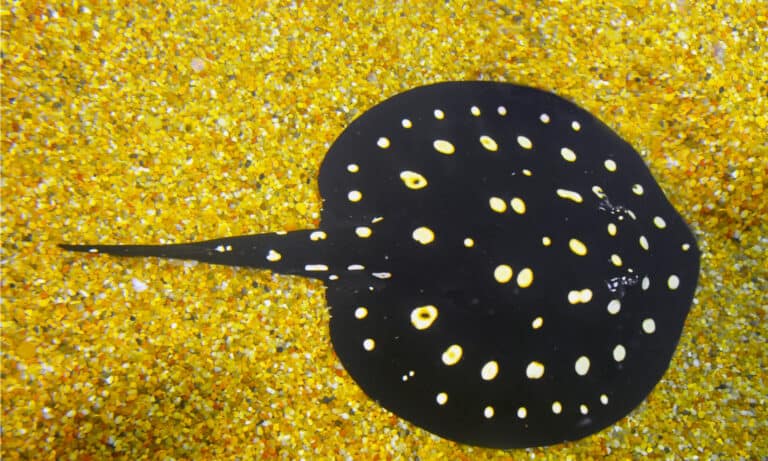
Polka Dot Stingray
Blue spots, reef roots, ribbon tail

Blue spots, reef roots, ribbon tail
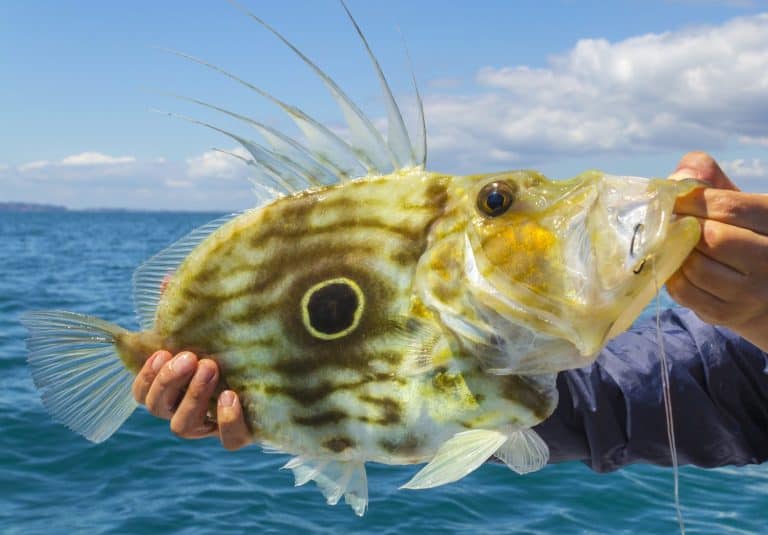
Big eye, snap-mouth, seabed hunter
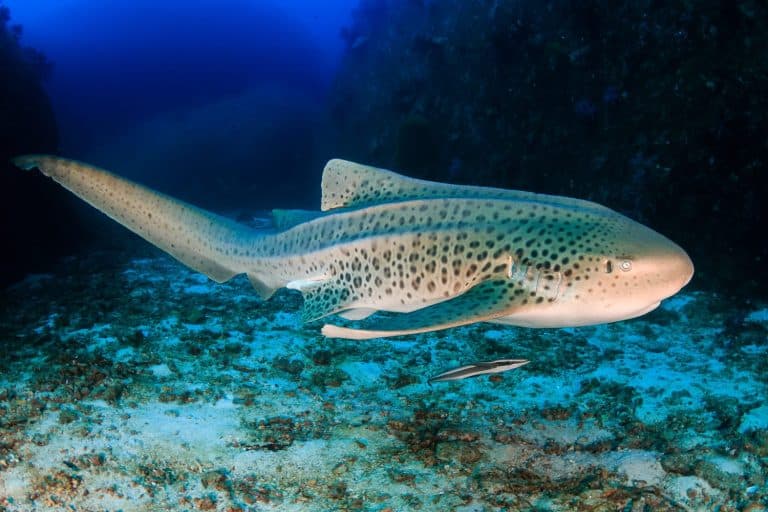
Striped youth, spotted adulthood
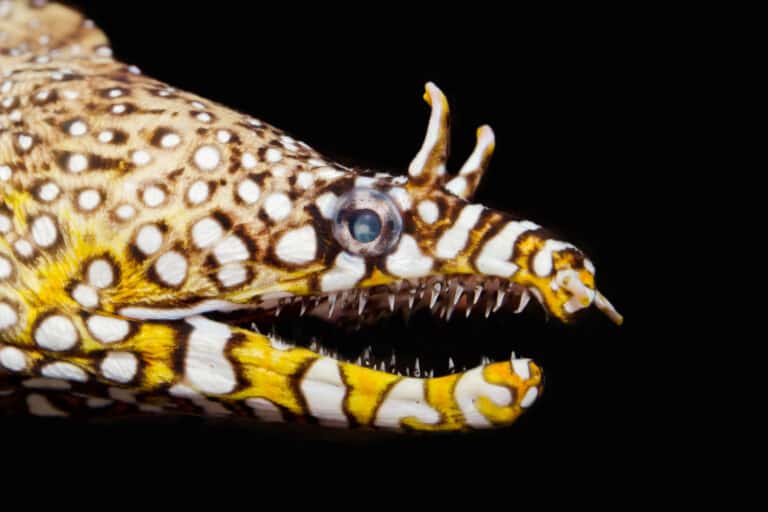
Spots, horns, and fangs after dark
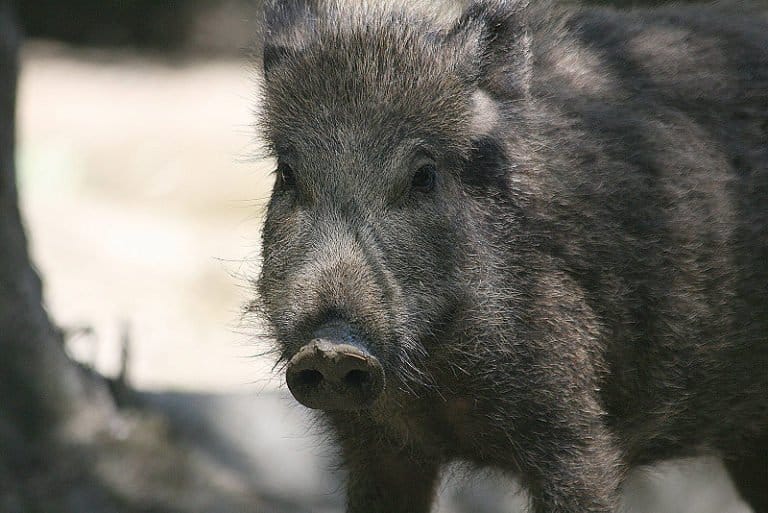
Rooting, roaming, reshaping ecosystems
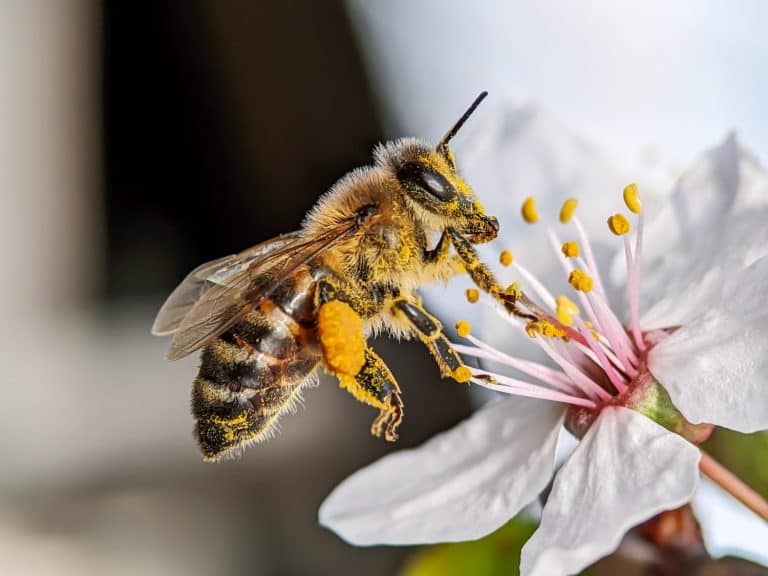
One genus, many hives-planetwide pollinators
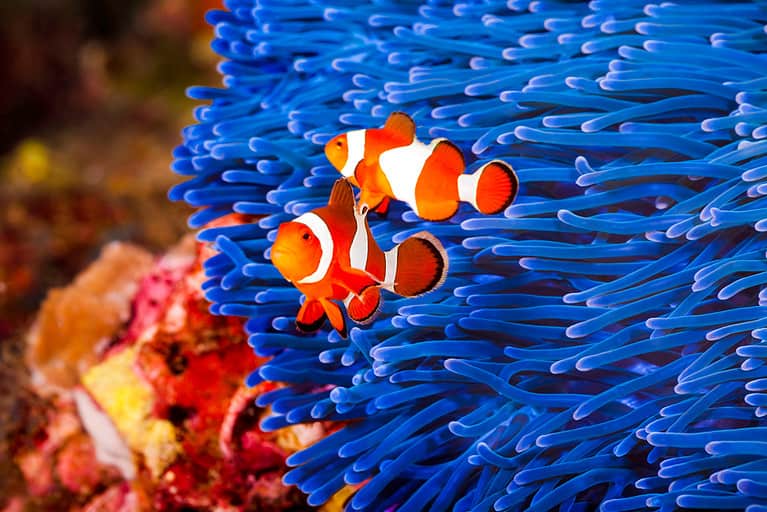
The anemone's bold little bodyguard
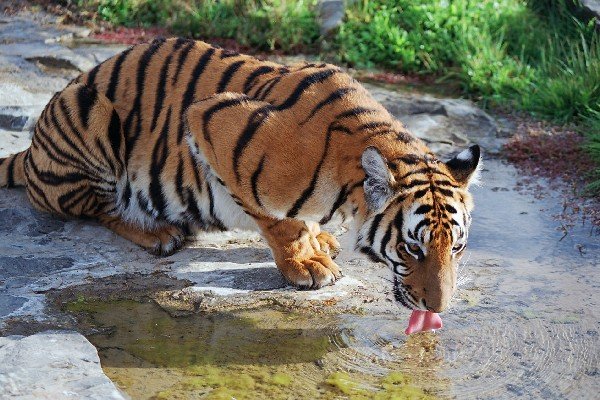
Southern China's tiger-waiting to return
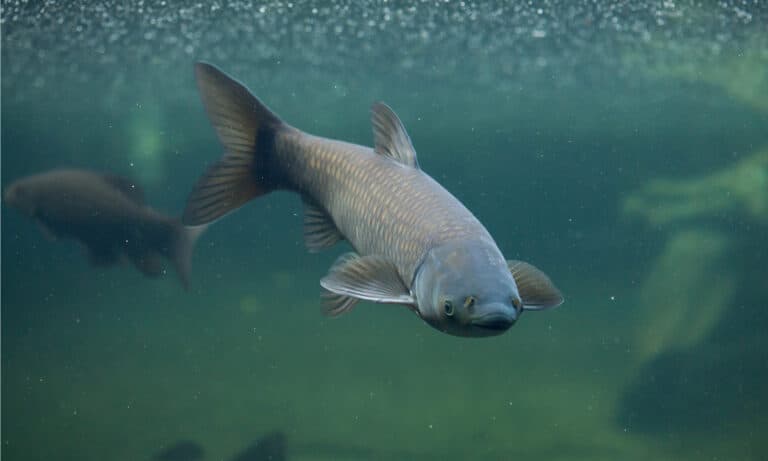
The underwater lawnmower-handle with care
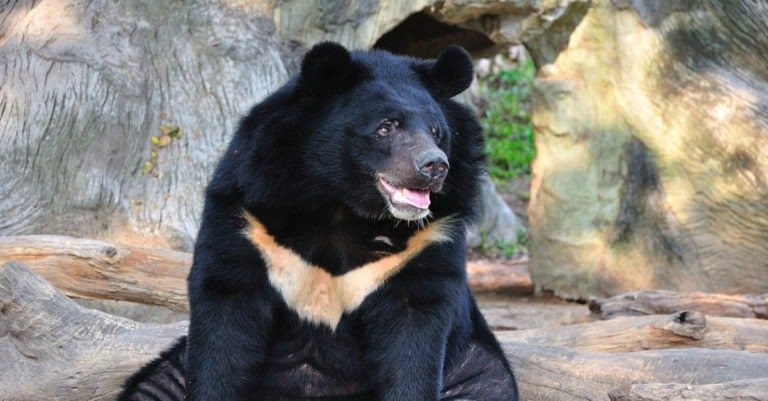
Moon-marked climber of Asian forests
Guangdong's wildlife is full of contrasts. Ancient-looking subtropical evergreen forests and rugged hills sit near the highly urban Pearl River Delta and the South China Sea, with bays, estuaries, and islands. This mix of land and sea and a warm, humid climate supports many kinds of life—especially birds, reptiles, amphibians, and rich coastal and marine species—so it is good for forest birding and shoreline watching. Key ecosystems include subtropical broadleaf forests with songbirds, raptors, and forest reptiles and amphibians; the Pearl River wetlands and estuarine mudflats that serve as stopovers for migratory waterbirds; and mangroves that shelter young fish, crabs, and roosting birds and help buffer storm surges. Offshore reefs host sea turtles, dolphins, and fish. Despite heavy urban growth, these mangroves, estuaries, and hill forests act as green-blue refuges near major cities.
Guangdong has a strong north–south gradient: upland subtropical forests in the Nanling Mountains transition to lowland river plains and the modified Pearl River Delta, then to a long South China Sea coast with estuaries, mudflats, and mangroves. These mountain forests, river wetlands, bays, and islands support many plants, local subtropical animals, and migrating waterbirds on the East Asian–Australasian Flyway.
Sea level to ~1,902 m (Shikengkong Peak, Nanling Range)
South China Sea coastline with large estuaries and bays, including the Pearl River Estuary and coastal wetlands/mangroves; nearshore island groups and peninsulas create varied marine-coastal habitat
Guangdong’s protected areas center on mountain and lowland subtropical evergreen broadleaf forests in the Nanling (vital for wildlife), and coastal estuary wetlands—especially mangroves, mudflats, and nearshore waters that support the East Asian-Australasian Flyway. Protection uses Nature Reserves, National Wetland and Forest Parks, and local mangrove reserves near the Pearl River Delta. Many sites are small but lie along migration routes.
Approximately 12-18% of Guangdong's land area is within some form of protected area (nature reserves, forest parks, wetland parks, etc.); strictly protected core zones are a smaller subset.
One of South China's most important remaining blocks of subtropical montane evergreen forest, acting as a biodiversity stronghold and corridor along the Nanling Mountains; valued for forest mammals, montane birds, and intact watershed habitat.
A classic, well-studied subtropical forest reserve with old-growth elements and very high plant/insect diversity; notable for accessible forest wildlife viewing close to the Pearl River Delta.
A flagship urban-edge mangrove and estuary reserve on Shenzhen Bay (plus Neilingding Island), internationally important for migratory shorebirds and waterbirds; one of the best-known birdwatching sites in South China.
China's best-known sea turtle nesting protection site, safeguarding sandy nesting beaches and adjacent nearshore waters; important for marine conservation and coastal biodiversity monitoring.
Among China's most significant mangrove systems, protecting large intertidal habitats that support huge seasonal concentrations of waders and waterbirds, plus nursery grounds for coastal fisheries.
A key forest reserve in northern Guangdong that protects relatively intact subtropical evergreen broadleaf forest; important for forest bird communities and regionally threatened mammals.
A well-known subtropical forest refuge on the margins of the Pearl River Delta, valued for watershed protection and relatively intact mid-elevation forest supporting mammals and forest birds.
Large upland forest and reservoir catchment area with good habitat continuity for subtropical forest wildlife; important as a regional biodiversity reservoir near densely developed lowlands.
A coastal island-mangrove-nearshore complex in the Pearl River Estuary region; notable for estuarine wildlife, mangrove communities, and marine/coastal birdlife.
A protected coastal mangrove and mudflat wetland on Shenzhen Bay that is internationally recognized for supporting migratory waterbirds on the East Asian-Australasian Flyway, including threatened species during migration and winter.
Managed estuarine wetland habitat in the Pearl River Delta supporting wintering waterfowl and passage shorebirds; important as "stepping-stone" habitat amid extensive urban/industrial development.
A representative eastern Guangdong coastal wetland/mudflat system supporting migratory shorebirds and gulls on the East Asian-Australasian Flyway; conservation value is high due to coastal development pressure.
Freshwater lake and marsh complex supporting herons/egrets and wetland birds; a notable inland wetland refuge in western Pearl River Delta region.
Guangdong has busy lowlands like the Pearl River Delta, greener hills and mountains in the north, and a long South China Sea coast. Subtropical evergreen forests support many South China animals: civets, macaques, muntjacs, pangolins, plus reptiles and amphibians. Estuaries, mudflats, and mangroves around the Pearl River Estuary and Leizhou Peninsula are key stops on the East Asian–Australasian Flyway for wintering and migrating waterbirds. Offshore and estuarine waters also hold important groups of small cetaceans, especially the Chinese white dolphin.
Guangdong, though very urban, has rich wildlife viewing. Northern subtropical evergreen forests (Nanling, Dinghu), river-estuary wetlands in the Pearl River Delta, and South China Sea mangroves, mudflats and bays host migratory birds, dolphins, and sea turtles. Visitors can do easy boardwalk birding near Guangzhou/Shenzhen/Zhuhai, forest hikes, and Leizhou Peninsula shorebird trips.
Peak northbound migration for passerines and shorebirds; excellent birding in coastal mudflats and city-adjacent mangroves (Futian, Nansha, Qi'ao). Forests start humming with breeding activity and amphibians appear after rains-good time for dawn bird walks and night nature walks.
Hot, humid, and rainy-best for lush forest scenery, butterflies, dragonflies, and night herping (frogs, geckos) in forest reserves like Dinghu Mountain. Sea turtle nesting season occurs along suitable protected coasts (access often controlled). Expect thunderstorms; plan early-morning outings and flexible schedules.
Peak southbound migration: shorebirds and raptors move through; mudflats and reservoirs can be outstanding for waders and terns. Comfortable temperatures return, making it one of the best all-around seasons for both coastal birding and northern mountain hikes.
Best season for wintering waterbirds in estuaries, wetlands, and coastal bays-look for large mixed flocks of ducks, egrets, gulls, and specialty waders. Clearer air and cooler days also suit longer walks in mangroves and lowland parks; dolphin-viewing can be pleasant with calmer, cooler conditions (weather-dependent).
Guangdong spans a humid subtropical to tropical coastal climate from the Pearl River Delta (PRD) lowlands to forested hills and mountains. Ecosystems include evergreen broadleaf forests (often secondary), plantation mosaics, rivers, reservoirs, estuaries, and changed coastline with mangroves and tidal wetlands. Wetlands support migratory waterbirds on the East Asian-Australasian Flyway, and uplands hold pockets of biodiverse forest and karst/cave systems.
Small, localized tropical seasonal evergreen/rainforest-like communities in the far south and on more humid coastal/island sites (e.g., Leizhou Peninsula and parts of southern coastal hills), with tall evergreen broadleaf canopies and lianas where protection remains.
Very limited and fragmented; mostly in the far south and select protected pockets.
Dominant regional terrestrial biome expressed as subtropical evergreen broadleaf forest and mixed evergreen-deciduous forests on hills and mountains; much is secondary forest and shrub-woodland following logging, firewood collection, and conversion.
Broadly distributed across uplands of northern/eastern Guangdong; substantial but heavily fragmented and interspersed with agriculture/plantations.
Pearl River network (Dongjiang/East River, Beijiang/North River, Xijiang/West River influences), floodplain lakes/ponds, reservoirs, and canalized waterways in the PRD; supports fish assemblages, floodplain wetlands, and water supply reservoirs in uplands.
Widespread along river corridors and the delta; reservoirs common in hilly areas.
Deltaic marshes, riverine/floodplain wetlands, fishpond complexes, rice paddy-wetland mosaics, and coastal tidal flats; key feeding/roosting sites for migratory shorebirds and waterfowl where habitat persists.
Concentrated in the Pearl River Delta and estuaries; also along major rivers and lowland plains; much reduced/modified by reclamation and urbanization.
South China Sea coastal waters including bays and nearshore shelf habitats; supports seagrass where suitable, fisheries, and estuarine-marine gradients around the Pearl River Estuary and along the western/eastern coasts.
Along the entire Guangdong coastline; strongest nearshore influence around major bays/estuaries.
Evergreen broadleaf forests on hills and mountains (often secondary), providing watershed protection and habitat for subtropical fauna; best remnants occur in protected areas and less accessible uplands.
Small patches of more tropical, tall evergreen forest in the far south/coastal humid sites; typically highly fragmented and conservation-dependent.
Limited occurrence as mixed evergreen-deciduous stands in cooler/seasonally drier uplands and disturbed sites; often embedded within broader evergreen forest matrices.
Montane conifer stands and extensive planted conifers (e.g., masson pine plantations) in uplands; frequently part of timber/erosion-control landscapes.
Shrub-woodland and open-canopy secondary growth on degraded hillsides and around villages, reflecting repeated disturbance and regrowth cycles.
Small, mostly anthropogenic or early-successional grasslands on disturbed slopes, reservoirs margins, and some coastal dunes; not a dominant natural cover.
Widespread secondary shrublands on cutover or fire-affected hills, often transitioning toward forest where protected.
Forested mountain ranges and hill systems in northern/eastern Guangdong (watershed headwaters), with elevational gradients supporting cooler, more mixed forest types.
Karst/limestone cave systems in parts of northern Guangdong supporting bats and specialized cave biota; sensitive to disturbance and tourism.
Rocky escarpments and coastal headlands used by raptors and cliff-nesting birds in localized areas; also important for erosion control vegetation.
Large rivers and tributaries of the Pearl River system with heavily engineered reaches in the PRD; critical for connectivity, fisheries, and flood management.
Natural and artificial lakes/reservoirs (drinking-water and hydropower) in uplands; important for wintering waterbirds locally.
Dense networks of aquaculture ponds and traditional fishponds, especially in the PRD, forming semi-wetland habitat mosaics with high nutrient loads.
Riverine and floodplain wetlands, rice paddy mosaics, and remnant delta wetlands; key sites for migratory birds and nursery habitat for fish.
Fresh to brackish marshes in lowlands and delta fringes; many areas converted or embanked, with remnants in protected or less-developed zones.
Coastal mangrove belts (restored and remnant) around the Pearl River Estuary and western/eastern bays; crucial for shoreline protection and juvenile fish/crustaceans.
Pearl River Estuary and other river mouths with strong salinity gradients, mudflats, and high productivity; heavily influenced by shipping, reclamation, and pollution.
Highly modified coastline with ports, seawalls, and reclaimed land alongside remaining bays and lagoons; intense development pressure and habitat fragmentation.
Sandy beaches on parts of the coast and islands; many segments are developed for tourism or coastal infrastructure, with localized natural dune vegetation.
Rocky coasts and islands (notably along parts of eastern Guangdong) with intertidal communities and wave-exposed habitats.
Nearshore soft-bottom and mixed substrates on the continental shelf supporting benthic invertebrates and demersal fisheries; affected by trawling and coastal sediment/nutrient inputs.
Extremely dense urban-industrial land cover in the Pearl River Delta megacity region (e.g., Guangzhou-Shenzhen-Dongguan-Foshan), creating heat-island effects and highly altered hydrology.
Rapidly expanding peri-urban fringes around PRD cities and coastal hubs, with fragmented green spaces, canals, and remnant village woodlands.
Rice paddies, vegetable production, orchards, and mixed smallholder landscapes, especially in lowlands and river valleys; often interwoven with aquaculture and canals.
Extensive commercial plantations (e.g., eucalyptus, pine, and fruit orchards) in uplands and coastal plains, typically lower biodiversity than native forests but important for soil stabilization where well-managed.
Chinese white dolphins aren't really white. Many adults in the Pearl River Estuary look pink because blood vessels near the skin help control heat, so the same species can be gray, white, or pink.
One of Guangdong's best migratory-bird spectacles happens in one of its most urbanized settings: the Futian mangroves sit directly against Shenzhen's high-rises, yet still function as crucial high-tide roosts and feeding habitat for rare waders.
Pearl River Estuary waters can be extremely turbid (visibility can be near-zero after heavy river flow), but humpback dolphins still hunt effectively by leaning heavily on echolocation rather than sight-an adaptation to "muddy-water living."
In Zhanjiang's mangroves, animals you'd expect to be fully aquatic often live partly on land: mudskippers and some mangrove crabs routinely breathe air (through skin/mouth-lining adaptations or air pockets in burrows) and forage on exposed mudflats at low tide.
The Pearl River Estuary (Guangdong's waters off Zhuhai-Shenzhen and the wider delta) supports the world's largest known population of Indo-Pacific humpback dolphins ("Chinese white dolphins"), often cited at roughly 2,000+ individuals-making it the species' biggest stronghold anywhere.
Zhanjiang Mangrove National Nature Reserve (Leizhou Peninsula) is widely reported as China's largest mangrove nature reserve by area (around ~20,000 hectares), protecting one of the country's biggest remaining continuous mangrove landscapes.
Shenzhen Bay/Futian Mangrove is one of the most important coastal bird sites on the East Asian-Australasian Flyway. In winter and migration it can hold tens of thousands of waterbirds and shorebirds, including globally threatened species.
Dinghushan (near Zhaoqing) is China's first modern nature reserve (established in 1956) and later became one of the country's earliest UNESCO Biosphere Reserves-making it a record-setter for protected-area history tied to subtropical forest wildlife research.
102 species documented in our encyclopedia
Thank you for reading! Have some feedback for us?
We appreciate your help in improving our content.
Our editorial team will review your suggestions and make any necessary updates.
There was an error submitting your feedback. Please try again.