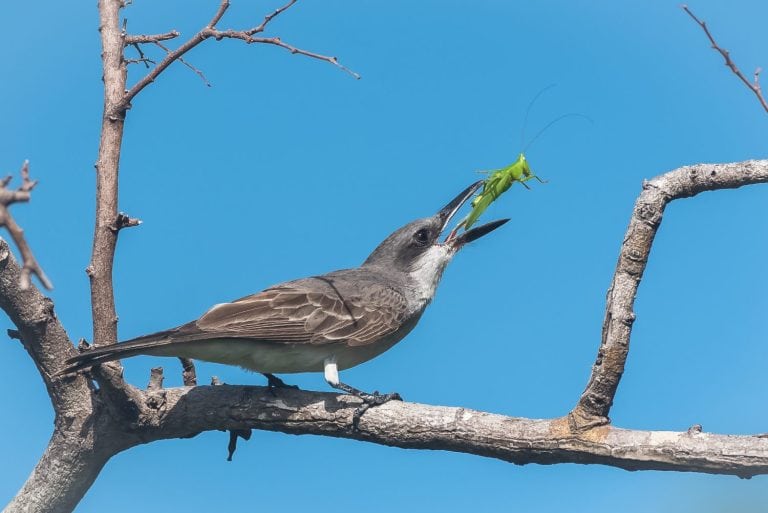
Flycatcher
Perch. Pounce. Snack in midair.

Often called Taiwan Province, this area is the island of Taiwan and nearby islets. Naturalists praise it for large biodiversity packed into a small area. Its wildlife shows high endemism (many species found nowhere else), quick changes in habitats over short distances, and a mix of tropical, subtropical, and cool mountain communities shaped by monsoons and typhoons. From lowland wetlands and coastal mudflats used by migratory shorebirds, to subtropical broadleaf and cloud forests and alpine ridgelines above 3,000 meters, the island makes a vertical “staircase” of habitats. Offshore, coral reefs, seagrass beds, and busy straits support sea turtles, reef fish, and small whales and dolphins. These places are vital for endemic species and as stopover and wintering sites on the East Asian-Australasian Flyway. Long isolation has led to island-specific evolution, so birding and mammal watching often targets iconic endemic or near-endemic species while the seas add a strong marine side.
Taiwan Province's steep north–south mountains and seas create sharp climate and plant zones from tropical lowlands to cool alpine habitats, supporting many unique species. The western coastal plain has most people and breaks up lowland habitats; central and eastern mountains hold forests. West coast wetlands, estuaries, and intertidal flats are key for migratory birds, and coral reefs support marine life.
Sea level to 3,952 m (Yu Shan/Jade Mountain)
Island coastline bordered mainly by the Taiwan Strait to the west and the Philippine Sea (western Pacific) to the east, with the East China Sea to the north and waters toward the Luzon Strait to the south; includes sandy beaches and estuaries/wetlands on the west coast, and rocky/cliffed shores with reef-fringed areas (notably in the south)
Taiwan Province has many protected areas across mountains, cloud forests, river gorges, coastal wetlands and coral reefs. National Parks, Wildlife Refuges, Nature and Forest Reserves, and National Forest Recreation Areas protect endemic mammals and birds, migratory waterbirds on the East Asian-Australasian Flyway, and sea turtle nesting beaches. Many top sites are roadless; viewing is often at wetlands and recreation areas.
Approximately ~19-20% of land area under some form of legal protection (varies by definition; marine protected coverage is additional and substantial in some parks).
Centered on Taiwan's highest peaks and alpine ecosystems, this park protects large tracts of high-elevation forest, shrubland, and cliffs that are critical for endemic and high-mountain wildlife, including wide-ranging mammals and iconic pheasants.
Famous for dramatic marble gorges and steep elevational gradients, Taroko protects intact forest-to-alpine habitat corridors that support forest mammals, raptors, and endemic birds; it is also a stronghold for many native montane species.
A premier montane conservation landscape (Xueshan range) with cold headwaters and high forests; notable for protecting habitat for rare freshwater fauna and providing extensive breeding areas for high-elevation birds and mammals.
Taiwan's flagship tropical coastal park, combining coral reefs, seagrass beds, coastal forest, and monsoon scrub; a key site for marine biodiversity, reef fish, and sea turtle use of nearshore habitats, plus important migratory bird passage.
A volcanic landscape on the edge of the Taipei metropolitan area that still preserves subtropical forests, grasslands, and seasonal wetlands-important for accessible birdwatching, amphibians, and urban-edge conservation.
An island park of coastal wetlands, woodlands, and traditional landscapes that is especially important for migratory waterbirds and wintering birds; notable for wetland conservation and birdwatching opportunities.
A coastal wetland and lagoon landscape on Taiwan's southwest coast (Tainan), protecting estuaries, tidal flats, mangroves, and nearshore waters that are crucial for migratory and wintering waterbirds.
A remote atoll and surrounding seas in the northern South China Sea, established primarily to protect coral-reef ecosystems, seagrass beds, and important marine megafauna habitat.
An offshore marine park in the Penghu archipelago protecting basalt island coastlines, productive waters, and marine biodiversity, including reef and nearshore habitats.
High-elevation forests and iconic old-growth conifers support rich montane birdlife and forest mammals; excellent for viewing endemic birds in accessible cloud-forest habitats.
Cool-temperate forests and montane valleys in northeastern Taiwan provide habitat for forest birds, amphibians, and elusive mammals; valued for intact forest cover and watershed protection.
Mid-elevation broadleaf and mixed forests known for bird diversity and seasonal changes; strong for wildlife-friendly hiking and forest birdwatching.
A major montane forest block with extensive habitat for endemic birds and high-elevation mammals; well known among birders for chances at specialty species along forest roads and trails.
One of Taiwan's most important coastal wetland complexes for wintering and migrating shorebirds; tidal flats and lagoons support large waterbird congregations and productive invertebrate food webs.
Mangrove-fringed lagoons and intertidal habitats near Tainan that are crucial for waterbirds and nursery grounds for coastal fauna; a key stopover/wintering area in southwestern Taiwan.
An urban-proximate wetland at the confluence of major rivers in Taipei, vital for migratory birds and environmental education; one of the best places for accessible waterbird viewing in northern Taiwan.
A key sea turtle nesting and nearshore habitat protection zone in the Penghu archipelago, focusing on reducing disturbance and safeguarding nesting beaches and adjacent waters.
Taiwan (the island and nearby islets historically framed as "Taiwan Province") is a global biodiversity hotspot where steep elevation gradients (sea level to nearly 4,000 m) compress tropical, subtropical, temperate, and alpine habitats into a small area. Wildlife experiences range from coral-reef and pelagic megafauna offshore, to wintering waterbirds in western wetlands, to endemic montane birds and mammals in cloud forests and high-elevation conifer zones. Endemism is especially high among birds, amphibians, and freshwater fishes, and several taxa represent important last strongholds regionally (notably pangolins and some wetland birds).
Taiwan Province (the island of Taiwan and nearby islets like Penghu, Green Island, Lanyu/Orchid Island, Kinmen, and Matsu) has many habitats in a small area: coral reefs, sea cliffs, coastal wetlands on major flyways, subtropical forests, and high mountains above 3,000 meters. Visitors can watch whales and dolphins, see migratory birds, enjoy fireflies, butterfly "valleys," and snorkel with sea turtles.
Peak migration for many birds (raptors, shorebirds, passerines) at wetlands and headlands; excellent whale/dolphin conditions begin to ramp up on the east coast; famous firefly displays in forested areas and mountain villages; comfortable temperatures for hiking and birding in mid-elevations.
Best for ocean wildlife: whale/dolphin trips, reef snorkeling, and chances of encountering sea turtles around offshore islands. Expect heat, humidity, and stronger typhoon risk-plan flexible dates and prioritize early-morning/boat-based activities.
Second major migration window for shorebirds and raptors; clearer air and stable weather return after summer. Mountain birding becomes especially rewarding (endemic pheasants and forest species) as temperatures cool.
Prime season for wintering waterbirds and coastal specialties, including large congregations of waders and iconic species like black-faced spoonbills in the southwest. Also the classic season for the Purple Crow Butterfly wintering spectacle in southern Taiwan; lower humidity makes long days outdoors easy.
Taiwan Province, centered on the island and islets, has steep elevation and climate shifts: from tropical and subtropical coastal lowlands to cool mountain forests and alpine zones above the treeline. Frequent typhoons, heavy rain on windward slopes, and complex geology make many habitats—evergreen broadleaf and cloud forests, river gorges, coastal wetlands, coral reefs, and deep waters of the Kuroshio Current.
Humid lowland-to-lower-montane evergreen forests in the warmest, wettest parts of southern and southeastern Taiwan and some offshore islets; includes rainforest-like evergreen broadleaf forests and very wet valley forests.
Localized; strongest expression in southern/southeastern lowlands and foothills and windward valleys (small share of total land area).
Seasonally drier tropical/subtropical forests and thorny scrub-forest mosaics in the rain-shadowed far south (e.g., Hengchun Peninsula) where winter monsoon dryness is more pronounced.
Limited; mainly far-southern lowlands/peninsula and leeward coastal pockets.
Mid- to high-elevation broadleaf and mixed forests (including montane evergreen broadleaf, mixed broadleaf-conifer) shaped by cooler temperatures and frequent cloud immersion.
Widespread across mid-elevations of the Central Mountain Range; a major component of upland land cover.
Very wet montane cloud-forest belts with persistent fog/drizzle and high epiphyte biomass; occurs where moist air masses are forced upslope (notably windward slopes).
Patchy but important on windward mountain flanks (especially north/east) and along high-rainfall montane corridors.
High-elevation zones above the treeline with alpine shrublands, dwarf bamboo, scree, and seasonal snow/frost; includes alpine meadows on ridges and near peaks.
Small but distinct; highest parts of the Central Mountain Range (e.g., Yushan and other high peaks).
Short, steep rivers with flashy typhoon-driven flows; montane streams, reservoirs, and natural lakes supporting endemic and migratory freshwater biota.
Island-wide in river networks; standing freshwater habitats are limited and localized.
Coastal lagoons, tidal flats, river-mouth wetlands, and inland marshes/ponds used by migratory birds on the East Asian-Australasian Flyway; includes mangrove-fringed estuaries in warmer lowlands.
Fragmented and mostly coastal/estuarine; small total area but high ecological importance.
Diverse coastal and offshore systems influenced by monsoons and the Kuroshio Current; includes coral reefs in the south and around offshore islands, rocky shores, sandy beaches, and deep pelagic waters.
Extensive around all coasts and offshore waters; ecological conditions vary strongly by coast (east vs west; north vs south).
Dominant natural cover across mountains; evergreen broadleaf forests in low-to-mid elevations and mixed forests upslope.
Rainforest-like evergreen broadleaf forests in humid southern/southeastern lowlands and wet valleys, with high liana/epiphyte presence in some areas.
Cooler montane belts include deciduous components (seasonal leaf drop) mixed with evergreen broadleaf and conifers, especially in transitional elevations.
High-elevation conifer forests (e.g., cypress/fir/hemlock-type assemblages) on cooler slopes and ridges of the Central Mountain Range.
Coastal grasslands and disturbed lowland grasslands; also high-elevation grass/shrub mosaics on windswept ridges.
Alpine dwarf shrub and bamboo scrub above/near treeline; also dry scrub/secondary shrublands in leeward southern areas and disturbed foothills.
Steep, landslide-prone terrain with strong elevational zonation; major ridge-and-gorge systems define many ecological gradients.
Sea cliffs on the east coast and inland gorges/river-cut cliffs; important for nesting birds and specialized cliff flora.
Limestone and coastal caves (notably in southern Taiwan) supporting bats and specialized cave invertebrates; also sea caves along rugged coasts.
Limited natural lakes and notable larger lake/reservoir systems (e.g., Sun Moon Lake region) with surrounding forested catchments.
Dense network of short, steep rivers (e.g., Tamsui, Zhuoshui, Gaoping systems) with high sediment loads after typhoons; key riparian corridors.
Lowland ponds and aquaculture ponds, some functioning as surrogate wetlands for waterbirds where natural wetlands are scarce.
Migratory-bird hotspots on the west coast (tidal flats, lagoons) and scattered inland wetlands; high conservation value but often fragmented.
Fresh to brackish marshes at river mouths and coastal lowlands, often interspersed with aquaculture and farmland.
Mangrove stands in suitable warm, sheltered estuaries and lagoons (more prevalent on the west/southwest coasts).
Nutrient-rich river mouths with brackish gradients (e.g., northern and western estuaries) supporting fisheries nurseries and bird habitat.
Highly varied coastline: sandy barrier/lagoon systems on the west, rugged rocky/tectonic coasts on the east, and coral-fringed shores in the south.
Sandy beaches and dune remnants, especially on the west coast; important for coastal processes and some nesting/foraging fauna.
Wave-exposed rocky intertidal habitats common on the east and parts of the north; high intertidal biodiversity.
Fringing and patch reefs in the south (Kenting) and around offshore islands (e.g., Green Island, Orchid Island), influenced by warm currents.
Pelagic waters around Taiwan shaped by monsoons and the Kuroshio; important for migratory fish and marine megafauna movement corridors.
Rapid drop-offs off the east coast into deep basins and trenches; supports deep pelagic and benthic communities.
Mixed substrates: sandy/muddy shelves (notably west) and rocky slopes (notably east), supporting demersal fisheries and benthic habitats.
Dense urban development concentrated in western lowlands and major basins (e.g., Taipei region), with associated habitat fragmentation.
Expanding peri-urban mosaics around western cities, often interfacing with foothill forests and riparian corridors.
Intensive lowland agriculture (rice, fruit, vegetables) and aquaculture on western plains; montane farming in some valleys.
Managed plantation landscapes (e.g., tea-growing areas and other commercial plantings), often in foothills and upland slopes.
Taiwan's most famous "light show" isn't from fireflies: the Matsu Islands are known for "Blue Tears," a shoreline glow produced by bioluminescent dinoflagellates (commonly Noctiluca scintillans) that flash when waves or footsteps disturb the water at night.
That "salmon in the subtropics" story is literal: the Formosan landlocked salmon survives in short, steep mountain streams, and its conservation hinges on very cold, oxygen-rich water-so typhoons, landslides, and small temperature shifts can directly affect whether eggs survive.
Taiwan sits at a strong biogeographic crossroads. On small islands like Lanyu (Orchid Island), wildlife has more Philippine/Wallacean ties than the main island, so reptiles and birds can be quite different after a short flight.
On Taiwan's southwest coast, mudflat 'cities' of crabs and shellfish (like fiddler crabs and mudskippers) dig burrows that change the mud and bring more oxygen and nutrients into it.
The black-faced spoonbill's signature look is functional, not just flashy: it sweeps its spoon-shaped bill side-to-side through shallow water to detect prey by touch, a feeding method perfectly suited to Taiwan's shallow lagoons and fishpond-wetland mosaics in winter.
The Formosan landlocked salmon (Oncorhynchus masou formosanus) in central Taiwan's cold headwaters is widely cited as the world's southernmost naturally occurring salmonid-a tiny Ice Age relict surviving near the southern limit where salmon can persist.
Taiwan is a global "butterfly hotspot" by area: over 400 butterfly species are recorded on ~36,000 km², giving it one of the highest butterfly-species densities documented for any island of its size (the origin of the "Kingdom of Butterflies" nickname).
Southwest Taiwan's wetlands (notably around the Zengwun Estuary/Taijiang area) are a world-importance wintering stronghold for the endangered black-faced spoonbill (Platalea minor): mid-winter counts in Taiwan have exceeded 3,000 birds in some years-often around half (or more) of the global population.
The Taiwan Strait Indo-Pacific humpback dolphin (Sousa chinensis; Taiwan Strait population sometimes called a separate subspecies) is one of the world’s smallest whale or dolphin populations—often only a few dozen, under 100, and very at risk.
Taiwan's endemic conifer Taiwania (Taiwania cryptomerioides) can reach ~60-70 m tall; the species is often listed among Asia's tallest native trees and is a flagship "giant tree" of Taiwan's montane forests.
1 species documented in our encyclopedia
Thank you for reading! Have some feedback for us?
We appreciate your help in improving our content.
Our editorial team will review your suggestions and make any necessary updates.
There was an error submitting your feedback. Please try again.