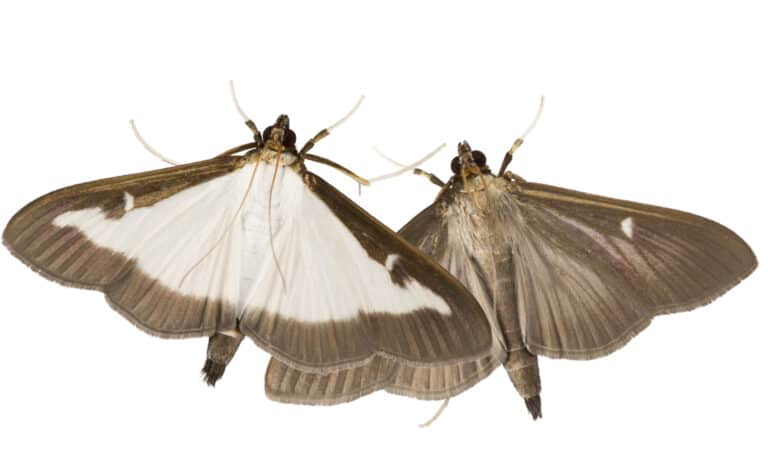
Box Tree Moth
Boxwood's night invader

Boxwood's night invader
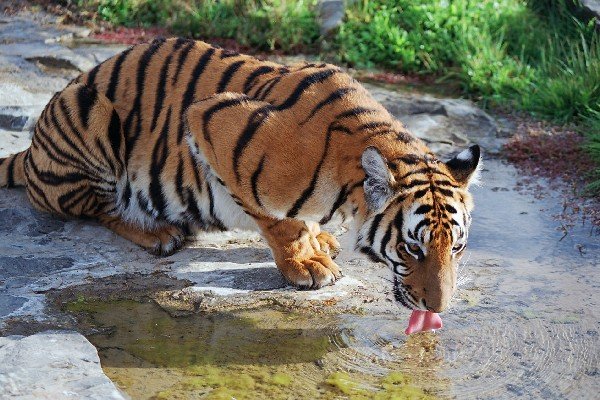
Southern China's tiger-waiting to return
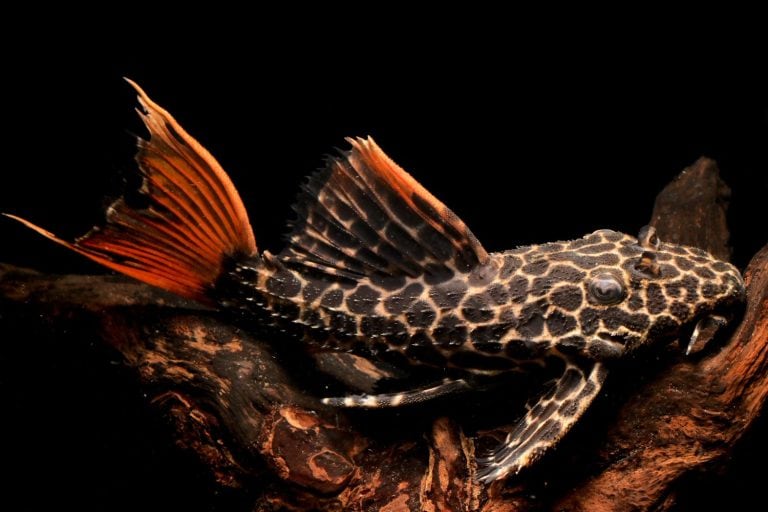
Bottom cleaners of North America's waters
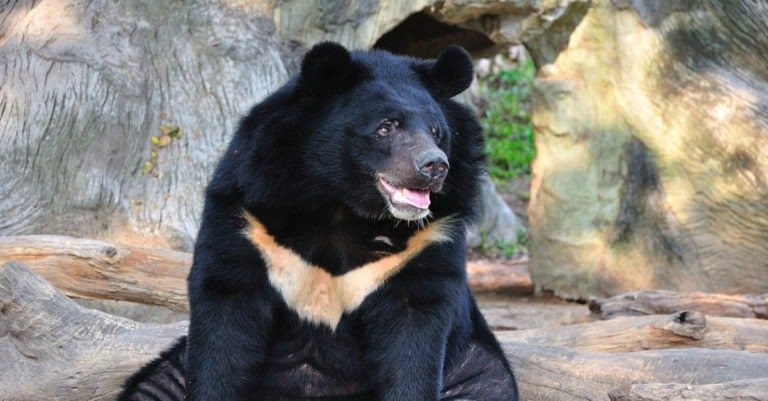
Moon-marked climber of Asian forests
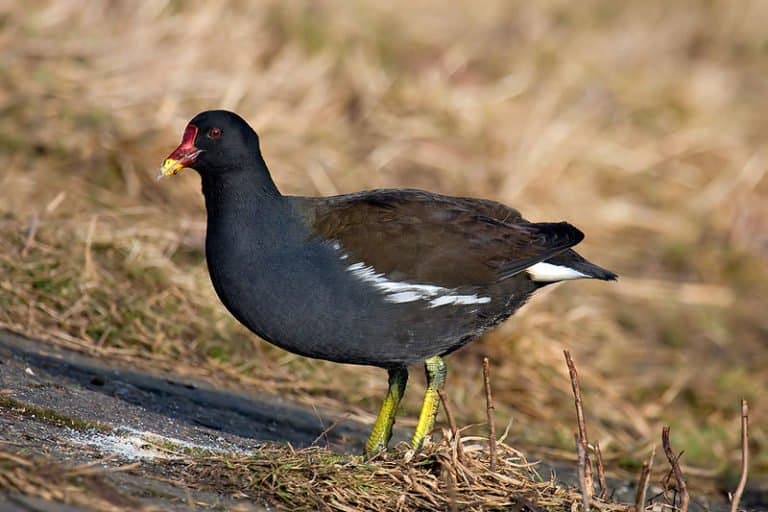
The reed-bed runner on lily pads
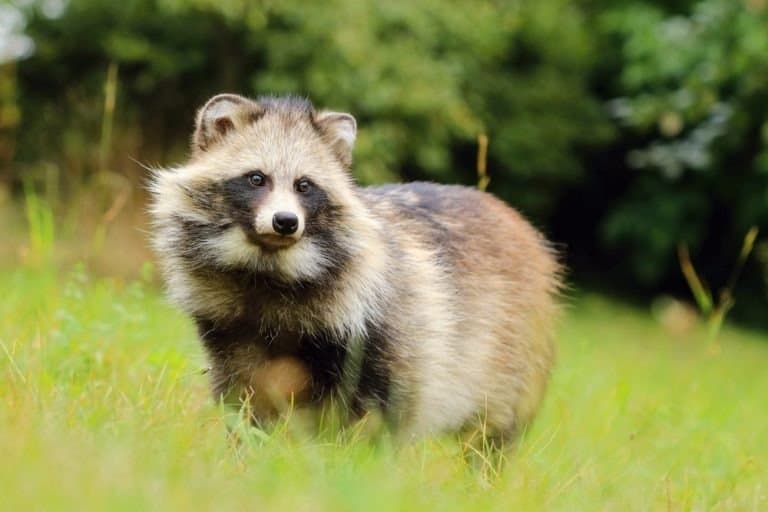
Masked canid, master of winter torpor
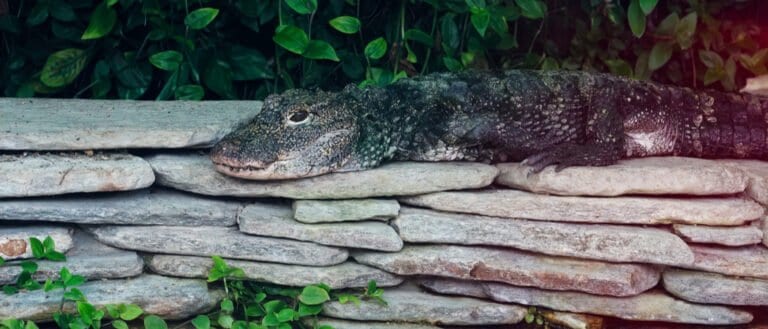
China's little "earth-dragon" alligator
China's rescued wetland deer
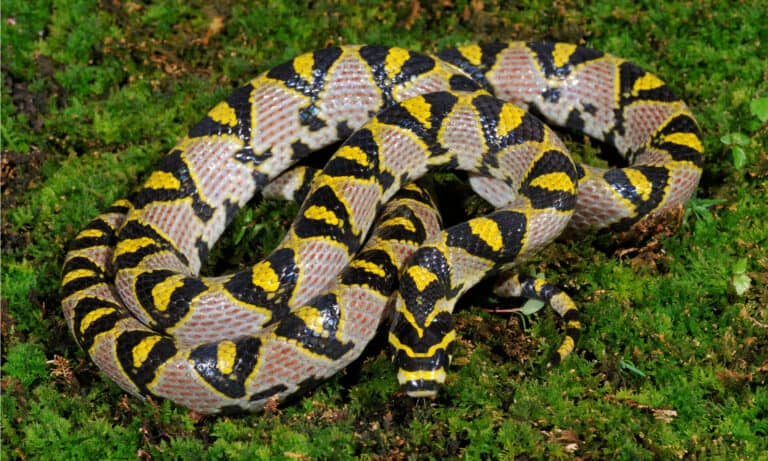
Forest jewel of East Asia
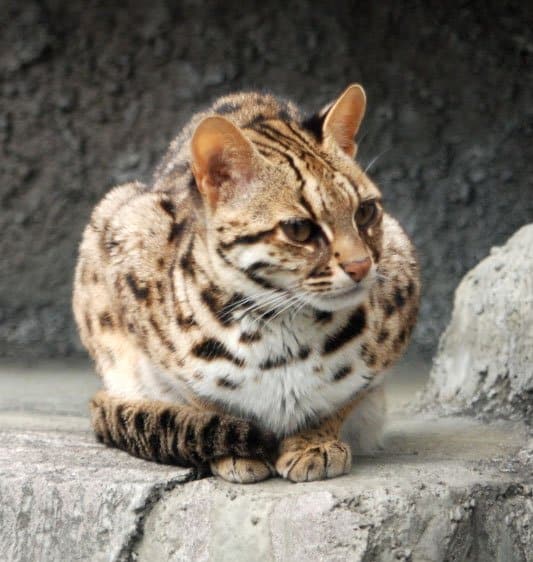
Asia's adaptable little spotted hunter
Anhui sits across the lower Yangtze and the Huai River basin, where north and south climates and landscapes meet. Lowland plains and river valleys hold many animals that live near farms, while the rugged southern highlands and forested ridges shelter mountain and subtropical wildlife. Rivers, ponds, patches of farmland, and mountain forests give Anhui a natural mix of freshwater life and migratory birds, with areas in the south that have many species.
Key habitats are the Yangtze floodplain and lake-rich wetlands, which serve as seasonal refuges and stopover places for waterbirds on the East Asian-Australasian Flyway. The Huai River basin adds broad alluvial plains with ponds, canals, and rice fields that host frogs, egrets, and wintering ducks. In the south, the Huangshan-Dabie mountains have evergreen broadleaf and mixed forests, clear streams, and steep valleys important for forest birds, small mammals, and species that need streams.
Anhui lies between the Huai River basin (north) and the lower Yangtze (south), with low farmed plains and wetlands in the north and forested hills and mountains in the south. Rivers, floodplains, and lakes support fish, frogs, and migratory birds. The Dabie and southern ranges, including Huangshan, have cooler high forests that provide refuge and corridors for woodland wildlife.
Near sea level in the Yangtze-Huai plains to ~1,864 m (Lotus Peak, Huangshan)
No ocean coastline; extensive freshwater shorelines along the Yangtze and Huai rivers and major lakes (notably Chaohu), plus numerous reservoirs and floodplain wetlands that function as key aquatic and waterbird habitats.
Anhui's protected areas focus on floodplain lakes and wetlands along the lower Yangtze and its tributaries, key for migratory waterbirds on the East Asian-Australasian Flyway, and on forested Dabie Mountains and southern Anhui hills (Huangshan-Shitai-Qimen) with remaining subtropical broadleaf forests and headwater streams. Protection is through national Nature Reserves and Wetland Parks plus provincial reserves and forest parks.
≈7-9% of Anhui's land area is under some form of designated protection (nature reserves, forest/scenic parks, wetland parks). Strictly protected core nature-reserve land is smaller than this total.
One of the province's premier floodplain-lake bird sites, supporting massive wintering congregations of geese, cranes, storks, and other waterbirds; a key stop/wintering area on the East Asian-Australasian Flyway.
Globally important protected-area network for the critically endangered Chinese alligator, consisting of multiple protected wetland habitat blocks in Xuancheng, Anhui, established to protect the species' remaining wild populations.
High-biodiversity montane reserve with mixed evergreen-deciduous forests, rich birdlife, and intact headwaters; notable for forest mammals and pheasants, especially in less-disturbed valleys.
Large, relatively continuous subtropical forest and steep ravine system that functions as an important refuge for forest mammals, pheasants, and amphibians; stronghold for native broadleaf forest communities.
Iconic granitic mountain landscape with extensive montane forests that support visible primate groups and a diverse temperate-subtropical transition fauna; wildlife viewing is best on quieter trails and in shoulder seasons.
Important island of forest habitat within a more agricultural landscape, supporting woodland birds, small carnivores, and seasonal migrants; valuable for regional connectivity and north-Anhui biodiversity representation.
Forest-clad mountain habitats with rocky outcrops and intact headwaters that support raptors, forest birds, and mid-sized mammals; serves as a significant refuge on the northern edge of subtropical forest zones.
Well-forested mountain complex with mature stands and stream valleys; supports diverse passerines and pheasants, plus mammals that persist in quieter forest sections away from pilgrimage/tourism cores.
Large shallow-lake wetland complex important for wintering and migratory waterbirds; reedbeds and mudflats provide feeding and roosting habitat close to major urban areas.
Highly productive Yangtze floodplain lake supporting large flocks of wintering geese and ducks; best wildlife viewing during low-water periods when extensive foraging habitat is exposed.
Managed wetland mosaic (open water, reedbeds, paddy-pond systems) that complements Shengjin/Caizi by providing additional roosting and feeding habitat for migratory birds along the Yangtze corridor.
Anhui sits at the meeting point of the lower Yangtze floodplain and the Huai River basin, with forested mountains (Huangshan and the Dabie Mountains), vast river-lake wetlands (e.g., Shengjin Lake and connected Yangtze backwaters), intensive farmland, and dense human settlement. This mix produces a wildlife experience dominated by (1) internationally important wintering waterbirds and (2) flagship, conservation-dependent Yangtze endemics (notably the Chinese alligator and Yangtze finless porpoise), alongside a typical East China forest fauna in the uplands.

Anhui's wildlife follows the lower Yangtze, Huai River basin, and forested mountains. See Huangshan (Yellow Mountain) and wetlands like Chaohu, Shengjin and the Yangtze floodplain for many migratory waterbirds. Subtropical Guniujiang forests host macaques, deer, pheasants, frogs and many insects. Best: wetland birding in migration/winter; forest dawn and summer night walks for frogs, insects and fireflies.
Peak migration and courtship displays in wetlands; mixed flocks of shorebirds and waterfowl move through the Yangtze lakes. Forests leaf out quickly-good for songbirds, butterflies, and comfortable hiking in mountain parks. Expect changeable weather and occasional haze; plan early-morning sessions for best activity.
Breeding season in forests and farmland edges; excellent for amphibians, reptiles, dragonflies, and butterflies. Warm, humid conditions make night walks especially productive (frogs calling, insects active). Note the East Asian monsoon: heavy rain bursts, higher river levels, and leeches/mosquitoes in some forested areas.
Another strong migration window-raptors and passerines move through ridges; wetlands begin to refill with birds as temperatures drop. Visibility can be very good on clear days, ideal for wildlife photography. Comfortable hiking and longer daylight make this a favorite all-around season.
Best season for large concentrations of waterbirds on Yangtze-associated lakes and reservoirs-spectacular flocks of geese, ducks, and cranes in suitable habitats. Quiet forests make tracking wildlife easier, though activity is slower. Dress for damp cold and wind near open water; sunrise visits are most rewarding.
Anhui lies between the warm-temperate north (Huai River basin) and the humid subtropical south (lower Yangtze hills). Its landscapes include large river-lake networks (Yangtze and Huai, including Chaohu), wide farm plains, and forested mountains (Huangshan–Dabie). This mix of freshwater, floodplain wetlands, cropland habitats, and mixed broadleaf-conifer forests supports migratory waterbirds, riverbank life, and mountain wildlife.
Mixed deciduous and evergreen broadleaf forests, often regrown or managed, cover the hilly, mountainous south and west of Anhui (especially Huangshan and Dabie), with pine and bamboo patches on slopes and in reserves.
Most prominent in southern Anhui hills/mountains; fragmented elsewhere by agriculture and settlements.
Open habitats in northern Anhui are largely human-shaped (field margins, levees, fallows, river terraces) with remnant/native grassland elements in drier or heavily managed plains of the Huai basin.
Limited and highly fragmented; concentrated in northern plains and along river embankments/terraces.
Large lowland rivers and lakes (Yangtze mainstem and tributaries; Huai system; Chaohu and many reservoirs/pond networks) provide extensive aquatic habitat, fisheries, and migration corridors.
Widespread province-wide; densest in the central plains and major river valleys/lake basins.
Floodplain wetlands, oxbows, seasonally inundated lakeshores, reedbeds, rice-paddy wetland complexes, and riparian marshes along the Yangtze and Huai support waterbirds and amphibians, with strong seasonal hydrology.
Scattered but significant along the Yangtze corridor, Huai basin floodplains, and around Chaohu and other lake/reservoir margins.
Forest mosaics in the south and west, including protected montane forests (Huangshan area) and secondary forests on hills.
Warm-temperate deciduous broadleaf stands and mixed forests, more common toward the Huai River basin and lower-elevation slopes.
Pine-dominated forests and mixed conifer-broadleaf stands on uplands, including plantation and naturalized conifer patches in southern mountains.
Open woodland and scrubby tree cover on low hills and disturbed slopes, often forming buffers between farms and steeper forests.
Field-edge and levee grasslands, fallow plots, and river-terrace open areas in the north; generally small and discontinuous.
Early-successional shrub cover on disturbed hillsides, quarry margins, and recovering landslides/burned or logged areas.
Montane terrain in southern/western Anhui (notably Huangshan and Dabie-associated highlands) creates cooler, wetter microclimates and elevational habitat zonation.
Rock outcrops and steep cliff faces in scenic mountain areas (e.g., Huangshan) provide nesting/roosting sites and specialized vegetation niches.
Karst-like cavities and small caves/rock shelters occur locally in hilly areas, supporting bats and cave-adapted invertebrates where present.
Large and mid-sized lakes (especially Chaohu) and reservoir lakes provide open-water, littoral, and fish-spawning habitats.
Major river corridors (Yangtze, Huai and tributaries) with riparian belts, sandbars, backwaters, and engineered banks/levees.
Dense networks of aquaculture and irrigation ponds across plains and peri-urban areas create abundant shallow-water habitat (often eutrophic).
Seasonally flooded floodplains, lakeshore wetlands, oxbows, and reedbeds; important for migratory and wintering waterbirds.
Reed and sedge marshes around lake margins and slow-flowing river backwaters, including managed reedbeds and wet meadows.
Localized woody or shrub swamp patches in low-lying floodplain depressions and along sluggish tributaries (where not converted to farmland).
Extensive rice-wheat rotations and other croplands dominate lowlands, functioning as agro-ecosystems with irrigation canals, ditches, and seasonal wet fields.
Managed stands (e.g., tea on hillsides, bamboo, fast-growing timber) especially in southern Anhui's hilly zones.
Dense built environments (e.g., Hefei and other cities) with riverside parks and engineered waterways that still host common urban-tolerant fauna.
Peri-urban mosaics of villages, ponds, canals, orchards, and small fields that can be biodiversity-rich but heavily influenced by pollution and disturbance.
Chinese alligators in Anhui spend winter underground: they excavate or use burrows and enter a months-long brumation, emerging in spring-an unexpected behavior for an "alligators = tropical" stereotype.
Yangtze finless porpoises in Anhui have no dorsal fin; instead, they have a low ridge with small bumps (tubercles), which reduces drag and may help in the Yangtze's shallow, turbid waters.
Shengjin Lake (Anqing area) is a floodplain lake that changes size a lot with Yangtze water levels, so habitats appear and disappear seasonally, turning water into mudflats and plant beds that geese and cranes need.
The Dabie Mountains on Anhui's western edge sit near a major ecological transition zone (north-temperate to subtropical East Asia), so you can encounter an unusual mix of fauna typical of both regions within a relatively short elevational climb.
Black muntjac (Muntiacus crinifrons), an eastern-China endemic deer recorded in Anhui's mountain forests, is so elusive that many modern confirmations rely on camera traps-despite living in a heavily populated region of China.
Anhui is the global stronghold for the Critically Endangered Chinese alligator (Alligator sinensis): the species' last wild populations persist mainly in southern Anhui (notably around Xuancheng), and the province hosts China's flagship breeding-and-release programs for the species.
The Chinese alligator found in Anhui is the world's smallest living alligator species-adults are typically around 1.5-2.1 m long-making it a record-holder among alligators.
Anhui's Yangtze River reach (e.g., around Tongling/Chizhou) is habitat for the Yangtze finless porpoise (Neophocaena asiaeorientalis asiaeorientalis), the world's only freshwater porpoise subspecies.
Male Reeves's pheasants (Syrmaticus reevesii), which occur in Anhui's wooded hills, have one of the longest tails of any bird-often approaching 2 m-an extreme even among pheasants.
Chaohu (Lake Chaohu) in central Anhui is one of China's five largest freshwater lakes (roughly ~770 km²), and its size helps support exceptionally large seasonal concentrations of fish and wintering waterbirds compared with most lakes in eastern China.
19 species documented in our encyclopedia
Thank you for reading! Have some feedback for us?
We appreciate your help in improving our content.
Our editorial team will review your suggestions and make any necessary updates.
There was an error submitting your feedback. Please try again.