N S W E
Wildlife Expeditions

Wildlife of
Hong Kong SAR

A tiny, ultra-urban SAR with a surprisingly wild heart-country parks, world-class migratory bird wetlands, and rich subtropical marine life at the Pearl River mouth.
7 Species
1,106 km² Land Area
Overview

About Hong Kong SAR

Hong Kong shows a strong contrast: one of the world’s busiest skylines is ringed by protected country parks, steep hills, and a rich coastline. This small territory keeps part of South China’s natural heritage. Subtropical forests shelter birds, butterflies, reptiles, and amphibians, while rocky shores, bays, and outer islands support coastal and marine life. Key habitats include hill forests and shrublands, which are important refuges and routes for seasonal birds, and globally important wetlands. The Mai Po–Inner Deep Bay area has mudflats, shrimp ponds, and mangroves that are a vital stopover and wintering site on the East Asian–Australasian Flyway. Offshore, estuarine waters and marine parks protect coral communities and productive fish habitats influenced by the Pearl River Delta. Within an hour you can go from city streets to forest trails, tidal flats with waders, or boat trips to see coastal wildlife, thanks to a long protected-area network and birding community.

Physical Features

Geography

Hong Kong's wildlife shows a big change from crowded lowlands to protected uplands and an indented coast. Subtropical hills and country parks support mammals, raptors, reptiles, and amphibians. Fast streams and reservoirs supply freshwater habitats. The South China Sea and Pearl River Delta create mudflats, mangroves, seagrass, rocky shores, and coral vital for migratory waterbirds (e.g., Deep Bay/Mai Po).

1,106 km² Land Area
Among the smallest provincial-level divisions in China (larger than Macau; far smaller than any province) Size Rank
China Country
Special administrative region Type
Elevation Range

Sea level to 957 m (Tai Mo Shan)

Coastline

South China Sea coastline at the Pearl River Delta, with a highly indented shore, numerous islands, estuarine waters in the west/northwest, and a mix of mudflats, mangroves, sandy beaches, and rocky shores (plus localized coral communities in clearer eastern/southern waters).

Key Landscapes

Steep, forested hill country and ridgelines (New Territories, Lantau Island) dominated by country parks High point Tai Mo Shan massif and other upland peaks creating cooler, wetter microclimates Coastal lowlands and reclaimed plains around Victoria Harbour and northern New Territories (major urban footprint that fragments habitat) Deep Bay (Inner Deep Bay) intertidal mudflats, traditional tidal shrimp ponds, and mangroves (Mai Po wetland complex) supporting migratory waterbirds Drowned-valley coast with sheltered inlets and bays (e.g., Tolo Harbour) plus exposed south-coast headlands Extensive archipelago of outlying islands (Lantau, Lamma, Cheung Chau, Sai Kung islands) increasing habitat variety and coastal edge length for seabirds and shorelife, including Chinese white dolphin range in surrounding waters (especially west/northwest)
State Symbols

Official Wildlife Symbols

tree

Hong Kong orchid tree (Bauhinia blakeana)

Designated 1965

Parks & Reserves

Protected Areas

Hong Kong's protected areas center on Country Parks and Special Areas run by AFCD, plus marine parks/reserve, wetlands (including a Ramsar site), and small nature reserves. Much of New Territories and Lantau remain subtropical woodland, streams and shrubland. Deep Bay and coastal waters protect migratory birds, coral and whale/dolphin habitat. Some areas restrict access.

Protected Coverage

~40% of Hong Kong's land area is designated as Country Parks (with additional Special Areas and other designations adding a few more percent in practice).

National Parks & Preserves

Sai Kung East Country Park

~45 km² (approx.)

Often considered Hong Kong's most intact 'backcountry' landscape: large tracts of coastal scrub/woodland, rocky shorelines, and relatively undisturbed streams support diverse birds, reptiles, and mammals, with strong connectivity to nearby marine habitats.

Chinese pangolin (Manis pentadactyla) Leopard cat (Prionailurus bengalensis) Red muntjac (Muntiacus muntjak) Crested serpent eagle (Spilornis cheela) Hong Kong newt (Paramesotriton hongkongensis)

Lantau South Country Park

2,440 ha (~24.4 km²)

A country park on the less-developed southern part of Lantau Island, protecting woodland, stream valleys, and coastal habitats that support a variety of forest birds and mammals.

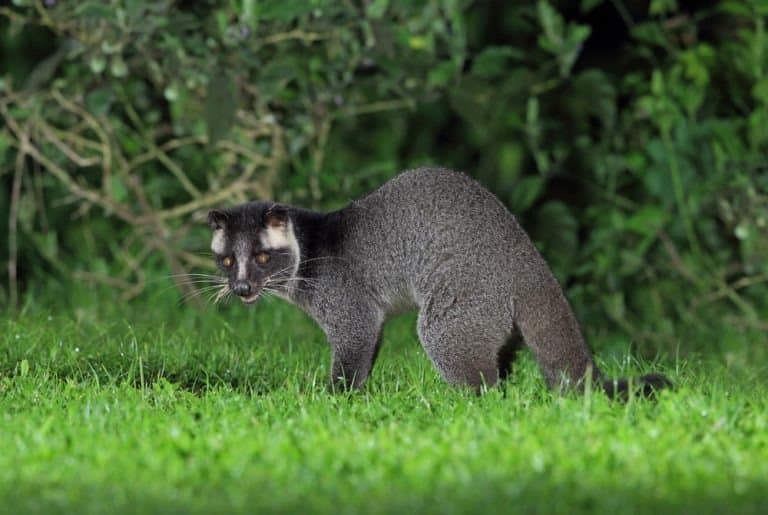
Chinese pangolin (Manis pentadactyla) Masked palm civet (Paguma larvata) Red muntjac (Muntiacus muntjak) Crested goshawk (Accipiter trivirgatus) Romer's tree frog (Liuixalus romeri)

Pat Sin Leng Country Park

~31 km² (approx.)

A major ridge-and-valley system with forested slopes and headwater streams; valued for amphibians and stream ecology as well as raptor viewing along ridgelines.

Hong Kong newt (Paramesotriton hongkongensis) Leopard cat (Prionailurus bengalensis) Chinese pangolin (Manis pentadactyla) Crested serpent eagle (Spilornis cheela) Black kite (Milvus migrans)

Plover Cove Country Park

~46 km² (approx.)

Protects forested hills around Plover Cove Reservoir and the northeastern coastline; supports woodland birdlife and provides landscape-scale habitat continuity into the northeast New Territories.

Wild boar (Sus scrofa) Red muntjac (Muntiacus muntjak) Crested goshawk (Accipiter trivirgatus) Black kite (Milvus migrans) Common kingfisher (Alcedo atthis)

Tai Mo Shan Country Park

~14 km² (approx.)

Hong Kong's highest massif with cooler upland conditions, streams, and secondary woodland; important for stream-dependent amphibians and a distinct upland bird assemblage.

Hong Kong newt (Paramesotriton hongkongensis) Crested serpent eagle (Spilornis cheela) Crested goshawk (Accipiter trivirgatus) Wild boar (Sus scrofa) Red muntjac (Muntiacus muntjak)

State & Provincial Parks

Tai Po Kau Nature Reserve (Special Area)

460 ha (4.6 km²)

A well-known lowland woodland area in Hong Kong with mature secondary forest and stream gullies, noted for forest wildlife and amphibians associated with shaded hill streams.

Hong Kong newt (Paramesotriton hongkongensis) Hong Kong cascade frog (Amolops hongkongensis)

Hong Kong UNESCO Global Geopark

~150 km² (land+sea coverage, approx.)

A protected landscape-seascape spanning parts of Sai Kung and the Northeast New Territories; beyond geology, its relatively undeveloped coasts, islands, and shrub-woodland mosaics support seabirds, raptors, and coastal biodiversity.

Black kite (Milvus migrans) Pacific reef heron (Egretta sacra) Peregrine falcon (Falco peregrinus) Leopard cat (Prionailurus bengalensis) Romer's tree frog (Liuixalus romeri)

Hong Kong Wetland Park

~0.6 km² (~60 ha, approx.)

A managed wetland mosaic adjacent to Deep Bay that functions as an accessible 'satellite' habitat for waterbirds; important for public education and as supplementary foraging/roosting space for migratory species.

Black-faced spoonbill (Platalea minor) Eurasian spoonbill (Platalea leucorodia) Grey heron (Ardea cinerea) Great egret (Ardea alba) Marsh sandpiper (Tringa stagnatilis)

Wildlife Refuges

Mai Po Nature Reserve and Inner Deep Bay Ramsar Site

Ramsar site ~15 km² (~1,500 ha); core reserve ~3.8 km² (~380 ha) (approx.)

Hong Kong's premier wetland conservation area: intertidal mudflats, traditional shrimp ponds, and reedbeds supporting globally important numbers of migratory waterbirds along the East Asian-Australasian Flyway.

Black-faced spoonbill (Platalea minor) Saunders's gull (Chroicocephalus saundersi) Nordmann's greenshank (Tringa guttifer) Eurasian otter (Lutra lutra) Great knot (Calidris tenuirostris)

Sha Chau and Lung Kwu Chau Marine Park

~12 km² (~1,200 ha, approx.)

Key protected waters for marine biodiversity and one of the best places in Hong Kong for cetacean-focused conservation; supports feeding and movement corridors in western Hong Kong waters.

Indo-Pacific humpback dolphin / Chinese white dolphin (Sousa chinensis) Finless porpoise (Neophocaena phocaenoides) Horseshoe crabs (Tachypleus/Carcinoscorpius spp.) Reef fish assemblages (e.g., groupers and snappers) Intertidal crabs and molluscs

Hoi Ha Wan Marine Park

~2.6 km² (~260 ha, approx.)

A sheltered bay with some of Hong Kong's best-known coral communities and seagrass-associated coastal ecology; important for reef fish, invertebrates, and snorkeling-based wildlife viewing.

Hard corals (e.g., Platygyra, Porites spp.) Seahorses (Hippocampus spp., occasionally recorded) Reef fish (e.g., butterflyfish, wrasses) Sea cucumbers (Holothuroidea) Green turtle (Chelonia mydas, occasional visitor)

Cape d'Aguilar Marine Reserve

~0.18 km² (~18 ha, approx.)

Hong Kong's oldest marine reserve with high-value rocky shore and nearshore habitats used for long-term research; strong intertidal biodiversity and nursery habitat for coastal species.

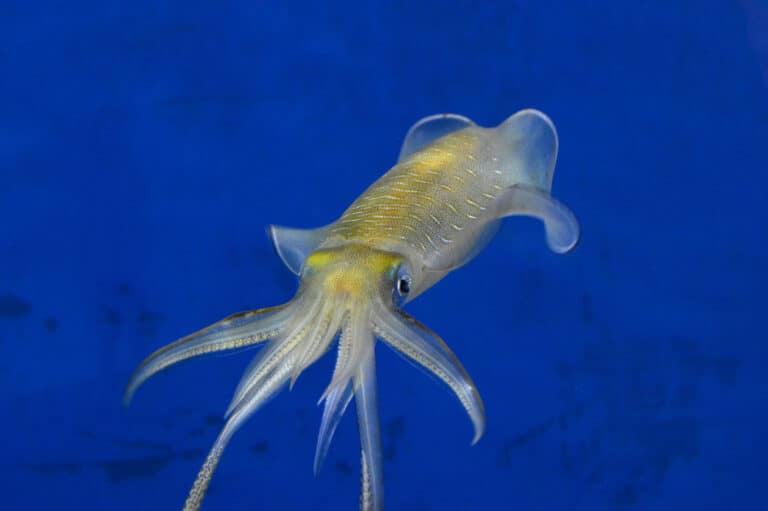
Hard corals (reef-building species in suitable zones) Intertidal gastropods and barnacles (rocky shore communities) Reef fish (juvenile nurseries) Sea urchins (Echinoidea) Octopus and cuttlefish (Cephalopoda)

Wilderness Areas

  • Sai Kung Peninsula backcountry (including remote sections around High Island Reservoir and coastal headlands)
  • Lantau's south coast and uplands (e.g., Sunset Peak-Yi Tung Shan area outside major road corridors)
  • Pat Sin Leng ridge-line and upper stream valleys (relatively continuous hill habitat)
  • Northeast New Territories coastal hinterland (Plover Cove-Bride's Pool-coastal headlands mosaic)
  • Tung Ping Chau and nearby offshore island waters (remote island setting with limited development)
Animals

Wildlife

Hong Kong SAR has unusually high biodiversity for its small, very urban area because much land is hilly, forested, and set aside as country parks. Its coast has rocky shores, coral communities, seagrass, mudflats, and the internationally important wetlands at Deep Bay. Wildlife highlights include large wintering and migratory bird numbers, especially at Mai Po/Inner Deep Bay; many subtropical amphibians and reptiles in forest streams and shrublands; and coastal species like the Indo-Pacific humpback (Chinese white) dolphin, horseshoe crabs, and diverse reef fishes.
About 54 terrestrial wild mammal species recorded (excluding marine mammals; several cetaceans also occur in local waters) Mammals
560+ species recorded (very high for the territory's size; includes many migrants) Birds
~100-110 species recorded (snakes, lizards, turtles) Reptiles
~25 species recorded (notably stream and forest frogs) Amphibians
~1,000+ marine fish species regionally recorded; ~100+ freshwater fish species (counts vary by checklist/source) Fish
Examples

Iconic Species

Chinese White Dolphin (Indo-Pacific Humpback Dolphin) Hong Kong's best-known marine flagship, seen off Lantau and western waters; famous for its pale coloration and as a conservation symbol amid intense coastal development.
Black-faced Spoonbill A premier wintering bird at Mai Po and Inner Deep Bay; one of East Asia's most celebrated wetland species and a key reason birders visit.
White-bellied Sea Eagle A dramatic coastal raptor often seen over harbors and islands; a charismatic top predator that highlights Hong Kong's surprisingly wild seascapes.
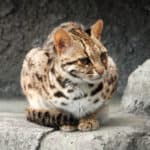
Leopard Cat
Leopard Cat A shy native small cat of rural mosaics and forest edges; a flagship mammal for Hong Kong's remaining countryside biodiversity.
Chinese Pangolin Rare and highly threatened; Hong Kong is considered an important refuge where it can still persist in protected hill habitats.
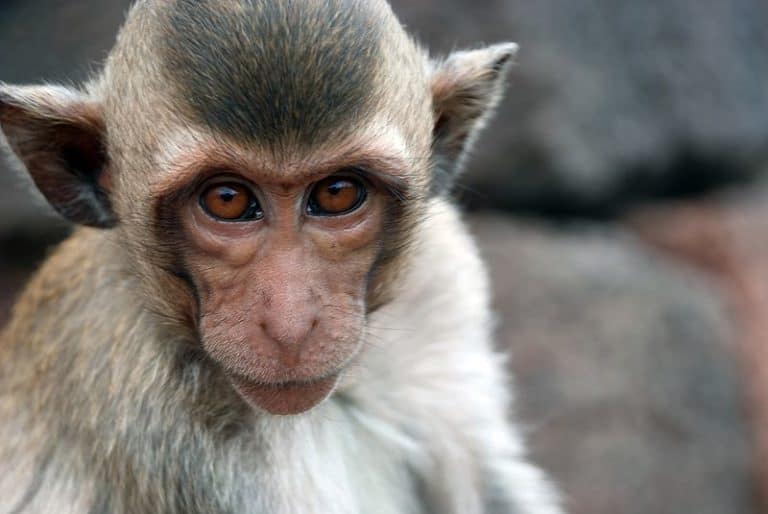
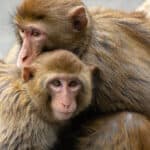
Rhesus Macaque
Rhesus Macaque Frequently encountered along the urban-country park edge (notably around Kam Shan); emblematic of human-wildlife coexistence challenges.
Wild Boar
Wild Boar Now common and often conspicuous, including in peri-urban areas; a defining modern wildlife encounter and management focus.
Red-billed Blue Magpie A striking, noisy forest bird commonly seen in country parks; a signature species for casual hikers and birdwatchers.
Green Turtle Occasionally nests in Hong Kong (notably at protected beaches); represents the territory's conservation value for marine reptiles.

Endemic & Rare Species

Romer's Tree Frog

Liuixalus romeri

Near Threatened (IUCN); highly localized range

A Hong Kong-area specialty with a very small geographic range. It inhabits subtropical woodland/shrub habitats and typically breeds in small temporary pools, seepages, or ditches rather than being a stream-dependent amphibian.

Hong Kong Newt

Paramesotriton hongkongensis

Regionally rare; habitat-sensitive stream amphibian

A notable stream-dwelling salamander-type amphibian (newt) closely associated with clean hill streams; an indicator of intact upland freshwater habitats.

Big-headed Turtle

Platysternon megacephalum

Critically Endangered (IUCN); heavily impacted by illegal wildlife trade

A secretive forest-stream turtle recorded in the region; where it persists it underscores the importance of anti-poaching enforcement and protected headwaters.

Black-faced Spoonbill

Platalea minor

Endangered (IUCN); internationally important wintering population

Hong Kong's Deep Bay wetlands support a significant share of the global wintering population, making local habitat protection globally consequential.

Tri-spine Horseshoe Crab

Tachypleus tridentatus

Endangered (IUCN); coastal nursery habitat declining

Juveniles use sheltered bays and mudflats; Hong Kong's remaining nursery sites are important for a species declining across its range.

Mangrove Horseshoe Crab

Carcinoscorpius rotundicauda

Data Deficient/locally uncommon; sensitive to shoreline change

Associated with mangroves and muddy shores; its presence highlights the ecological value of intact mangrove-mudflat systems in a dense city-region.

Chinese Pangolin

Manis pentadactyla

Critically Endangered (IUCN)

Hong Kong is often cited as one of the more viable places left for the species in southern China due to protected landscapes and active enforcement.

Notable Populations

  • Deep Bay (Mai Po and Inner Deep Bay Ramsar site) supports internationally important concentrations of wintering waterbirds and migratory shorebirds, including a significant share of the global Black-faced Spoonbill wintering population.
  • Pearl River Estuary/West Lantau waters hold one of the best-known Indo-Pacific humpback ("Chinese white") dolphin populations, of major national and international conservation interest.
  • Intertidal and sheltered-bay habitats support regionally important horseshoe crab nursery areas where suitable shorelines remain.
  • Hong Kong's country parks collectively preserve one of the largest continuous protected hill/forest networks adjacent to a major megacity in East Asia, supporting notable persistence of threatened mammals such as the Chinese pangolin.

Recent Changes

  • Indo-Pacific humpback dolphin occurrence and local abundance in Hong Kong waters have generally declined and shifted, widely linked to cumulative coastal development, heavy marine traffic, and habitat loss/fragmentation (e.g., major reclamation and infrastructure projects).
  • Black-faced Spoonbill numbers in Deep Bay have generally increased over recent decades at the flyway scale, with Hong Kong remaining a key wintering site (though sensitive to wetland management and disturbance).
  • Wild boar have expanded and become more visible in peri-urban areas, driving new management policies (including changes to feeding rules and control measures).
  • Macaque-human conflict has prompted long-running management actions (feeding prohibitions, contraception/sterilization programs, and targeted interventions), reshaping where and how troops are encountered.
  • Horseshoe crab nursery habitats face ongoing pressure from shoreline modification and disturbance; local conservation attention has increased, including beach/mudflat monitoring and protection efforts in select areas.
  • Occasional Green Turtle nesting continues to be closely managed and protected, but remains sporadic and vulnerable to disturbance, reflecting broader regional pressures on marine turtles.
Visit

Wildlife Viewing

Hong Kong SAR is a surprising wildlife spot: a city beside country parks, wetlands, rocky coasts, islands and rich seas. You can watch migrating birds at Deep Bay, see butterflies on New Territories trails, find reptiles and amphibians in streams, view coastal and marine life near Lantau, Sai Kung and the UNESCO Global Geopark. Few large land mammals.

Best Seasons

Autumn (Sep-Nov)

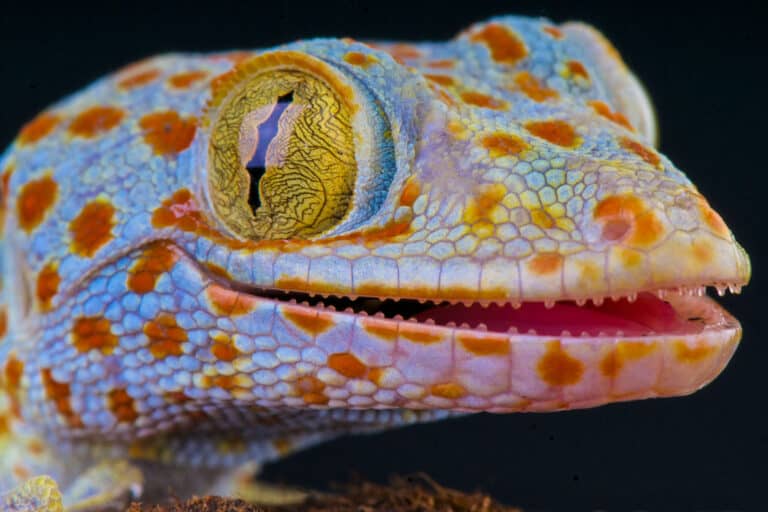
Peak migration: raptors, passerines, and shorebirds move through; comfortable hiking weather; excellent birding at Mai Po/Inner Deep Bay and gecko/frog activity after rains. Clearer seas also suit coastal boat trips in Sai Kung.

Winter (Dec-Feb)

Best season for waterbirds and shorebirds (including rare visitors) in Deep Bay; reliable views of egrets, herons, ducks, and waders from hides and boardwalks; crisp visibility for raptor watching on ridgelines. Marine time is calmer but cooler.

Spring (Mar-May)

Second major migration pulse: songbirds and shorebirds; breeding begins for many residents; butterflies and dragonflies ramp up, especially in forest edges and stream valleys. Humidity rises and afternoon showers increase-great for amphibian activity.

Summer (Jun-Aug)

Lush subtropical forests; peak herpetofauna and insect activity (frogs, snakes, cicadas, butterflies); best for early-morning hikes and nocturnal nature walks. Hot, humid, and typhoon risk-plan flexible itineraries and prioritize sheltered trails/short outings.

Top Wildlife Experiences

  • Birdwatch the Mai Po Inner Deep Bay Ramsar wetlands (guided entry) for wintering shorebirds and waterfowl from hides and boardwalks.
  • Scan the mudflats at Nam Sang Wai and along Deep Bay (Yuen Long area) at low tide for waders, egrets, and seasonal rarities; pair with sunset photography.
  • Take a geopark boat tour in Sai Kung to view sea arches, volcanic columns, and scan for coastal birds and intertidal wildlife around sharp headlands and coves (best in calmer months).
  • Hike Tai Mo Shan Country Park and nearby New Territories hill trails at dawn for raptors, forest birds, and butterflies; add stream-side stops for dragonflies.
  • Explore Long Valley (near Sheung Shui) for farmland birds and wetland-edge species; visit early morning for the best activity and light.
  • Do an intertidal walk at Cape D'Aguilar Marine Reserve (Hong Kong Island) or along Sai Kung rocky shores to spot crabs, anemones, sea urchins, and tidepool fish (time it with a low tide).
  • Go wildlife watching on Lantau (e.g., Tai O and surrounding waterways/shorelines) combining mangrove-edge birding with coastal habitats; add a night walk for geckos and frogs in suitable areas.
  • Join a night herping walk in forested country parks (seasonally best in warm, wet months) to look for frogs, toads, geckos, and other nocturnal wildlife-always with a trained guide and ethical handling-free practices.

Wildlife Watching Types

Migratory birding (wetlands, mudflats, fishponds) Shorebird and waterfowl viewing from hides and boardwalks Raptor watching on hill ridges and migration watchpoints Butterfly and dragonfly watching along forest edges and streams Herping (frogs, toads, geckos; occasionally snakes) via guided night walks Intertidal and tidepool wildlife viewing (rocky shores, marine reserves) Coastal/island wildlife cruises (seabirds, shoreline biodiversity, sea caves/geology) Urban nature birding in parks/reservoir edges (surprisingly diverse resident birds)

Guided Options

  • WWF-Hong Kong guided visits/programs at Mai Po Nature Reserve (advance booking typically required; led by trained guides).
  • Hong Kong Bird Watching Society (HKBWS) outings, talks, and seasonal field trips to key birding sites (Deep Bay, Long Valley, migration watchpoints).
  • UNESCO Global Geopark of Hong Kong licensed boat tours (Sai Kung) focusing on coastal geology with strong potential for seabird and intertidal wildlife viewing.
  • Local ecotour operators offering Lantau/Tai O nature outings (often combining mangroves, coastal birding, and cultural stops).
  • University- and NGO-affiliated public nature walks and citizen-science events (seasonal), including butterfly walks, bio-blitzes, and coastal cleanups with wildlife interpretation.
  • Private specialist naturalist guides for targeted trips (shorebird ID at Deep Bay, butterfly-focused hikes, or night herping-choose operators that follow no-capture/no-handling ethics and local regulations).
Habitats

Ecosystems

Hong Kong SAR fits many ecosystems into a small area. Steep subtropical hills (many in country parks) hold evergreen broadleaf forests, shrublands, and grasslands. Coasts and seas have rocky shores, beaches, and important estuarine wetlands like Deep Bay/Inner Deep Bay. This land-sea mix supports reptiles, amphibians, birds of prey, songbirds, and many migratory birds on the East Asian-Australasian Flyway.

Biomes

Temperate Forest

Subtropical monsoon evergreen broadleaf forests and mixed secondary woodlands on hill slopes and valleys; much is regenerating forest shaped by past logging, farming, and fires.

Widespread on uplands and within country parks; dominant natural land cover away from the urban core.

Freshwater

Short, steep catchments with rocky streams, small rivers, reservoirs, and hillside pools; important for amphibians, freshwater fish, and riparian biodiversity.

Scattered across all districts; concentrated in upland catchments and reservoir watersheds.

Wetland

Estuarine mudflats, mangroves, traditional tidal shrimp/fish ponds, reedbeds, and freshwater/brackish marshes-especially around Deep Bay-supporting large wintering and migratory bird populations.

Localized but highly significant; strongest concentration in the northwest (Mai Po-Inner Deep Bay) with smaller pockets in lowland coastal areas.

Marine

Coastal and shelf waters of the eastern Pearl River Delta with strong gradients from turbid, nutrient-influenced western waters to clearer eastern waters; includes soft-bottom habitats, rocky reefs, and scattered hard-coral communities.

Extensive around the territory (Hong Kong waters), with ecological conditions varying west-to-east and among sheltered bays vs. exposed coasts.

Habitats

Forest

Secondary evergreen broadleaf forest and maturing woodland in country parks (e.g., Tai Mo Shan, Pat Sin Leng, Lantau uplands); important for native flora, birds, and mammals.

Woodland

Mixed shrub-tree mosaics and edge habitats between forest and grassland; common on mid-slopes and around older plantations.

Shrubland

Traditional village woodland groves (geomancy woods) and scrub on hillsides and disturbed areas; often transitional after fire or clearing and important for pollinators and reptiles.

Grassland

Fire-maintained upland grasslands on exposed ridges and peaks (e.g., parts of Lantau and New Territories), with seasonal flowering and high butterfly activity.

Mountain

Steep terrain from sea level to Tai Mo Shan (957 m) creates strong microclimate gradients, supporting diverse hill and ridge communities.

Cliff/Rocky Outcrop

Coastal and inland rocky faces (including sea cliffs on exposed islands) used by nesting birds and specialized plants; prone to salt spray on coasts.

Cave

Sea caves and small karst-like cavities in coastal cliffs and islands provide roosting and refuge habitat for bats and other fauna (site-specific and patchy).

River/Stream

Short, fast-flowing streams and channelized lowland rivers; upland reaches retain higher ecological quality, while lowland sections are more modified.

Pond

Village ponds, agricultural ponds, and managed tidal shrimp/fish pond systems-key for dragonflies, amphibians, and waterbirds.

Wetland

Mai Po-Inner Deep Bay wetland complex (mudflats, reedbeds, ponds) plus smaller marshy pockets in lowlands and coastal plains.

Marsh

Freshwater to brackish marshes and reedbeds around Deep Bay and lowland drainage systems; important for rails, bitterns, and wintering passerines.

Mangrove

Mangrove stands around Deep Bay and sheltered inlets (e.g., Mai Po, parts of Tolo Harbour environs), stabilizing shorelines and supporting juvenile fish and crabs.

Estuary

Pearl River Delta-influenced waters and Inner Deep Bay mudflat-channel systems with high nutrient inputs and strong salinity/turbidity gradients.

Coastal

Complex shoreline of bays, headlands, and islands (e.g., Sai Kung archipelago) with sheltered coves and exposed coasts supporting diverse intertidal communities.

Beach

Sandy beaches on Hong Kong Island, Lantau, and outlying islands; important recreational areas with ecological value where less disturbed.

Rocky Shore

Extensive rocky intertidal habitat on exposed coasts (notably eastern waters) with zoned algae, barnacles, and mollusks; includes boulder shores in sheltered bays.

Coral Reef

Hard-coral communities (not tropical reef tracts) in clearer eastern/southeastern waters (e.g., around Hoi Ha Wan, parts of Sai Kung), sensitive to water quality and temperature extremes.

Open Ocean

Nearshore open-water habitat around islands and channels; supports pelagic fish and marine mammals regionally, though influenced by coastal processes and shipping.

Seabed/Benthic

Soft-sediment bottoms (mud/sand) dominate much of western and central waters; benthic invertebrate communities underpin coastal food webs.

Agricultural/Farmland

Small-scale farming and horticulture in lowland New Territories (highly reduced from historical extent), interspersed with villages and drainage channels.

Plantation

Historic afforestation areas (e.g., pine and mixed plantings) on degraded slopes; many stands are transitioning toward more mixed, native-dominated woodland.

Urban

Dense built-up core (Hong Kong Island north shore, Kowloon, new towns) with fragmented green space, modified shorelines, and high disturbance.

Suburban

New towns and village margins adjacent to country parks, forming strong urban-wildland interfaces with edge habitats and human-wildlife interactions.

Ecoregions

WWF Terrestrial Ecoregion: South China-Vietnam Subtropical Evergreen Forests (IM0149) WWF Freshwater Ecoregion (FEOW): Pearl River Marine Ecoregions of the World (MEOW): South China Sea (within the Tropical Northwestern Pacific realm)
Protection

Conservation

Primary Threats

  • High value wetlands in northwest New Territories, like fishpond complexes, reedbeds and tidal shrimp/fish ponds, face land use change, pond abandonment, conversion and development. Coastal mudflats, seagrass and shallow bays are harmed by reclamation and shoreline hardening. Breaking up of habitats cuts stream and forest corridors.
  • Expansion of housing and associated services into the New Territories and Lantau increases edge effects (light, noise, pets, waste), human access to sensitive sites, and cumulative impacts on wetlands and lowland habitats that are rare in Hong Kong compared with upland Country Parks.
  • Major transport and port/aviation projects (e.g., airport expansion, bridges, highways, sea crossings, coastal engineering) increase vessel traffic, underwater noise, and habitat alteration in western waters used by Chinese white dolphins and finless porpoises, while also driving local reclamation and dredging footprints.
  • Marine and wetland systems receive contaminants and nutrient loads from dense urban runoff, legacy industrial areas, shipping activity, and Pearl River Delta influences; plastics and derelict fishing gear affect marine fauna. Eutrophication and poor water quality can reduce seagrass and stress corals in semi-enclosed bays.
  • Sea-level rise and storm surge threaten low-lying Deep Bay wetlands and mudflats that waterbirds depend on; hotter summers and altered rainfall increase heat and drought stress, raise wildfire risk on hillsides, and can intensify coral bleaching and disease pressure in shallow marine habitats.
  • Despite local management improvements, Hong Kong waters sit within a heavily exploited regional fishery. Depletion of reef and demersal fish reduces food webs supporting marine predators, and bycatch risks persist for small cetaceans and other protected marine life.
  • High recreational use of Country Parks and accessible coastlines (hiking, trail running, kayaking, diving, drone use) can disturb nesting/roosting birds, damage fragile intertidal zones and corals, and increase trampling of streamside and wetland margins-especially near popular routes and shorelines.
  • As a major logistics and trading hub, Hong Kong is exposed to trafficking risks for CITES-listed taxa (e.g., reptiles, orchids, ivory, pangolin derivatives). While enforcement has strengthened, demand and transshipment pressures remain a persistent conservation challenge.
  • Non-native pets and ornamentals (e.g., red-eared slider turtles; invasive aquarium plants) can establish in reservoirs and lowland wetlands, competing with native fauna and altering habitats. Human food provisioning has also exacerbated ecological imbalance and nuisance behavior in some adaptable wildlife populations.
  • Conflicts are prominent with macaques and wild boar near urban edges and hiking routes, driven by unsecured food waste and feeding. Management actions (feeding bans, population control, and targeted responses) can be contentious but are important for both public safety and animal welfare.
  • Amphibians in subtropical stream systems are vulnerable to emerging diseases (e.g., chytrid fungus risk), and marine organisms face increasing disease susceptibility under warming and water-quality stressors. High connectivity through trade and proximity to major ports heighten introduction risk pathways.
  • Channelization and engineering of lowland rivers/drainage channels, flood-control works, and shoreline armoring can simplify habitats, reduce natural sediment dynamics in Deep Bay, and degrade nursery areas for fish and invertebrates that support birds and coastal biodiversity.
Fun Facts

Did You Know?

Two monkey species live on the edge of Hong Kong's city: rhesus macaques and long-tailed macaques. Many are hybrids, so the government must manage human-macaque conflict near reservoirs and country parks.

Endemic "city frog": Romer's tree frog (Liuixalus romeri) is native to Hong Kong and nearby islands and is famous among herpetologists for persisting in tiny, fragmented habitats-an endemic amphibian in one of the world's densest urban regions.

A fish literally named after the place: the Hong Kong paradise fish (Macropodus hongkongensis) is a locally native freshwater fish described only in the 21st century, showing that new-to-science vertebrates can still be documented in Hong Kong's streams.

Living fossils on suburban mudflats: juvenile horseshoe crabs still occur on Hong Kong's intertidal flats (e.g., parts of Deep Bay and Lantau mudflats), meaning you can find an ancient lineage in view of high-rises and container terminals.

Wild boar are not a 'deep wilderness' animal here: Hong Kong's wild boar regularly use country-park edges and even urban green corridors, making them one of the most visible large mammals in daily city life.

Despite its small size (~1,110 km²), Hong Kong has recorded 570+ bird species — very high for a city. This comes from its subtropical hills, wetlands, and East Asian-Australasian Flyway stopovers.

Deep Bay (Mai Po and Inner Deep Bay wetlands) is a global stronghold for the endangered Black-faced Spoonbill. Each mid-winter count often finds several hundred birds, an important part of the world population.

Hong Kong waters, in the Pearl River Estuary, hold the world's largest known population of Indo-Pacific humpback dolphins (Sousa chinensis), the famous 'Chinese white dolphins', and they live very close to a big city.

Butterfly diversity that beats entire countries: more than 260 butterfly species have been recorded in Hong Kong-far exceeding the butterfly species count of the United Kingdom-despite Hong Kong's very small land area.

Subtropical coral hotspot at unusually high latitude: Hong Kong supports 80+ hard coral species (and extensive coral communities in places like Hoi Ha Wan), a level of coral diversity that is remarkable so far north of the tropics.

Thank you for reading! Have some feedback for us?