N S W E
Wildlife Expeditions

Wildlife of
Shaanxi Sheng

From loess badlands to the Qinling's cloud forests, Shaanxi spans one of China's sharpest habitat gradients-home to flagship species like the giant panda and crested ibis.
21 Species
205,800 km² Land Area
Overview

About Shaanxi Sheng

Shaanxi's wildlife shows strong north–south contrasts: the dry, wind-carved Loess Plateau and Yellow River area in the north give way to the fertile Wei River valley, then rise into the forested Qinling Mountains in the south. This steep change in habitats packs many kinds of life into a small area. The Qinling range is the province's ecological heart and a major boundary between temperate northern China and the more subtropical south. Its range of heights—mixed deciduous forests, conifer stands, and cool, misty high slopes—supports well-known mammals and very rich bird life. The Loess Plateau's steppe-like slopes, shrublands, gullies, and restored forests provide homes for raptors, tough hoofed animals, and dry-land species, while rivers and wetlands are key for waterbirds. Because these zones meet here, visitors can move from semi-arid plateau to rich mountain forest in one province and find northern and southern species together as ranges change with height and slope.

Physical Features

Geography

Shaanxi's wildlife follows a steep north–south environment change. The semi-dry Loess Plateau and Yellow River edge in the north have steppe, shrubs, and eroded gullies. The Wei River valley and Guanzhong Plain are lowlands changed by farms and cities. South of the Qinling Mountains, cooler to warmer high forests and Han River valleys make diverse mountain habitats and refuges.

205,800 km² Land Area
Mid-sized within China (about the 16th largest provincial-level division by area) Size Rank
China Country
Province Type
Elevation Range

Approximately ~200 m in low river valleys/basins to 3,767 m (Mount Taibai, Qinling Mountains)

Coastline

None (landlocked; major aquatic habitats are river systems such as the Wei and Han, plus reservoirs and riparian wetlands)

Key Landscapes

Loess Plateau (Shaanbei): loess hills, gullies, and dryland steppe/shrub habitats Wei River valley and Guanzhong Plain: major lowland basin/corridor centered on Xi'an, extensive farmland and riparian strips Qinling Mountains: major east-west mountain barrier and biodiversity hotspot with extensive temperate forests Mount Taibai (Taibai Shan) massif: high-elevation alpine/subalpine habitats within the Qinling range Han River and tributary valleys (southern Shaanxi): warm, humid riverine forests and wetlands connected to the Yangtze drainage Yellow River influence along the northern boundary/adjacent reaches: riparian zones and sandy/loess transitional habitats
Parks & Reserves

Protected Areas

Shaanxi's protected areas span the arid Loess Plateau in the north to the humid Qinling Mountains and Han headwaters in the south. Protection includes national and local parks and reserves. Qinling shelters broadleaf-conifer forests, alpine habitat, giant panda, golden snub-nosed monkey, takin, and Wei and Han watersheds. Northern wetlands and steppe reserves support migratory waterbirds, including relict gull.

Protected Coverage

≈15-20% (estimate across all categories of protected lands; coverage varies by definition and includes national/provincial nature reserves, forest parks, wetland reserves, and related designations).

National Parks & Preserves

Giant Panda National Park (Qinling Area, Shaanxi)

Park-wide ≈27,000 km²; Shaanxi (Qinling) portion spans multiple blocks totaling roughly several thousand km².

The province's most important umbrella protected area for large, forest-dependent wildlife. It consolidates and connects panda habitats along the Qinling range, helping maintain movement corridors and protecting mixed temperate forests that also support many other threatened mammals and birds.

Giant panda Golden snub-nosed monkey Takin (Qinling subspecies) Asiatic black bear Mainland serow

State & Provincial Parks

Hongjiannao (Hongjian Nur) Wetland Protected Area (Yulin)

≈50-100 km² (wetland system; coverage depends on the local/provincial protection boundary).

A desert-edge lake/wetland complex on the Mu Us fringe that is regionally important for breeding and staging waterbirds; conservation focus includes maintaining water levels and limiting shoreline disturbance.

Relict gull Black-necked grebe Ruddy shelduck Common pochard Eurasian marsh harrier

Yellow River (Shaanxi) Wetland Protected Area (Weinan-Hancheng reach, general)

Linear river-wetland complex; individual protected units typically range from tens to a few hundred km².

Riparian wetlands, sandbars, and floodplain habitats along the Yellow River support migratory waterfowl and raptors; notable during spring/fall migration and wintering periods.

Whooper swan Common crane Greater white-fronted goose Eurasian spoonbill White-tailed eagle

Zibai Mountain (Zibai Shan) Forest Protected Area (southern Shaanxi)

Typically tens to low-hundreds of km² depending on the local forest-park/reserve boundary.

Moist Qinling foothill forests with strong plant diversity and good habitat for forest birds and mid-sized mammals; important as part of a broader Qinling biodiversity belt.

Mainland serow Asiatic black bear Koklass pheasant Swinhoe's pheasant Temminck's tragopan

Wildlife Refuges

Foping National Nature Reserve (Qinling)

≈290 km².

One of China's best-known, strictly protected Qinling reserves and a core area for giant panda conservation; also supports high densities of other Qinling flagship mammals in mature temperate forest.

Giant panda Golden snub-nosed monkey Takin (Qinling subspecies) Asiatic black bear Forest musk deer

Changqing National Nature Reserve (Yangxian, Qinling)

≈300 km².

A major Qinling reserve important for both giant panda habitat and connectivity; the surrounding Yangxian area is also globally famous for crested ibis recovery, making the broader landscape a conservation highlight for mammals and birds.

Giant panda Golden snub-nosed monkey Takin (Qinling subspecies) Crested ibis Mainland serow

Zhouzhi National Nature Reserve (Qinling)

≈560 km².

Large, rugged Qinling reserve protecting continuous elevational gradients and watershed forests; important for wide-ranging mammals and for maintaining movement corridors across the range.

Golden snub-nosed monkey Takin (Qinling subspecies) Asiatic black bear Mainland serow Goral

Hanzhong Crested Ibis National Nature Reserve (and associated protected sites)

≈300-400 km² (multi-site protected landscape; figures vary by included sub-areas).

Centerpiece of the global recovery of the crested ibis, protecting breeding/foraging habitats including rice paddies, wetlands, and lowland woodland mosaics; also valuable for other wetland and farmland-associated birds.

Crested ibis Oriental stork (occasional) Egrets/herons (Ardeidae) Eurasian kestrel Mandarin duck

Wilderness Areas

  • Qinling main ridge backcountry (Taibai-Foping-Zhouzhi blocks): steep, road-sparse high-elevation forests and alpine zones with strong corridor value for large mammals.
  • Upper Han River headwaters forests (Ankang-Hanzhong mountain hinterlands): extensive mixed forests and river valleys with relatively low road density in places.
  • Huanglongshan-Ziwuling forest remnants on the Loess Plateau: one of the largest semi-continuous forested areas in northern Shaanxi, important for woodland recovery and wildlife persistence.
  • Mu Us Desert fringe steppe-wetland mosaics (Yulin region): road-sparse dune/grassland patches and lake basins that support specialized birds and migration stopovers.
Animals

Wildlife

Shaanxi sits on a steep ecological gradient from the arid/semi-arid Loess Plateau in the north (steppe, farmland mosaics, river valleys) to the forested Qinling Mountains in the south (temperate broadleaf-conifer forests, alpine meadows, deep ravines). This north-south transition zone-near the climatic divide between northern and southern China-creates high habitat diversity and a wildlife experience defined by Qinling "flagship" mammals and birds (panda, golden snub-nosed monkey, takin, crested ibis), plus rich montane birdlife and amphibians in clean headwater streams.
~180-220 species (province-wide, approximate) Mammals
~520-600 species (province-wide, approximate) Birds
~90-120 species (province-wide, approximate) Reptiles
~60-80 species (province-wide, approximate) Amphibians
~160-220 species (freshwater; province-wide, approximate) Fish
Examples

Iconic Species

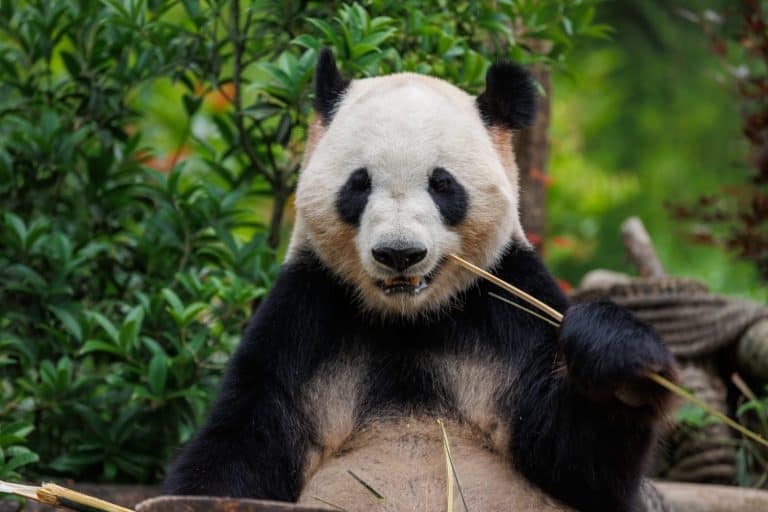
Giant Panda (Qinling panda) The Qinling Mountains hold one of China's most famous panda landscapes; visitors associate southern Shaanxi reserves with panda conservation and bamboo forest ecosystems.
Golden Snub-nosed Monkey A headline Qinling primate of high-elevation mixed forests; large, noisy troops are a signature of the region's intact montane habitat.
Crested Ibis A conservation icon: the species was rediscovered in Shaanxi and is now strongly associated with southern Shaanxi's rice paddies, wetlands, and nearby hills.
Golden Takin A massive, shaggy mountain bovid emblematic of the Qinling; often highlighted in protected-area interpretation as a 'Qinling big mammal' alongside panda and monkeys.
Golden Pheasant One of the most visually striking birds in China; a classic species of Shaanxi's forest edges and mixed woodland in the Qinling foothills.
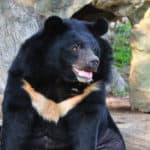
Asiatic Black Bear
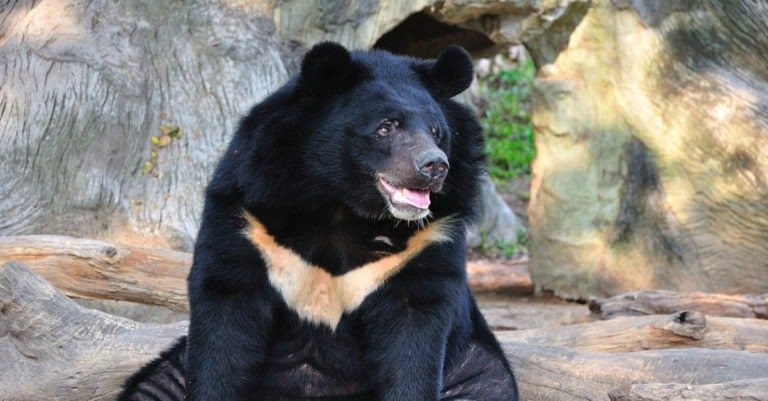
Asiatic Black Bear A wide-ranging Qinling forest carnivore/omnivore that represents the province's larger mammal community and the need for connected forest habitat.
Chinese Serow A secretive cliff-and-forest ungulate of the Qinling; prized by wildlife-watchers as a sign of remote, rugged terrain.
Chinese Goral A nimble, rocky-slope ungulate of southern Shaanxi; frequently cited among the Qinling's characteristic mountain fauna.
Chinese Giant Salamander
Chinese Giant Salamander The world's largest amphibian, associated with cool, well-oxygenated streams in mountainous southern Shaanxi; emblematic of headwater ecosystem health.

Endemic & Rare Species

Crested Ibis

Nipponia nippon

Endangered (global); Shaanxi is the modern stronghold after rediscovery

Rediscovered in southern Shaanxi in the late 20th century; intensive protection and breeding programs made the province central to the species' global recovery story.

Giant Panda (Qinling population)

Ailuropoda melanoleuca

Vulnerable (global); Qinling holds a distinctive, geographically isolated population

The Qinling population is notable for its isolation and ecological distinctness, making habitat corridors and genetic connectivity key conservation themes in Shaanxi.

Golden Snub-nosed Monkey

Rhinopithecus roxellana

Endangered (global)

Dependent on extensive, high-quality montane forests; Shaanxi's Qinling is one of the species' best-known landscapes and a major conservation focus.

Golden Takin (Qinling/Bedford's takin)

Budorcas taxicolor bedfordi

Vulnerable (global)

A flagship ungulate of the Qinling with strong cultural and conservation relevance; sensitive to habitat fragmentation and disturbance.

Chinese Giant Salamander

Andrias davidianus

Critically Endangered (global)

Threatened by historic overharvest, habitat degradation, and disease risks; remnant wild populations in mountainous Shaanxi streams are conservation priorities.

Forest Musk Deer

Moschus berezovskii

Endangered (global)

A rare, elusive deer of Qinling forests, historically pressured by poaching for musk; protected areas in southern Shaanxi are important refuges.

Dhole

Cuon alpinus

Endangered (global); very rare/patchy in central China

Where present, it signals relatively intact prey bases and low disturbance; records in the Qinling region are sporadic and conservation-significant.

Notable Populations

  • Qinling Mountains: one of China's key strongholds for temperate montane biodiversity and a major landscape for large mammals (panda-takin-snub-nosed monkey assemblage).
  • Shaanxi (southern Shaanxi/Hanzhong area): globally important core area for the modern recovery of the Crested Ibis, including breeding and expanding wild populations linked to local wetland-farmland mosaics.
  • Qinling panda population: among the best-known northern-range panda populations, highlighting the Qinling as a critical 'north boundary' landscape for the species.

Recent Changes

  • Crested Ibis: major recovery over recent decades through strict protection, habitat management, and captive breeding/release efforts; range has expanded beyond the original rediscovery area.
  • Landscape-scale restoration on parts of the Loess Plateau (reforestation/erosion control and land-use change) has generally improved woody cover and may benefit some woodland birds and mammals, while also altering open-habitat communities.
  • Chinese Giant Salamander: ongoing concerns about declines in truly wild populations due to legacy overexploitation and emerging disease/genetic issues associated with farming and releases; conservation is increasingly focused on protecting verified wild lineages and habitats.
  • Increasing infrastructure and tourism pressure in some Qinling valleys (roads, fragmentation, disturbance) remains a key risk for wide-ranging mammals; conservation planning has emphasized connectivity and reserve management.
  • Reports of localized recoveries of some protected ungulates (e.g., takin/serow/goral in well-managed reserves) where hunting pressure is controlled, though trends vary by site.
Visit

Wildlife Viewing

Shaanxi has great inland wildlife viewing with a sharp north-south change from the dry Loess Plateau and river areas to the forested Qinling Mountains. Visitors can see mountain mammals (some rare endemics), forest birds, and wetland migrant birds, often within a few hours of Xi'an. Iconic animals include giant panda, golden snub-nosed monkey, takin, and serow.

Best Seasons

Spring (Mar-May)

Prime all-around season: migratory birds move through river valleys and wetlands; forest birds are vocal and active in the Qinling; wildflowers emerge at mid-elevations. Comfortable hiking weather makes guided tracking for mammals (panda habitat walks, snub-nosed monkey areas) more feasible. Expect variable temperatures and occasional rain in the mountains.

Summer (Jun-Aug)

Best for high-elevation Qinling forests to escape heat in the Wei River valley. Lush vegetation and active amphibians/insects; good for early-morning birding and stream-side wildlife. However, dense foliage can make mammal spotting harder; afternoon storms and leeches can occur on humid trails.

Autumn (Sep-Nov)

Top season for clear skies and visibility: fall colors in the Qinling, excellent hiking conditions, and strong bird activity during southbound migration. Large mammals may be easier to detect as vegetation thins later in the season. This is often the most reliable time for a focused wildlife photography trip.

Winter (Dec-Feb)

Cold but rewarding: crisp air improves long-distance viewing; tracks in snow at higher elevations can aid mammal tracking. Wintering waterbirds gather on open wetlands and reservoirs; raptors are conspicuous over open country in northern Shaanxi. Dress for subzero windchill on the plateau and icy mountain roads.

Top Wildlife Experiences

  • Track Qinling flagship mammals with a local guide in/around Foping National Nature Reserve (southern Shaanxi): walk transects in mixed forests to look for signs and habitats of giant panda, takin, serow, and forest birds (best in spring/autumn).
  • Golden snub-nosed monkey viewing in the Qinling Mountains (Taibai-Zhouzhi-Ningshan area depending on access): dawn roadside/forest-edge scanning plus short hikes to known troops; pair with high-altitude birding (autumn is especially photogenic).
  • High-elevation wildlife and scenery on Taibai Mountain (Mt. Taibai area): hike or cable-access zones (where permitted) for alpine birds, pikas/rodents, and dramatic habitat transitions from deciduous forest to subalpine meadows (summer for alpine life; autumn for visibility).
  • Wetland birding and photography at Hongjian Nur (Hongjiannao) Lake in northern Shaanxi (Yulin/Shenmu area): scan shorelines for wintering and migratory waterbirds; combine with raptor watching over surrounding steppe-like landscapes (best spring/fall, also winter for concentrations).
  • Wei River valley and reservoir birding day-trip from Xi'an: visit accessible riverbanks, lakes, and wetland parks for migratory ducks, herons/egrets, and passerine movements in spring/autumn; ideal for half-day to full-day birding with a spotting scope.
  • Loess Plateau raptor and steppe bird search near Yan'an and northern hill country: drive-and-scan ridgelines for eagles/buzzards/falcons (seasonal) and look for open-country species; best in winter and migration seasons when birds are more visible.
  • Night wildlife walk/spotlighting (where legal and guided) in Qinling foothills: focus on owls, nocturnal mammals, and amphibians along forest edges and streams; best late spring to summer on warm, humid nights.
  • Forest birding circuit in the Qinling mid-elevations (Foping-Ningshan-Zhouzhi corridors): early-morning trail birding for mixed flocks, pheasants (heard more often than seen), and woodpeckers; strongest in spring and autumn migrations.
  • Crested ibis viewing in the Hanzhong basin (around Yangxian/Yang County): visit managed wetlands, rice paddies, and feeding areas to look for Crested Ibis (often most reliable in winter and early spring), along with other wetland birds.

Wildlife Watching Types

Mountain mammal tracking (panda habitat walks, primate viewing, ungulates) Birding hotspots (Qinling forest birding; Loess Plateau raptors; river/wetland migrants) Wetland and reservoir waterbird watching (ducks, geese, herons, shorebirds seasonally) Raptor watching and migration scanning from ridgelines/open country Nocturnal wildlife walks (owls, small mammals, amphibians) Wildlife photography trips (autumn color + clear air; winter birds/raptors) Herping and streamlife observation (especially summer in Qinling valleys)

Guided Options

  • Nature reserve-administered visitor programs and ranger-led interpretation in key Qinling protected areas (e.g., around Foping National Nature Reserve) where available-ask locally about permitted routes, viewing protocols, and seasonal access.
  • Xi'an-based birding guides and small-group natural history tours that run Qinling day trips or multi-day circuits (spring/autumn are the most common departure windows).
  • University/NGO-linked biodiversity education activities in the Qinling region (periodic public nature walks, citizen-science style bird counts, and lectures)-check local conservation centers and reserve visitor offices for schedules.
  • Licensed park/nature reserve guides for Taibai Mountain and surrounding scenic areas who can tailor routes to habitat zones (forest-subalpine) and timing (dawn birding, dusk mammal chances).
  • Specialized photography-focused wildlife trips (small groups) targeting Qinling mammals and autumn forest birds-typically arranged through regional tour operators with conservation-compliant viewing practices.
Habitats

Ecosystems

Shaanxi spans a north–south ecological gradient: dry loess hills and sandy lands in the north pass through the farmed Wei River valley to the Qinling Mountains and humid Han River headwaters in the south. Changes in elevation and moisture create steppe and shrub areas, temperate broadleaf and mixed forests, alpine zones, and river-reservoir wetlands for migratory and resident wildlife.

Biomes

Temperate Grassland

Semi-arid steppe and grass-shrub mosaics dominate much of northern Shaanxi on the Loess Plateau, often interspersed with erosion gullies and restoration plantings.

Broad in the north (Loess Plateau and northern basins), forming the main natural/semi-natural matrix outside riparian corridors.

Cold Desert

Sandy lands and desert-steppe at the northern margin (including areas influenced by the Mu Us sandy region) with sparse drought-tolerant shrubs and grasses.

Localized to parts of far northern Shaanxi and sandy patches; limited but ecologically distinctive.

Temperate Forest

Qinling and adjacent ranges support temperate deciduous broadleaf and mixed forests (oak, birch, maple, and mixed conifers), providing key habitat for montane fauna and strong elevational zonation.

Major in southern Shaanxi (Qinling Mountains and associated foothills), increasing with elevation and precipitation.

Alpine

Above treeline on the highest Qinling summits, alpine shrub and meadow communities occur in cold, windy conditions with short growing seasons.

Small, restricted to the highest ridgelines and peaks in the Qinling.

Freshwater

Large river networks (Wei River in the center; Han River system draining south), reservoirs, and mountain streams provide aquatic and riparian habitats and water for agriculture and cities.

Linear and patchy province-wide; densest along major valleys and mountain catchments.

Wetland

Floodplain wetlands, riparian marshes, oxbows, and reservoir-edge wetlands occur along the Wei and Han river systems, supporting waterbirds and amphibians where hydrology remains suitable.

Scattered, mostly along major rivers and around reservoirs; generally limited in area compared to uplands.

Habitats

Forest

Extensive montane forests in the Qinling, including protected areas with high biodiversity and strong altitudinal zonation.

Deciduous Forest

Broadleaf-dominated stands (e.g., oaks and other temperate hardwoods) common in mid-elevation Qinling slopes and valleys.

Coniferous Forest

Higher-elevation and cooler-slope conifers and mixed conifer-broadleaf forests in the Qinling; also common in reforestation blocks.

Woodland

Open woodlands and forest-shrub transitions on drier slopes and in restoration landscapes of the Loess Plateau.

Grassland

Natural/semi-natural grasslands on loess hills and plateaus, often fragmented by terracing and agriculture.

Steppe

Dry steppe and desert-steppe communities in northern Shaanxi with drought-adapted grasses and shrubs.

Shrubland

Widespread shrublands on eroded loess slopes and semi-arid areas; includes restoration shrub cover and native thickets.

Desert

Sandy-land desert habitats at the northern edge (Mu Us-influenced areas), with sparse vegetation and mobile/semifixed dunes.

Alpine Meadow

Small patches near/above treeline on the highest Qinling ridges, with cold-tolerant meadow flora and seasonal snow influence.

Mountain

Rugged Qinling terrain with steep elevational gradients, diverse microclimates, and important wildlife corridors between north and south China biotas.

Cliff/Rocky Outcrop

Rocky outcrops and cliff faces in mountain regions, providing nesting and refuge sites and supporting specialized plants.

Cave

Local caves and rock shelters in mountainous areas (including river-cut and limestone-associated features in places) used by bats and other fauna.

River/Stream

Wei River (central) and Han River tributaries (south) form major aquatic corridors; many stretches are heavily managed for irrigation and flood control.

Lake

Primarily reservoir lakes rather than natural lakes; important for fisheries, water supply, and seasonal waterbird habitat.

Pond

Farm ponds and small impoundments across agricultural landscapes, supporting amphibians and local irrigation needs.

Wetland

Riparian wetlands and floodplain depressions along major valleys; extent varies with river regulation and land use.

Marsh

Localized marshy fringes along slow-flowing reaches, oxbows, and reservoir margins where shallow water persists.

Urban

Major urban centers (notably Xi'an) and industrial corridors concentrated in the Wei River valley.

Suburban

Rapidly expanding peri-urban zones around Xi'an and other cities, often replacing former cropland and orchards.

Agricultural/Farmland

Intensive farming in the Wei River plain (grains, vegetables) and widespread terraced agriculture on the Loess Plateau; also southern valley agriculture.

Plantation

Economic tree and shrub plantings, including orchard belts (e.g., apples in loess areas) and reforestation/soil-retention plantings on slopes.

Ecoregions

Loess Plateau mixed forests Ordos Plateau steppe Qinling Mountains deciduous forests Daba Mountains evergreen forests
Protection

Conservation

Primary Threats

  • Most acute in the Wei River valley and Qinling foothills where urban growth (Xi'an-Xianyang-Weinan corridor), farmland consolidation, and tourism/resort development convert or degrade remaining natural habitat and narrow wildlife movement corridors between Qinling reserves.
  • Expressways, high-speed rail lines, tunnels, and associated service roads crossing/encircling the Qinling increase fragmentation and mortality risk (vehicle strikes) and create barrier effects for wide-ranging species; secondary development along new access routes expands disturbance into previously remote valleys.
  • Coal mining in northern Shaanxi (Loess Plateau) and historical/illegal quarrying and metal mining pressures in parts of the Qinling have caused habitat removal, slope instability, dust, and acid/metal runoff affecting headwater streams and riparian habitats; enforcement has improved but legacy sites remain a restoration burden.
  • The Wei River basin concentrates industrial discharge, urban wastewater, and agricultural non-point runoff (nutrients, pesticides), degrading aquatic habitats and riparian corridors; air pollution and dust deposition (including from the Loess Plateau and industry) also stress forests and human communities.
  • Warming and altered precipitation threaten Qinling montane ecosystems by shifting bamboo and forest belts upslope (important for pandas), increasing heat/drought stress in the Wei River valley, and amplifying extreme rainfall events that trigger erosion and landslides on loess soils.
  • River regulation, reservoirs, check-dams, and channelization (common in loess watersheds and around the Wei River) change flow regimes and sediment transport, affecting fish/amphibians and riparian vegetation; mountain hydropower/river engineering can fragment headwater streams.
  • Although 'Grain for Green' reduced steep-slope farming in many counties, pressure persists in productive lowlands and valley bottoms, and intensified orchards/greenhouse agriculture can reduce habitat heterogeneity and increase agrochemical runoff.
  • Rapid peri-urban expansion around Xi'an and other Guanzhong cities consumes wetlands, woodlots, and farmland buffers, increases light/noise pollution into the Qinling foothills, and raises water demand from already stressed river systems.
  • Commercial logging has declined substantially under national forest protection policies, but localized illegal cutting and fuelwood collection can still degrade lower-elevation forests and edge habitats, particularly near settlements and tourism nodes.
  • Illegal snaring and opportunistic hunting persist in some rural/mountain areas, posing risks to ungulates (e.g., takin, serow, deer) and ground birds; enforcement is complicated by rugged terrain and dispersed access points.
  • Demand for traditional products and pets can incentivize poaching/trafficking of musk deer (musk), pheasants, raptors, and reptiles; proximity to major transport hubs (Xi'an) increases the need for market and transit enforcement.
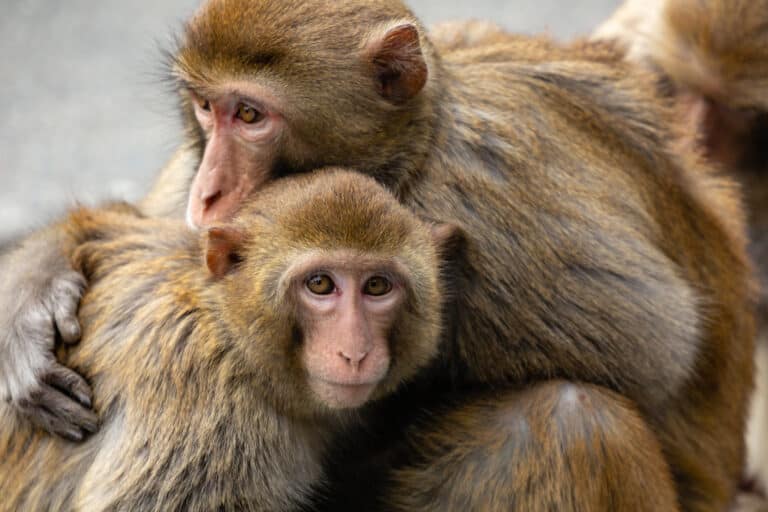
  • High recreation pressure in the Qinling (hiking, temples, scenic areas) brings noise, waste, and off-trail impacts; unmanaged feeding/close contact can alter behavior of macaques and other wildlife, increasing conflict and disease risk.
  • As forest cover and some wildlife populations rebound near the Qinling foothills, crop raiding by wild boar and macaques and occasional property damage by larger ungulates (e.g., takin) increase, creating tolerance challenges for communities at the reserve edges.
  • Disease risks include spillover from domestic dogs/livestock to wildlife (e.g., canine pathogens affecting carnivores), and heightened vulnerability of small, fragmented amphibian and carnivore populations where habitat disturbance increases stress and contact rates.
Fun Facts

Did You Know?

"One province, two biotas": the Qinling Mountains in Shaanxi form a sharp ecological divide between northern China's temperate fauna and southern/subtropical elements-so Qinling valleys can host species mixes that feel "north + south" in a single mountain system.

Qinling giant pandas don't just look a bit different from the classic Sichuan image-researchers describe consistent skull/teeth and coat-pattern differences in the Qinling population, alongside clear genetic distinctiveness.

Crested ibises in Shaanxi often forage in human-shaped landscapes (rice paddies, irrigation channels, winter-flooded fields) rather than remote marshes-so their survival is tightly linked to farming practices such as reduced pesticide use and keeping wet fields available.

Golden snub-nosed monkeys are "snow monkeys" of central China: Qinling troops remain active in deep winter, using dense fur, huddling, and constant movement to cope with freezing temperatures rather than hibernating or migrating long distances.

The Loess Plateau-to-Qinling gradient in Shaanxi creates dramatic habitat turnover over short distances: arid loess gullies in the north support a very different set of mammals and birds than the humid, bamboo-rich forests only a few hours south.

The crested ibis (Nipponia nippon) made one of conservation's most famous "back-from-the-brink" comebacks in Shaanxi: in 1981, scientists found the last known wild flock-just 7 birds-in Yangxian (Yang County).

The Qinling Mountains in southern Shaanxi are home to the Qinling giant panda population (often treated as the subspecies Ailuropoda melanoleuca qinlingensis), widely cited as the northernmost extant giant panda population on Earth.

Most of the world's documented brown-and-white giant pandas come from the Qinling Mountains of Shaanxi; the best-known living example is "Qizai," discovered in the wild in Foping County (Qinling) in 2009.

Shaanxi's Qinling-Daba mountain streams are within the native range of the Chinese giant salamander (Andrias davidianus), the world's largest amphibian.

Golden snub-nosed monkeys (Rhinopithecus roxellana) in the Qinling Mountains live at some of the highest elevations recorded for any non-human primate-regularly above 3,000 m and up to roughly 3,400 m in parts of their range-enduring heavy snow winters.

Thank you for reading! Have some feedback for us?