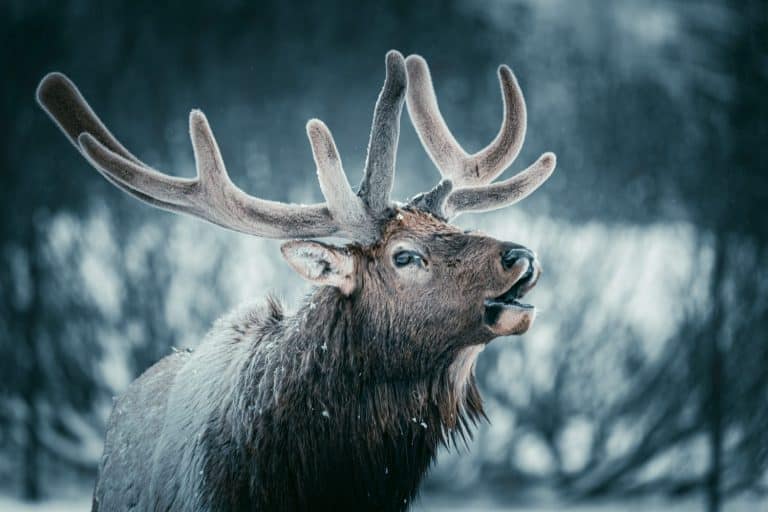
Reindeer
Antlers for all, built for the Arctic

Antlers for all, built for the Arctic
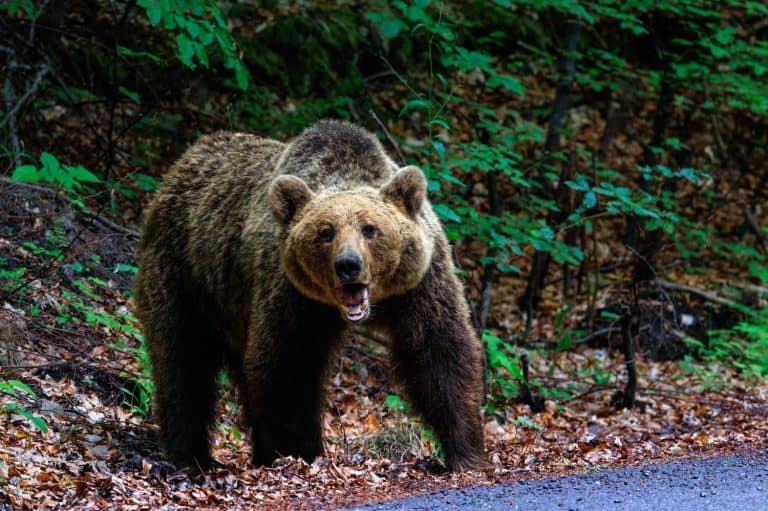
Hump-shouldered king of the wild buffet
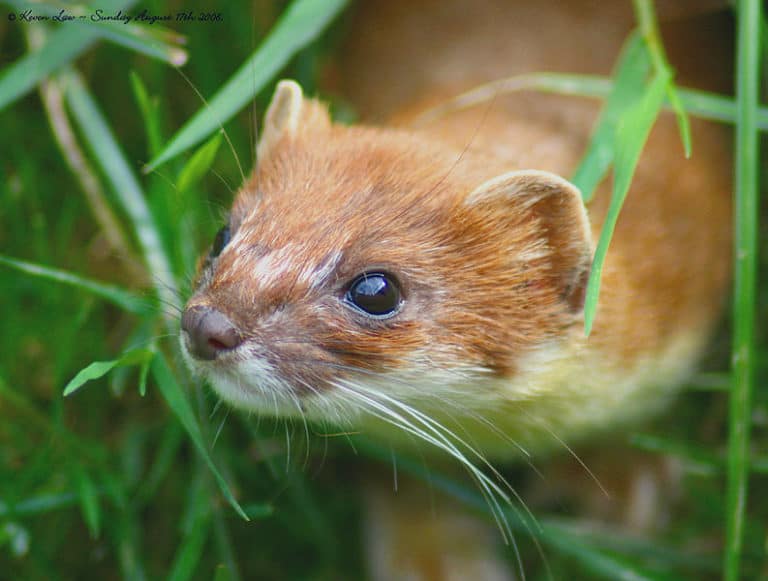
White in winter, black-tipped always
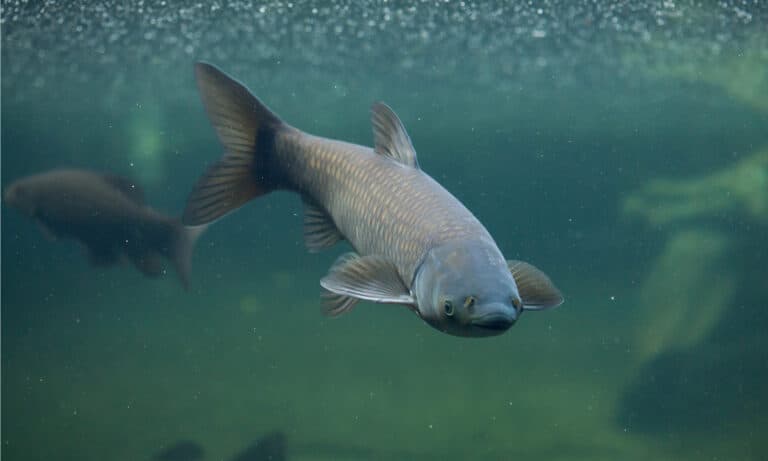
The underwater lawnmower-handle with care
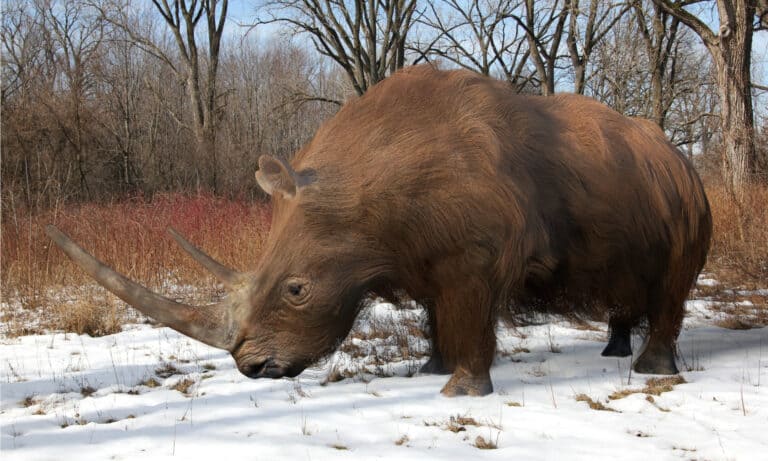
Shaggy titan of the mammoth steppe
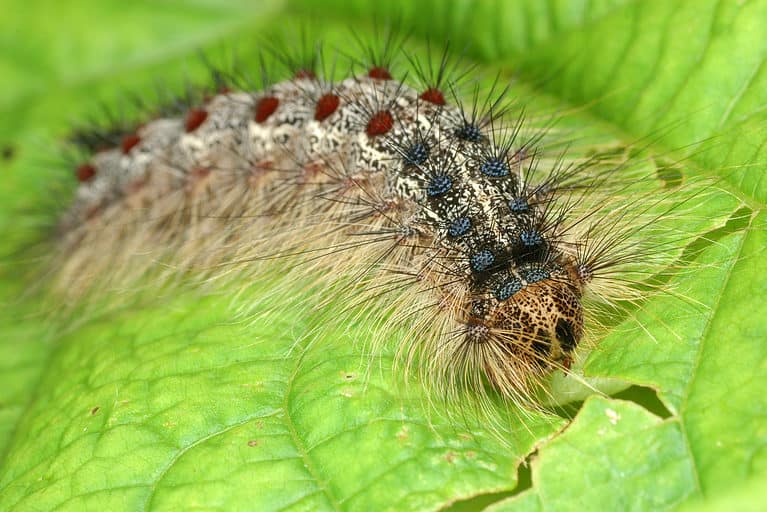
Blue then red spots-forest defoliator
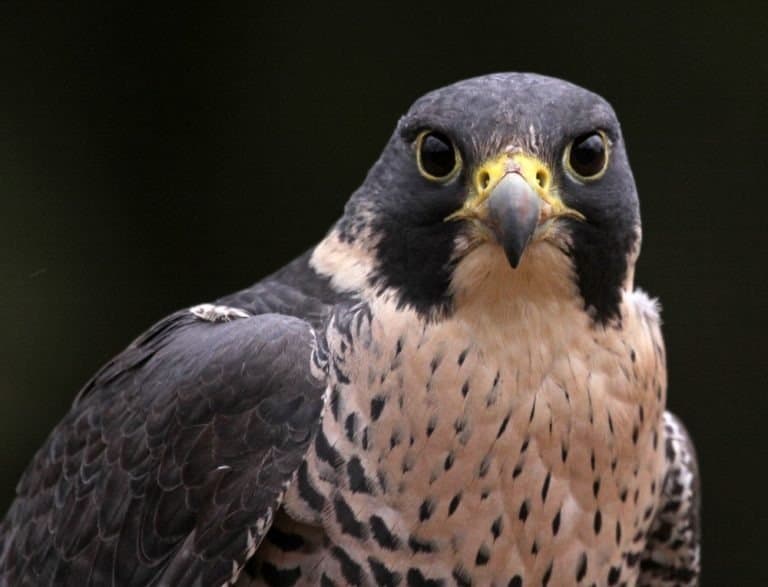
Built for the stoop.
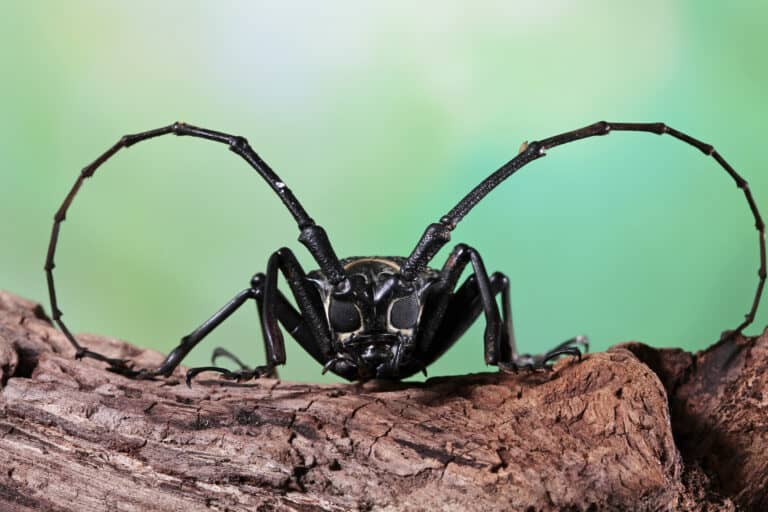
Spot it early. Save the hardwoods.
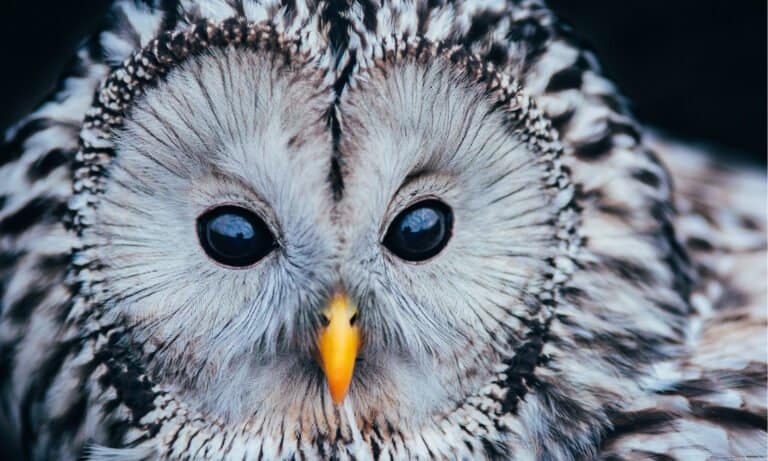
Long tail, deep woods, silent strike
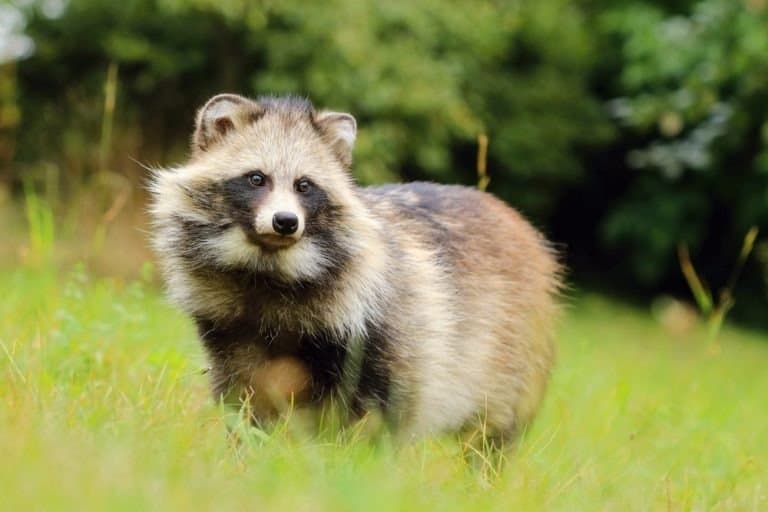
Masked canid, master of winter torpor
Heilongjiang has cold seasons, wide river valleys, and large forest-wetland areas. At China’s northern edge it holds both boreal and temperate animals, where Asian forest species mix with Siberian kinds. Big, intact places still support secret top predators and roaming plant-eaters, making the province vital for big-mammal conservation. Mixed conifer-broadleaf forests in the Lesser Khingan and Zhangguangcai ranges give cover and prey for Amur tiger and Amur leopard, plus deer, wild boar, and small carnivores. The floodplains and marshes of the Amur (Heilongjiang), Ussuri, and Songhua rivers are vast wetlands that raise fish and amphibians and serve as stopovers and breeding sites for migratory waterbirds. The high-latitude river-wetland network and tiger-country forests on the Russia border make Heilongjiang unique, with easy wetland birding in spring and autumn and one of the last continuous Amur-region landscapes.
Heilongjiang's cold high-latitude climate creates habitat shifts from boreal forests to river plains and marshes. The Amur (Heilong), Songhua, Ussuri, and Nen rivers and the Sanjiang Plain wetlands form a key freshwater network that gathers fish, amphibians and large mammals and provides habitat for migratory waterbirds. Long winters, ice, and mixed forests favor cold-adapted forest and wetland wildlife.
~50 m (lowland plains and wetlands) to ~1,690 m (Datudingzi Mountain)
No ocean coastline; major inland waters include Xingkai/Khanka Lake (border lake with Russia) and extensive floodplain lakes, marshes, and reservoir systems tied to the Amur-Songhua-Ussuri-Nen basins.
Heilongjiang’s protected areas include national reserves for Amur tiger and leopard, key wetlands on the Amur, Ussuri, Songhua and Nen rivers, forest parks in the Khingan ranges, and Ramsar wetland sites on the East Asian–Australasian Flyway. They protect cold‑temperate forests, peatlands, reed marshes, floodplain river‑lake systems, cranes, storks, geese, swans, large carnivores and hoofed mammals.
Approx. 15-20% of the province's land area is under some form of protected-area designation (nature reserves, forest parks, wetland parks, scenic areas).
China's key recovery landscape for Amur tiger and Amur leopard, protecting forested border mountains and prey-rich habitats; best-known in the province for big-cat conservation and camera-trap monitoring rather than casual wildlife viewing.
One of Northeast Asia's most important reed-marsh wetland complexes and a premier crane breeding area; globally famous for conservation of large waterbirds and wetland restoration/management.
A vast border lake-marsh system shared with Russia (Lake Khanka), crucial for migratory waterbirds and reedbed specialists; excellent for seasonal bird concentrations during spring and autumn migration.
Wetland reserve on the Sanjiang Plain that protects large floodplain marshes and associated habitats important for migratory and breeding waterbirds.
A representative Sanjiang Plain marsh-meadow-forest mosaic, valued for breeding waterbirds and wetland plant communities; a strong site for conservation-oriented birding in migration seasons.
Old-growth Korean pine-broadleaf forest in the Lesser Khingan region, important for forest biodiversity, cavity-nesting birds, and intact understory communities; valued for temperate-forest conservation research.
Volcanic lake, river corridors and surrounding forests that support mixed woodland birds and raptors; notable as a protected landscape where aquatic habitats meet forest edges (best in migration periods).
Well-known conserved forest block in the Lesser Khingan region featuring mature conifer-broadleaf stands; good for observing forest birds and signs of mammals in a managed protected-forest setting.
Accessible protected forest landscape near Harbin that supports regional woodland biodiversity; useful for education and relatively easy wildlife/bird viewing in mixed forests.
Internationally recognized wetland supporting large congregations of cranes, storks and geese; functions as a flagship "wildlife refuge" landscape for wetland-dependent species in Northeast China.
A major transboundary lake-wetland refuge complex for migratory waterbirds, especially during spring/autumn staging; conservation importance is tied to water-level management and reedbed integrity.
A network of protected marshes, peatlands and floodplain habitats that together act as a regional refuge for threatened shorebirds and waterfowl on the flyway, buffering remaining natural wetlands from agricultural conversion.
Heilongjiang sits at the junction of the boreal (taiga-like) forests of Northeast Asia, vast river floodplains (Amur/Heilong and Songhua systems), and some of China's most important freshwater wetlands (e.g., Sanjiang Plain, Zhalong). The province's wildlife character is strongly "northern": large forest mammals (bears, deer, lynx), cold-adapted predators (Amur tiger), and spectacular concentrations of migratory waterbirds (cranes, storks, swans, geese) using breeding, staging, and molting habitats. River and lake ecosystems also support notable cold-water fish, including globally imperiled sturgeons and the iconic taimen.
Heilongjiang offers special wildlife viewing in its boreal and temperate forests, large floodplain wetlands, and big rivers (Amur/Heilong and Songhua). Plan trips for spring and autumn bird migrations, summer wetland megafauna and raptors, and winter cranes and possible Amur tiger tracks. Guided, conservation-focused tours use hides, boardwalks, and observation points.
Peak northbound migration: large concentrations of geese, swans, ducks, cranes, and raptors staging on wetlands and river flats. Expect dynamic day-to-day bird numbers, crisp mornings, muddy access roads near marshes, and excellent photography light.
Breeding season in wetlands and forests: best for songbirds, woodpeckers, owls, and wetland mammals (deer, fox). Long daylight hours, lush landscapes, and easier access to boardwalks-though insects can be intense in marshy areas.
Southbound migration and dramatic colors in forested regions. Reliable chances for cranes, swans, and raptors funneling along river systems; cooler, clearer weather is ideal for observation towers and river viewpoints.
Signature Heilongjiang experience: snowbound wetlands with cranes and other hardy waterbirds near ice-free patches, plus chances to look for tracks/sign of Amur tiger and other forest wildlife with a licensed guide. Cold is severe; visibility can be excellent on calm days, and river ice landscapes are spectacular.
Heilongjiang lies in a cold-temperate to boreal transition in Northeast Asia, with conifer and mixed forests on the Greater and Lesser Khingan, large lowland plains (Songnen and Sanjiang) fed by the Songhua-Nen-Ussuri-Amur rivers, and key inland wetlands for migratory waterbirds. Taiga-like forests, broadleaf stands, meadow-steppe, and floodplains make varied habitats and big seasonal changes.
Taiga-like conifer forests (larch, spruce, fir, pine) dominate cooler uplands and northern latitudes, with frequent natural disturbance (fire) shaping forest structure in parts of the Khingan ranges.
Widespread in the Greater Khingan (Daxing'anling) and northern uplands; a major biome in the north and northeast.
Cold-temperate mixed forests and broadleaf stands (e.g., birch, aspen, oak locally, mixed with conifers) occur in warmer/lower elevations and southern/eastern mountains and foothills.
Common in the Lesser Khingan (Xiaoxing'anling) and southeastern ranges/foothills; patchy to extensive depending on elevation and land use.
Meadow-steppe and grassland mosaics occur on drier plains and sandy/alkaline soils, often intergrading with farmland; important for open-country birds and grazing landscapes.
Most evident on the Songnen Plain and other lowland plains; now heavily modified by agriculture.
Large river systems (Amur/Heilong, Songhua, Nen, Ussuri/Wusuli) and associated lakes and oxbows support rich fish communities and provide migratory corridors.
Province-wide along major river basins and floodplains; especially prominent in northern and eastern border rivers.
Extensive floodplain marshes, peatlands, and seasonally inundated wetlands (notably on the Sanjiang Plain) provide key breeding and stopover habitat for migratory cranes, geese, and ducks.
Concentrated in the Sanjiang Plain and along major river floodplains; scattered peatlands and marshes elsewhere.
Small areas of subalpine-like meadow/shrub communities and cold, wind-exposed ridgelines occur on the highest peaks of the Khingan and southeastern mountain systems, creating localized treeline/near-treeline conditions.
Limited to high elevations; minor overall area compared with forest and lowland plains.
Broad forest matrix across mountain ranges and uplands, ranging from larch-dominated stands to mixed broadleaf-conifer forests with strong fire and winter-cold influences.
Larch and pine/spruce-fir forests are characteristic of the Greater Khingan and colder uplands, with extensive secondary growth in some managed areas.
Birch-aspen and other cold-temperate deciduous stands occur widely as successional forests, especially after disturbance and on lower slopes/valleys.
Open-canopy forest/forest-steppe edges occur where plains meet foothills, often forming transitional belts between cropland/grassland and closed forest.
Meadow-steppe on the Songnen Plain and other open lowlands, often fragmented by cultivation and drainage.
Drier meadow-steppe and saline/alkaline steppe-like patches on parts of the Songnen Plain, supporting specialized plant communities adapted to soil salinity.
Willow/alder shrubs on riparian bars and post-fire shrub communities in some uplands; also shrub encroachment on degraded grasslands.
Greater and Lesser Khingan and southeastern ranges create elevation-driven habitat gradients, cold-air valleys, and important headwaters.
Major transboundary and internal rivers (Amur/Heilong, Songhua, Nen, Ussuri/Wusuli) with broad floodplains, islands, and riparian forests.
Natural and reservoir lakes across plains and river basins, including shallow lakes important for waterbirds and fisheries.
Oxbows, floodplain ponds, and small farm/irrigation ponds that add fine-scale wet habitat diversity on the plains.
Large wetland complexes on the Sanjiang Plain and along river floodplains; critical for cranes and other migratory birds.
Reed/sedge marshes in floodplains and shallow lake margins, often seasonally inundated and highly productive.
Peat-accumulating mires and boggy wetlands in cooler areas and poorly drained plains/uplands, with acidic, nutrient-poor conditions.
Forested and shrub swamps along slow-moving channels and backwaters, including willow/alder-dominated riparian swamps.
Extensive croplands on the Songnen and Sanjiang plains (notably grain and soybean systems), often replacing former grasslands and wetlands.
Major urban centers (e.g., Harbin and other cities) create concentrated built habitat and modified riverbanks.
Expanding peri-urban belts around cities and county seats, with mixed housing, industry, and remnant riparian/wetland fragments.
Border rivers aren't real barriers in winter: camera-trap and track records from the Heilongjiang-Ussuri river corridors show that large mammals (including Amur tigers) can move across international boundaries when the rivers freeze, turning "water borders" into seasonal wildlife bridges.
Some of Heilongjiang's largest birds, oriental storks (Ciconia boyciana), nest in human places—on power pylons and artificial platforms in the Sanjiang Plain and around Xingkai (Khanka) Lake where tall trees are rare.
Red-crowned cranes that breed in Heilongjiang travel across the sea to winter in Korea and Japan. Their migration links the province's wetlands with other countries, so many nations must help protect them.
The "reeds" are not just scenery-they're an ecosystem engineer: Heilongjiang's vast reedbeds (notably in Zhalong) create windbreaks, nesting cover, and invertebrate-rich food webs that directly determine where cranes, herons, and ducks can successfully breed.
Cold doesn't stop Heilongjiang's wetlands; it rearranges life. Fish and water invertebrates stay under ice, while birds and mammals move to river edges, springs, and open channels, creating winter hotspots for predators and scavengers.
Heilongjiang is part of China's main wild moose range: moose (Alces alces), the world's largest deer species, occur in the Greater and Lesser Khingan Mountains (spilling into adjacent Inner Mongolia).
The Amur (Heilongjiang) River is home to the giant kaluga sturgeon (Huso dauricus), which can grow over 5 m long and weigh around or above 1,000 kg, one of the largest freshwater fish.
Heilongjiang's Sanjiang Plain (at the meeting of the Amur/Heilongjiang, Songhua, and Ussuri rivers) is widely recognized as China's largest contiguous freshwater marsh region-an outsized "migration engine" for Northeast Asian waterfowl.
Zhalong National Nature Reserve near Qiqihar is a key East Asian breeding area for the rare red-crowned crane (Grus japonensis). It holds many of China's breeding birds in one reed-wetland.
Heilongjiang is one of the very few places in China where the world's largest cat- the Amur (Siberian) tiger (Panthera tigris altaica)-still occurs in the wild, using the province's forest-wetland mosaic and border river corridors.
64 species documented in our encyclopedia
Thank you for reading! Have some feedback for us?
We appreciate your help in improving our content.
Our editorial team will review your suggestions and make any necessary updates.
There was an error submitting your feedback. Please try again.