N S W E
Wildlife Expeditions

Wildlife of
Hebei Sheng

From Taihang and Yan mountain forests to Bohai Sea mudflats, Hebei is a northern China wildlife crossroads where raptors, cranes, and shorebirds move along a major flyway.
25 Species
187,700 km² Land Area
Overview

About Hebei Sheng

Hebei's wildlife is shaped by its belt around Beijing and Tianjin, ranging from high rocky mountains to wide plains and the Bohai Sea coast. This mix supports temperate East Asian animals: forest mammals and songbirds in the uplands, grass-edge species in farm areas, and very large numbers of migratory birds along the coast. You can move from raptor watching in mountains to scanning shorebirds on tidal flats in one trip.

Key places are the Taihang and Yan Mountains, with mixed forests, cliffs, and valleys for raptors, owls, woodland birds, and mammals. On the plains, rivers, reservoirs, and wetlands are stepping-stones for migrants and wintering waterfowl. The Bohai Sea coastal wetlands — saltmarshes, estuaries, and mudflats — are an important refueling area on the East Asian-Australasian Flyway, drawing huge numbers of shorebirds and waterbirds in spring and autumn. Hebei's compact range of habitats makes migration visible at a large scale.

Physical Features

Geography

Hebei's wildlife changes from north to south and from the coast inland. Coastal mudflats and reedbeds along the Bohai Sea are important stopover and wintering sites on the East Asian-Australasian Flyway. The North China Plain has farmland, rivers, and remaining wetlands. The Taihang and Yan Mountains offer cooler forests and rocky areas that shelter temperate species.

187,700 km² Land Area
~10th-largest provincial-level division in China (by land area) Size Rank
China Country
Province Type
Elevation Range

Sea level (Bohai coast) to ~2,882 m (Xiaowutai Mountain)

Coastline

Bohai Sea (semi-enclosed Yellow Sea basin) coastline with extensive tidal flats and wetland shorelines

Key Landscapes

Bohai Sea coastline (including Bohai Bay) with tidal flats, estuaries, saltmarshes, and coastal lagoons important for migratory shorebirds and waterfowl Coastal wetland complexes around Tangshan-Caofeidian and Qinhuangdao/Beidaihe, key staging and wintering habitat on the East Asian-Australasian Flyway North China Plain (Hai River plain): extensive lowland fields, shelterbelts, villages, and remnant marshes that influence steppe/edge species and human-wildlife interactions Hai River system and tributaries (e.g., Yongding, Hutuo, Ziya and other basin rivers/canals): riparian corridors linking mountains, plains, and coast Taihang Mountains (western Hebei): steep ridges, ravines, mixed forests and shrublands that support upland forest and montane species Yan Mountains (northern Hebei): forested mountains and passes forming a major ecological barrier/bridge between Inner Mongolia plateaus and lowland plains
State Symbols

Official Wildlife Symbols

wildflower

Chinese rose

tree

Chinese scholar tree

Parks & Reserves

Protected Areas

Hebei's protected areas—national nature reserves, forest parks, wetland parks, and provincial reserves—protect three key habitats: Bohai Sea coastal mudflats, lagoons, and dunes on the East Asian‑Australasian Flyway; large freshwater wetlands on the North China Plain (Baiyangdian, Hengshui Lake); and the Yan and Taihang mountain forests/grasslands and Bashang plateau. Focus is on migratory waterbirds, shorebirds, and forest mammals and birds.

Protected Coverage

≈12-15% (rough estimate across all protected-area designations; coverage varies by source and category)

National Parks & Preserves

Hebei Beidaihe National Nature Reserve (Qinhuangdao)

≈30 km² (core protected area; surrounding habitats used by migrants are broader)

One of northern China's most famous birding sites, protecting coastal woods, wetlands, and shoreline that act as a critical migratory stopover and landfall point; notable for intense spring/autumn passerine and raptor movements and high viewing potential.

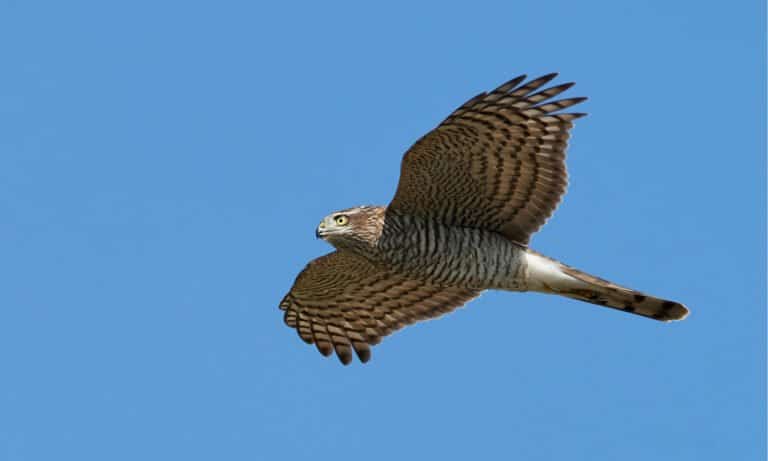
Oriental stork Chinese egret Eurasian sparrowhawk Common kestrel Whooper swan

Hebei Changli Golden Coast National Nature Reserve (Qinhuangdao)

≈45-50 km²

Protects a rare coastal dune system, sandy beaches, nearshore waters, and associated wetlands-important breeding and staging habitat for shorebirds and gulls along the Bohai Sea coast.

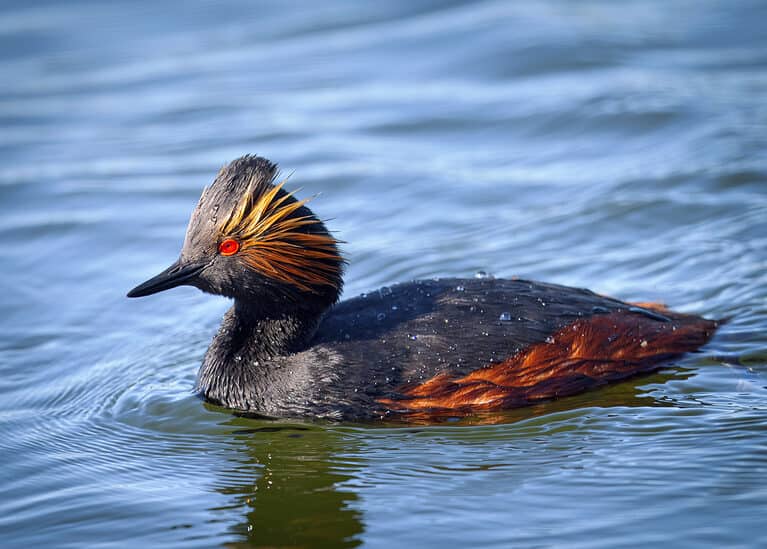
Saunders's gull Kentish plover Great crested grebe Black-tailed gull Common redshank

Xiaowutai Mountain National Nature Reserve (Zhangjiakou-Yuxian area)

≈210-220 km²

A high-elevation temperate forest and alpine meadow reserve in the Taihang-Yanshan transition zone, valued for intact mountain habitats, diverse breeding birds, and large-mammal persistence close to the North China Plain.

Chinese goral Roe deer Wild boar Golden eagle Eurasian kestrel

Wulingshan National Nature Reserve (Chengde area)

≈120-150 km²

A well-forested Yan Mountains reserve with strong elevational gradients, supporting rich temperate bird communities and serving as an important ecological 'water tower' and refuge habitat north of Beijing.

Mandarin duck Chinese goral Leopard cat Eurasian jay Northern goshawk

Saihanba National Forest Park / Saihanba Forest Region (Chengde, Bashang plateau)

≈750 km² (park/forest region; management units may differ)

A large highland mosaic of forests, wetlands, and grasslands that supports broad-scale landscape connectivity and provides breeding/stopover habitat for many northern forest and wetland birds; also known for large, continuous habitats suitable for wide-ranging mammals.

Red deer (wapiti) Roe deer Black stork Eurasian lynx Great spotted woodpecker

State & Provincial Parks

Baiyangdian Wetland (Xiong'an New Area / Baoding) - protected wetland & park zones

≈300-360 km² (lake/wetland complex; protected zones are a subset)

Northern China's best-known inland reed-lake wetland complex, important for breeding herons/egrets and as a migration and wintering site for waterfowl; extensive reedbeds and open water provide high wildlife-viewing value by boat and boardwalk in designated areas.

Whooper swan Mute swan Grey heron Eurasian bittern Common pochard

Yesanpo (Yanshan-Taihang foothills, Baoding) - forest park / scenic protected landscape

≈400-500 km² (scenic area scale; strictly protected parcels vary)

A rugged foothill landscape of forests, rivers, and cliffs that supports diverse raptors and woodland birds, with pockets of relatively undisturbed habitat used by mid-sized mammals.

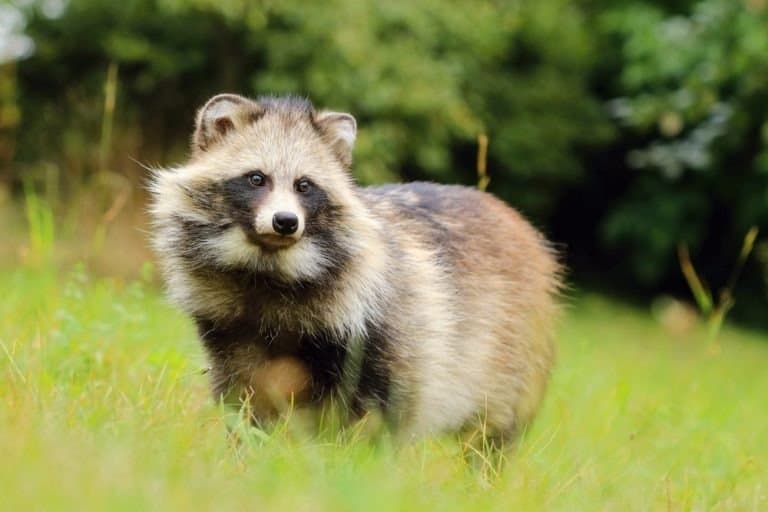
Chinese goral Common buzzard Eurasian hobby Raccoon dog Eurasian hoopoe

Taihang Mountain forest-canyon protected landscapes (Xingtai/Handan sections) - provincial-level reserves/parks

Variable by park unit; commonly tens to >100 km² per protected block

Steep, forested ridges and canyon systems in the Taihang Mountains that provide relatively continuous mountain habitat and raptor updraft corridors; notable for temperate forest bird diversity and cliff-nesting species.

Golden eagle Peregrine falcon Chinese goral Wild boar Grey-backed thrush

Wildlife Refuges

Hengshui Lake National Nature Reserve (Hengshui)

≈184 km² (18,365 ha; reserve/Ramsar site area)

A major freshwater lake-and-reedbed reserve on the North China Plain, regionally important for wintering swans and geese and for migratory waterbirds; among Hebei's best locations for close-range waterbird observation.

Whooper swan Greylag goose Northern pintail Eurasian coot Oriental stork

Nandagang Wetland National Nature Reserve (Cangzhou / Bohai Bay)

≈392 km² (39,200 ha; commonly cited official/Ramsar-scale area)

A key Bohai Bay coastal wetland complex (saltmarsh, ponds, mudflats) that supports large congregations of migratory shorebirds and waterfowl; important for threatened coastal species along the flyway.

Saunders's gull Relict gull Black-faced spoonbill Oriental stork Common shelduck

Luanhekou (Luan River Estuary) Wetland & Bird Reserve (Tangshan area)

≈50-150 km² (varies by designation and wetland extent)

Estuary and coastal wetland habitat where riverine nutrients support productive mudflats and shallows; valuable as a staging and wintering site for shorebirds, cranes/storks, and other waterbirds.

Oriental stork Saunders's gull Grey plover Eurasian curlew Great egret

Caofeidian Coastal Wetland protected areas / wetland park (Tangshan / Bohai Bay)

Variable; protected wetland blocks commonly tens of km²

A network of managed coastal wetlands and mudflats used by migratory shorebirds and waterfowl on Bohai Bay; conservation focuses on maintaining roosting, foraging, and high-tide refuge habitat in a heavily developed coastal region.

Bar-tailed godwit Red knot Dunlin Great knot Eurasian wigeon

Wilderness Areas

  • High-elevation ridgelines and upper watersheds of the Yan Mountains (including road-light forest blocks around Wulingshan and adjacent reserves)
  • Xiaowutai Mountain massif backcountry (alpine meadows and upper forest zones with limited road access)
  • Bashang plateau forest-wetland mosaic around Saihanba (large, relatively continuous habitat away from dense settlement)
  • Bohai Bay intertidal mudflats and saltmarsh stretches (especially less-developed sections near major wetland reserves, seasonally roadless at high water)
  • Taihang Mountains steep canyon-country (patchwork of roadless side-valleys and cliff systems across the Xingtai/Handan sections)
Animals

Wildlife

Hebei's wildlife is shaped by a strong north-south and coast-mountain gradient: the Bohai Sea coast and estuaries support globally important migratory waterbirds on the East Asian-Australasian Flyway, while the Yan and Taihang Mountains hold temperate forest and rocky-slope fauna, and the North China Plain supports farmland and wetland assemblages. Birding is especially prominent (e.g., Beidaihe/Qinhuangdao coast), with heavy spring and autumn migration of raptors, passerines, and shorebirds. Key pressures include coastal reclamation, disturbance, and wetland loss, contrasted with localized habitat restoration and improved protection in some reserves.

~120-160 species (recorded/expected across mountains, plains, and coastal zones) Mammals
~450-520 species (Beidaihe-Qinhuangdao area is among China's best-known migration watchpoints) Birds
~30-45 species Reptiles
~15-25 species Amphibians
~200-350 species (combined coastal Bohai/estuarine and inland river-reservoir fauna; exact totals vary by checklist) Fish
Examples

Iconic Species

Red-crowned Crane An emblematic East Asian crane seen during migration and in coastal wetland complexes along the Bohai rim; its presence highlights the international importance of Hebei's remaining tidal flats and marshes.
Oriental Stork A flagship large waterbird of North China's coastal wetlands; often sought by visitors at Bohai coastal sites and inland reservoirs during migration and winter.
Saunders's Gull A Bohai-specialty gull strongly associated with saltmarsh/tidal-flat habitats; Hebei's coast is part of the species' core range and a key reason birders visit in spring and autumn.
Relict Gull A conservation-significant gull of North China and Inner Asian basins; it occurs on migration and locally where suitable saline/lagoon conditions persist along the Bohai region.
Great Bustard A massive steppe/farmland bird that can occur on Hebei's plains and open landscapes (especially in winter); it is a marquee target for grassland/farmland wildlife watchers.
Saker Falcon A high-profile raptor of open country; migrant and wintering individuals are sought on the Bashang Plateau and open northern landscapes of Hebei.
Brown Eared Pheasant A North China montane forest pheasant associated with the Yan/Taihang ranges; its regional presence anchors Hebei's mountain biodiversity identity.
Chinese Goral A charismatic cliff- and forest-edge ungulate in rocky mountain habitats of North China; a representative mammal of Hebei's rugged ranges.
North China Leopard A rare big cat of the Taihang-Yan mountain system; sightings are unlikely but it is a defining flagship for carnivore conservation in northern China.

Endemic & Rare Species

North China Leopard

Panthera pardus japonensis

Regionally rare; threatened in China (often treated as a highly imperiled leopard subspecies/population)

Hebei's mountainous belt forms part of the remaining North China leopard landscape; camera-trap records and corridor protection are central to maintaining viability.

Brown Eared Pheasant

Crossoptilon mantchuricum

Vulnerable (IUCN)

A near-endemic to northern China's mountain forests; Hebei's Yan/Taihang habitats contribute to its fragmented, conservation-dependent distribution.

Oriental Stork

Ciconia boyciana

Endangered (IUCN)

Uses Hebei's coastal and inland wetlands as stopover/winter habitat; its recovery depends on low-disturbance roosting and foraging sites.

Red-crowned Crane

Grus japonensis

Endangered (IUCN)

A flyway flagship whose occurrence in Hebei is tied to intact coastal marshes and managed wetlands; sensitive to disturbance and habitat conversion.

Saunders's Gull

Chroicocephalus saundersi

Vulnerable (IUCN)

Strongly linked to saltmarsh and tidal flats along the Bohai; habitat loss and fragmentation make Hebei's remaining coastal sites important.

Relict Gull

Ichthyaetus relictus

Vulnerable (IUCN)

A regionally distinctive gull with a restricted global range; Hebei's coastal lagoons/tidal zones are part of the broader Bohai migration and dispersal network.

Great Bustard

Otis tarda

Vulnerable (IUCN)

A high-profile farmland/steppe species vulnerable to disturbance and collisions; wintering and passage birds on Hebei's open plains heighten conservation value of low-intensity landscapes.

Chinese Giant Salamander

Andrias davidianus

Critically Endangered (IUCN)

Historically associated with clean montane streams in North China, now severely reduced; remnant or recovering occurrences in Hebei's mountain watersheds are conservation-sensitive and often hard to verify.

Notable Populations

  • Bohai Sea coastal wetlands in Hebei (including Qinhuangdao/Beidaihe and other coastal sectors) are a major stopover on the East Asian-Australasian Flyway, supporting large seasonal movements of shorebirds, waterfowl, and gulls.
  • Beidaihe-Qinhuangdao is nationally famous for concentrated bird migration, including visible raptor passage and diverse passerine fallouts, making it one of China's premier birdwatching sites.
  • Hebei's northern open landscapes (e.g., parts of the Bashang Plateau/Zhangjiakou region) support notable raptor passage and wintering assemblages of open-country birds, complementing the coastal flyway importance.
  • Mountain reserves in the Yan and Taihang ranges represent an important North China stronghold for montane forest biodiversity, including threatened pheasants and regionally rare carnivores.

Recent Changes

  • Coastal reclamation, port/industrial expansion, and disturbance have reduced and fragmented tidal-flat and saltmarsh habitat, contributing to regional declines or increased volatility in shorebird and coastal-wetland bird numbers.
  • Targeted wetland protection and localized restoration (e.g., managing roosting/foraging areas, reducing disturbance in key zones) have improved site quality in some areas, benefiting storks, cranes, and wintering waterfowl where implemented.
  • Oriental Stork numbers have generally improved in China in recent decades due to protection and recovery efforts, with Hebei continuing to function as an important migration/winter region.
  • Mountain reforestation and improved enforcement in some reserves have supported recoveries of certain forest birds and mammals, while large-carnivore presence (e.g., North China leopard) is increasingly documented via camera traps rather than direct observation.
  • Ongoing pressures from infrastructure, collisions (powerlines/windfarms in open landscapes), and agricultural intensification continue to affect large birds such as bustards and migratory raptors in parts of the province.
Visit

Wildlife Viewing

Hebei has varied wildlife viewing near Beijing and Tianjin. Bohai Sea coast wetlands on the East Asian-Australasian Flyway bring huge flocks of migratory shorebirds, ducks, geese, and raptors. The Yan and Taihang mountains offer forests and cliffs for pheasants, owls, woodpeckers, and sometimes larger mammals. Rivers and reservoirs give year-round birding and seasonal amphibians.

Best Seasons

Spring (Mar-May)

Peak northbound migration along the Bohai coast: shorebirds (sandpipers, plovers), waterfowl, and passerines funnel through coastal mudflats and reedbeds. Raptors move along ridgelines in the Yan/Taihang mountains. Wildflowers and clearer air make mountain hikes and bird photography excellent.

Summer (Jun-Aug)

Breeding season in mountains and wetlands: woodland birds (woodpeckers, tits, cuckoos), herons/egrets in reedbeds, and dragonflies/butterflies around ponds and forest edges. Early mornings are best; mid-day heat/haze can reduce viewing on open plains and coast.

Autumn (Sep-Nov)

Southbound migration is often the most dramatic: mixed flocks of shorebirds and ducks, staging geese, and strong raptor passage on mountain ridges. Coastal wetlands can produce outstanding photography as birds feed intensively before moving on. Comfortable hiking weather returns.

Winter (Dec-Feb)

Overwintering waterfowl and gulls on ice-edge waters, reservoirs, and unfrozen coastal sections; chances for hardy species on open farmland and reedbeds. Great season for spotting raptors over fields and for quiet, crowd-light birding days-dress for wind on the Bohai coast.

Top Wildlife Experiences

  • Sunrise shorebird watching on Bohai Bay mudflats and coastal wetlands (Qinhuangdao/Beidaihe area): arrive on a falling or rising tide to see feeding flocks, then follow birds to roost sites for close views and photography.
  • Raptor watching from ridgelines in the Yan Mountains (north Hebei): spend a half-day moving between viewpoints during spring/autumn migration to scan for eagles, buzzards, and falcons riding thermals along the range.
  • Beidaihe birding circuit (Qinhuangdao): combine seaside woodland patches, city-edge parks, and coastal lagoons to pick up migrating passerines in the morning and waterbirds later in the day-ideal for visitors on a tight schedule.
  • Wetland reedbed walk for herons and bitterns (coastal plain wetlands near Tangshan/Cangzhou): slow, quiet routes at dawn/dusk to watch egrets, herons, and reed specialists; bring binoculars and a long lens for skittish birds.
  • Reservoir birding day trip at Guanting Reservoir (Huailai County, northwest Hebei, on the Beijing border): scan for ducks, grebes, and gulls in winter, and mixed waterbird activity during spring and autumn migration.
  • Night owl listening and spotlighting (where permitted) in forested mountain valleys: pair a daytime forest bird walk with a short night session to listen for owls and nocturnal mammals-best in calm, clear weather.
  • Spring forest bird walk in the Taihang Mountains (west Hebei): hike mixed forest and rocky slopes for breeding songbirds and pheasants; combine with a cultural stop (villages/temples) for a full-day itinerary.

Wildlife Watching Types

Migratory birding on coastal mudflats and flyway wetlands (shorebirds, waterfowl, gulls) Raptor migration watching from mountain ridges and passes Forest birding in the Yan and Taihang mountain ranges (woodpeckers, pheasants, songbirds) Wetland wildlife photography (herons/egrets, reedbed species, frogs and dragonflies in summer) Reservoir and river corridor birding (ducks, grebes, winter gull roosts) Urban-edge and park birding near Qinhuangdao/Beidaihe for passerine fallouts during migration Nocturnal wildlife walks (owls; occasional small mammals where habitat allows)

Guided Options

  • Beidaihe/Qinhuangdao birding day tours arranged through local birding clubs and nature-photography guides (best for targeting migration hotspots and tide-timing on the coast).
  • Hebei coastal wetland guided visits offered through reserve/park management (where access is regulated); inquire about seasonal bird counts and viewing platforms.
  • Raptor migration field days organized by regional birdwatching societies during peak spring/autumn weekends in the Yan Mountains.
  • University- or museum-affiliated bird survey outings in coastal and inland wetlands (often seasonal; good for learning local ID and conservation context).
  • Private naturalist-led multi-day itineraries combining Beidaihe coastal migration sites with Yan/Taihang mountain forests (common add-on to Beijing-based birding tours that extend into Hebei).
Habitats

Ecosystems

Hebei includes forested Taihang and Yan mountains, croplands of North China Plain, and Bohai Sea coast with mudflats, estuaries, and saltmarshes. On major East Asian bird flyways, its coastal and inland wetlands like Baiyangdian and river deltas are vital for waterbirds. Upland forests and scrub support wildlife amid elevation, water, and intense farming and urban growth near Beijing–Tianjin.

Biomes

Temperate Forest

Temperate broadleaf and mixed forests occur mainly on the Taihang and Yan Mountains and associated foothills, including oak and other deciduous broadleaf communities, with secondary forests and plantations in many areas.

Regional uplands and mountain belts; fragmented and variable condition (largest continuous natural cover in higher terrain).

Temperate Grassland

Semi-arid temperate grassland/steppe and dry shrub-grass mosaics occur in the north and northwest (transitioning toward Inner Mongolia), often interspersed with agriculture and windbreak plantings.

Localized to northern/northwestern Hebei; patchy due to cultivation and grazing.

Freshwater

Rivers (notably the Hai River system and Luan River), reservoirs, canals, and lakes (including Baiyangdian) provide freshwater habitat networks across plains and foothills.

Widespread linear and nodal features across the province; strongly managed and seasonally variable.

Wetland

Inland marshes, floodplain wetlands, reedbeds, and lake-edge swamps, plus extensive coastal saltmarsh and tidal-flat-associated wetlands that support migratory birds along the Bohai coast.

Concentrated along the Bohai Sea coast and in major lowland basins (e.g., Baiyangdian and river floodplains).

Marine

Shallow, turbid coastal waters of the Bohai Sea with soft-bottom seabeds, nearshore fisheries habitat, and strong river/estuary influence; important for coastal food webs and migratory shorebirds via adjacent intertidal zones.

Along the full Hebei coastline in Bohai Sea waters (nearshore to shallow offshore).

Cold Desert

Cold semi-desert/sandy land elements occur in the drier north, with sparse shrubland and sandy soils in degraded or naturally dry pockets, often stabilized by shelterbelts.

Small, scattered pockets mainly toward northern Hebei; often mixed with steppe and agriculture.

Habitats

Deciduous Forest

Mountain and foothill deciduous forests (oak-dominated and mixed broadleaf) in the Taihang and Yan ranges; frequently secondary regrowth after historical logging and fuelwood use.

Coniferous Forest

Higher-elevation and planted conifer stands (e.g., pines and larches) on mountain slopes, commonly used for watershed protection and erosion control.

Woodland

Open, dry woodlands and forest-steppe transitions in northern foothills, often interspersed with grazing and small farms.

Mountain

Rugged terrain of the Taihang and Yan Mountains with elevational gradients, rocky ridges, and cooler microclimates that increase habitat diversity.

Cliff/Rocky Outcrop

Rock faces and steep escarpments in mountain areas provide nesting/roosting sites for birds and specialized cliff vegetation.

Cave

Karst and fracture caves/overhangs occur locally in mountain geology, offering bat roosts and refugia (distribution is localized rather than widespread).

Grassland

Temperate grassland patches and managed pastures in the north/northwest; many areas are fragmented by cultivation and roads.

Steppe

Drier grass-shrub steppe elements toward northern Hebei, representing a transition toward Inner Mongolian ecosystems.

Shrubland

Dry shrublands on degraded slopes, sandy soils, and steppe margins; often a successional stage after disturbance.

Desert

Sandy, sparsely vegetated patches in the drier north, including stabilized dunes/sandy fields where present.

River/Stream

Major river systems (Hai River basin waterways, Luan River) with engineered channels, flood-control infrastructure, and riparian strips where intact.

Lake

Baiyangdian and other lakes/reservoirs support fisheries, reedbeds, and waterbird habitat; water levels and quality are heavily managed/impacted.

Pond

Aquaculture ponds and small irrigation/storage ponds are common on the plains, creating extensive artificial still-water habitat.

Wetland

Inland floodplain wetlands and reedbeds (notably around Baiyangdian) and coastal wetlands associated with tidal flats; key for migratory birds.

Swamp

Freshwater swampy margins and reed-dominated backwaters in lowland basins and lake edges (often seasonal or water-level dependent).

Marsh

Reed marshes and shallow marshes both inland and coastal; important stopover and wintering habitat for waterfowl and shorebirds.

Estuary

River mouths entering the Bohai Sea form brackish transition zones with strong sediment influence and high productivity (where not heavily modified).

Coastal

Bohai Sea coastal zone with seawalls, ports, saltworks, and remaining natural shoreline/wetland mosaics; crucial within East Asian flyways.

Beach

Sandy/gravelly beach segments occur locally along the Bohai coast, though much shoreline is engineered or converted.

Rocky Shore

Limited rocky shoreline/outcrops occur in places along the coast and near headlands (less extensive than soft-sediment coasts).

Seabed/Benthic

Soft-bottom nearshore seabed (mud/sand) characteristic of Bohai waters, supporting benthic communities and fisheries.

Agricultural/Farmland

Extensive cropland on the North China Plain (wheat-maize rotations and other crops) dominates lowlands and heavily shapes biodiversity patterns.

Urban

Large urban/industrial areas around Shijiazhuang, Tangshan, Qinhuangdao and the Beijing-Tianjin corridor, with fragmented green spaces.

Suburban

Rapidly expanding peri-urban belts with mixed housing, roads, small fields, and remnant habitat patches.

Plantation

Afforestation and shelterbelt plantations (often conifers or fast-growing broadleaf species) for windbreaks, sand stabilization, and watershed protection.

Ecoregions

Huang He (Yellow River) Plain mixed forests (WWF) Taihang Mountains deciduous forests (WWF) Bohai Sea marine ecoregion (MEOW: Yellow Sea province) Hai River (Hai He) basin freshwater ecoregion (FEOW: Hai He drainage, where mapped)
Protection

Conservation

Primary Threats

  • Coastal wetland loss and fragmentation from land reclamation, conversion of tidal flats to aquaculture ponds and saltworks, and expansion of industrial zones and ports (e.g., Tangshan/Caofeidian and Qinhuangdao areas) reduces stopover and wintering habitat for cranes, storks, gulls, and shorebirds along the Bohai flyway.
  • Legacy and ongoing emissions/effluents from heavy industry (steel, coking, cement, petrochemicals) and urban wastewater contribute to contaminated sediments and eutrophication in rivers and coastal waters; agricultural fertilizers/pesticides from the North China Plain further drive algal blooms and degrade wetland food webs important for migratory birds.
  • Chronic water scarcity and high groundwater extraction on the North China Plain lower water tables, reduce river baseflows, and shrink/alter wetlands; competition for environmental flows is acute in the Haihe basin and along tributaries feeding coastal marshes.
  • Dense transport networks and coastal engineering (seawalls, breakwaters, port channels) interrupt natural sediment dynamics, isolate wetlands from tidal exchange, and increase collision risk for birds (powerlines and some coastal wind/industrial structures) in key migration corridors.
  • River channelization, flood-control embankments, and altered flow regimes (including reservoir operations) simplify riverine habitats and reduce seasonal flooding that sustains floodplain wetlands; shoreline armoring and dredging modify estuary and nearshore habitats in Bohai.
  • Intensive farming on the plains compresses remaining natural grassland/field-margin habitat, increasing disturbance and pesticide exposure for ground-nesting and wintering birds (e.g., bustards) and reducing prey availability for raptors.
  • Rapid growth of cities and county towns in the Beijing-Tianjin-Hebei urban belt increases land conversion, light/noise disturbance near wetlands (notably around Qinhuangdao/Beidaihe), and stormwater runoff impacts on coastal and river habitats.
  • High fishing pressure in Bohai and nearshore Hebei waters reduces forage fish and alters coastal food webs; bycatch and gear interactions can affect small cetaceans and seabirds, while habitat impacts from some bottom-contacting gears compound degradation.
  • Illegal trapping and trade of wild birds (songbirds, raptors) persists as a risk during migration periods, particularly along coastal stopover zones and in rural landscapes where enforcement is uneven.
  • Tourism, birdwatching pressure concentrated in hotspots (e.g., Beidaihe), shoreline recreation, vehicle access on coastal flats, and intensive aquaculture operations can repeatedly flush feeding flocks, reducing refueling success for migrants.
  • Sea-level rise and increased storm surges threaten 'coastal squeeze' where seawalls prevent inland marsh migration; warming and changing precipitation patterns can shift migration timing, exacerbate drought, and intensify saline intrusion in coastal wetlands.
  • Invasive cordgrass and other aggressive coastal plants (where present along Bohai shorelines) can convert open mudflat and low marsh into dense monocultures, reducing feeding habitat for shorebirds and altering invertebrate communities.
Fun Facts

Did You Know?

Hebei's "birding hotspot" is not deep wilderness: at Beidaihe, many migrants drop into town trees and hotel gardens, so warblers, flycatchers, and thrushes can be watched at eye level in an urban seaside resort setting.

Along the Bohai Sea coast, endangered saltmarsh specialists can nest uncomfortably close to industry and ports-Saunders's Gull (a globally threatened species) uses coastal marsh habitats in the Bohai region, including stretches of Hebei's shoreline.

Wild big cats still live in Hebei: the North China leopard survives in parts of the Taihang Mountains. Camera trap records in the Taihang region (including Hebei) show this very threatened leopard near crowded corridors.

Saihanba's forest growing back changes local weather (cooler, wetter) and cuts dust and wind. It is an ecological buffer for the Beijing-Tianjin-Hebei region and a wildlife comeback.

Baiyangdian (around Xiong'an/Anxin, central Hebei) is widely cited as the largest freshwater wetland on the North China Plain-an outsized refuge for breeding and staging waterbirds in an otherwise heavily farmed landscape.

Saihanba (Chengde, Weichang County) is widely described as the world's largest planted forest-about 75,000 hectares of human-made woodland that now supports a full temperate fauna (deer, wild boar, foxes, raptors) in an area that was once windblown sand.

The Beidaihe-Qinhuangdao coastline is one of East Asia's best-known visible-migration bottlenecks: more than 450 bird species have been recorded there (roughly one-third of China's bird list) in a relatively small area of coastal woodland, wetlands, and headlands.

At Beidaihe in peak autumn, hawk migration can reach "big day" levels—over 10,000 Eurasian Sparrowhawks in a day have been seen, making it a top hawk-watching site in northern China.

Thank you for reading! Have some feedback for us?