N S W E
Wildlife Expeditions

Wildlife of
Hunan Sheng

Hunan pairs the flood-pulsed wetlands of Dongting Lake with misty subtropical mountain forests, creating a hotspot for migratory birds and rare river-and-forest wildlife.
19 Species
211,800 km² Land Area
Overview

About Hunan Sheng

Hunan’s wildlife is shaped by water and mountains. The Xiang River basin’s subtropical lowlands feed into the Yangtze, while forested uplands, especially the Wuling Mountains around Zhangjiajie, hold many kinds of plants and animals, including mountain mammals and stream amphibians. This north–south and lowland–upland mix brings together lots of life and offers both wide wetland views and close forest encounters. Two main ecosystems define the province. In the north, Dongting Lake with its marshes and seasonally flooded plains grows and shrinks with the Yangtze and is a key place where East Asian migratory waterbirds, such as geese and cranes, stop and winter. In the west, the sandstone pillars and ravine forests of Zhangjiajie/Wulingyuan support subtropical evergreen broadleaf forests, bamboo thickets, and clear rocky streams that shelter forest birds, shy carnivores, and threatened amphibians.

Physical Features

Geography

Hunan's bowl-shaped land has low basins and lake plains in the north, fed by the Xiang River and draining to the Yangtze via Dongting Lake, with wetlands, river corridors and farms. Mountain rims (Wuling, Xuefeng, Nanling) form cooler, wetter shelters supporting evergreen forests, bamboo slopes, karst and sandstone cliffs (Zhangjiajie) and floodplain wetlands vital for waterbirds on the Yangtze-Dongting flyway.

211,800 km² Land Area
~10th-11th largest provincial-level division in China (mid-sized) Size Rank
China Country
Province Type
Elevation Range

~20-2,122 m (Dongting Lake plain to Mount Lingfeng in the Wuling Mountains)

Key Landscapes

Xiang River basin (north-south river corridor linking montane forests to lowland wetlands) Dongting Lake and associated Yangtze floodplain wetlands (marshes, oxbows, seasonally flooded grasslands; major waterbird habitat) Wuling Mountains / Zhangjiajie sandstone pillar and cliff landscapes (montane forests, rocky refuges, high microhabitat diversity) Xuefeng Mountains (central-west highlands; subtropical forest belt and watershed divider) Nanling-related ranges along the south (warm, humid montane forests; connectivity toward Guangdong/Guangxi biodiversity zones) Karst and limestone hills in parts of the province (caves, sinkholes, specialized flora and bat habitats)
Parks & Reserves

Protected Areas

Hunan’s protected areas focus on three key places: Wuling Mountain (Zhangjiajie–Sangzhi–Shimen) with forested sandstone and karst peaks; the Nanling region (Chenzhou–Yongzhou) with subtropical evergreen forests and many endemic species; and Dongting Lake on the Yangtze, an important wetland for migratory waterbirds. Protection uses national and provincial reserves, forest parks, wetland parks, and ecological redline zones.

Protected Coverage

Approximately ~17% (roughly 15-20%) of Hunan's land area is under some form of protected-area designation (nature reserves, forest parks, wetland parks, scenic areas, and other conservation zoning).

National Parks & Preserves

Zhangjiajie National Forest Park (Wulingyuan Scenic and Historic Interest Area)

≈48 km² (the forest park core); broader Wulingyuan protected scenic area is much larger (≈400 km²).

Iconic pillar-like sandstone landscapes covered by subtropical forests that support diverse birdlife, macaques, and forest carnivores; a flagship conservation and wildlife-viewing area in the Wuling Mountains with large blocks of relatively intact habitat.

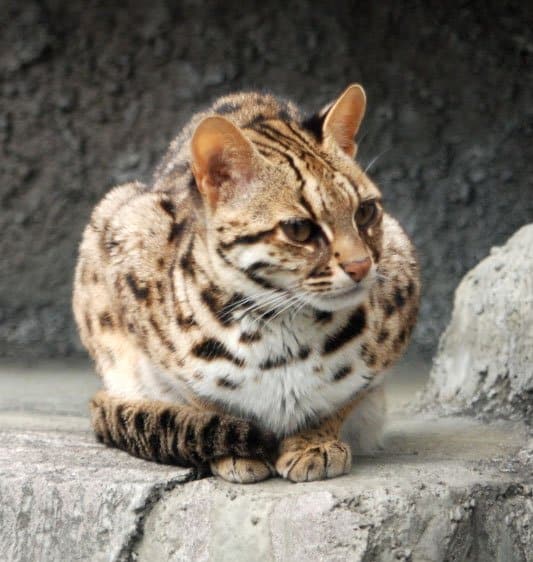
Rhesus macaque (Macaca mulatta) Chinese serow (Capricornis milneedwardsii) Leopard cat (Prionailurus bengalensis) Reeves's pheasant (Syrmaticus reevesii) Yellow-throated marten (Martes flavigula)

Tianmen Mountain National Forest Park (Zhangjiajie)

≈90-100 km² (park/scenic area complex; figures vary by zoning).

Steep elevational gradients and cliff/forest mosaics create varied niches for woodland birds, small carnivores, and ungulates; notable for maintaining forest cover close to a major tourism hub, improving corridor value around the Zhangjiajie landscape.

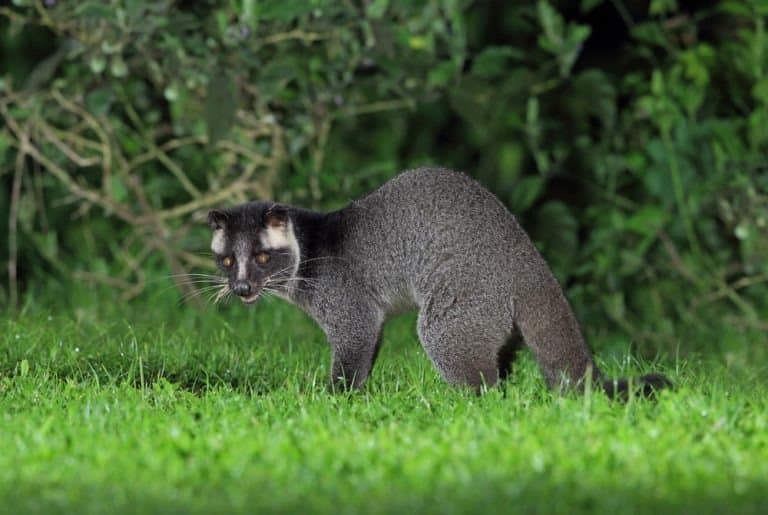
Rhesus macaque (Macaca mulatta) Chinese goral (Naemorhedus griseus) Masked palm civet (Paguma larvata) Silver pheasant (Lophura nycthemera) Crested goshawk (Accipiter trivirgatus)

Mangshan National Forest Park (Nanling Mountains, Chenzhou)

≈100-200 km² (park and adjacent protected zones; Mangshan's strictly protected cores are within the same landscape).

One of Hunan's most important subtropical forest strongholds in the Nanling range, noted for high reptile and amphibian diversity, endemic/rare snakes, and relatively intact evergreen broadleaf forest that supports large-mammal remnants.

Mangshan pit viper (Protobothrops mangshanensis) Asiatic black bear (Ursus thibetanus) Chinese giant salamander (Andrias davidianus) Cabot's tragopan (Tragopan caboti) Mainland serow (Capricornis milneedwardsii)

Yangmingshan National Forest Park (Yongzhou)

≈100-120 km² (park-scale; boundaries vary by management unit).

Forested mid-elevation mountains with mature broadleaf stands and rich understory; valuable for pheasants and forest birds and as a habitat bridge in southern Hunan between more strictly protected reserves.

Silver pheasant (Lophura nycthemera) Reeves's pheasant (Syrmaticus reevesii) Chinese muntjac (Muntiacus reevesi) Yellow-throated marten (Martes flavigula) Crested serpent eagle (Spilornis cheela)

Jiuyi Mountain (Jiuyishan) National Forest Park (Yongzhou)

≈150-200 km² (park/management area; local zoning varies).

Subtropical evergreen broadleaf forests and headwater habitats that are important for forest birds, mammals, and amphibians; the Jiuyi Mountain region is also a key corridor landscape in southern Hunan.

Rhesus macaque (Macaca mulatta) Chinese serow (Capricornis milneedwardsii) Chinese muntjac (Muntiacus reevesi) Silver pheasant (Lophura nycthemera) Chinese giant salamander (Andrias davidianus)

State & Provincial Parks

Daweishan (Dawei Mountain) Provincial Nature Reserve / Forest Park (Liuyang)

≈100-200 km² (reserve/park complex; depends on delineation).

Moist, species-rich subtropical evergreen broadleaf forest with strong amphibian and bird diversity; valued for watershed protection and as a refuge for forest interior species near the Changsha metropolitan region.

Chinese muntjac (Muntiacus reevesi) Leopard cat (Prionailurus bengalensis) Silver pheasant (Lophura nycthemera) Crested goshawk (Accipiter trivirgatus) Chinese giant salamander (Andrias davidianus)

Shiniuzhai Provincial Geopark / Forest Park (Pingjiang)

≈50-100 km² (park/geopark area; varies by zone).

Danxia landforms with mixed forest patches that support woodland birds, small carnivores, and raptors; a useful stepping-stone habitat in a more human-dominated landscape.

Masked palm civet (Paguma larvata) Leopard cat (Prionailurus bengalensis) Rhesus macaque (Macaca mulatta) Crested serpent eagle (Spilornis cheela) Silver pheasant (Lophura nycthemera)

Hengshan (Mount Heng) Provincial/National Scenic Area (Hengyang)

≈100 km² (scenic area-scale; core protected zones are smaller).

Forest and shrub mosaics across a sacred mountain landscape; despite heavy visitation, it retains important upland woodland habitats that support diverse birds and small-to-mid-sized mammals.

Chinese muntjac (Muntiacus reevesi) Rhesus macaque (Macaca mulatta) Yellow-throated marten (Martes flavigula) Black kite (Milvus migrans) Silver pheasant (Lophura nycthemera)

Wildlife Refuges

Hunan East Dongting Lake National Nature Reserve

≈400-500 km² (order-of-magnitude; reserve zoning varies by water extent).

One of the most important Yangtze floodplain wetlands for migratory waterbirds; seasonal water-level changes create mudflats and shallow lakes that concentrate geese, storks, and cranes in winter and migration.

Hooded crane (Grus monacha) Lesser white-fronted goose (Anser erythropus) Bean goose (Anser fabalis) Oriental stork (Ciconia boyciana) Swan goose (Anser cygnoides)

Hunan West Dongting Lake National Nature Reserve

≈300-400 km² (order-of-magnitude; fluctuates with hydrology and zoning).

Large wetland complex of oxbow lakes, marshes, and seasonally flooded grasslands supporting high densities of wintering geese and cranes; also important nursery habitat for fish and wetland-dependent reptiles and mammals.

Hooded crane (Grus monacha) Tundra swan (Cygnus columbianus) Oriental stork (Ciconia boyciana) Lesser white-fronted goose (Anser erythropus) Eurasian otter (Lutra lutra)

Hupingshan National Nature Reserve (Shimen County, Wuling Mountains)

≈650-700 km² (commonly cited reserve scale).

One of central China's key forest biodiversity reserves, protecting extensive subtropical broadleaf forests, steep valleys, and clear streams; a stronghold landscape for amphibians and forest mammals in northwest Hunan.

Chinese giant salamander (Andrias davidianus) Asiatic black bear (Ursus thibetanus) Leopard cat (Prionailurus bengalensis) Yellow-throated marten (Martes flavigula) Reeves's pheasant (Syrmaticus reevesii)

Badagongshan National Nature Reserve (Sangzhi County, Wuling Mountains)

≈200-300 km² (order-of-magnitude; depends on boundary definition).

High-quality, relatively continuous forest in the Wuling Mountains with old-growth elements and strong elevational habitat diversity; important for forest bird assemblages and sensitive mammals in a less-fragmented setting.

Chinese giant salamander (Andrias davidianus) Chinese serow (Capricornis milneedwardsii) Reeves's pheasant (Syrmaticus reevesii) Asiatic black bear (Ursus thibetanus) Yellow-throated marten (Martes flavigula)

Wilderness Areas

  • Wuling Mountains roadless forest blocks linking Zhangjiajie-Badagongshan-Hupingshan (northwest Hunan)
  • Core sandstone pillar and ravine backcountry zones within the broader Wulingyuan landscape (outside the most-developed scenic corridors)
  • Nanling Mountains (southern Hunan) ridge-and-valley forests around Mangshan with limited-access headwater catchments
  • Upper tributary headwaters and steep forested slopes in western Hunan (Yuan River basin) with low road density
  • Dongting Lake seasonal marsh and mudflat mosaics (wintering waterbird concentration zones with limited permanent infrastructure)
  • Remote evergreen broadleaf forest remnants in southern Hunan (Yongzhou-Chenzhou border ranges) that function as biodiversity corridors between reserves
Animals

Wildlife

Hunan's wildlife is shaped by a humid subtropical climate, an extensive river-lake network (Xiang River and Dongting Lake connected to the Yangtze), and rugged, forested mountains and sandstone/karst landscapes (notably the Wulingyuan-Zhangjiajie region). This mix supports high plant diversity and a classic South China fauna: forest mammals (bears, civets, macaques), pheasants and montane birds, exceptionally rich amphibians, and major concentrations of migratory waterbirds in Dongting Lake-one of the most important wetlands in the middle Yangtze system.
≈120-150 species (including many forest carnivores and ungulates typical of South China) Mammals
≈420-520 species (boosted by Dongting Lake migrations and wintering waterbirds) Birds
≈90-120 species (snakes and freshwater turtles present but many pressured by trade) Reptiles
≈70-100 species (high salamander and frog diversity in montane forests and streams) Amphibians
≈200-300+ freshwater species across the Yangtze-Dongting-Xiang basin network Fish
Examples

Iconic Species

Yangtze Finless Porpoise A flagship of the Yangtze freshwater ecosystem; Dongting Lake and connected reaches are among the best places in the middle Yangtze region to look for this critically endangered porpoise.
Reeves's Pheasant A celebrated long-tailed pheasant of central China's forests; Hunan is within its core range, and it is strongly associated with well-managed broadleaf and mixed forests.
Elliot's Pheasant A South China endemic pheasant of dense evergreen and mixed forests; sought-after by birdwatchers in Hunan's wooded hills and reserves.
Golden Pheasant One of China's most striking birds; occurs in forest edges and secondary growth in mountainous areas, adding to the classic 'forest pheasant' experience in western and southern Hunan.
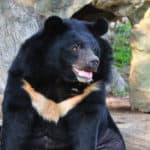
Asiatic Black Bear
Asiatic Black Bear An emblematic forest mammal of Hunan's mountain reserves; mostly elusive but important as an indicator of intact, food-rich subtropical forests.
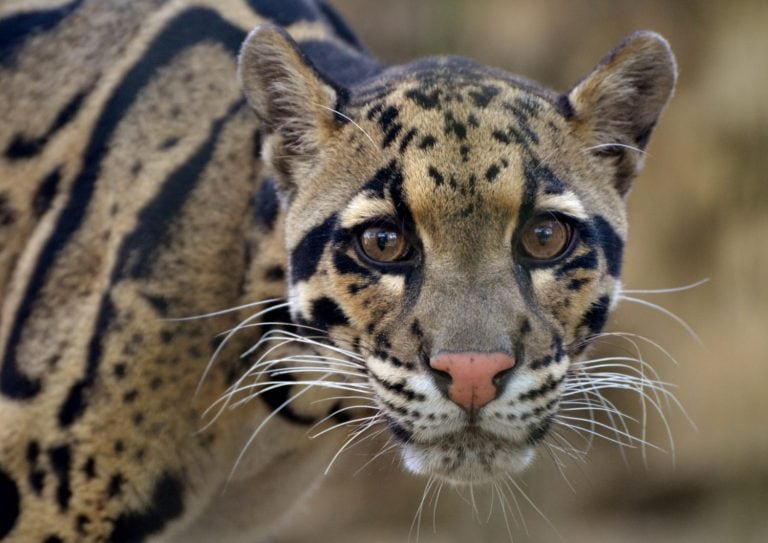
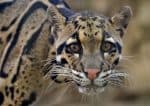
Clouded Leopard
Clouded Leopard A rarely seen top predator of subtropical forests; Hunan's rugged, well-forested mountains are part of its South China stronghold where camera-trap records can occur.
Chinese Serow A sturdy, goat-antelope of steep forested slopes; characteristic of the province's montane landscapes including protected mountain areas.
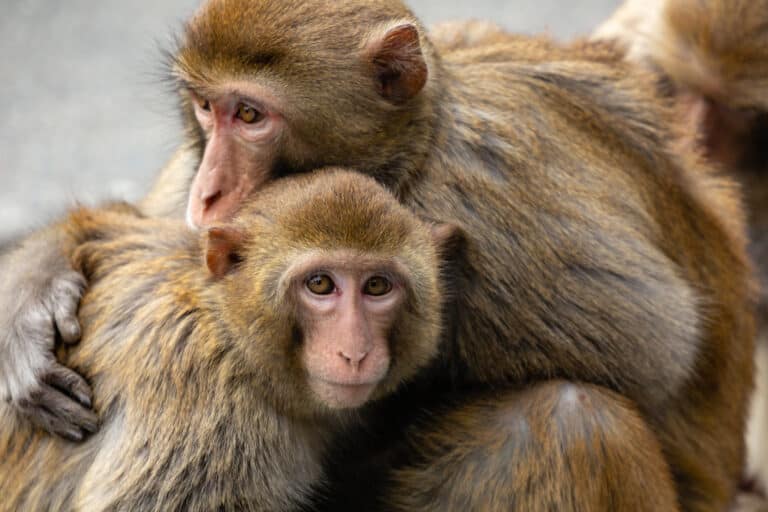
Rhesus Macaque
Rhesus Macaque One of the most frequently encountered wild mammals in scenic mountain areas; adaptable troops occur in forests and forest-farmland mosaics.
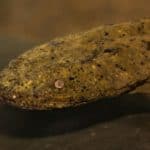
Chinese Giant Salamander
Chinese Giant Salamander The world's largest amphibian; historically widespread in Hunan's clean, rocky mountain streams, and now a powerful symbol of freshwater conservation.

Endemic & Rare Species

Yangtze Finless Porpoise

Neophocaena asiaeorientalis asiaeorientalis

Critically Endangered (IUCN)

Hunan's Dongting Lake-Yangtze connected waters remain a key middle-reach habitat; recovery depends on prey fish restoration, reduced disturbance, and habitat protection.

Chinese Giant Salamander

Andrias davidianus

Critically Endangered (IUCN); heavily impacted by historical overharvest and habitat degradation

Native lineages in South China have been reduced severely; protecting headwater streams and managing conservation actions carefully is especially important in Hunan.

Chinese Pangolin

Manis pentadactyla

Critically Endangered (IUCN); threatened by illegal trade and habitat loss

Still persists in parts of South China including Hunan's wooded landscapes, but at very low densities; a high-priority species for anti-poaching and habitat connectivity.

Reeves's Pheasant

Syrmaticus reevesii

Vulnerable (IUCN)

Dependent on large blocks of quiet forest; Hunan supports important habitat within its central-China range where hunting pressure and fragmentation remain key threats.

Elliot's Pheasant

Syrmaticus ellioti

Vulnerable (IUCN); endemic to China

A South China specialty associated with mature evergreen broadleaf forests; protection of understory-rich forest structure is crucial in Hunan reserves.

Cabot's Tragopan

Tragopan caboti

Vulnerable (IUCN); endemic to China

A prized montane forest bird of southeastern China; where present in Hunan's higher, well-forested mountains it indicates high-quality habitat.

Oriental Stork

Ciconia boyciana

Endangered (IUCN)

A flagship migratory waterbird of the East Asian-Australasian Flyway; Dongting Lake can support wintering and passage individuals when conditions are favorable.

South China Tiger

Panthera tigris amoyensis

Critically Endangered (IUCN); functionally extinct in the wild

Historically occurred in South China including parts of Hunan; today it represents the province's lost apex predator and the scale of habitat and prey recovery needed for any future rewilding discussions.

Notable Populations

  • Dongting Lake is a nationally and internationally significant wetland for migratory waterbirds on the East Asian-Australasian Flyway, especially wintering geese and other waterfowl of the middle Yangtze floodplain.
  • Middle-Yangtze connected waters in and around Dongting Lake form an important habitat area for the Yangtze finless porpoise, a flagship freshwater cetacean.
  • Hunan's subtropical forest reserves (including mountainous western landscapes) provide key regional habitat for South China forest pheasants (notably Reeves's and Elliot's pheasants) and other understory-dependent birds.

Recent Changes

  • The Yangtze River basin fishing moratorium (begun in 2021) is expected to improve fish stocks and river-lake food webs over time, with potential benefits for top predators such as the Yangtze finless porpoise; measurable recovery is gradual and varies by area.
  • Wetland management and hydrological shifts in the middle Yangtze floodplain have altered where and when migratory waterbirds concentrate; some wintering distributions fluctuate between major lakes (including Dongting) depending on water levels and forage availability.
  • Ongoing declines and fragmentation pressure persist for some forest specialists (e.g., pheasants) where understory is degraded or hunting persists, though protected areas can stabilize local populations.
  • Chinese giant salamander conservation remains challenging: historical overexploitation and habitat impacts caused major declines, and releases from farming operations can be controversial; protecting intact headwaters and preventing illegal harvest remain central needs.
  • Camera-trap monitoring across South China has increased detections of elusive carnivores (e.g., clouded leopard) in suitable mountain forests, improving knowledge of their distribution even where populations remain low.
Visit

Wildlife Viewing

Hunan has great subtropical wildlife viewing across river wetlands, rice paddies, forested mountains, and sandstone pillars. Combine migratory birding at the Dongting Lake–Yangtze wetlands with forest watching in Wuling, Nanling, and Zhangjiajie. Expect many birds—egrets, herons, raptors, wintering waterfowl—plus amphibians, reptiles, and shy forest mammals shown by tracks, calls, or camera trap photos.

Best Seasons

Spring (Mar-May)

Peak migration and breeding activity: passerines and raptors move through forest edges and ridgelines; wetlands fill with herons/egrets; frogs and salamanders become active after rains. Forests are lush; visibility can be variable with mist-best viewing is early mornings and after weather clears.

Summer (Jun-Aug)

High biodiversity but humid and rainy: excellent for butterflies, dragonflies, amphibians, and nighttime wildlife walks (where permitted). Expect frequent showers and leeches in some forests; rivers run high. Best for photographers seeking dramatic clouds/mist in mountain parks, plus insect and herp spotting.

Autumn (Sep-Nov)

Clearer skies and comfortable hiking: strong fall migration for songbirds and raptors; forest fruiting can draw birds and small mammals. Great for multi-day treks in mountain reserves and for combining scenic viewpoints with birding along forest-farmland edges.

Winter (Dec-Feb)

Best season for large concentrations of waterbirds: wintering ducks, geese, and swans gather on Dongting Lake and connected wetlands. Forests are quieter but offer easier sightlines through leaf-off vegetation at lower elevations. Cold snaps and fog can affect visibility; bring warm layers for lakeside dawn watches.

Top Wildlife Experiences

  • Winter waterbird spectacle at Dongting Lake (Yueyang area): dawn-to-midmorning scanning from lakeshore embankments and wetland observation points for wintering geese, swans, ducks, and raptors.
  • Birding the Xiang River greenways and wetlands in Changsha: early-morning walks to spot egrets, herons, kingfishers, and seasonal migrants-ideal for a quick, urban-accessible wildlife session.
  • Forest birding and dawn soundscape walks in Zhangjiajie National Forest Park/Wulingyuan: focus on forest edges, quieter side trails, and less-crowded mornings for mixed-species flocks, woodpeckers, and laughingthrushes (plus excellent nature photography).
  • Night wildlife walk (where permitted) in a forest reserve near Zhangjiajie/Badagongshan area: search for frogs, toads, geckos, and nocturnal insects with a guide; prime in warm, wet months after sunset.
  • Raptor watching from mountain ridgelines in autumn (Wuling Mountains region): set up at open viewpoints for migrating hawks and eagles on clear, breezy days.
  • Butterfly and dragonfly spotting along clean streams in forested valleys (spring-summer): slow walks on streamside paths for macro photography and colorful odonates; best after sunny breaks following rain.
  • Wetland-to-farmland edge birding around the Dongting basin (spring/autumn): look for buntings, pipits, starlings, and shrikes in mosaic habitats, with chances of surprise migrants during passage seasons.

Wildlife Watching Types

Wetland birding (wintering waterfowl, waders, cranes/swans where present seasonally) River and reservoir birding (kingfishers, cormorants, herons, raptors) Forest birding (mixed flocks, woodpeckers, pheasants/partridges more by sound) Raptor migration watching (spring and autumn along ridges) Amphibian and reptile spotting (spring-summer, especially after rain; guided night walks) Butterfly/dragonfly and macro-insect watching (spring-summer stream corridors) Mammal tracking and camera-trap interpretation (rare direct sightings; learn signs and habitat with reserve staff) Nature photography trips (misty forests, karst/sandstone landscapes, wetlands at dawn)

Guided Options

  • Reserve-led interpretation walks in protected forest areas (e.g., Wuling mountain reserves such as Badagongshan region): inquire locally about permitted routes, seasonal highlights, and any night-walk policies.
  • Local birding guides based in Changsha and Yueyang for Dongting Lake excursions: typically offer dawn lake visits, scoped waterfowl identification, and flexible half-/full-day itineraries.
  • Zhangjiajie eco-guides for quieter, wildlife-focused hiking routes: arrange early-start hikes avoiding peak sightseeing times; some guides specialize in bird and macro photography.
  • University or NGO-linked bird monitoring and wetland education programs around the Dongting Lake system: seasonal public outreach days may include guided counts and species ID sessions (availability varies by year).
  • Photography-oriented nature tours (small group) combining Zhangjiajie landscapes with forest/wetland wildlife stops: best in spring or autumn for comfortable trekking and clearer light.
Habitats

Ecosystems

Hunan is a humid, subtropical province centered on the Xiang River basin and linked to the middle Yangtze by Dongting Lake. Ecosystems include lowland floodplains, evergreen broadleaf and mixed montane forests, sandstone pillar landscapes like Zhangjiajie/Wulingyuan (Wuling Mountains), karst limestone areas, and many rivers, reservoirs and wetlands that support rich freshwater life and migratory birds.

Biomes

Temperate Forest

Dominant subtropical evergreen broadleaf and mixed forests across hills and lower mountains; includes secondary forests, bamboo-rich stands, and mixed broadleaf-conifer mosaics shaped by long-term cultivation and restoration.

Widespread; the primary biome over most hilly and mountainous areas (roughly the majority of the province).

Temperate Rainforest

Very humid montane evergreen broadleaf forests and cloud-forest-like communities on windward slopes and shaded ravines, with lush understory, abundant epiphytes/mosses, and high habitat complexity in scenic mountain areas (e.g., Wuling/Xuefeng ranges).

Patchy; concentrated in higher, wetter mountains and deep valleys (minor-to-moderate share).

Freshwater

Large river systems (Xiang, Yuan, Zi, Li) plus extensive reservoirs, streams, and connected floodplain waters linked to the Yangtze drainage; supports fish, amphibians, and riparian communities.

Linear and basin-wide along river corridors and around lakes/reservoirs; ubiquitous but geographically concentrated in valleys/floodplains.

Wetland

Floodplain wetlands around Dongting Lake and along major rivers, including seasonally inundated flats, reedbeds, wet meadows, and oxbow/backwater habitats important for waterbirds and nutrient cycling.

Concentrated in northern lowlands (Dongting Lake region) and scattered along major river floodplains; limited area but high ecological importance.

Alpine

Cool, high-elevation summit communities and wind-exposed ridgelines with dwarf shrubs and meadow-like openings above surrounding montane forests (not true extensive alpine tundra).

Very small and localized to the highest peaks/ridges (trace).

Habitats

Forest

Extensive evergreen broadleaf and mixed forests across mountains and hills; major biodiversity reservoir in protected landscapes (e.g., Wulingyuan/Zhangjiajie region).

Deciduous Forest

Mixed deciduous components in montane broadleaf forests and secondary regrowth, especially where colder winters/altitude favor seasonal leaf drop.

Coniferous Forest

Montane conifer and mixed conifer-broadleaf stands (often including plantation-origin pine/fir) on higher slopes and ridges.

Woodland

Open-canopy secondary woodlands on disturbed slopes and around rural settlements, often transitioning to shrubland or mixed forest.

Grassland

Small patches of meadow-like openings on ridgelines, landslide/rockfall areas, and managed hillsides; not extensive as a zonal biome.

Shrubland

Early-successional shrub cover on disturbed hillsides, post-harvest forest areas, and rocky slopes; important for soil stabilization and edge species.

Mountain

Complex mountain terrain (Wuling, Xuefeng, Nanling margins) creating strong elevation/climate gradients, cliffs, ravines, and high habitat heterogeneity.

Cliff/Rocky Outcrop

Sandstone pillars, steep cliffs, and escarpments (iconic in Zhangjiajie/Wulingyuan) supporting specialized cliff vegetation and nesting sites.

Cave

Karst caves and subterranean habitats in limestone areas, with bat roosts and specialized invertebrate communities; often linked to karst springs/streams.

Lake

Dongting Lake (seasonally dynamic) and numerous reservoirs/lakes that support fisheries and large congregations of wintering/migratory waterbirds.

River/Stream

Major tributaries of the Yangtze system (Xiang, Yuan, Zi, Li) with riparian corridors, gravel bars, and connected floodplain habitats.

Pond

Dense network of small ponds, fishponds, and irrigation waters in agricultural lowlands, providing amphibian and waterfowl habitat (variable water quality).

Wetland

Seasonally flooded flats, riparian wetlands, and lake-margin wetlands-particularly around Dongting Lake-supporting reeds, sedges, and wet meadows.

Marsh

Reedbeds and sedge marshes on lake margins and slow-flowing river reaches, important nursery habitat for fish and birds.

Swamp

Localized wooded/brushy swampy pockets in floodplain backwaters and poorly drained lowlands (often fragmented or converted).

Bog

Small, localized peat-forming/waterlogged patches in cool, high-rainfall uplands or headwater depressions (not extensive).

Agricultural/Farmland

Rice paddies and mixed cropping in fertile basins and river plains; strongly shapes lowland ecology and water management.

Plantation

Commercial timber and bamboo plantations (e.g., pine, fir, bamboo) forming large managed stands, especially in hill country.

Urban

Major urban centers (e.g., Changsha-Zhuzhou-Xiangtan corridor) with heavily modified habitats and heat-island effects along river valleys.

Suburban

Expanding peri-urban mosaics of villages, small industry, parks, and remnant wetlands/woodlots around major cities and transport corridors.

Ecoregions

Changjiang (Yangtze) Plain evergreen forests (WWF) Nanling Mountains evergreen forests (WWF) Guizhou Plateau broadleaf and mixed forests (WWF)
Protection

Conservation

Primary Threats

  • Industrial and municipal discharges and legacy contamination from mining/metal-processing in the Xiang River basin contribute to heavy metals and nutrient loading, degrading riverine habitats and affecting Dongting Lake water quality and fisheries.
  • Hunan's long history of non-ferrous metal extraction and processing (e.g., antimony, lead/zinc and related industries) creates localized habitat loss, tailings risks, and chronic runoff that can contaminate tributaries feeding the Xiang River and Dongting Lake.
  • River engineering (levees, channelization), sand mining, and upstream flow regulation alter sediment and floodplain dynamics critical to Dongting Lake wetlands, reducing habitat complexity for fish, porpoises, and migratory waterbirds.
  • Historically intensive capture fisheries in Dongting Lake and connected rivers reduced fish biomass and prey availability for top predators (notably the Yangtze finless porpoise), and contributed to simplified aquatic food webs.
  • Conversion of lowland wetlands and riparian zones for agriculture and development (especially around lake margins and major transport corridors) reduces breeding/foraging habitat for waterbirds and disrupts ecological connectivity between rivers and floodplains.
  • Road expansion and tourism infrastructure in mountainous scenic regions (e.g., around Zhangjiajie/Wulingyuan) can fragment forests, increase edge effects, and elevate collision/noise/light impacts on wildlife unless carefully zoned and managed.
  • High visitor intensity in flagship scenic areas and increased recreation on wetlands (boating, shoreline access) can disturb nesting/roosting waterbirds and sensitive mammals, and increases pressure for facilities inside buffer zones.
  • Illegal trafficking demand has historically targeted pangolins and giant salamanders; collection pressure can be severe in accessible hill forests and headwater streams, and persists despite strengthened enforcement.
  • Residual poaching (snares/traps) in rural forest landscapes can depress populations of ground-dwelling birds and small-to-medium mammals, particularly outside core protected-area zones.
  • Aquatic invasives (e.g., water hyacinth in still/slow waters; invasive snails) can alter wetland plant communities and oxygen dynamics in eutrophic waters, complicating restoration in parts of the Dongting-Xiang system.
  • Amphibian pathogens (and disease outbreaks in high-density captive breeding) threaten remnant wild amphibian populations; this is a concern for Chinese giant salamanders in Hunan's stream networks where releases and farming have occurred.
  • Restocking and trade-linked movement of farmed giant salamanders can introduce non-local lineages and hybrids, risking genetic swamping of any surviving local wild populations in Hunan headwaters.
  • More extreme floods and droughts in the Yangtze middle-reach climate regime can reshape Dongting Lake's seasonal inundation pattern, stress wetlands during low-water periods, and increase heat/low-oxygen events affecting fish and amphibians.
  • Intensive rice cultivation and aquaculture around lowlands increases fertilizer/pesticide runoff to tributaries and can drive continued encroachment on remaining marsh edges and riparian buffers if enforcement is weak.
  • While large-scale natural forest logging has been curbed, plantation forestry expansion and selective/illegal cutting in some areas can reduce old-growth structure important for cavity/nesting birds and forest specialists.
  • Crop-raiding by wild boar and conflict around forest edges (including macaque nuisance in some tourist/rural interfaces) can lead to retaliatory harm and pressure to reduce wildlife presence near settlements.
  • Overharvest of wild edible/medicinal resources (including stream fauna and certain forest products) can degrade microhabitats and food webs, particularly in headwaters and village-adjacent forests.
  • Growth of Changsha-Zhuzhou-Xiangtan urban/industrial corridor increases impervious surfaces, wastewater loads, and riverfront hardening, squeezing remaining riparian habitat and increasing barrier effects along the Xiang River.
Fun Facts

Did You Know?

Dongting Lake's shoreline changes a lot: its open water grows in flood season and shrinks in dry season, making and then flooding feeding lawns for geese. Good bird habitat can appear or disappear within months.

Finless porpoises in Dongting/Yangtze waters have no dorsal fin (only a low ridge), which helps them move through shallow, cluttered river-lake habitats-very different from the classic "dolphin" silhouette most people expect.

Chinese giant salamanders often hide wedged in underwater rock crevices instead of open water. They breathe mostly through their skin and make baby-like cries, so locals call them the "baby fish."

Badagongshan in Zhangjiajie protects subtropical montane forest where living fossil trees survive, including wild dove tree (Davidia involucrata). Its big white bracts fall like fluttering handkerchiefs, but it's a rare survivor.

Hunan's dramatic sandstone pillar landscapes (Zhangjiajie/Wulingyuan) create vertical microhabitats-cool, shaded cliff faces right next to sun-baked rock-allowing very different plant and small-animal communities to exist only meters apart.

Home to the world's largest amphibian: the Chinese giant salamander (Andrias davidianus), native to cold, fast mountain streams in Hunan's Wuling Mountains (e.g., around Zhangjiajie/Sangzhi). Adults can exceed 1.5 m in length.

East Dongting Lake National Nature Reserve in Yueyang, Hunan, is a key winter wetland on the East Asian-Australasian Flyway and the main winter site for the Vulnerable lesser white-fronted goose (Anser erythropus), with thousands in good years.

Dongting Lake-linked to the Xiang River basin and the middle Yangtze-is historically China's second-largest freshwater lake by area, and its vast seasonal floodplain supports exceptionally large concentrations of wintering waterbirds (geese, ducks, swans) compared with most inland Chinese provinces.

The Yangtze finless porpoise (Neophocaena asiaeorientalis), one of the world's only freshwater porpoises and among the rarest cetaceans on Earth, uses Dongting Lake and connected Yangtze waters as a key habitat and movement corridor.

Thank you for reading! Have some feedback for us?