N S W E
Wildlife Expeditions

Wildlife of
Beijing Shi

Beijing pairs a vast, urban capital with rugged mountains and key flyway wetlands, creating standout birding and surprising large-mammal habitat at the city's edge.
32 Species
16,411 km² Land Area
Overview

About Beijing Shi

Beijing's wildlife is full of contrasts: a dense city center sits beside wide peri-urban green areas and a mountain arc (the Yan and Jundu ranges) that still supports native plants and animals. Small pockets—woodlands, rocky slopes, valleys, and reservoirs—hold northern temperate species alongside adaptable urban wildlife, making short trips from city to wild easy. Beijing lies on the northwestern edge of the North China Plain, where foothills meet plains and wetland mosaics. Forested mountains and shrub-steppe slopes provide breeding and refuge for raptors, passerines, and mid-sized mammals. Rivers, lakes, reservoirs, and restored wetlands are stopover and wintering sites for migratory waterbirds on major East Asian flyways. Water and mountain systems act as movement corridors in a landscape shaped by farming and development. Birders and nature lovers can do mountain birding, wetland migration watching, and urban ecology within the city limits.

Physical Features

Geography

Beijing lies where mountains meet the plain: an urban lowland in the southeast changes to natural mountains in the north and west (Yanshan and Taihang foothills). This sharp change in height and land cover pushes wildlife into forested mountains, river valleys, reservoirs, and green belts, and puts Beijing on bird migration routes along the North China Plain and river corridors.

16,411 km² Land Area
3rd smallest provincial-level division in China (by land area) Size Rank
China Country
Municipality Type
Elevation Range

Approximately ~20 m (southeastern plain) to 2,303 m (Dongling Mountain, highest point in Beijing)

Coastline

None (inland municipality); key aquatic habitats are reservoirs and river corridors, notably Miyun Reservoir and Guanting Reservoir

Key Landscapes

North China Plain (southeastern lowlands; agricultural and urban/peri-urban mosaic) Yanshan Mountains (northern Beijing; forested slopes and valleys, key for mountain biodiversity) Western Hills (Taihang Mountain foothills; mixed forests, scrub, and rocky habitats) Major river corridors: Yongding River, Chaobai River system, Wenyu River (riparian strips and movement corridors) Reservoir and wetland complexes: Miyun Reservoir and Guanting Reservoir (important stopover/foraging habitat for waterbirds) Valley basins and mountain passes (natural funnels for dispersal and seasonal movements)
State Symbols

Official Wildlife Symbols

wildflower

Chinese rose

Designated 1987

wildflower

Chrysanthemum

Designated 1987

tree

Chinese scholar tree (pagoda tree)

Designated 1987

tree

Chinese pine

Designated 1987

Parks & Reserves

Protected Areas

Beijing's protected areas include national types (National Nature Reserves, National Forest Parks, National Wetland Parks) and Beijing city nature reserves and forest parks. Western and northern mountain belts and major reservoirs/wetlands (Guanting‑Yeyahu, Miyun) support temperate deciduous forest, shrub‑steppe mosaics, and stopover/wintering sites for migratory waterbirds on the East Asian‑Australasian Flyway. Many also protect watersheds.

Protected Coverage

Approximately ~12-18% of Beijing's land area is within formally designated protected areas (nature reserves, forest parks, wetland parks and closely related conservation designations); the exact figure varies by what categories are counted.

National Parks & Preserves

Beijing Songshan National Nature Reserve

≈ 46-50 km² (about 4,600-5,000 ha)

A compact but biodiversity-rich montane reserve in Yanqing with mixed forests and rocky slopes that support raptors and mountain ungulates; it's also a key refuge for native forest birds close to Beijing's urban edge.

Chinese goral (Naemorhedus griseus) Golden eagle (Aquila chrysaetos) Eurasian eagle-owl (Bubo bubo) Leopard cat (Prionailurus bengalensis) Mandarin duck (Aix galericulata)

Beijing Baihuashan National Nature Reserve

≈ 200-220 km² (order-of-magnitude; commonly cited around ~20,000+ ha)

One of Beijing's most important high-elevation forest-meadow systems (Mentougou), protecting headwaters, broadleaf-conifer transitions, and relatively intact habitat for forest mammals and breeding birds.

Siberian roe deer (Capreolus pygargus) Wild boar (Sus scrofa) Asian badger (Meles leucurus) Northern goshawk (Accipiter gentilis) Ring-necked pheasant (Phasianus colchicus)

Beijing Labagoumen National Nature Reserve

≈ 302 km² (about 30,189 ha)

A large, rugged reserve in Huairou near the Hebei border with extensive forest cover and low human density; notable for forest bird diversity, raptor passage, and larger-ranging mammals compared with more peri-urban parks.

Siberian roe deer (Capreolus pygargus) Wild boar (Sus scrofa) Red fox (Vulpes vulpes) Common buzzard (Buteo buteo) Ural owl (Strix uralensis)

Guanting Reservoir National Wetland Park - Beijing section

Park/wetland zoning varies; reservoir surface is ~100+ km² overall (with only part falling in Beijing's jurisdiction)

A major reservoir wetland complex on Beijing's northwest fringe that supports large congregations of wintering and passage waterfowl; widely known as a key birdwatching landscape for swans, geese, and cranes in North China.

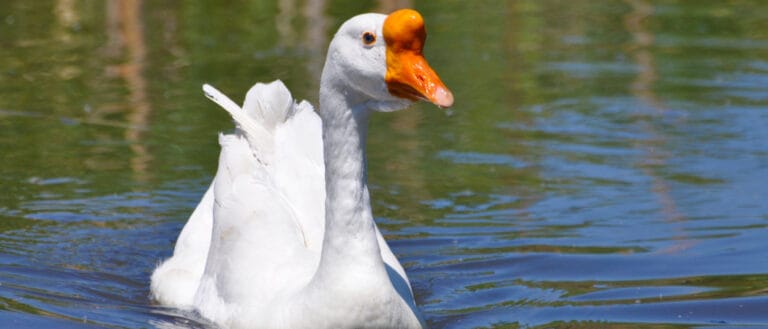
Whooper swan (Cygnus cygnus) Greater white-fronted goose (Anser albifrons) Swan goose (Anser cygnoides) Common crane (Grus grus) Eurasian spoonbill (Platalea leucorodia)

Yunmengshan National Forest Park

≈ 20-30 km² (varies by delineation of the forest-park management area)

Forested mountain park spanning parts of Miyun/Huairou with well-developed woodland habitats that are good for observing forest passerines, woodpeckers, and small carnivores; also functions as an ecological buffer for nearby watersheds.

Eurasian jay (Garrulus glandarius) Great spotted woodpecker (Dendrocopos major) Grey-faced woodpecker (Picus canus) Leopard cat (Prionailurus bengalensis) Siberian chipmunk (Eutamias sibiricus)

State & Provincial Parks

Mangshan National Forest Park (Beijing) - municipal/national forest park in Changping District

About 8,000-8,600 hectares (about 80-86 km²)

A forested ridge-and-valley landscape in Changping District, Beijing, known for woodland and edge habitats that support a wide variety of North China forest birds and other wildlife; it is also a well-known local birding area, especially during migration.

Eurasian jay (Garrulus glandarius) Chinese nuthatch (Sitta villosa) Grey-headed woodpecker (Picus canus) Common kestrel (Falco tinnunculus) Common pheasant (Phasianus colchicus)

Xishan National Forest Park / Fragrant Hills area

Management areas vary; typically cited in the tens of km² across the broader Xishan forest-park complex

A major peri-urban forest block in western Beijing that acts as a habitat island and migration stopover for woodland birds; despite high visitation, it remains important for urban-region biodiversity connectivity.

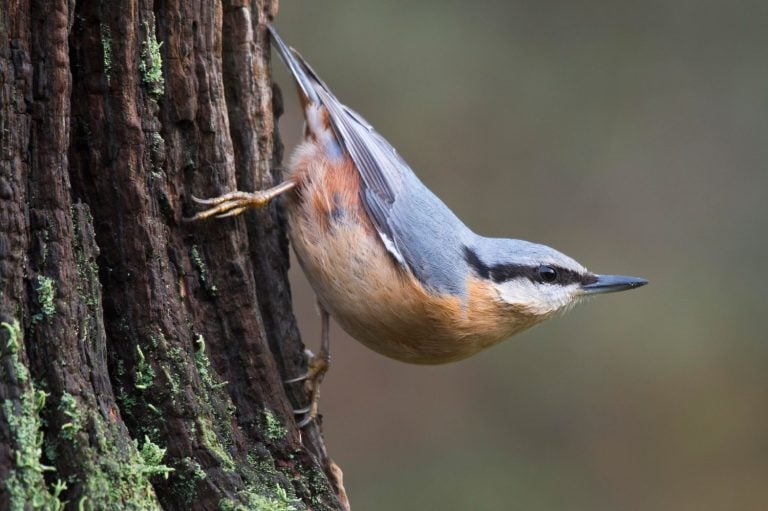
Eurasian sparrowhawk (Accipiter nisus) Great spotted woodpecker (Dendrocopos major) Eurasian nuthatch (Sitta europaea) Hare spp. (Lepus sp.) Red fox (Vulpes vulpes)

Lingshan Scenic Area / high-elevation meadows

Scenic-area extent varies; commonly managed as a multi-km² to tens-of-km² highland zone

Beijing's highest-elevation landscape (Mentougou) with cool-temperate habitats and open alpine-like meadows that complement the surrounding forest reserves; good for raptor viewing and highland bird assemblages.

Common buzzard (Buteo buteo) Kestrel spp. (Falco sp.) Long-tailed tit (Aegithalos caudatus) Siberian roe deer (Capreolus pygargus) Wild boar (Sus scrofa)

Wildlife Refuges

Beijing Yeyahu (Wild Duck Lake) Wetland Nature Reserve

≈ tens of km² (wetland extent and management zoning vary by year/water levels)

One of Beijing's signature waterbird sites near Yanqing, supporting large seasonal aggregations of geese, ducks, and swans; important for migration staging and wintering in North China.

Whooper swan (Cygnus cygnus) Tundra swan (Cygnus columbianus) Greater white-fronted goose (Anser albifrons) Common crane (Grus grus) Swan goose (Anser cygnoides)

Hanshiqiao Wetland Nature Reserve

≈ 1.9 km² (about 190 ha)

A wetland nature reserve in Shunyi District, Beijing that protects marsh and reedbed habitat used by waterbirds for breeding and migration stopovers, making it an important urban-adjacent wetland refuge.

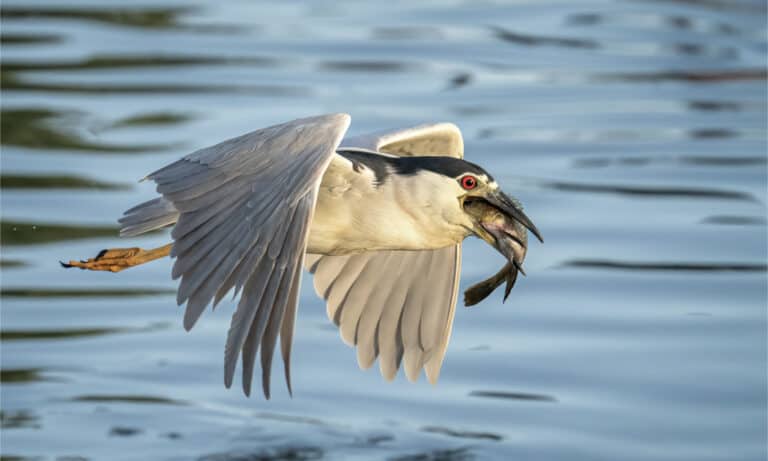
Eurasian reed warbler (Acrocephalus scirpaceus) Little egret (Egretta garzetta) Black-crowned night heron (Nycticorax nycticorax) Eurasian coot (Fulica atra) Common moorhen (Gallinula chloropus)

Miyun Reservoir waterbird conservation zones

Reservoir surface is ~180 km² (conservation zones vary within the broader protected watershed)

Reservoir shorelines and adjacent habitats managed primarily for drinking-water security, which also creates de facto refuges for roosting and foraging waterbirds; notable in migration seasons when disturbance is controlled.

Mandarin duck (Aix galericulata) Great crested grebe (Podiceps cristatus) Grey heron (Ardea cinerea) Common pochard (Aythya ferina) Osprey (Pandion haliaetus)

Wilderness Areas

  • Remote ridgelines and upper valleys of the northern Yanshan Mountains (Huairou-Miyun-Pinggu border areas), where road density drops and large forest blocks persist
  • High-elevation Baihuashan-Lingshan backcountry (Mentougou), with comparatively continuous forest-meadow mosaics and limited settlement
  • Upper Baihe/Chaohe headwater forests (north Beijing), important as low-disturbance watershed buffers that also support forest wildlife
  • Steep limestone/karst ravines and less-developed side valleys around the Fangshan mountain zone, which retain patches of semi-natural habitat away from main scenic corridors
Animals

Wildlife

Beijing's wildlife shows a contrast between the city center and the mountainous, forested, wetland edges like the Yan and Western Hills (Xishan), river valleys, and reservoirs such as Miyun. These outer areas sit on major bird migration routes, so Beijing has many seasonal birds, including raptors and waterbirds, and North China forest-edge mammals such as roe deer, wild boar, and small carnivores. Urban parks, reservoirs, and restored wetlands act as refuges and stopovers, but habitat loss and development pressure sensitive amphibians and some grassland birds.
~70-90 species (higher diversity in mountain/peri-urban zones; many small mammals plus a modest set of larger ungulates and carnivores) Mammals
~500-520 species recorded (very strong passage-migrant and wintering component; waterbirds and raptors are highlights) Birds
~15-25 species (mainly snakes and lizards in warm, rocky foothills and agricultural edges) Reptiles
~8-12 species (localized in clean streams, ponds, and mountain valleys; vulnerable to drying and pollution) Amphibians
~80-120 species (native riverine fish plus widespread stocking and non-native reservoir species) Fish
Examples

Iconic Species

Whooper Swan A winter highlight on major water bodies (e.g., reservoirs and wetland parks), drawing birders for large, conspicuous flocks during cold months.
Common Crane A charismatic migrant that uses wetlands and shallow waters as stopover habitat; its calls and formations are a classic migration spectacle around key sites.
Mandarin Duck A sought-after, photogenic woodland duck that appears on well-vegetated lakes and rivers, especially during migration and winter in suitable habitat.
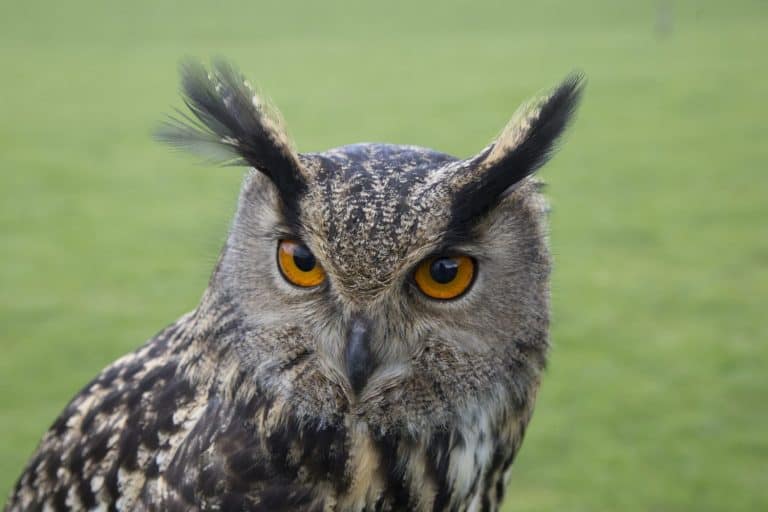
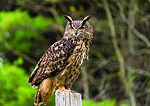
Eurasian Eagle-Owl
Eurasian Eagle-Owl A flagship nocturnal raptor of Beijing's rocky hills and quieter mountain valleys; rarely seen but highly prized by wildlife watchers.
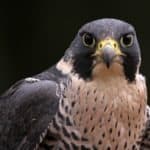
Peregrine Falcon
Peregrine Falcon Observed on migration and locally in open areas and occasionally urban-edge settings; emblematic of Beijing's raptor passage and improving urban-edge prey base.
Chinese Goral A mountain specialist of steep, rocky terrain; one of the most distinctive large mammals visitors may glimpse in quieter, protected hill habitats.
Siberian Roe Deer A common and visible ungulate in forest-edge and shrub mosaics in the municipality's mountainous north and west, often detected by tracks and dawn sightings.
Wild Boar
Wild Boar Now frequently encountered (or evidenced) in peri-urban forests and greenbelts; its increasing presence is a defining element of Beijing's urban-wild interface.
Raccoon Dog
Raccoon Dog A secretive mesocarnivore of forest edges, riparian corridors, and agricultural mosaics; increasingly reported near human-modified landscapes.

Endemic & Rare Species

Oriental Stork

Ciconia boyciana

Endangered (IUCN); rare migrant/winter visitor in North China

A nationally significant, highly protected stork that depends on high-quality wetlands; occasional records around Beijing's larger wetland complexes are notable.

Black Stork

Ciconia nigra

Least Concern (global), but scarce and sensitive locally; nationally protected in China

A wary wetland and river-valley stork; its presence signals relatively undisturbed foraging and roosting areas in reservoirs and mountain river corridors.

Swan Goose

Anser cygnoides

Vulnerable (IUCN); declining across much of its range

A flyway-dependent goose that can occur on migration/winter; any substantial counts around Beijing wetlands are conservation-relevant.

Greater Spotted Eagle

Clanga clanga

Vulnerable (IUCN); scarce passage migrant/winterer

A key raptor species of the East Asian flyways; sightings during migration underscore Beijing's role as a raptor corridor.

Père David's Deer (Milu)

Elaphurus davidianus

Near Threatened (IUCN); species recovered through reintroduced and managed populations

Beijing is strongly associated with milu conservation through managed herds (notably at Beijing Milu Park/Nanhaizi), making it a flagship story of restoration and reintroduction.

Notable Populations

  • Wild Duck Lake (Yeyahu) and other municipal wetland parks function as important stopover/wintering sites for East Asian migratory waterbirds, sometimes supporting large seasonal concentrations of geese, ducks, and cranes.
  • Miyun Reservoir and connected waterways provide one of North China's most important freshwater habitats near a megacity, supporting wintering swans and diverse migratory waterbirds.
  • Managed/introduced herds of Père David's deer (milu) in Beijing's dedicated reserves/parks are a nationally prominent conservation and education population linked to the species' recovery history.

Recent Changes

  • Reintroduction and expansion of Père David's deer (milu) in managed settings has strengthened Beijing's association with large-mammal conservation and public-facing restoration.
  • Peri-urban increases and range expansion of wild boar (and in some areas roe deer) have intensified human-wildlife interactions as greenbelts mature and hunting pressure remains low.
  • Improved wetland management and urban greening in some areas have coincided with more frequent wintering/stopover use by waterbirds and more regular raptor observations during migration, though year-to-year variability remains high.
  • Ongoing urban expansion, road networks, and hydrological alteration continue to pressure amphibians and some sensitive wetland species; localized declines are commonly reported where breeding ponds and small streams are degraded or seasonally dry.
  • Non-native/stocked fish and pet releases (e.g., common invasive freshwater species) are an increasing concern in urban and reservoir systems, potentially altering food webs for native fish and fish-eating birds.
Visit

Wildlife Viewing

Beijing offers rich wildlife viewing even though it is a capital city. Its urban core sits beside mountains, reservoirs, wetlands, and migration corridors on the East Asian–Australasian Flyway. Visitors can mix cultural sights with day trips for raptors and passerines on forested ridges, winter waterfowl on lakes, and spring/fall migration shows in parks and wetland reserves.

Best Seasons

Spring (Mar-May)

Peak migration and the most species-rich time. Expect waves of songbirds (warblers, buntings, flycatchers), raptor movement along ridgelines, and active breeding behavior by late spring. Best in mountain parks and green corridors after favorable winds; bring layers for variable temps and occasional dust/wind.

Summer (Jun-Aug)

Breeding season in higher-elevation forests and cooler mountain valleys. Expect resident and breeding birds (woodpeckers, cuckoos, forest passerines) plus butterflies and amphibians after rain. It can be hot and humid in the city; plan early starts and higher-elevation sites (e.g., forest parks) for comfort.

Autumn (Sep-Nov)

Second migration peak-often clearer air and comfortable temperatures. Expect visible migration of raptors, thrushes, and flocks of finches/buntings; wetland and reservoir birding improves as waterfowl arrive. Great for photography due to crisp light and fall color in mountain areas.

Winter (Dec-Feb)

Best for waterfowl and open-country raptors. Expect ducks, geese, swans (in suitable years/locations), plus hawks and eagles around reservoirs, fields, and reedbeds. Cold, dry weather favors long-viewing days; bring insulated gear and scope/binoculars.

Top Wildlife Experiences

  • Bird the wetlands and lakes of Olympic Forest Park: an easy, transit-friendly urban birding session for migrants in spring/fall and winter waterbirds; go early morning and work the lake edges and wooded patches.
  • Spend a day at Ming Tombs Reservoir and nearby foothills: winter ducks/geese and raptors, plus spring/fall passage birds; combine shoreline scanning with short hikes in adjacent woodland.
  • Hike or take the cable car in Fragrant Hills Park for migration and forest birds: excellent during spring and autumn for mixed flocks; finish with a sunset watch from open viewpoints for raptor movement.
  • Explore Baihua Mountain or nearby mountain forest parks (higher elevations west of the city) for summer breeding birds, wildflowers, and butterflies-best as a full-day trip with an early start.
  • Do a raptor-watch session along mountain ridgelines in autumn (areas around western/northern mountain corridors): set up at an open viewpoint and scan for passing hawks and eagles during favorable migration days.
  • "Visit Beijing Botanical Garden for "green oasis" birding: strong during migration with passerines moving through varied plantings; good for short visits between cultural sightseeing."
  • Wetland-focused birding at sites around the municipality's peri-urban river corridors and reservoirs (season-dependent access): aim for reedbeds and mudflats during autumn arrivals and early spring departures for waders and waterfowl.
  • Night nature walk (where permitted) in a forest park on warm summer evenings: listen for owls and nocturnal insects; pair with daytime birding for a full mountain biodiversity day.

Wildlife Watching Types

Birding (spring/fall migration hotspots in parks, ridgelines, and wetlands) Waterfowl and wetland bird watching (reservoirs, lakes, reedbeds in winter and migration seasons) Raptor watching (autumn ridgeline migration; winter hunting raptors in open areas) Forest wildlife viewing (breeding birds, woodpeckers, butterflies in mountain forests) Urban wildlife watching (city parks for migrants, resident birds, and seasonal activity) Nature photography (migration action, winter waterfowl, autumn color backdrops) Butterfly and insect watching (late spring through summer, especially in mountain meadows/forest edges)

Guided Options

  • Local birding guide services based in Beijing (private day tours to reservoirs, mountain parks, and migration hotspots; commonly tailored to target species and season)
  • University- and NGO-affiliated birdwatching groups that organize periodic public bird walks in major parks during migration (often weekends; check current schedules)
  • Beijing park-run nature education programs (interpretive walks, bird-themed events) at larger parks such as Olympic Forest Park and botanical garden areas (seasonal offerings vary)
  • Specialized photography guiding (small-group bird photography outings to winter waterfowl sites and migration locations; typically includes transport and hide/fieldcraft advice)
  • Eco-education centers and wetland reserve outreach programs (where accessible) offering guided interpretation of wetland ecology and migratory birds-best to arrange in advance and confirm visitor access rules
Habitats

Ecosystems

Beijing has a dense urban core on the northwest North China Plain and a large mountainous peri-urban belt (Yan and Taihang). It shifts from built and farmed lands to recovering temperate forests, shrublands, and upland valleys. Rivers, Miyun reservoir, and managed wetlands are key stopover and winter sites on the East Asian-Australasian Flyway, despite heavy loss of lowland wetlands.

Biomes

Temperate Forest

Temperate broadleaf and mixed forests cover Beijing's mountainous districts (Mentougou, Yanqing, Huairou, Miyun, Pinggu), including secondary oak-birch-maple woods and pine and other conifer plantations on slopes, key to Beijing's plant and animal life.

Majority of the municipality's non-urban area; concentrated in the north and west mountains and foothills.

Temperate Grassland

Open grassland-like plants form meadows on upland plateaus and ridge tops and grow in disturbed areas in foothills, parks, and field edges. Many places are partly natural or kept by people, not pristine steppe.

Scattered and minor; mostly as patches within the mountainous belt and peri-urban matrix.

Alpine

Near the highest peaks (e.g., around Dongling Mountain), cooler conditions support subalpine shrub-meadow mosaics and wind-exposed ridge vegetation that function as an 'alpine-like' environment at local scale (though true alpine zones are limited).

Very small, restricted to highest elevations in the western mountains.

Freshwater

Rivers (Yongding, Chaobai, Juma and tributaries), reservoirs (notably Miyun Reservoir), canals, and urban lakes/ponds support fish, amphibians, riparian vegetation, and waterbird habitat; flow is highly regulated with many engineered channels.

Linear and nodal; distributed across the municipality with strongest expression in major river corridors and reservoirs.

Wetland

Managed and remnant wetlands (e.g., Yeyahu, Cuihu, sections of the Chaobai/Yongding floodplains) provide reedbeds, shallow foraging areas, and roosting sites for migratory birds; many are restored or artificially maintained.

Localized pockets, mainly in peri-urban lowlands and reservoir/river-adjacent areas; relatively limited compared with historical extent.

Habitats

Urban

Highly built-up core with fragmented green spaces (street trees, urban parks, campus greens), supporting urban-adapted birds and small mammals; significant heat-island and habitat fragmentation effects.

Suburban

Ring of lower-density development with larger parks, shelterbelts, and mixed land uses; important transition zone connecting urban green spaces to foothills.

Agricultural/Farmland

Cropland, orchards, and greenhouse agriculture on the plains and valley bottoms; field margins and irrigation features can provide secondary habitat for birds and pollinators.

Mountain

Yan and Taihang mountain landscapes with steep elevational gradients, cooler microclimates, and high habitat heterogeneity; key for regional biodiversity and watershed function.

Forest

Widespread in mountainous districts, including secondary native stands and extensive reforestation areas; provides cover and breeding habitat for many forest birds.

Deciduous Forest

Broadleaf-dominated slopes and valleys (often oak and other temperate deciduous species) in less arid or better-watered mountain areas; strong seasonal dynamics.

Coniferous Forest

Plantation and mixed conifer stands (including pine) on many slopes and ridges, common in reforested belts; can be relatively uniform structurally compared with native mixed stands.

Shrubland

Dry, sun-exposed slopes and disturbed hillsides often carry shrub and scrub communities; important for edge species and erosion control.

Grassland

Meadow-like openings, ridgeline grass patches, and managed grass areas (including some restored sites) within the mountain-foothill matrix.

River/Stream

Major river corridors (Yongding, Chaobai and tributaries) with engineered sections and remnant riparian stretches; provide movement corridors and foraging areas for birds.

Lake

Large standing-water bodies primarily as reservoirs (especially Miyun) plus notable park lakes; important for waterbirds but subject to water-level management.

Pond

Small impoundments, farm ponds, and urban park ponds; locally important for amphibians and dragonflies where water quality is adequate.

Wetland

Peri-urban and restored wetland parks and floodplain wetlands that support reeds, shallow-water habitat, and migratory bird stopovers.

Marsh

Reed-dominated marsh pockets in managed wetlands (e.g., around lake/reservoir margins and constructed wetland areas) used by waterfowl and passerines.

Cliff/Rocky Outcrop

Rocky outcrops and steep faces in mountain areas provide nesting/roosting sites for cliff-associated birds and refuge for specialized plants.

Cave

Karst-like features and small caves/rock shelters in some mountain areas (localized), potentially supporting bats and cave-dwelling invertebrates.

Ecoregions

North China Plain deciduous forests (WWF terrestrial ecoregion) Taihang Mountains deciduous forests (WWF terrestrial ecoregion) Yanshan Mountains deciduous forests (WWF terrestrial ecoregion) Hai He Basin (WWF freshwater ecoregion)
Protection

Conservation

Primary Threats

  • Ongoing expansion and densification in peri-urban districts (e.g., along the southeastern plain and around new town/sub-center development) converts farmland, riparian buffers, and shrub/grass mosaics into built land, shrinking and isolating habitats used by passerines, raptors, and wetland birds.
  • Highways, high-speed rail, ring roads, powerlines, and reservoir management structures fragment mountain foothill habitats and create collision/electrocution risks for large birds (storks, raptors) along river corridors and near wetlands/reservoir edges.
  • Loss and simplification of wetlands and riparian habitat occurs where river channels are hardened, shoreline vegetation is cleared for recreation or flood control, or reservoir drawdown exposes mudflats that are later disturbed or developed, reducing suitable foraging/roosting areas for migratory waterbirds.
  • Urban and industrial runoff, road pollutants, and episodic sewage overflows degrade water quality in urban rivers and downstream sections feeding reservoirs/wetlands; legacy heavy metals in some soils and dust deposition also affect peri-urban food webs. Air pollution and particulate deposition can stress vegetation and reduce insect availability during migration seasons.
  • Flow regulation, channelization, and engineered flood-control works on rivers (and water-level management at key reservoirs) alter sediment dynamics and wetland plant communities, changing the timing/availability of shallow-water habitat crucial for migratory shorebirds and waterfowl.
  • High visitor pressure in popular mountain parks, Great Wall scenic areas, and wetland boardwalk sites can disrupt breeding/roosting (noise, drones, off-trail hiking, night lighting). Disturbance is especially acute at accessible reservoir shorelines and peri-urban wetlands during peak migration.
  • Chronic water scarcity in North China increases competition among municipal, industrial, and ecological water uses. In dry years, reduced environmental flows and groundwater stress can shrink or degrade wetlands and riparian vegetation that support migratory birds and amphibians.
  • Rising temperatures and more frequent heatwaves intensify urban heat-island impacts and drought risk, increasing wildfire risk in mountain forests and stressing water supplies. Shifts in precipitation timing can reduce reliability of stopover wetlands during spring/autumn migration.
  • In urban and peri-urban waterways, non-native plants and fish (introduced via landscaping, aquaculture, or releases) can outcompete native aquatic vegetation, simplify habitat structure, and reduce prey availability for native birds and amphibians.
  • Illegal capture/keeping of wild birds (songbirds and raptors) and demand for certain wildlife products remains a periodic enforcement issue in and around large markets and through online trade channels, putting pressure on wild populations and incentivizing poaching in nearby regions with Beijing as a consumption hub.
  • While large-scale hunting is not characteristic of Beijing's urban core, opportunistic poaching and trapping still occur in peri-urban edges and along flyway stopovers, particularly affecting waterbirds and small passerines during migration.
  • High densities of domestic poultry in the broader region and concentrations of migratory birds at reservoirs/wetlands elevate avian disease surveillance needs (e.g., avian influenza risk), with outbreaks potentially causing localized mortality and prompting disruptive management responses.
Fun Facts

Did You Know?

A globally rare wildlife spectacle happens in the old city: common swifts nest in holes of a historic gate tower (Deshengmen), then migrate thousands of kilometers and return to the same nesting crevices on a remarkably regular seasonal schedule.

Beijing sits at the northwest edge of the North China Plain, making a natural funnel between mountains. From its western hills you can watch raptor and passerine migrations, with many species flying over in one morning.

Some of Beijing's best wildlife watching is near the city: reservoirs, river parks, and restored wetlands on the edge can bring protected birds like storks and cranes during migration, even within commuting distance of downtown.

Beijing's wildlife changes a lot with elevation. Birds in the high mountain forests and meadows west and northwest of the city are very different from birds on the North China Plain, so "Beijing wildlife" can seem like two regions.

Beijing's most famous endemic-sounding bird name ("Beijing swift," often used for the local form of the common swift) comes from a very urban story-its best-known nesting sites are human-built structures rather than cliffs or hollow trees.

Beijing has recorded 500+ bird species within its municipal boundary-an unusually high total for a national capital and one of the highest tallies reported for any Chinese megacity, reflecting its mix of mountains, plain, reservoirs, and flyway position.

Yanqing's Wild Duck Lake Wetland Nature Reserve is widely cited as Beijing's largest natural wetland reserve, concentrating large numbers of migratory waterbirds during spring/autumn passage and acting as a key stopover site within the municipality.

Miyun Reservoir is Beijing's largest reservoir and a major waterbird site; in migration seasons it can host dense, multi-species rafts of ducks, geese, and grebes concentrated into a single waterbody just outside the urban core.

The common swift colony at the Ming-era Deshengmen Arrow Tower is one of Beijing's largest urban wildlife sites: thousands of swifts nest in the tower's holes each summer, a crowded city-center breeding spot.

Dongling Mountain, at 2,303 m, is Beijing's highest point. This big rise from plain to subalpine creates many habitats in one city, so very different birds and mammals live nearby.

Thank you for reading! Have some feedback for us?