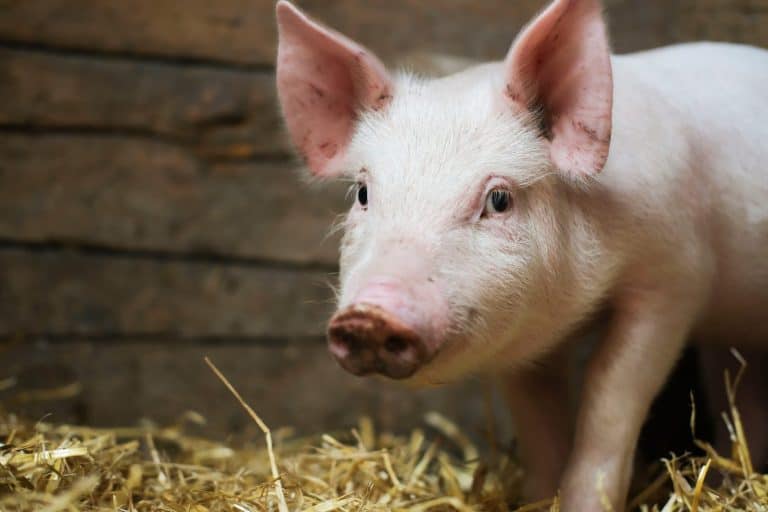
Pig
Root, grunt, outsmart the barn.

Root, grunt, outsmart the barn.
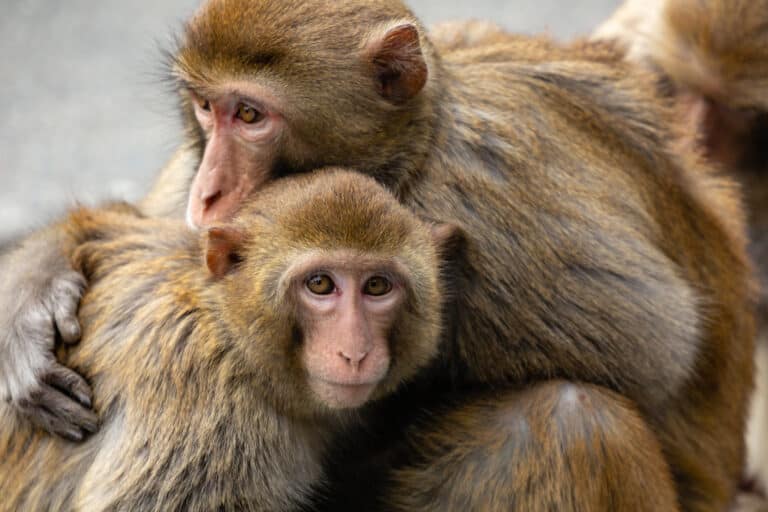
Street-smart primate, social to the core
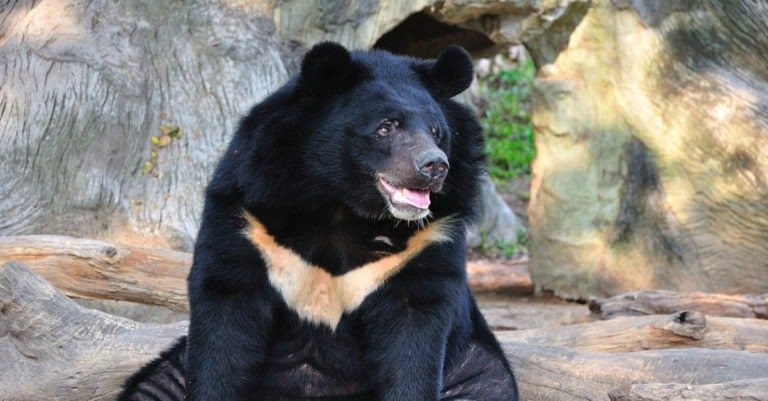
Moon-marked climber of Asian forests
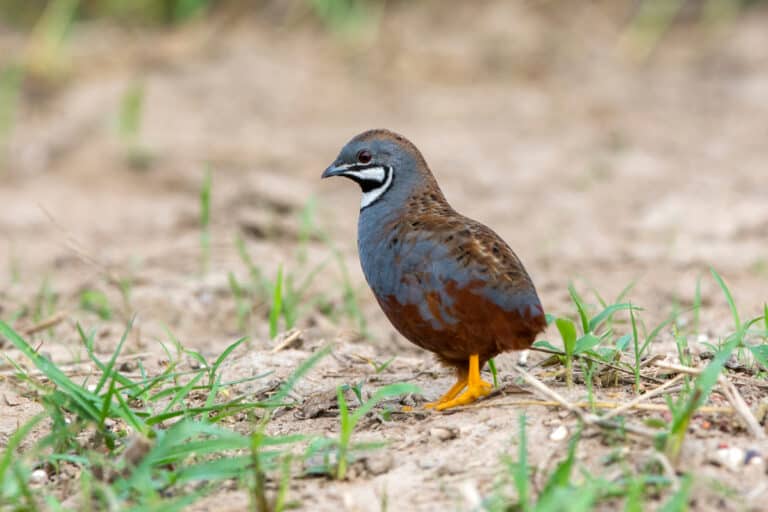
Small quail, big color.
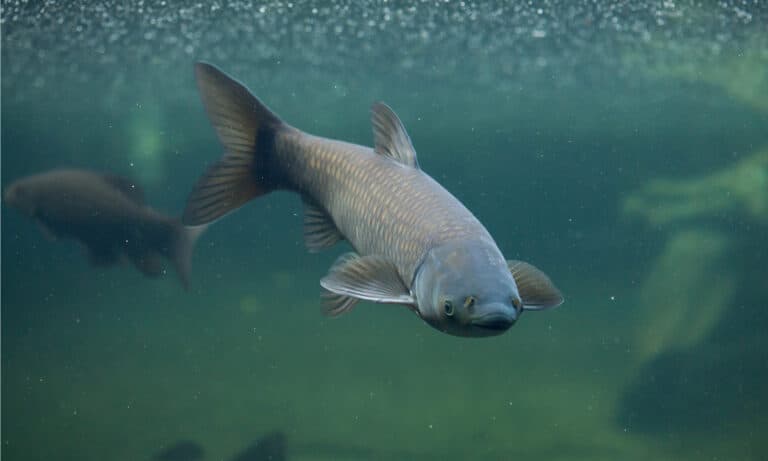
The underwater lawnmower-handle with care
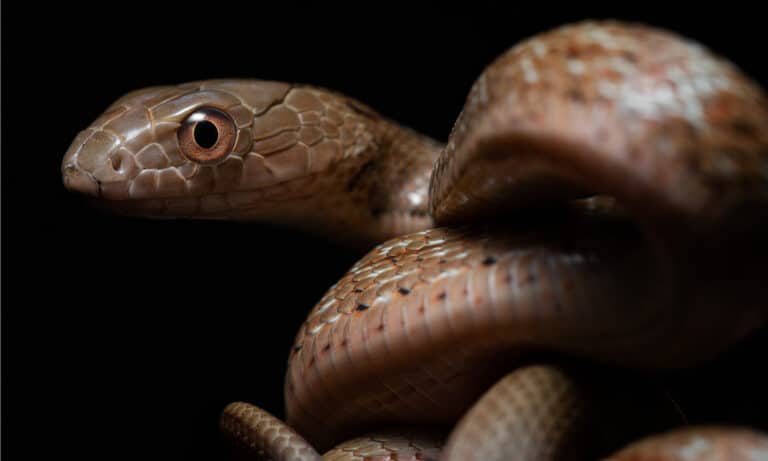
Keeled, bold, and rodent-controlled

Small moth, giant crop threat.
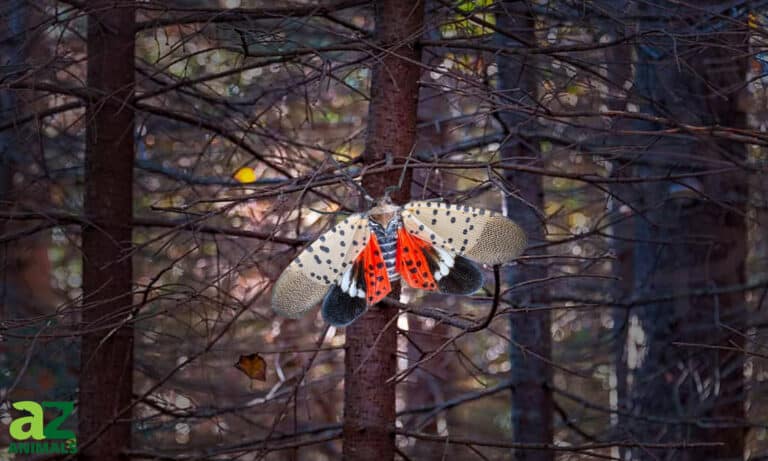
Not a fly-spot the planthopper
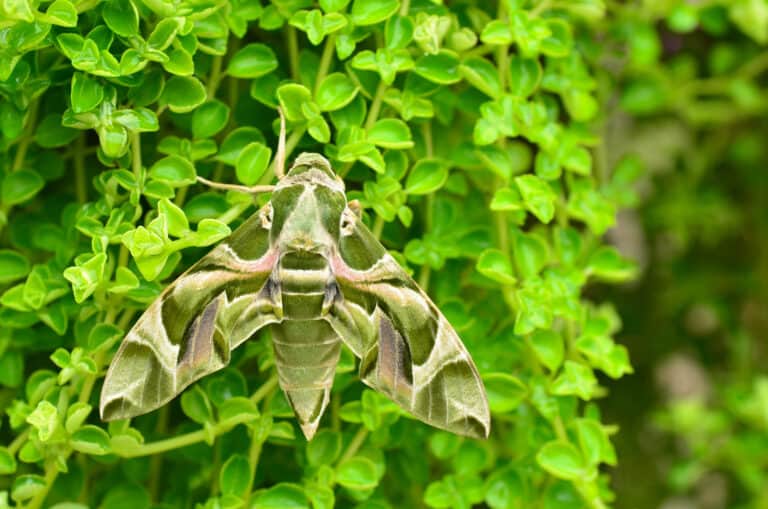
The leaf that flies at dusk
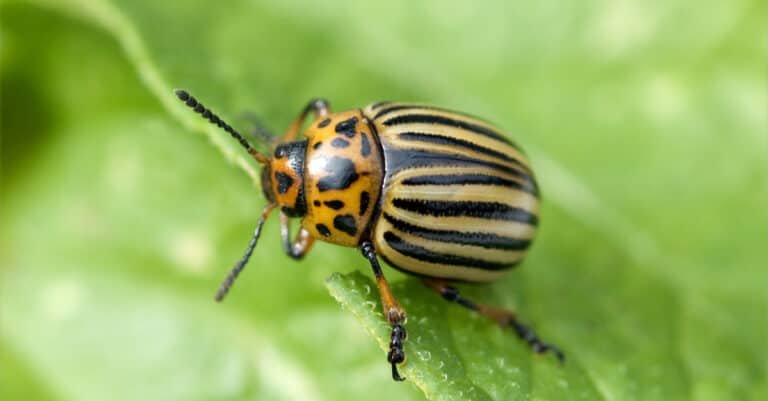
Striped. Stubborn. Potato's nemesis.
Henan sits where the North China Plain meets nearby hills, making a mix of forests, rivers, and farms. Much of the lowland is farmed hard, but pockets of temperate broadleaf forest and rugged foothills still shelter native mammals, forest birds, insects, and amphibians. The Yellow River corridors, lakes, oxbows, and reedbeds act as stepping-stones for East Asian migratory birds in spring and autumn. The Funiu and Taihang foothills have mixed deciduous forests, streams, and rocky slopes that give homes to forest specialists and raptors. Between these areas, farms with shelterbelts, village woodlots, canals, and winter-flooded fields offer secondary habitat for adaptable species. Uniquely for a crowded province, Henan lets you shift from watching geese and waders on river flats to scanning ridgelines for raptors and hearing forest songbirds in one trip.
Henan has a strong north–south and lowland–uplland split. The farmed North China Plain and Yellow River–Huai River lowlands host wetland, riparian, and farmland-adapted species. Western and southern mountain belts (Funiu‑Qinling ranges, Taihang foothills, Tongbai‑Dabie uplands) keep patches of temperate broadleaf and mixed forests that support mammals, birds, and amphibians. Rivers and reservoirs are key stopover and wintering sites for waterbirds.
Approx. ~20 m in northeastern lowland plains to ~2,217 m at high peaks in the Funiu Mountains (e.g., Laojun Mountain), creating strong temperature/moisture gradients and diverse habitats
None (landlocked). Key inland water bodies influencing wildlife include major river wetlands and large reservoirs such as the Danjiangkou Reservoir fringe (water-transfer source area) and Nanwan Reservoir.
Henan's protected areas focus on montane temperate broadleaf forests in Funiu, Taihang, Tongbai and Dabie foothills, and on river-lake wetlands along the Yellow River and near Danjiangkou Reservoir (South-North Water Transfer source). They include national nature reserves, forest parks, geoparks, and many wetland and local reserves that protect migratory bird stopovers, wintering waterfowl and forest wildlife in a farmed landscape.
~8-12% of provincial land area (approx.; varies by whether scenic areas/forest parks are counted alongside formal nature reserves).
A key remnant of warm-temperate deciduous broadleaf forest on the southern slopes of the Funiu Mountains, noted for high plant diversity and intact forest structure that supports forest birds, meso-carnivores, and amphibians in clean headwater streams.
Large, relatively continuous mountain forests and ridgelines that act as an ecological bridge between the Qinling-Daba region and the North China Plain; valuable for forest wildlife viewing (birds and mammals) and watershed protection.
Steep Taihang cliff-and-forest landscapes famous for protecting and enabling observation of free-ranging macaque troops; also important for raptor migration and forest edge biodiversity.
One of central China's most important riverine wetland networks for migratory birds, with sandbars, oxbows, reedbeds and shallow lakes that support large wintering swan flocks and passage cranes/storks along the East Asian-Australasian Flyway.
A classic forested montane refuge at the transition between north and south China biotas; strong for bird diversity (especially in migration) and mixed evergreen-deciduous habitats uncommon in the surrounding plains.
Forest-and-temple mountain landscapes that retain patches of native woodland and rocky habitat; notable for macaques, forest birds, and serving as a stepping-stone habitat island near dense human settlement.
Canyon-and-forest mosaics with cliffs, streams and mixed woodland that support raptors, forest passerines and small carnivores; good for observing montane birds and seasonal movements.
Reservoir lake and surrounding forested hills managed as a major scenic/protected recreation area; provides aquatic and shoreline habitat used by waterbirds.
A well-known Yellow River wetland in Sanmenxia, Henan, noted for large numbers of wintering swans and other migratory waterbirds and used for public wildlife viewing and wetland education.
Urban-proximate riverine wetland restoration and protection area supporting migratory waterbirds; valuable for reedbed birds and as a stopover habitat in the Yellow River corridor.
Reservoir and riverine wetlands critical for water quality protection and for migratory/wintering waterfowl in southern Henan; supports reedbeds, shallow bays and fish-rich waters.
Henan sits where the North China Plain meets the forested foothills of the Taihang-Funiu mountains. The Yellow and Huai River basins make big freshwater and bird migration routes. Wildlife is richest in montane broadleaf forests, river valleys, reservoirs, and restored wetlands. The farmed plains, though busy, still host many wintering and migrating waterbirds. Top wildlife sights are winter swan and goose gatherings on the Yellow River; forest birds, including China-endemic pheasants, in the Funiu and Tongbai ranges; and old stream animals in mountain headwaters.
Henan is best known for wildlife you can miss: migratory waterbirds on the Yellow River and reservoirs, forest birds and mammals in the Taihang and Funiu foothills, and spring frogs and insects in broadleaf woods. Big animals are rare, but birding, raptor watching, and night walks in nature reserves are rewarding.
Peak northbound migration: mixed flocks of shorebirds and waterfowl on Yellow River beaches, oxbows, and reservoir margins; songbird passage in foothill forests (warblers, thrushes, flycatchers). Best time for dawn chorus hikes in Funiu/Taihang broadleaf forests and for amphibian activity around forest streams after rains.
Breeding season in mountains and forest parks: cuckoos, woodpeckers, leaf-warblers, and forest raptors; butterflies and dragonflies in valley streams. Wetlands are lush but can be hot/humid-best wildlife viewing is early morning/evening; look for herons/egrets and reedbed birds.
Southbound migration and clear weather: excellent raptor movement along ridgelines in the Taihang foothills; cranes, geese, and ducks build numbers on larger wetlands and reservoirs. Forest edges offer fruiting-season activity (bulbuls, thrushes) and good photography light.
Best season for concentrated wetland birding: wintering swans, geese, and ducks on open water stretches of the Yellow River and major reservoirs; raptors hunting farmland mosaics (harriers, buzzards, falcons). Crisp visibility makes long-range scope viewing productive; mountain areas are quieter but can still produce owls and woodpeckers.
Henan lies on the middle-lower Yellow River. A flat, low North China Plain turns into the Taihang and Funiu foothills. Uplands have temperate broadleaf forests. There are long river corridors, floodplain wetlands of the Yellow and Huai Rivers, reservoirs, lakes, and much farm and urban land. Natural habitat stays most intact in mountain parks and along big waterways.
Temperate broadleaf and mixed forests persist mainly in the Taihang and Funiu mountain foothills and protected areas, with oak-dominated deciduous stands and mixed broadleaf-conifer patches at higher elevations.
Moderate but fragmented; concentrated in western/northern uplands and southern hill regions, limited on the central/eastern plain
Open grassland/steppe-like vegetation occurs as secondary or edge habitats on drier slopes, degraded hillsides, river levees, and as early-successional communities where forest was removed.
Low; scattered patches, mostly as secondary vegetation within agricultural and upland mosaics
Large river networks (Yellow River and tributaries; Huai River headwaters/tributaries in the south), reservoirs, canals, and aquaculture ponds support freshwater ecosystems and migratory waterbird stopovers.
Widespread as linear networks and clustered around reservoirs/pond complexes
Floodplain wetlands, riparian marshes, oxbow/pond wetlands, and reservoir fringes occur along the Yellow River and other major rivers; many are regulated by dams/levees but remain important for biodiversity and water purification.
Patchy but regionally important; most extensive along major river corridors and around large water bodies
Oak and mixed temperate broadleaf forests in the Taihang and Funiu foothills; many stands are secondary regrowth with protected remnants in reserves and scenic areas.
Higher-elevation and planted conifer stands (e.g., pine/cypress plantations and mixed montane patches) interspersed with broadleaf forest in uplands.
Open, human-influenced woodland and shrub-tree mosaics on hills and foothills, often representing degraded forest or restoration areas.
Secondary shrub communities on disturbed slopes, former woodlands, and erosion-prone hillsides, especially in western/northern uplands.
Small grass-dominated patches on levees, fallow land, and upland clearings; often transient and maintained by disturbance or management.
Taihang and Funiu mountain landscapes with strong elevational gradients, rocky ridges, and forested valleys supporting higher habitat diversity than the surrounding plain.
Rocky escarpments and cliffs in the Taihang/Funiu ranges that provide nesting/roosting sites for birds and specialized cliff vegetation.
Localized limestone and rock caves in mountainous areas, supporting bat roosts and specialized cave fauna where present.
Major river corridors (notably the Yellow River) with riparian belts, sandbars, and regulated floodplains; important for connectivity and waterbirds.
Natural and semi-natural lakes are limited; larger standing waters are often reservoirs that function ecologically as lake-like habitats.
Widespread irrigation ponds and aquaculture ponds across the plain, providing secondary aquatic habitat but often with high nutrient loads.
Riparian marshes, floodplain depressions, and reservoir-edge wetlands; key for water filtration and seasonal wildlife use but sensitive to water regulation.
Reed and sedge marsh pockets along slow-flowing reaches, oxbows, and reservoir margins, fluctuating with water levels.
Dominant land cover on the North China Plain (wheat-maize rotation and other crops), forming a pervasive agro-ecosystem with remnant hedgerows, canals, and shelterbelts.
Economic and restoration plantings (e.g., conifers and broadleaf timber/shelterbelts) in foothills and along fields/roads, often simplifying native habitat structure.
Dense urban and industrial landscapes (e.g., Zhengzhou metropolitan area) with highly modified waterways and fragmented green spaces.
Peri-urban mosaics of villages, smallholder plots, ponds, and tree belts that can retain some semi-natural elements but are under rapid development pressure.
Despite being landlocked, Henan regularly hosts large "arctic-style" winter waterbirds: whooper swans, swan geese, and other migratory species concentrate on Yellow River backwaters and reservoirs when northern waters freeze.
Reeves's pheasant-one of Henan's signature forest birds-often prefers sprinting to flying; its spectacular, very long tail is great for courtship displays but makes quick, sustained flight awkward, so it relies heavily on dense foothill forest cover.
Some of Henan's best bird habitat is a patchwork of working farmland plus floodplain wetlands: post-harvest wheat/maize stubble and nearby shallow water can function like a buffet-and-shelter combo for wintering geese and cranes.
Henan's Taihang-Funiu foothills sit far enough north that winters can be snowy, yet rhesus macaques (Macaca mulatta) persist there-monkeys surviving freezing-season diets by switching to buds, bark, and hardy winter foods.
The Yellow River's "yellow" water doesn't mean low life: many fish and invertebrates are adapted to turbidity, and calmer side-channels/backwaters in Henan can still support fish-eating birds such as herons and cormorants that hunt in clearer marginal waters.
Henan is a stronghold for the endemic Reeves's pheasant (Syrmaticus reevesii): males can grow tail feathers around 2 meters long-among the longest tail plumes of any bird, often longer than the bird's entire body.
Mountain headwaters in Henan (e.g., the Funiu and Tongbai-Dabie ranges) are part of the historical range of the Chinese giant salamander (Andrias davidianus), the world's largest amphibian, known to exceed 1.5 m in length.
The Sanmenxia Reservoir/Swan Lake wetlands in western Henan have reported winter peaks of over 10,000 whooper swans (Cygnus cygnus), placing it among China's biggest inland wintering gatherings of the species.
As the Yellow River crosses Henan, its very muddy water keeps making and washing away sandbars and shoals, creating new places to nest and roost each year for sandbar-using waterbirds like plovers, terns, and gulls in the floodplain.
12 species documented in our encyclopedia
Thank you for reading! Have some feedback for us?
We appreciate your help in improving our content.
Our editorial team will review your suggestions and make any necessary updates.
There was an error submitting your feedback. Please try again.