N S W E
Wildlife Expeditions

Wildlife of
Gansu Sheng

A Silk Road crossroads where desert, loess hills, and Tibetan-Plateau edges meet-hosting rare desert ungulates, highland cats, and a major East Asian flyway corridor.
41 Species
425,800 km² Land Area
Overview

About Gansu Sheng

Gansu stretches like a long corridor across northwest China, with Gobi-fringe deserts, wind‑carved badlands, loess hills, river oases, and the cold edge of the Tibetan Plateau. This hinge of land makes a patchwork of habitats where desert animals meet steppe and mountain life, and where many species gather around water in river valleys and oases. Main habitats include gravel deserts and semi‑deserts with hardy hoofed animals and small mammals; temperate steppe and loess areas that support birds of prey and foxes; and alpine meadows and rocky mountains on the plateau edge that shelter shy predators and high‑altitude animals. Wetlands and river corridors, especially along the Yellow River and basin lakes, are key resting and breeding places for migratory birds. Along the old Silk Road you can travel from desert oases to plateau habitats within one province.

Physical Features

Geography

Gansu’s long, narrow shape crosses many ecological zones: dry Gobi-margin deserts, windblown loess hills, forested mountains, and the high, cold Tibetan Plateau. Animal distributions depend on water (rivers and oases in the Hexi Corridor), elevation-driven climates (montane forests, alpine meadows, glacial headwaters in the Qilian and Plateau margins), and habitat breaks where deserts and busy valleys isolate mountain refuges.

425,800 km² Land Area
About the 7th largest provincial-level division in China Size Rank
China Country
Province Type
Elevation Range

Approximately 550 m in lower river valleys to about 5,547 m in the Qilian Mountains

Key Landscapes

Hexi (Gansu) Corridor: oasis chains and river-fed agriculture forming a major east-west movement corridor for people and some wildlife Gobi and desert margins (incl. Tengger Desert fringes and gravel deserts): desert-steppe habitats supporting arid-adapted fauna Qilian Mountains: high alpine ridges, glaciers, and headwater basins that create cold, high-elevation refugia and watershed habitats Northeastern Tibetan Plateau margin (Gannan/Amdo edge): alpine meadows and wetlands important for grazing herbivores and ground-nesting birds Loess Plateau and loess hills in central/eastern Gansu: eroded gullies, shrub-steppe, and dryland mosaics influencing small mammal and raptor communities Major river systems and corridors: upper-middle Yellow River (and tributaries such as the Tao and Weihe), plus inland-draining rivers like the Heihe (Black River), Shiyang, and Shule that sustain oases, riparian belts, and wetlands in arid basins
Parks & Reserves

Protected Areas

Gansu’s protected areas are mainly large National Nature Reserves (NNRs) and parts of Giant Panda National Park. They protect high alpine and steppe in the Qilian Mountains and Tibetan Plateau edge, desert-oasis wetlands on the Hexi Corridor near Dunhuang/Guazhou, and forested mountains in Longnan/Minshan. These areas help Tibetan antelope, snow leopard, and migratory waterbirds.

Protected Coverage

Roughly ~20-25% of Gansu's land area is under some form of protected-area designation (national/provincial reserves, parks, and protected wetlands), with the largest shares in the Qilian Mountains and plateau-edge grasslands.

National Parks & Preserves

Giant Panda National Park (Gansu section, Longnan/Minshan Mountains)

Gansu portion: on the order of ~1,000-2,000 km² (part of the ~27,000 km² Giant Panda National Park network)

Protects the northwestern edge of the giant panda's range in forested, rugged Minshan-Qinling transition mountains, supporting bamboo understory and a rich assemblage of montane mammals and birds. It is notable for connectivity conservation between panda subpopulations and for mixed broadleaf-conifer habitats that also support other threatened carnivores.

Giant panda Golden snub-nosed monkey Asiatic black bear Takin Chinese goral

State & Provincial Parks

Xinglongshan Forest Park / Xinglongshan protected forests (near Lanzhou, Gansu)

On the order of ~100-300 km² (park/protected-forest complex; varies by administered unit)

Montane forest refuge in an otherwise arid/loess-dominated region, important for woodland birds, small carnivores, and as a regional biodiversity 'island' close to major population centers.

Roe deer Siberian weasel Northern goshawk Black kite Ring-necked pheasant

Zhangye Heihe Wetland Park (Zhangye, Hexi Corridor)

Typically tens of km² (wetland-park scale; managed zones vary)

River-wetland habitat along the Heihe that provides critical stopover and wintering sites for waterbirds in the corridor between deserts and mountains; best in spring/autumn migration.

Whooper swan Ruddy shelduck Great egret Common pochard Black-headed gull

Yeliguan Forest Park (Tao River basin area, southeastern Gansu)

Roughly ~100-300 km² (park-scale; boundaries vary by designation)

Forested mountain and river-valley habitats that support a mix of north China and Tibetan-margin fauna; notable for bird diversity and intact mid-elevation woodland.

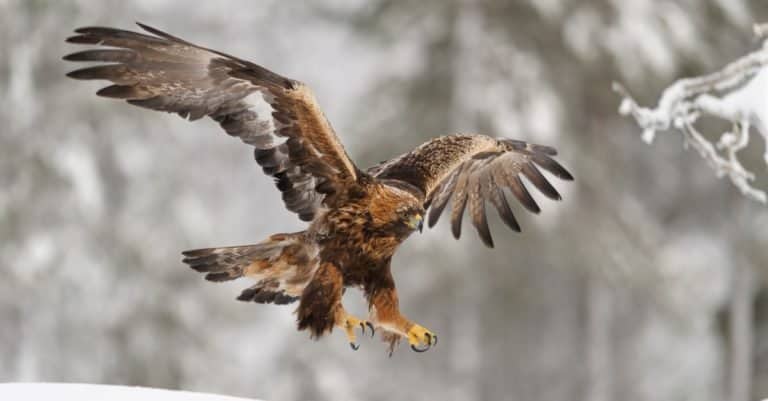
Chinese goral Asiatic black bear (regional presence) Eurasian jay Golden eagle Koklass pheasant

Maqu / Gannan plateau wetlands and grassland protected areas (provincial-level wetland/grassland protection)

Hundreds to >1,000 km² across multiple managed blocks

Open grasslands, river meanders, and marshy flats on the plateau edge that are important for cranes, geese, and grazing ungulates; excellent for expansive landscape wildlife viewing.

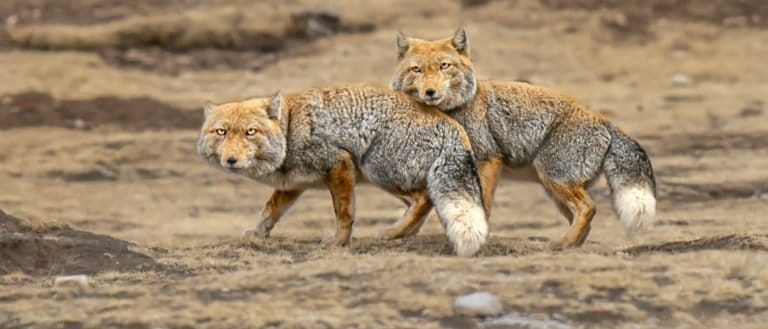
Black-necked crane Bar-headed goose Tibetan fox Plateau pika Upland buzzard

Wildlife Refuges

Qingtu Lake desert wetland restoration/protection area (Minqin, eastern Hexi Corridor)

Variable; wetland extent fluctuates widely year-to-year (often tens to >100 km² depending on inflows)

A rare terminal-lake wetland in a desert transition zone, important for halting desertification locally and providing seasonal habitat for waterbirds when water is present.

Ruddy shelduck Northern shoveler Black-winged stilt Gull-billed tern Great cormorant

Heihe River corridor wetland conservation sites (Hexi Corridor, around Zhangye-Jiuquan reach)

Distributed corridor; individual sites range from a few km² to tens of km²

A chain of riparian woods, marshes, and managed wetlands that function as 'stepping stones' for migratory birds across arid basins; also supports foxes and small mammals along the river greenbelt.

Common crane Whooper swan Greylag goose Eurasian marsh harrier Red fox

Liujiaxia Reservoir and Yellow River wetland sites (Linxia area, Gansu)

Reservoir-scale waterbody with multiple wetland pockets (extent varies seasonally)

Reservoir shoreline, reedbeds, and riverine wetlands that can hold wintering and passage waterfowl; often best for birdwatching during migration and colder months.

Great crested grebe Common coot Mallard Tufted duck Grey heron

Wilderness Areas

  • Remote high alpine basins and ridge systems of the central Qilian Mountains (road-poor headwaters, prime snow leopard/blue sheep terrain)
  • Upper Shule River and Danghe River headwaters landscapes (cold desert-alpine transition with wide-ranging ungulates)
  • Aksai-Yanchiwan high plateau and intermontane basins (large intact steppe/desert-steppe blocks with minimal infrastructure)
  • Gobi desert hinterlands west of Dunhuang/Guazhou (wild camel country; vast roadless gravel plains between oases)
  • Gannan Plateau grasslands away from major towns (expansive open-country habitat for cranes, foxes, raptors)
  • Longnan/Minshan backcountry forests on the Gansu-Sichuan-Shaanxi interface (panda connectivity landscapes with steep, road-limited valleys)
Animals

Wildlife

Gansu's wildlife is shaped by a long east–west range from loess hills and the Yellow River to dry deserts near the Gobi and high mountains by the Tibetan Plateau. This makes a mix of desert and steppe animals (gazelles, foxes, raptors), mountain forest species in southern Gansu (giant panda, takin), and plateau species in Qilian and Gannan (snow leopard, blue sheep, argali, black-necked crane). People often see big mountain mammals in rough terrain, desert hoofed animals and predators in reserves like Anxi, and migratory birds at wetlands and river oases.


≈140-170 species (province-wide, including plateau and montane forest fauna) Mammals
≈380-520 species (high diversity driven by migration corridors and varied habitats) Birds
≈35-55 species (higher in arid lowlands and river oases) Reptiles
≈15-25 species (concentrated in wetter southern mountains and river valleys) Amphibians
≈120-180 species (river basins and endorheic/desert drainages; many localized populations) Fish
Examples

Iconic Species

Snow Leopard
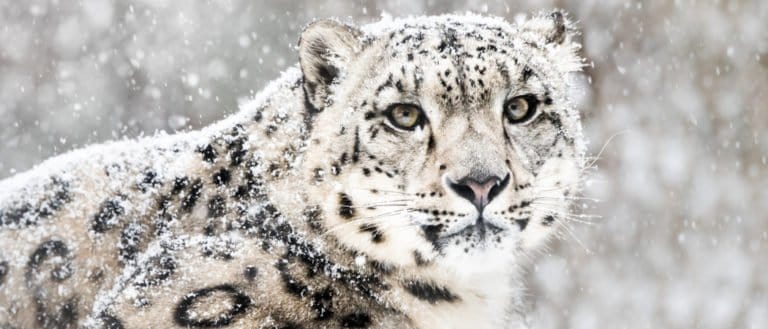
Snow Leopard A flagship predator of the Qilian Mountains and adjacent plateau-edge ranges; Gansu is part of an important landscape for high-altitude camera-trap sightings and conservation.
Giant Panda
Giant Panda In southern Gansu's forested mountains (Minshan/Qinling fringe), visitors and researchers focus on signs and habitat of this globally iconic species at the province's biodiversity-rich edge.
Sichuan Takin
Sichuan Takin A hallmark ungulate of steep, mixed montane forests in southern Gansu; valued for dramatic group sightings and its role as a flagship for forest protection.
Blue Sheep (Bharal) Common prey for snow leopards on rocky slopes and alpine grasslands; one of the most frequently encountered large mammals in Gansu's high mountains.
Argali A signature wild sheep of open, rugged steppe and alpine terrain in western/high Gansu; prized for its size and remote mountain habitat.
Goitered Gazelle An emblem of Gansu's desert and semi-desert plains; often associated with oasis edges and protected desert reserves along the Silk Road corridor.
Przewalski's Horse Reintroduced to parts of arid northwestern China; in Gansu's extreme-arid desert reserves it represents a high-profile restoration story in desert-steppe ecosystems.
Black-necked Crane A flagship wetland bird of the Tibetan Plateau margin (notably Gannan wetlands), drawing attention to the conservation of high-elevation marshes and river valleys.
Saker Falcon A celebrated raptor of open steppe and desert edges; valued by birders where cliffs and wide plains support hunting and nesting.

Endemic & Rare Species

Giant Panda

Ailuropoda melanoleuca

Vulnerable (IUCN); nationally protected; fragmented habitat

Southern Gansu holds peripheral but important habitat linking broader Minshan-Qinling panda landscapes; forest connectivity and bamboo understory condition are key.

Snow Leopard

Panthera uncia

Vulnerable (IUCN); nationally protected

Gansu's Qilian and plateau-edge ranges contribute to a major snow-leopard stronghold network in western China, tied closely to blue sheep/argali prey and low conflict zones.

Przewalski's Horse

Equus ferus przewalskii

Endangered (IUCN); reintroduced from captive-bred stock

A globally rare equid; Gansu's desert-steppe reintroductions are part of China's broader effort to rebuild wild-ranging populations in suitable arid landscapes.

Black-necked Crane

Grus nigricollis

Near Threatened (IUCN); sensitive to wetland loss and disturbance

Gannan's high-elevation wetlands and river valleys support breeding and staging; protection of marsh hydrology is critical in an otherwise water-limited region.

Chinese Grouse

Tetrastes sewerzowi

Near Threatened (IUCN); China-endemic

A range-restricted forest bird associated with conifer and mixed forests in western/central China; southern Gansu forests can be important refugia where logging pressure is controlled.

Pallas's Cat

Otocolobus manul

Least Concern (IUCN) globally, but locally uncommon and sensitive to grassland degradation

A charismatic steppe predator of rocky grasslands and high plains; sightings in Gansu's plateau-edge habitats highlight intact small-mammal communities.

White-lipped Deer

Cervus albirostris

Vulnerable (IUCN); plateau specialist

Where present on the Tibetan Plateau margin, it indicates relatively intact alpine meadow systems; vulnerable to fencing, habitat fragmentation, and competition with livestock.

Notable Populations

  • Qilian Mountains (including areas now under national-park style protection): a nationally important high-altitude assemblage with snow leopard-blue sheep predator-prey dynamics and large-ranged ungulates (e.g., argali in suitable zones).
  • Southern Gansu montane forests (Minshan/Qinling fringe): an important edge-of-range component of China's giant panda landscape, alongside takin and other temperate-forest biodiversity.
  • Gannan plateau wetlands and river valleys: regionally significant habitat for black-necked cranes and other migratory waterbirds concentrated by limited wetland availability in a largely high, dry landscape.
  • Anxi and adjacent extreme-arid desert reserves: nationally notable for desert-steppe conservation efforts (including high-profile ungulate restoration and protection of oasis-dependent wildlife).

Recent Changes

  • Reintroductions and population building: Przewalski's horse has been reintroduced in parts of arid northwestern China, with Gansu desert reserves forming part of the broader restoration landscape.
  • Improved detection and protection: expanded camera-trapping, anti-poaching enforcement, and protected-area upgrades in the Qilian region have increased documented snow leopard and other carnivore records in some zones.
  • Forest recovery effects in the south: continued habitat protection and restoration in southern Gansu have supported stabilization or local recovery of temperate-forest wildlife (including takin and panda habitat quality) in better-managed areas.
  • Water stress and river regulation: ongoing water extraction, dams, and reduced wetland hydrology in some basins continue to pressure native fish communities and waterbird stopover sites, especially in oasis/riparian corridors.
  • Grassland degradation and fencing impacts: localized overgrazing and infrastructure expansion in steppe/plateau areas can reduce habitat quality for steppe specialists and disrupt movements of wild ungulates.
Visit

Wildlife Viewing

Gansu has diverse wildlife along the Silk Road—deserts, river oases, loess hills, alpine meadows and the edge of the Tibetan Plateau. Look for plateau mammals (blue sheep, marmots, Tibetan fox), desert and steppe species (goitered gazelle, raptors), and birds near Yellow River wetlands, oasis lakes and high grasslands. Best seen on road trips between Lanzhou, Zhangye–Qilian, Gannan and Dunhuang/Jiuquan.

Best Seasons

Spring (Mar-May)

Migration and display season for birds around river corridors and wetlands; raptors on passage; early wildflowers in loess hills and lower-elevation valleys. Expect variable weather and wind in desert sections-bring layers and dust protection. Good time for wetland birding near Lanzhou and for steppe birding in the Hexi Corridor.

Summer (Jun-Aug)

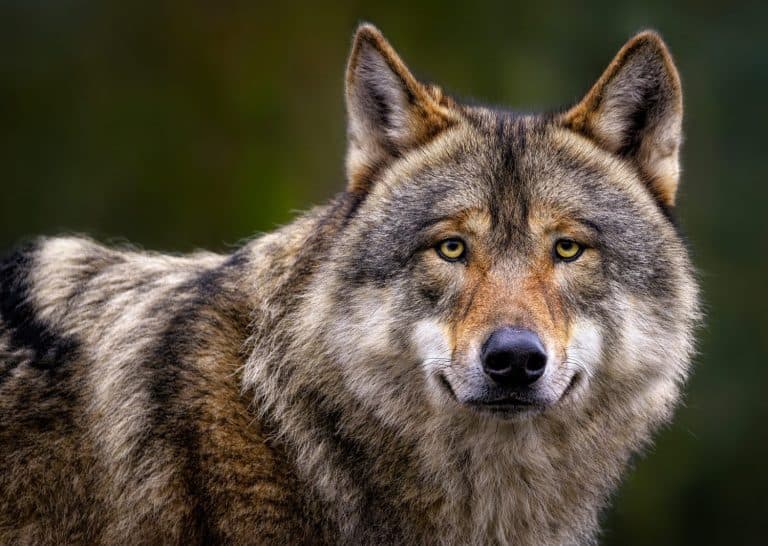
Peak access to high-elevation areas in Gannan and the Qilian margins; alpine meadows are green with flowers, and mammals are active at dawn/dusk (marmots, blue sheep; occasional wolf sign). This is the most comfortable season for plateau grasslands but can bring afternoon storms-plan flexible drives and early starts.

Autumn (Sep-Oct)

Best all-around season: clear skies, crisp mornings, stable roads, and strong fall migration. Wetlands and reservoirs host mixed waterfowl and waders; raptor movement can be excellent. On the plateau, animals feed intensively before winter, improving mammal encounter odds.

Winter (Nov-Feb)

Quiet, stark landscapes with fewer tourists; good for wintering waterfowl on ice-free river sections and reservoirs, plus tracking mammals in snow in parts of Gannan/Qilian edges when accessible. Cold, wind, and road closures are common-best for experienced travelers with a local driver/guide.

Top Wildlife Experiences

  • Plateau grassland mammal and raptor drive in Gannan Tibetan Autonomous Prefecture (around Hezuo-Xiahe-Luqu/Maqu corridors): early-morning scanning for blue sheep on slopes, Himalayan/steppe raptors over open country, and marmots on sunny banks.
  • Wetland birding along the Yellow River in and around Lanzhou: dawn sessions for mixed flocks of ducks, geese, herons/egrets (seasonal), and raptors; pair it with an evening riverside watch for owls where suitable habitat remains.
  • Oasis-edge birding and desert wildlife spotting near Dunhuang (Crescent Lake and surrounding shrub-desert/oasis patches): look for passerines during migration, desert larks and wheatears in open ground, and raptors using thermals over the dunes.
  • High-country meadow and forest-edge wildlife day in the Zhangye-Qilian corridor (accessing the Qilian margins from Zhangye): combine scenic mountain drives with scanning for ungulates on grassy slopes and forest-edge birds; best in summer-early autumn.
  • Reservoir and river-confluence waterbird circuit in the Hexi Corridor (around key lakes/reservoirs near Jiuquan-Jiayuguan-Zhangye depending on conditions): target migrating shorebirds and waterfowl in spring/autumn, plus harriers and falcons hunting over reedbeds.
  • Dawn-to-dusk 'raptor ridge' style watch on open ridgelines in loess/steppe zones (seasonal locations chosen with a guide based on wind and migration): focused sessions for eagles, buzzards, kites, and falcons during peak passages.
  • Responsible night drive / spotlighting (where legal and permitted) on plateau steppe roads in Gannan with a local guide: low-speed scanning for foxes and other nocturnal mammals; always prioritize animal welfare and local regulations.

Wildlife Watching Types

Wetland birding (river corridors, reservoirs, oasis lakes) Migration watching (spring and autumn passerines, raptors, and waterfowl) High-altitude plateau mammal watching (blue sheep, marmots, foxes; occasional large carnivore sign) Desert and steppe wildlife watching (larks, wheatears, gazelles in suitable areas) Raptor watching (thermals over desert margins and open grasslands) Wildflower-and-wildlife walks (summer alpine meadows; spring loess hills) Wildlife photography road trips (long sightlines; best light at sunrise/sunset)

Guided Options

  • Local birding guides and small operators based in Lanzhou, Zhangye, and Dunhuang offering half-day to multi-day wetland/oasis birding (best for finding seasonal hotspots and access-friendly viewing points).
  • Gannan plateau nature tours (multi-day) arranged through regional travel agencies in Xiahe/Hezuo that include grassland wildlife drives and monastery/landscape itineraries-ask specifically for wildlife-focused early-morning and dusk time blocks.
  • Nature-focused Silk Road overland tours (Zhangye-Jiayuguan-Dunhuang) that can be customized to add migration birding stops at reservoirs/wetlands and dedicated sunrise/sunset raptor sessions.
  • Community-based grassland experiences in Tibetan areas (homestays/guesthouses) that can connect travelers with local drivers familiar with seasonal wildlife areas-choose providers who follow no-chase, stay-on-road practices.
  • Protected area visitor programs where available (interpretation centers, ranger-led walks in select scenic areas): inquire locally for current offerings and seasonal access rules, especially in high-elevation zones and wetlands with sensitive breeding areas.
Habitats

Ecosystems

Gansu's long Silk Road shape creates sharp zones: very dry basins and Gobi edges in the Hexi Corridor; loess hills and river valleys in the east and center; cold highlands on the Qilian Mountains and NE Tibetan Plateau margin (Gannan). Ecosystems follow water (oasis corridors vs endorheic deserts) and elevation, from montane forests and grasslands to alpine meadows and steppe.

Biomes

Cold Desert

Cold, highly continental deserts and semi-deserts dominate the Hexi Corridor and Gobi-margin landscapes (stony regs, gravel plains, shifting dunes), with sparse shrubs and ephemeral plants after rare rains; many drainages are endorheic.

Majority in the northwest/central-west (Hexi Corridor: Jiuquan-Jiayuguan-Zhangye-Jinchang and surrounding basins).

Temperate Grassland

Temperate steppe and desert-steppe on loess hills and basin margins, with drought-tolerant grasses and forbs; heavily influenced by grazing and historical land use.

Broad belt across central and eastern Gansu, and on desert margins (patchy but extensive).

Alpine

High-elevation Tibetan Plateau margin and Qilian uplands: alpine meadows, cold alpine steppe, talus slopes and periglacial landforms; short growing season and strong altitudinal zonation.

Significant in the south (Gannan) and southwest-to-northwest mountain arcs (Qilian Mountains).

Temperate Forest

Montane forests in wetter mountain zones: conifer-dominated stands (spruce/fir) with mixed broadleaf components in valleys and lower slopes; key for headwater regulation of inland rivers.

Localized but ecologically important in the Qilian Mountains and parts of southern Gansu mountain ranges.

Freshwater

River corridors and headwaters (including stretches of the Yellow River and inland rivers like the Heihe/Shiyang systems) support riparian woodlands, reedbeds, and irrigation-fed aquatic habitats.

Linear and scattered; concentrated along major river valleys, reservoirs, and oasis irrigation networks.

Wetland

Oasis-associated marshes, floodplain wetlands, highland peat-forming meadows and marshes in cooler southern uplands; critical stopover/foraging habitat for waterbirds in arid regions.

Small overall area; notable pockets around oasis wetlands (e.g., Zhangye area) and high-elevation southern Gansu wetlands.

Habitats

Desert

Gobi gravel plains, dune fields, and stony desert basins in the Hexi Corridor and northwest; sparse saxaul-like shrubland and ephemeral annuals after precipitation.

Steppe

Temperate steppe/desert-steppe on loess and piedmonts; grazing lands with drought-adapted grasses and forbs.

Shrubland

Desert and montane shrublands on dry slopes and basin margins (salt-tolerant and drought-tolerant shrubs; important for erosion control in loess areas).

Grassland

Open grasslands in cooler uplands and basin margins; includes meadow-like pastures in higher, wetter zones of southern Gansu.

Mountain

Qilian Mountains and southern ranges create strong elevation bands, steep relief, and headwater catchments feeding inland rivers.

Alpine Meadow

High-elevation meadows on the Tibetan Plateau margin (Gannan) and upper Qilian; short growing season, grazing pastures, and summer-flowering forb communities.

Coniferous Forest

Montane spruce/fir forests in wetter Qilian and southern mountain zones; crucial habitat and watershed cover in otherwise arid surroundings.

Deciduous Forest

Valley and lower-slope broadleaf patches (e.g., birch/poplar/willow components), often mixed with conifers or occurring as riparian woodland.

River/Stream

Yellow River corridor (around Lanzhou and downstream) plus inland rivers such as the Heihe/Shiyang; riparian belts, irrigation canals, and floodplain fragments.

Lake

Scattered natural and artificial lakes/reservoirs in basins and along river systems; many are saline or fluctuate strongly with inflow and water withdrawals.

Wetland

Oasis wetlands and floodplain wetlands (reedbeds, wet meadows), especially valuable in arid Hexi and along major rivers.

Marsh

Reed and sedge marshes in lowland floodplains and oasis margins; seasonal water level variability is common.

Bog

Localized high-elevation peat-forming wetlands in cooler southern uplands (where saturation persists), sensitive to drainage and warming.

Cliff/Rocky Outcrop

Loess bluffs, canyon walls, and rocky escarpments provide nesting/roosting sites and microhabitats, especially in river gorges and mountain fronts.

Cave

Loess and limestone cave/rock-shelter systems occur locally; some are associated with river valleys and karst pockets, supporting specialized fauna.

Agricultural/Farmland

Irrigated croplands in oasis belts (Hexi Corridor) and river valleys; includes shelterbelts and fragmented semi-natural edges.

Urban

Major urban/industrial nodes along transport corridors (e.g., Lanzhou and Hexi cities) embedded within river-valley and oasis landscapes.

Ecoregions

Alashan Plateau semi-desert (WWF) Ordos Plateau steppe (WWF) Qilian Mountains conifer forests (WWF) Northeast Tibetan Plateau alpine shrub and meadows (WWF) Northeast Tibetan Plateau alpine steppe (WWF) North China Loess Plateau mixed forests (WWF)
Protection

Conservation

Primary Threats

  • In the Hexi Corridor and oasis belts (e.g., around Dunhuang/Jiuquan-Zhangye-Wuwei), conversion of natural desert-steppe and riparian corridors to irrigated farmland and shelterbelts reduces habitat continuity for gazelles, ground-nesting birds, and desert reptiles; in southern Gansu (Longnan), forest-edge development and small-scale land conversion fragment panda and primate habitat.
  • Warming and altered precipitation accelerate glacier and snowpack decline in the Qilian Mountains, shifting runoff timing and reducing late-season water availability for downstream oases; on the Tibetan Plateau margin (Gannan), warmer conditions can drive meadow degradation and wetland shrinkage that affects black-necked crane and other alpine wetland fauna.
  • Industrial emissions and urban/industrial wastewater in the Yellow River corridor (including the Lanzhou industrial belt) affect aquatic habitats; localized heavy-metal and tailings contamination risks occur around mining districts, with downstream impacts on riparian vegetation and riverine fish/invertebrates.
  • In regulated rivers and reservoirs, non-native fish introductions and aquaculture escapees can alter native fish communities; along disturbed riparian zones and roadsides, invasive weeds can outcompete native steppe/desert plants, reducing forage quality for wild ungulates.
  • Disease transmission risks rise where livestock share grazing and water points with wildlife in Gannan and Qilian foothills (e.g., respiratory and parasitic infections), potentially affecting wild ungulates and predators reliant on them.
  • Although enforcement has improved, occasional poaching persists in remote mountain and desert areas, targeting ungulates (for meat) and musk deer (for musk), and can depress already small or fragmented populations.
  • Illegal collection/trade pressures remain for high-value species or parts (e.g., musk deer products, raptors), and for some reptiles or birds collected opportunistically along transport corridors.
  • In parts of the Yellow River system and inland rivers feeding oases, fishing pressure and habitat simplification (channelization/reservoirs) can reduce native fish abundance and age structure, especially near accessible reaches.
  • High tourism intensity around iconic Silk Road sites (e.g., Dunhuang/Mogao area) and expanding recreation in mountain scenic zones increase noise, traffic, and off-trail use, disturbing wildlife and concentrating pressure at water sources in arid landscapes.
  • In Gannan and Qilian pastoral areas, snow leopard and wolf depredation on livestock can trigger retaliatory killing or poisoning; crop-raiding and property damage by some wildlife near forest edges in southern Gansu can reduce tolerance for conservation.
  • Small, isolated subpopulations in fragmented mountain forests (notably in southern Gansu) raise inbreeding and reduced gene flow risks for forest-dependent mammals; barriers such as roads/settlements further limit dispersal.
  • Groundwater pumping and upstream water withdrawals to sustain oasis agriculture and cities reduce baseflows and shrink riparian belts/wetlands-critical 'life lines' for biodiversity across the arid Hexi Corridor.
  • Highways, rail lines, energy corridors, and expanding wind/solar bases in open steppe/desert landscapes increase habitat fragmentation and collision risk (especially for birds), while new access roads can facilitate human disturbance and illegal take.
  • Dams, reservoir operations, and river engineering on the Yellow River and inland basins alter sediment and flow regimes, simplifying channels and disconnecting floodplains; water diversion projects can reduce downstream wetland extent.
  • Where irrigation is possible, expansion or intensification of farmland competes directly with natural vegetation for land and water, and increases pesticide/fertilizer runoff risks into river corridors.
  • Growth around Lanzhou and other corridor cities increases land take, traffic, and peri-urban pollution; it also concentrates water demand that can intensify ecological water deficits downstream.
  • Commercial logging has been substantially curtailed by national programs, but legacy impacts remain in some mountain forests (fragmentation, simplified age structure), and localized illegal cutting can still occur in remote valleys.
  • Coal, metal, and industrial mineral extraction in mountain and desert-margin zones can remove/fragment habitat, increase road density, and create dust and tailings risks; careful zoning is especially important near Qilian mountain headwaters and key migration/foraging areas.
Fun Facts

Did You Know?

Gansu's long Silk Road shape puts Gobi-edge desert next to high, cold plateaus, so desert and alpine species, even snow leopards, live very close together in the province.

Desert wetlands near Dunhuang can get big waves of migratory birds. A single open water spot in the Hexi Corridor acts like an airport hub, making birds gather at oases with food and shelter.

Populus euphratica (Euphrates poplar) forms drought- and salt-tolerant "desert forests" along inland rivers in the Hexi Corridor; these trees can survive heavy sand burial and resprout, creating long-lived habitat structure in places that otherwise look treeless.

Several iconic plateau mammals (e.g., blue sheep and other cliff/steppe ungulates) use steep, broken terrain as their main refuge; in parts of southern Gansu, the best wildlife-viewing can be on barren-looking scree slopes rather than in lush valleys.

In Gansu, edge-of-range wildlife, especially high-altitude species, can be easier to find than in core areas: predators and herbivores gather along river corridors, spring-fed grass patches, and mountain passes, a narrow band of habitat.

The Qilian Mountains in northern Gansu sit on the northeast edge of the Tibetan Plateau and are one of the farthest northeast places where snow leopard and wild yak still live together.

Camera-trap and field surveys in the Qilian Mountains have documented snow leopards at elevations above ~5,000 m-near the upper elevational limit recorded for the species anywhere (the cat is famous for living higher than most large predators).

The Heihe River running through Zhangye is China's second-largest inland river (after the Tarim), and its middle-reach wetlands are the largest continuous ribbon of "river oasis" habitat in an otherwise desert-steppe region-critical for breeding and migrating waterbirds.

Dunhuang West Lake National Nature Reserve is widely described in provincial conservation materials as Gansu's largest desert-wetland protected area-an outsized "island" of reeds, open water, and riparian scrub that concentrates birds in the Hexi Corridor.

Gansu's Yanchiwan area (near Subei, bordering the plateau) is at the fringe of the global range for Tibetan antelope and kiang (Tibetan wild ass), making it one of the outermost/edge-of-range strongholds for these high-altitude specialists in China.

Thank you for reading! Have some feedback for us?