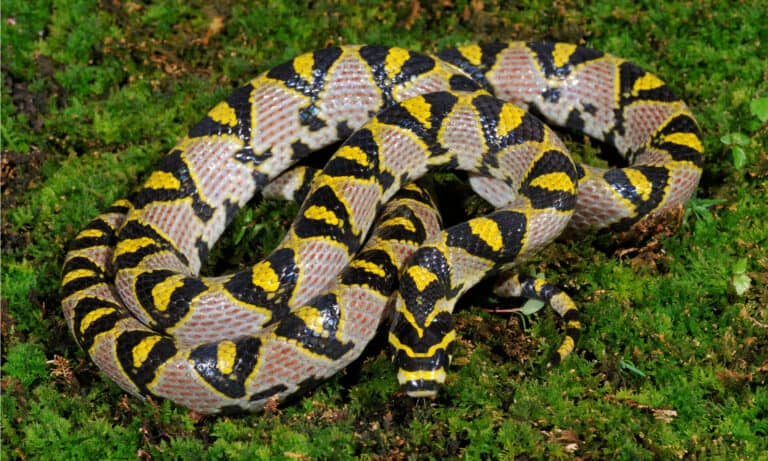
Mandarin Rat Snake
Forest jewel of East Asia

Forest jewel of East Asia
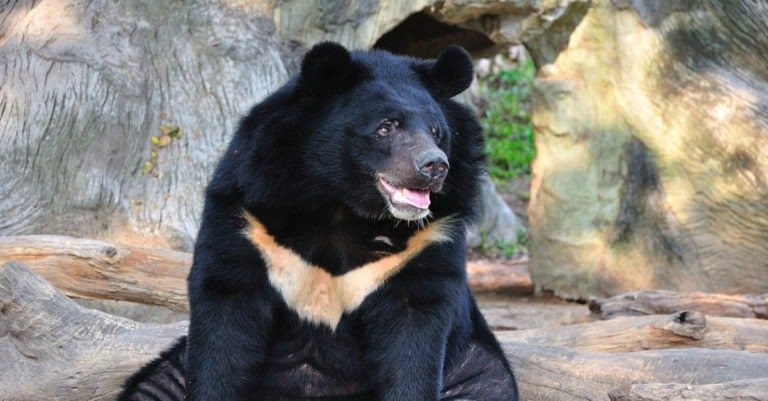
Moon-marked climber of Asian forests
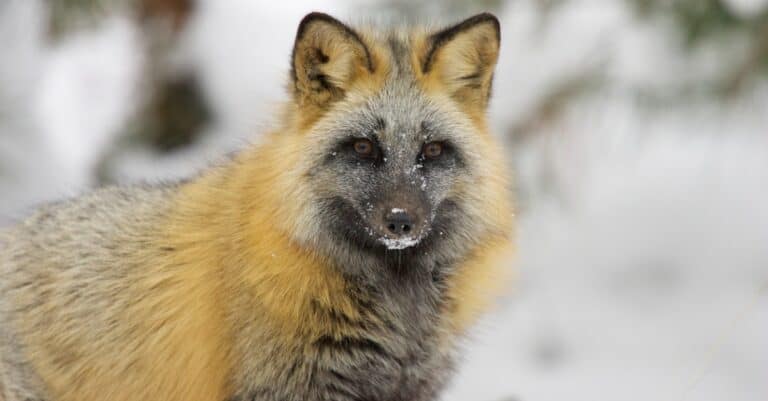
Cross-marked, wild, and wily.
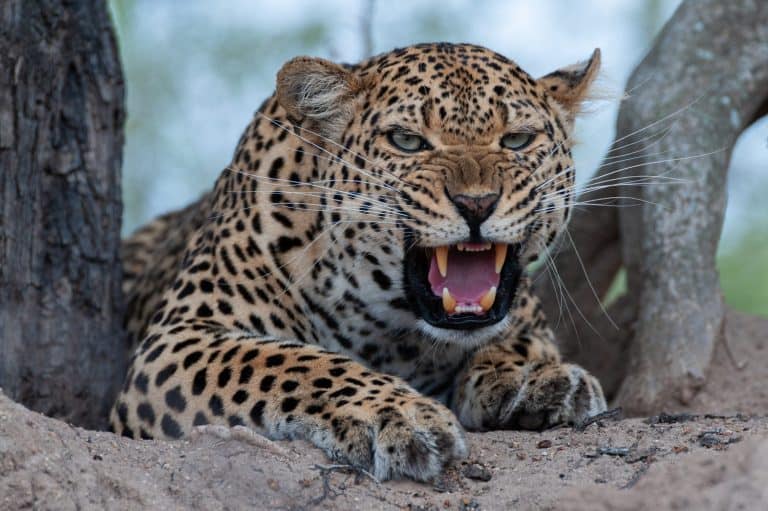
Rosettes in the shadows.

A moth that flies like a hummingbird
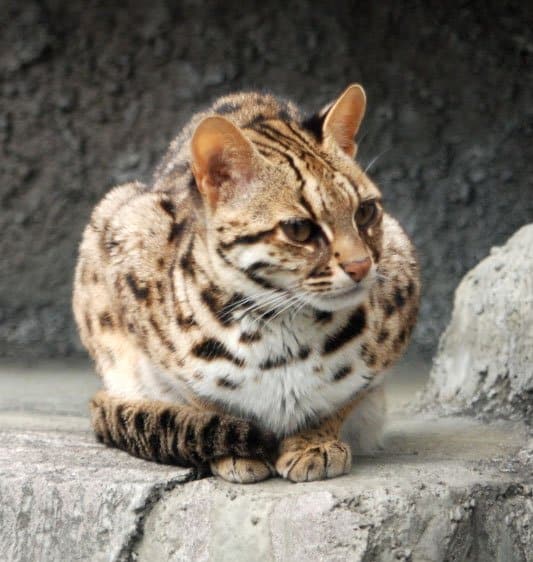
Asia's adaptable little spotted hunter

Golden power on open skies
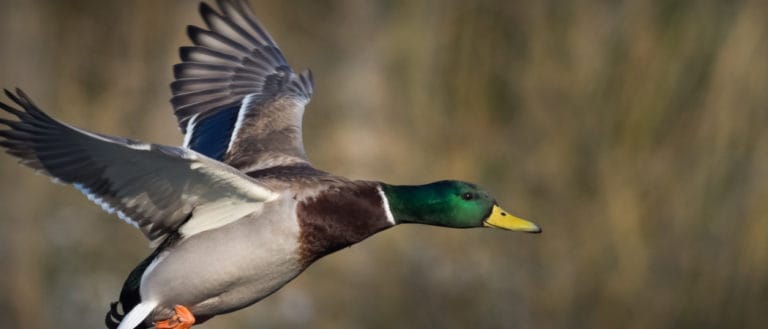
The adaptable original duck

Keeled, bold, and rodent-controlled
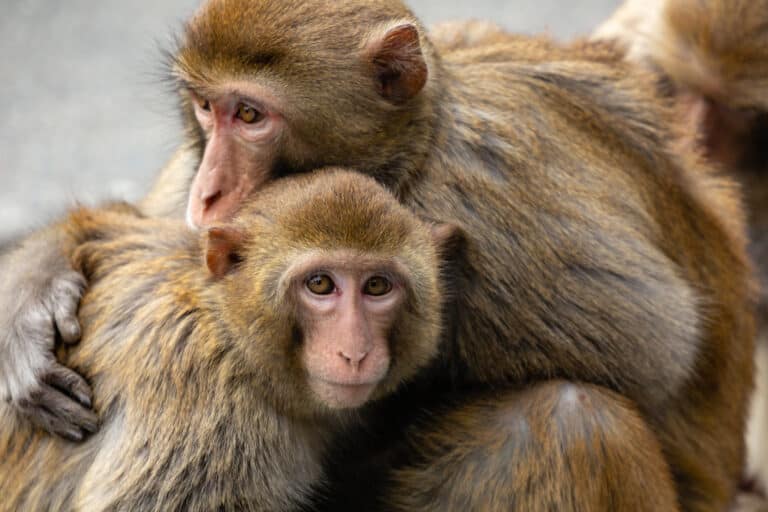
Street-smart primate, social to the core
Sichuan's wildlife is shaped by big height changes: a warm, fertile basin ringed by steep mountains that rise into cloud forests and, in the west, the high eastern Tibetan Plateau. This creates many habitats and lets subtropical, temperate, and alpine species meet, making Sichuan a biodiversity stronghold and important for giant panda conservation. Key ecosystems include the Sichuan Basin wetlands and river corridors, which support migratory birds and amphibians; the montane broadleaf-conifer forests of the Qionglai, Minshan and Daxiangling mountains, where bamboo undergrowth supports panda and red panda; and the high-elevation grasslands, scree slopes, and cold deserts of western Sichuan, home to plateau-adapted hoofed mammals and predators. Mountain chains form refuges and movement routes. Wildlife watching is special here because you can go from misty basin edges to panda forests and on to Tibetan-plateau panoramas in short trips within one province and its panda reserves.
Sichuan has a steep west-east change: cold, high alpine areas at the eastern edge of the Tibetan Plateau drop to the warm, humid Sichuan Basin. This mix of subtropical lowland forests, river valleys, montane conifer-broadleaf forests, and alpine meadows leads to many different species and supports biodiversity hotspots, including giant panda habitat in cool forests on the basin's western rim.
~250 m (Sichuan Basin lowlands) to 7,556 m (Mt. Gongga/Minya Konka), driving strong habitat and climate diversity
No ocean coastline; aquatic habitats are dominated by large river valleys of the upper Yangtze system, plus scattered highland lakes and extensive plateau wetlands (e.g., Ruoergai/Zoige marshes).
Sichuan's protected areas are vital for biodiversity, from low-elevation Sichuan Basin forests through the Qionglai–Minshan mountains to alpine eastern Tibetan Plateau. Protection comes from China's national park pilot (Giant Panda National Park), UNESCO sites, National Nature Reserves, provincial reserves, and forest/scenic parks. They focus on panda habitat, connectivity, high-elevation ungulates, carnivores, birds, and amphibians.
≈20-25% of the province (rough estimate; depends strongly on whether scenic areas, forest parks, and smaller reserves are counted alongside formal nature reserves and the national park).
Core stronghold for giant panda conservation, integrating many former reserves across the Qionglai and Minshan mountains to improve habitat connectivity and reduce fragmentation; also protects exceptionally species-rich temperate montane forests.
Globally recognized for high panda density and intact elevational gradients from broadleaf forests to alpine meadows; important for long-term panda genetic viability and for landscape-scale conservation in the Qionglai Mountains.
Famous lake-and-waterfall valleys also serve as important Minshan mountain wildlife habitat, supporting forest mammals and high bird diversity; surrounding forests act as ecological stepping stones in the broader mountain landscape.
Protects high-elevation forests, limestone terraces, and alpine ecosystems in the upper Minshan range; valuable for montane mammal assemblages and as part of a broader conservation mosaic near key panda landscapes.
Alpine valleys and dramatic high peaks in the Qionglai range; noted for high-elevation wildlife (ungulates and predators) and for forming an important ecological link with adjacent panda landscapes at lower elevations.
Temperate mountain forests on the Sichuan Basin rim that function as key habitat and movement corridors for panda-range wildlife; also important for watershed protection and post-earthquake habitat recovery monitoring.
A steep elevational gradient from evergreen broadleaf forest to subalpine conifer and alpine meadow supports diverse birds and mammals; valued as a near-urban refuge and for maintaining connectivity toward larger mountain protected areas.
Moist montane forests on the western Sichuan Basin margin with strong amphibian and bird diversity; also a gateway landscape tied to panda conservation outreach and habitat protection in the Ya'an region.
One of China's most important panda conservation sites with long-running research and monitoring; dense panda habitat across strong elevational gradients also supports diverse carnivores and ungulates.
Well-known for reliable wildlife encounters relative to many reserves, with recovering large-mammal populations and strong camera-trap records; an important node in northern Sichuan mountain conservation.
Classic Minshan panda reserve with extensive conifer-bamboo forests; valuable for panda population security and for monitoring climate-linked shifts in montane species communities.
Important panda habitat and corridor landscape close to the provincial capital; protects intact mid-elevation forest that supports wide-ranging mammals and serves as a connectivity link among Qionglai mountain protected areas.
Sichuan's wildlife is defined by extreme elevational and climatic gradients: subtropical forests and wetlands of the Sichuan Basin rise westward into the Qionglai-Minshan ranges and the eastern edge of the Tibetan Plateau. This creates a globally important montane biodiversity hotspot with exceptional endemism, especially in forest mammals, pheasants and other montane birds, and a very rich amphibian fauna in the province's humid mountain systems. River networks tied to the upper Yangtze historically supported distinctive fish assemblages, though many large river species have declined sharply.




Sichuan's big change in elevation—from the warm Sichuan Basin to high Tibetan Plateau mountains—makes many habitats: bamboo forests, alpine meadows, shrublands, river gorges, and wetlands. You can see giant panda (in centers and reserves), red panda, golden snub-nosed monkey, takin, Chinese goral, Himalayan serow, Tibetan fox, and sometimes rare snow leopard. Bird watching is great year-round.
Mild weather in low and mid elevations brings more activity in mountain forests. Rhododendrons and new leaves make birds sing and show off, so it's great for forest birding and visiting panda centers with nearby reserves. High passes may still have snow, but late spring opens alpine areas for early wildflowers and mammal watching.
Lush landscapes and access to higher-elevation meadows and passes; strong season for alpine mammals (takin, goral, pika), butterflies, and high-mountain bird specialties. Expect heat and humidity in the basin and frequent rain; some trails can be muddy and visibility can be variable in cloud-forest zones. This is also peak domestic travel in some areas.
Often the prime season for photography and comfortable trekking: clearer skies, stable weather, golden foliage, and excellent visibility in mountain regions. Many mammals feed actively before winter; rutting/territorial behaviors can increase sightings. Great for combining forest reserves with plateau-edge landscapes; generally the most reliable season for multi-habitat itineraries.
Fewer crowds, crisp air, and dramatic snow scenery in the mountains. Lower elevation wetlands can be strong for wintering waterbirds. In montane forests, animal tracks on snow can help with tracking (though some high roads may close). Cold at high elevation is serious; plan shorter hikes and focus on accessible reserves and birding/wetland sites.
Sichuan ranges from the warm, wet Sichuan Basin in the east up through steep mountains (Qionglai, Minshan, Daxue, Hengduan) to the eastern edge of the Tibetan Plateau. This makes a mix of subtropical and temperate broadleaf forests, rich montane mixed and conifer forests (key giant panda habitat), alpine meadows and shrublands, rivers and high-plateau wetlands.
Dominant natural vegetation across foothills and mid-elevations: evergreen broadleaf and mixed broadleaf forests in the basin margins and montane zones; includes key panda-associated montane broadleaf-conifer mosaics.
Widespread on basin margins and mountain mid-slopes; a large share of remaining natural habitat outside the highest alpine zone.
Very wet montane forests on windward slopes (notably western Sichuan around the Qionglai-Minshan ranges and Ya'an-Emei sector), with lush understories (mosses, ferns, bamboo) driven by high precipitation and cloud/fog.
Patchy but significant on humid western mountain slopes and cloud-forest belts; localized compared to overall temperate forest.
High-elevation meadows, shrublands, scree, and nival zones on the western high mountains and plateau edge; short growing seasons and strong cold/wind exposure.
Extensive in western Sichuan (Garzê/Aba and high ranges); increases with elevation above treeline.
High-plateau and valley grasslands/steppe-like meadows on the eastern Tibetan Plateau margin; often used for seasonal grazing and interspersed with shrubland.
Primarily in northwestern/western plateau areas; moderate areal extent, concentrated above ~3,000-3,500 m where forests thin.
Major river networks and headwaters (upper Yangtze system: Jinsha, Yalong, Min, Jialing, Tuo), montane streams, reservoirs, and highland lakes supporting fish, amphibians, and riparian corridors.
Province-wide along valleys and basins; densest network in the Sichuan Basin and mountain river corridors.
Riverine floodplain wetlands in the basin plus high-elevation marshes and peatlands (notably Zoige/Ruoergai area) important for water regulation and migratory birds.
Localized but ecologically crucial; largest continuous wetlands on the northwestern plateau, smaller fragments along lowland rivers and lakes.
Broadleaf and mixed forests across basin margins and montane belts; core habitat for many endemic/flagship taxa and key watershed protection.
Temperate deciduous components (e.g., oaks, maples) on cooler slopes and mixed forest zones, often forming mosaics with evergreen broadleaf at lower elevations.
Subalpine spruce-fir-larch forests on higher mountain slopes (Qionglai/Minshan/Hengduan systems), including important panda-adjacent forest-bamboo mosaics below treeline.
Open-canopy secondary woodlands and recovering slopes around the basin and foothills, often shaped by past harvesting, fuelwood collection, and reforestation.
High-elevation meadows and valley grasslands on the plateau margin; frequently managed by grazing and prone to fragmentation near settlements/roads.
Drier, open plateau grassland patches in parts of western/northwestern Sichuan where moisture is lower and winds/solar exposure are high.
Alpine and subalpine shrub zones (rhododendron, willow, dwarf shrubs) above/near treeline and on disturbed slopes; important transition habitat.
Treeline-to-high-alpine meadows with strong seasonality and high floral diversity; critical summer grazing and wildlife habitat in western Sichuan.
Steep, deeply dissected terrain with strong elevational zonation (foothill forests to subalpine conifers to alpine meadows and scree), creating high beta-diversity over short distances.
Rocky escarpments and river gorges (especially in western ranges and major valleys) providing raptor nesting sites and refugia for cliff flora.
Karst and limestone cave systems in parts of eastern/southern Sichuan and basin margins; support bat roosts and specialized cave invertebrates.
Large, fast-flowing mountain rivers and lowland tributaries (Min, Jialing, Tuo, Yalong, Jinsha) with riparian forests, gravel bars, and canyon reaches; heavily influenced by dams in some corridors.
Natural highland lakes and numerous reservoirs; highland lakes act as biodiversity nodes and stepping-stones for waterbirds.
Small ponds, paddy-associated waters, and aquaculture features common in the basin; important for amphibians but sensitive to pollution and invasive species.
Floodplain and lacustrine wetlands in the basin plus plateau-edge peatlands; crucial for flood buffering and dry-season baseflow.
Reed/sedge marshes in lowland floodplains and on the Zoige Plateau; key breeding/stopover habitat for birds.
Peat-forming wetlands on the northwestern plateau (Zoige/Ruoergai), storing large carbon stocks and regulating headwaters.
Dense urban ecosystems around Chengdu and major basin cities, with remnant riparian corridors and parks that serve as limited wildlife habitat.
Urban-rural fringes with mixed greenspace, smallholder plots, and waterways; often a hotspot for human-wildlife interaction and invasive species.
Extensive croplands in the Sichuan Basin (rice, rapeseed, vegetables, wheat/maize in rotation), with paddy-canal networks forming semi-aquatic habitat mosaics.
Managed timber and economic tree plantings (e.g., bamboo production, fast-growing conifers) on basin margins and foothills; biodiversity value varies with understory and landscape connectivity.
In Sichuan's Qionglai and Minshan mountains, wild pandas make seasonal elevational "commutes," shifting up- and downslope to track the most nutritious bamboo parts (especially tender shoots), rather than staying in one patch year-round.
Panda cubs born in Sichuan's panda range start life incredibly small-typically ~100-200 g-around 1/900 of an adult female's body mass, one of the most extreme mother-newborn size gaps among placental mammals.
The eerie "baby crying" sound reported from some Sichuan mountain streams is often the Chinese giant salamander; its common nickname in China, which translates to "baby fish," comes from these infant-like calls.
Sichuan's mountains change habitat quickly—from broadleaf forest to subalpine conifer to alpine scrub—so one county like Baoxing can support giant panda, golden snub-nosed monkey, takin, and Asiatic black bear.
Sichuan's golden snub-nosed monkeys live at very high, snowy elevations (often ~3,000-4,000 m) and can fall back on lichens, bark, and buds in winter-an unusually "cold-adapted" survival strategy for a primate.
Sichuan holds the single largest share of the world's wild giant pandas: China's 4th National Giant Panda Survey (published 2015, counting 2011-2014) recorded 1,387 wild pandas in Sichuan-about 74% of the national total (1,864).
Giant Panda National Park, officially created in 2021, is about 27,134 km² across Sichuan, Shaanxi, and Gansu; about three-quarters lies in Sichuan, making it the main area protecting habitat for the giant panda.
Sichuan is within the native range of the Chinese giant salamander (Andrias davidianus), the world's largest amphibian-historically reported up to ~1.8 m long (though wild populations have declined severely).
Northwestern Sichuan's Zoigê/Ruoergai wetlands are widely cited as China's largest high-altitude peatland/wetland complex on the eastern Tibetan Plateau and serve as a major breeding area for the black-necked crane (the only crane species that breeds on the Tibetan Plateau).
52 species documented in our encyclopedia
Thank you for reading! Have some feedback for us?
We appreciate your help in improving our content.
Our editorial team will review your suggestions and make any necessary updates.
There was an error submitting your feedback. Please try again.