N S W E
Wildlife Expeditions

Wildlife of
Liaoning Sheng

Where Manchurian mountains meet the Bohai-Yellow Seas, Liaoning blends temperate forests, river wetlands, and coastal mudflats alive with migratory birds.
45 Species
145,900 km² Land Area
Overview

About Liaoning Sheng

Liaoning sits where the North China Plain meets the forested highlands of Northeast China. This gives the province a mix of wildlife. Fertile lowlands and river valleys hold farmland-edge species and small wetlands. The eastern uplands and the Liaodong Peninsula have temperate forests and rugged hills that still support northeast animals: woodland mammals, forest birds, and big spring and autumn migrations. The most important habitats are coastal: bays, tidal flats, and estuaries along the Bohai and Yellow Seas. These areas are key staging and wintering sites on the East Asian-Australasian Flyway. Shorelines, reedbeds, and river marshes gather huge numbers of waterbirds in migration. The peninsula’s woods and rocky coasts add raptors, seabirds, and a mix of forest and marine life. What makes Liaoning special is how close these habitats sit together, giving a rare variety of birds—from shorebirds and coastal waterfowl to usual temperate-forest species.

Physical Features

Geography

Liaoning in Northeast China is an ecological transition from low fertile river plains and coastal wetlands along the Bohai and Yellow seas to forested hills and mountains in the east. This coast-to-inland change creates many habitats—mudflats, reedbeds, estuaries, farmland, broadleaf forests and upland conifers—that shape wildlife, especially migratory waterbirds of the East Asian-Australasian Flyway and eastern forest animals.

145,900 km² Land Area
Mid-sized for China; roughly the 21st largest provincial-level division Size Rank
China Country
Province Type
Elevation Range

Sea level to ~1,336 m (Huabozi Mountain, eastern Liaoning)

Coastline

Coast on both the Bohai Sea (including Liaodong Bay) and the Yellow Sea, with prominent peninsulas, bays, estuaries, and tidal mudflats that concentrate coastal and migratory bird habitats

Key Landscapes

Bohai Sea coastline and Liaodong Bay: extensive tidal flats, estuaries, and nearshore waters important for migratory shorebirds and waterfowl Yellow Sea coast around the Liaodong Peninsula (including the Dalian area): rocky shores, bays, islands, and coastal cliffs influencing seabird and marine habitats Liao River (Liaohe) Plain: broad lowlands and agricultural matrix interspersed with remnant wetlands that affect steppe/field-edge and wetland species distributions Liao River delta and coastal reed/wetland systems (notably around Panjin): large reedbeds, brackish marshes, and mudflats supporting cranes, geese, and other waterbirds Eastern and southeastern mountains and foothills (extensions/foothills of the Changbai system; Qianshan and related ranges): temperate deciduous and mixed forests that host forest mammals and birds Major river corridors (Hun River, Taizi River, Daliao River system; Yalu River along the border): riparian forests, floodplains, and migration/dispersion pathways for wildlife
Parks & Reserves

Protected Areas

Liaoning's protected areas include National Nature Reserves, forest parks in the eastern mountains, and coastal and estuarine wetland reserves along the Bohai Sea-Yellow Sea flyway. Key priorities are tidal flats, reedbeds and deltas for migratory waterbirds, and temperate broadleaf-mixed forests in the Liaodong Peninsula and uplands that support mammals and raptors. Many sites are stepping stones.

Protected Coverage

~9-12% of provincial land area under some form of formal protection (estimate; varies by designation and reporting year).

National Parks & Preserves

Shuangtaizi River Estuary (Liaohe Delta) National Nature Reserve, Panjin

~1,280 km² (often cited on the order of 100,000+ ha; boundaries vary by zoning)

One of Northeast China's most important coastal wetland complexes-vast reedbeds, intertidal flats, and shallow lagoons that support major concentrations of migratory birds on the East Asian-Australasian Flyway, with strong conservation value for threatened cranes and gulls.

Red-crowned crane (Grus japonensis) Saunders's gull (Chroicocephalus saundersi) Oriental stork (Ciconia boyciana) White-naped crane (Antigone vipio) Whooper swan (Cygnus cygnus)

Yalu River Estuary Wetland National Nature Reserve, Dandong

~200-300 km² (approx.; includes core tidal flats and managed buffer zones)

A globally significant estuarine mudflat and saltmarsh system at the Yalu River mouth, crucial for shorebird staging and refueling during migration; supports large mixed flocks and is among the best coastal birdwatching areas in the province.

Great knot (Calidris tenuirostris) Bar-tailed godwit (Limosa lapponica) Eurasian curlew (Numenius arquata) Far Eastern oystercatcher (Haematopus osculans) Black-faced spoonbill (Platalea minor)

Shedao (Snake Island)-Laotieshan National Nature Reserve, Dalian

~70-100 km² (combined terrestrial/island reserve footprint; approximate)

A standout coastal reserve combining the Laotieshan headland (a famous raptor and passerine migration bottleneck) with offshore island habitats; notable for migration spectacle and island endemism/unique predator-prey ecology on Snake Island.

Shedao pit viper (Gloydius shedaoensis) Amur falcon (Falco amurensis) Eastern buzzard (Buteo japonicus) Accipiter hawks (e.g., Japanese sparrowhawk, Accipiter gularis) Streaked shearwater (Calonectris leucomelas)

Laotudingzi National Nature Reserve, Huanren (eastern Liaoning)

~100-200 km² (approx.; varies by mapped boundary)

Temperate broadleaf-mixed forest and rugged mountain habitat in eastern Liaoning, important for forest biodiversity, intact watersheds, and regionally scarce large mammals; a strong site for woodland bird diversity and seasonal tracking wildlife.

Sika deer (Cervus nippon) Roe deer (Capreolus pygargus) Wild boar (Sus scrofa) Eurasian black bear (Ursus thibetanus) Ural owl (Strix uralensis)

Yiwulü Mountain (Yiwulüshan) National Nature Reserve, western Liaoning

~100-300 km² (approx.; reserve and associated protected forest area combined)

A key protected mountain block in western Liaoning that retains comparatively natural deciduous woodland and rocky ridgelines, supporting raptors, woodland birds, and remnant mammal populations in an otherwise heavily modified landscape.

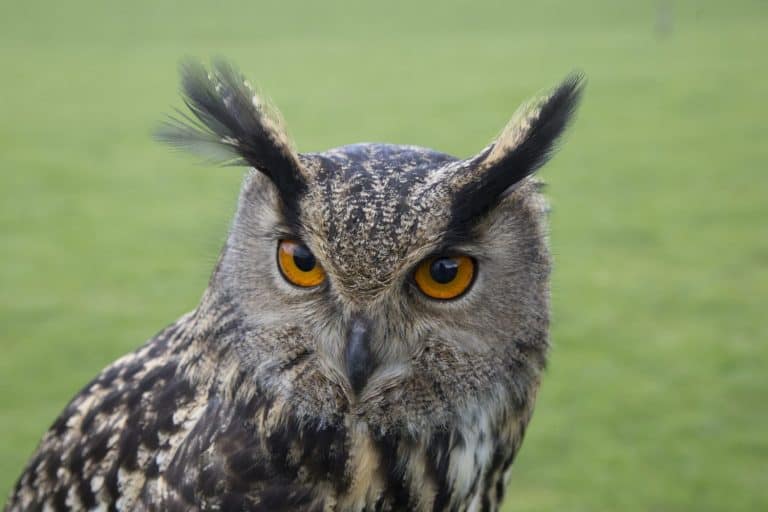
Golden eagle (Aquila chrysaetos) Cinereous vulture (Aegypius monachus) Eurasian eagle-owl (Bubo bubo) Roe deer (Capreolus pygargus) Raccoon dog (Nyctereutes procyonoides)

State & Provincial Parks

Bingyugou (Bingyu Valley) Forest Park, Dalian (Liaodong Peninsula)

~150 km² (park area often cited in the 100+ km² range; approximate)

Forested valleys, streams, and mixed woodland that can be productive for forest birding and amphibians; useful as a more accessible complement to stricter reserves on the peninsula.

Mandarin duck (Aix galericulata) Eurasian jay (Garrulus glandarius) Great spotted woodpecker (Dendrocopos major) Brown frog (Rana spp.) Siberian chipmunk (Tamias sibiricus)

Qianshan Scenic Area / Forest Park, Anshan

~40-70 km² (core scenic/park footprint; approximate)

Rocky peaks and mixed forest habitat that supports woodland birds and small-to-medium mammals; popular for hiking with localized refugia on steep slopes and ravines.

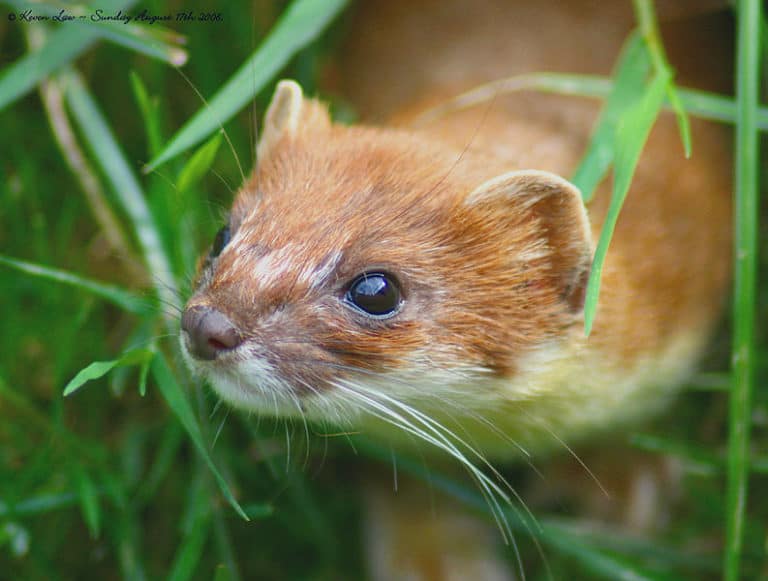
Chinese goral (Naemorhedus griseus) Ural owl (Strix uralensis) Hazel grouse (Tetrastes bonasia) Siberian weasel (Mustela sibirica) Long-tailed tit (Aegithalos caudatus)

Guanmenshan (Guanmen Mountain) Forest Park, Benxi

~30-60 km² (approx.)

A well-known eastern Liaoning mountain forest area with high plant diversity and strong autumn migration/forest bird viewing; a representative temperate forest ecosystem near larger upland reserves.

Sika deer (Cervus nippon) Black woodpecker (Dryocopus martius) Northern goshawk (Accipiter gentilis) Roe deer (Capreolus pygargus) Eurasian red squirrel (Sciurus vulgaris)

Wildlife Refuges

Dalian Spotted Seal Protected Area (Liaodong Bay-Bohai/Yellow Sea interface)

Tens to hundreds of km² depending on marine zoning (approx.)

Coastal/marine protection focused on breeding/haul-out habitat and nearshore foraging areas; notable for marine mammal viewing (seasonal) and broader coastal biodiversity conservation.

Spotted seal (Phoca largha) Finless porpoise (Neophocaena asiaeorientalis) Black-tailed gull (Larus crassirostris) Temminck's cormorant (Phalacrocorax capillatus) Common tern (Sterna hirundo)

Panjin Liaohe Delta Wetland Park / Reedbed Conservation Areas (around Shuangtaizi & Liaohe estuary)

~100-300 km² (managed wetland blocks; approximate)

A managed wetland mosaic adjoining/overlapping core reserve lands that increases effective habitat area for cranes, storks, and wintering waterfowl; excellent for wildlife viewing from designated routes.

Red-crowned crane (Grus japonensis) Oriental stork (Ciconia boyciana) Bean goose (Anser fabalis) Greater white-fronted goose (Anser albifrons) Eurasian spoonbill (Platalea leucorodia)

Yalu River Coastal Wetlands (Ramsar-type shorebird habitat outside core reserve), Dandong

Variable; typically tens of km² of priority mudflat frontage (approx.)

Supplementary intertidal flats and saltmarsh margins that function as overflow and staging habitat during peak migration; conservation value is high even where protection is via wetland park or local reserve designations.

Great knot (Calidris tenuirostris) Dunlin (Calidris alpina) Bar-tailed godwit (Limosa lapponica) Kentish plover (Anarhynchus alexandrinus) Far Eastern curlew (Numenius madagascariensis)

Wilderness Areas

  • Eastern Liaoning uplands around Huanren-Benxi (temperate broadleaf-mixed forest blocks with lower road density and intact headwater streams)
  • Ridge-and-valley forests of the Qianshan-Benxi mountain belt (steeper terrain retains more continuous woodland)
  • Laotieshan headland and adjacent coastal cliff/forest remnants on the southern Liaodong Peninsula (notable migration corridor)
  • Liaodong Bay reed sea and tidal-flat expanses in the Liaohe Delta (large open wetland landscapes with limited permanent development in core zones)
  • Yalu River estuary outer mudflats (seasonally roadless/trackless intertidal habitat critical for shorebirds)
Animals

Wildlife

Liaoning sits at a biogeographic crossroads: temperate Manchurian forests and mountain foothills in the east/northeast, broad agricultural lowlands and river valleys (notably the Liao River system) in the center, and highly productive Bohai-Yellow Sea coasts on the Liaodong Peninsula. The province's wildlife experience is defined by (1) coastal and estuarine wetlands that host globally important migratory waterbirds on the East Asian-Australasian Flyway, (2) seabird and raptor migration bottlenecks along headlands such as Laotieshan (Dalian), and (3) mixed forest fauna in mountain reserves where larger mammals persist at lower densities.
~90-110 recorded (including bats and marine mammals) Mammals
~430-520 recorded (very high due to migration along the coast) Birds
~20-30 recorded Reptiles
~10-15 recorded Amphibians
300+ marine species recorded in the Bohai/Yellow Sea waters off Liaoning; 100+ freshwater species in rivers/reservoirs (order-of-magnitude) Fish
Examples

Iconic Species

Red-crowned Crane A flagship wetland species seen in the Liaohe Delta area (e.g., around Panjin/Shuangtaihekou) during migration and wintering periods; one of Northeast Asia's most celebrated cranes.
Saunders's Gull A small, charismatic gull closely tied to coastal saltmarsh; Liaoning's tidal flats and estuaries are among the key places in China to encounter it.
Oriental Stork A large, striking stork that uses Liaoning's estuaries, fishpond landscapes, and riverine wetlands as stopover and feeding habitat on migration.
Spotted Seal The signature marine mammal of the northern Yellow Sea/Bohai region; Liaodong Bay is famous for supporting China's most notable seasonal presence, including pupping/ice-associated use in cold years.
Whooper Swan A conspicuous wintering waterbird on coastal lagoons, reservoirs, and river mouths; large flocks are a classic cold-season sight in Liaoning wetlands.
Sika Deer (Manchurian subspecies) An emblematic forest-edge ungulate of Manchuria; still occurs in Liaoning's hill and mountain habitats and represents the province's temperate woodland fauna.
Asian Black Bear
Asian Black Bear A flagship forest mammal in the province's more rugged uplands; mostly elusive, but it anchors the perception of "wild" mountain nature in eastern Liaoning.
Amur Rat Snake A large, impressive snake of Northeast China's temperate forests and forest-steppe mosaics; one of the region's best-known reptiles.
Chinese Fire-bellied Toad
Chinese Fire-bellied Toad A colorful amphibian of forest pools, ditches, and wet meadows; common enough to be encountered in suitable habitats and a hallmark herpetofauna species in Manchuria.
White-naped Crane A large migratory crane of Northeast Asia that uses coastal and inland wetlands in Northeast China (including Liaoning) during migration; a notable species in major wetland stopover areas such as the Liaohe Delta.

Endemic & Rare Species

Red-crowned Crane

Grus japonensis

Endangered (IUCN); nationally protected

Liaoning's coastal marshes and managed wetland complexes are important for migration stopovers and wintering in some years, linking the province to one of East Asia's most famous threatened birds.

Saunders's Gull

Chroicocephalus saundersi

Vulnerable (IUCN)

Highly dependent on intact saltmarsh and tidal-flat mosaics; breeding/foraging sites around the Bohai Rim make Liaoning a key province for its conservation in China.

Oriental Stork

Ciconia boyciana

Endangered (IUCN); nationally protected

Uses the Liaohe Delta and coastal wetlands as staging and feeding habitat; wetland quality in Liaoning directly influences migration success.

Chinese Merganser

Mergus squamatus

Endangered (IUCN)

A rare riverine duck of forested watersheds in Northeast China; eastern Liaoning rivers and reservoirs can function as passage/winter habitat, making sightings notable.

Spotted Seal

Phoca largha

Globally Least Concern (IUCN) but regionally sensitive; nationally protected in China

Liaodong Bay is the best-known area in China for seasonal aggregation and ice-associated breeding activity; vulnerable locally to disturbance, bycatch, and changes in sea-ice conditions.

Golden Eagle

Aquila chrysaetos

Regionally scarce; nationally protected

A top predator of open mountains and steppe-like slopes; uncommon in Liaoning, so records are significant indicators of intact upland ecosystems.

Notable Populations

  • East Asian-Australasian Flyway waterbird concentrations in the Liaohe Delta/Panjin coastal wetlands (major staging and wintering habitat for cranes, storks, swans, geese, and shorebirds).
  • Saunders's Gull strongholds on Bohai Rim saltmarsh and tidal-flat systems (Liaoning is among the key Chinese provinces for the species).
  • Spotted Seal seasonal aggregation in Liaodong Bay-widely regarded as China's most important area for this species' ice-associated breeding activity and coastal use.
  • Laotieshan (Dalian) and the Liaodong Peninsula as a major visible-migration corridor for raptors and other passerines moving along the coastline in spring and autumn.
  • Large wintering swan and goose flocks on coastal lagoons, estuaries, and inland reservoirs during severe Northeast China winters.

Recent Changes

  • Coastal wetland loss and fragmentation from land reclamation, shoreline hardening, and infrastructure have reduced habitat for saltmarsh specialists (including Saunders's Gull) and for migratory shorebirds; some sites have also seen targeted wetland restoration and protection upgrades.
  • Spotted Seal faces increasing pressure from coastal development, vessel traffic, fisheries interactions (bycatch/gear entanglement), and reduced/less stable winter sea-ice in warm years, affecting haul-out and breeding conditions.
  • Water quality and hydrological alteration in river deltas and estuaries (pollution, altered freshwater inflows) continue to shape fish availability and wetland food webs; localized improvements occur where stricter controls and restoration projects are implemented.
  • Raptor migration monitoring and birding activity around Dalian/Laotieshan has expanded, improving knowledge of passage timing and highlighting collision/disturbance risks from coastal build-out and wind/lighting in some corridors.
  • Some large waterbirds (e.g., storks and cranes) show local gains where protected areas, reedbed management, and reduced disturbance improve foraging and roosting conditions, but benefits remain uneven across the coastline.
Visit

Wildlife Viewing

Liaoning offers coastal and mountain wildlife watching, with migratory waterbirds and shorebirds along the Bohai/Yellow Sea coast, especially estuaries, mudflats, and lagoons, birds of prey and forest birds in northeastern and eastern hills, and temperate mountain areas on the Liaodong Peninsula. Best in spring and autumn migration; winters bring sea ducks, gulls, and occasional cranes.

Best Seasons

Spring (Mar-May)

Peak northbound migration. Mudflats and estuaries on the Liaodong Peninsula and around Dalian fill with shorebirds and waterfowl; passerines and raptors move through mountain ridges and river valleys. Bring a scope for coastal flats and a telephoto for woodland migrants.

Summer (Jun-Aug)

Breeding season in forested uplands and hills: active songbirds, woodpeckers, and butterflies; dawn hikes are best. Coastal viewing is calmer but productive for seabirds and coastal colonies where accessible. Expect heat/haze on the plains-mountain reserves are more comfortable.

Autumn (Sep-Nov)

Southbound migration and some of the most reliable, diverse birding of the year. Watch raptor movement along ridgelines and large mixed flocks at coastal wetlands. Excellent light for photography, fewer insects, and crisp visibility on clear days.

Winter (Dec-Feb)

Cold-weather birding with a focus on bays, harbors, and reservoirs that remain partly open: sea ducks, gulls, grebes, and occasional wintering cranes/waterfowl. Great season for coastal-scape + wildlife photography; dress for wind on the Bohai/Yellow Sea shoreline.

Top Wildlife Experiences

  • Birding the coastal wetlands and mudflats of the Liaodong Peninsula (around Dalian and nearby bays/estuaries): set up a spotting scope for shorebird flocks during peak migration tides.
  • Winter seawatching from Dalian's coastline (headlands, harbors, and exposed shorelines): scan for sea ducks, grebes, loons/divers, and large gull gatherings after cold fronts.
  • Forest bird and raptor walks in the Qianshan (Thousand Mountains) area near Anshan: early-morning trails for woodpeckers and songbirds; watch for raptors using ridge lift in migration seasons.
  • A day trip to "Red Beach" style coastal wetlands around Panjin (Liao River Delta region): combine boardwalk/observation points with sunset photography and waterbird watching (best in migration and early winter).
  • Reservoir and river-valley birding around Benxi/Huanren (eastern Liaoning uplands): look for mixed woodland flocks, owls at dusk, and waterbirds on calm coves; excellent in autumn color season.
  • Dandong/Yalu River estuary birding (border region landscapes): focus on migratory waterbirds and river-edge habitats; pair with sunrise sessions for calmer water and better visibility.
  • Butterfly-and-forest biodiversity hikes in summer in eastern mountain parks (Benxi-Huanren corridor): concentrate on shaded trails, streams, and flowering clearings for insects, amphibians, and forest birds.

Wildlife Watching Types

Coastal seabird and sea-duck watching (winter through migration seasons) Shorebirding on mudflats/estuaries (spring and autumn migration) Wetland birding in river deltas, marshes, and reedbeds Forest birding (woodpeckers, songbirds) in mountain parks and upland reserves Raptor watching along ridgelines during migration (spring/autumn) Reservoir and river watching (waterfowl, grebes, kingfishers where present) Night walks/spotlighting for owls and nocturnal wildlife in suitable reserves (by arrangement) Nature photography trips focused on coastal light, reedbed wetlands, and autumn mountain color

Guided Options

  • Local birding guides in Dalian/Liaodong Peninsula who time outings to tides and migration peaks (best for shorebirds and winter seawatching).
  • Wetland reserve visitor programs and guided boardwalk routes in the Panjin/Liao River Delta area (seasonal interpretation focused on wetland ecology and waterbirds).
  • Park-guided hikes in Qianshan scenic area (Anshan) and other mountain parks, useful for first-time visitors navigating trails and finding forest bird habitats.
  • Dandong/Yalu River area nature-guiding services (often combined with riverfront wetlands and estuary viewpoints).
  • Custom photo tours (private drivers + guide) based in Shenyang or Dalian that link coastal wetlands, reservoirs, and mountain forests over 2-5 days.
Habitats

Ecosystems

Liaoning sits where the North China Plain, southern Manchuria and the Bohai/Yellow Sea coast meet. Wetness increases west to east, making semi-arid grassland and shrubland in the west, fertile plains and river valleys in the center, and temperate forests on the Liaodong Peninsula. Liao River systems and Liaohe Delta reedbeds and mudflats support freshwater life, migratory birds and fisheries.

Biomes

Temperate Forest

Temperate broadleaf and mixed forests cover hills and mountains in eastern Liaoning and the Liaodong Peninsula, with oak and deciduous trees mixed with conifers on cooler slopes, supporting Manchurian forest animals and diverse understory.

Large but discontinuous; concentrated in eastern Liaoning uplands and the Liaodong Peninsula (generally higher elevations and protected areas).

Temperate Grassland

Forest-grassland transition landscapes, meadow steppe, and dry grasslands occur in western Liaoning where the climate becomes drier toward Inner Mongolia; often interspersed with cropland and shrub patches.

Moderate; mainly western and northwestern Liaoning, with extensive human conversion/fragmentation.

Cold Desert

In western Liaoning's driest areas are small semi-arid sandy lands and worn steppe/shrub patches. They show dust and sand activity at the edge of the Inner Asian arid zone, a desert-like rather than true desert.

Small and localized; pockets in western Liaoning where soils are sandy and vegetation cover is sparse.

Freshwater

Large lowland rivers, reservoirs, and riparian corridors (Liao River system including major tributaries) provide spawning habitat, floodplain functions, and inland wetland connectivity.

Widespread linear network across the province; densest through central plains and major valleys.

Wetland

Coastal reed marshes, river deltas, floodplain wetlands, and salt-influenced mudflats support major migratory bird stopovers (notably around the Liaohe Delta/Panjin area) and high productivity reedbed ecosystems.

Regionally significant but spatially limited; concentrated in river deltas, floodplains, and coastal lowlands.

Marine

Nearshore temperate marine waters of the Bohai Sea and northern Yellow Sea with estuaries, bays, mudflats, and subtidal soft-bottom habitats supporting fisheries, benthic communities, and coastal food webs.

Along the full Liaoning coastline (Liaodong Bay and the Bohai/Yellow Sea-facing coasts), primarily nearshore.

Habitats

Forest

Mixed forest landscapes on hills and mountains, including protected scenic/reserve areas in the eastern uplands and the Liaodong Peninsula.

Deciduous Forest

Oak- and broadleaf-dominated stands on lower/mid elevations and warmer slopes; common where historical clearing has not converted land to agriculture.

Coniferous Forest

Pine and other conifers occur on cooler ridgelines, higher elevations, and plantations/secondary forest areas, often forming mixed mosaics with deciduous trees.

Mountain

Rocky hills and mountain systems (e.g., Liaodong Peninsula uplands and eastern ranges) create strong microclimates and elevational habitat turnover.

Cliff/Rocky Outcrop

Rock outcrops and cliffy terrain in upland scenic areas provide nesting/roosting sites and specialized plant communities on thin soils.

Grassland

Dry grasslands and meadow patches in western Liaoning, frequently interwoven with cropland and windbreaks due to long agricultural history.

Steppe

Meadow steppe to dry steppe transition in the west/northwest, reflecting increasing aridity toward Inner Mongolia; sensitive to overgrazing and erosion.

Shrubland

Drought-tolerant shrub/grass mosaics on poorer soils and degraded lands, especially in the drier west and on exposed slopes.

River/Stream

Major rivers and tributaries (Liao River network and other coastal-draining systems) with riparian belts, embankments, and floodplain remnants.

Lake

Natural lakes are limited; more common are reservoirs and managed water bodies used for irrigation, flood control, and aquaculture.

Pond

Aquaculture ponds and small farm ponds are widespread in lowlands and coastal plains, contributing to a dense artificial aquatic habitat network.

Wetland

Reedbeds, floodplain wetlands, and managed marsh complexes-particularly extensive in the Liaohe Delta region-support waterbirds and nutrient cycling.

Marsh

Fresh to brackish marshes and reed marshes (notably around Panjin/Liaohe Delta) with seasonal water-level variation and high productivity.

Estuary

River-mouth mixing zones and tidal channels along the Bohai/Yellow Sea coast (including deltaic outlets) supporting nursery habitat for fish and crustaceans.

Coastal

Bays, tidal flats, and coastal plains around Liaodong Bay and the Liaodong Peninsula; heavily influenced by reclamation, ports, and industry in places.

Beach

Sandy shore segments occur locally along the peninsula and bay margins, often used for recreation and coastal development.

Rocky Shore

Rocky headlands and wave-exposed shores are common around parts of the Liaodong Peninsula, supporting distinct intertidal communities.

Seabed/Benthic

Predominantly soft-bottom (mud/sand) subtidal habitats in the Bohai and northern Yellow Sea, important for benthic fauna and demersal fisheries.

Agricultural/Farmland

Extensive croplands in central and western plains and river valleys (a major driver of habitat conversion and fragmentation), including irrigated systems near wetlands.

Urban

Large urban/industrial coastal and inland centers (e.g., around Shenyang-Dalian corridor) with major footprint on estuaries, air/water quality, and coastal habitat.

Suburban

Rapidly expanding peri-urban development zones around major cities, often replacing farmland and fragmenting remaining natural habitats.

Ecoregions

Manchurian mixed forests (WWF) Northeast China Plain deciduous forests (WWF) Mongolian-Manchurian grassland (WWF) Yellow Sea (MEOW marine ecoregion, includes Liaoning nearshore waters)
Protection

Conservation

Primary Threats

  • Coastal wetland loss and fragmentation from land reclamation, conversion to aquaculture ponds and salt pans, and expansion of port/industrial zones around Liaodong Bay and the Dalian-Yingkou-Panjin coastal belt; inland, river-valley wetlands are reduced by drainage and channelization.
  • Nutrient loading and industrial effluents from the Liao River-Hun River system and coastal industrial clusters contribute to eutrophication and contaminant accumulation in estuaries and bays; agricultural runoff from the fertile lowlands increases algal blooms and degrades waterbird foraging habitat.
  • Intensive nearshore fishing pressure in the Bohai and northern Yellow Sea reduces prey fish for seabirds and marine mammals and can alter food webs; bottom-disturbing gear affects benthic habitats important for juvenile fish and invertebrates.
  • Expansion of ports, seawalls, coastal highways, and energy infrastructure (including nearshore wind and grid corridors) increases disturbance, barriers to tidal exchange, and collision/avoidance risks for migrating waterbirds along the Liaodong Peninsula flyway corridor.
  • Growth in the Shenyang-Anshan-Yingkou-Dalian corridor increases land take, traffic, light/noise, and demand for coastal real estate, intensifying pressure on remaining wetlands and coastal roosting sites.
  • River regulation (embankments, flood-control works) and altered freshwater delivery to estuaries change salinity and sediment dynamics in delta wetlands (e.g., Liao River delta), affecting reedbeds and mudflat extent used by cranes, storks, and gulls.
  • Sea-level rise and increased storm surges threaten low-lying coastal wetlands; warming winters and changing sea-ice conditions in Liaodong Bay can reduce suitable haul-out/resting conditions for ice-associated species such as spotted seals and shift timing of bird migration and prey availability.
  • Tourism, shoreline recreation, vessel traffic, and aquaculture operations disturb breeding/roosting waterbirds and reduce feeding efficiency on tidal flats; disturbances are especially acute near Dalian's headlands and popular coastal parks and beaches.
  • Illegal capture and trade of migratory birds (songbirds/raptors) and occasional trafficking of protected species remain a risk along coastal and inland transport corridors; demand can incentivize trapping and market sales despite enforcement.
  • Although prohibited for many protected species, illegal shooting/trapping can still impact waterbirds and raptors in agricultural landscapes and around wetlands, particularly during migration and wintering periods.
  • Extraction of iron, magnesite, coal, and associated quarrying in parts of Liaoning increases habitat fragmentation and can elevate sediment and heavy-metal risks to downstream rivers and wetlands if not tightly managed.
  • Large-scale natural forest logging has been reduced compared with historical levels, but localized timber extraction and secondary forest simplification in mountain areas can degrade habitat quality for forest-dependent mammals and birds.
  • Intensification and expansion of row crops and paddy fields in lowlands compete with wetlands for space and water, and field drainage/levees can eliminate shallow seasonal wetlands used by migratory birds.
  • High densities of migratory waterbirds in key stopover wetlands elevate risks of avian influenza outbreaks, which can cause mortality events and trigger management constraints that are difficult to sustain across the full flyway.
  • Groundwater withdrawal in agricultural/urban areas and sand/sediment extraction in some river/coastal settings can reduce wetland hydrological function and exacerbate erosion, undermining restoration gains.
  • In eastern mountain counties, recovering wild boar and deer populations can cause crop damage and lead to retaliatory actions, while near wetlands farmers may view large congregations of birds as a risk to seedlings or aquaculture.
  • Small, isolated populations (notably marine mammals using Liaodong Bay haul-outs and some mountain ungulates in fragmented habitat blocks) can face reduced genetic diversity and resilience if connectivity and disturbance controls are inadequate.
Fun Facts

Did You Know?

Liaoning has a "red coastline" effect at Panjin's coastal wetlands: the vivid crimson landscape isn't algae-it's the salt-tolerant plant Suaeda salsa, which turns red in autumn and creates a distinctive habitat mosaic for migrating waterbirds.

Spotted seals in Liaoning don't pup on remote Arctic ice-they give birth on seasonal sea ice in the Bohai Sea (typically mid-winter), meaning a major marine mammal life event here depends on a shallow, semi-enclosed sea freezing over.

Some of the province's most bird-rich feeding areas are human-made or heavily managed: shorebirds often concentrate on the edges of aquaculture ponds and salt pans adjacent to natural mudflats when tides or disturbance shift where food is accessible.

At the Yalu River mouth, the "buffet" for migrating shorebirds is largely hidden: many species time their arrival to exploit dense buried bivalves and other invertebrates in intertidal mud, rapidly gaining weight for the next long flight segment.

Liaoning's wildlife is shaped by a sharp "sea-to-mountain" transition over short distances on the Liaodong Peninsula-so it's possible to move from coastal mudflat bird habitat to forested uplands (with typical Northeast China forest fauna) in a single day's travel.

Yalu Jiang Estuary near Dandong is an important stop for migrating birds on the East Asian-Australasian Flyway. In spring it has tens of thousands of shorebirds and can hold over 20% of the world’s Great Knot (Calidris tenuirostris).

Liaoning's Liaodong Bay/Bohai Sea is the southernmost regular breeding area in the world for the Spotted Seal (Phoca largha)-a species that usually breeds much farther north in pack-ice seas.

The Dalian Spotted Seal National Nature Reserve protects China's only known breeding population of Spotted Seal in Chinese waters (a nationally unique marine-mammal breeding site).

Western Liaoning's "Jehol Biota" fossil beds are one of the world's most significant windows into Early Cretaceous wildlife, producing exceptionally preserved feathered dinosaurs and early birds-including some of the first fossils that proved feathers were widespread beyond modern birds.

Thank you for reading! Have some feedback for us?