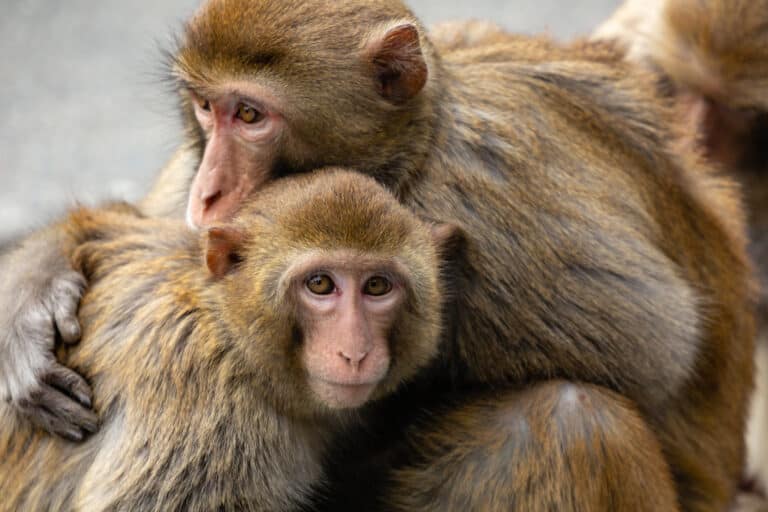
Rhesus Macaque
Street-smart primate, social to the core

Street-smart primate, social to the core

Spotted survivor, aphid devourer
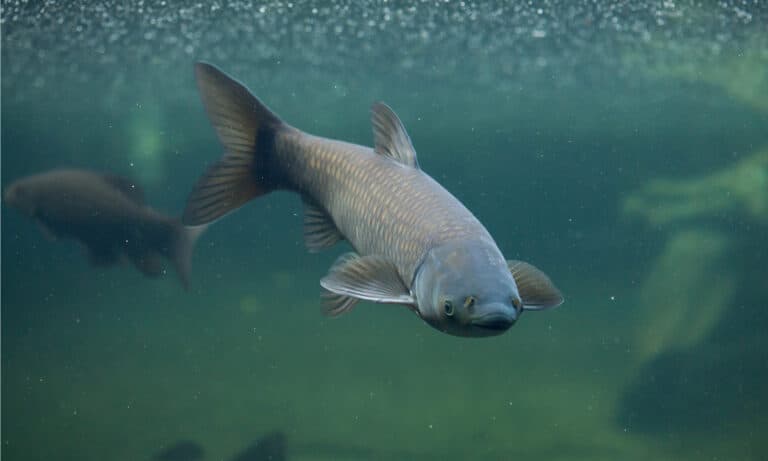
The underwater lawnmower-handle with care
China's rescued wetland deer
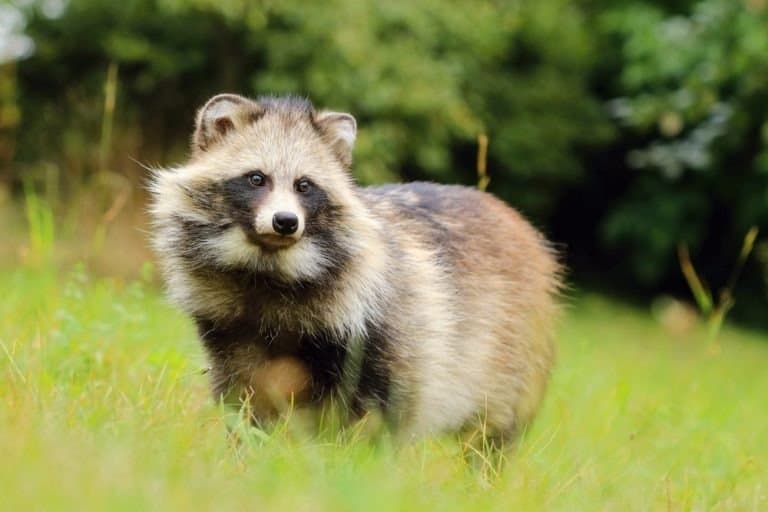
Masked canid, master of winter torpor
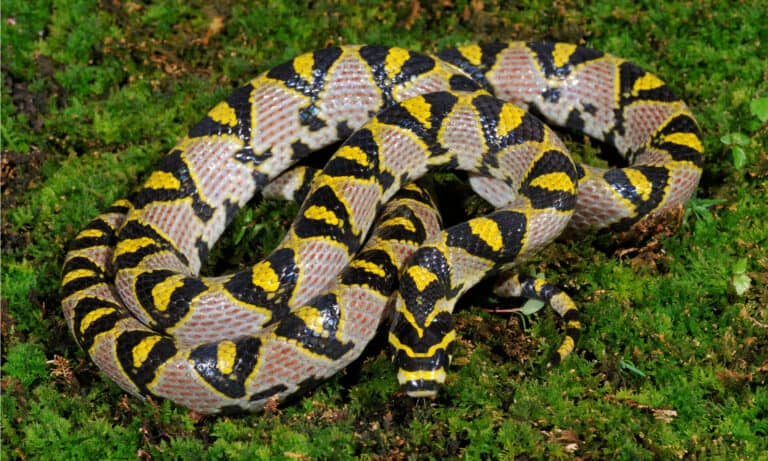
Forest jewel of East Asia
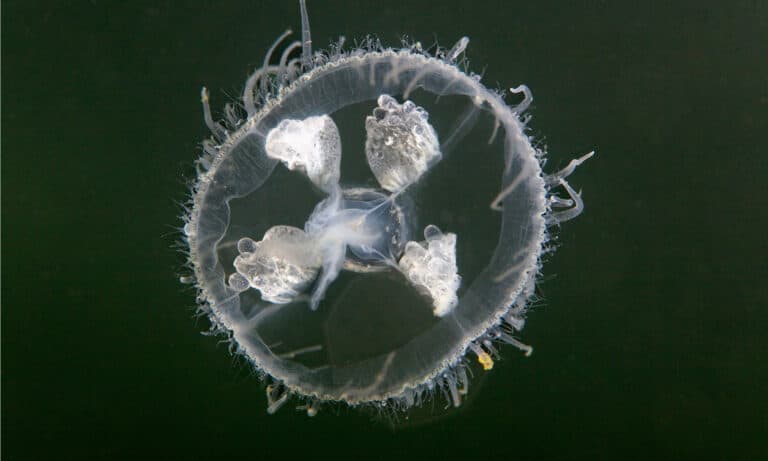
A jellyfish... in your pond.
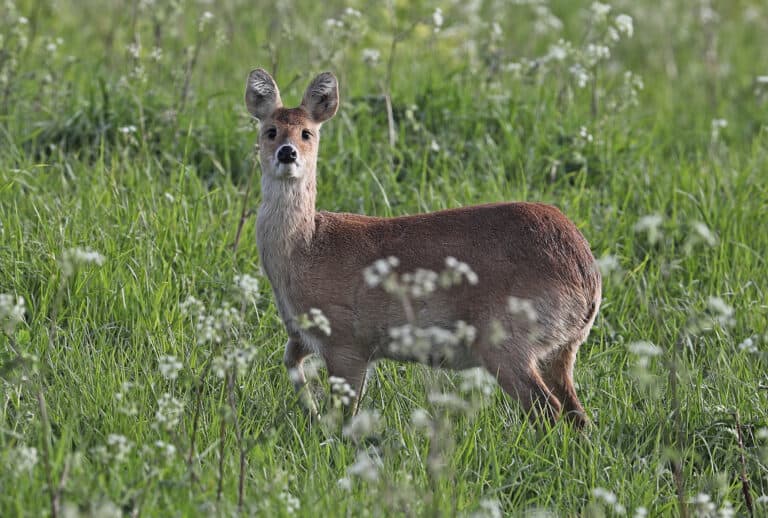
No antlers. All tusks.
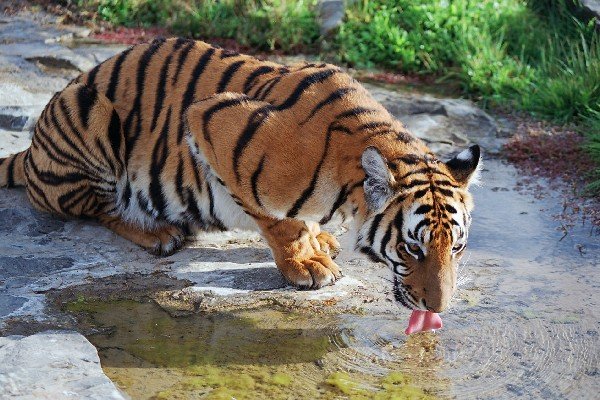
Southern China's tiger-waiting to return
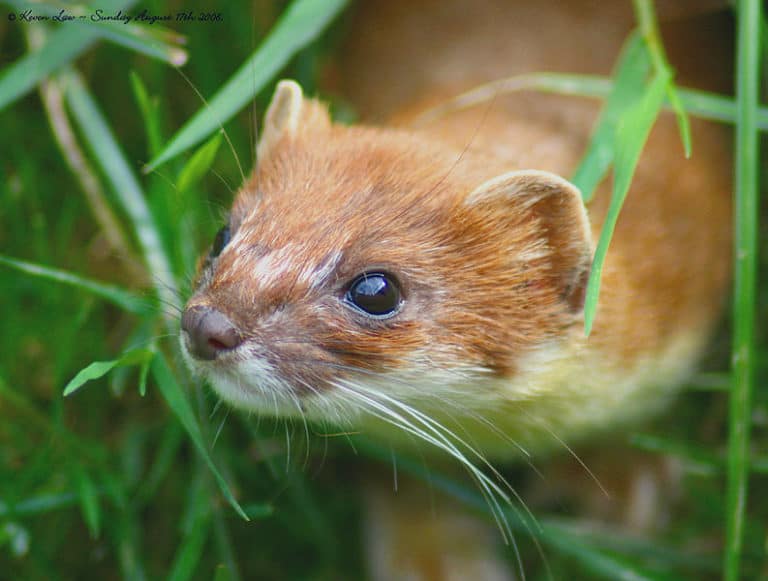
White in winter, black-tipped always
Hubei, centered on the middle Yangtze, has a strong water-versus-mountain contrast. Broad floodplains, river channels, and lake basins around Wuhan give way west to rugged ranges like Wudang and Shennongjia. A mix of temperate and subtropical climates and different heights has created a rich natural heritage: migratory bird corridors on the plains and refuge forests in the mountains that shelter relict and endemic species. Key ecosystems include the Yangtze mainstem and connected wetlands—seasonal marshes, reedbeds, oxbows, and lake edges—that serve as feeding and roosting habitat for waterfowl, waders, and raptors during migration and winter. In the west, mixed broadleaf–conifer forests, deep valleys, and high ridgelines in Shennongjia support forest mammals, montane birds, and plant communities of the "southern mountains" biodiversity hotspot. Hubei is special because the land can change quickly from big-river wetland birding to true mountain wilderness, giving high diversity in short distances.
Hubei has a strong west–east gradient: rugged western mountains and forested highlands are cooler and more intact, while the low, warm Jianghan Plain, shaped by the Yangtze–Han river system, has many lakes, marshes, and floodplains. This mix of subtropical evergreen and mixed forests and riverine wetlands supports resident forest animals and large groups of migratory waterbirds.
Low floodplains near river-lake basins (~0-50 m) to 3,105 m (Shennongding, Shennongjia)
No ocean coastline; extensive inland shorelines along the Yangtze and Han rivers and numerous large lakes/floodplain wetlands
Hubei's protected areas center on two key places: the western montane forests and karst of Shennongjia-Wuling-Wudang, which support forest mammals, pheasants, amphibians, and headwater ecosystems; and the middle-Yangtze river-lake floodplain, vital for migratory waterbirds, wetland plants, and the Yangtze finless porpoise. Protection uses national parks, nature and wetland reserves, plus provincial and local reserves near Wuhan and along the Yangtze.
≈16% of provincial land area under some form of protected-area designation (approximate; coverage varies by designation and accounting method).
Large shallow-lake wetland complex in Hubei recognized internationally for supporting significant congregations of migratory and wintering waterbirds and for maintaining important freshwater wetland habitat in the middle Yangtze region.
An oxbow-lake reserve on the Yangtze system created as a key refuge and managed population site for the critically endangered Yangtze finless porpoise.
Mountain forest protected area of global biodiversity importance, noted for high species richness and threatened temperate-subtropical fauna in central China.
One of the most important semi-natural refuges for the critically threatened Yangtze finless porpoise, using an oxbow/floodplain waterbody to reduce shipping and fishing pressures; also supports rich wetland birdlife and fish communities.
Flagship rewilding and conservation site for Père David's deer on the Yangtze floodplain; combines seasonally flooded grassland, reedbeds, and shallow wetlands that also host wintering and passage waterbirds.
Major Yangtze floodplain lake-wetland complex known for lotus/reed habitats and large congregations of wintering geese and ducks; a priority site for wetland biodiversity conservation and birdwatching in central China.
Well-known forest reserve in southwest Hubei protecting subtropical evergreen-deciduous forests, steep valleys, and clean headwater streams; important for forest mammals, pheasants, and amphibians including giant salamanders.
Hubei's wildlife is defined by the meeting of two big systems: (1) the middle Yangtze River and its floodplain lakes/wetlands around Wuhan (Honghu, Liangzi Lake, Shishou-Tian'e-Zhou oxbows, etc.), and (2) the forested western highlands (notably Shennongjia and the Wudang-Daba ranges). This creates a strong contrast between waterbird-rich marshes and rivers (wintering cranes, geese, storks, and remnant Yangtze megafauna) and species-rich temperate-to-subtropical mountain forests (rare primates, large ungulates, pheasants, and amphibians).
Hubei offers varied inland wildlife viewing: Yangtze floodplain wetlands and lake systems for migratory birds, plus rugged western mountains (Shennongjia, Wudang and Daba ranges) with forest mammals, pheasants, and rich subtropical–temperate habitats. Visitors can combine Wuhan river and lake birding with multi-day highland hikes and canopy forest watching, great for birders and nature photographers.
Peak passage for migratory birds across the Yangtze floodplain; songbird activity rises in woodlands; comfortable hiking conditions in western highlands. Expect active breeding displays among wetland birds, mixed flocks in forest edges, and excellent photography light on lakes and reedbeds.
Lush forests and peak insect/amphibian activity in mountain habitats; good for forest hikes and night nature walks (frogs, insects). Wetlands can be hot/humid; birding shifts toward resident breeders. Plan for rain and heat-early-morning outings work best.
Another prime migration window; cranes, geese, ducks, and shorebirds build numbers on lakes and riverine wetlands. Clearer air and stable weather improve long-lens viewing. Mountain forests show seasonal color and increased mammal movement ahead of winter.
Best season for large congregations of wintering waterfowl on Hubei's lakes and reserves-high-impact viewing of geese/ducks and raptors over open water. In western highlands, expect cold conditions but crisp visibility; wildlife is more trackable, and bird flocks are easier to locate.
Hubei covers the wet middle Yangtze basin with large river-lake floodplains, lakes, and seasonal wetlands plus rugged western highlands (Wudang, Shennongjia, Daba). It has big changes in elevation, temperature, and moisture: lowland subtropical to warm-temperate plains with farms and Wuhan; freshwater rivers (Yangtze, Han); and mountain forests from broadleaf to cool conifers and alpine-like peaks.
Humid broadleaf and mixed forests dominate western and northern highlands (Shennongjia, Wudang), with evergreen broadleaf lower down and more deciduous higher up; they support high plant diversity and important refuge animals.
Most extensive natural biome; concentrated in western Hubei mountains and higher hills, fragmented elsewhere by farming/settlements.
High-elevation zones on the tallest ridges (notably in Shennongjia) support cold-tolerant shrub/grass communities, stunted forests, and summit meadows resembling alpine conditions relative to surrounding subtropical lowlands.
Small, patchy areas confined to highest peaks/ridges in western Hubei.
The province is centered on the middle Yangtze and major tributaries (especially the Han River), with dense networks of channels, oxbows, reservoirs, and connected lakes supporting migratory birds and freshwater fish communities.
Widespread along major river corridors and lake districts; pervasive across central/eastern Hubei lowlands.
Yangtze floodplain wetlands, seasonal inundation zones, reedbeds, and lake-margin marshes (including Dongting-linked basins and large lakes such as Honghu and Liangzi) provide crucial habitat for waterbirds and flood storage.
Substantial but highly fragmented; concentrated in central/southern floodplain-lake regions and around major lakes.
Open herbaceous habitats occur as river levee grasslands, lake-edge wet meadows, and secondary grasslands on disturbed slopes, often interspersed with farmland and shrubland.
Limited and mostly secondary/linear; scattered in floodplains, lake margins, and disturbed upland sites.
Extensive montane forests in Shennongjia and the Wudang-Daba highlands, including evergreen broadleaf and mixed broadleaf-conifer mosaics.
Higher-elevation and cooler-slope broadleaf stands with strong seasonal leaf-fall components within the western/northern mountain belts.
Montane conifer stands and mixed conifer-broadleaf belts at higher elevations, especially in Shennongjia.
Lower-elevation hill woodlands and secondary regrowth around mountain foothills and rural landscapes.
Wet meadows on floodplains and lake margins, plus secondary grasslands on disturbed slopes and along infrastructure corridors.
Early-successional shrub communities on landslides, logged areas, and dry rocky slopes in uplands; also common around field margins.
Steep, dissected terrain in western Hubei (Shennongjia-Daba) and Wudang ranges creates strong habitat zonation with elevation.
Rock faces and escarpments in western mountain areas provide nesting/roosting sites and specialized cliff vegetation.
Karst and mountain cave systems occur in parts of western/northwestern Hubei, supporting bats and cave-adapted fauna.
Major rivers (Yangtze and Han) plus many tributaries form key migratory corridors and riparian habitats, with seasonal flood dynamics.
Large floodplain lakes (e.g., Honghu, Liangzi) and connected lake networks support fisheries and wintering waterbirds.
Widespread aquaculture ponds and small rural ponds across lowlands, adding artificial but ecologically important standing-water habitat.
Seasonally inundated floodplain wetlands, reedbeds, and shallow lake-edge zones-critical for migratory and breeding birds.
Backwater and low-lying floodplain swamps with dense emergent vegetation in parts of the Yangtze lake district.
Reed and sedge marshes around lakes and along slower river reaches; often managed or partially reclaimed.
Small, localized peat-forming or bog-like wetlands may occur in cool, high-elevation basins in the western mountains, but are rare.
Extensive rice-wheat/rapeseed systems across the Jianghan Plain and other lowlands, interlaced with canals and ditches.
Managed timber and economic tree plantings (e.g., conifers/bamboo in suitable areas; various orchard/tea plantings locally in hills) occur as mosaics with secondary forests.
Dense urban/industrial landscapes centered on Wuhan and other cities along the Yangtze-Han confluence and transport corridors.
Peri-urban belts around major cities with mixed housing, industry, small waterways, and remnant wetlands/woodlots.
Hubei is home to "snow monkeys" of China: golden snub-nosed monkeys in Shennongjia regularly live in winter snow and sub-zero conditions, relying on dense fur and tight social huddling-counter to the idea that China's monkeys are strictly warm-climate animals.
A dramatic river process created a lifeboat for a cetacean: Tian'e-Zhou is an oxbow lake formed when the Yangtze changed course; what looks like a cut-off river bend became a protected nursery for the critically endangered Yangtze finless porpoise.
Shennongjia sits on a sharp edge where temperate and subtropical species overlap. Hikers can cross very different forests quickly, and this mixing zone gives the area very high biodiversity.
Hubei is one of the rare places where the "living fossil" dawn redwood (Metasequoia glyptostroboides) was found alive in the wild in western Hubei, shocking scientists who thought it was extinct.
Some of Hubei's best wildlife habitat is floodplain wetlands (lakes, reedbeds, rice fields, channels) along the middle Yangtze; these human-shaped waterscapes can be vital stopover sites for migratory birds when water and connections are kept.
Wuhan's East Lake (Donghu) is widely cited as China's largest urban lake-an unusually big wildlife refuge inside a megacity, supporting extensive lotus beds, fish nurseries, and wintering waterbirds.
Shennongding (3,105 m) in Shennongjia is the highest point in Hubei, creating Hubei's most extreme "vertical" habitat range-from subtropical evergreen forest up to cold, high-elevation mixed forests where many lowland species can't survive.
Shennongjia is the only place on Earth with wild populations of the Hubei subspecies of golden snub-nosed monkey (Rhinopithecus roxellana hubeiensis), a primate found nowhere else outside this mountain block.
Tian'e-Zhou Oxbow near Shishou on the Yangtze floodplain was China's first semi-natural oxbow reserve set up for the baiji and later used as a refuge for the Yangtze finless porpoise.
The Shennongjia forests are often described in Chinese conservation literature as one of the largest remaining continuous old-growth (primeval) forest areas in central China-key for forest specialists that disappear from heavily fragmented landscapes.
22 species documented in our encyclopedia
Thank you for reading! Have some feedback for us?
We appreciate your help in improving our content.
Our editorial team will review your suggestions and make any necessary updates.
There was an error submitting your feedback. Please try again.