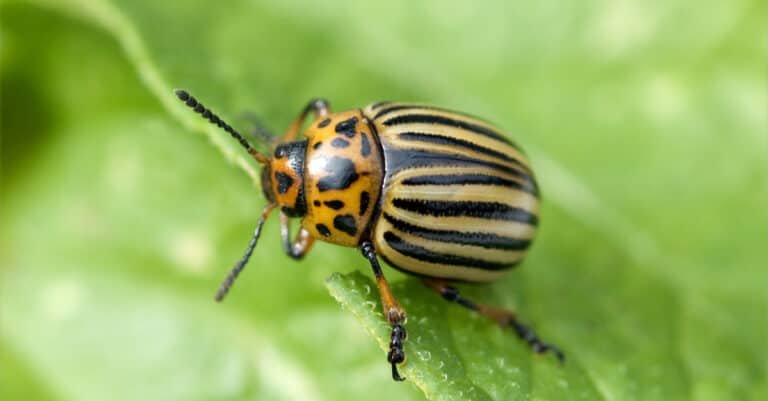
Potato Beetle
Striped. Stubborn. Potato's nemesis.

Striped. Stubborn. Potato's nemesis.
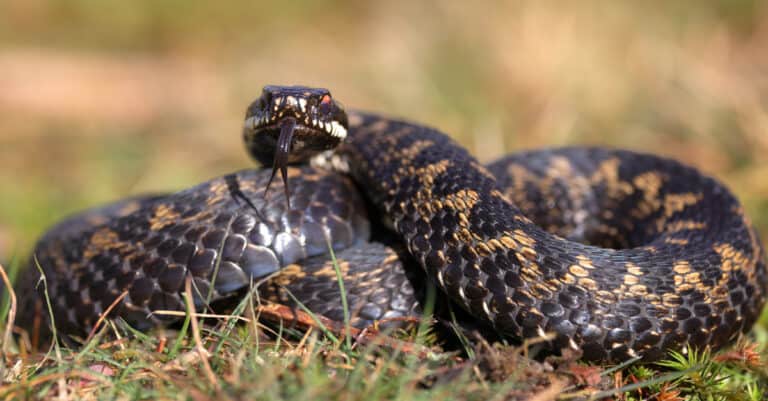
Zigzag guardian of the heath
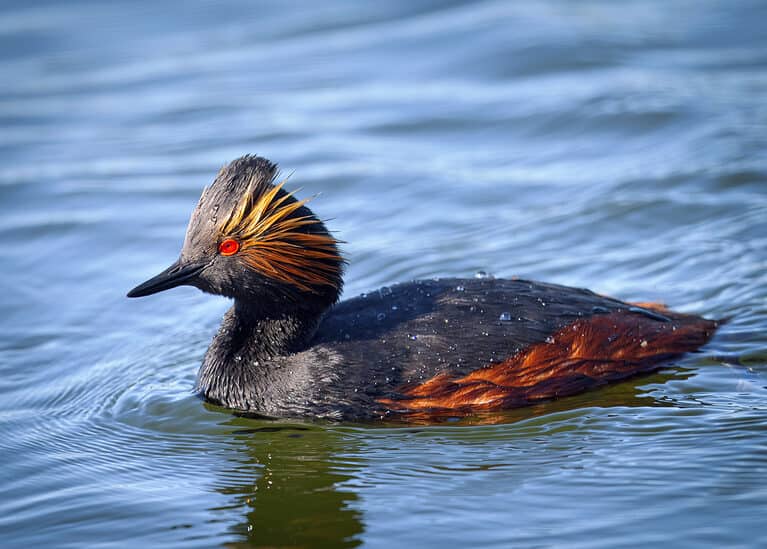
Golden ears, black neck, master diver
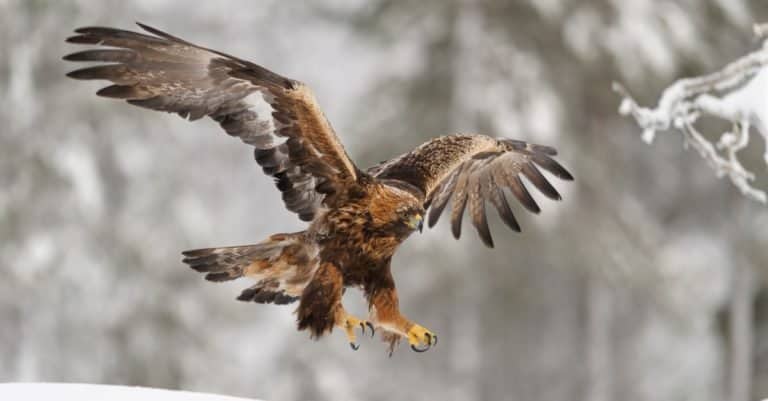
Gold-naped master of open skies
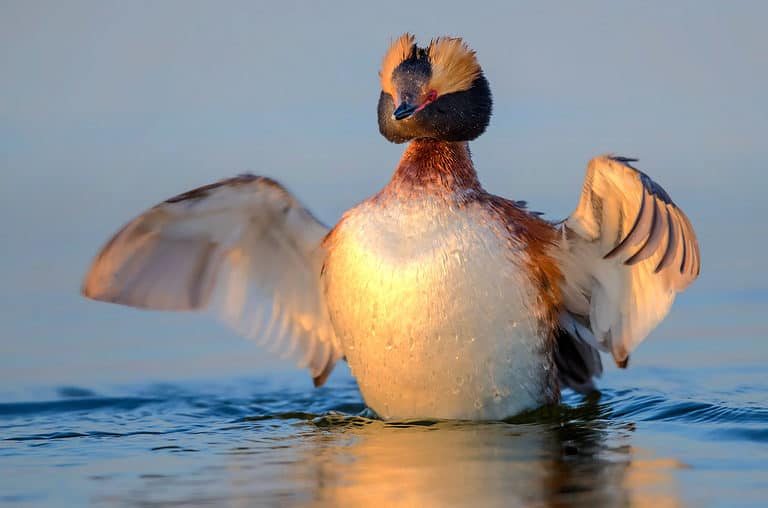
Golden horns, master of the dive
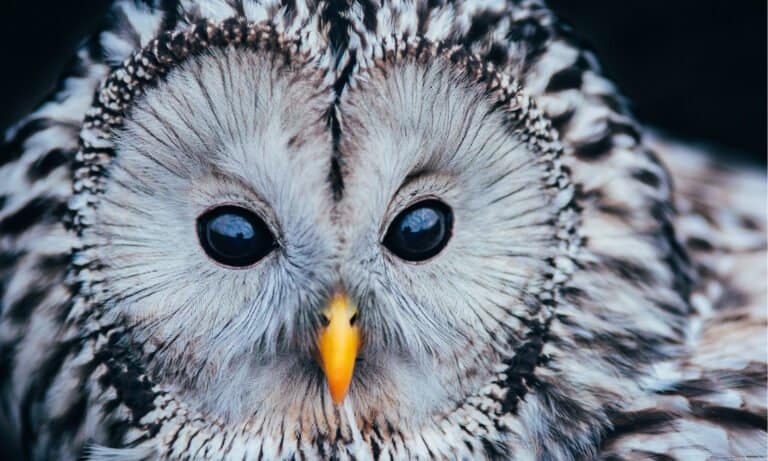
Long tail, deep woods, silent strike
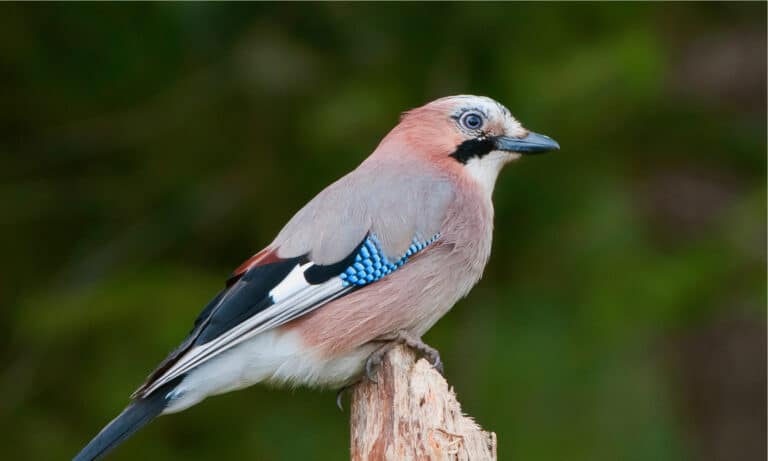
Oak Forest Planter with a Blue Flash
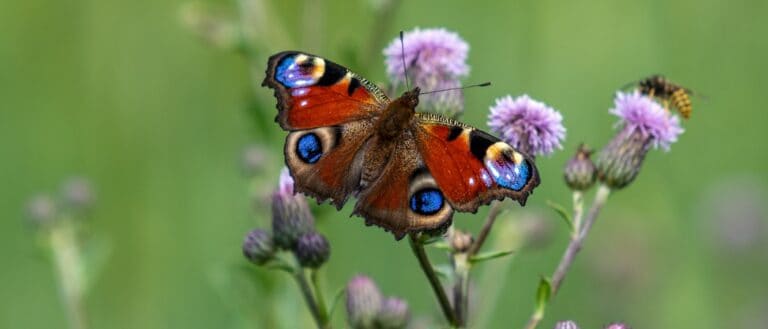
Flash the eyespots-vanish the rest!
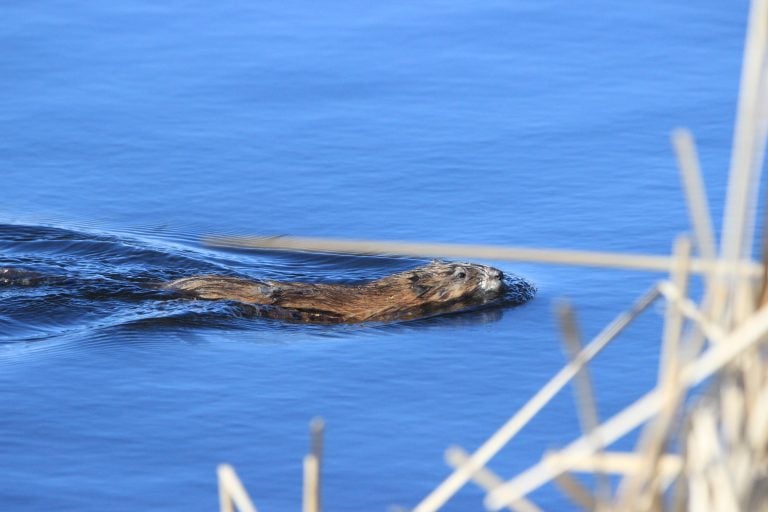
Marsh builder with a knife-tail

Spotted survivor, aphid devourer
Jilin's wildlife comes from a meeting of temperate and boreal regions: mixed forests on volcanic mountains, broad river valleys, and cold clear headwaters that feed the Songhua and Yalu rivers. This is strongest in the Changbai Mountains, where height and latitude make layers of habitat—from deciduous broadleaf and Korean pine forests to spruce-fir belts—that host some of Northeast Asia's most famous and shy mammals, along with many woodpeckers, owls, and forest songbirds. Key ecosystems are the Changbai Mountain forest–alpine mosaic, with old-growth stands, volcanic landforms, and high wetlands and lakes like Tianchi/Heaven Lake. River plains and wetlands act as stopovers and breeding grounds for waterbirds and help link Jilin to Russia's Primorye, guiding seasonal movements of birds and supporting amphibians, fish, and riparian mammals.
Jilin's wildlife follows a strong west–east change: low, dry plains and steppe-like grasslands in the west shift to the forested uplands of the Changbai Mountains in the east. Habitats include wetlands and saline-alkaline lakes on the Songliao Plain, wide river floodplains and riparian corridors, and mixed/boreal forests. Bordering North Korea and Russia, it links to the Tumen and Yalu basins.
Lowland plains roughly ~50-200 m to 2,744 m (Changbai peak at the China-North Korea border)
No ocean coastline; inland shorelines occur along major rivers (Songhua, Yalu, Tumen) and large lakes/reservoirs (e.g., Chagan Lake, Heaven Lake).
Jilin's protected areas include national nature and wetland reserves (many vital for migratory birds), plus provincial reserves and parks. Conservation focuses on two biodiversity anchors: the Changbai Mountains' Korean pine-broadleaf forests and montane habitats, and western river-lake-marsh complexes on the East Asian-Australasian Flyway. Northeast China Tiger and Leopard National Park helps reconnect border forests and recover Amur tiger and leopard.
About 10% of Jilin's land area is designated as protected areas (nature reserves).
A major protected landscape in southeast Jilin (notably the Hunchun-Wangqing area of Yanbian) created to restore and connect forest habitat for Amur tigers and Amur leopards, supporting prey recovery and transboundary conservation along the Russia-China border.
Large tracts of relatively continuous, rugged mixed forest and ridgelines that help connect Changbai/Border forest habitats; important for wide-ranging forest mammals and raptors, with low road density in core sections.
A major lake-reedbed system on the Songnen Plain that supports mass gatherings of geese, ducks, and swans, plus breeding colonial waterbirds; valued for flyway conservation and seasonal wildlife viewing.
Urban-adjacent managed forest and reservoir that still provides meaningful habitat for woodland birds and small mammals, serving as an accessible nature node and education site near the provincial capital.
Internationally important wetland refuge for cranes and storks, with managed water regimes and extensive reedbeds/marshes that concentrate migratory birds during spring and autumn.
High-value refuge for breeding and staging waterbirds in a wetland-meadow-alkali lake landscape; notable for reliable crane viewing in suitable seasons and strong conservation focus.
Riverine wetlands and coastal-plain-style lowlands near the North Korea-Russia border that provide stopover habitat for migratory waterbirds and support fish/amphibian productivity; conservation value is amplified by adjacency to the Tiger & Leopard National Park forests.
Jilin's wildlife is shaped by cool-temperate to boreal forests—especially the Changbai Mountains—its rivers (Songhua, Yalu, Tumen) and important marshes and floodplains like Momoge. The province supports northern forest mammals (sable, lynx), large hoofed mammals (roe deer, wapiti), and many migratory birds: cranes, storks and waterfowl use wetlands for breeding, stopovers, and staging. The eastern forest belt along the Russian and North Korean borders is part of the Amur ecosystem, where top predators like the Amur tiger and Amur leopard are slowly recovering.

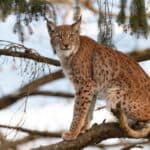

Jilin offers some of Northeast China's best temperate and boreal wildlife viewing, centered on the forested Changbai Mountains and wetlands and river plains around Songyuan and Baicheng. See sika deer, wild boar, forest birds, cranes, geese, swans, and winter raptor movements. Reserves and conservation areas support forest hikes, wetland hides, and migration viewing.
Peak migration builds across wetlands and reservoirs: cranes, swans, geese, and ducks stage in large numbers. Woodland birds return (woodpeckers, thrushes, tits) and forest edges become active at dawn. Conditions can be windy/cool in April; bring layers and plan early mornings for the best activity.
Best for high-elevation Changbai Mountain nature walks, wildflowers, and breeding forest birds. Wetlands hold nesting herons/egrets and reedbed specialists. Expect greener landscapes and higher humidity; thunderstorms are possible-aim for dawn and post-rain clearings for bird activity.
Crisp weather and excellent visibility. Strong fall migration brings mixed flocks of waterfowl and raptors, and forests show peak color in the Changbai range. This is one of the most photogenic seasons, with consistent wildlife movement and comfortable hiking conditions.
Snow transforms the province into a tracking and raptor-watching destination. Look for concentrated raptors over open country and rivers, wintering waterfowl where water remains open, and abundant signs (tracks, scat) in forest reserves. Expect very cold temperatures; hand/foot warmth and wind protection are essential.
Jilin has a strong east-west change: humid, mountainous Changbai in the southeast has mixed temperate forests turning to colder conifer belts. Central and western Songnen and Songliao plains are mostly temperate grasslands, farms, and large rivers with wetlands. Major rivers (Songhua, Nen, Yalu, Tumen) and marshes provide habitat for cranes, geese, and other migratory birds. The province is landlocked.
Broadleaf-mixed forests (including Korean pine-broadleaf mixtures) dominate the wetter eastern mountains and foothills; secondary broadleaf forests also occur where historical logging/agriculture altered landscapes.
Primary natural biome; extensive in eastern and southeastern Jilin, especially around the Changbai Mountains and adjacent uplands
Cold-tolerant conifer forests (spruce-fir/larch components) occur in the upper montane belt of the Changbai Mountains, forming a boreal-leaning zone above mixed temperate forests.
Patchy to locally continuous at higher elevations in the Changbai range; limited province-wide but ecologically prominent in the southeast
Above treeline on the highest Changbai peaks, harsh conditions support alpine shrub/herb communities and alpine meadows around exposed ridgelines and volcanic landforms.
Very limited; confined to the highest elevations of Changbai Mountains (notably near the summit area)
Alpine tundra-like vegetation (low shrubs, mosses, and cold-adapted herbs) occurs in the coldest, windiest summit-zone microhabitats.
Tiny, summit-restricted patches in the highest Changbai areas
Meadow steppe/grassland on the western plains and basin areas, heavily intermixed with cropland; important for ground-nesting birds and grazing landscapes.
Substantial in western Jilin (Songnen Plain), increasingly fragmented by agriculture
Large rivers (Songhua and tributaries; Nen; Yalu and Tumen headwaters/border rivers), reservoirs, and crater lake systems support fish communities and riparian corridors.
Widespread along major valleys and plains; highest density along Songhua-Nen systems and Changbai headwaters
Extensive floodplain marshes, seasonally inundated grass-marsh mosaics, and reedbeds on the plains (notably in the west) provide critical stopover and breeding habitat for cranes, storks, geese, and ducks.
Localized but regionally significant; concentrated in western/central floodplains and lake-associated lowlands (e.g., Momoge/Xianghain-type wetland complexes)
Mountain and foothill forest matrices, including protected areas around the Changbai Mountains with relatively intact stands and wildlife corridors.
Oak, birch, aspen and mixed broadleaf stands in lower elevations and regrowth areas, often forming mosaics with agriculture and settlements in central/eastern Jilin.
Higher-elevation spruce-fir/larch-dominated forests and mixed conifer belts on Changbai slopes; important for cold-adapted fauna and watershed protection.
Changbai Mountains and associated volcanic/topographic complexity create strong elevational zonation, diverse microclimates, and headwater catchments.
Rock outcrops and steep valley walls in mountain terrain provide raptor nesting sites and specialized plant niches.
Limited karst/rock shelters and small caves occur locally; more common are lava/rock cavities in volcanic terrains, used by bats and small fauna where present.
Meadow grasslands on the western plains and saline-alkaline meadow fringes; often interspersed with cropland and drainage canals.
Meadow steppe elements in the drier west, with increasing fragmentation from cultivation and grazing.
Shrub-grass mosaics on disturbed slopes, forest edges, and drier plain margins, including early-successional habitats after fire or clearing.
Songhua River system and tributaries form major riparian corridors; Yalu and Tumen rivers define border stretches with forested headwaters and valley wetlands.
Natural and managed lakes/reservoirs on the plains and in volcanic/mountain settings; includes large shallow lakes important for waterbirds and fisheries.
Farm ponds, aquaculture ponds, and small impoundments across agricultural districts provide secondary wetland habitat (often eutrophic).
Floodplain wetlands and seasonally inundated marsh-meadow complexes (notably in the west) that support cranes and other migratory birds.
Reedbeds and sedge marshes around shallow lakes and river floodplains; key breeding/stopover habitat for waterfowl.
Small peat-forming wetlands occur in cool, poorly drained mountain/foothill settings (localized compared with marshes).
Extensive cropland on the central/western plains (major grain production), driving habitat fragmentation but also creating field-wetland mosaics used by some species.
Dense urban cores such as Changchun and Jilin City with highly modified habitats and riverfront green belts.
Peri-urban expansion zones with mixed housing, industry, parks, and remnant farmland/wetlands that can still support common birds and small mammals.
Jilin's biggest cats don't respect borders: GPS/camera-trap work in the Hunchun area has repeatedly shown Amur tigers and leopards moving between China and Russia, using the same forest corridors and prey base on both sides.
The Siberian salamander (found in Northeast China including Jilin) is famous for extreme cold tolerance-able to survive when its body is partially frozen-an adaptation that fits Jilin's long, severe winters.
In the Korean pine-broadleaf forests of Changbai, "pine-nut years" can ripple up the food web: heavy cone crops boost rodents and wild boar, which in turn can improve prey availability for top predators like tigers.
Some of Jilin's key crane habitat isn't wild: in western Jilin, cranes and other waterbirds feed in mixed managed wetlands and farmland, so water management and harvest timing matter as much as fences.
Changbai's Tianchi (Heaven Lake) sits in a high volcanic crater and stays ice-covered much of the year. Its isolation and harsh climate limit aquatic life, making its ecology and 'lake monster' tales surprising.
Northeast China Tiger and Leopard National Park-spanning Jilin and Heilongjiang-covers about 14,100 km² and was created specifically to secure habitat for Amur (Siberian) tigers and Amur leopards.
Jilin's Hunchun-Wangqing forests on the Russian border are among the key areas in China where Amur leopards are regularly confirmed in the wild, and where breeding has been documented by long-term camera-trap monitoring (leopard cubs recorded).
Changbai Mountain (2,744 m, on the China–DPRK border) has one of Northeast Asia’s steepest habitat changes—from mixed broadleaf and Korean pine forest up to alpine tundra—so many habitats close together help many species live there.
Momoge National Nature Reserve in western Jilin is a Ramsar wetland and internationally known as a top stopover on the East Asian-Australasian Flyway for large endangered waterbirds, especially cranes, which can gather by the thousands on spring wetlands.
50 species documented in our encyclopedia
Thank you for reading! Have some feedback for us?
We appreciate your help in improving our content.
Our editorial team will review your suggestions and make any necessary updates.
There was an error submitting your feedback. Please try again.