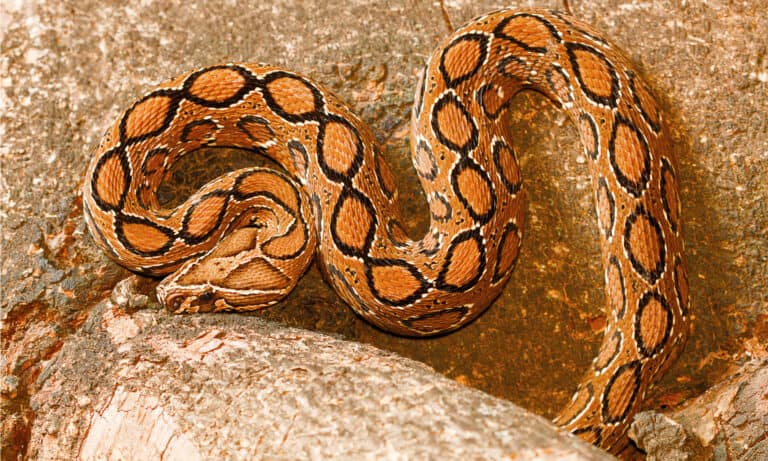
Russel's Viper
Spots, hiss, and high-stakes venom

Chandigarh's wildlife comes from a rare mix of planned city green space and the last low hills of the Shivalik range. Even though the city is built-up, its wide avenues, parks, and tree-lined sectors work as habitat corridors for many birds, small mammals, and reptiles. It sits in the Himalayan foothill transition zone, where plain species meet hill and scrub species, so short walks can be rewarding. Key habitats include Shivalik scrub and small patches of dry deciduous forest on the edges, riparian and wetland pockets at Sukhna Lake and seasonal drains, and a patchwork of urban greens like gardens, campuses, and roadside trees. These areas are stepping stones for migratory and resident birds and refuges for foothill animals. Unlike nearby Punjab and Haryana, Chandigarh lets you move from homes to bird-rich wetlands and scrubby foothills in minutes, with lakefront and green belts offering year-round viewing.
Chandigarh lies on the northern edge of the Indo-Gangetic plains at the Shivalik foothills, marking a sharp shift from low alluvial plains to scrubby, erosion-prone slopes. Though urban, dry scrub, regrown forest, green corridors and Sukhna Lake give homes and paths for birds, small mammals, reptiles and seasonal migrants. Streams and drainage lines shape where plants and water species remain.
~300-365 m above sea level (low relief; foothill edge slightly higher than the urban plain)
Chandigarh is a small, highly urban union territory (~114 km²) at the Shivalik foothills. It has no National Park. Its main protected area is Sukhna Wildlife Sanctuary, with key wetlands like Sukhna Lake and city nature parks/green belts. These places help birds, small mammals, and butterflies and support waterbirds, scrub-forest species, and nature education.
~20-25% (approx.; dominated by Sukhna Wildlife Sanctuary and associated protected/catchment forests; additional urban green belts and parks provide habitat but are not all legally protected)
Small but well-known urban biodiversity pocket designed for host plants and nectar sources; best in warm months for butterfly diversity and associated insectivorous birds.
A connected chain of landscaped greens that functions as an urban movement corridor for common birds, bats, and pollinators; most valuable as connective habitat rather than as a strict wildlife reserve.
Core legally protected refuge for Shivalik foothill fauna within the union territory; reduces development pressure in the catchment and maintains scrub-forest structure important for mammals and resident birds.
Primary waterbird refuge in Chandigarh; peak diversity in winter when migratory waterfowl concentrate on open water and along the edges.
Smaller city wetland that can hold wintering ducks, coots, and waders; valued for local birdwatching and as an alternative refuge when disturbance is high at Sukhna Lake.
Chandigarh's wildlife is defined by an urban-foothill interface: a planned city bordered by the Shivalik Hills, with remnant dry deciduous/scrub forests (notably around Sukhna Wildlife Sanctuary and adjacent Kansal/foothill tracts), seasonal streams, and the large wetland of Sukhna Lake. Biodiversity is moderate but locally distinctive-typical north Indian plains-and-Shivalik fauna persists in patches, and winter migratory birds concentrate at the lake. The key "wildlife experience" is birding around Sukhna Lake and encountering adaptable mammals (deer, jackal, macaques) and occasional large carnivore presence (leopard) along the forest edge.
Chandigarh is a planned city at the foothills of the Shivalik Hills and still offers good wildlife viewing, especially birding. Urban lakes, seasonal wetlands, scrubby Shivalik-edge forests and nearby protected areas bring waterbirds at Sukhna Lake and woodland birds in green belts. Take morning or evening walks and one or two guided half‑day or day trips to Kasauli and Mohali/Panchkula.
Peak birding season. Large numbers of migratory waterfowl and waders use Sukhna Lake and nearby wetlands; raptors are more visible in open scrub; clear mornings are ideal for photography (bring layers for cold dawns and occasional fog).
Active breeding displays and song from resident birds in forest edges and gardens. Comfortable temperatures, good visibility, and excellent time for mixed-species bird flocks along Shivalik foothill trails. Butterflies begin to build in number.
Hot weather limits mid-day activity; focus on sunrise and late evening. Look for heat-tolerant resident birds, urban-adapted mammals (often at quieter hours), and reptiles in scrub/rocky patches (observe from a distance). Good time for short, early guided walks rather than long hikes.
Lush greenery and high insect/butterfly activity; amphibians become more noticeable after rains. Birding can be rewarding but intermittent due to showers; leeches/ticks can occur on forest-edge trails-use repellent and closed shoes. Some paths may be muddy/slippery.
Pleasant weather returns; habitat is still green; early migrants begin arriving. Great time for photography and combining lake birding with foothill forest walks before winter crowds.
Chandigarh is a highly urbanized union territory at the Shivalik foothills, where planned-city greenspaces and built-up areas dominate, while remnant Shivalik scrub/deciduous forest persists in protected patches (notably around Sukhna Wildlife Sanctuary and nearby reserved forest blocks). Seasonal drainage channels and Sukhna Lake create localized freshwater and wetland habitats that support urban-adapted wildlife alongside foothill species.
Natural Shivalik foothill vegetation near the city: dry deciduous woodland and scrubby secondary forest in protected spots (e.g., Sukhna Wildlife Sanctuary), very dry in seasons and often harmed by city edges.
Patchy remnants on the northeastern/peripheral foothill zone; limited and fragmented compared with the urban matrix.
Mostly anthropogenic/managed grass cover rather than extensive natural steppe-lawns, institutional greens, parks, and open grounds that function as grassland-like habitat for urban fauna.
Widespread but discontinuous across parks, road verges, campuses, and open plots; embedded within urban/suburban land use.
Artificial and modified freshwater systems, especially Sukhna Lake, plus seasonal drainage channels and small ponds that provide important waterbird and aquatic habitat in an otherwise built landscape.
Small area overall; concentrated at Sukhna Lake and along drainage lines and park waterbodies.
Shallow margins and seasonally inundated areas associated with Sukhna Lake's littoral zone, stormwater wetlands, and low-lying patches that hold water during/after the monsoon.
Very limited and localized, mainly around lake edges and select stormwater/lowland pockets.
Dense planned-city sectors, commercial cores, and transport corridors; major driver of habitat fragmentation but also supports urban-tolerant birds, bats, and small mammals.
Lower-density residential areas with tree cover, gardens, and institutional campuses that act as semi-natural corridors between parks and forest patches.
Remnant dry deciduous foothill forest patches (often secondary/regenerating) around the northeastern fringe, including parts of the Sukhna Wildlife Sanctuary landscape.
Open-canopy tree cover in reserved forests, city green belts, and large campuses; often a mosaic with scrub and grass.
Shivalik scrub and degraded forest edges with thorny shrubs and pioneer species on drier slopes and disturbed ground.
Managed parklands and open grounds (e.g., large parks and institutional fields) providing foraging habitat for raptors and ground-feeding birds.
Sukhna Lake is the dominant standing-water habitat; important for waterbirds, fish, and riparian vegetation at the margins.
No major river within the core city; however, seasonal stream channels function as river-like habitats during monsoon flows and connect to regional drainages.
Small ornamental and utility ponds in parks and campuses that support amphibians, insects, and common waterbirds.
Localized marshy edges and seasonally waterlogged areas near Sukhna Lake and stormwater retention zones, especially during the monsoon.
Reedy/shallow-water patches where siltation and fluctuating water levels create emergent vegetation zones, particularly at lake margins.
Limited within the union territory but present around the periphery in surrounding tracts, influencing wildlife movement and edge habitats.
A major birding site in Chandigarh is essentially "engineered habitat": Sukhna Lake was created by damming a seasonal stream (the Sukhna Choe), and the new open-water + shoreline environment quickly began attracting winter migrants.
The lake's monsoon-fed boom-and-bust water cycle can *increase* diversity: when levels drop, exposed mudflats appear-adding wader habitat (stints/sandpipers/plovers) alongside the deeper-water zones used by ducks and coots.
Large mammals can still be alarmingly close to the city: the Shivalik foothill scrub/forest inside Sukhna Wildlife Sanctuary supports deer and wild boar, meaning "big-animal habitat" begins within minutes of dense urban sectors.
Chandigarh's monkey problem produced one of India's most unusual wildlife-management stories: the city has periodically used people in langur costumes to scare off rhesus macaques because real langurs are legally protected.
Much of Chandigarh's everyday "wildlife habitat" is planted, not leftover forest: avenue trees, institutional campuses, and the planned park network create a man-made canopy that still sustains surprisingly rich urban bird life (especially in winter).
Chandigarh packs a large protected area into a tiny map: Sukhna Wildlife Sanctuary is ~26 km² inside a ~114 km² Union Territory-about 23% of the UT under a single notified sanctuary (a very high protected-area share for any capital-region administration).
The Sukhna Lake-Sukhna Wildlife Sanctuary complex is a standout "species-rich hotspot in a planned city": bird checklists maintained by local birders and the Chandigarh Forest Department report 200+ bird species from this urban-edge wetland and its Shivalik foothill scrub/forest mosaic.
Leisure Valley-the city's deliberately planned chain of parks/greens-forms an ~8 km continuous urban green corridor (often cited as one of India's longest linear park systems), functioning as a built-in movement route for common urban wildlife (especially birds and butterflies).
Sukhna Lake (~3 km²) is Chandigarh's largest standing freshwater wetland and its primary wintering site for migratory waterbirds-remarkable given the UT's highly urbanized land cover and small geographic size.
1 species documented in our encyclopedia
Thank you for reading! Have some feedback for us?
We appreciate your help in improving our content.
Our editorial team will review your suggestions and make any necessary updates.
There was an error submitting your feedback. Please try again.