N S W E
Wildlife Expeditions

Wildlife of
Jammu and Kashmīr

From the last stronghold of the Hangul to snow-leopard ridgelines and migratory-bird wetlands, Jammu & Kashmir packs western Himalayan wildlife into dramatic valleys and peaks.
24 Species
42,241 km² Land Area
Overview

About Jammu and Kashmīr

Jammu and Kashmir's wildlife is shaped by steep slopes where river valleys quickly climb into temperate conifer and mixed broadleaf forests, subalpine scrub, and the high ridgelines of the Pir Panjal and greater Himalayan ranges. This close mix supports a western Himalayan blend of mammals and birds, from large carnivores and mountain specialists to forest species tied to cedar, fir, pine, and oak. High slopes and rocky uplands hold wild ungulates like the markhor and Himalayan goral, important prey for large carnivores including the snow leopard. Temperate forests shelter Asiatic black bear and musk deer. The Kashmir Valley's lakes, marshes, and floodplains are key wintering and stopover sites for migratory waterfowl. Protected areas such as Dachigam National Park help save the Hangul (Kashmir stag), and wetlands like Hokersar and Wular support rich birdlife.

Physical Features

Geography

Jammu and Kashmir's wildlife is shaped by steep elevation across the Pir Panjal and western Himalaya. Low plains near Jammu have subtropical scrub and broadleaf forests. Kashmir Valley has temperate conifer and mixed forests. Higher areas have subalpine forests, alpine meadows, scree and permanent snow. Rivers and lakes form riparian, wetland and floodplain habitats that attract waterbirds and other wildlife.

42,241 km² Land Area
2nd largest union territory in India (by area, after Ladakh) Size Rank
India Country
Union_territory Type
Elevation Range

~200 m (Jammu plains) to 5,425 m (Kolahoi Peak)

Key Landscapes

Pir Panjal Range (southern mountain barrier) Western Himalaya / Greater Himalayan ranges (high-elevation habitats) Kashmir Valley intermontane basin (mosaic of wetlands, agriculture, and forested slopes) Jammu plains and Shivalik foothills (subtropical forests and scrub) Major river systems: Jhelum, Chenab, Ravi, and Tawi (riparian corridors and valley habitats) High-altitude alpine meadows and subalpine zones (summer grazing and key ungulate habitats)
State Symbols

Official Wildlife Symbols

animal

Hangul (Kashmir stag)

bird

Black-necked crane

wildflower

Lotus

tree

Chinar (Oriental plane)

Parks & Reserves

Protected Areas

Jammu and Kashmir's protected areas include national parks, wildlife sanctuaries and wetland reserves run by the J&K Wildlife Protection Dept under India's Wildlife (Protection) Act. They protect habitats across Pir Panjal and western Himalaya: river valleys, broadleaf and conifer forests, subalpine/alpine meadows, and wetlands for migratory waterbirds. Key goals: Hangul, leopards, snow leopards, markhor and Himalayan musk deer.

Protected Coverage

Approximately ~12-15% of the union territory's land area is under some form of notified protection (national parks, wildlife sanctuaries, conservation reserves, and major wetland reserves; figure varies by classification and boundary updates).

National Parks & Preserves

Dachigam National Park

~141 km²

The best-known wildlife-viewing park in the Kashmir Valley and the last stronghold of the endangered Hangul (Kashmir stag). Its sharp elevation gradient (lower valley forests to upper alpine areas) supports high biodiversity and relatively reliable chances for seeing large mammals near the lower Dachigam sector.

Hangul (Kashmir stag) Himalayan black bear Leopard Himalayan brown bear (upper reaches) Kashmir musk deer (higher zones)

Kishtwar National Park

~425 km²

A rugged, high-relief national park in the Chenab basin with extensive alpine and subalpine habitats. It is regionally important for high-altitude carnivores and mountain ungulates, and functions as a large wilderness core in the eastern Jammu Himalaya.

Snow leopard Himalayan brown bear Asiatic black bear Himalayan musk deer Himalayan serow

Kazinag National Park

~90 km²

Western Himalayan park near the Line of Control noted for conserving markhor habitat and mixed conifer-broadleaf forests grading into alpine meadows. It is a key landscape for mountain ungulates and their predators in northwestern Kashmir.

Markhor Himalayan black bear Leopard Himalayan serow Himalayan goral

Salim Ali National Park

~9 km²

A compact urban-edge protected area on/near Dal Lake that is especially notable for birds-resident woodland species and seasonal waterbirds-making it one of the most accessible sites for birdwatching in the Srinagar area.

Common kingfisher Coots and ducks (wintering waterfowl assemblages) Herons and egrets Woodpeckers (Himalayan forest species) Raptors (seasonal migrants)

State & Provincial Parks

Gulmarg Wildlife Sanctuary

~180 km²

High-elevation conifer forests and open meadows around Gulmarg that support mountain ungulates and large carnivores; a major conservation and wildlife-viewing landscape in the Pir Panjal with strong bird diversity.

Himalayan musk deer Leopard Himalayan black bear Himalayan monal Koklass pheasant

Overa-Aru Wildlife Sanctuary

~425 km²

A large protected tract in the Lidder valley landscape (Pahalgam-Aru) with forests to alpine meadows, important for bears, leopards and high-altitude ungulates; also a stronghold for Himalayan pheasants and other forest birds.

Himalayan black bear Leopard Himalayan musk deer Himalayan brown bear (higher zones) Himalayan monal

Hirpora Wildlife Sanctuary

~341 km²

Noted for its markhor population and intact Pir Panjal habitats (forests, scrub, and alpine grasslands). It is a key conservation area for mountain ungulates and associated predators.

Markhor Leopard Himalayan black bear Himalayan goral Koklass pheasant

Jasrota Wildlife Sanctuary

~10 km²

A smaller but significant foothill sanctuary in Jammu with dry deciduous forests and grass patches, offering comparatively accessible viewing of ungulates, smaller carnivores, and rich birdlife.

Chital (spotted deer) Wild boar Leopard (occasional) Indian porcupine Peafowl and woodland birds

Wildlife Refuges

Hokersar Wildlife Sanctuary (Ramsar wetland)

~14 km² (core marsh; larger wetland influence zone seasonally)

Kashmir Valley's premier marshland for migratory waterbirds, especially in winter, supporting dense congregations of ducks, geese and waders; among the most important birding sites in the region.

Bar-headed goose Northern pintail Common teal Mallard Marsh harriers (winter raptors)

Shallabugh Wildlife Sanctuary (wetland reserve)

~17 km² (approx.)

A mosaic of marshes, reedbeds and open water that serves as feeding and roosting habitat for migratory waterfowl and herons/egrets; valuable for wetland biodiversity close to Srinagar.

Gadwall Northern shoveler Grey heron Little egret Waders (seasonal assemblages)

Surinsar-Mansar Wildlife Sanctuary (lake sanctuary complex)

97.82 km²

Protected lake-and-forest landscape in Jammu with important aquatic habitat, turtles/fish diversity, and strong birdlife; notable for being a key wetland node outside the Kashmir Valley.

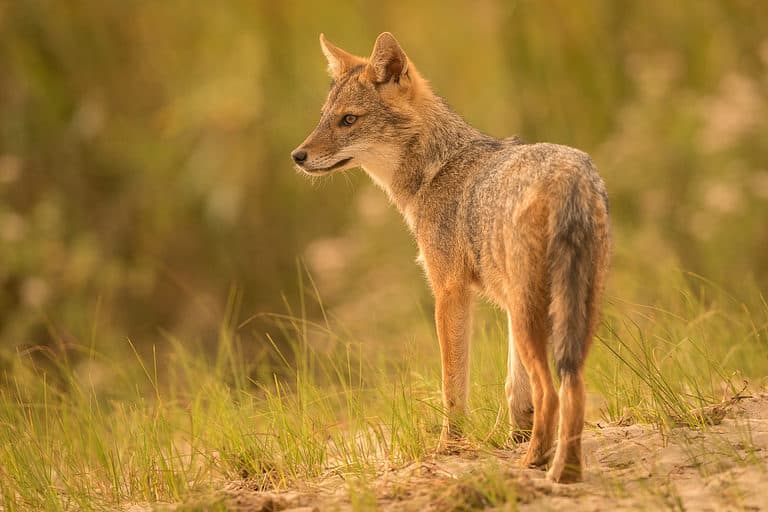
Wintering ducks (varied species) Egrets and herons Freshwater turtles (lake fauna) Jackal (surrounding scrub/forest) Raptors (seasonal)

Wular Lake (Ramsar wetland; conservation area)

~189 km² open-water lake area (extent varies seasonally)

One of the largest freshwater lakes in South Asia and a critical flood-buffer and biodiversity site, supporting major wintering and passage waterbird populations and sustaining fisheries and reedbed habitats.

Common pochard (wintering) Tufted duck Coots and moorhens Gulls and terns (seasonal) Waders (migratory)

Wilderness Areas

  • Warwan Valley-Marwah/Dacchan highlands (remote alpine basins and forests; strong wilderness character)
  • Gurez Valley and upper Kishanganga landscapes (broad, road-sparse high valley fringed by alpine slopes)
  • Upper Lidder-Aru alpine meadows and ridgelines (roadless headwaters and summer grazing meadows)
  • Pir Panjal high meadows around Tosamaidan-Khag-Budgam ridges (open uplands with limited permanent access in parts)
  • Sinthan Pass-Breng Valley upper reaches (mountain ridges and high pastures with relatively low road density away from the pass)
  • Kazinag-Limber-Lolab border ranges (forested-to-alpine tracts with pockets of low-access terrain)
Animals

Wildlife

Jammu and Kashmir spans the Pir Panjal and western Himalaya, creating habitats—from subtropical scrub and Shivalik foothill forests in Jammu, through temperate conifer-broadleaf forests and river valleys, up to alpine meadows and high ridgelines in Kashmir. This range of heights has Western Himalayan wildlife: large carnivores like leopard and black bear; mountain ungulates such as markhor and goral; the unique Hangul deer; and birds, including pheasants and wintering migratory waterfowl at wetlands like Hokersar and Wular. Wildlife here is known for temperate forests, alpine pastures, and wetland birds.
~90-110 species (Western Himalayan mix: carnivores, ungulates, small mammals) Mammals
~450-520 species (very high diversity; strong migratory waterfowl component in wetlands) Birds
~30-45 species (lower diversity at high elevations; more in Jammu foothills/valleys) Reptiles
~12-20 species (stream- and forest-associated frogs/toads) Amphibians
~120-160 species (riverine cyprinids incl. mahseer; snow trouts in colder waters; some introduced salmonids) Fish
Examples

Iconic Species

Hangul (Kashmir Stag) The signature mammal of Kashmir's temperate forests-most famously associated with Dachigam and adjoining landscapes; it is the region's most celebrated and conservation-symbol species.
Asiatic Black Bear
Asiatic Black Bear A flagship forest omnivore seen (or sign-posted by tracks/scats) across forested belts; also central to human-wildlife interactions in orchards and village edges.
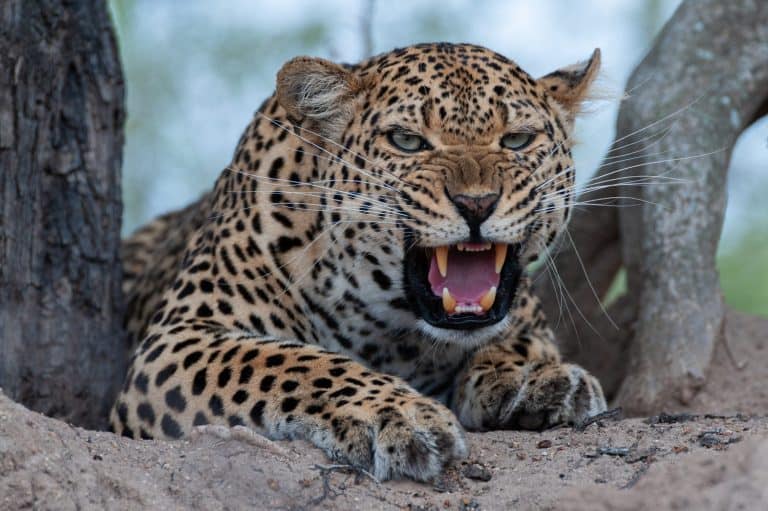
Common Leopard The top widely distributed predator in the UT's forests and foothills; notable for its adaptability and frequent presence near forest-agriculture edges.
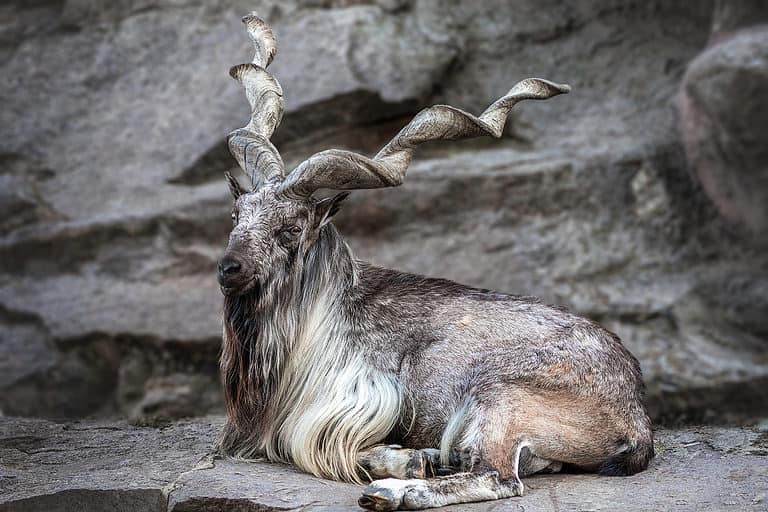
Markhor
Markhor An iconic mountain goat of steep, rugged terrain in parts of Jammu and Kashmir; prized by wildlife watchers for dramatic cliffside sightings and impressive spiral horns.
Himalayan Musk Deer A shy, high-elevation forest/alpine-edge ungulate; sought after on high meadow and subalpine forest treks, and important as an indicator of intact highland habitats.
Western Tragopan One of the most sought-after Himalayan pheasants; a scarce, secretive bird of dense temperate forests that defines premium birding in the region.
Himalayan Monal A spectacular, iridescent pheasant of montane forests and alpine meadows; a classic "must-see" species on upland excursions.
Koklass Pheasant A characteristic pheasant of Himalayan conifer and mixed forests; often heard calling at dawn and a key species for forest birding.
Eurasian Otter A charismatic but hard-to-spot carnivore of cleaner rivers and lakes; valued as a sign of improving/maintained aquatic habitat quality.
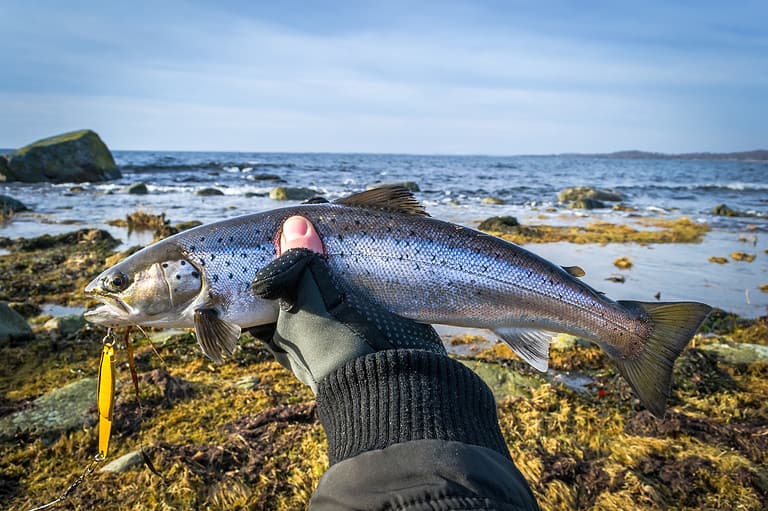
Golden Mahseer A flagship sport-and-conservation fish of Jammu's larger rivers; represents the health of fast-flowing river systems and is culturally important.

Endemic & Rare Species

Hangul (Kashmir Stag)

Cervus hanglu hanglu

Critically Endangered (very small, isolated population; globally unique)

The only surviving population of this red-deer lineage is centered in/around Kashmir's protected landscapes, making the UT globally significant for its persistence.

Western Tragopan

Tragopan melanocephalus

Vulnerable (restricted-range Himalayan pheasant)

A range-restricted pheasant dependent on mature temperate forests; its presence signals high-quality forest structure and low disturbance.

Kashmir Flycatcher

Ficedula subrubra

Least Concern (IUCN)

A range-limited passerine of the western Himalaya; Kashmir's forests and wooded valleys are among its key breeding areas.

Himalayan Musk Deer

Moschus cupreus

Endangered (hunting pressure and habitat fragmentation)

Important high-elevation ungulate with a history of heavy poaching for musk; conservation in subalpine forests is critical to its survival.

Himalayan Brown Bear

Ursus arctos isabellinus

Locally rare in much of the UT (globally Least Concern but regionally sensitive)

A high-altitude bear with patchy distribution; where it persists it indicates relatively intact alpine ecosystems with low persecution.

Kashmir Markhor (regional population)

Capra falconeri

IUCN Near Threatened globally; in India highly localized and conservation-dependent

Small, fragmented herds in steep mountainous habitats make this a high-priority population for India's mountain-ungulate conservation.

White-rumped Vulture

Gyps bengalensis

Critically Endangered (South Asian vulture collapse; slow recovery)

Where present, it represents an important piece of vulture recovery; populations remain vulnerable to poisoning and food-supply changes.

Gharial (historic/rare vagrant in some basins, if recorded)

Gavialis gangeticus

Critically Endangered (not a typical/regular species in the UT; any occurrence is exceptional)

Not a defining resident of J&K; any verified records would be of high significance for river-conservation narratives (most strongholds lie further south).

Notable Populations

  • Hangul (Kashmir Stag): the UT holds the only surviving global population, with its stronghold in and around Dachigam and the wider Kashmir landscape.
  • Hokersar-Wular wetland complex: nationally important wintering and stopover habitat for migratory waterfowl and other wetland birds on the Central Asian flyway.
  • Mountain ungulates (markhor, goral, serow in suitable zones): regionally important Indian populations tied to rugged Pir Panjal/Greater Himalayan foothill systems.
  • Cold-water fish communities (snow trouts, Schizothorax spp.) in upland rivers and lakes: important for native biodiversity and local fisheries where habitats remain intact.

Recent Changes

  • Hangul conservation: intensified monitoring and habitat management in the Dachigam landscape has been associated with periodic reports of modest gains, though the population remains small and highly vulnerable to fragmentation and disturbance.
  • Wetland bird fluctuations: several Kashmir wetlands have seen concerns about declining wintering waterfowl numbers in some years, linked to habitat shrinkage, disturbance, pollution/eutrophication, and changing hydrology.
  • Human-wildlife interface increase: rising encounters and conflict (notably with Asiatic black bears and leopards) around orchards and expanding settlements, driven by land-use change and attractants (fruit, garbage, livestock).
  • Disease and extreme-weather risks: episodic avian influenza events and harsher/variable winters can cause abrupt changes in wetland bird use and local mortality events.
  • Fisheries shifts: continued pressure from habitat modification and competition with introduced trout in some cold-water systems, complicating native snow-trout conservation in parts of the Kashmir valley and upland rivers.
  • Improved documentation: expanded camera-trapping and citizen-birding has improved detection of elusive species (otters, high-elevation carnivores, rare pheasants), refining distribution knowledge even where true abundance may not be increasing.
Visit

Wildlife Viewing

Jammu and Kashmir offers wildlife across steep elevations: subtropical river valleys in Jammu, temperate conifer forests and wetlands in Kashmir Valley, and alpine meadows and high ridges in Pir Panjal and Greater Himalaya. Spot Kashmir stag, Himalayan black bear, musk deer, occasional snow leopard signs, birding, amphibians, butterflies, and raptor migration. Access via Dachigam NP, Hirpora, Surinsar-Mansar, Gulmarg and Hokersar.

Best Seasons

Spring (Mar-May)

Prime for birding and flowers: migratory waterbirds linger on Kashmir wetlands (e.g., Hokersar) and forest birds are active at lower and mid elevations. Alpine meadows begin to open, and mammal activity increases after winter. Great conditions for guided nature walks in Dachigam's lower ranges and forest edges around Gulmarg/Pahalgam before peak summer crowds.

Summer (Jun-Aug)

Best time for high-elevation wildlife and meadows: access improves to alpine zones in Hirpora, Gulmarg meadows, and the Pahalgam-Aru belt. Look for Himalayan marmots, pikas, high-altitude raptors, and occasional bear sign near forest-meadow interfaces. Early mornings are best; afternoons can bring monsoon showers/haze, especially toward Jammu.

Autumn (Sep-Nov)

Clear skies and crisp light make this a standout season for photography and mammals. Kashmir stag viewing chances are often strongest in and around Dachigam as animals move and activity peaks; rutting behavior can occur in autumn. Waterbird migration begins again at wetlands; forest birding remains excellent. Trekking conditions are generally stable before snowfall.

Winter (Dec-Feb)

Best for wintering waterfowl and valley birding, plus tracking wildlife in snow at mid elevations where accessible. Kashmir wetlands can host dense waterbird concentrations; raptors and owls are easier to spot in open winter landscapes. High passes and some sanctuaries may have restricted access; plan around road closures and use local guides for safe, legal routes.

Top Wildlife Experiences

  • Dachigam National Park (near Srinagar): dawn-and-dusk wildlife drives and short guided walks focused on Kashmir stag, Himalayan black bear sign, and rich forest birdlife.
  • Hokersar Wetland (Kashmir Valley): early-morning birding for wintering and migratory waterfowl-bring a scope for distant flocks and look for raptors over reedbeds.
  • Gulmarg Wildlife Sanctuary: meadow-to-conifer forest transects for Himalayan birds (woodpeckers, laughingthrushes, finches) and mammal tracks; combine with a gentle nature hike away from the main tourist zone.
  • Hirpora Wildlife Sanctuary (Shopian): guided day hikes into higher conifer-alpine mosaics for Himalayan mammals and raptors; scan open slopes for movement and learn track/scape identification with a local naturalist.
  • Aru Valley-Lidder corridor (near Pahalgam): riverside and forest-edge birding walks (dippers, wagtails, flycatchers seasonally) plus butterfly-rich meadows in summer.
  • Surinsar-Mansar Wildlife Sanctuary (Jammu region): lake-edge birding and dry-forest wildlife walks for a contrasting, lower-elevation fauna compared with Kashmir; good shoulder-season outing when higher areas are wet or snowy.
  • Pir Panjal ridge viewpoints (accessible sections with local guidance): raptor watching and high-altitude scanning sessions-best in clear autumn weather for soaring birds and panoramic habitat reading.

Wildlife Watching Types

Large mammal viewing (Kashmir stag, Himalayan black bear, musk deer; occasional high-altitude carnivore sign in remote areas) Birding hotspots (wetlands, conifer forests, alpine meadows, river corridors) Waterfowl watching and wetland safaris (seasonal migration spectacles in the Kashmir Valley wetlands) Raptor watching (eagles, vultures and other soaring birds along ridgelines and open valleys) High-altitude wildlife tracking and sign interpretation (snow tracks, scat, scrape marks-best with trained local guides) Butterfly and wildflower walks (late spring to summer in meadows and forest clearings) Riverine nature walks (dippers, wagtails, kingfishers in suitable stretches; plus otter sign where present)

Guided Options

  • J&K Forest Department-authorized guiding for Dachigam National Park: arrange entry permits, official routes, and local naturalists/trackers through park/forest offices or authorized operators.
  • Local birding guides based in Srinagar for Kashmir wetlands + Dachigam combo days (typically early wetland session followed by forest birding in foothills).
  • Gulmarg and Pahalgam-based nature guides for meadow/forest interpretation walks (best for visitors who want short, flexible excursions rather than long safaris).
  • Specialist wildlife tour operators running multi-day Kashmir Valley itineraries (Dachigam + wetlands + Gulmarg/Pahalgam) with logistics, scopes, and photography-focused pacing.
  • Community/local trekking and eco-guides for Hirpora and Pir Panjal day hikes-useful for safe route choice, weather decisions, and improving chances of spotting high-altitude mammals and raptors.
  • University/NGO-linked bird walks when available seasonally around Srinagar wetlands and parks (check local listings; these can be great for learning migration patterns and wetland ecology).
Habitats

Ecosystems

Jammu and Kashmir ranges from subtropical foothills (Jammu/Shivalik–Pir Panjal lower slopes) to temperate conifer‑broadleaf forests and alpine meadows in the Pir Panjal and Greater Himalaya. Habitats change quickly: river valleys, lakes and wetlands in the Kashmir Valley, montane forests, subalpine scrub, and alpine grasslands. Freshwater systems (Jhelum‑Chenab basins) with floodplains, lakes and marshes are vital for wildlife and local people.

Biomes

Tropical Dry Forest

In the warmer lower elevations of Jammu and foothill zones, vegetation trends toward dry/subtropical broadleaf and pine-dominated forests with seasonal water stress and frequent human use (grazing, fuelwood).

Localized to lower-elevation southern slopes and foothills; patchy and fragmented relative to higher-elevation forests.

Temperate Forest

Mid-elevation belts support temperate conifer and mixed broadleaf forests (e.g., fir, spruce, deodar, kail/blue pine, oak, walnut), forming the dominant natural cover across much of the Pir Panjal and Kashmir's forested mountains.

Widespread on mid-mountain slopes across Jammu and the Kashmir region; a major biome where forest remains intact.

Alpine

Above the treeline, alpine meadows, herbfields, and alpine scrub occur on high ridges and uplands, with strong seasonality and snow cover; these areas are important summer pastures and support specialized cold-adapted flora and fauna.

High-elevation zones across the Pir Panjal and Greater Himalayan ranges; extensive but confined to upper altitudes.

Freshwater

Large river systems (Jhelum, Chenab and tributaries like Lidder, Sindh, Tawi) and high-gradient streams shape valley ecosystems; lakes and springs are prominent in the Kashmir Valley.

Linear networks throughout; densest ecological influence in valley bottoms and along major rivers/streams.

Wetland

Floodplain wetlands, marshes, and lake-associated reedbeds (notably around major valley lakes) provide critical waterbird habitat and nutrient filtration, but are sensitive to encroachment and eutrophication.

Concentrated in the Kashmir Valley (lake margins and floodplains) with smaller pockets elsewhere.

Habitats

Forest

Continuous to fragmented mountain forests across Pir Panjal and Kashmir slopes; strong altitudinal zonation from foothill forests to subalpine belts.

Deciduous Forest

Temperate broadleaf patches and mixed stands (including oaks and other deciduous trees) especially in mid-elevations and moister aspects; often interspersed with conifers.

Coniferous Forest

Prominent conifer belts (deodar, fir, spruce, pines) forming major wildlife habitat and watershed protection forests across mid-to-high elevations.

Woodland

Open-canopy forest/woodland in drier or heavily used slopes and transition zones near settlements and grazing areas.

Grassland

Valley-floor grasslands and montane grassland openings used for grazing; also includes meadow complexes in upland basins.

Shrubland

Subalpine and disturbed-slope shrub communities (e.g., juniper/berberis-type scrub in colder, higher zones) and regenerating areas after logging/grazing pressure.

Alpine Meadow

High-elevation summer pastures and flower-rich meadows above treeline, important for pollinators and pastoral livelihoods.

Mountain

Steep, rugged Himalayan and Pir Panjal terrain with strong microclimates, avalanche paths, and elevational habitat stacking.

Cliff/Rocky Outcrop

Rock faces, talus slopes, and gorge walls along mountain valleys that provide nesting/roosting sites and refugia for cliff-adapted species.

Cave

Karst/cavity features and rock shelters in mountain terrain (localized), supporting bats and specialized cave-associated fauna where present.

Lake

Major lakes and associated littoral habitats in the Kashmir Valley such as Dal Lake, Wular Lake, and Manasbal Lake (ecologically important but impacted by pollution and siltation).

River/Stream

Jhelum, Chenab, and tributary corridors with riparian vegetation, gravel bars, and floodplain interactions; critical for connectivity and fisheries.

Wetland

Reedbeds, marshy lake margins, and floodplain wetlands (notably Hokersar and other Kashmir Valley wetland complexes) supporting migratory waterbirds.

Marsh

Shallow, emergent-vegetation wetlands around lake edges and floodplains, often dominated by reeds/sedges and highly sensitive to land-use change.

Agricultural/Farmland

Intensively used valley bottoms (e.g., paddy fields in Kashmir, mixed cropping/orchards in parts of Jammu and Kashmir) creating a mosaic with wetlands and settlements.

Urban

Dense built-up areas such as Srinagar and Jammu with strong pressure on nearby wetlands, riverbanks, and peri-urban forests.

Suburban

Expanding peri-urban fringes around major towns, often converting agricultural land and wetland margins and increasing fragmentation.

Ecoregions

Western Himalayan broadleaf forests Western Himalayan subalpine conifer forests Northwestern Himalayan alpine shrub and meadows Himalayan subtropical pine forests Himalayan subtropical broadleaf forests
Protection

Conservation

Primary Threats

  • Fragmentation of forest-meadow mosaics from settlement expansion in valleys, conversion to orchards and cropland, and encroachment/reclamation around wetlands and riparian areas (Jhelum floodplain, Wular margins), reducing contiguous habitat for Hangul, musk deer, and pheasants.
  • Warming-driven shifts in snow cover and timing of meltwater affect alpine meadows and stream ecology; increased frequency of extreme events (heavy snow/rain, landslides) disrupts mountain corridors and degrades slopes critical for markhor and high-altitude carnivores.
  • Nutrient loading and solid-waste inputs into lakes and rivers (Dal-Nigeen system, Jhelum) from sewage, houseboats, tourism, and urban runoff drive eutrophication, weed proliferation, and declines in native aquatic biodiversity.
  • Aquatic invasives and aggressive weeds in lake/wetland systems (e.g., dense macrophyte growth promoted by eutrophication; invasive terrestrial shrubs such as lantana in parts of Jammu foothills) alter habitat structure and reduce native plant diversity used by waterbirds and herbivores.
  • Disease spillover risk from livestock and free-ranging dogs at forest edges and along migratory grazing routes (e.g., PPR, parasitic burdens), posing threats to wild ungulates and, indirectly, to large carnivores dependent on them.
  • Opportunistic hunting for meat and local demand persists in remote areas; it is particularly damaging for low-density species (musk deer, pheasants) and can depress prey bases needed for snow leopard and leopard.
  • Illegal trade pressures include musk pods (musk deer), bear parts, and occasional trade in pheasants and other wildlife-facilitated by rugged terrain, porous routes, and high-value products.
  • Localized overharvest and destructive fishing practices in some river stretches and tributaries reduce fish biomass and degrade aquatic food webs; this also interacts with pollution and hydropower-regulated flows.
  • High seasonal tourism and recreation (trekking routes, skiing areas, popular scenic valleys) and heavy footfall around pilgrimage/travel corridors increase noise, litter, and off-trail movement that disrupt breeding and foraging of pheasants, waterbirds, and large mammals.
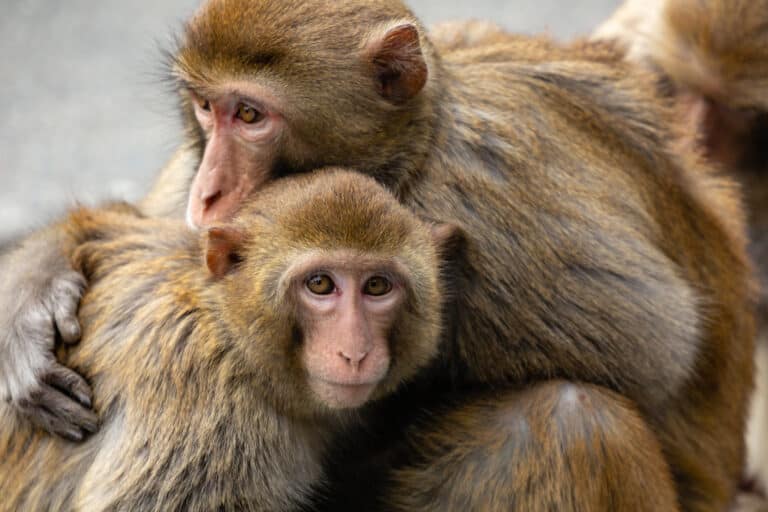
  • Conflicts include leopard and bear incidents near forest edges, livestock depredation in upland grazing areas, and crop damage by wild boar/primates-often escalating where garbage and unmanaged livestock attract wildlife toward settlements.
  • Overgrazing in alpine meadows and forest clearings, along with fuelwood and NTFP pressure in some landscapes, reduces regeneration of key forage/understory plants and can simplify habitats used by Hangul and other ungulates.
  • Road widening, new roads/tunnels, transmission lines, and hydropower construction in steep terrain fragment movement corridors, increase vehicle collision risk, trigger landslides, and open previously remote areas to disturbance and extraction.
  • River regulation (hydropower), bank protection works, wetland drainage/reclamation, and intensive deweeding/dredging in urban lakes can alter hydrology and habitat complexity, affecting fish spawning areas and waterbird foraging sites.
  • Expansion/intensification of orchards and croplands in valley bottoms and lower slopes narrows forest-wetland buffers, increases pesticide/fertilizer runoff, and pushes wildlife into smaller, more conflict-prone patches.
  • Growth of Srinagar and other towns increases wastewater loads, construction on floodplains, and solid-waste leakage into rivers and wetlands, impacting Dal-Jhelum-Wular ecological functions and nearby bird habitats.
  • Past legacy logging and continuing localized illegal felling/fuelwood extraction reduce mature forest structure and canopy connectivity needed by forest specialists, and can degrade watershed stability on steep slopes.
  • Sand/boulder extraction from riverbeds (notably in parts of the Chenab/Jhelum basins) and quarrying for construction materials can destabilize banks, increase turbidity, and degrade riparian habitats important for fish and riverine birds.
Fun Facts

Did You Know?

The hangul is a "red deer" relative, but it's been isolated long enough that Kashmir's population is treated as a distinct, highly threatened subspecies-so the animal most people associate with European forests has its last wild outpost in the Himalaya.

Dachigam National Park sits extremely close to a major city (Srinagar), so one of the world's rarest deer lives within a short drive of dense urban neighborhoods-an unusual situation for a large, shy ungulate.

Markhor horns aren't just curved-they grow in dramatic corkscrews that can exceed ~1.5 m in adult males, a shape used in close-range dominance contests in steep, rocky terrain.

Some of Jammu & Kashmir's best birdwatching is at "border wetlands" such as Gharana (near the International Border in Jammu), where large flocks of geese and ducks feed in marshes and fields within sight of fencing and patrol roads.

Kashmir's winter wetlands can partially freeze, pushing waterbirds to concentrate in the remaining open water and even into rice fields-so peak bird activity can jump sharply during cold snaps rather than decline.

The Kashmir stag (Kashmir red deer) survives in the wild only in Jammu and Kashmir-its core breeding stronghold is in and around Dachigam National Park near Srinagar, making this union territory the species' last global refuge.

Kishtwar National Park (~2,190 km²) is Jammu & Kashmir's largest national park, protecting an unusually large continuous sweep of high-elevation habitat (roughly ~1,700-4,800 m) used by species such as the snow leopard and Himalayan brown bear.

Wular Lake in the Kashmir Valley is widely cited as India's largest freshwater lake (its surface area changes dramatically by season), and it functions as one of North India's biggest natural "bird staging" areas for wintering waterfowl.

India's wild markhor (corkscrew-horned goat) mostly live in Jammu and Kashmir's Pir Panjal area, especially Hirpora Wildlife Sanctuary and the Kajinag range — one of the few Indian places with markhor.

Thank you for reading! Have some feedback for us?