N S W E
Wildlife Expeditions

Wildlife of
Andaman and Nicobar Islands

A remote Indian archipelago where rainforest meets mangroves and coral reefs, harboring rare island endemics like the Nicobar megapode and dazzling marine life.
20 Species
8,249 km² Land Area
Overview

About Andaman and Nicobar Islands

The Andaman and Nicobar Islands are like a living museum of island life. Lush, rainy tropical forests, tangled mangroves, and clear seas make one of India’s most special wildlife places. Long isolation in the Bay of Bengal has produced many endemic species—birds, reptiles, and small mammals—and made the islands an important refuge for animals that have declined on the mainland.

A close link between land and sea shapes the islands. Evergreen and semi-evergreen forests shelter rare island birds, bats, and reptiles. Mangrove creeks and seagrass beds are nurseries for fish and small sea animals. Nearshore coral reefs support reef fish, rays, sea snakes, and frequent sea turtle activity on sandy beaches. These reefs and coasts help protect shorelines and feed food chains that connect forest streams to nearby lagoons.

It is easy to see both land and sea life in one day. The species mix is different from mainland India, with island specialists and distinct subspecies and large coastal ecosystems that are rare elsewhere.

Physical Features

Geography

The Andaman and Nicobar Islands are a remote archipelago in the Bay of Bengal with rugged hills and a long, indented coast that causes quick habitat changes. Evergreen and semi-evergreen rainforests cover interiors; mangroves, tidal creeks, and sandy littoral forests line coasts. Coral reefs, seagrass beds, and deep channels support rich marine life. Island groups drive many unique species.

8,249 km² Land Area
3rd largest union territory by area in India Size Rank
India Country
Union_territory Type
Elevation Range

Sea level to ~732 m (Saddle Peak, North Andaman)

Coastline

Bay of Bengal / Andaman Sea coastline with highly indented shores, numerous bays and straits, tidal creeks, and large mangrove-fringed inlets; extensive nearshore coral reefs and seagrass habitats

Key Landscapes

Evergreen and semi-evergreen tropical forests (interior hills and valleys) Coastal/littoral forests, beach dunes, and strand vegetation Extensive mangrove forests, tidal creeks, and estuaries (critical for coastal birds, reptiles, and fish nurseries) Coral reef systems (fringing reefs, reef flats, patch reefs) and lagoonal waters Seagrass meadows (important for dugongs and marine food webs) Rocky headlands, cliffs, and small offshore islets used by nesting seabirds and turtles (where suitable beaches exist)
State Symbols

Official Wildlife Symbols

marine

Dugong

bird

Andaman wood pigeon

tree

Andaman padauk

Parks & Reserves

Protected Areas

Andaman and Nicobar Islands' protected areas are managed by India's Ministry of Environment and Andaman & Nicobar Forest Department. Small-to-medium land parks protect endemic island birds, reptiles, and evergreen forests. Large marine parks guard coral reefs, seagrass, mangroves, estuaries and turtle nesting beaches, including leatherbacks. Great Nicobar links rainforest to reef; tribal reserves and roadless areas provide protection.

Protected Coverage

≈25% of land area is under formal protection (national parks + wildlife sanctuaries), with a much larger additional area protected when marine waters inside marine parks/sanctuaries are included.

National Parks & Preserves

Mahatma Gandhi Marine National Park (Wandoor)

≈281.5 km² (mostly marine)

One of India's best-known reef-protection sites, covering a mosaic of coral reefs, seagrass meadows, mangroves, and shallow lagoons that support dugongs and sea turtles; important for reef-fish diversity and coastal nursery habitats.

Dugong (sea cow) Green sea turtle Hawksbill sea turtle Saltwater crocodile Giant clams

Rani Jhansi Marine National Park

≈256 km² (mostly marine)

A large marine protected area near Ritchie's Archipelago with extensive coral and seagrass habitats; valued for maintaining reef resilience and supporting turtle/dugong feeding areas.

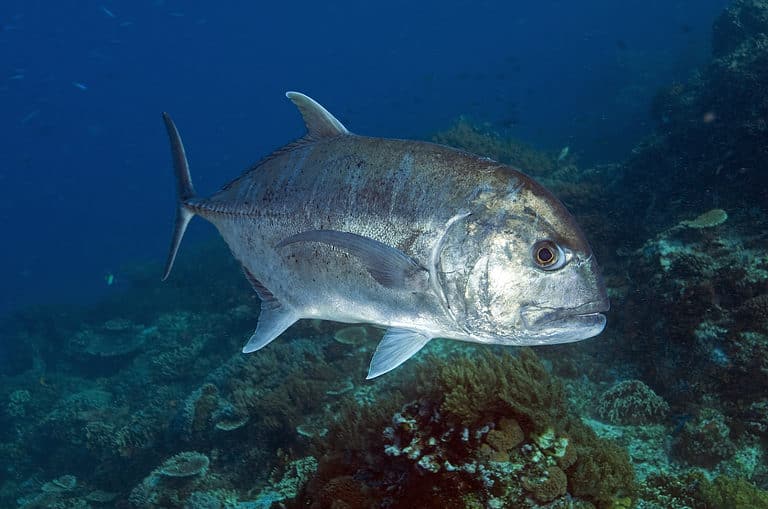
Dugong (sea cow) Green sea turtle Hawksbill sea turtle Reef sharks (e.g., blacktip reef shark) Groupers and snappers (reef fish)

Saddle Peak National Park

≈32.5 km²

Protects the highest peak in the Andamans and a steep altitudinal gradient of evergreen forest-excellent for endemic birdlife and intact watershed/forest conservation.

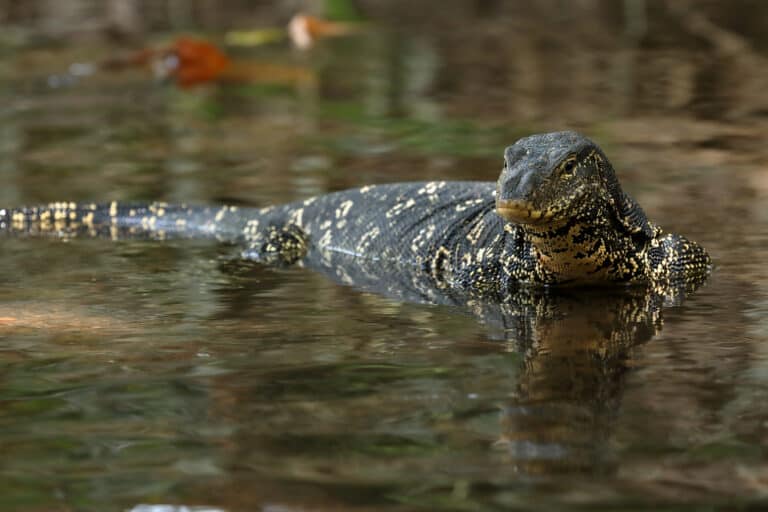
Andaman serpent eagle Andaman wood pigeon Andaman drongo Andaman wild pig Andaman water monitor

Mount Manipur National Park (formerly Mount Harriet National Park)

≈46.6 km²

A key near-Port Blair forest refuge with mature evergreen/semi-evergreen habitats; notable for endemic birds and as a relatively accessible site for forest wildlife viewing.

Andaman serpent eagle Andaman coucal Andaman wood pigeon Andaman wild pig Andaman water monitor

Campbell Bay National Park (Great Nicobar)

≈426 km²

Core rainforest protection in Great Nicobar, safeguarding high endemism and intact rainforest-to-coast ecological processes; important for Nicobar-specialist fauna and large, relatively roadless forest blocks.

Nicobar megapode Nicobar pigeon Nicobar long-tailed macaque (subspecies) Coconut crab (robber crab) Saltwater crocodile

Galathea Bay National Park (Great Nicobar)

≈110 km²

Globally significant coastal-marine complex famed for sea turtle nesting and adjacent rainforest/estuary habitats; a flagship site for conserving leatherback nesting beaches and nearshore productivity.

Leatherback sea turtle Green sea turtle Nicobar megapode Dugong (sea cow) Saltwater crocodile

State & Provincial Parks

Narcondam Island Wildlife Sanctuary

≈6.8 km² (island; surrounding waters are also regulated/protected)

Remote volcanic island sanctuary and the stronghold of the endemic Narcondam hornbill; also important for seabirds and as an isolated island ecosystem with high conservation value.

Narcondam hornbill (endemic) Nicobar pigeon Frigatebirds (seasonal/nearby waters) Sea snakes (nearshore) Reef fish assemblages

Barren Island Wildlife Sanctuary

≈8-10 km² (island; protection often includes adjoining waters)

Protects India's only active volcano and the surrounding marine environment; notable for seabird use, unique volcanic island ecology, and productive nearshore waters supporting pelagic and reef life.

Brown booby and other seabirds Reef fish assemblages Marine turtles (occasional) Dolphins (nearby waters) Sea snakes

Interview Island Wildlife Sanctuary

≈101 km²

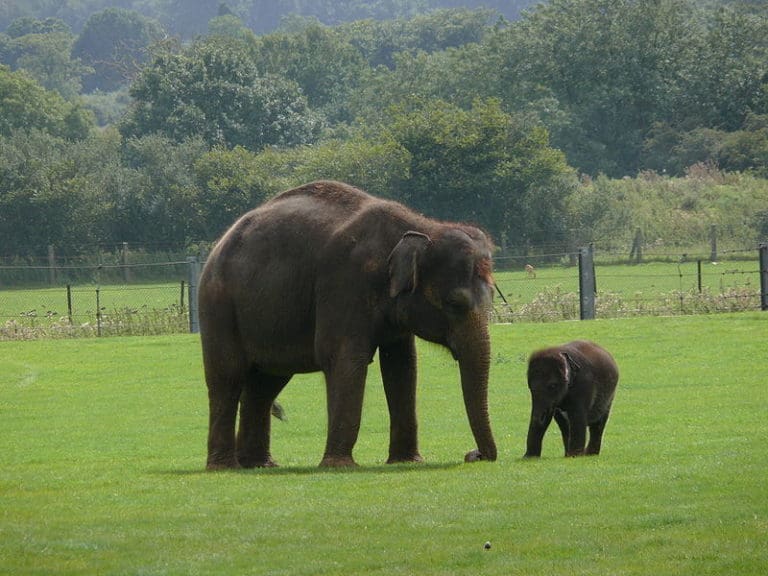
Large forested island refuge with coastal wetlands and mangroves; known for Asian elephants (introduced population) and good habitat for crocodiles and island forest fauna.

Asian elephant (introduced, free-ranging) Saltwater crocodile Andaman wild pig Andaman water monitor Nicobar pigeon

Wildlife Refuges

North Button Island Wildlife Sanctuary

≈0.44 km² (plus surrounding waters managed for protection)

Tiny but high-value reef/seagrass sanctuary used for turtle foraging and reef conservation; popular for snorkeling/diving-based wildlife viewing where permitted.

Hawksbill sea turtle Green sea turtle Dugong (occasional/nearby) Giant clams Reef fish (butterflyfish, parrotfish)

South Button Island Wildlife Sanctuary

≈0.03 km²

Reef-and-islet sanctuary protecting coral communities, turtle habitat, and nearshore biodiversity; important stepping-stone habitat within the archipelago.

Green sea turtle Hawksbill sea turtle Reef sharks (e.g., blacktip reef shark) Giant clams Reef fish assemblages

Cuthbert Bay Wildlife Sanctuary (Middle Andaman)

≈1.5-2 km² (approx.)

Key sea turtle nesting beach (notably for olive ridleys) with adjacent coastal habitat; critical for safeguarding nesting success and reducing disturbance/predation.

Olive ridley sea turtle Green sea turtle (occasional nesting/foraging) Shorebirds (migratory waders) Monitor lizards Coastal snakes and lizards

Lohabarrack (Saltwater Crocodile) Wildlife Sanctuary

≈22 km² (approx.)

Mangrove and creek systems set aside for saltwater crocodile conservation; also supports rich mangrove birdlife and estuarine nursery habitats for fish/crustaceans.

Saltwater crocodile Mangrove whistler and other mangrove birds Mudskippers and estuarine fish Mangrove crabs Water monitor lizard

Wilderness Areas

  • Great Nicobar Biosphere Reserve core landscapes (including large rainforest blocks around Campbell Bay-Galathea, with limited road access)
  • Jarawa Tribal Reserve (substantial roadless/low-access forests across South & Middle Andaman, functioning as de facto wilderness in many areas)
  • Interior evergreen forests of Little Andaman (remote forest tracts with limited access and high habitat integrity)
  • North Sentinel Island (strictly restricted tribal reserve; effectively roadless and minimally disturbed)
  • Remote mangrove wilderness along Middle Andaman creek systems (e.g., Baratang-Rangat mangrove networks; access primarily by boat)
Animals

Wildlife

Andaman and Nicobar Islands support some of India's most distinctive wildlife because of their isolation and the mix of dense tropical evergreen forests, mangroves, seagrass meadows, and coral reefs. The terrestrial fauna includes many island-endemic birds, reptiles, and small mammals, while the surrounding seas are a major draw: high coral-reef fish diversity, globally important sea turtle nesting beaches, and one of India's last remaining dugong strongholds. Wildlife experiences often combine rainforest birding (endemic hornbills, pigeons, raptors), spotlighting for reptiles, and marine encounters (turtles, dolphins, crocodiles, reef fish).
~55-70 species (including bats and marine mammals such as dolphins/whales; fewer terrestrial large mammals due to island biogeography) Mammals
~270-320 species recorded (resident endemics plus many migrants and seabirds) Birds
~70-100 species (notably snakes, geckos, skinks, monitor lizards, and marine turtles) Reptiles
~15-25 species (relatively low compared with mainland India; several localized island forms) Amphibians
~1,200-1,500+ marine fish species (reef-associated and coastal); freshwater/brackish fish are far fewer (~50-100+) Fish
Examples

Iconic Species

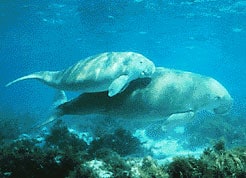
Dugong (Sea Cow) A flagship seagrass-grazing marine mammal; the islands hold one of India's last significant remaining populations, making sightings and conservation here especially important.
Saltwater Crocodile An apex predator of mangroves and tidal creeks; the islands are among the best places in India to see this species in natural estuarine habitats.
Leatherback Sea Turtle
Leatherback Sea Turtle Great Nicobar and nearby islands include important nesting beaches for this oceanic giant, one of the most sought-after marine wildlife spectacles in the region.
Hawksbill Sea Turtle Critically Endangered globally; associated with coral reefs and known from nesting/foraging around the archipelago, tying directly to reef health and protection.
Nicobar Megapode An unusual mound-nesting bird endemic to the Nicobar group; a signature rainforest-and-coastal forest species that visitors come specifically to look for.
Narcondam Hornbill Endemic to tiny Narcondam Island; a celebrated 'single-island' hornbill that has become an emblem of Andaman endemism and island biogeography.
Andaman Teal A scarce, range-restricted duck associated with wetlands, lagoons, and mangroves; one of the most notable endemic birds for serious birders.
Spinner Dolphin Frequently encountered in offshore waters and around channels; an iconic, approachable marine mammal for boat-based wildlife viewing.

Endemic & Rare Species

Narcondam Hornbill

Rhyticeros narcondami

Endangered (IUCN); single-island endemic

Restricted entirely to Narcondam Island; its tiny range makes it highly vulnerable to habitat change and extreme events, and it is a global conservation priority.

Nicobar Megapode

Megapodius nicobariensis

Vulnerable (IUCN); Nicobar endemic

Depends on intact coastal forest and undisturbed nesting mounds; sensitive to habitat loss and invasive predators, and strongly defines Nicobar wildlife.

Andaman Teal

Anas albogularis

Near Threatened (IUCN); Andaman endemic

A localized wetland duck with small populations; conservation is tightly linked to protecting mangroves, lagoons, and lowland wetlands.

Nicobar Treeshrew

Tupaia nicobarica

Vulnerable (IUCN); Nicobar endemic

A distinctive small mammal of Nicobar forests; its restricted distribution makes it important for understanding-and conserving-Nicobar terrestrial ecosystems.

Dugong (Sea Cow)

Dugong dugon

Vulnerable (IUCN); remnant population in India

The archipelago is among the last places in India where dugongs persist; threats include seagrass loss, net entanglement, and disturbance.

Hawksbill Sea Turtle

Eretmochelys imbricata

Critically Endangered (IUCN)

A reef-associated turtle threatened globally by historical exploitation and ongoing habitat pressures; the islands' reefs and nesting beaches are regionally important for its recovery.

Andaman Cobra

Naja sagittifera

Recently described island endemic; conservation status not yet well-established

A unique cobra from the Andamans that highlights how the islands still yield significant discoveries and how endemics can be overlooked without targeted surveys.

Notable Populations

  • One of India's most important remaining dugong strongholds, supported by seagrass meadows in sheltered bays and lagoons.
  • Nationally important saltwater crocodile populations in extensive mangrove systems (notably in tidal creeks and estuaries).
  • Globally significant sea turtle nesting in parts of the Nicobar group (notably for leatherbacks), plus widespread green/hawksbill use of reefs and beaches across the archipelago.
  • Exceptionally high coral-reef biodiversity relative to India's mainland coasts, with very high reef-fish richness and diverse invertebrate communities.
  • Single-island global population of the Narcondam Hornbill, making Narcondam a high-value bird conservation site.

Recent Changes

  • 2004 Indian Ocean tsunami effects reshaped some coastal habitats (beach profiles, lagoons, mangroves) with long-term consequences-both losses and local gains-for nesting beaches and nearshore ecosystems.
  • Recurring coral bleaching and warming-related stress episodes in the last decade-plus have periodically reduced live coral cover in some areas, with knock-on effects to reef fish and invertebrate communities.
  • Increased regulation and protection in some sites (e.g., tighter controls in protected areas and key nesting beaches) have improved monitoring and reduced certain direct pressures, though enforcement varies by location.
  • Ongoing declines/pressure on dugongs in parts of their range due to seagrass degradation, vessel activity, and accidental capture; conservation attention has increased but populations remain fragile.
  • Invasive/feral animals (e.g., cats, dogs, rats, and other introduced species on some islands) continue to threaten ground-nesting birds and small endemics, prompting localized control efforts in priority habitats.
Visit

Wildlife Viewing

Andaman and Nicobar Islands mix rainforest and reef wildlife: sea turtles nest, dugongs graze seagrass, reef fish, saltwater crocodiles in mangroves, and endemic birds and reptiles. Best wildlife is in protected areas, so plan permits and weather. Expect low‑impact snorkeling, guided walks and early birding. Top spots: South Andaman, Havelock, Neil; Baratang and parts of the Nicobars are more restricted.

Best Seasons

Northeast monsoon / Dry season (November-February)

Best overall conditions for wildlife trips: calmer seas, clearer underwater visibility for snorkeling/diving, and comfortable temperatures for forest walks. Good chances for sea turtle activity on certain beaches, strong birding in coastal forests and wetlands, and excellent day-trip reliability to marine parks (weather/boat cancellations are less frequent).

Late dry / Pre-monsoon (March-April)

Warm water and generally good visibility-often excellent for diving and snorkeling on reefs and drop-offs. Marine life is active (reef fish schools, turtles on reef). On land, mornings are best for birding before heat builds. This is a prime window for combining multiple islands and longer boat days.

Peak hot season (May)

Hotter and more humid, but marine viewing can still be rewarding when seas allow-great for early-start dives/snorkels and mangrove wildlife at dawn/dusk. Expect higher risk of rough seas or sudden weather changes; keep plans flexible. Hydration and heat management become important for treks.

Southwest monsoon (June-September)

Rain, wind, and frequent sea cancellations reduce access to reefs and outer islands; visibility can drop underwater. The payoff is lush forests, dramatic monsoon scenery, and occasional excellent birding in sheltered areas. Choose land-based nature walks, mangrove creeks (when safe/operational), and locations with protected bays; build buffer days.

Post-monsoon transition (October)

Weather improves gradually; seas may still be mixed early in the month but reefs begin to clear. Fewer crowds, greener landscapes, and improving conditions for snorkeling/diving make it a good shoulder season if you can adapt plans to the forecast.

Top Wildlife Experiences

  • Snorkel or dive in Mahatma Gandhi Marine National Park (Wandoor/Jolly Buoy or Red Skin Island, near Port Blair): coral gardens, reef fish schools, giant clams, and frequent turtle sightings-go early for calmer water and better visibility.
  • Join a dawn mangrove creek safari in Baratang (Middle Andaman): look for saltwater crocodiles, mudskippers, kingfishers, herons, and other estuary specialists; pair with a guided limestone cave visit for a full-day nature circuit.
  • Take a responsible turtle-focused beach walk (seasonal, site-dependent) with a permitted guide: learn nesting ecology, track identification, and hatchling safety protocols; choose operators that follow strict no-flash/no-handling rules.
  • Birding morning circuit on Chidiya Tapu (South Andaman): scan forest edges and coastal habitats for Andaman endemics (e.g., Andaman woodpecker, Andaman drongo, Andaman bulbul) and raptors; finish with sunset shoreline watching.
  • Scuba dive the reefs around Havelock/Swaraj Dweep (e.g., reef slopes and coral bommies): expect turtles, rays, reef sharks (occasional), and high coral-fish diversity; prioritize reputable dive centers with buoyancy and reef-protection briefings.
  • Snorkel Neil/Shaheed Dweep's lagoons and reef flats (e.g., Bharatpur area and nearby reefs): easy-access marine life viewing-anemonefish, parrotfish, sea stars, and juvenile reef species-ideal for mixed-skill groups.
  • Kayak or paddle a sheltered mangrove route (selected operators around South Andaman/Havelock): quiet, low-impact wildlife viewing for birds, crabs, and estuarine life; best at high tide and early morning.
  • Plan a higher-effort expedition to remote or less-visited sanctuaries (permit and logistics dependent): target endemic birds and intact forest habitats; go with experienced naturalist-led operators and allow extra days for weather/transport variability.

Wildlife Watching Types

Coral reef snorkeling (lagoon, fringing reef, and patch reef viewing) Scuba diving for reef megafauna (turtles, rays, occasional reef sharks) and macro life Sea turtle viewing (nesting/hatchlings) via permitted, low-impact programs (seasonal and location-dependent) Dugong habitat watching (seagrass meadows) - best approached via responsible, regulation-compliant boat-based viewing where allowed Mangrove and estuary safaris (saltwater crocodiles, mudskippers, crustaceans, shorebirds) Birding hotspots (forest endemics, coastal and wetland birds) Night walks/spotlighting (where permitted) for geckos, frogs, and nocturnal forest birds Whale and dolphin watching (opportunistic; best as add-on during boat transfers or dedicated pelagic trips when sea conditions allow) Intertidal and shore natural history walks (tidepooling for sea stars, crabs, mollusks; requires tide planning)

Guided Options

  • Forest Department-regulated visits and boat transfers to Mahatma Gandhi Marine National Park (Wandoor) with designated snorkeling sites (e.g., Jolly Buoy/Red Skin) and conservation rules/briefings.
  • Certified scuba dive centers based in Port Blair, Havelock/Swaraj Dweep, and Neil/Shaheed Dweep offering guided dives, refresher courses, and marine ecology briefings; choose centers emphasizing buoyancy control and no-touch policies.
  • Licensed mangrove creek/crocodile-spotting boat operators in Baratang (often bundled with limestone cave trips); request early departures and small-group boats for better wildlife viewing.
  • Naturalist-led birding walks (private guides or small-group programs) on South Andaman (Chidiya Tapu and nearby forest trails) targeting Andaman endemics and seasonal migrants.
  • Guided sea-kayaking programs through sheltered mangrove channels and calm bays (tide- and weather-dependent), focusing on quiet wildlife viewing and minimal disturbance.
  • Eco-resort or community-linked nature programs (where available) that combine reef etiquette training, guided snorkeling, beach clean-ups, and interpretation of island ecology.
  • Expedition-style logistics support (permits, boats, naturalists) for more remote islands/sanctuaries-best booked well in advance due to access restrictions and limited infrastructure.
Habitats

Ecosystems

The Andaman and Nicobar Islands have a rich mix of ecosystems shaped by a humid tropical climate, monsoons, rugged coasts, and isolation. Evergreen forests on larger islands shift to semi-evergreen on drier slopes. Mangroves and tidal wetlands line bays; seas host coral reefs, seagrass, and deep habitats. Many species live only here, aided by large protected areas and little development.

Biomes

Tropical Rainforest

Moist evergreen and semi-evergreen forests form the primary terrestrial natural cover, including tall dipterocarp-dominated stands (Andamans) and mixed evergreen forests (Nicobars), with high epiphyte, liana, and palm diversity.

Widespread on most larger islands; constitutes the dominant natural biome across the territory.

Tropical Dry Forest

Seasonally drier forests and woodlands occur in rain-shadow/leeward areas and on some smaller islands, with more deciduous elements and a more open canopy than the core evergreen forests.

Patchy and localized; generally secondary to evergreen forests.

Freshwater

Short, steep island streams, springs, small reservoirs/ponds, and seasonal freshwater pools; limited natural lakes due to island geomorphology. Freshwater habitats are important for amphibians, riparian vegetation, and human water supply.

Scattered, small-area features on most inhabited islands; limited extent compared with forests and coasts.

Wetland

Tidal wetlands including mangrove swamps, brackish lagoons, and estuarine mudflats; also freshwater marshy depressions in lowlands. These buffer storms/tsunamis and serve as nurseries for fish and crustaceans.

Common along sheltered shorelines, creeks, and embayments; locally extensive in low-lying coastal zones.

Marine

Coral reef complexes (fringing and patch reefs), seagrass-associated shallows, sandy and rocky nearshore habitats, and deep ocean waters of the Bay of Bengal/Andaman Sea supporting pelagic and benthic communities.

Encircles all islands; marine area vastly exceeds land area and contains the greatest habitat diversity by extent.

Habitats

Rainforest

Evergreen and semi-evergreen island rainforests (e.g., within Mahatma Gandhi Marine National Park hinterlands, Saddle Peak region, Great Nicobar biosphere areas) with high endemism and dense canopy structure.

Forest

Broad forest mosaic including evergreen, semi-evergreen, and secondary regrowth after cyclones/tsunami and shifting cultivation legacies in some places.

Deciduous Forest

More seasonal forest patches with partial leaf-fall and a relatively open understory on drier sites and smaller islands.

Mountain

Hilly interiors (e.g., Saddle Peak on North Andaman) with elevational gradients that influence forest structure and microclimates; includes volcanic terrain on Barren Island.

Cliff/Rocky Outcrop

Coastal headlands and steep sea-facing slopes with nesting/roosting sites for seabirds and specialized coastal vegetation.

Cave

Limestone cave systems (notably around Baratang) supporting bats and cave-adapted invertebrates; often embedded within dense forest landscapes.

River/Stream

Short rivers/streams draining rapidly to the sea, with riparian strips and brackish transitions near mouths.

Pond

Small ponds, quarry/borrow pits, and village waterbodies used by waterbirds and amphibians; often fringed by emergent vegetation.

Wetland

Lowland marshy pockets and seasonal inundation zones, especially near coastal plains and behind mangrove belts.

Swamp

Mangrove-associated swampy areas and waterlogged forested depressions with peat-like organic soils in places.

Marsh

Brackish and freshwater marsh fringes along sheltered bays and inland depressions, used by waders and juvenile fish.

Mangrove

Extensive mangrove forests along creeks and protected coasts (e.g., Middle Andaman, North Andaman, parts of Great Nicobar), dominated by Rhizophora, Avicennia, Sonneratia and associates; critical nursery habitat.

Estuary

Small estuaries and tidal creek mouths with strong salinity gradients and mudflats supporting crabs, mollusks, and shorebirds.

Coastal

Complex coastlines with lagoons, headlands, and sheltered bays; high interface between terrestrial forests and marine ecosystems.

Beach

Sandy beaches (including nesting sites for sea turtles) and dynamic dune/back-beach vegetation where space allows.

Rocky Shore

Wave-exposed rocky coasts and intertidal platforms with algae, mollusks, and crustaceans; common on headlands and smaller islands.

Coral Reef

Fringing and patch reefs (e.g., around Havelock/Swaraj Dweep, Neil/Shaheed Dweep, and parts of the Nicobars) with high coral and reef-fish diversity; vulnerable to bleaching and storm damage.

Open Ocean

Pelagic waters supporting tuna-like predators, dolphins/whales (seasonal presence), and migratory species across the Bay of Bengal/Andaman Sea.

Deep Sea

Deep offshore habitats beyond the island shelves, including slopes and basins with poorly surveyed benthic fauna.

Seabed/Benthic

Sandy and muddy bottoms, seagrass-bearing shallows (where present), and rubble zones adjacent to reefs supporting benthic invertebrates and demersal fish.

Agricultural/Farmland

Limited but locally important croplands near settlements (coconut, vegetables, rice in suitable lowlands), often adjacent to forest edges.

Plantation

Coconut, arecanut, rubber and other plantations in settled areas, creating simplified habitats compared with native forest.

Urban

Small urban centers and port areas (e.g., around Port Blair) with concentrated built-up footprint relative to the rest of the territory.

Ecoregions

Andaman Islands rain forests (WWF) Nicobar Islands rain forests (WWF) Andaman Islands mangroves (WWF) Andaman Sea (Marine Ecoregions of the World/MEOW)
Protection

Conservation

Primary Threats

  • Warmer seas cause coral bleaching and weaker reefs. Sea-level rise and storms eat away low nesting beaches (especially Nicobar and Little Andaman) and flood wetlands. Stronger cyclones and changing rain cause tree falls and landslides, harming local forest animals, mangroves, seagrass, and dugong.
  • Coastal and lowland forest habitats are lost or fragmented by settlement expansion, tourism facilities, and associated utilities, especially around South Andaman; shoreline erosion and land subsidence/uplift after the 2004 tsunami also permanently altered coastal habitats, reducing suitable nesting and foraging areas in some islands.
  • Road widening, new links, ports/harbors, jetties, and airport/defense-related development increase fragmentation and edge effects in forests and mangroves; dredging and reclamation elevate turbidity and smother nearshore reefs and seagrass, directly affecting fish nurseries and dugong feeding grounds.
  • High dependence on reef-associated fisheries and nearshore resources leads to localized depletion of reef fish and invertebrates; opportunistic targeting of high-value species (e.g., groupers, sea cucumbers) and bycatch risks for turtles increase with fishing effort and expanding market access.
  • Illegal or opportunistic trade/collection can include turtle products and curio shells, and exploitation of other protected wildlife; the remoteness of outer islands complicates enforcement and increases the likelihood that illegal take goes undetected.
  • Localized hunting and egg collection (including megapode eggs in parts of the Nicobars) can depress small island populations; hunting pressure may rise after extreme weather events when supply chains are disrupted and communities rely more on local protein sources.
  • Tourism and recreational use of beaches and lagoons (night lighting, vehicles, crowding) disturb nesting turtles and shorebirds; boat traffic, anchoring, and snorkeling/diving activity can physically damage coral and seagrass and increase stress on sensitive sites inside and adjacent to marine protected areas.
  • Marine plastic debris accumulates on remote beaches and reefs; untreated/partially treated sewage and coastal runoff near towns increase nutrient loads, promoting algal growth on reefs; oil/chemical spill risk is elevated by major shipping routes through the Bay of Bengal and local harbor operations.
  • Introduced rats, cats, dogs, and invasive weeds impact island-nesting birds and reptiles through predation and habitat alteration; invasive predators are especially damaging on small islets where endemic species have limited refugia.
  • Many endemics occur in very small, isolated populations restricted to single islands (e.g., Narcondam hornbill on Narcondam), making them vulnerable to inbreeding, demographic stochasticity, and rapid declines after cyclones, disease outbreaks, or habitat shocks.
  • Coral disease and stress-related mortality can rise following heatwaves and sedimentation; on land, spillover risks from domestic animals (dogs/poultry) can affect native fauna in and near villages, particularly where free-ranging animals overlap with forest edges.
  • Saltwater crocodile encounters near creeks and estuaries can lead to conflict and retaliatory actions; interactions with free-ranging domestic animals and commensal wildlife near settlements can increase conflict risks and complicate coexistence around protected-area boundaries.
  • Shoreline armoring, dredging, and reclamation alter currents and sediment regimes, degrading mangroves, reefs, and seagrass; changes to freshwater flows from small catchments (e.g., water extraction and altered drainage) can affect estuarine salinity and mangrove health.
  • While large-scale commercial extraction has been curtailed relative to the past, legacy impacts remain (access roads, altered forest structure), and illegal/unsanctioned cutting can persist locally; plantation forestry can simplify habitat compared to native multi-layer rainforest.
  • Rapid growth around Port Blair and other hubs increases land conversion, demand for sand/stone/wood, solid waste, wastewater loads, and traffic-amplifying pressure on adjacent forests, mangroves, and nearshore reefs.
  • Expansion/intensification of crops (e.g., coconut/arecanut and mixed smallholder plots) can replace native forest on flatter lowlands and increase pesticide/fertilizer runoff into creeks, lagoons, and reef areas.
  • Extraction of freshwater from small island aquifers, sand removal for construction, and heavy nearshore harvesting reduce ecosystem resilience; seagrass meadows used by dugong are vulnerable to cumulative impacts from harvesting pressure, siltation, and anchoring.
  • Large-scale mining is limited, but localized quarrying for construction materials can cause habitat loss, sediment runoff, and slope instability, with downstream impacts on streams, mangroves, and nearshore coral communities.
Fun Facts

Did You Know?

The Nicobar megapode doesn't sit on its eggs: it "engineers" temperature-adding or scraping away sand/leaf litter to regulate heat in its mound like a living thermostat.

The Nicobar pigeon (Caloenas nicobarica)-a glittering, island-hopping bird of these forests-is one of the closest living relatives of the extinct dodo, linking the islands to a famous evolutionary story.

Saltwater crocodiles here aren't just river animals: they regularly use the sea and can move between islands, which is why they turn up in coastal creeks, lagoons, and even near beaches.

In many places, mangroves and seagrass are the hidden backbone of the reefs: juvenile reef fish often grow up in these "green nurseries" before moving out to coral reefs.

The coconut crab's lifestyle is as extreme as its size: it can climb trees, pry open coconuts, and relies heavily on smell-using scent to locate food over surprising distances.

Nicobar megapode (Megapodius nicobariensis): builds some of the largest bird-built incubation mounds on Earth-often ~4-5 m tall and ~10 m across-using sand and leaf litter to "cook" its eggs with natural heat.

Coconut crab/robber crab (Birgus latro): the world's largest land-living arthropod occurs in the Nicobar group-one of the very few places under Indian jurisdiction where this giant crab lives naturally.

Narcondam hornbill (Rhyticeros narcondami): among the world's most range-restricted birds-found only on tiny Narcondam Island (~6.8 km²), making its entire global population essentially a single-island endemic.

India's biggest reef realm: the Andaman & Nicobar Islands contain the largest extent of coral reefs in India (well over 1,000 km²), supporting exceptionally high coral and reef-fish diversity for the country.

Leatherback sea turtle (Dermochelys coriacea): the largest sea turtle species in the world nests in the Nicobar group; Great Nicobar's Galathea Bay is one of India's most important leatherback nesting areas.

Thank you for reading! Have some feedback for us?