N S W E
Wildlife Expeditions

Wildlife of
Goa

Goa packs Western Ghats forests, mangrove-fringed estuaries, and an Arabian Sea coastline into a compact wildlife hotspot rich in birds, reptiles, and elusive mammals.
10 Species
3,702 km² Land Area
Overview

About Goa

Goa's wildlife stretches from sandy beaches and rocky headlands to estuaries, mangroves, and the forested foothills of the Western Ghats. Its tropical monsoon climate, rivers, and evergreen to semi-evergreen forests create many different homes for plants and animals, so Goa is great for people who like birds, reptiles and amphibians, and for those looking for forest mammals.

Key habitats are mangroves and tidal creeks that act as nurseries for fish, crabs and shrimp and give food to wading and other wetland birds; riverine wetlands and estuarine mudflats that gather animals at low tide; and inland moist deciduous and semi-evergreen forests that support many insects, frogs, and Western Ghats species. Unlike many coasts, Goa’s wildlife is close together: in a short drive you can go from seabird watches and coastal reptiles to hornbills and big cats in the forest, with monsoon bursts of frogs and insects.

Physical Features

Geography

Goa's small, varied coastal landscape makes a tight mix of habitats: Arabian Sea beaches and dunes change to estuaries, mangroves, and freshwater wetlands along rivers, then rise onto lateritic plateaus and the Western Ghats foothills. This salt-to-forest gradient shapes wildlife: coastal and wetland birds, estuarine reptiles and fish, and forest mammals, reptiles, and amphibians.

3,702 km² Land Area
Smallest state in India by area Size Rank
India Country
State Type
Elevation Range

Sea level to ~1,167 m (Sonsogor/Western Ghats high point in Goa)

Coastline

Arabian Sea coastline, about 101 km long, with beaches, estuaries, and tidal wetlands

Key Landscapes

Arabian Sea coastline with sandy beaches, rocky headlands, and nearshore waters Estuaries and tidal creeks (notably the Mandovi and Zuari estuarine systems) Mangroves and mudflats (critical nursery habitat for fish/crustaceans and roosting/feeding for waterbirds) Lowland alluvial plains and floodplains along rivers and backwaters Freshwater wetlands, ponds, and paddy-field landscapes used by amphibians, waterbirds, and reptiles Lateritic plateaus and scrub/grassland patches (seasonally important open habitats) in parts of the interior and coastal hinterland, including mining-impacted areas that create novel waterbodies and edges for some species but fragment others' habitat
State Symbols

Official Wildlife Symbols

animal

Gaur (Indian bison)

bird

Flame-throated bulbul

Designated 2019

tree

Matti (Indian laurel / Terminalia elliptica)

Parks & Reserves

Protected Areas

Goa's protected areas are mainly in the forested Western Ghats foothills inside the state (Sanguem, Dharbandora, Canacona, Sattari) and in small coastal mangrove and wetland sites. A chain of wildlife sanctuaries and one national park protect semi-evergreen and moist-deciduous forests, headwaters of the Mandovi‑Zuari‑Mhadei basins, hornbills, gaurs, big cats, and many birds.

Protected Coverage

≈21% of Goa's land area (roughly ~770 km² under notified protected areas; estimate varies by source and boundary updates).

National Parks & Preserves

Mollem National Park

≈107 km²

Goa's only national park, embedded in the Western Ghats landscape; notable for intact semi-evergreen forests, high bird diversity (including Western Ghats specialties), and connectivity to larger tiger/dhole-bearing forests across state borders.

Gaur (Indian bison) Leopard Malabar giant squirrel Great hornbill King cobra

State & Provincial Parks

Bhagwan Mahavir Wildlife Sanctuary

≈240 km² (Mollem NP lies within/alongside this larger protected landscape)

The largest protected forest block in Goa and the main umbrella landscape around Mollem; stronghold for hornbills, large ungulates, and wide-ranging carnivores, with rivers/streams and dense canopy supporting rich amphibian and reptile life.

Gaur (Indian bison) Sambar deer Leopard Malabar grey hornbill Malabar trogon

Mhadei Wildlife Sanctuary

≈208 km²

Rugged, relatively roadless Western Ghats forests and Mhadei river headwaters; important for landscape connectivity and watershed protection, with potential/occasional records of big cats and strong habitat for hornbills and herpetofauna.

Dhole (Indian wild dog) Gaur (Indian bison) Leopard Great hornbill King cobra

Netravali Wildlife Sanctuary

≈211 km²

Large, forested catchments and riparian habitat around the Netravali tributaries; excellent for birding and for Western Ghats forest mammals, with comparatively quieter interior zones valuable for conservation.

Malabar giant squirrel Gaur (Indian bison) Dhole (Indian wild dog) Malabar grey hornbill Malabar pit viper

Cotigao Wildlife Sanctuary

≈105 km²

Well-known for tall semi-evergreen forest, canopy wildlife viewing (watchtowers), and strong bird diversity; one of the better places in Goa to see arboreal mammals and forest birds.

Malabar giant squirrel Gaur (Indian bison) Leopard cat Malabar grey hornbill Indian pangolin

Bondla Wildlife Sanctuary

≈8 km²

A small but accessible protected area with mixed forest and open patches; valuable for environmental education and easier chances of seeing common forest mammals and birds compared with larger, denser sanctuaries.

Gaur (Indian bison) Sambar deer Barking deer (muntjac) Indian peafowl Malabar giant squirrel

Dr. Salim Ali Bird Sanctuary (Chorao Island)

≈1.8 km²

Key mangrove sanctuary in the Mandovi estuary; notable for mangrove specialists, wintering waterbirds, raptors, and an important nursery-like ecosystem supporting estuarine biodiversity.

Black-capped kingfisher Collared kingfisher Western reef heron Little egret Brahminy kite

Wildlife Refuges

Dr. Salim Ali Bird Sanctuary (Mandovi estuary mangroves)

≈1.8 km²

Functions as Goa's primary formally protected mangrove/bird refuge; critical for roosting, feeding, and breeding of estuarine birds and as a stopover for migrants.

Black-capped kingfisher Collared kingfisher Western reef heron Brahminy kite Whimbrel (seasonal)

Carambolim (Karmali) Lake wetland (Important Bird Area / local protection)

Small lake wetland (area varies seasonally; typically a few km² or less)

A prominent freshwater wetland used by wintering ducks, waders, and resident waterbirds; conservation value is high despite protection often being via wetland/land-use controls rather than a large sanctuary designation.

Lesser whistling-duck Purple heron Bronze-winged jacana Common moorhen Black-winged stilt

Cumbarjua Canal mangrove corridor (estuarine mangroves; locally regulated stretches)

Linear mangrove corridor (extent varies by mapped mangrove stretches)

Mangrove-lined tidal channel linking Goa's major estuaries; important for waterbirds, estuarine reptiles, and fish nurseries, with some stretches benefiting from mangrove protections and local regulation.

Mudskippers (estuarine fish) Brahminy kite Little cormorant Striated heron Checkered keelback (water snake)

Wilderness Areas

  • Mollem-Bhagwan Mahavir interior forest block (Western Ghats foothill wilderness; relatively low-fragmentation core compared with coastal Goa)
  • Mhadei river headwaters and adjoining ridge forests (remote valleys and steep terrain with limited access in parts)
  • Netravali-Sanguem forested catchments (riparian forests and hill tracts supporting quieter, less-developed interiors)
  • Cotigao-Canacona hill forests (tall semi-evergreen forest with locally roadless pockets away from edges)
  • Chorla Ghat ridge/forest belt on Goa's border (important connectivity zone with remaining roadless forest tracts on and near the crest)
Animals

Wildlife

Goa's wildlife character is defined by the meeting of the Arabian Sea and the forested Western Ghats foothills. Within a small area, the state packs mangroves, estuaries, tidal mudflats, sandy beaches, lateritic plateaus, and semi-evergreen/moist deciduous forests (notably around Bhagwan Mahavir-Mollem and Mhadei). This habitat mosaic supports high bird diversity (resident and migratory wetland birds), Western Ghats-affiliated reptiles and amphibians, and a suite of large mammals typical of the Ghats (gaur, leopard, dhole), with occasional tiger movement through connected forest corridors.
~60-80 species (including bats, otters, small carnivores, and Western Ghats forest mammals) Mammals
~450-500 species (strong mix of forest birds plus migratory coastal/estuarine waterbirds) Birds
~80-100 species (snakes, lizards, turtles; includes Western Ghats endemics) Reptiles
~25-35 species (monsoon-driven diversity; several Western Ghats endemics) Amphibians
~200-300+ species when marine + estuarine + freshwater are combined (highly diverse coastal/river systems) Fish
Examples

Iconic Species

Gaur (Indian bison) Goa's largest wild herbivore and a flagship of the Mollem/Mhadei forests; frequently encountered on forest roads and clearings, especially in the monsoon and post-monsoon.
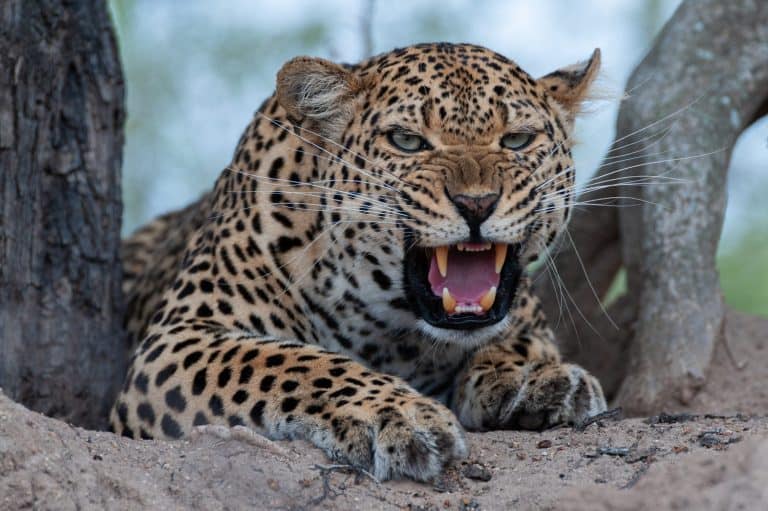
Indian Leopard Goa's most visible big cat, using forest edges and riverine cover; an important apex predator shaping the Western Ghats foothill ecosystem.
Bengal Tiger
Bengal Tiger Not commonly seen, but highly sought-after; Goa sits on a connected Western Ghats-Konkan landscape where tigers are periodically recorded moving through protected forests.
Dhole (Asiatic wild dog) A charismatic pack-hunting carnivore of the Ghats forests; a key indicator of intact prey bases and larger forest blocks in the interior.
Malabar Pied Hornbill A signature forest canopy bird in Goa's moist forests; its presence reflects mature trees that provide nesting cavities and fruit resources.
Great Hornbill A flagship Western Ghats species occasionally encountered in well-wooded tracts; prized by birders for its size, wingbeats, and role as a seed disperser.
King Cobra
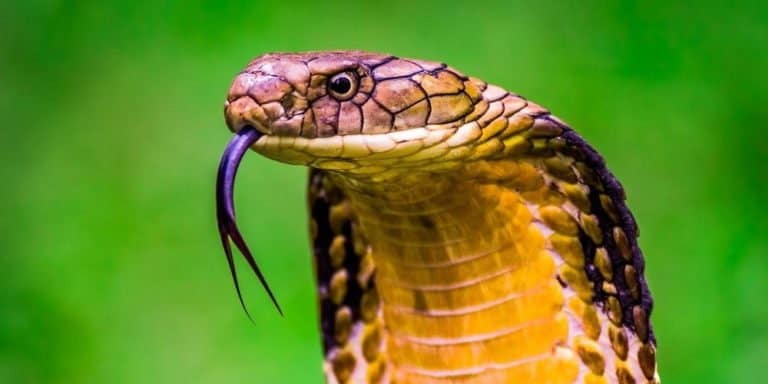
King Cobra An iconic apex reptile of the Western Ghats; Goa's forested slopes and stream valleys provide suitable habitat for this specialized snake-eater.
Indo-Pacific Humpback Dolphin A hallmark of Goa's nearshore waters and estuaries; often targeted by dolphin-watching trips and indicative of productive coastal ecosystems.
Olive Ridley Sea Turtle Seasonal nesting occurs on some Goa beaches; a flagship for coastal conservation, sensitive to lighting, disturbance, and fisheries interactions.

Endemic & Rare Species

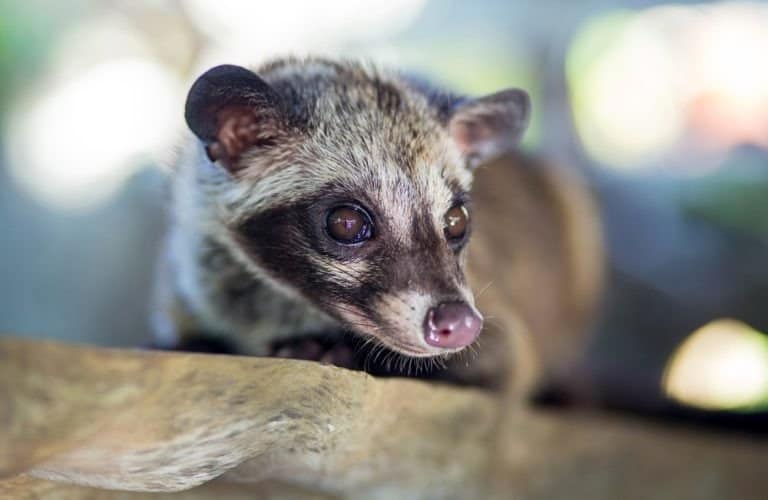
Malabar Civet

Viverra civettina

Critically Endangered (and possibly locally extinct/near-undetected in much of its former range)

Historically associated with the Konkan-Malabar coastal belt; any confirmed record in Goa would be globally significant and would highlight the conservation value of remaining lowland habitats.

Indian Pangolin

Manis crassicaudata

Endangered (threatened by illegal trade and habitat loss)

A secretive, nocturnal mammal recorded from parts of the Western Ghats region; protection in Goa is important because coastal-to-foothill mosaics can still support viable populations.

Smooth-coated Otter

Lutrogale perspicillata

Vulnerable

Found in estuaries and larger rivers; a flagship of Goa's mangroves and backwaters, dependent on fish-rich, less-disturbed wetlands.

Malabar Pit Viper

Trimeresurus malabaricus

Western Ghats endemic (IUCN: Least Concern, but sensitive to habitat change)

A Western Ghats specialty associated with forested slopes; one of the reptiles that makes Goa's monsoon forests particularly attractive to herpetology-focused visitors.

Malabar Gliding Frog

Rhacophorus malabaricus

Western Ghats endemic (IUCN: Least Concern)

A monsoon icon of evergreen/semi-evergreen patches; its presence underscores the importance of intact streamside vegetation and humid forest microhabitats.

Travancore Tortoise

Indotestudo travancorica

Vulnerable

A Western Ghats forest tortoise associated with leaf-litter habitats; vulnerable to habitat degradation and collection, making protected forest blocks in Goa important.

Notable Populations

  • Western Ghats foothill forests in and around Bhagwan Mahavir (Mollem) and Mhadei support regionally important assemblages of large mammals (gaur, leopard, dhole) and hornbills, functioning as a connectivity link between Goa, Karnataka, and Maharashtra forests.
  • Goa's estuaries and mangroves (e.g., along the Mandovi-Zuari system and associated creeks) hold nationally important wetland bird communities seasonally, including large mixed flocks of shorebirds, herons/egrets, and terns.
  • Nearshore coastal waters support regular populations of humpback dolphins used by wildlife tourism; these are locally significant and sensitive to vessel pressure and coastal development.

Recent Changes

  • More frequent camera-trap/field reports of tiger presence in the broader Goa-Karnataka-Maharashtra landscape in recent years, consistent with wider Western Ghats connectivity and dispersal dynamics (still low density and rarely seen).
  • Continuing pressure on coastal nesting turtles from beachfront lighting, night-time disturbance, and nearshore fishing activity; conservation groups increasingly monitor and protect nesting stretches.
  • Wetland bird use of estuaries remains strong, but is increasingly influenced by shoreline modification, intensified boating, and episodic pollution events (affecting roosting/feeding areas).
  • Freshwater and estuarine systems face growing invasion risk from non-native fish (e.g., tilapia in some Indian waters), which can alter local food webs where established.
  • Large raptors and vultures remain sensitive to poisoning and reduced carrion safety; while India's diclofenac controls helped nationally, local recovery depends on safe food availability and reduced toxic exposure.
Visit

Wildlife Viewing

Goa has a rich mix of wildlife in a small coastal state: marine life off beaches, dolphin estuaries, and mangroves and backwaters with kingfishers, herons. In the Western Ghats foothills watch for hornbills, butterflies, civets and sometimes big cats. Visitors watch dolphins and birds or join guided walks in Bhagwan Mahavir (Mollem), Cotigao, Netravali, and the Zuari and Mandovi wetlands.

Best Seasons

Nov-Feb (cool, dry peak season)

Best overall visibility and comfort. Excellent birding as winter migrants arrive (raptors, waders, terns). Dolphins are regularly seen on coastal/estuary trips. Forest trails are most accessible and leech activity is low; good time for dawn bird walks and night drives where permitted.

Mar-May (hot, late dry season)

Hotter days but strong wildlife payoff: many forest birds breed and call; butterflies are abundant in foothill forests. Water sources concentrate animals, improving odds for deer, gaur, and smaller mammals near waterholes (viewing is still largely chance-based). Early mornings are essential.

Jun-Sep (monsoon)

Goa turns intensely green-great for landscapes, frogs, and monsoon-special wildlife, but viewing is weather-dependent. Many forest roads/trails can be slippery or temporarily closed; leeches are common. Birding shifts toward resident forest birds; waterfalls and streams are dramatic. Sea conditions often limit offshore trips.

Oct-early Nov (shoulder, post-monsoon)

Fresh vegetation and improving access as rains retreat. Excellent time for dragonflies, butterflies, and herpetology-focused walks. Early migrants begin to appear; rivers and wetlands are productive and less crowded than peak winter.

Top Wildlife Experiences

  • Dolphin-spotting by boat in the Mandovi-Zuari estuary system (often via Panjim/Old Goa departure points), aiming for early morning calm water and combining it with mangrove-edge birding.
  • Birding and a short forest trek in Bhagwan Mahavir Wildlife Sanctuary and Mollem National Park (Tambdi Surla) to see Malabar trogon, drongos, woodpeckers and sometimes hornbills; add the shaded Tambdi Surla Mahadev Temple trail.
  • Explore Cotigao Wildlife Sanctuary on a guided nature walk and canopy watch from the treetop observation (watchtower area): chances for monkeys, giant squirrel, deer, and excellent mixed-species bird flocks in semi-evergreen forest.
  • Night walk or evening nature program around Netravali Wildlife Sanctuary (where locally offered/allowed): focus on frogs, geckos, civets, and nocturnal insects-especially rewarding in late monsoon to post-monsoon.
  • Mangrove and mudflat birding around the Salim Ali Bird Sanctuary (Chorao Island): short boat crossings and quiet lanes are ideal for kingfishers, egrets, herons, and winter waders; go with a local guide for tides and best light.
  • Wetland birding at Carambolim Lake and nearby paddy fields: early morning for jacanas, moorhens, bitterns, and raptors; in winter, expect higher diversity of migratory ducks and waders.
  • Sea-birding and coastal nature walk along less-developed stretches (e.g., Morjim-Ashwem or Cabo de Rama cliffs): scan for terns, gulls, and occasional pelagic visitors; combine with dusk for bats and coastal predators like brahminy kites.
  • Butterfly and dragonfly-focused walk in the Western Ghats foothill villages (around Valpoi/Sattari or Netravali region): best post-monsoon to early summer, when flowering and stream edges draw high numbers of species.

Wildlife Watching Types

Dolphin watching (coastal and estuary boat trips) Mangrove and estuary birding (kingfishers, herons, egrets, shorebirds) Wetland birding (lakes, paddy fields, riverbanks) Western Ghats forest birding (endemic-rich foothill species) Butterfly and dragonfly watching (post-monsoon hotspots near streams and forest edges) Herping (frogs, snakes, geckos) with responsible guided night walks where permitted Mammal tracking/spotting in sanctuaries (deer, gaur, primates, civets; occasional leopard signs) Sea-birding and raptor watching along headlands and beaches

Guided Options

  • Forest Department-regulated entry and local naturalist guiding in Bhagwan Mahavir Wildlife Sanctuary/Mollem and at Tambdi Surla trailheads (best arranged early for dawn outings).
  • Cotigao Wildlife Sanctuary local guide services (useful for locating canopy birds and understanding the watchtower circuit).
  • Salim Ali Bird Sanctuary (Chorao) local boatmen and bird guides for tide-timed mangrove circuits and photography-oriented routes.
  • Community-based guiding in and around Netravali Wildlife Sanctuary (often paired with village stays), including nature trails and, where available, night biodiversity walks focused on amphibians and insects.
  • Private birding naturalists operating across Goa's key sites (common offerings: Carambolim + Chorao day, Mollem/Tambdi Surla day, multi-day Western Ghats foothills birding).
  • Responsible dolphin-viewing operators from Panjim/Sinquerim/Betim area-choose small groups, early departures, and operators that avoid chasing/encircling pods.
Habitats

Ecosystems

Goa has many ecosystems in a small coastal state: a humid Arabian Sea shore with sandy beaches, rocky headlands, estuaries and mangroves; a dense network of rivers, backwaters and seasonally flooded wetlands; and Western Ghats foothills with moist deciduous to semi-evergreen forests and lateritic plateaus. Strong monsoons cause heavy river flow, estuarine mixing, and fish and prawn nurseries.

Biomes

Tropical Rainforest

Moist evergreen to semi-evergreen forest patches in the Western Ghats foothills (high humidity, multi-layered canopy, lianas/epiphytes), often in valleys and windward slopes where rainfall is highest.

Localized pockets mainly in the eastern/highland subdistricts and protected areas (small but ecologically significant).

Freshwater

Monsoon-fed rivers (e.g., Mandovi, Zuari, Chapora, Terekhol), streams from the Ghats, reservoirs/ponds, and riparian corridors supporting fish, amphibians, otters, and rich birdlife.

Linear network statewide with strongest presence along river valleys and floodplains; highly seasonal expansion during monsoon.

Wetland

Estuarine mudflats, salt marshes, seasonally flooded lowlands (traditional reclaimed tidal polders), paddy-associated wetlands, and mangrove-fringed creeks that function as critical nurseries for fisheries and as waterbird habitat.

Scattered along both major estuaries and lower river reaches; most extensive in the Mandovi-Zuari system and associated creeks.

Marine

Nearshore Arabian Sea waters, sandy and rocky subtidal zones, and offshore seabed supporting pelagic fish, turtles, dolphins, and benthic communities; productivity peaks with monsoon-driven nutrient dynamics and upwelling influence offshore.

Along the entire coastline and adjacent territorial waters; continuous marine influence on coastal/estuarine habitats.

Habitats

Forest

Large tracts of protected and reserve forests in eastern Goa (e.g., Bhagwan Mahavir/Molem, Mhadei landscape), with high plant diversity and wildlife corridors into Karnataka/Maharashtra.

Rainforest

Semi-evergreen/evergreen pockets in moist valleys and windward slopes of the Western Ghats foothills; dense canopy and high humidity support diverse birds and herpetofauna.

Deciduous Forest

Moist deciduous forest is the dominant inland type; teak and mixed species, with pronounced leaf-fall in the dry season and rapid monsoon regeneration.

Woodland

More open, scrubby tree cover on lateritic plateaus and degraded slopes; often interspersed with grass and shrubs, shaped by fire, grazing, and past land use.

Grassland

Lateritic plateaus and open hilltops host seasonal grasslands and herb-rich communities (especially lush during/after monsoon), important for insects and ground-nesting birds.

Mountain

Western Ghats foothills and escarpments in the east create elevational gradients, cool moist niches, and headwater catchments feeding major rivers.

Cave

Laterite and basaltic settings with small caves/overhangs and subterranean roost sites; used by bats and specialized invertebrates (locally important, though not extensive).

Cliff/Rocky Outcrop

Sea cliffs and rocky headlands (notably in parts of North Goa) provide nesting/roosting sites and influence coastal erosion and tidepool habitats.

River/Stream

Mandovi and Zuari (with extensive estuarine reaches) plus smaller rivers/streams; strong monsoon flow and dry-season salinity intrusion in lower reaches.

Pond

Village ponds, temple tanks, and small impoundments; support amphibians, freshwater fish, and dry-season water sources for wildlife.

Wetland

Floodplain wetlands, paddy-field wet mosaics, and low-lying traditional reclaimed tidal polders with seasonal inundation; key for waders and waterfowl.

Marsh

Brackish and freshwater marshes along estuary margins and lowlands; dominated by grasses/sedges and used by herons, egrets, and wintering migrants.

Mangrove

Mangrove belts and creek systems around the Mandovi-Zuari estuaries and smaller tidal rivers; nursery grounds for fish/prawns and buffers against erosion.

Estuary

Large estuarine complexes (Mandovi and Zuari) with mudflats, channels, and salinity gradients; high productivity and important fisheries.

Coastal

A continuous coastal strip with dunes, headlands, coastal scrub, and human-modified beachfronts; strongly influenced by monsoon storms and tidal cycles.

Beach

Extensive sandy beaches along the Arabian Sea; nesting/foraging areas for shorebirds and occasional sea turtle presence, heavily used for tourism in many stretches.

Rocky Shore

Intertidal rock platforms and tidepools around headlands; supports algae, mollusks, crabs, and small reef-associated fish in nearshore zones.

Open Ocean

Coastal pelagic waters just offshore used by schooling fish, dolphins, and seabirds; seasonal shifts in turbidity and productivity with monsoon cycles.

Seabed/Benthic

Nearshore and offshore soft-bottom habitats (sand/mud) supporting benthic invertebrates and demersal fish; influenced by river plumes and seasonal currents.

Urban

Dense settlements and transport corridors around Panaji, Margao, Vasco, and Mapusa; urban greenspaces and wetlands remain important for birds where intact.

Suburban

Peri-urban mosaics of gardens, remnant groves, small farms, and wetlands; often high human-wildlife overlap (snakes, civets, birds).

Agricultural/Farmland

Paddy fields, horticulture, and mixed smallholder farms; paddy landscapes form seasonal wetlands supporting egrets, herons, frogs, and snakes.

Plantation

Coconut, arecanut, cashew and other plantations; provide tree cover but typically lower native understory diversity than natural forests.

Ecoregions

North Western Ghats moist deciduous forests South Western Ghats moist deciduous forests Konkan Coast moist deciduous forests
Protection

Conservation

Primary Threats

  • Coastal land conversion (beach shacks, resorts, second homes) and backwater/estuary edge infilling reduces dune systems, turtle nesting habitat, and mangrove buffers; in the Ghats foothills, fragmentation around village-forest edges erodes contiguous habitat needed by wide-ranging mammals.
  • Road/rail expansion and associated right-of-way clearing in and around the Mollem-Bhagwan Mahavir landscape increases fragmentation, wildlife road/rail mortality, edge effects, and facilitates further human access into previously quieter forest tracts.
  • Iron-ore mining (including legacy pits, dumps, and haulage routes) has caused localized forest loss, slope instability, and heavy sediment loads into streams feeding the Mandovi-Zuari system, degrading aquatic habitat and estuarine water quality.
  • Untreated/partly treated sewage, solid waste from tourism hubs, boating-related discharges, and mining-associated siltation increase nutrient loading and turbidity in rivers and estuaries, impacting fish nursery areas, mangroves, and bird foraging grounds.
  • High nearshore fishing effort (including mechanized trawling and gillnets) reduces prey availability and increases bycatch risk for sea turtles and coastal dolphins; intensive harvest pressure can also alter estuarine fish communities important for otters and waterbirds.
  • Peak-season beach traffic, night lighting, loud events, and vehicle movement on sand disturb nesting turtles and shorebirds; boating and recreational activity in creeks can disrupt roosting/feeding in sensitive wetland and mangrove areas.
  • Sea-level rise and stronger storm surges accelerate beach erosion and squeeze turtle nesting habitat between the sea and hard coastal development; altered monsoon patterns and hotter dry seasons stress semi-evergreen forest and wetland hydrology.
  • Embankments, dredging/river training, and modification of creeks for navigation or waterfront development can change salinity and sediment dynamics in estuaries, affecting mangrove health and mudflat productivity used by fish and birds.
  • Invasive plants such as lantana in forest understorey and water hyacinth in freshwater bodies can suppress native regeneration, simplify habitat structure, and reduce the quality of wetlands used by waterbirds.
  • Illegal trade pressure persists for highly trafficked species in the region (notably pangolins), and opportunistic collection/poaching risk increases where new access routes intersect forest edges.
  • Localized snaring or opportunistic hunting in some rural/forest-edge areas can depress populations of small mammals and ground birds and can undermine recovery of already low-density species.
  • Crop raiding by gaur and wild boar, and occasional leopard presence near settlements, drives retaliatory risk and increases demand for rapid forest-edge interventions; conflict is intensified where habitat is fragmented and food sources shift to farms.
Fun Facts

Did You Know?

Crocodiles live in Goa's "backwaters": mugger crocodiles (Crocodylus palustris) are regularly reported from the Cumbarjua Canal-the tidal link between the Mandovi and Zuari-sometimes startlingly close to busy settlements and ferry routes.

Goa has a river-island mangrove bird sanctuary: the Dr. Salim Ali Bird Sanctuary sits on Chorao Island in the Mandovi, where boardwalks take you through mangrove habitat used by herons, egrets, kingfishers, and migrating shorebirds.

On certain nights (often pre-monsoon), Goa's surf can glow blue due to bioluminescent plankton (commonly Noctiluca scintillans)-a real, locally observed "sea sparkle" phenomenon rather than folklore.

Olive ridley turtles (Lepidochelys olivacea) still nest on Goa's beaches—especially quieter spots like Morjim, Agonda, and Galgibaga. Nests are often protected or moved to hatcheries to help baby turtles.

Smooth-coated otters (Lutrogale perspicillata) use Goa's estuaries and mangroves; they're often seen in social groups ("rafts"), which is counter-intuitive for many people who assume otters are solitary forest animals.

Goa's forests host the king cobra (Ophiophagus hannah), the world's longest venomous snake-confirmed from Western Ghats protected areas in Goa such as Bhagwan Mahavir Wildlife Sanctuary/Mollem.

The gaur (Bos gaurus)-Goa's state animal-occurs in the Mollem landscape; it's the largest wild cattle species on Earth (adult males can exceed ~1,000 kg).

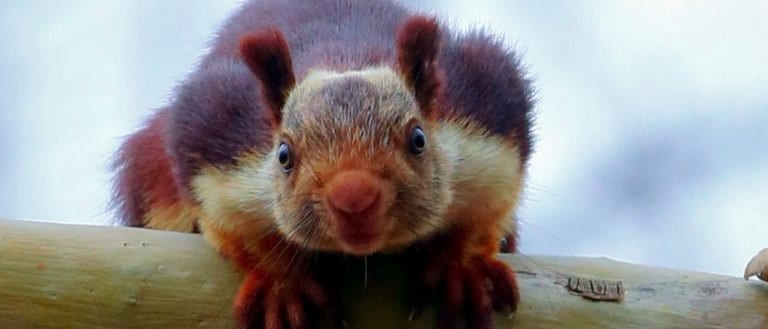
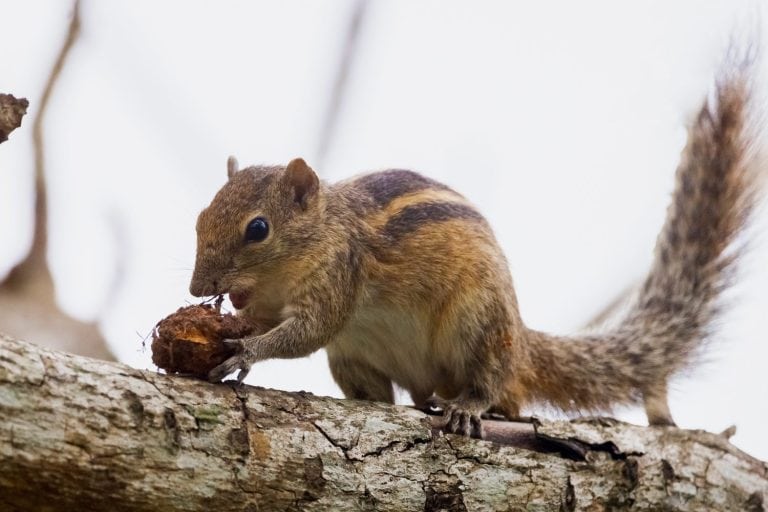
The Malabar giant squirrel (Ratufa indica), seen in Goa's Western Ghats foothill forests, is among India's largest tree squirrels-so big that its tail can be as long as (or longer than) its body.

Despite being one of India's smallest states by area, Goa has documented 480+ bird species-an unusually high bird-species count packed into ~3,700 km² thanks to the Western Ghats + estuary/mangrove mosaic.

Goa's mangrove-backed estuaries support large dolphins close to shore, including the Indian Ocean humpback dolphin (Sousa plumbea), a flagship coastal cetacean of the Arabian Sea that often stays in shallow nearshore waters rather than the deep ocean.

Thank you for reading! Have some feedback for us?