N S W E
Wildlife Expeditions

Wildlife of
Andhra Pradesh

From Godavari-Krishna mangroves to Eastern Ghats forests, Andhra Pradesh blends coast, deltas, and hills into a stronghold for wetland and forest wildlife.
39 Species
162,975 km² Land Area
Overview

About Andhra Pradesh

Andhra Pradesh has a long Bay of Bengal coast with big river deltas and the Eastern Ghats inland. Sea, estuary, floodplain, and hill forests meet here, making many habitats. Waterbirds, reptiles, and coastal species live in mangroves and backwaters, while dry-forest mammals and hill specialists live in the Ghats. Rivers bring seasonal pulses of freshwater and sediment that keep wetlands and estuaries productive. Key places are the Krishna and Godavari delta wetlands, backwaters, and mangrove belts that are nurseries for fish and crustaceans and stopovers for migratory birds on the Central Asian Flyway. Dry deciduous forests, scrub, and mixed woodland support carnivores and hoofed animals. Rocky hills, river corridors, and farm mosaics add edges good for raptors, small carnivores, and reptiles and amphibians. The mix of delta-and-mangrove coast with reachable Eastern Ghats lets you go from pelican-filled wetlands and estuarine crocodile country to hill forests with big mammals in one trip.

Physical Features

Geography

Andhra Pradesh's long Bay of Bengal coast, wide coastal plains, and the Krishna–Godavari rivers make large deltas, estuaries, and wetlands. These lowlands hold mangroves, shorebirds, and many water animals. The Eastern Ghats add hills and forests (dry deciduous to moist valley pockets). Inland plateaus and farmed lands change how animals move between forests, rivers, and wetlands.

162,975 km² Land Area
7th largest state in India (by area) Size Rank
India Country
State Type
Elevation Range

Sea level to ~1,690 m (Eastern Ghats high peaks such as Jindhagada/Arma Konda area)

Coastline

Bay of Bengal coastline (~974 km), with extensive estuaries and deltaic shores (Krishna-Godavari) and coastal lagoons/wetlands (e.g., Pulicat fringe, Kolleru-linked coastal plain).

Key Landscapes

Bay of Bengal coastline and sandy beach-dune systems (marine/shorebird habitats, nesting and roosting sites) Krishna River basin and delta (floodplains, canals, estuaries; major wetland bird habitat) Godavari River basin and delta, including estuarine zones and mangrove systems (notably the Coringa mangroves region) Major inland wetlands and lakes (e.g., Kolleru Lake; parts of Pulicat Lake lagoon system) supporting migratory waterbirds and fisheries-linked biodiversity Eastern Ghats uplands (discontinuous hill ranges creating forest refugia and elevational habitat variation) Nallamala Hills and associated dry deciduous forest landscapes (large forest tracts important for wide-ranging mammals)
State Symbols

Official Wildlife Symbols

animal

Blackbuck

bird

Indian roller

tree

Neem

wildflower

Jasmine

Parks & Reserves

Protected Areas

Andhra Pradesh has varied habitats: Eastern Ghats forests (dry to moist deciduous), Godavari and Krishna rivers, large wetlands like Kolleru, and Bay of Bengal mangroves. Goals are protecting tigers and leopards in the Nallamala-Eastern Ghats, mangrove and wetland nurseries, and rare species like red sanders and Jerdon's courser. Managed as National Parks, Sanctuaries, Tiger and Biosphere Reserves, and Ramsar sites.

Protected Coverage

~5-7% of the state's land area is under formal protected areas (National Parks, Wildlife Sanctuaries, Tiger Reserve cores/buffers, and allied designations; approximate due to overlaps and boundary updates).

National Parks & Preserves

Papikonda National Park

~1,012 km²

A large, rugged Eastern Ghats landscape centered on the Godavari river gorge-important for maintaining forest connectivity, supporting wide-ranging carnivores, and protecting relatively intact moist/dry deciduous forest mosaics.

Gaur (Indian bison) Leopard Dhole (Asiatic wild dog) Sambar deer Malabar pied hornbill

Sri Venkateswara National Park

~353 km²

Protects the Seshachalam Hills around Tirupati-an Eastern Ghats stronghold with dry deciduous forests, rocky hill terrain, and high plant endemism; valuable for medium-to-large mammals and raptors.

Sloth bear Leopard Sambar deer Chital (spotted deer) Indian giant squirrel

State & Provincial Parks

Nagarjunsagar-Srisailam Tiger Reserve (Nallamala Hills)

~3,568 km² (tiger reserve; Andhra Pradesh)

One of India's largest tiger-reserve landscapes in the Nallamala Hills of Andhra Pradesh, spanning extensive hill forests and deep valleys; critical for tiger recovery, prey-base conservation, and long-range ecological connectivity in the Eastern Ghats.

Bengal tiger Leopard Sloth bear Chital (spotted deer) Sambar deer

Coringa Wildlife Sanctuary

~235 km²

A premier Godavari delta mangrove system with tidal creeks and mudflats-vital for coastal biodiversity, fish nurseries, and large colonies of waterbirds.

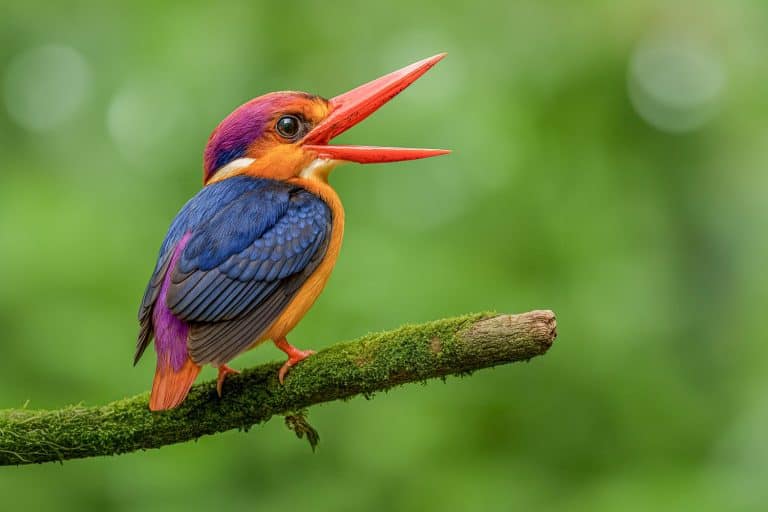
Saltwater crocodile Fishing cat Black-capped kingfisher Painted stork Lesser adjutant

Krishna Wildlife Sanctuary

~194 km²

Mangroves and estuarine islands at the Krishna delta-important for migratory birds, estuarine reptiles, and maintaining coastal wetland function amid intensive delta agriculture.

Saltwater crocodile Spot-billed pelican Painted stork Black-headed ibis River tern

Gundla Brahmeswaram Wildlife Sanctuary

~1,194 km²

A large, relatively continuous Eastern Ghats forest block that helps link the Nallamala landscape with adjoining hill ranges; notable for ungulates, carnivores, and intact deciduous forest.

Leopard Sloth bear Sambar deer Chital (spotted deer) Four-horned antelope

Wildlife Refuges

Kolleru Lake Wildlife Sanctuary (Ramsar Wetland)

~308 km² (wildlife sanctuary notified area; Ramsar site is ~901 km²)

One of India's largest freshwater lakes, positioned between the Krishna and Godavari deltas; internationally significant for wintering and passage waterbirds and as a key inland fish-and-bird habitat complex.

Spot-billed pelican Painted stork Asian openbill Black-headed ibis Northern pintail

Pulicat Lake Bird Sanctuary (Andhra Pradesh sector)

~300+ km² (AP-side sanctuary/lagoon complex; boundaries vary by notification and season)

A major brackish lagoon system on the AP-Tamil Nadu coast; famous for large congregations of wintering shorebirds and flamingos on sandbars and mudflats.

Greater flamingo Bar-headed goose Eurasian curlew Gull-billed tern Black-winged stilt

Seshachalam Biosphere Reserve

~4,755 km²

A large Eastern Ghats biosphere reserve centered on the Seshachalam hill ranges, created to conserve unique dry deciduous forests and high-value endemics (notably red sanders) alongside threatened fauna.

Red sanders (Pterocarpus santalinus) Sloth bear Leopard Indian giant squirrel Sambar deer

Sri Lankamalleswara Wildlife Sanctuary

~464 km²

Dry deciduous and scrub habitats in the Kadapa region; globally important due to association with rare, localized species and as a refuge for dry-zone fauna in the southern Eastern Ghats.

Jerdon's courser Indian pangolin Indian fox Leopard Slender loris

Wilderness Areas

  • Nallamala Hills roadless forest interiors (core blocks within Nagarjunsagar-Srisailam Tiger Reserve)
  • Godavari river gorge and hill forests of the Papikonda-Polavaram tracts (Eastern Ghats riparian wilderness)
  • Seshachalam Hill range backcountry (red-sanders forests and rocky ridgelines across Tirupati-Kadapa)
  • Gundla Brahmeswaram-Prakasam/Kurnool Eastern Ghats forest plateau (low-fragmentation deciduous blocks)
  • Coringa-Krishna delta mangrove labyrinth (tidal creeks, mudflats, and estuarine islands)
  • Kolleru Lake's seasonal marshes and less-settled reedbed belts (key waterbird roosting/foraging zones)
Animals

Wildlife

Andhra Pradesh's wildlife is shaped by a strong coastal-upland gradient: Bay of Bengal beaches and nearshore waters (sea turtles, dolphins), vast estuaries and mangroves in the Krishna-Godavari deltas (crocodiles, fishing cats, waterbirds), large freshwater wetlands (notably Kolleru and Pulicat for migratory birds), and the dry deciduous forests and rugged valleys of the Eastern Ghats (tiger-leopard-dhole guild, sloth bears, gaur). The result is a "wetlands + dry forest" wildlife experience, with some of India's most memorable bird spectacles in winter and flagship mammals best encountered in larger reserves of the Ghats.
~100-120 species (dry-forest carnivores and ungulates plus coastal/wetland specialists) Mammals
~450-500 species (very high due to major wetlands and migration on the east coast flyway) Birds
~130-160 species (including sea turtles, crocodiles, diverse lizards/snakes of the Eastern Ghats) Reptiles
~35-50 species (lower diversity than Western Ghats, but notable Eastern Ghats taxa) Amphibians
~250-400+ freshwater species locally recorded; far higher diversity if nearshore marine fishes are included Fish
Examples

Iconic Species

Bengal Tiger
Bengal Tiger The top forest flagship of the Eastern Ghats; best associated with large landscapes such as Nagarjunasagar-Srisailam and Papikonda regions.
Indian Leopard Widespread big cat across dry forests and rocky hills; frequently the most commonly detected large carnivore in many Eastern Ghats reserves.
Dhole (Asiatic Wild Dog) A key pack-hunting predator of the Eastern Ghats forests, indicating relatively intact prey bases in larger protected areas.
Gaur (Indian Bison) The largest wild bovine in India; a signature species of better-protected deciduous forests and valleys of the Ghats.
Sloth Bear Characteristic dry-forest bear often associated with rocky outcrops and termite-rich habitats common in Rayalaseema and Eastern Ghats tracts.
Saltwater Crocodile A headline species of the Godavari delta mangroves (especially Coringa), representing one of India's important east-coast strongholds.
Mugger Crocodile Widespread in rivers, reservoirs, and wetlands across the state, often seen in major water bodies and forested river stretches.
Olive Ridley Sea Turtle Defines the coastal wildlife season: mass nesting events occur along parts of the Andhra coast, drawing conservation attention each winter.
Blackbuck A flagship antelope of open scrub/grasslands and coastal plains where suitable habitat remains; valued for grassland conservation visibility.
Spot-billed Pelican A marquee wetland bird for visitors at large lakes and bird congregations (notably Kolleru), often seen alongside storks and ibises.

Endemic & Rare Species

Jerdon's Courser

Rhinoptilus bitorquatus

Critically Endangered; extremely rare and localized

One of India's most famous "rediscovered" birds; known from scrubby patches in the southern Eastern Ghats (Kadapa region), making Andhra Pradesh central to its global survival.

Golden Gecko

Calodactylodes aureus

Range-restricted (Eastern Ghats) and locally uncommon

A distinctive Eastern Ghats gecko strongly associated with rocky, forested hill habitats; a sought-after species for herpetology-focused visitors.

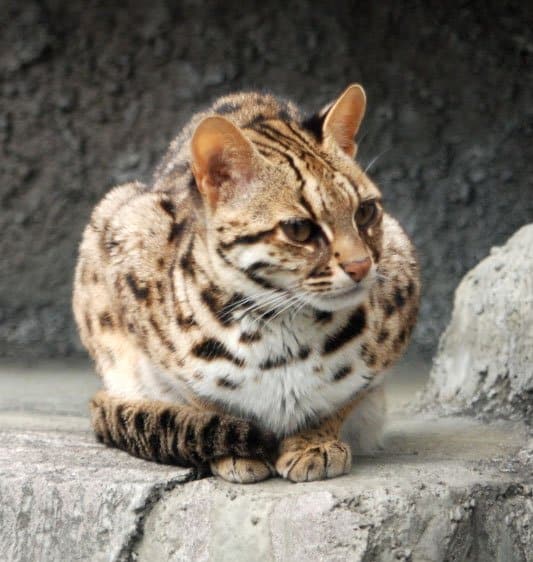
Fishing Cat

Prionailurus viverrinus

Vulnerable

A wetland specialist found in mangroves, reedbeds, and deltaic marshes; Andhra's Krishna-Godavari wetland mosaics provide important habitat.

Indian Skimmer

Rynchops albicollis

Endangered

A rare riverine bird that depends on sandy islands/bars in large rivers; historically associated with the Krishna-Godavari river systems where disturbance can strongly affect breeding.

White-rumped Vulture

Gyps bengalensis

Critically Endangered

Once widespread, now scarce; remaining individuals reflect the broader Indian vulture crisis and the importance of safe veterinary-drug practices and safe food availability.

Indian Pangolin

Manis crassicaudata

Endangered; heavily impacted by illegal trade

Occurs in dry forests and scrub; conservation concern is high due to poaching pressure and slow population recovery.

Indian Star Tortoise

Geochelone elegans

Vulnerable; threatened by illegal collection

A signature reptile of drier scrub/grassland mosaics in the Deccan-side landscapes; vulnerable to pet trade and habitat change.

Indian Ocean Humpback Dolphin

Sousa plumbea

Endangered (regional assessments often show strong coastal-threat sensitivity)

A nearshore dolphin occasionally recorded along India's east coast; vulnerable to gillnets, vessel traffic, and coastal development-key issues along Andhra's shoreline.

Notable Populations

  • Olive ridley sea turtle nesting along parts of the Andhra Pradesh coastline (seasonal, with hatchery/community protection in several stretches).
  • Coringa Wildlife Sanctuary and the Godavari delta mangroves: one of India's notable east-coast mangrove faunas, including saltwater crocodiles and wetland predators like fishing cats.
  • Kolleru Lake: among India's most important freshwater bird areas, with large winter congregations of pelicans, storks, ibises, ducks, and other waterbirds.
  • Pulicat Lake (shared with Tamil Nadu): a major brackish lagoon supporting large seasonal waterbird assemblages, including flamingos in good years.
  • Nagarjunasagar-Srisailam landscape: one of India's largest tiger-reserve landscapes by area, supporting a full dry-forest carnivore and ungulate community.

Recent Changes

  • Sea turtle nesting beaches face increasing pressure from coastal lighting, shoreline alteration, and fisheries bycatch; at the same time, community-based nest protection and hatcheries have expanded in several coastal localities.
  • Vultures underwent severe declines since the 1990s (linked to veterinary NSAID poisoning in South Asia); compliance with safer alternatives has improved, and localized stabilization is reported in some regions, but populations remain very low.
  • Wetland bird numbers at major lakes can fluctuate strongly with hydrology, aquaculture intensity, and habitat management; removal/control of invasive aquatic weeds and improved water management can lead to noticeable rebounds in waterbird use in some seasons.
  • Camera-trap and community reporting has improved detection of elusive wetland carnivores (notably fishing cats) in delta and marsh mosaics, increasing conservation focus on mangroves and reedbeds.
  • Large carnivores (tiger/leopard/dhole) persist where forest blocks remain connected; ongoing pressures include fragmentation, linear infrastructure, and human-wildlife conflict around reserve edges, influencing local occupancy trends.
Visit

Wildlife Viewing

Andhra Pradesh is a wildlife region where wetlands and mangroves meet the Eastern Ghats' dry deciduous forests. The Bay of Bengal coast, Krishna–Godavari deltas, reservoirs and hills host big winter bird gatherings, estuary and river life, and safaris for tiger, leopard, sloth bear, gaur and dhole. Key sites reachable from Vijayawada, Rajamahendravaram, Visakhapatnam and Tirupati; best in cool, dry months.

Best Seasons

Winter (Nov-Feb)

Peak season for wildlife travel: pleasant temperatures, high visibility, and the best birding. Expect large numbers of migratory waterbirds at Pulicat Lake and Kolleru Lake, strong chances for wetland specials in mangroves, and comfortable jeep safaris in Sri Venkateswara NP, Papikonda, and Nagarjunasagar-Srisailam landscapes. Ideal for photography and multi-site itineraries.

Summer (Mar-May)

Hot but often excellent for mammal sightings as animals concentrate near waterholes. Good time for early-morning and late-afternoon safaris in forested areas (e.g., Sri Venkateswara NP, Nagarjunasagar-Srisailam zone). Birding continues at some wetlands, but midday heat limits time afield-plan breaks and focus on dawn/dusk.

Monsoon (Jun-Sep)

Lush landscapes, dramatic skies, and active amphibians/reptiles, but access can be limited (trail closures, leeches in some hill areas, and occasional road disruptions). Boat trips and forest entries may be restricted depending on conditions. Best for travelers who prioritize scenery, fewer crowds, and short, flexible outings.

Post-monsoon / Early winter (Oct-Nov)

Forests and grasslands are refreshed; water levels are good; bird migration ramps up quickly. A sweet spot for combining Eastern Ghats forests with the first big waves of wetland birds, before peak winter crowds in some places.

Top Wildlife Experiences

  • Boat safari into the mangroves of Coringa Wildlife Sanctuary (near Kakinada): scan tidal creeks for herons, egrets, kingfishers, raptors, and estuarine wildlife; go at high tide for deeper creek access.
  • Sunrise birding at Pulicat Lake Bird Sanctuary (near Sriharikota/Sullurpeta): winter flocks of flamingos (seasonal), pelicans, storks, ducks and waders; pair with a local boat ride for closer views on open water.
  • Wetland big-day at Kolleru Lake (near Eluru): one of India's great freshwater bird landscapes-plan a full day with multiple viewpoints to maximize species diversity (raptors, waterfowl, and marsh birds).
  • Jeep safari and forest drives in Sri Venkateswara National Park / Wildlife Sanctuary (Tirupati hills): classic Eastern Ghats dry forest with chances for leopard, sloth bear sign, sambar, chital, wild boar, and rich birdlife-best at dawn/dusk.
  • Canyon-and-forest wildlife cruise on the Godavari around Papikonda National Park (via Rajamahendravaram): scenic river gorge habitat with chances for crocodile sightings, river birds, and forest edge species; combine with short nature walks where permitted.
  • Turtle-focused coastal outing on the Andhra Pradesh coast (seasonal): pair winter bird hotspots (Nelapattu Bird Sanctuary, Uppalapadu bird colony near Guntur) with a responsibly run, seasonal sea turtle awareness/monitoring program on suitable nesting beaches (availability varies by year and beach).
  • Dry-forest megafauna safari in the Nagarjunasagar-Srisailam Tiger Reserve landscape (entry zones/availability vary): look for pugmarks and scratch marks, plus gaur, sambar, four-horned antelope in suitable habitat pockets, and strong raptor viewing along ridgelines.

Wildlife Watching Types

Wetland birding (lakes, tanks, and river deltas) with large winter migrations Mangrove wildlife watching (boat-based in tidal creeks) Forest jeep safaris and guided nature trails (dry deciduous/Eastern Ghats) River cruises for riparian birds, crocodiles, and scenic gorge habitats Raptor watching from hill roads and reservoir edges (eagles, kites, hawks) Heronry/breeding-colony viewing (seasonal nesting at select sites like Uppalapadu) Reptile and amphibian spotting (best in monsoon/post-monsoon with local guides) Coastal nature walks and responsible, seasonal turtle-related interpretation/monitoring (where officially supported)

Guided Options

  • Andhra Pradesh Forest Department-guided safaris/boat rides where offered (e.g., Coringa mangrove boat services; check permits, tides, and official timing windows).
  • Forest Department-authorized jeep safaris/nature interpretation in Sri Venkateswara National Park/Wildlife Sanctuary (Tirupati region) - book early during winter weekends and holidays.
  • Papikonda region Godavari river cruises/boat excursions departing from Rajamahendravaram area (choose operators that emphasize wildlife-friendly speeds, no littering, and quiet viewing).
  • Local birding guides around Pulicat, Kolleru, Nelapattu, and Uppalapadu who can plan dawn-to-dusk circuits and time visits to roosting/feeding movements (especially in winter).
  • Community/NGO-supported turtle awareness or conservation-linked beach walks (seasonal and site-dependent) - prioritize programs that follow official guidelines and avoid handling/harassing wildlife.
  • Eco-resorts and naturalist-led stays near key reserves (Tirupati hills, East Godavari area) offering guided bird walks, night drives where legal, and photography-focused outings.
Habitats

Ecosystems

Andhra Pradesh spans a long Bay of Bengal coastline, the fertile Krishna-Godavari river systems with extensive deltaic wetlands, and the Eastern Ghats uplands. This creates a mosaic of coastal/marine ecosystems (estuaries, mangroves, beaches), large freshwater corridors and floodplains, and interior tropical deciduous to thorny scrub-woodland landscapes, heavily interwoven with agriculture and expanding urban areas.

Biomes

Tropical Dry Forest

Dominant natural terrestrial biome across the Eastern Ghats and adjoining plains: mostly dry and moist deciduous forests (teak/mixed deciduous), with seasonal leaf drop and strong dependence on monsoon rainfall; includes hill forests and riparian belts.

Majority of remaining natural vegetation; concentrated in the Eastern Ghats belt and scattered forest blocks across the state, with extensive fragmentation.

Tropical Rainforest

Limited pockets of more humid, semi-evergreen/moist forest conditions in sheltered Eastern Ghats valleys, higher-rainfall slopes, and along perennial streams; not extensive lowland rainforest but locally dense evergreen elements occur.

Small, localized patches within the Eastern Ghats and moist microclimates.

Savanna

Open scrub-woodland and grass-dominated landscapes in drier interior tracts and degraded forest edges, often maintained by grazing, fire, and land-use pressure; includes savanna-like parkland structure in some rain-shadow zones.

Patchy across interior plains and foothills; common as a transitional/degraded matrix around forests and agriculture.

Freshwater

Large riverine systems (Godavari, Krishna, Pennar and tributaries), reservoirs and irrigation canals, and floodplain lakes/pond networks that support fisheries, waterbirds, and riparian vegetation.

Linear corridors statewide, densest in the Krishna-Godavari basins and major reservoir/irrigation landscapes.

Wetland

Deltaic marshes, floodplain wetlands, backwaters, coastal lagoons, and seasonally inundated agricultural wetlands (paddy-dominated) supporting migratory birds and brackish-freshwater transitions.

Extensive in Krishna-Godavari deltas and coastal plains; scattered inland tanks and seasonal wetlands.

Marine

Bay of Bengal coastal waters including nearshore fisheries zones, sandy and muddy seabeds, and brackish coastal embayments influenced by river discharge.

Along the entire coastline; strongest river-plume influence near Krishna and Godavari mouths.

Habitats

Forest

Eastern Ghats hill forests forming the main wildlife habitat blocks; includes mixed deciduous and patches of moister forest in valleys.

Deciduous Forest

Tropical dry/moist deciduous forests (e.g., teak and mixed hardwoods) across uplands and foothills; key habitat for large mammals and diverse birdlife where intact.

Woodland

Open-canopy dry woodland and scrubby tree cover in rain-shadow/interior zones and as buffers around forest tracts.

Shrubland

Thorny scrub and secondary growth on degraded hillslopes and plains; important for drought-tolerant flora and small fauna.

Grassland

Natural and semi-natural grass patches, grazing commons, and grassy openings within scrub/woodland mosaics; also occurs on reservoir fringes seasonally.

Mountain

Eastern Ghats ranges and associated plateaus/ridges creating elevational and microclimatic diversity and many headwater catchments.

Cliff/Rocky Outcrop

Rocky escarpments and hill outcrops in the Ghats, providing nesting/roosting sites for birds and bats and refugia for specialized plants.

Cave

Limestone and karst caves in the Eastern Ghats region (notably Borra Caves area), supporting bats and cave-adapted invertebrates.

River/Stream

Major rivers (Godavari, Krishna, Pennar) with sandbars, riparian strips, and distributary networks in the deltas.

Lake

Large reservoirs and natural/oxbow-like waterbodies used for irrigation, fisheries, and waterbird habitat (seasonal water-level variation common).

Pond

Village tanks and farm ponds widespread in the interior; critical dry-season refuges for amphibians, fish, and birds.

Wetland

Floodplain and delta wetlands, irrigation-command wetlands, and seasonal inundation zones supporting high waterbird diversity.

Marsh

Freshwater and brackish marshes in deltaic lowlands and along backwaters, often dominated by emergent vegetation.

Swamp

Waterlogged low-lying patches and riparian swampy areas, especially in delta distributaries and backwater margins.

Mangrove

Mangrove forests in Krishna-Godavari delta complexes and associated creeks, providing nursery habitat for fish/crustaceans and coastal protection.

Estuary

Godavari and Krishna estuaries and smaller river mouths with strong salinity gradients and productive fisheries.

Coastal

Coastal plains with dunes, strand vegetation, and human-modified mosaics (settlements, aquaculture, cropland).

Beach

Long sandy beaches and dune-backed shores along the Bay of Bengal, important for coastal geomorphology and nearshore biodiversity.

Rocky Shore

Localized rocky headlands/outcrops along parts of the coast, supporting intertidal communities where present.

Open Ocean

Offshore Bay of Bengal waters used by pelagic fish and marine megafauna; influenced by monsoon-driven productivity and river plumes.

Seabed/Benthic

Nearshore sandy/muddy bottoms and delta-influenced sediments supporting benthic communities and trawl fisheries in some areas.

Agricultural/Farmland

Extensive paddy, cotton, chilli, and mixed cropping landscapes; irrigated delta agriculture is a dominant land cover and creates seasonal wet habitats.

Plantation

Commercial plantations (e.g., oil palm in some tracts, mango/cashew/coconut belts, eucalyptus in places) forming simplified tree cover and edge habitats.

Urban

Major urban/industrial corridors and port-associated growth along the coast and inland cities, with fragmented green spaces.

Suburban

Peri-urban sprawl with mixed gardens, smallholder plots, and remnant wetlands/streams under pressure from development.

Ecoregions

Eastern Deccan Plateau moist deciduous forests South Deccan Plateau dry deciduous forests Deccan thorn scrub forests Godavari-Krishna mangroves East Deccan dry evergreen forests
Protection

Conservation

Primary Threats

  • In Andhra Pradesh the Krishna-Godavari deltas have lost mangroves, saltmarsh, and floodplain edges to aquaculture ponds, towns, and farms. In the Eastern Ghats, forests are cut by encroachment, quarries, and roads, isolating wildlife and breaking corridors to Telangana and Chhattisgarh.
  • High-input paddy and commercial crops in the deltas drive wetland drainage, reedbed clearance, and high water abstraction; field consolidation and loss of fallows reduce foraging/nesting habitat for riverine and wetland birds (e.g., skimmers, storks), while pesticide use depresses prey bases across agro-wetland mosaics.
  • River regulation (dams, barrages, embankments, canal networks) alters sediment flow and salinity gradients that sustain mangroves and delta wetlands; reduced seasonal flooding simplifies river sandbar/island habitats critical for nesting birds and influences fish recruitment that supports dolphins, otters and fisher livelihoods.
  • Ports, coastal industrial corridors, highways/rail lines, transmission lines, and expanding irrigation/hydropower works increase barrier effects, mortality risks and disturbance; large projects in the Godavari basin (including associated roads and worker influx) can sever Eastern Ghats connectivity and intensify edge pressures around protected areas.
  • Agricultural runoff (nutrients, pesticides) and industrial/urban effluents degrade Kolleru, delta channels and estuaries; plastic and ghost gear accumulate along the Bay of Bengal coast and in mangroves, causing entanglement and reducing habitat quality for turtles, shorebirds and estuarine fauna.
  • Trawl pressure and nearshore gillnetting increase bycatch risk for sea turtles and dolphins along the coast; estuarine overharvest and juvenile fish capture reduce prey availability for smooth-coated otters, fishing cats, and piscivorous birds in mangrove creeks and lagoons.
  • Conflict is concentrated along forest-farm interfaces of the Eastern Ghats and Rayalaseema: crop raiding (wild pig, primates, ungulates), livestock depredation (leopard, dhole), and occasional elephant movement in north coastal forest tracts lead to retaliatory harm, negative attitudes, and pressure to remove/problem-animal actions.
  • Pilgrimage and tourism hubs near forests (e.g., around Srisailam and scenic Eastern Ghats areas) increase traffic, noise, garbage and off-road use; beach lighting, vehicles and unmanaged visitation can disrupt sea turtle nesting and hatchling emergence on parts of the coast.
  • Despite legal protection, opportunistic hunting persists in some rural/forest-edge areas for bushmeat and in wetlands for waterbirds; trapping/snaring also affects small carnivores and ground birds in scrub and dry forest patches.
  • Illegal trade pressures include pangolin poaching for scales/meat and collection of tortoises and other reptiles from dry zones; coastal and wetland species are also affected indirectly through illegal capture of birds and sale of protected fauna in informal markets.
  • Fuelwood extraction and illicit felling at forest margins (especially in dry deciduous/scrub landscapes) degrade understory and reduce nesting/roosting sites; removal of riparian trees further weakens riverbank stability and shade-dependent aquatic habitat quality.
  • Limestone, granite and other quarrying in parts of the Eastern Ghats/Rayalaseema causes direct habitat loss, blasting disturbance, road proliferation and siltation of seasonal streams-affecting dry forest wildlife and increasing human access into previously less-disturbed patches.
  • Prosopis juliflora and Lantana camara spread through degraded scrub/forest edges, reducing native plant regeneration and altering fire behavior; water hyacinth and other invasives choke wetland margins, lowering open-water quality and impacting fish and waterbird use.
  • Sea-level rise, salinity intrusion and more intense cyclones (a recurrent Bay of Bengal hazard) threaten low-lying mangroves and coastal wetlands; hotter, drier periods in interior districts increase wildfire likelihood and water stress, compounding pressures on already-fragmented dry forests.
  • Free-ranging dogs and livestock around protected area fringes increase risk of disease spillover (e.g., canine diseases to wild carnivores; livestock diseases to wild ungulates), while dense aquaculture operations can amplify aquatic disease dynamics that affect estuarine food webs.
  • Groundwater over-extraction in agricultural belts, heavy fuelwood demand, and high grazing pressure reduce regeneration and dry-season water availability; depletion of small fish and crustaceans in creeks and lagoons undermines both biodiversity and local fishing resilience.
  • Rapid growth of coastal towns/cities and peri-urban sprawl around transport corridors converts remaining wetlands and scrub, increases light/noise along beaches, and raises solid-waste loads that accumulate in drainage lines, lakes and mangrove creeks.
  • Highly fragmented habitats and small, isolated populations (notably the extremely range-restricted Jerdon's courser, and sub-populations of large carnivores in separated forest blocks) elevate risks of inbreeding, demographic stochasticity and local extinction without maintained corridors and habitat buffers.
Fun Facts

Did You Know?

In Andhra's 'tank-and-paddy' landscape, some of the state's most charismatic birds breed right over village waterbodies-at Nelapattu, Spot-billed Pelicans nest in tall trees around a village tank, often within sight of homes and farmland.

Coringa's mangrove creeks can host top predators (including Saltwater Crocodiles) alarmingly close to busy coastal settlements around Kakinada-mangroves aren't just "fish nurseries," they can be crocodile habitat too.

The Vulnerable Fishing Cat is a real resident of Andhra's wetland-mangrove mosaic (including deltaic habitats): it's a wild cat adapted to stalking fish in reeds, mudflats, and tidal creeks rather than hunting in forests.

Pulicat's bird spectacle is highly "water-chemistry driven": shifts in salinity and food (algae and tiny invertebrates) can rapidly move flamingo concentrations to different sectors of the lagoon, so the best viewing spots can change within the same season.

In the Eastern Ghats portions of Andhra (e.g., around Srisailam-Nallamala), dry deciduous forests support large mammals (like leopards and sloth bears) in surprisingly rugged, river-cut terrain-much of it looks 'dry' from above but hides perennial gorges and riparian refuges.

Andhra Pradesh contains the Nagarjunasagar-Srisailam Tiger Reserve in the Nallamala Hills; it is widely cited as India's largest tiger reserve by area, while the adjoining Telangana portion was reorganized as Amrabad Tiger Reserve after state bifurcation.

Pulicat Lake (shared by Andhra Pradesh and Tamil Nadu) is India's second-largest brackish-water lagoon-an outsized wintering ground for flamingos and other waterbirds on the east coast.

Kolleru Lake (between the Krishna and Godavari deltas) is one of India's largest freshwater lakes and a Ramsar Wetland of International Importance-famous for hosting vast mixed flocks of ducks, pelicans, storks, and waders in winter.

Coringa Wildlife Sanctuary near Kakinada protects one of the largest remaining mangrove tracts on India's east coast-effectively Andhra Pradesh's flagship mangrove ecosystem.

Nelapattu Bird Sanctuary (near Pulicat) is one of South India's best-known breeding sites for Spot-billed Pelicans, with nesting colonies concentrated around a small lake ('tank') rather than a remote wilderness.

Thank you for reading! Have some feedback for us?