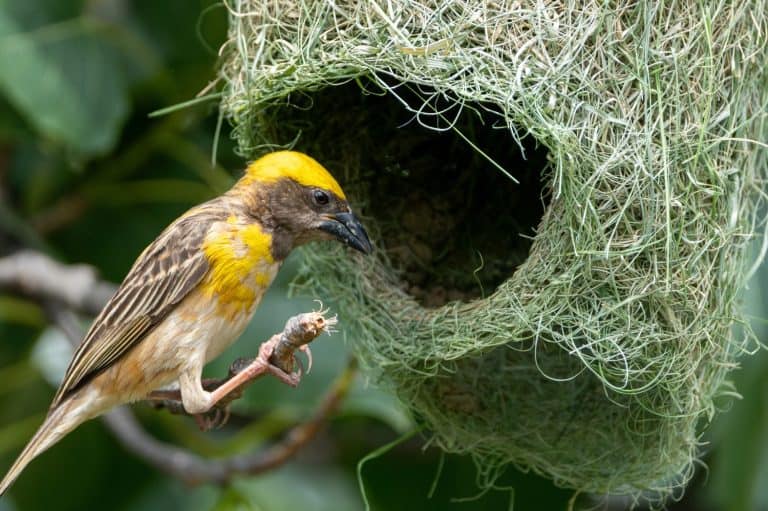
Baya
Hanging-nest genius of the monsoon

Hanging-nest genius of the monsoon
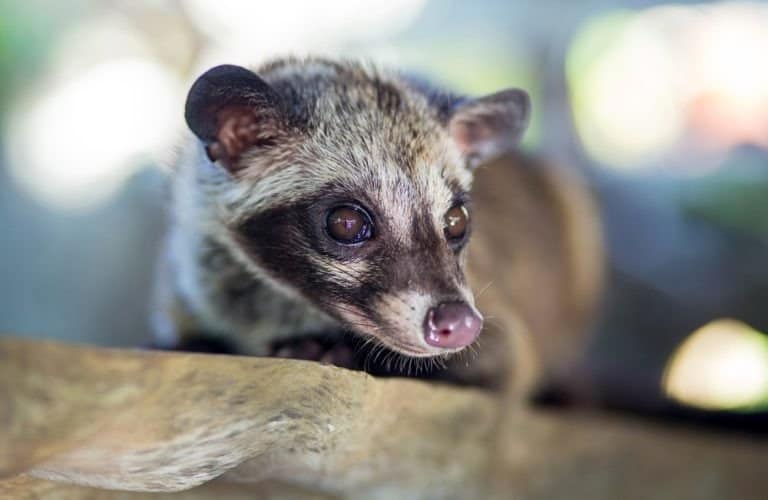
Fruit by night, civet by scent
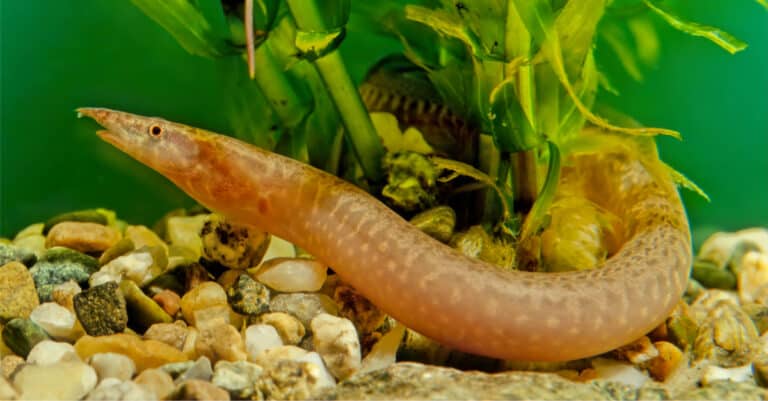
Tire-track camo, night-stalking hunter
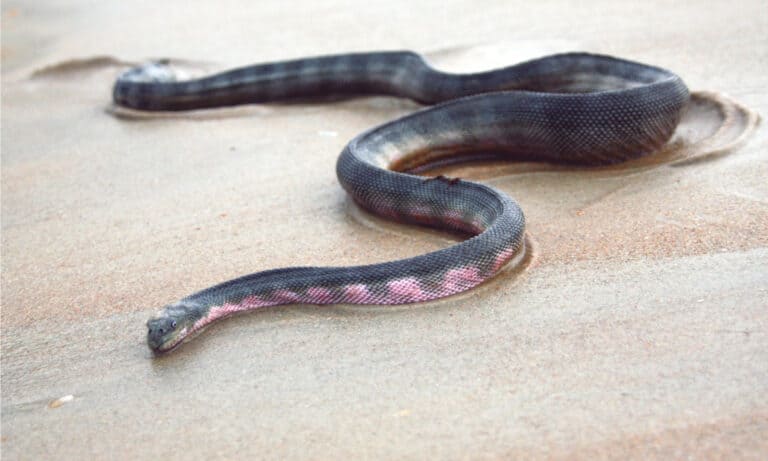
Beaked hunter of muddy coasts
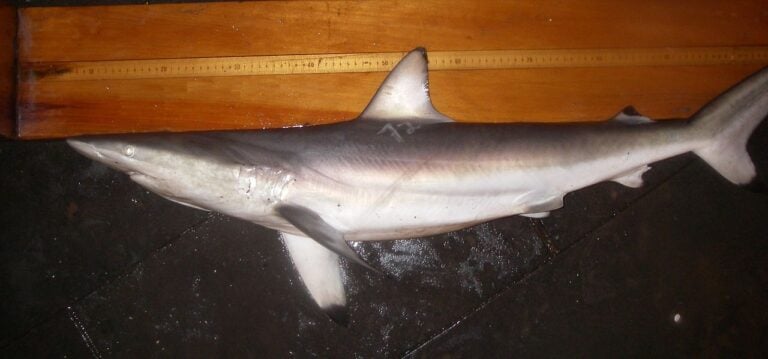
Spin, surge, strike-coastal hunter
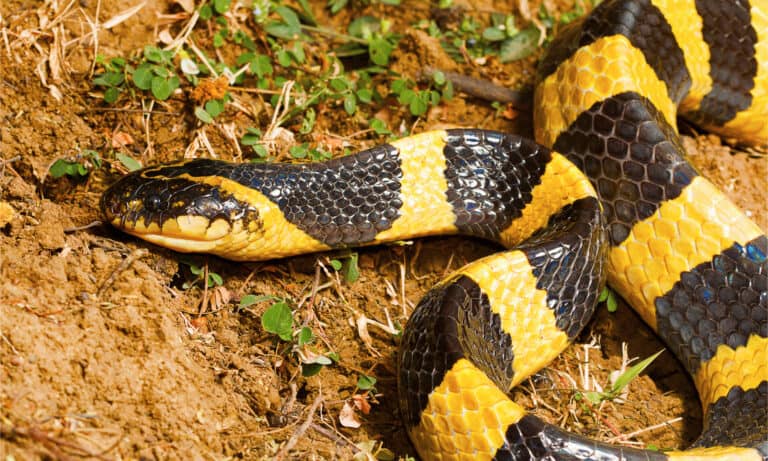
Bold bands, silent danger

Spotted swimmer of Asia's wetlands
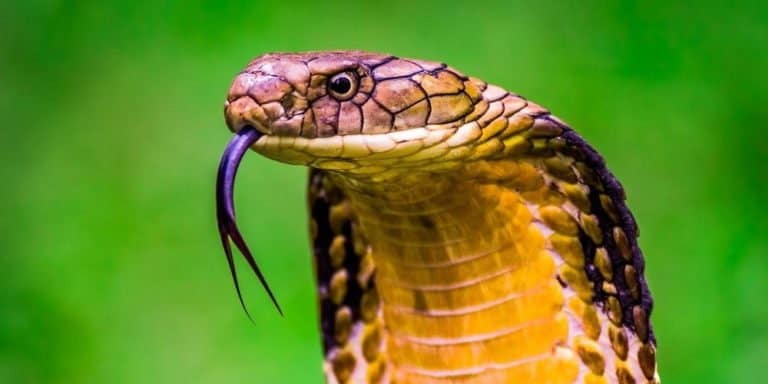
Snake-eater, nest-builder, giant of Asia
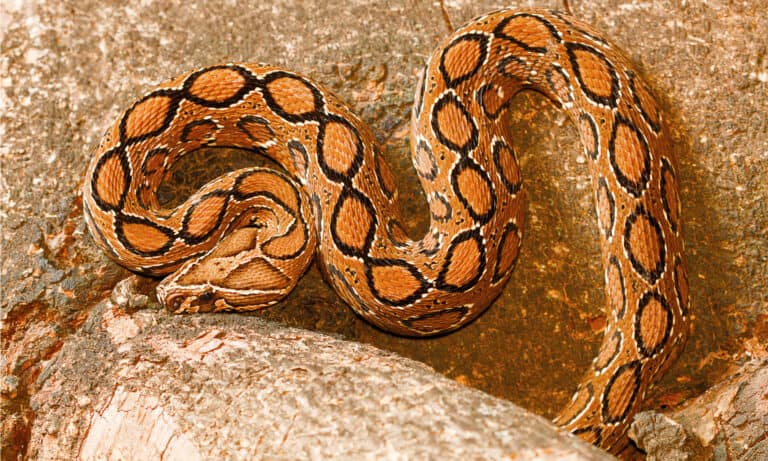
Spots, hiss, and high-stakes venom
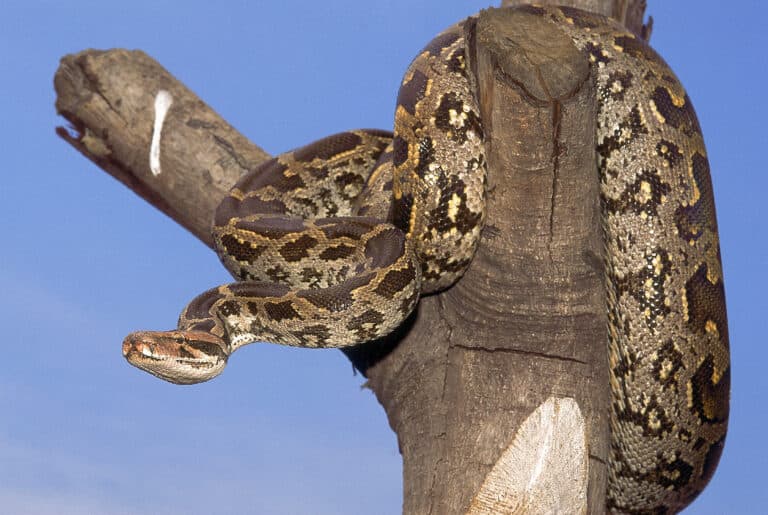
India's river-edge giant constrictor
Odisha's wildlife comes from sharp habitat contrasts in one coastal state: saltwater mangroves and river deltas on the Bay of Bengal, wide wetlands and lagoons, and forested uplands of the Eastern Ghats. This mix supports India's largest wild population of saltwater crocodiles, important olive ridley sea turtle rookeries, and a famed tiger-and-elephant landscape.
Key places hold its life. Bhitarkanika's mangroves and estuary creeks are nurseries for fish and crustaceans and a stronghold for crocodiles, waterbirds, and otters. Sandy beaches and nearshore waters host mass nesting by olive ridley turtles. Chilika Lagoon, a brackish lake, draws migratory waterfowl and Irrawaddy dolphins. In the highlands, Similipal's sal forests, meadows, and streams give space to big cats, elephants, and many birds.
What stands out is how close coastal giants and inland large-mammal forests are—boat safaris and crocodile sightings one day, tiger country the next.
Odisha has a clear east-to-west change: a long Bay of Bengal coast with sandy beaches, estuaries, mangroves, wetlands, and sea-turtle nesting, while inland areas turn into sal and deciduous forests and the hill and plateau systems of the Eastern Ghats. Bhitarkanika, Chilika, Similipal, and Satkosia host many mammals, birds, reptiles, and fish.
Sea level to ~1,672 m (Deomali, Eastern Ghats)
Bay of Bengal coastline of roughly ~480 km, with beaches, estuaries, and nearshore waters influencing coastal and marine-linked wildlife.
Odisha's protected areas include two national parks, Similipal and Bhitarkanika, plus many wildlife sanctuaries, tiger reserves, and wetland and marine protected sites. They protect coastal lagoons and deltas (Chilika, Brahmani-Baitarani), Bhitarkanika mangroves, and the forested Eastern Ghats and plateaus (Similipal-Satkosia). These areas help save tigers, elephants, saltwater crocodiles, sea turtles, and migratory waterbirds.
~5% of Odisha's land area is under legally notified Protected Areas (National Parks + Wildlife Sanctuaries/Conservation Reserves). (Odisha also has much larger forest and wetland landscapes outside PAs that function as corridors and buffer habitat.)
Odisha's flagship forest protected area, combining sal forests, grasslands, and hill streams in a large, relatively intact landscape that supports tigers and a major elephant population; also important for prey recovery and corridor connectivity in northern Odisha.
A globally significant mangrove-and-estuary ecosystem famous for large saltwater crocodiles, rich fish/crustacean nurseries, and exceptional birdlife-one of India's premier coastal wildlife areas.
A dramatic river-gorge landscape on the Mahanadi with mixed deciduous forests and stronghold habitats for large mammals; notable for riverine wildlife and rewilding/conservation focus in the broader tiger reserve.
An important dry deciduous forest and reservoir-edge habitat known for relatively reliable sightings of large mammals and strong protection outcomes; often highlighted for wildlife viewing around the Hirakud reservoir fringes.
A key peri-urban forest near Bhubaneswar that still supports elephants and leopards; important for human-wildlife coexistence management and as a remaining lowland forest block in the coastal plain region.
Eastern Ghats forested hills with waterfalls and dense habitat supporting diverse mammals and birds; valuable as part of the broader Kalahandi-Kandhamal forest matrix.
One of the world's most important mass-nesting (arribada) sites for olive ridley sea turtles; also vital coastal/marine habitat for dolphins, shorebirds, and fisheries productivity.
A premier wintering ground within the Chilika lagoon system, supporting huge congregations of migratory waterfowl and waders; critical for flyway conservation.
A lesser-visited Eastern Ghats sanctuary with rugged forested valleys; important for landscape connectivity and protection of rare mammals in a relatively undisturbed hill setting.
A large, remote forest-and-plateau area in western Odisha valued for wide-ranging mammals and as part of a bigger transboundary forest mosaic; significant for conservation of carnivores and ungulates.
Odisha's wildlife character is shaped by a rare mix of Bay of Bengal coastlines, major river deltas (Mahanadi-Brahmani-Baitarani), vast wetlands (notably Chilika Lagoon), mangroves (Bhitarkanika), and forested hill landscapes of the Eastern Ghats and Similipal. This habitat diversity supports both "big forest" fauna (tiger, elephant, gaur) and globally famous coastal/wetland spectacles-especially mass nesting sea turtles, large estuarine crocodiles, and huge congregations of migratory waterbirds.
Odisha offers some of India's most diverse wildlife viewing in one state: saltwater mangroves and river deltas (Bhitarkanika), mass sea-turtle nesting beaches (Gahirmatha/Rushikulya), vast brackish lagoons packed with wintering birds (Chilika), and forested hill landscapes with big mammals and rich birdlife (Similipal, Satkosia). It's especially rewarding for birders, reptile/mangrove enthusiasts, and travelers seeking iconic coastal-and-forest combinations in a single itinerary.
Mangroves and forests turn lush; water levels in wetlands are high; early winter migrants begin arriving at Chilika; comfortable temperatures for boat trips in Bhitarkanika and hiking/jeep safaris in Similipal. Good all-round wildlife viewing without peak-season crowds.
Best time for Chilika Lake's migratory birds (large mixed flocks across marshes and islands); excellent conditions for dolphin boat trips; crisp mornings in Similipal and Satkosia for mammal activity; generally the most comfortable months for long days outdoors.
As water sources shrink, wildlife concentrates near waterholes in forest reserves, improving sightings (especially in Similipal/Satkosia areas). Olive ridley turtle activity remains strong along key nesting beaches (timing varies by site/year). Days warm up-plan early starts and late afternoons.
Heat is intense, but this can be productive for concentrated wildlife near remaining water in forests; fewer visitors. Best done with a structured plan (shade breaks, early/late safaris) and reliable guides.
Rivers and mangroves surge with life; landscapes are at their greenest, but heavy rain and flooding can limit safaris/road access and reduce visibility. Excellent for travelers prioritizing scenery, amphibians/insects, and rainforest ambience-expect flexible plans.
Odisha has a tropical coast on the Bay of Bengal, river plains and deltas (Mahanadi, Brahmani-Baitarani, Subarnarekha, Rushikulya), big brackish wetlands like Chilika, and forested hills and plateaus of the Eastern Ghats. The land-to-sea mix includes mangroves, estuaries, tidal mudflats, freshwater floodplain wetlands, tropical deciduous forests, and small semi-evergreen patches, supporting Bhitarkanika and Similipal.
The main land biome in much of Odisha is tropical deciduous forests (sal and mixed deciduous), with drier scrub in rain-shadow areas; large blocks in Eastern Ghats and Similipal, fragmented woodlands in plains.
Widespread inland; the largest share of natural terrestrial cover, especially in hill/plateau districts and reserved forest tracts.
Occurs as small, localized moist evergreen to semi-evergreen patches and riparian evergreen stretches in wetter parts of the Eastern Ghats and sheltered valleys; also includes structurally 'rainforest-like' semi-evergreen forest remnants within a broader deciduous matrix.
Patchy and limited; mainly in wetter hill pockets and along perennial stream valleys.
Open forest-grassland mosaics and park-like woodlands, including grassy openings in forest landscapes (e.g., meadows/grasslands within large protected areas) and coastal/inland open habitats maintained by flooding, grazing, fire, or soil constraints.
Local to scattered; embedded within forest landscapes and parts of the coastal/inland plains.
Large river networks, floodplains, reservoirs and oxbow/seasonal wetlands; strong monsoonal flow regime shaping sandbars, riparian belts, and floodplain lakes/pond systems.
Statewide along major basins (Mahanadi system; Brahmani-Baitarani; Subarnarekha; Rushikulya) and associated floodplains/reservoirs.
Extensive deltaic and floodplain wetlands, marshes, swamps, and brackish lagoons; includes globally significant wetland complexes such as Chilika (brackish lagoon) and Bhitarkanika's tidal wetlands/mudflats.
High along the coast and river deltas; also common as inland floodplain/seasonal wetlands during and after monsoon.
Nearshore Bay of Bengal waters with sandy seabeds, estuarine plume zones, and productive coastal fisheries; includes turtle nesting beaches and nearshore feeding areas influenced by river discharge and seasonal currents.
Along the entire Odisha coastline and adjacent continental shelf waters.
Large protected and managed forest tracts in the Eastern Ghats and northern uplands; key tiger/elephant landscapes include Similipal and Satkosia-linked forests (where contiguous habitat remains).
Sal (Shorea robusta) and mixed deciduous forests dominate many hills and plateaus; strong seasonality with leaf-fall in dry months and monsoon-driven regeneration.
Small semi-evergreen/moist evergreen pockets in wetter hill tracts and sheltered valleys; higher canopy complexity and evergreen understory relative to surrounding deciduous forests.
Degraded forest edges, secondary growth, and open-canopy sal/mixed stands forming transition zones between villages/agriculture and denser forests.
Natural and semi-natural grasslands in riverine sandbars, floodplains, coastal stretches, and grassy openings within protected areas; important for grazing and ground-nesting fauna.
Dry scrub and thorny secondary vegetation in rain-shadow or heavily disturbed areas; common on poor soils and around degraded forest margins.
Eastern Ghats hill ranges and associated plateaus/valleys create elevational and microclimatic gradients, with cool moist pockets and rocky slopes supporting distinct plant communities.
Major monsoon rivers (Mahanadi, Brahmani, Baitarani, Subarnarekha, Rushikulya) with braided reaches, riparian belts, and dynamic sandbar habitats.
Chilika Lagoon (brackish, lagoonal 'lake' system) as a flagship; also includes inland reservoirs and natural lakes/large ponds supporting waterbirds and fisheries.
Village tanks and seasonal ponds widely distributed in agrarian landscapes; important for amphibians, waterbirds, and local water storage.
Deltaic/floodplain wetlands and seasonal inundation zones across coastal plains; key bird habitats and flood buffers.
Backswamps and low-lying waterlogged areas in deltas and floodplains, including freshwater and mildly brackish swampy tracts in the coastal plain.
Reedbeds and sedge marshes around Chilika and in floodplain wetlands; critical for migratory waterfowl and nursery habitat for fish.
Bhitarkanika and associated Mahanadi-Brahmani-Baitarani delta mangrove systems, with tidal creeks, mudflats, and high estuarine productivity (noted for salt-tolerant mangrove assemblages and estuarine crocodile habitat).
Large estuaries and tidal creek networks where major rivers meet the Bay of Bengal (e.g., Mahanadi delta complex), driving salinity gradients and nutrient-rich waters.
Long low-lying coastline with dunes, strand vegetation, and coastal wetlands; strong cyclone and storm-surge influence shapes geomorphology and habitat turnover.
Extensive sandy beaches including key nesting areas for olive ridley sea turtles (notably along parts of the Odisha coast such as Gahirmatha/Rushikulya sectors).
Limited and localized compared with sandy coastlines; small rocky/intertidal patches occur around certain headlands and engineered coastal stretches, supporting distinct intertidal assemblages where present.
Coastal Bay of Bengal waters supporting pelagic fisheries and migratory marine fauna; influenced by monsoon-driven upwelling/river plumes seasonally.
Predominantly sandy and muddy continental shelf seabeds offshore from deltas/estuaries; benthic habitats shaped by sediment loads and turbidity.
Intensive rice-based systems in coastal plains and deltas; mixed cropping inland; agriculture strongly coupled to monsoon hydrology and wetland mosaics.
Localized plantations (e.g., cashew on coastal uplands/dunes; timber and fuelwood plantations such as eucalyptus/acacia in some areas) embedded within agricultural/forest matrices.
Urban and industrial-coastal nodes (e.g., Bhubaneswar-Cuttack region, coastal ports) creating fragmented habitats and peri-urban wetlands under pressure.
Similipal is one of the few places on Earth known for repeatedly producing "pseudo-melanistic" (very dark, heavily striped) tigers in the wild-an eye-catching pattern linked to rare genetic variants that show up here more than almost anywhere else.
Irrawaddy dolphins in Chilika are not open-ocean dolphins. They live in a shifting mix of salt and fresh water; the lagoon goes from nearly fresh in monsoon to much saltier in dry season, yet dolphins stay all year.
Bhitarkanika's saltwater crocodiles live deep inside a mangrove-and-river maze, not just along the open coast-so you can see a top marine predator behaving like a riverine animal, basking on creek banks amid mangrove forests.
Odisha hosts highly synchronized olive ridley turtle mass-nesting events, where thousands (sometimes tens of thousands) can come ashore over just a few nights at beaches such as Gahirmatha and Rushikulya.
Chilika's link to the Bay of Bengal—the lagoon's opening—controls fish movement and bird visits. If the mouth shifts or fills with silt, the food web and how local animals act change a lot.
Gahirmatha beach (within the Bhitarkanika-Gahirmatha seascape) is widely cited as the world's largest nesting rookery for olive ridley sea turtles, with mass-nesting events that can involve hundreds of thousands of females in a season.
Chilika Lake is often described as Asia's largest brackish-water lagoon (spreading to roughly ~1,100 km² in the monsoon), and it is India's largest coastal lagoon-making it one of the biggest lagoon ecosystems supporting wildlife in the region.
Chilika supports India's largest lagoon population of Irrawaddy dolphins (a flagship, legally protected species in India), with official counts typically around ~150+ individuals in recent annual censuses.
Bhitarkanika is India's second-largest mangrove ecosystem (after the Sundarbans) and is a national stronghold for estuarine wildlife-especially the saltwater crocodile.
Odisha's coast is one of the world's key olive ridley turtle landscapes because mass nesting is concentrated across multiple sites in one state (Gahirmatha, Rushikulya, and the Devi river mouth), a rare clustering of globally important rookeries.
27 species documented in our encyclopedia
Thank you for reading! Have some feedback for us?
We appreciate your help in improving our content.
Our editorial team will review your suggestions and make any necessary updates.
There was an error submitting your feedback. Please try again.