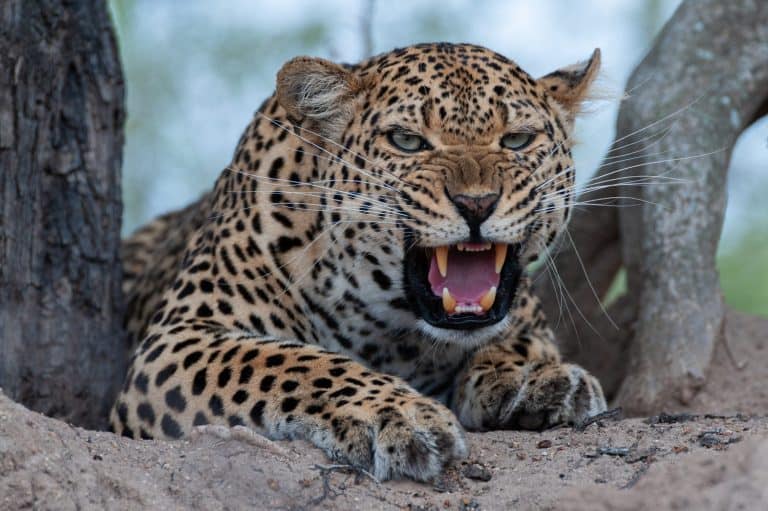
Leopard
Rosettes in the shadows.

Rosettes in the shadows.
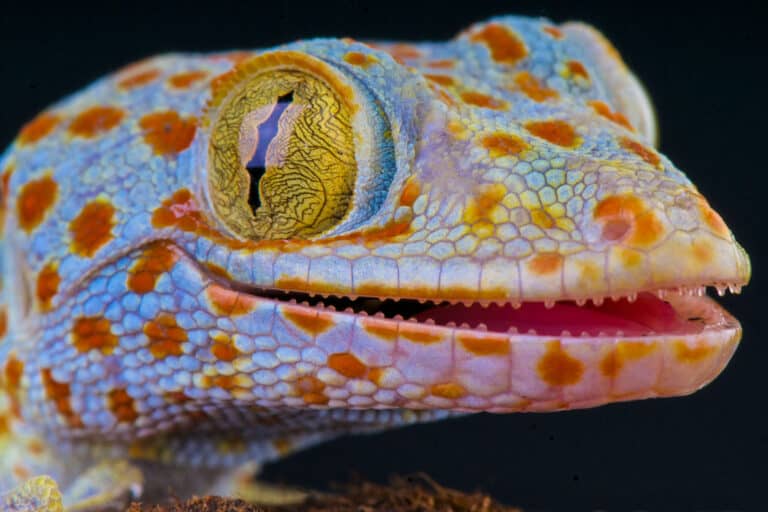
The gecko that shouts and sticks
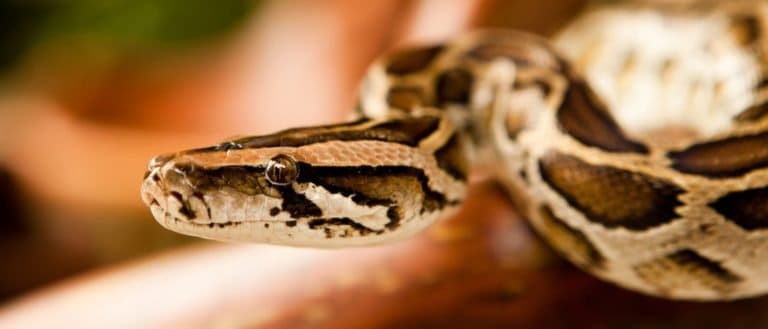
Big, blotched, built to constrict
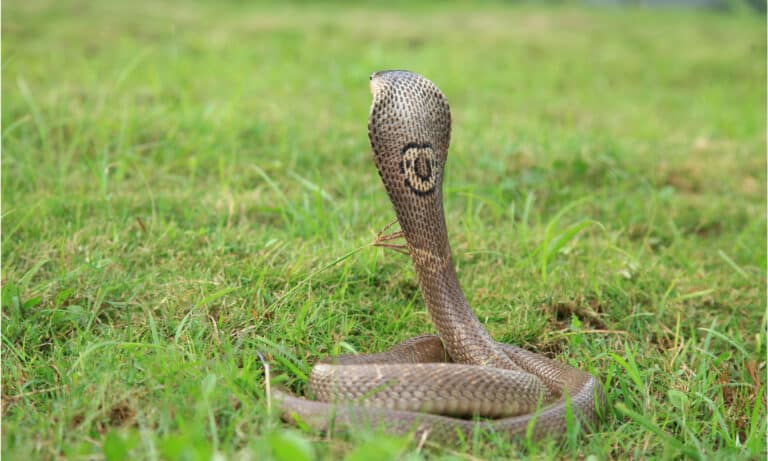
One hood, one warning.
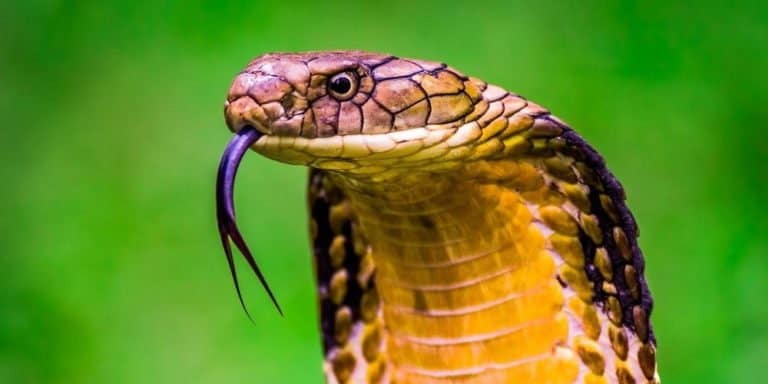
Snake-eater, nest-builder, giant of Asia
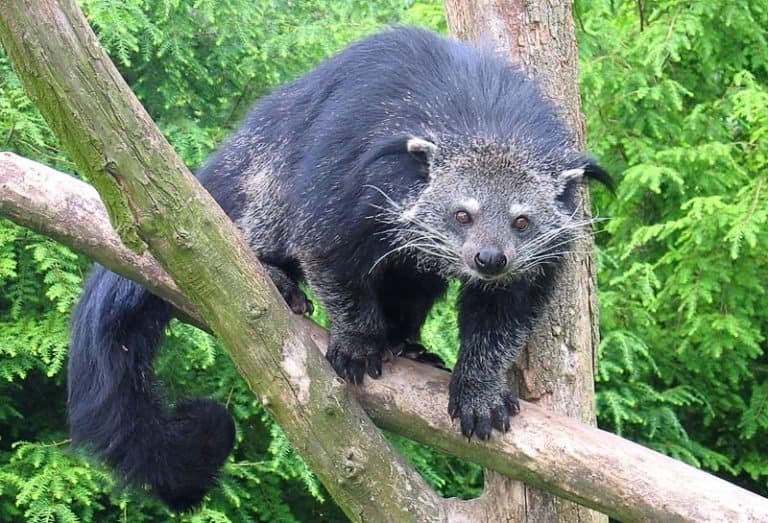
The popcorn-scented canopy climber

Bamboo climber of the cloud forests
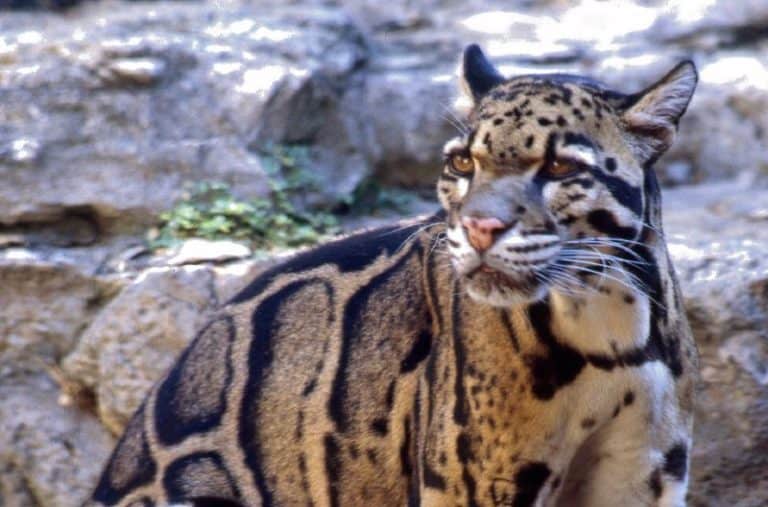
Built for the treetops, cloaked in clouds
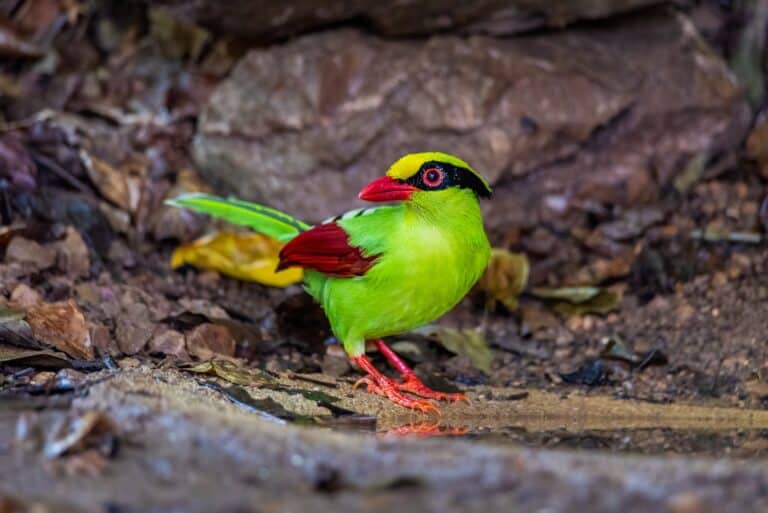
The forest's green flash with a red bill
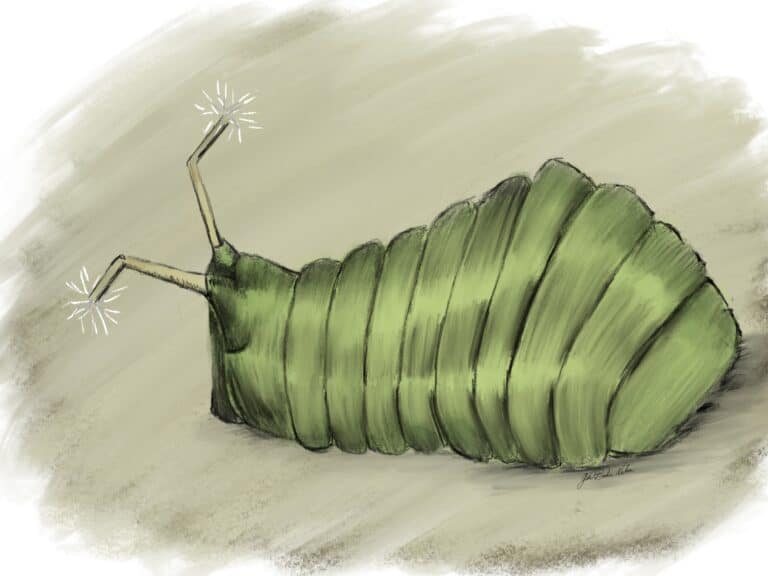
Small larva, big ant allies
Meghalaya lies in the Indo-Burma biodiversity region. Steep green hills, deep gorges, and misty ridges get some of the world’s highest rainfall. This makes very lush subtropical broadleaf forests with many epiphytes, orchids, ferns, and mosses. These forests feed and shelter many mammals, birds, amphibians, and insects. Across the Khasi, Jaintia, and Garo Hills, wildlife changes with elevation: warm lowlands shift quickly into cool, cloudy uplands. Meghalaya is also known for its karst and limestone land—sinkholes, cliffs, and long cave systems. These create special homes for cave life, roosting bats, and moisture-loving frogs. Protected areas like Nokrek and Balpakram guard evergreen forest, bamboo, rivers, and grasslands. The mix of wet hills, caves, and fast habitat change makes wildlife watching close, varied, and alive.
Meghalaya's steep hill ranges, exceptionally high monsoon rainfall, and extensive subtropical broadleaf forests create a mosaic of habitats-from low-elevation river valleys and wet evergreen forest to cooler montane forest and grassland patches. Its karst limestone belts (caves, sinkholes, underground streams) and deep gorges generate strong microclimatic variation, shaping highly localized wildlife distributions typical of the Indo-Burma biodiversity region.
~50 m to 1,961 m (low southern foothills/valleys to Shillong Peak)
Meghalaya lies in the Indo-Burma region with wet subtropical forests, limestone/karst and the Khasi, Jaintia, and Garo Hills. Formal protection is strongest in the Garo Hills for elephants. Khasi-Jaintia have smaller sanctuaries and sacred groves. Priorities: keep elephant corridors, stop breaking up by mining and roads, and protect lowland evergreen and karst forest patches with many endemic and threatened species.
≈4.3% in statutory National Parks/Wildlife Sanctuaries (~971 km² out of ~22,429 km²); higher if broader landscape designations (e.g., Nokrek Biosphere Reserve and the Garo Hills Elephant Reserve) and major community-conserved forests are included.
One of Northeast India's most important large forest parks, Balpakram protects rugged plateau-and-gorge habitats and relatively intact subtropical forests in the South Garo Hills. It is especially significant for wide-ranging megafauna, predator conservation, and maintaining forest connectivity in the Garo Hills landscape.
Core of the Nokrek landscape in the West Garo Hills, this park helps safeguard upper-elevation evergreen forests and serves as a critical refuge within a larger biosphere reserve. It is notable for primates, hornbills, and its role in elephant movement across the Garo Hills forests.
A key protected pocket of lowland-to-hill forest in Ri-Bhoi district, valued for bird diversity and as a habitat island for mammals near human-dominated landscapes. Good for hornbill/forest-bird viewing compared with many more remote sites.
A compact but important Garo Hills sanctuary retaining moist forest and serving as part of the broader habitat network supporting elephants and forest primates; significant as a stepping-stone area amid increasing fragmentation.
Protects forested river valleys and the well-known Siju cave/karst landscape; notable for primates, birds, and bats associated with cave systems, plus its role in the South Garo Hills forest continuum.
A very small but globally significant micro-reserve created to protect Meghalaya's iconic endemic pitcher plant habitat; important as an example of plant-focused conservation in the Garo Hills lowland forest matrix.
A large, multi-use conservation landscape with a protected core (including Nokrek National Park) and surrounding buffer areas. It is crucial for maintaining connectivity across the Garo Hills, supporting elephants, primates, and hornbill-rich forests while integrating community use in surrounding zones.
A landscape-scale elephant conservation designation spanning large parts of the Garo Hills, intended to secure seasonal movement routes and reduce human-elephant conflict. While not uniformly 'no-take', it is a major conservation planning unit for megafauna and corridor protection.
A well-known Khasi Hills sacred grove representing Meghalaya's strong community-based conservation traditions. Despite its small size, it preserves mature forest structure and native biodiversity and serves as an important genetic refuge and education site.
Meghalaya sits in the Indo-Burma biodiversity region and combines very wet, lush subtropical forests with higher-elevation montane habitats across the Khasi, Jaintia, and Garo Hills. Its wildlife character is shaped by steep elevation gradients, extensive community-managed forests/sacred groves, and a major karst/cave landscape that supports rich bat assemblages and specialized cave fauna. Flagship wildlife experiences include primates in evergreen forests (notably hoolock gibbons), large mammals in the Garo Hills landscape (elephants, gaur, big cats), and exceptionally diverse birdlife (hornbills, pheasants, and forest passerines).
Meghalaya has wildlife in subtropical and montane forests, limestone karst, river valleys and cloud forests across the Khasi, Jaintia and Garo Hills. It is strong for birding (Indo‑Burma species), hoolock gibbons and mammals, seen on short treks or dawn drives. Big cats are rare, but visitors find rich forest sounds, butterflies, orchids and monsoon amphibians in protected and community forests.
Best overall for comfortable trekking and clear views. Strong birding season with many resident and some winter visitors; easier trails and lower leech activity. Ideal for early-morning forest walks in Garo Hills and Balpakram approaches, plus riverine birding around lowland forests.
Excellent birding as breeding activity ramps up-more song, displays, and mixed-species flocks. Wildflowers and orchids begin peaking in some zones; butterflies become more noticeable. Conditions are still trek-friendly before the heaviest rains.
Forests turn intensely green and alive; standout time for frogs, salamander-like amphibians, insects, and dramatic river scenery. Expect slippery trails, leeches, and frequent downpours-best for visitors comfortable with wet-weather nature photography and short, guided walks.
Iconic Meghalaya rainfall and cloud-forest atmosphere; prime for amphibian nights, macro wildlife, and misty landscape-nature experiences. Many trails can be challenging or disrupted (landslides/road closures possible). Choose fewer bases, hire local guides, and prioritize safe, short outings.
A sweet-spot month: rivers still full, forests fresh, and access improves. Birding rebounds strongly; good visibility windows return. Great for combining forest wildlife with karst and cave-adjacent habitats (where permitted and safe).
Meghalaya's steep Khasi, Jaintia, and Garo Hills, huge monsoon rains in places like Cherrapunji-Mawsynram, and wide limestone/karst areas create many habitats. These include lush evergreen and semi-evergreen subtropical forests, moist deciduous patches and regrowth, cooler high-elevation broadleaf forests, rivers, wetlands, karst caves, cliffs, and sacred groves in the Indo-Burma region.
Very wet evergreen to semi-evergreen hill forests driven by intense monsoon rainfall; includes dense canopy broadleaf forests, rich epiphytes, and moist ravines, with notable conservation value in sacred groves and less-disturbed hill tracts.
Widespread and often dominant across mid-elevation Khasi-Jaintia and parts of Garo Hills, especially on high-rainfall slopes and sheltered valleys.
Moist deciduous to semi-deciduous forests and mixed forest-scrub mosaics in comparatively drier belts, foothills, and human-influenced areas; often grades into secondary woodland after logging/jhum cycles.
Patchy, mainly in lower elevations/foothill fringes and drier pockets, plus widespread as a regrowth stage around settlements and cultivation zones.
Cooler upper-elevation broadleaf forests and montane forest patches on higher ridges/plateaus (often cloud-influenced); locally includes pine stands and other montane elements where conditions allow.
Localized to higher elevations (notably parts of the Khasi and Jaintia Hills); smaller extent than subtropical evergreen forests.
Fast-flowing hill streams, rivers, waterfalls, and riparian corridors draining to the Brahmaputra and Surma-Meghna systems; supports rich aquatic insects, fishes, and riverine vegetation.
Statewide along dense drainage networks; especially prominent in deeply incised valleys and high-rainfall catchments.
Marshy valley bottoms, floodplain-like pockets in lowlands, seepage wetlands, and small highland wetlands/peaty depressions; important for amphibians, waterbirds, and hydrological buffering.
Scattered and localized-most common in valley bottoms, around lakes/ponds, and in waterlogged hollows on plateaus.
Evergreen/semi-evergreen hill forests with very high rainfall; notable for epiphytes, lianas, and cloud-wet microhabitats (e.g., Cherrapunji-Mawsynram region and moist hill slopes).
Broadleaf-dominated hill forests including sacred groves (e.g., Mawphlang) that preserve old-growth structure and high native plant diversity.
Moist deciduous belts (often sal-associated in suitable lower areas) and mixed deciduous regrowth in more seasonal or disturbed zones.
Open-canopy secondary woodland/forest-scrub mosaics frequently associated with shifting cultivation fallows and edges around villages.
Anthropogenic and semi-natural grasslands on plateaus/ridges and fallow lands; also used as grazing areas and can be fire-influenced.
Early-successional scrub on degraded slopes, landslips, and post-jhum landscapes; important transitional habitat for birds and small mammals.
Steep hill ranges and dissected plateaus (Khasi, Jaintia, Garo) creating strong microclimatic variation and elevational zonation of species.
Karst escarpments and gorge walls with specialized cliff flora and nesting/roosting sites for birds and bats.
Extensive limestone cave systems in Jaintia and Khasi Hills (notable karst landscapes) supporting bat colonies and specialized cave invertebrates.
High-gradient rivers and streams with waterfalls and boulder/cobble substrates; key riparian corridors and fish habitats.
Reservoirs and other standing waters such as Umiam (Barapani) Reservoir and smaller upland water bodies that support waterbirds and fisheries.
Village ponds and small impoundments used for water storage/aquaculture; can provide amphibian breeding habitat.
Seepage wetlands, marshy hollows, and valley-bottom wet areas; important for flood attenuation and amphibian diversity.
Localized marshes along lake margins and waterlogged valley floors with emergent vegetation.
Small, localized peaty/waterlogged depressions in cool, high-rainfall upland settings (where present), with specialized wetland plants.
Terraced and valley agriculture (e.g., paddy in suitable bottoms) plus shifting cultivation (jhum) mosaics shaping extensive edge habitats.
Areca nut, betel leaf, tea (in suitable fringes), and other cash-crop plantations that replace or fragment native forest.
Growing towns (e.g., Shillong) with fragmented green spaces and urban waterways affecting local biodiversity.
Meghalaya's "carnivorous plant" isn't a myth: Nepenthes khasiana lures insects with nectar and a slick pitcher rim, then digests them-an adaptation to nutrient-poor, rain-leached hill soils.
Some Meghalaya amphibians are built for the canopy: the "flying" (gliding) tree frogs of the region (genus Rhacophorus) use oversized webbed feet to parachute between trees rather than climbing down.
Not all of Meghalaya's amphibians look like frogs-caecilians (limbless, burrowing amphibians) live in its saturated soils and are often mistaken for earthworms or small snakes until heavy rains bring them to the surface.
Sacred groves protected by Khasi and Jaintia traditions (e.g., Mawphlang Sacred Grove) function as long-term "micro-reserves," preserving old-growth forest structure and sheltering orchids, frogs, and other moisture-loving forest specialists even where surrounding areas have changed.
Meghalaya's limestone cave systems create a hidden food web: bat roosts (such as those associated with caves like Siju/Dobakkol) deposit guano that supports dense cave invertebrate communities-an entire ecosystem powered by bats rather than sunlight.
Meghalaya's forests host the king cobra (Ophiophagus hannah), the world's longest venomous snake-verified individuals can exceed 5 m in length.
The clouded leopard (Neofelis nebulosa), recorded from Meghalaya's hill forests, holds a feline superlative: it has the proportionally longest canine teeth of any living cat (a "sabre-tooth" look in a modern species).
Meghalaya is one of the strongholds of the western hoolock gibbon (Hoolock hoolock)-one of the two hoolock gibbon species found in India; gibbons are India's only non-human apes.
The Khasi pitcher plant (Nepenthes khasiana) is India's only native pitcher plant-and it's endemic to Meghalaya, making the state the global center of its natural range.
Bhutan glory (Bhutanitis lidderdalii), recorded from parts of Northeast India including Meghalaya's Khasi-Jaintia Hills, is one of the region's largest swallowtail butterflies; adults typically have a wingspan of about 10-12 cm.
21 species documented in our encyclopedia
Thank you for reading! Have some feedback for us?
We appreciate your help in improving our content.
Our editorial team will review your suggestions and make any necessary updates.
There was an error submitting your feedback. Please try again.