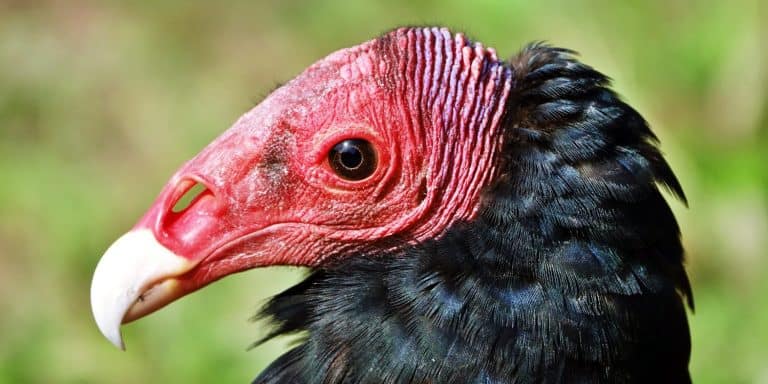
Red-Headed Vulture
Red crown of the carrion cleaners

Red crown of the carrion cleaners
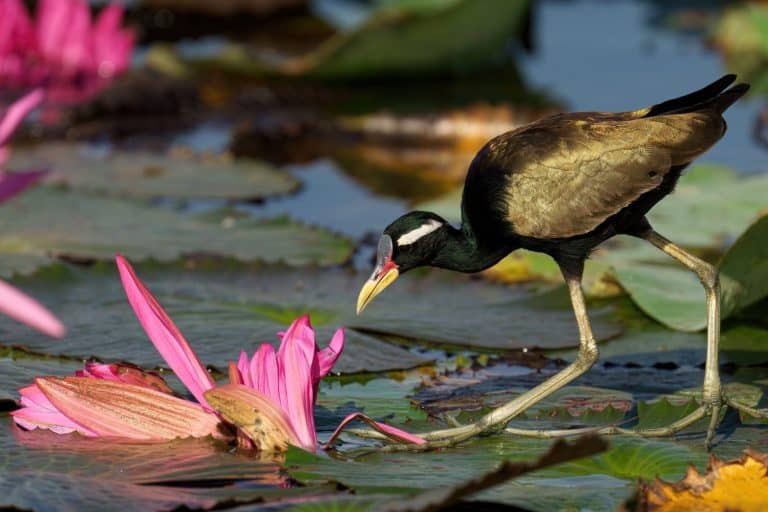
Bronze wings, lily-pad footsteps
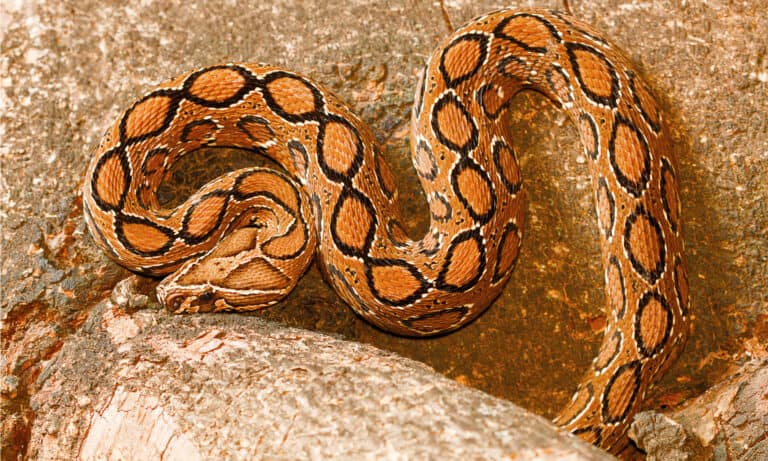
Spots, hiss, and high-stakes venom
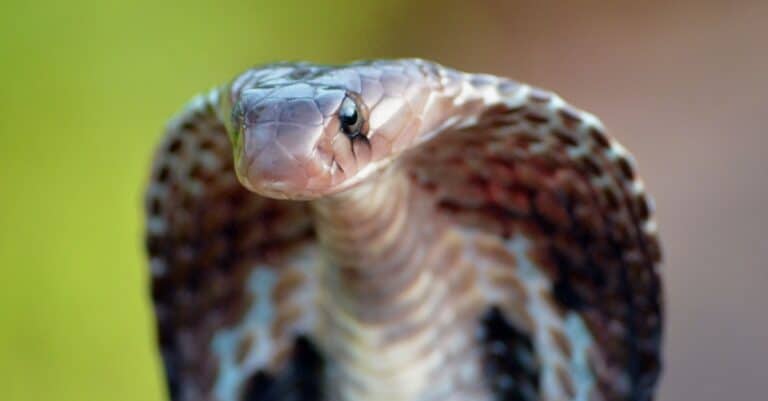
Hood up: the spectacled sentinel
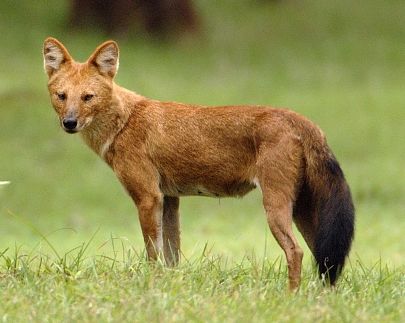
The Whistling Pack Hunter of Asia
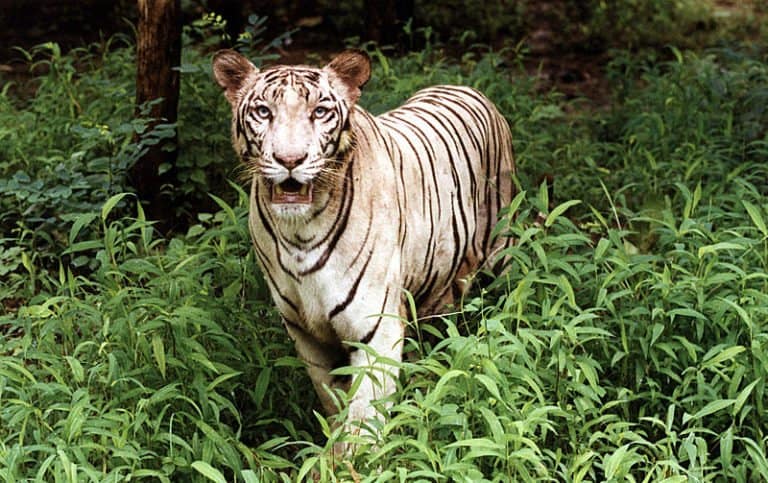
Rare coat, real Bengal tiger
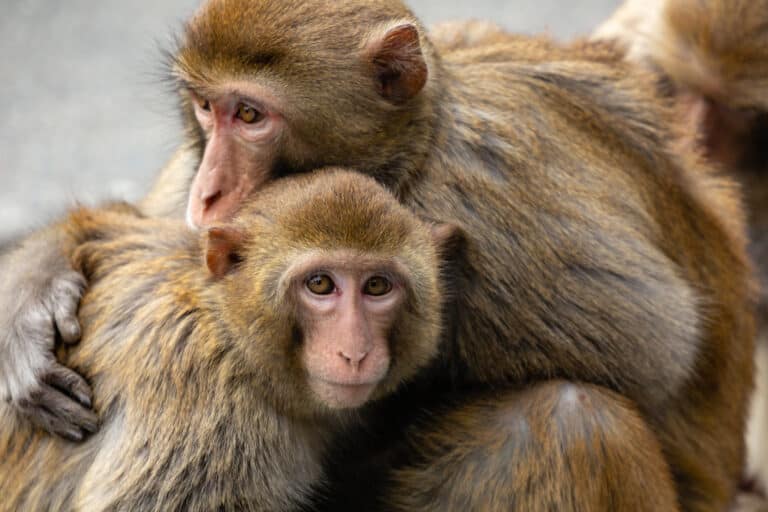
Street-smart primate, social to the core
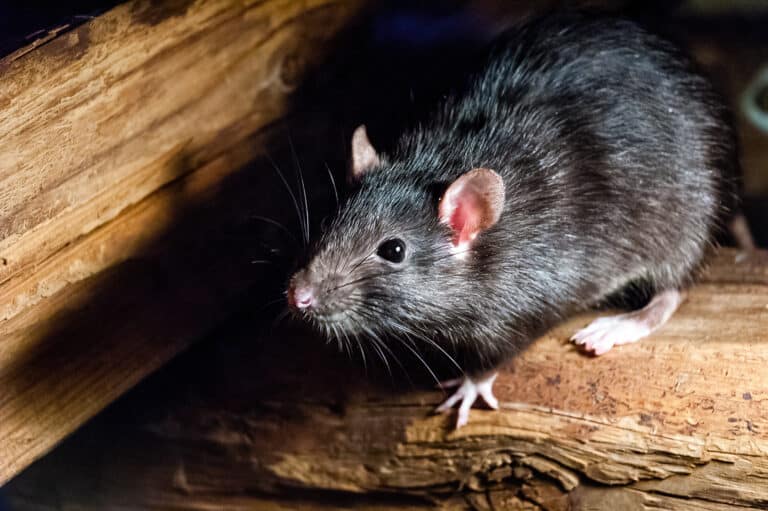
Ports, palms, and perfect climbing.
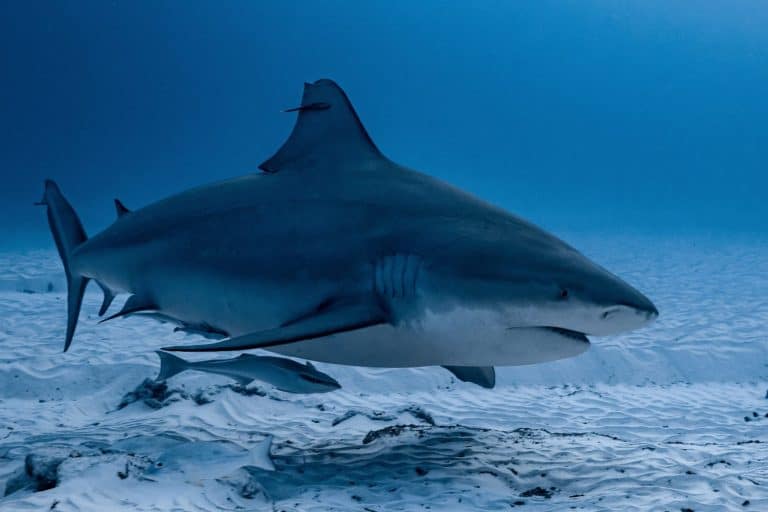
Master of Sea and River
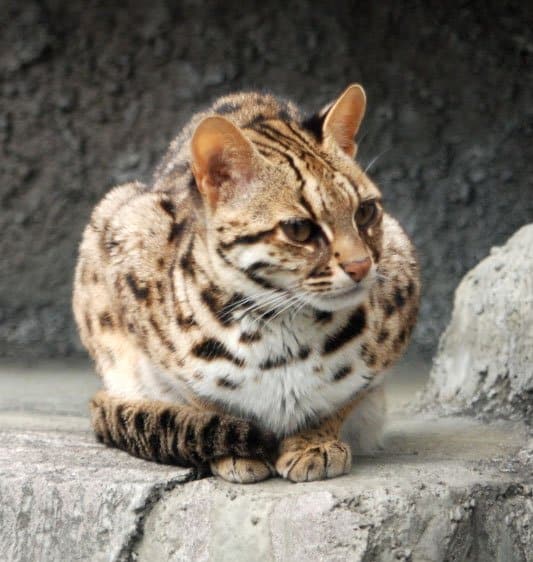
Asia's adaptable little spotted hunter
Maharashtra has strong natural contrasts: the wet, rainforest-edged Konkan coast, the steep Western Ghats, and the drier Deccan Plateau. This range of land supports many wildlife — big cats like tigers and leopards, animals found only here such as some frogs and reptiles, and thousands of migratory shorebirds, often near cities. Centuries of farming and other land use have made a patchwork of forest, farms, scrub and wetlands where wildlife lives alongside people. The Western Ghats hold the state’s richest life, with evergreen and semi-evergreen forests, lateritic plateaus and monsoon-fed streams key for endemic reptiles, amphibians and invertebrates. Inland, dry deciduous forests and river valleys are core tiger and leopard areas; Deccan grasslands and scrub support raptors. On the Arabian Sea coast, estuaries, mangroves, mudflats and saltpans draw waterbirds like flamingos. This rare mix of Ghats biodiversity, coastal birding and near-city nature defines Maharashtra.
Maharashtra has a strong west-to-east change: the wet Western Ghats and Konkan coast have evergreen and semi-evergreen forests, mangroves, estuaries, and lateritic plateaus. The drier Deccan Plateau has dry deciduous forests, scrub, grasslands, and farms. This makes distinct habitat areas: Ghats endemics and rainforest animals in the west; tigers, leopards, sloth bears, gaur, and migratory waterbirds in central and east.
Sea level to ~1,646 m (Kalsubai peak, Sahyadris)
Arabian Sea coastline (Konkan) ~720 km, with estuaries and significant mangrove systems around the Mumbai-Thane Creek region and other river mouths
Maharashtra's protected areas cover two wildlife regions: the Western Ghats/Sahyadri and Konkan coast (evergreen and moist-deciduous forests, plateaus, mangroves) and the inland Deccan Plateau and Vidarbha (dry deciduous teak-bamboo forests, grasslands, wetlands). National Parks, Sanctuaries and Tiger Reserves protect tigers, leopards, dholes and key forest corridors. Wetlands like Navegaon and grasslands near Nannaj are vital for birds.
~5-7% of Maharashtra's land area is under formal protected areas (national parks + wildlife sanctuaries/conservation reserves; tiger reserves largely overlap these).
Maharashtra's most renowned tiger-viewing landscape, with high-quality dry deciduous forest, waterholes, and strong protection that supports dense populations of large predators and prey.
A globally rare, large protected forest embedded within a major metropolis (Mumbai), notable for urban-edge leopard ecology, rich birdlife, and accessible wildlife viewing in moist-deciduous habitats.
A key Satpura-range stronghold for tigers and large mammals, with rugged hills, teak forests, and relatively intact wilderness supporting wide-ranging carnivores.
Western Ghats protected forests forming part of a larger landscape with Koyna, important for connectivity, watershed protection, and recovery of large mammals in the Sahyadri Tiger Reserve landscape.
A Vidarbha park centered on forest-and-wetland habitats, notable for wintering and resident birds around the lake system and good chances of seeing dry-forest mammals.
Dry deciduous teak forest around the Pench River on the Maharashtra-Madhya Pradesh border; part of the Pench Tiger Reserve landscape supporting tigers, leopards, and a strong prey base.
Western Ghats montane forests and sacred-grove landscapes; a flagship site for endemic and threatened Western Ghats fauna and a major watershed area near Pune.
One of the best Western Ghats landscapes in Maharashtra for gaur and forest biodiversity; important for connectivity toward the southern Sahyadri forests and for hornbill-rich habitats.
A critical (though highly fragmented) Deccan grassland system, important for conserving one of India's most threatened birds and associated grassland wildlife.
Northern Western Ghats forest near the Mumbai-Thane region, valuable as a peri-urban wildlife refuge and corridor-like habitat supporting leopards and ungulates.
Maharashtra's premier tiger reserve, combining core and buffer forests with strong tourism management; supports high predator density and robust prey base in dry deciduous habitats.
A large Satpura landscape with extensive wilderness, important for long-term tiger conservation, genetic connectivity, and protection of hill forests and river catchments.
Western Ghats tiger reserve focused on restoring large carnivores and maintaining one of Maharashtra's most intact evergreen/moist-deciduous forest blocks and corridors.
A Vidarbha dry-forest tiger landscape linking multiple protected blocks, known for good biodiversity, bird-rich wetlands nearby, and emerging big-cat conservation value.
Maharashtra spans two of India's most wildlife-rich regions: the Western Ghats (a global biodiversity hotspot with evergreen/semi-evergreen forests, lateritic plateaus, and high amphibian/reptile endemism) and the Deccan Plateau (dry deciduous forests, scrub, and grasslands). Its Konkan coast adds mangroves, estuaries, and nearshore marine habitats. The state's wildlife experience is defined by big cats and large herbivores in Vidarbha and Satpura landscapes (e.g., Tadoba, Melghat), Western Ghats forest endemics (e.g., giant squirrel, hornbills, endemic frogs), and major wetland/coastal bird spectacles (notably flamingos around Mumbai).

Maharashtra has three wildlife zones: Konkan (mangroves, estuaries, sea cliffs, beaches), the Western Ghats (evergreen forests, rich birds and mammals), and the Deccan Plateau (dry forests, grasslands, tiger country). Visitors can do tiger and leopard safaris, birding, coastal walks, firefly nights and seasonal sea turtle nesting, from Mumbai, Pune, Nagpur, Nashik or Aurangabad, with protected areas and community nature tourism.
Best overall wildlife season: cool temperatures, high visibility, and peak birding. Expect strong chances for tiger/leopard sightings on jeep safaris in major reserves, large congregations of migratory waterbirds at wetlands (e.g., Nandur Madhmeshwar), and comfortable coastal/mangrove boat trips around Mumbai and Konkan.
Best for big mammals: animals concentrate near water, increasing chances of tiger, leopard, sloth bear, gaur, and wild dog sightings in dry deciduous forests (Tadoba-Andhari, Pench, Navegaon-Nagzira). Weather is hot; plan early-morning and late-afternoon safaris and hydrate.
Lush landscapes and peak amphibian/reptile activity in the Western Ghats; dramatic waterfalls and forest scenery. Many core safari zones in tiger reserves may close or run limited routes, but this is prime for monsoon-special birding, macro/wildflower walks, and the famous firefly season around parts of the Ghats (typically late May-June in some areas).
Forests are green and fresh; wildlife disperses but viewing remains good as roads reopen and water is still available. Excellent time for landscape-and-wildlife photography, early migrant bird arrivals at wetlands, and comfortable trekking/nature trails in the Ghats and Satpura foothills.
Maharashtra has a strong wet-to-dry gradient from the humid Konkan coast and Western Ghats to the drier Deccan Plateau. This yields evergreen and semi-evergreen Ghats forests, tropical dry deciduous and thorny woodlands, open grasslands and savanna-like areas, major rivers and Arabian Sea coasts. Urban-industrial growth around Mumbai-Pune and large farming (sugarcane, cotton, soybean, pulses) alter habitat links and wetland health.
Evergreen to semi-evergreen forests on the windward Western Ghats (Sahyadris) and in sheltered, high-rainfall valleys; includes dense canopy, lianas/epiphytes in wetter pockets, and high endemism typical of the Ghats.
Patchy but important along the Western Ghats crest/slopes and select Konkan foothills; most continuous in protected hill tracts.
Tropical dry deciduous forests (often teak-dominated) and drier mixed forests cover much of the Deccan Plateau and eastern districts. Long dry seasons make trees drop leaves. People use fuelwood, graze, and fires occur.
Widespread across the interior plateau and many hill ranges outside the wettest Ghats belt; forms the largest forest biome footprint in the state.
Open, seasonally dry grassland-woodland systems and thorny savanna-like mosaics on the Deccan Plateau, including grazing landscapes and open plains; supports grassland specialists where intact.
Scattered across plateau districts and rain-shadow zones; often interspersed with agriculture and dry deciduous woodland.
Large monsoonal river systems (e.g., Godavari, Krishna-Bhima, Tapi) with seasonal floodplains, reservoirs, and irrigation canals; important for fisheries, waterbirds, and riparian corridors.
Statewide along major basins and dam/reservoir networks; highest surface-water extent during and after monsoon.
Estuaries and creeks along Konkan; mangrove belts around Mumbai-Thane and other coastal embayments; inland marshes, seasonal ponds, floodplain wetlands, and urban lakes used by migratory and resident waterbirds.
Concentrated along the Konkan coast (estuaries/mangroves) plus dispersed inland around rivers, tanks, and urban/peri-urban waterbodies.
Arabian Sea nearshore waters, continental shelf habitats, and coastal productivity influenced by monsoon-driven upwelling and estuarine nutrient inputs; supports fisheries, marine mammals, sea turtles (regionally), and seabirds.
Along the entire Konkan coastline and adjacent shelf waters; strongest ecological coupling near estuaries and major bays/creeks.
Mixed forest landscapes spanning Ghats and plateau; includes protected areas (e.g., Tadoba-Andhari, Melghat, Pench interface zones) and community/production forests.
Evergreen/semi-evergreen Western Ghats patches with high humidity and layered canopy; key biodiversity and watershed areas in the Sahyadris.
Dry and moist deciduous forests (often teak and mixed species) common across interior Maharashtra; important tiger, leopard, sloth bear, and ungulate habitat in several reserves.
Open-canopy dry woodlands and thorny tree cover in rain-shadow and heavily used landscapes; often a matrix around farms and villages.
Deccan plateau grasslands and open plains (including parts of Solapur-Ahmednagar belt and other plateau tracts); critical for ground-nesting birds and raptors where not converted.
Thorn scrub and degraded dry forest edges on the plateau; common under grazing/fire pressure and on poorer soils.
Western Ghats escarpment and associated hill ranges (Sahyadris), with steep elevational gradients, headwater streams, and orographic rainfall effects.
Basaltic/rock-cut cave systems and natural cavities in the Deccan Traps (e.g., Ajanta-Ellora region and other hill complexes), used by bats and cave-adapted fauna.
Lateritic and basalt cliffs and escarpments of the Ghats and coastal headlands; nesting/roosting sites for birds and bats, with specialized cliff vegetation in places.
Major rivers (Godavari, Krishna-Bhima, Tapi and tributaries) with riparian strips, sandbars, and seasonal flow pulses; strong monsoon seasonality.
Natural and artificial lakes/reservoirs (including large dams on Krishna/Godavari/Tapi systems) that support fisheries and waterbird congregations.
Village tanks, farm ponds, seasonal monsoon pools, and urban ponds; important amphibian breeding sites and stepping-stone wetlands.
Floodplain wetlands, marshy lowlands, seasonal inundation zones, and urban wetlands; variable hydroperiod tied to monsoon and water management.
Shallow, emergent-vegetation wetlands along floodplains and lake margins; key for waterfowl and waders, especially in winter.
Mangrove forests in Konkan creeks and bays, especially around Mumbai-Thane creek systems and other estuaries; nursery habitat for fish/crustaceans and coastal protection.
Tidal estuaries and creek networks along the Konkan (river mouths and backwaters) with strong salinity gradients and mudflats.
Konkan coastal belt with a mosaic of beaches, rocky headlands, creeks, dunes (localized), and coastal plains under high human pressure in cities and ports.
Sandy beaches along the Arabian Sea coastline; important for shorebirds and coastal recreation, with localized turtle use in the broader region.
Rocky intertidal stretches and headlands (notably around coastal hill promontories) supporting intertidal communities and nearshore fisheries.
Continental shelf seabed habitats (sand/mud/rock) supporting demersal fish and invertebrates; influenced by trawling and coastal inputs in places.
Major urban-industrial ecosystems (Mumbai MMR, Pune, Nagpur, Nashik, Aurangabad/Chhatrapati Sambhajinagar) with fragmented green spaces, modified waterways, and heat-island effects.
Rapidly expanding peri-urban zones around Mumbai-Pune and tier-2 cities; high interface with forests, hills, and wetlands, often driving fragmentation.
Extensive croplands on the plateau and river valleys (sugarcane belts, cotton/soybean/pulses, horticulture) creating a dominant habitat matrix.
Horticultural and tree plantations in parts of Konkan and plateau (e.g., mango, cashew, coconut locally; teak/eucalyptus in some areas), varying in biodiversity value.
Mumbai has a resident big-cat population: **leopards live and breed in SGNP** and routinely move through the city's edge habitats (Aarey-SGNP landscape), making this one of the best-known examples of a **large carnivore persisting inside a dense urban region**.
A meteor impact created a wildlife oddity in Maharashtra: **Lonar Lake (Buldhana)** is a **saline-alkaline crater lake** in basalt where the water can shift **pink/green** due to blooms of **halophilic microbes and algae**-a striking, biology-meets-geology phenomenon.
Maharashtra's coast hides coral: the **Malvan Marine Sanctuary** (Sindhudurg) protects **shallow coral and rocky-reef communities**-a habitat many visitors don't expect along the state's tourism-heavy Konkan shoreline.
Maharashtra's state animal, the Indian giant squirrel, lives in the Western Ghats canopy. It makes many football-sized leaf nests (dreys) high in trees and leaps long gaps like a small primate.
The **Kaas Plateau (Satara)**-part of the Western Ghats-turns into a short-lived "super bloom" landscape after the monsoon, with **hundreds of wildflower species** appearing in a narrow seasonal window; many are **tiny, easily missed** unless you're looking closely at ground level.
Maharashtra's tiger comeback is record-scale: the All India Tiger Estimation 2022 counted **444 tigers** in the state-its **highest-ever** estimate and a jump of more than **4×** from **103 (2006)**.
**Melghat Tiger Reserve** (Amravati) is **Maharashtra's largest tiger reserve** at about **2,768 km² (core + buffer)**.
**Sanjay Gandhi National Park (SGNP)** is an unusually large protected forest **inside a megacity**: about **103 km² within Mumbai**, making it one of the world's biggest national parks located within a major metropolitan area.
The **Thane Creek Flamingo Sanctuary** (notified **2015**) regularly hosts **six-figure winter flocks** of **greater and lesser flamingos**-often **100,000+ birds**-making it one of India's most concentrated, city-adjacent flamingo gatherings.
64 species documented in our encyclopedia
Thank you for reading! Have some feedback for us?
We appreciate your help in improving our content.
Our editorial team will review your suggestions and make any necessary updates.
There was an error submitting your feedback. Please try again.