
Tire Track Eel
Tire-track camo, night-stalking hunter

Tire-track camo, night-stalking hunter

Bamboo climber of the cloud forests
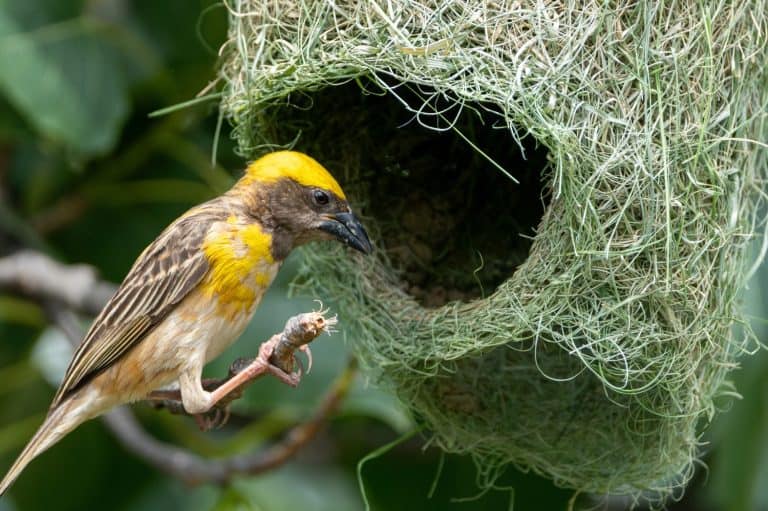
Hanging-nest genius of the monsoon
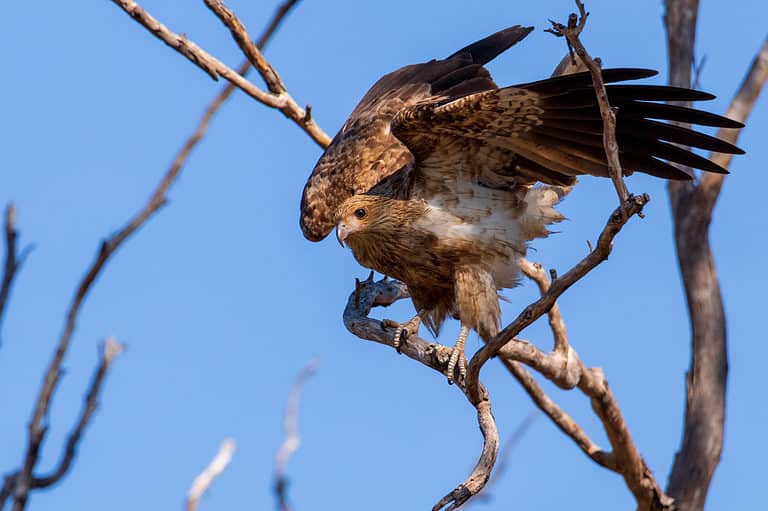
Smoke-follower of the savannas
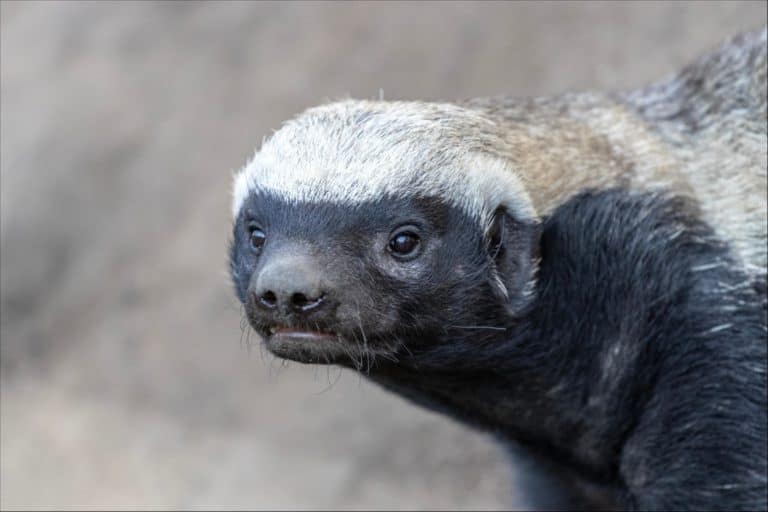
Small mustelid. Big attitude.
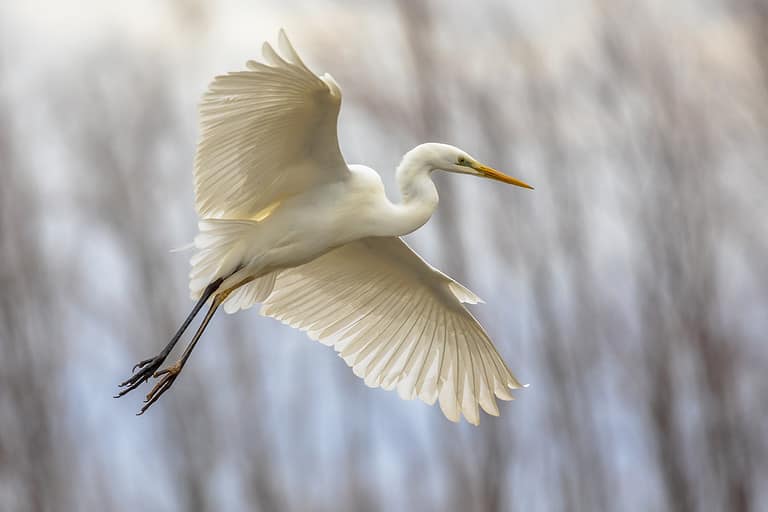
Big white hunter of the wetlands
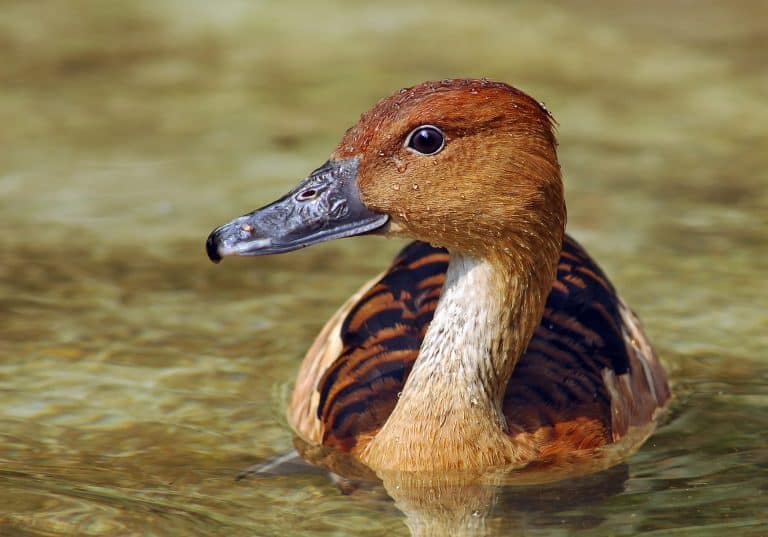
Tawny flocks, whistled calls
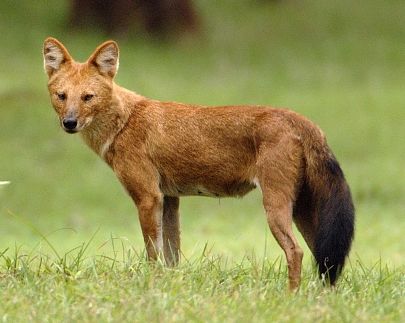
The Whistling Pack Hunter of Asia

Hood up: the spectacled sentinel

Striped minnow, giant science impact
West Bengal's wildlife covers a huge range in one state: cool Himalayan foothills and temperate forests in the north, wide alluvial plains and river wetlands in the middle, and the Sundarbans mangrove forest on the Bay of Bengal in the south. These sharp habitat changes over short distances bring together Himalayan, Indo‑Gangetic, and coastal species near people and farms. Key areas are the Eastern Himalaya around Darjeeling‑Kalimpong and the Dooars‑Terai, where moist forests and grasslands hold elephants, gaurs, leopards, and small pockets of red panda. The central Ganges plains and wetlands host many waterbirds, otters, and freshwater turtles. The Sundarbans’ brackish creeks, mudflats, and mangrove islands are a global stronghold for tigers and estuary wildlife. What makes it special is the short "Himalaya‑to‑mangrove" trip—from rhododendron and oak forests to tidal forests where tigers swim between islands, and the Sundarbans' boat‑based, tide‑timed wildlife watching.
West Bengal runs north to south from the Eastern Himalayan foothills to the Ganges-Brahmaputra delta, creating many habitats: high Darjeeling forests, subtropical riverine forests and grasslands in the Terai-Dooars, crowded Gangetic plains with oxbow lakes and marshes, and the Sundarbans tidal mangroves. Rivers and monsoon floods shape wildlife ranges and migration.
Sea level to ~3,636 m (Sandakphu, Darjeeling district)
Bay of Bengal coastline along the Ganges delta and coastal plains (approximately 150-160 km), including estuaries and tidal mudflats that grade into the Sundarbans mangroves.
West Bengal's protected areas cover two major zones: Eastern Himalaya in the north (montane, subalpine forests) and the Ganges-Brahmaputra delta in the south (Sundarbans mangroves and estuaries). Areas include National Parks, Wildlife Sanctuaries, Tiger Reserves and Ramsar wetlands. Priorities: Bengal tiger in the Sundarbans, elephants and rhinos in Terai-Dooars, and wetlands for migratory waterbirds.
≈7-8% of West Bengal's land area is within notified Protected Areas (National Parks/Wildlife Sanctuaries/Tiger Reserve cores & buffers; approximate, depending on boundary/accounting method).
Part of the Sundarbans-the world's largest mangrove forest (shared by India and Bangladesh)-and India's iconic mangrove tiger landscape; exceptional estuarine biodiversity with frequent crocodile, deer, and bird sightings by boat.
Terai floodplain grasslands and riverine forests-one of India's best places for Indian one-horned rhinoceros viewing, plus strong elephant presence and rich birdlife.
Compact but wildlife-dense Dooars park with grasslands and moist deciduous forest; renowned for rhino, elephant herds, and high chances of ungulate sightings from watchtowers/jeep routes.
One of the most pristine, road-poor temperate-subtropical forest blocks in the Eastern Himalaya; important for rare carnivores and pheasants, with strong watershed value.
High-elevation ridge and rhododendron-oak forests along the India-Nepal frontier; famous for red panda habitat and panoramic trekking routes with notable alpine fauna.
Large forested landscape on the Bhutan border with elephants, big cats, and high habitat connectivity; key for conservation of the North Bengal forest corridor.
Important Himalayan foothill and riverine mosaic near Siliguri; valued for elephants, leopards, and strong bird diversity across multiple forest types.
Small but highly productive Dooars habitat frequently used by elephants and gaur; functions as a key linkage near Gorumara-Jaldapara landscapes.
Notable lowland wetland/riverine habitat best known for large seasonal waterbird breeding/roosting concentrations; important for birdwatching and wetland conservation.
India's premier mangrove tiger reserve (core + buffer around the National Park), protecting a unique tidal ecosystem and providing critical tiger, crocodile, and estuarine fish nursery habitat.
Tiger reserve on the Bhutan foothills with extensive forests and river valleys; conservation value is high for landscape connectivity, elephants, and wide-ranging carnivores.
Internationally recognized wetland system that supports large numbers of waterbirds and fish biodiversity while functioning as a vast urban wetland complex; high conservation importance despite heavy human use.
West Bengal packs exceptional biodiversity into a narrow north-south gradient: alpine and temperate Himalayan forests (Darjeeling-Singalila), moist deciduous sal/riverine forests and grasslands of the Terai-Dooars (Jaldapara, Gorumara, Buxa), vast floodplains and wetlands (East Kolkata Wetlands, Raiganj/Kulik), and the Sundarbans-the world's largest mangrove ecosystem on the Bay of Bengal. This mix supports classic 'big game' (tiger, elephant, rhino), rich birdlife (wetlands and Himalayan migrants), strong reptile diversity (crocodiles, turtles, snakes), and high freshwater/brackish fish diversity across the Ganges delta.


West Bengal has varied wildlife viewing: Himalayan foothill forests (red panda country), Terai grasslands with rhino and elephant, tea-garden forests with big cats, river wetlands full of winter waterbirds, and the Sundarbans mangroves where tigers are seen by boat. Trips mix jeep and boat safaris, bird walks, canopy views, and community tours, often in a week circuit.
Peak all-around season. Crisp weather in North Bengal (Dooars/Darjeeling hills) and comfortable boat travel in the Sundarbans. Best winter birding statewide at wetlands, lakes, and coastal mudflats (migratory ducks, waders, raptors and large congregations). High demand for permits/boats and popular lodges; book early.
Excellent for forest birding and mammal viewing in North Bengal before heat builds-active songbirds, mixed hunting flocks, and good visibility in sal forests. Pleasant hiking conditions around Singalila/Neora Valley edges. In wetlands, migrant numbers taper but resident herons, storks and raptors remain strong.
Hot and humid in the plains and delta; wildlife often concentrates near water, which can improve sightings of elephants, gaur and deer in Dooars/Jaldapara during cooler hours. Great time for photographing dramatic skies and lush landscapes if you can handle the heat. Afternoon thunderstorms are common; plan early-morning activities.
Lush and dramatic but hard to travel. Forest roads and trails can be closed or rough; leeches are common in hill forests. Rivers rise, affecting boats and mangrove visibility. This is the key season at Kulik Bird Sanctuary (Raiganj) when storks and other waterbirds are nesting. Best for greenery, frogs, reptiles, butterflies, and photography - not first-time big-game viewing.
Forests re-open and look their freshest; comfortable temperatures return. Good time for Sundarbans cruises before peak winter crowds. Early migrants start arriving to wetlands; visibility improves, and landscapes are photogenic across North Bengal and the delta.
West Bengal has big change from north to south: Himalayan Darjeeling (cool to alpine), foothills and Terai floodplains, farmed Lower Gangetic alluvial plains, and the Ganges-Brahmaputra delta. Vegetation shifts from montane broadleaf and conifer forests to sal forests and mangrove delta, with floodplains, oxbow lakes, and wetlands like the Sundarbans and East Kolkata Wetlands, amid a crowded landscape.
Montane temperate broadleaf and mixed forests in the Darjeeling Himalaya (oak-laurel-rhododendron belts) and higher elevation conifer stands (fir/hemlock/spruce elements locally) on cooler slopes and ridgelines.
Patchy but significant in the northern hill districts (Darjeeling/Singalila-Neora Valley belt), generally above the subtropical zone.
Alpine shrublands and meadows near the highest ridges along the Darjeeling-Sikkim border (e.g., Singalila Ridge), with short growing seasons, high winds, and strong frost/snow influence.
Small, highest-elevation pockets on ridge tops and upper slopes in the extreme north.
Very moist evergreen to semi-evergreen forests in the humid Himalayan foothills and north Bengal (high rainfall areas), including dense, multi-layered canopies with lianas and rich understories in protected tracts.
Localized in the wetter foothill/duar tracts and ravines of north Bengal; limited extent compared with plains agriculture.
Moist-to-dry deciduous forests (notably sal-dominated stands) in the western and south-western parts (lateritic plateau fringe), with pronounced dry-season leaf drop and frequent human use/fragmentation.
Mainly in western West Bengal (Purulia-Bankura-Jhargram belt and adjoining tracts); now highly fragmented.
Terai-Duar alluvial floodplain grasslands by Himalayan foothills and rivers are kept by seasonal floods, sediment, and past grazing and fire. WWF calls this Terai-Duar savanna in the Tropical and Subtropical Grasslands, Savannas and Shrublands biome.
Narrow, linear belts along northern West Bengal's Himalayan foothill floodplains and riverine tracts; much converted to agriculture/settlement, with remaining patches mainly in protected areas and floodplain remnants.
Large river networks (Ganga/Hooghly, Teesta, Damodar, Subarnarekha and distributaries), braided channels in the north, extensive floodplains with oxbows, beels, and human-made ponds supporting fisheries and waterbirds.
Widespread across the plains and delta; dominant ecological driver over much of the state.
Deltaic marshes and swamps, floodplain beels, peatier high-rainfall pockets, and globally significant human-influenced wetlands (e.g., East Kolkata Wetlands); includes tidal wetlands grading into mangroves.
Extensive in the lower Gangetic plain and especially the southern delta; also scattered throughout floodplains statewide.
Coastal and nearshore Bay of Bengal systems including tidal flats, sandy beaches, estuarine plumes, and shallow continental shelf waters supporting fisheries and migratory species.
Along the southern coast (Purba Medinipur-South 24 Parganas) and offshore waters.
Darjeeling Himalayan terrain with steep elevational gradients, deep valleys, and ridgelines (e.g., Singalila), driving sharp habitat zonation over short distances.
Protected forest blocks occur in the north (foothill to montane) and west (deciduous), functioning as key biodiversity refuges amid dense settlement.
Sal (Shorea robusta) and associated deciduous communities in western districts; often interspersed with villages, fuelwood extraction zones, and secondary regrowth.
Higher-elevation conifer stands mixed with temperate broadleaf elements in the northern hills, typically on cooler aspects and upper slopes.
Humid evergreen/semi-evergreen foothill forests in north Bengal with high epiphyte/liana loads and strong monsoon seasonality.
Terai/Duar tall grasses and riverine alluvial grass patches; critical for ground-nesting birds and as river-buffer habitat where intact.
Lateritic and degraded forest margins in the west and scrubby successional habitats on disturbed slopes and fallows.
Major rivers and distributaries (Hooghly-Bhagirathi system, Teesta, Damodar, etc.) with braided reaches in the north and tidally influenced channels in the south.
Natural oxbow lakes/beels and larger wetland-lake complexes (seasonally varying) that support fisheries and large congregations of waterbirds.
Dense networks of village ponds and aquaculture tanks across the plains and delta; important for amphibians, fish, and peri-urban biodiversity.
Floodplain marshes, beels, and urban-linked wetlands (notably East Kolkata Wetlands) with high productivity and strong human management.
Freshwater swampy tracts and waterlogged floodplain pockets; also transitional zones landward of tidal wetlands in the delta.
Seasonally inundated marshlands in floodplains and delta margins; key for migratory and resident waterbirds.
Small, localized peatier/semi-peat wet pockets in high-rainfall hill/foothill settings (limited and scattered), distinct from extensive delta marshes.
Sundarbans mangrove forests with tidal creeks and mudflats; salt-tolerant tree assemblages adapted to cyclones and tidal inundation.
Hooghly-Matla-Bidyadhari estuarine network and tidal channels of the delta, mixing freshwater and marine influence and supporting rich fisheries.
Low-lying deltaic coast with tidal flats, embankments, cyclone exposure, and strong sediment dynamics.
Sandy beach systems (e.g., Digha-Shankarpur sector) with dunes and heavy recreation pressure in places.
Very limited; most of the coastline is sandy/muddy-deltaic, with only minor hard-substrate stretches near engineered or localized outcrops.
Nearshore Bay of Bengal waters used by pelagic fish and migratory species; strongly influenced by monsoon-driven productivity and river discharge.
Shallow continental shelf and soft-sediment benthic habitats offshore of the delta and coastal districts, supporting demersal fisheries.
Large urban footprints (notably Kolkata and its industrial corridor) with fragmented green spaces and significant wetland/river interfaces.
Rapidly expanding peri-urban mosaics around Kolkata and other cities, mixing wetlands, agriculture, and built-up areas.
Intensively cultivated alluvial plains (rice-dominated with jute, vegetables, etc.), forming the dominant land cover across central/southern districts.
Tea plantations in the Darjeeling hills and Dooars, creating managed habitats adjacent to remnant forests and river corridors.
Sundarbans tigers are "amphibious" big cats in practice: they routinely swim across wide tidal channels between islands-behavior that's far less common in most other tiger landscapes.
To reduce tiger attacks, some honey collectors and forest-goers in the Sundarbans have historically worn human-face masks on the backs of their heads (a locally documented deterrent tactic meant to make stalking harder).
A wild cat that specializes in catching fish-the endangered fishing cat-still persists in and around Kolkata's fringe wetlands, including the East Kolkata Wetlands, showing up in a landscape dominated by people, ponds, and paddy.
The Sundarbans is one of the rare places where you can encounter both true "river" and "sea-edge" cetaceans in close proximity-Ganges river dolphins in the Hooghly system and, nearer the estuary/coast, small coastal cetaceans such as finless porpoises are recorded.
Mudskippers in the Sundarbans look like they're breaking the rules of biology: these fish can breathe air for long periods and 'walk' on mudflats using their fins, thriving where land and sea swap places twice a day.
The Sundarbans (shared by India and Bangladesh) is the world's largest mangrove forest-about ~10,000 km² of tidal, salt-tolerant woodland at the mouth of the Ganges-Brahmaputra-Meghna system.
West Bengal's Sundarbans is the only mangrove ecosystem on Earth that supports a significant population of wild tigers (the "Sundarbans tiger"), making it a one-of-a-kind tiger habitat globally.
The East Kolkata Wetlands (~12,500 hectares) is one of the world's largest wastewater-fed aquaculture systems-an urban wetland where treated sewage supports fish ponds and, in turn, large numbers of waterbirds; it's protected as a Ramsar site.
Jaldapara National Park holds one of India's largest populations of the greater one-horned rhinoceros outside Assam (e.g., official counts in recent years have been in the high hundreds, including 287 reported in the 2022 census).
Raiganj's Kulik Bird Sanctuary is famed for hosting one of Asia's largest nesting colonies of Asian openbill storks, with peak-season nesting aggregations reaching tens of thousands of birds in some years.
64 species documented in our encyclopedia
Thank you for reading! Have some feedback for us?
We appreciate your help in improving our content.
Our editorial team will review your suggestions and make any necessary updates.
There was an error submitting your feedback. Please try again.