N S W E
Wildlife Expeditions

Wildlife of
Jhārkhand

Jharkhand's sal-clad Chota Nagpur Plateau shelters elephants, big cats and rich birdlife across rugged hills, river valleys and the Palamau-Betla wilderness mosaic.
10 Species
79,714 km² Land Area
Overview

About Jhārkhand

Jharkhand's wildlife is shaped by the Chota Nagpur Plateau — rolling rocky hills, forested valleys and seasonal streams. Large blocks of sal and dry deciduous forests still connect across the land. These forests and rough ground support wide-ranging mammals like Asian elephants and leopards, plus deer, wild boar and small carnivores. Main habitats include sal-dominated dry deciduous forest, mixed deciduous patches with bamboo, riparian corridors along rivers and seasonal streams, and open scrub or grass clearings for grazing and hunting. The Palamau-Betla landscape (Palamau Tiger Reserve/Betla National Park) is the best-known protected area, but the wider plateau with rocky outcrops and wetlands gives key links and seasonal refuge for elephants and other roaming animals. Unlike flat plains, the plateau's roughness and continuous forest shape where animals are seen and how they live, making corridors and forest quality as important as parks.

Physical Features

Geography

Jharkhand sits on the Chota Nagpur Plateau with sal and dry deciduous forests. East-flowing rivers make river corridors, gorges, and reservoir wetlands. Broken hills, steep slopes, and valleys make a mix of habitats—dense sal blocks, open dry forest, scrub, grassy valley floors, and river edges. These support Asian elephants and leopards, especially in the Palamau-Betla landscape.

79,714 km² Land Area
15th largest state in India (by area) Size Rank
India Country
State Type
Elevation Range

~100 m to ~1,365 m (Parasnath/Shikharji, the state's highest peak)

Key Landscapes

Chota Nagpur Plateau (undulating plateau, lateritic soils, forested hill tracts) Palamau-Netarhat plateau and escarpments (core landscape for large mammals; includes Betla/Palamau Tiger Reserve region) Rajmahal Hills (northeastern hill range influencing forest patches and bird habitats) Dalma Hills and adjoining forest corridor toward West Bengal/Odisha (important for elephant movement) Major river basins and corridors: Damodar-Barakar system (industrial belt but also riparian habitat), Subarnarekha, North Koel (tributary of the Son), South Koel and Sankh (which join to form the Brahmani), Ajay Reservoirs, wetlands, and riverine floodplains: Chandil (Subarnarekha), Tenughat (Damodar), Maithon (Barakar), and associated marshy edges for waterbirds and aquatic fauna
State Symbols

Official Wildlife Symbols

animal

Indian elephant

bird

Asian koel

tree

Sal

wildflower

Flame-of-the-forest

Parks & Reserves

Protected Areas

Jharkhand's protected areas focus on the Palamau landscape of the Chota Nagpur Plateau, a key sal (Shorea robusta) and dry deciduous forest. Betla National Park lies inside Palamau Tiger Reserve with core and buffer zones. Wildlife and bird sanctuaries protect elephants, leopards, dholes, and wetlands. Reserved forests like Saranda and elephant corridors also help but are not always counted.

Protected Coverage

~3% of Jharkhand's land area is under formally notified protected areas (National Park/Tiger Reserve/Wildlife & Bird Sanctuaries), with additional large Reserved Forest landscapes extending effective habitat protection beyond this figure.

National Parks & Preserves

Betla National Park

~232 km²

Jharkhand's only National Park, forming the best-known visitor core of the Palamau Tiger Reserve. Notable for sal-dominated forests, open grasslands, and reliable sightings of large herbivores and elephants, with leopard and other carnivore presence.

Asian elephant Leopard Gaur (Indian bison) Sambar deer Chital (spotted deer)

State & Provincial Parks

Dalma Wildlife Sanctuary

~195 km²

A major elephant stronghold in the Dalma Hills near Jamshedpur, well known for elephant movement and dry deciduous hill forest. Good for wildlife viewing along forest roads and vantage points.

Asian elephant Leopard Sloth bear Barking deer (muntjac) Wild boar

Hazaribagh Wildlife Sanctuary

~184 km²

Plateau forests and scrub-grass mosaics supporting a robust ungulate base and frequent leopard presence. Historically important as a protected forest block in north-central Jharkhand.

Leopard Sambar deer Chital (spotted deer) Sloth bear Wild boar

Lawalong Wildlife Sanctuary

~211 km²

A relatively large sanctuary of sal and mixed deciduous forests that functions as a regional habitat block for herbivores and wide-ranging carnivores, with increasing conservation value as surrounding land uses intensify.

Leopard Sloth bear Sambar deer Chital (spotted deer) Indian hare

Palkot Wildlife Sanctuary

~90 km²

Compact but important sal-dominated forest in Gumla district, valued for biodiversity, local watershed protection, and as part of a wider forest matrix used by medium and large mammals.

Leopard Sloth bear Barking deer (muntjac) Indian pangolin Wild boar

Wildlife Refuges

Mahuadanr Wolf Sanctuary

~63 km²

Noted as India's only wolf-focused sanctuary, protecting grassland-scrub and forest edge habitats within the broader Palamau region; important for canid conservation and open-habitat prey species.

Indian wolf Striped hyena Golden jackal Chital (spotted deer) Wild boar

Udhwa Lake Bird Sanctuary (Udhwa Bird Sanctuary)

~5.6 km²

A key wetland bird refuge in the Rajmahal-Sahibganj area, supporting wintering waterfowl and resident wetland species; one of the most important birding sites in the state.

Lesser whistling-duck Indian cormorant Egrets and herons (mixed) River tern Common moorhen

Koderma Wildlife Sanctuary

~177.35 km²

Dry deciduous forests and rocky hills that provide habitat continuity in an otherwise fragmented landscape; valuable for leopards, sloth bears, and a range of smaller mammals and birds.

Leopard Sloth bear Sambar deer Barking deer (muntjac) Wild boar

Gautam Buddha Wildlife Sanctuary (Jharkhand-Bihar shared PA)

~260 km² (overall sanctuary; portion lies within Jharkhand)

Large transboundary sanctuary spanning Jharkhand and Bihar, important for landscape-scale connectivity, especially for wide-ranging mammals and dry forest biodiversity across the plateau edge.

Leopard Sloth bear Sambar deer Chital (spotted deer) Golden jackal

Wilderness Areas

  • Saranda Forest (West Singhbhum) - one of India's largest sal forest tracts; extensive roadless interior patches and high conservation value amid mining pressures
  • Netarhat-Latehar plateau forests - rugged, relatively low-density forest landscapes important for connectivity around the Palamau region
  • Dalma Hills forest belt - steep hill forests forming a natural refuge and corridor zone for elephants around the Subarnarekha basin
  • Parasnath (Shikharji) hill forests and surrounding reserve forests - high-elevation refugial habitats and remaining forest patches in an otherwise human-dominated region
  • Singhbhum forest corridors (incl. forest blocks linking to Odisha/West Bengal landscapes) - critical movement routes for elephants and other wide-ranging species
Animals

Wildlife

Jharkhand's wildlife is shaped by the Chota Nagpur Plateau, sal (Shorea robusta)-dominated dry and moist deciduous forests, rolling hills, and rivers like the Subarnarekha, Damodar, and Koel. Visitors find classic central-eastern Indian forest animals: Asian elephants moving through wide forest mosaics (Saranda-Kolhan and the Palamau landscape), big cats (tiger and leopard), and many hoofed prey animals. Protected areas such as Betla National Park and Palamau Tiger Reserve support conservation, while key species also live across reserve forests and mixed-use lands, forming corridors and causing human-wildlife conflict.
~80-90 species (state checklists vary; includes large mammals like elephant, tiger, leopard, gaur, and diverse small carnivores/bats) Mammals
~280-320 species (deciduous-forest birds plus wetlands/reservoirs and riverine assemblages) Birds
~60-80 species (snakes, lizards, turtles; numbers vary by survey coverage) Reptiles
~20-30 species (mainly widespread peninsular Indian frogs/toads; under-documented in many districts) Amphibians
~120-150 freshwater species (rivers/reservoirs; diversity varies greatly by basin and sampling effort) Fish
Examples

Iconic Species

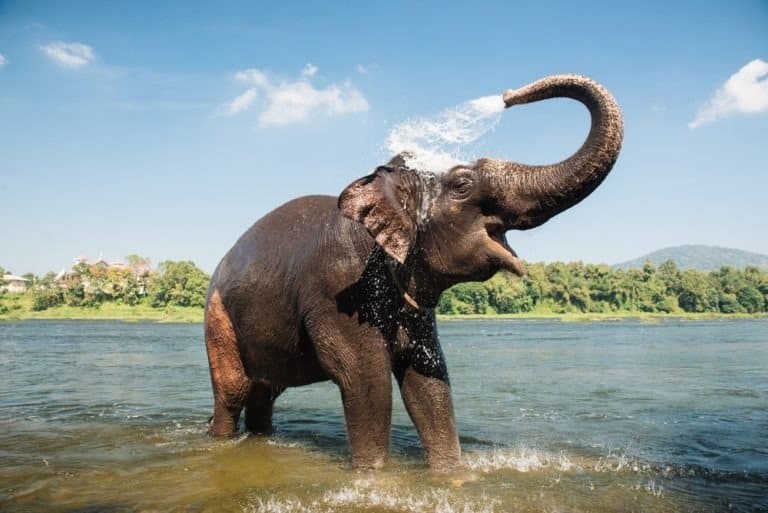
Asian Elephant
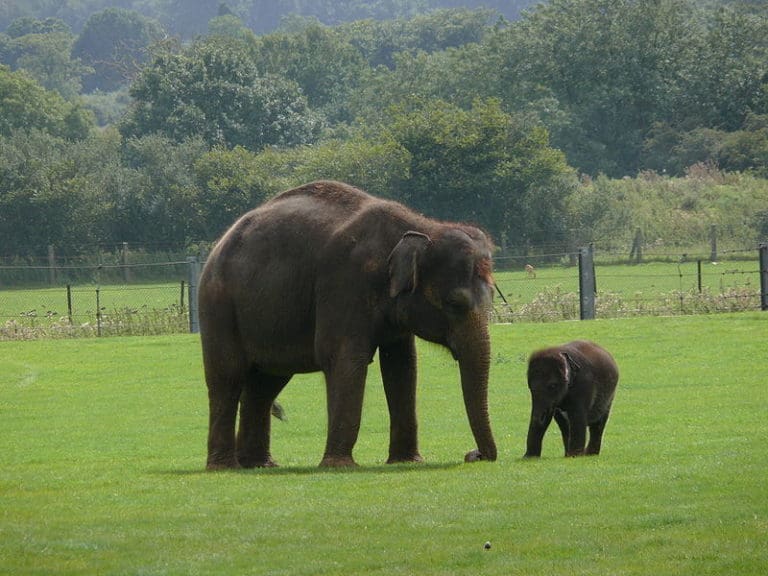
Asian Elephant The defining megafauna of Jharkhand's forest landscape-often encountered via signs (tracks/dung) and sometimes direct sightings; herds and bulls move between large forest blocks (notably in the Kolhan/Saranda belt and Palamau region), making elephants central to both tourism and conservation.
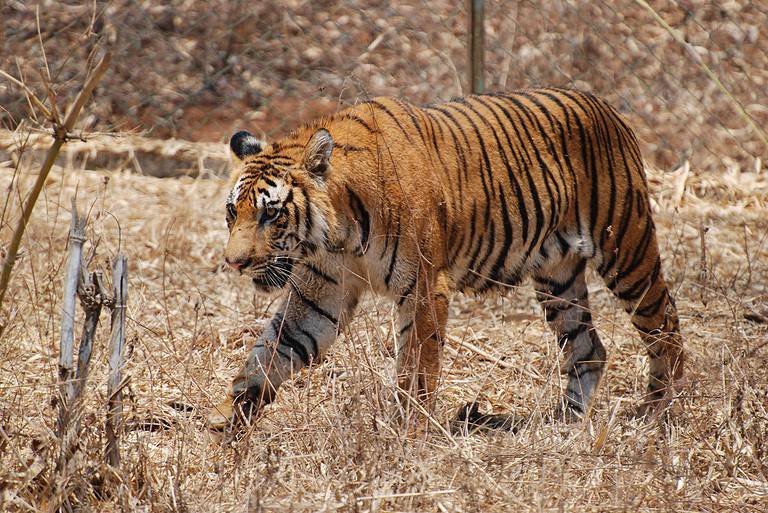
Bengal Tiger
Bengal Tiger The flagship species of the Palamau Tiger Reserve landscape (including Betla); sightings are difficult, but pugmarks, scrapes, and camera-trap records make tigers the premier draw for dedicated wildlife visitors.
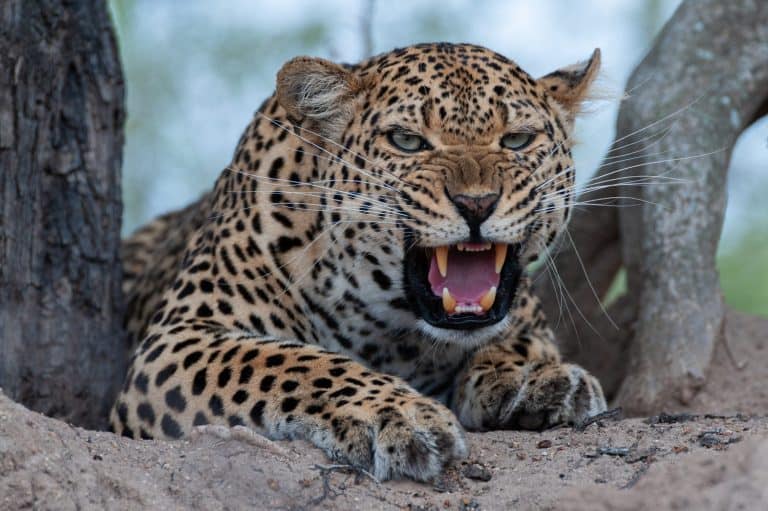
Indian Leopard More adaptable than tigers and present across many forest divisions; leopards are among the most realistically sighted big cats in Jharkhand's sal and mixed deciduous forests.
Sloth Bear A characteristic species of dry deciduous and sal forests; often detected through foraging signs (termite mounds) and is a key part of the 'central Indian forest' wildlife experience.
Gaur (Indian Bison) A powerful forest bovine associated with larger, better-protected forest tracts; iconic for its size and herd behavior in the Palamau-Betla landscape and other suitable forests.
Dhole (Asiatic Wild Dog) A rare but important apex pack-hunter in intact forest systems; when present, it signals relatively functional predator-prey dynamics.
Sambar Deer Jharkhand's most important large deer and a key prey species for tigers and leopards; frequently encountered by calls, tracks, and occasional sightings near forest edges and water sources.
Chital (Spotted Deer) One of the most visible herbivores in many safari zones and forest openings; its abundance strongly shapes predator presence and tourist sighting rates.
Indian Peafowl
Indian Peafowl Common and conspicuous in forest-agriculture mosaics and open woodland; a high-visibility 'every-visit' species for many travelers.

Endemic & Rare Species

Indian Pangolin

Manis crassicaudata

Endangered (IUCN); highly threatened by poaching/illegal trade

A secretive, nocturnal mammal occurring at low densities; Jharkhand's remaining forest blocks and scrubby edges can still support pangolins, making protection from hunting and trade a major conservation priority.

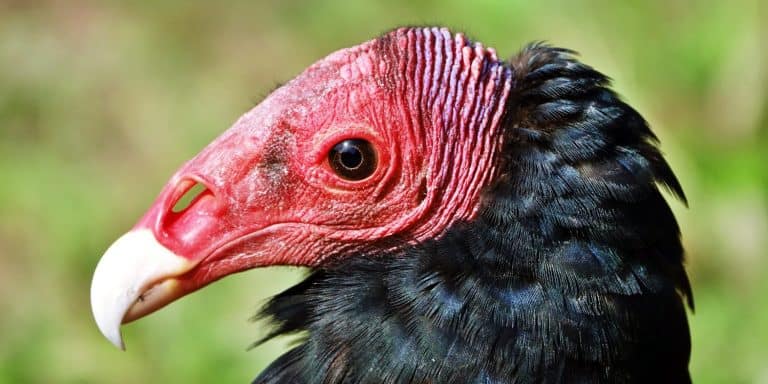
Red-headed Vulture

Sarcogyps calvus

Critically Endangered (IUCN); very rare, scattered records

Once widespread, now extremely scarce; any occurrence in Jharkhand's forests/open country is conservation-significant due to catastrophic national declines driven largely by veterinary NSAID poisoning and food scarcity.

White-rumped Vulture

Gyps bengalensis

Critically Endangered (IUCN); sharply reduced across India

Jharkhand's large rural landscapes historically supported vultures; remaining individuals/roosts are important for regional recovery efforts tied to safer veterinary drug use and carcass availability.

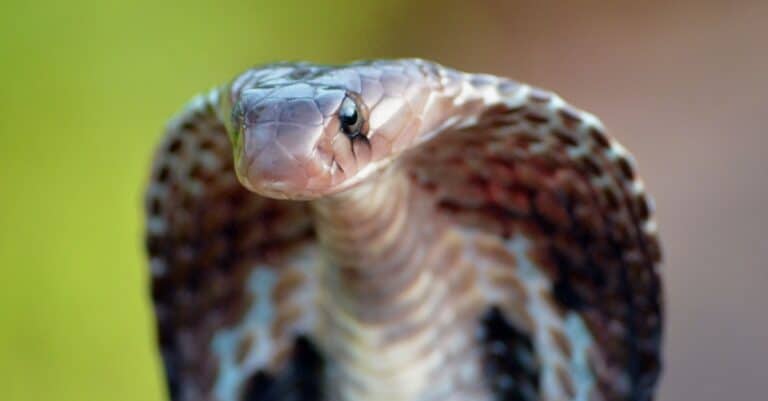
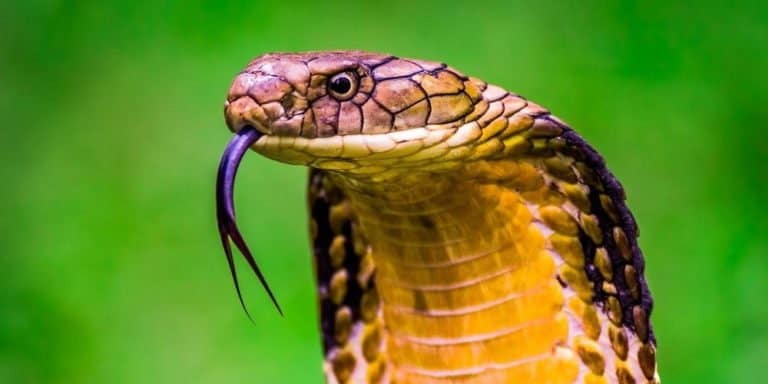
King Cobra

Ophiophagus hannah

Vulnerable (IUCN); locally rare and patchy

A top reptile predator dependent on relatively intact forest cover; rare encounters and verified records (where present) highlight the value of larger sal forest landscapes and low-persecution zones.

Indian Rock Python

Python molurus

Near Threatened (IUCN); protected in India, locally uncommon due to persecution and habitat loss

A large, charismatic snake associated with riverine thickets, wetlands, and forest edges; its persistence indicates healthier wetland/riverine microhabitats.

Smooth-coated Otter

Lutrogale perspicillata

Vulnerable (IUCN); sensitive to river degradation and fishing pressure

Where it persists along cleaner river stretches and reservoirs, it serves as a strong indicator of aquatic ecosystem health in Jharkhand's heavily used river basins.

Notable Populations

  • Asian elephant range in the broader Singhbhum-Kolhan/Saranda forest belt and connected reserve forests, forming an important eastern-central Indian movement zone and conflict hotspot.
  • Palamau Tiger Reserve-Betla landscape as Jharkhand's primary large-carnivore stronghold and a key forest block for maintaining connectivity between remaining tiger habitats in the wider region.
  • Large, contiguous sal forest systems (notably Saranda and the Palamau landscape) supporting intact guilds of ungulates (sambar/chital/wild boar) and their predators (leopard, tiger where present).

Recent Changes

  • Elephant movements and human-elephant conflict have intensified in several forest-agriculture mosaics, driven by shifting land use, fragmentation, and seasonal crop attraction; elephants increasingly use corridors and secondary forest patches.
  • Tiger occupancy in the Palamau landscape has shown long-term pressure from habitat fragmentation, prey depletion in some areas, and historical poaching; recent years have seen periodic confirmations but generally low, fragile numbers compared with major tiger landscapes.
  • Leopards have remained widespread and in some areas appear to be encountered more often than tigers, reflecting their adaptability to mixed forests and edge habitats.
  • Vulture populations remain severely reduced; localized stabilization/recovery depends on reduced use of toxic veterinary NSAIDs and improved carcass management, but overall rarity persists.
  • Aquatic wildlife faces growing pressure from river modification, sand mining, pollution, and intensive fishing-contributing to localized declines of sensitive fish and otter habitats, even where reservoirs increase some open-water bird use.
Visit

Wildlife Viewing

Jharkhand offers low-crowd wildlife viewing in sal and dry deciduous forests of the Chota Nagpur Plateau. Top areas are Palamau (Betla National Park/Palamau Tiger Reserve), Dalma Wildlife Sanctuary, Hazaribagh and Parasnath. Expect Asian elephant (especially Dalma and parts of Palamau‑Latehar), leopard, gaur, sambar, chital, wild boar and occasional sloth bear, plus excellent birding. Tiger sightings are rare.

Best Seasons

Winter (Nov-Feb)

Best overall conditions: cool mornings, clear visibility, and comfortable safari hours. Excellent birding (winter visitors around wetlands and reservoirs), frequent sightings of deer, wild boar, gaur in open patches, and good chances of elephant movement in select corridors. Nights can be cold-carry layers for dawn drives.

Spring / Late winter (Mar-Apr)

Drying forests make wildlife easier to spot near water sources and open glades. Strong time for mammal viewing (sambar, chital, gaur, wild boar) and predator possibility (leopard) along forest roads. Temperatures rise quickly by April; plan early morning and late afternoon drives.

Summer (May-mid Jun)

Most intense heat but often the best odds for wildlife concentrated around waterholes and streams. Elephant sightings can be good where herds come to drink; bird activity spikes around remaining water. Expect harsh midday conditions-stick to dawn/evening safaris and hydrate well.

Monsoon (mid Jun-Sep)

Lush, dramatic forests and waterfalls, peak scenery, and active amphibians/insects. Wildlife is dispersed and visibility is reduced; leeches and slippery tracks are common. Many protected-area routes may be limited/closed; it's better for nature walks on accessible trails and photography of landscapes than classic safaris.

Post-monsoon (Oct-early Nov)

Fresh greenery with improving road access and comfortable weather returning. Good for general wildlife drives, forest-edge birding, and combining wildlife with cultural/heritage stops. Sightings improve as grasses begin to recede.

Top Wildlife Experiences

  • Jeep safari in Betla National Park (Palamau landscape): focus on elephant, gaur, sambar and open-forest birding; include a dawn drive for best light and activity.
  • Explore the broader Palamau Tiger Reserve landscape around Betla/Latehar: slow forest drives and waterhole watches for deer congregations and a chance encounter with leopard (often near forest edges).
  • Elephant country day-trip in Dalma Wildlife Sanctuary (near Jamshedpur): guided forest drive/trek on approved routes for Asian elephant herds, with panoramic plateau views.
  • Birding circuit around reservoirs and forest edges in Hazaribagh Wildlife Sanctuary: raptors, woodland birds, and winter migrants; combine with a morning nature walk where permitted.
  • Night-time wildlife watching on the forest-fringe roads outside protected zones (only with local guidance and within legal limits): spotlighting for nocturnal species and owls can be productive in buffer areas-confirm rules locally.
  • Parasnath hill/forest edge nature outing (Giridih district): combine a scenic hike with birding and butterfly watching in mixed forest patches (best in winter/post-monsoon).
  • Nature-and-heritage combo near Betla: pair a safari day with a visit to Palamu Fort (on the periphery of the forested landscape) for a culturally rich, photogenic itinerary.

Wildlife Watching Types

Jeep safaris in dry deciduous/sal forests (large mammals, tracks, waterhole viewing) Elephant watching (seasonal herd movement in corridors and sanctuary zones) Forest birding (woodpeckers, drongos, barbets, flycatchers, raptors) Wetland/reservoir birding (winter migrants, waders, waterfowl where habitats exist) Raptor watching over open plateaus and forest clearings (kites, eagles, hawks) Butterfly and insect watching (especially post-monsoon through early winter) Night wildlife/owling in buffer/fringe areas (where legal and guided) Wildlife photography focused on landscapes, animal behavior at water sources, and forest textures

Guided Options

  • Forest Department-organized jeep safaris and entry permits in Betla National Park / Palamau Tiger Reserve (book through official counters/portals where available; vehicles and guides are typically assigned locally).
  • Registered local naturalist/guide services around Betla/Latehar for multi-safari planning, birding add-ons, and logistics (choose operators who follow park rules and timings).
  • Dalma Wildlife Sanctuary local-guided outings (often arranged on-site or via local tourism offices) for approved routes and elephant-focused interpretation.
  • Community-led guiding in villages around the Palamau landscape (seasonal): nature walks, birding, and cultural add-ons-best arranged through reputable local coordinators.
  • State tourism facilitation (Jharkhand Tourism) for itinerary planning, approved accommodations, and seasonal advisories-useful for first-time visitors building a Palamau + Dalma circuit.
Habitats

Ecosystems

Jharkhand is shaped by the forested Chota Nagpur Plateau, a mix of sal-rich tropical dry deciduous forests, open woodlands, hills, and river valleys. Monsoon wet summers and dry winters make trees drop leaves and create grass and scrub openings, rivers, and reservoirs. Large forest blocks and corridors (Palamau-Betla, Dalma) host Asian elephants, leopards, and many ungulates amid farming and mining.

Biomes

Tropical Dry Forest

The dominant biome: sal-dominated and mixed dry deciduous forests across the plateau, with teak/other associates locally; strong seasonality leads to widespread leaf-drop in the dry months and frequent fire influences in more open tracts.

Widespread across most districts of the Chota Nagpur Plateau; forms the principal natural vegetation cover outside major urban/agricultural/mining areas.

Savanna

Open-canopy woodland and grass-dominated openings (often fire- and grazing-influenced) embedded within the dry deciduous matrix, including degraded forest edges, rolling uplands, and some protected-area grass patches used by grazing herbivores.

Patchy-occurs as pockets and strips within/around dry deciduous forests and on drier uplands; locally extensive where forests are degraded or managed for grazing.

Freshwater

Large river systems (e.g., Damodar, Subarnarekha, North/South Koel, Sankh, Barakar) with riparian corridors, plus reservoirs and impoundments supporting fisheries, waterbirds, and floodplain cultivation.

Statewide along major river basins and around reservoirs (notably in industrial Damodar valley and across plateau catchments).

Wetland

Seasonal and permanent wetlands including riverine backwaters, marshy fringes of reservoirs, lowland depressions, and paddy-associated wet areas that provide habitat for amphibians, reptiles, and waterbirds.

Localized but common-concentrated along river floodplains/valleys, reservoir margins, and agricultural lowlands; highly seasonal in extent.

Habitats

Forest

Extensive natural forest blocks and corridor forests, especially in the Palamau-Betla landscape, Dalma range, and other plateau tracts; key for elephants and large carnivores.

Deciduous Forest

Sal-dominated and mixed dry deciduous stands with pronounced dry-season leaf fall; understory varies from grasses to shrubs depending on fire, grazing, and moisture.

Woodland

Open, lower-canopy tree cover on drier ridges/plateau tops and in disturbed zones; often transitions into scrub/grass openings.

Grassland

Grass-dominated patches in forest clearings, plateau meadows, and along river/reservoir edges; many are maintained by fire, grazing, and human use.

Shrubland

Scrub and secondary growth on degraded forest land, around mines, and on rocky uplands; important as transitional habitat and for smaller fauna.

Mountain

Plateau hills and ranges (e.g., Parasnath/Shikharji area, Dalma hills) with rocky outcrops and elevational microhabitats rather than true alpine conditions.

Cliff/Rocky Outcrop

Rock faces, escarpments, and waterfall gorges common on the plateau (notably around river-cut valleys), used by raptors, bats, and specialized plants in crevices.

Cave

Small caves and rock-shelters in hilly/rocky terrain (often associated with escarpments and forested hills), providing bat roosts and local cultural sites.

River/Stream

Major rivers and tributaries (Damodar, Subarnarekha, Koel, Sankh, Barakar) with riparian belts, sand/gravel bars, and seasonal flood pulses.

Lake

Natural small lakes are limited; notable lentic habitats are largely reservoirs and impoundments (e.g., Getalsud, Dimna, Maithon/Panchet vicinity) supporting fisheries and waterbirds.

Pond

Village ponds, tanks, quarry pits, and small impoundments-critical dry-season water sources for wildlife and livestock, and breeding sites for amphibians.

Wetland

Marshy margins of reservoirs, riparian wetlands, and monsoon-flooded lowlands; often interwoven with paddy landscapes and supports wintering/migratory birds in places.

Marsh

Reedy, emergent-vegetation zones along slow-flowing river stretches and reservoir backwaters; expands in monsoon and contracts in dry season.

Urban

Urban/industrial hubs (e.g., Ranchi, Jamshedpur, Dhanbad-Bokaro belt) with fragmented green spaces and heavily modified waterways.

Suburban

Peri-urban mosaics of settlement, orchards, small tanks, and remnant woodland-often important for small carnivores, birds, and human-wildlife interfaces.

Agricultural/Farmland

Rainfed and irrigated fields (notably paddy in lowlands/valleys, plus pulses/oilseeds) forming a dominant human-use matrix around forest blocks.

Plantation

Commercial/managed plantations and forestry blocks (e.g., teak, eucalyptus and other timber/fuelwood species in places) plus tree-crop groves; typically lower native understory diversity than natural sal forests.

Ecoregions

Chota-Nagpur dry deciduous forests Lower Gangetic Plains moist deciduous forests
Protection

Conservation

Primary Threats

  • Jharkhand's mineral-rich plateau (coal, iron ore, bauxite, mica) drives large-scale open-cast mining and associated waste dumps, which directly clear sal forests, fragment elephant and carnivore movement routes, increase night traffic and human presence, and degrade streams through siltation and acid/metal-laden runoff in mining-affected catchments (notably in coalfields and iron-ore belts).
  • Forest conversion and degradation occur through settlement expansion, encroachment at forest edges, small-scale quarrying, and repeated disturbance in sal/dry deciduous systems. Loss of contiguous canopy and understory reduces secure habitat for elephants, ungulates and ground-nesting birds and increases human access for extraction.
  • Road widening, railway lines, power transmission corridors and industrial corridors dissect forest blocks in the Palamau and Singhbhum-Dalma landscapes. Linear infrastructure increases mortality risk (vehicle/train strikes), enables further encroachment, and disrupts traditional elephant movement routes, intensifying conflict in bottleneck corridors.
  • Elephant movement between forest patches and crop fields leads to recurring crop loss, house damage and occasional human fatalities, particularly where corridors have narrowed in the Singhbhum-Dalma belt and around fragmented forest-agriculture mosaics. Leopard conflict and retaliatory killing can occur near villages where prey depletion pushes carnivores toward livestock.
  • While commercial felling is regulated, illegal timber removal and chronic extraction of poles/fuelwood persist around accessible forest edges. Degradation is often subtle but cumulative-reducing sal regeneration, opening the canopy, and increasing fire susceptibility.
  • High dependence on non-timber forest products (fuelwood, fodder, tendu leaves, mahua, medicinal plants) can become unsustainable near densely populated fringes and mining/industrial townships, lowering food availability for wildlife and eroding forest structure.
  • Industrial emissions and effluents (thermal power, steel and ancillary industries) and mine drainage contribute to air and water pollution. River and reservoir systems receive sediment and contaminants, affecting aquatic biodiversity and downstream drinking-water quality; fly ash and particulate deposition also stress adjacent vegetation.
  • Incremental expansion of agriculture into forest fringes and shifting land use around plateau villages reduces buffer habitat and increases conflict. Intensive cropping near corridors attracts elephants during harvest seasons, reinforcing repeated conflict cycles.
  • Altered fire regimes (frequent dry-season burning), small dams/check-dams, and stream-channel modifications change forest and riparian dynamics. Repeated fires suppress regeneration in sal forests, promote fire-tolerant grasses/invasives, and simplify habitat structure.
  • In disturbed sal and scrub patches, invasive plants (notably Lantana camara in many dry deciduous landscapes) can form dense thickets that hinder native regeneration, alter forage availability, and complicate habitat management and patrolling.
  • Opportunistic hunting for bushmeat and local retaliation killings (especially after conflict incidents) persist in some areas. Even low-intensity offtake can depress prey populations needed by large carnivores and increase human-wildlife antagonism.
  • Jharkhand's connectivity to regional trade routes creates risk for illicit trade in pangolin scales, leopard parts and other wildlife products. Trade pressure compounds local hunting and undermines recovery of already slow-breeding species.
  • High daily human use of forests (grazing, fuelwood, NTFP collection), coupled with mining-linked settlements and traffic, increases noise/light disturbance, reduces daytime wildlife activity, and elevates poaching risk in easily accessible compartments.
  • Hotter summers and more erratic monsoon patterns can intensify drought stress in dry deciduous forests, increase fire frequency, and reduce water availability in seasonal streams and small reservoirs-pushing elephants and other wildlife toward irrigated fields and village water sources.
  • Close interface among wildlife, livestock and free-ranging dogs near villages raises risks of disease spillover (e.g., canine-borne diseases affecting carnivores) and livestock illness that can trigger grazing pressure shifts deeper into forests.
  • Growth of urban-industrial nodes around mining and manufacturing hubs expands built-up areas and peri-urban sprawl, increasing demand for land, water, and construction materials and adding chronic disturbance along forest peripheries.
  • Fragmentation of elephant and carnivore habitat into smaller, more isolated patches can reduce functional connectivity over time, risking reduced gene flow for wide-ranging species where corridors are narrowed by mines, roads and settlements.
  • In rivers and reservoirs, intensive fishing pressure and destructive practices in some stretches can reduce fish biomass and alter aquatic food webs, indirectly affecting riparian biodiversity and species such as otters and river-dependent birds.
Fun Facts

Did You Know?

Jharkhand's "tiger reserve with no tigers" moment is real: in the 2018 All-India Tiger Estimation cycle, Palamau Tiger Reserve reported zero tigers detected-an attention-grabbing conservation warning for a reserve created explicitly for tigers.

Dalma Wildlife Sanctuary sits right next to an industrial city (Jamshedpur), yet it still supports free-ranging Asian elephants; elephant movement from the sanctuary into fringe villages (and occasionally toward city edges) is a recurring, well-documented human-wildlife story here.

Udhwa's wetlands can host classic high-altitude migrants like bar-headed geese (the birds famed for crossing the Himalaya) alongside ducks and waders-an unexpected "migratory bird hotspot" in a mineral- and plateau-dominated state.

The Palamau-Betla forests are a classic sal (Shorea robusta) dominated dry-deciduous system, but they still hold a mix of large mammals-elephants and leopards-showing that "dry forest" landscapes can support charismatic megafauna, not just lush rainforests.

Jharkhand's elephant presence is strongly corridor-linked: many herds are not confined to one park but move through a broader Jharkhand-Odisha-West Bengal forest mosaic, meaning protection outside protected-area boundaries can matter as much as protection inside them.

Palamau Tiger Reserve (PTR) is one of the original 9 tiger reserves that launched India's Project Tiger in 1973-placing Jharkhand's flagship reserve in the very first national batch of tiger landscapes.

Udhwa Lake Bird Sanctuary (Sahibganj) is Jharkhand's only dedicated bird sanctuary; it protects a pair of wetlands (Pataura & Berhale) totaling about 5.65 km²-tiny, but uniquely designated in the state.

Betla National Park (within the Palamau landscape) is Jharkhand's first national park, notified in 1986-still the state's best-known "big-mammal" safari park.

Palamau Tiger Reserve is the only tiger reserve in Jharkhand-so every officially managed "tiger reserve" habitat in the state is concentrated in this single Palamau-Betla landscape.

Thank you for reading! Have some feedback for us?