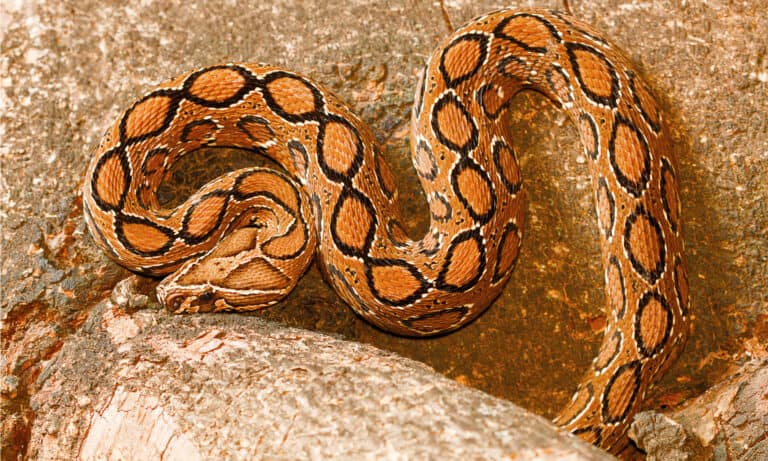
Russel's Viper
Spots, hiss, and high-stakes venom

Spots, hiss, and high-stakes venom
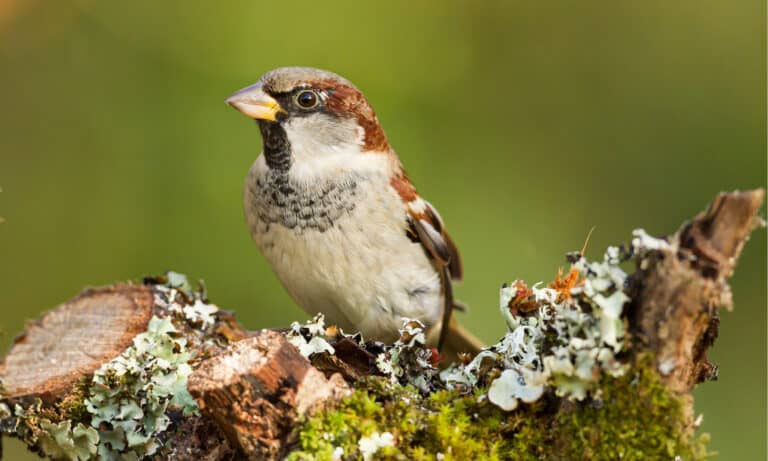
The sparrow that followed humanity
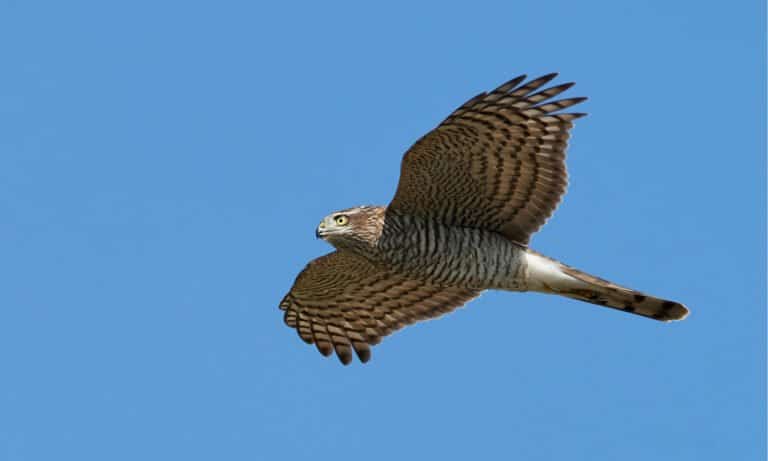
The woodland sprinter with a long tail
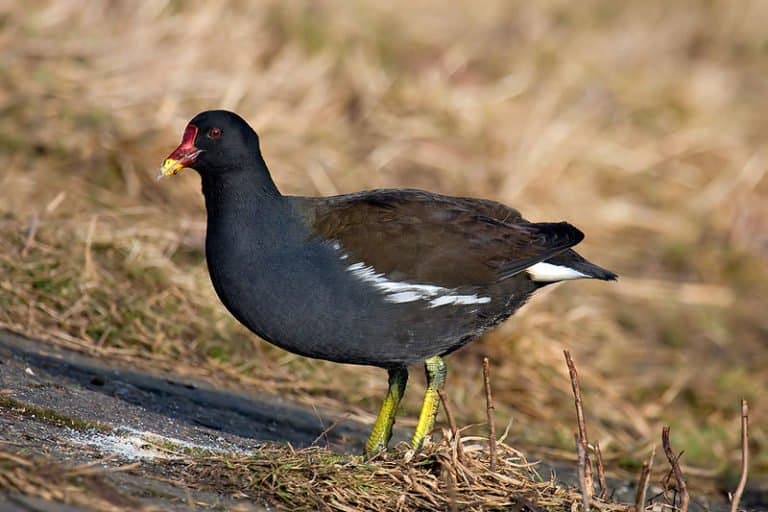
The reed-bed runner on lily pads
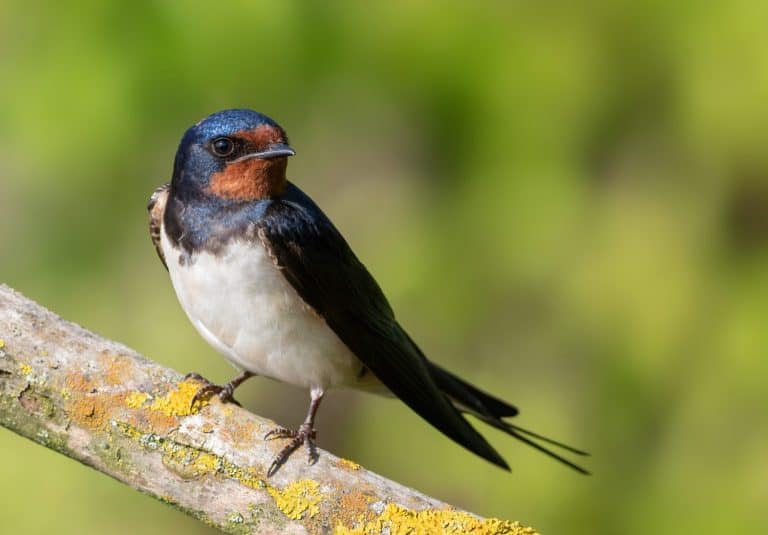
Mud-cup mason of the open skies
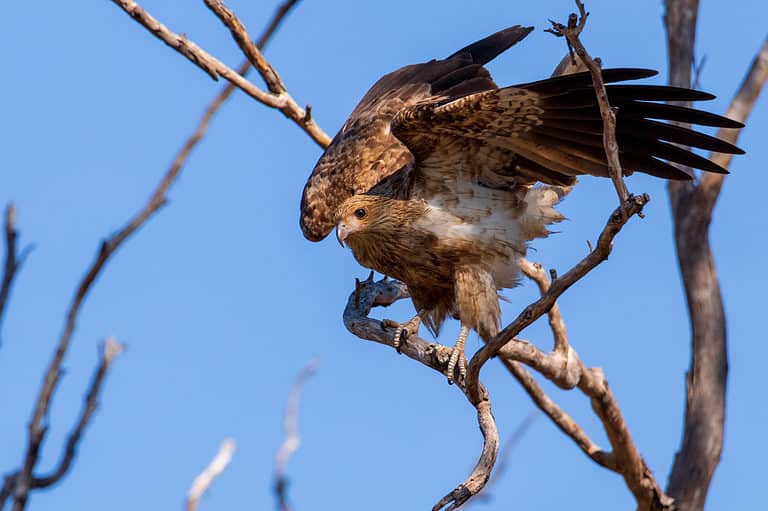
Smoke-follower of the savannas
Even though Delhi is very urban, it still keeps a natural side shaped by two main features: the ancient Aravalli outcrops of the Delhi Ridge and the Yamuna River corridor. These areas are green refuges in the city, supporting mammals like jackal, nilgai, and civets, and birds, reptiles, and pollinators in scrub, woodland, and river-edge habitats. Key ecosystems are the thorn-scrub and dry deciduous patches of the Ridge, such as Sanjay Van and Asola Bhatti, which give cover, dens, and movement routes for medium-sized carnivores and herbivores. Along the Yamuna, floodplain wetlands, marshes, and riverine grasslands—especially near the Okhla barrage wetlands and Okhla Bird Sanctuary—are vital stopovers and wintering grounds on the Central Asian Flyway for waterfowl, waders, raptors, and reedbed birds. What makes Delhi special is how close these wild places are to neighborhoods, roads, and monuments, so people can move from scrub to wetlands in one morning.
Delhi's wildlife is shaped by an urban setting on the Indo-Gangetic plains. Habitat is mainly in two lines: the Yamuna River and floodplain wetlands, key for waterbirds and migratory species; and the rocky Delhi Ridge (northern Aravalli outcrops) with dry deciduous and scrub plants. Biodiversity also survives in protected ridge fragments (Asola-Bhatti), river corridors, lakes, and urban greenspaces.
Approx. 200-320 m above sea level (lowest along the Yamuna floodplain; highest on southern ridge outcrops)
Designated 2018
Delhi has no National Parks but keeps important protected areas: one Wildlife Sanctuary, Ridge/Aravalli reserved and protected forests, biodiversity parks, and wetlands and floodplains along Yamuna and Najafgarh. These areas form the city’s main wildlife habitat, with dry Aravalli scrub-thorn, seasonal wetlands, and winter migratory birds. The Delhi Forest Department and DDA manage restoration, cut fragmentation, and handle human-wildlife issues.
Approximately ~8-10% of Delhi's land area is under some form of notified forest/protected status or dedicated biodiversity conservation management (strictly notified wildlife-protected area is much smaller-dominated by Asola Bhatti Wildlife Sanctuary at ~2% of NCT).
Restored Aravalli scrub and woodland on degraded terrain near historic Tughlaqabad, valuable for native dryland flora, reptiles, and edge-forest bird communities in South Delhi.
A compact but important urban wetland restoration site that improves local hydrology and supports wetland birds, amphibians, and dragonflies-useful for close-range wildlife viewing in an urban neighborhood.
Restoration landscape along the southern Ridge zone emphasizing native Aravalli vegetation, grassland patches, and seasonal wet areas-supporting birds of open scrub, small mammals, and reptiles.
A well-known Ridge forest patch functioning as an urban refuge for mammals, owls, and woodland/scrub birds; important as part of the Southern Ridge connectivity toward the Aravallis and Asola landscape.
A key Northern Ridge habitat block with mature woodland/scrub and high urban bird diversity; valuable for raptors, parakeets, and small mammals in the city core.
A comparatively continuous Ridge segment that supports scrub-forest fauna and acts as a movement corridor for urban-adapted mammals and birds; good for early-morning wildlife viewing in woodland habitat.
Though very urban, the National Capital Territory of Delhi has surprising wildlife formed by three main habitats: (1) the Yamuna River corridor with floodplain wetlands (e.g., Okhla Bird Sanctuary, Najafgarh Lake and drain, Wazirabad-Jagatpur), (2) the semi-arid Delhi Ridge—northern Aravallis with scrub forest, ravines and rocky outcrops (e.g., Asola Bhatti Wildlife Sanctuary), and (3) a network of urban parks, biodiversity parks and farm edges that act as stepping-stone habitats. Common large species include nilgai, jackals, kites and peafowl. Many migratory waterbirds and raptors visit in winter.
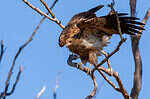
Delhi is urban but good for wildlife around green "islands": the Yamuna floodplain and wetlands, Aravalli outcrops of the Delhi Ridge and protected parks. Expect many birds (best in winter), easy to see reptiles and small mammals in scrub and forest, and easy to reach raptor and waterbird watching, all a drive from central New Delhi.
Peak wildlife season. Large influx of migratory waterfowl and waders on the Yamuna floodplain and wetlands; big mixed flocks, raptors (harriers, kites, eagles), and great photography light. Early mornings can be foggy and cold; plan for later starts on heavy-fog days.
Migration continues (passage migrants) with increasing song and breeding displays. Woodland birding improves on the Ridge; butterflies and dragonflies ramp up around wetlands. Comfortable temperatures for walking trails.
Hot but active at dawn and near water. Good time for reptiles (lizards, monitor lizards, snakes-seen occasionally) and for watching urban-adapted raptors and owls around the Ridge and large parks. Midday wildlifeing is limited; focus on sunrise outings.
Landscape turns green; breeding season for many resident birds, frequent bird calls, and strong insect life (butterflies/dragonflies). Wetlands can be dynamic with water levels and access; carry rain protection and plan flexible routes.
Fresh vegetation, clearer mornings, and the start of migratory arrivals. Excellent time for a mix of woodland and wetland birding before peak winter crowds; great for relaxed multi-site days.
Delhi (NCT) lies on the semi-arid edge of the Indo-Gangetic Plain by the Yamuna River. Intense city growth covers a mix of Aravalli ridge scrub and woodlands, river floodplain, parks, and man-made waterbodies. Main biodiversity spots are the Delhi Ridge (Aravalli outcrops), the Yamuna floodplain, and many wetlands and lakes that support local wildlife and migratory waterbirds.
Remnant tropical dry deciduous/thorn-scrub vegetation on the Delhi Ridge and other undeveloped patches; dominated by drought-tolerant trees and scrub (much of it now secondary growth and invasive-impacted).
Patchy and fragmented; mainly on the Ridge and protected greens (small proportion of the territory, but ecologically significant).
Open grassy areas and scrub-grass mosaics in the Ridge, along portions of the Yamuna floodplain, and in fallow/managed open grounds where tree cover is sparse.
Localized pockets; often interspersed with woodland and urban open spaces.
The Yamuna River corridor, associated drains/canals, and a network of lakes/ponds and reservoirs that provide aquatic habitat (water quality varies widely by stretch/season).
Linear along the Yamuna plus scattered waterbodies across the city; extent fluctuates strongly with monsoon and abstraction.
Seasonal floodplain wetlands, marshy depressions, sewage-fed wetlands, and lake-margin reedbeds that function as key bird habitats (notably around Okhla and other floodplain/waterbody complexes).
Scattered and highly fragmented; concentrated along the Yamuna floodplain and around major lakes/wetland parks.
Dense built-up matrix with street trees, institutional greens, and urban parks that provide habitat for adaptable birds, bats, reptiles, and invertebrates.
Lower-density edges with gardens, small groves, and mixed land use that can support higher local bird and pollinator diversity than the urban core.
Protected/managed wooded patches on the Delhi Ridge and larger biodiversity parks (often secondary woodland with dry-forest species and invasive control efforts).
Open-canopy ridge vegetation on rocky Aravalli substrates; includes thorny scrub, acacias, and mixed planted natives/exotics.
Thorn scrub and degraded dry-forest understory on ridge slopes, fallow lands, and disturbed sites; important for small mammals, reptiles, and ground-nesting birds.
Open grounds and floodplain grass patches (often seasonal), supporting raptors, seed-eating birds, and diverse insects where not heavily disturbed.
The Yamuna mainstem and side channels; habitat quality ranges from relatively better upstream reaches to heavily impacted urban stretches, yet remains crucial for connectivity and wildlife movement.
Floodplain wetlands, reedbeds, and constructed/managed wetlands that host wintering waterfowl and waders; productivity often tied to monsoon and inflows.
Reed- and sedge-dominated margins around lakes and floodplain depressions (e.g., bird-rich wetland edges), providing nesting/roosting cover.
Natural/modified and artificial lakes (e.g., city lakes and wetland reservoirs) used by waterbirds; water levels and eutrophication vary seasonally.
Smaller neighborhood ponds, temple ponds, and stormwater/harvesting ponds that act as stepping-stone habitats for amphibians, odonates, and birds.
Rocky escarpments, quarry faces, and exposed Aravalli outcrops on parts of the Ridge providing roosting and niche microhabitats.
Remaining peri-urban croplands and floodplain cultivation patches that support granivorous birds and edge fauna but are under rapid land-use change.
Planted avenues, shelterbelts, and park plantations (mixed native/exotic) that add canopy and corridors, though ecological value depends on species composition and understory management.
Some of Delhi's best "wetlands" are accidental: **abandoned quarry pits** in the **Asola-Bhatti/Aravalli landscape** seasonally fill with rainwater, creating temporary lakes that attract waders and other waterbirds inside a dry, rocky forest matrix.
The Ridge forest isn't Himalayan. It is Aravalli-type semi-arid scrub. Some Ridge patches and biodiversity parks have plants and animals like Rajasthan-style dry thorn/scrub ecosystems, not the green riverside woods people expect.
**Nilgai (blue bull)** and **golden jackal** are not rare "outskirts" animals here: they regularly use **Yamuna floodplain grass-shrub mosaics** and Ridge green corridors, meaning large wild mammals persist and move through one of the world's most built-up capitals.
Delhi's wetlands attract long-distance winter migrants. Wet places around Najafgarh and the Yamuna floodplains have Central Asian/Siberian birds like bar-headed goose, northern pintail, and big winter raptors (e.g., steppe eagle).
Delhi's **only notified wildlife sanctuary** is **Asola Bhatti Wildlife Sanctuary (32.71 km²)**-the union territory's single largest legally protected wild habitat block inside the NCT.
The **Delhi Ridge** is the **northernmost extension of the Aravalli Range**, making Delhi the only Indian national capital with an in-city outcrop of one of the world's oldest hill systems supporting native dry-forest wildlife.
Despite being a megacity, **450+ bird species have been recorded within the NCT of Delhi** (combined records across the Ridge forests, Yamuna floodplains, and city wetlands), placing Delhi among India's most species-rich urban birdscapes.
The **Najafgarh Drain-marsh complex** functions as **Delhi's largest remaining wetland corridor**, regularly holding large winter congregations of waterfowl and serving as a major raptor-watching site within the capital's limits.
6 species documented in our encyclopedia
Thank you for reading! Have some feedback for us?
We appreciate your help in improving our content.
Our editorial team will review your suggestions and make any necessary updates.
There was an error submitting your feedback. Please try again.